
There are 4 current discussions about this work.
On This Page
Description
Follows the adventures of Paul Atreides, the son of a betrayed duke given up for dead on a treacherous desert planet and adopted by its fierce, nomadic people, who help him unravel his most unexpected destiny.Tags
Recommendations

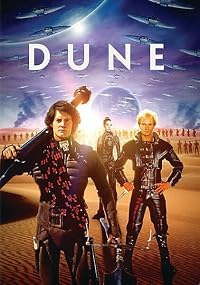
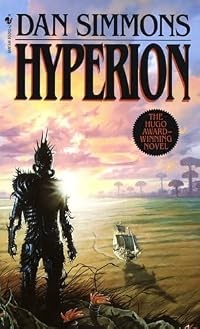
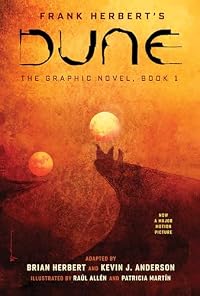
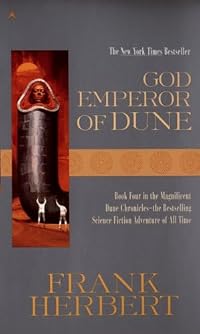

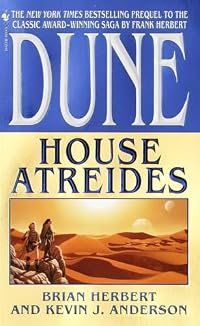
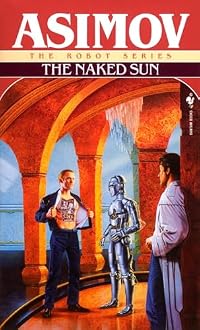
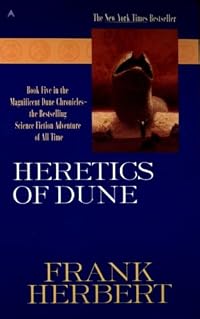
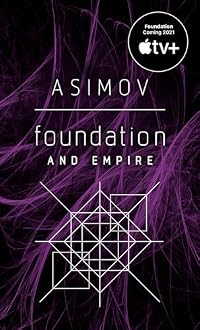
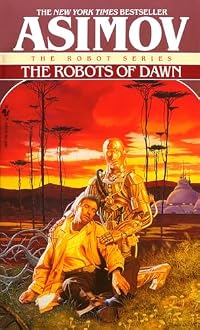

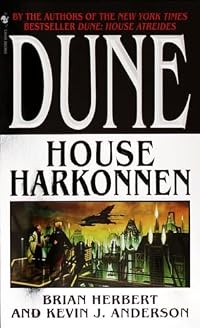


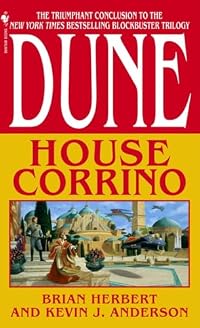
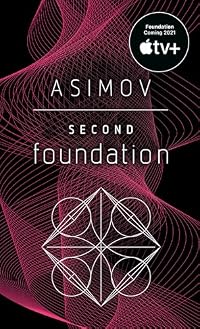

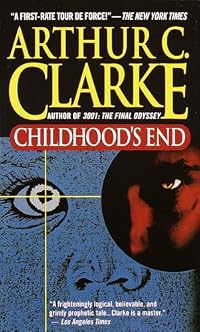
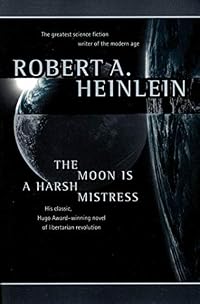
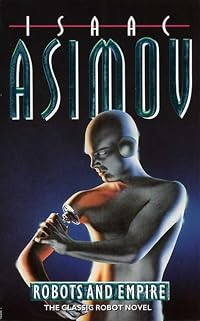
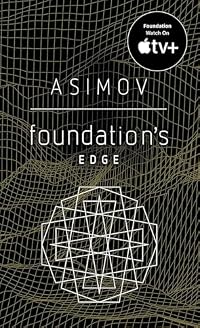
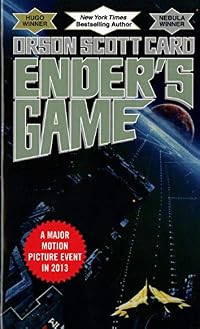
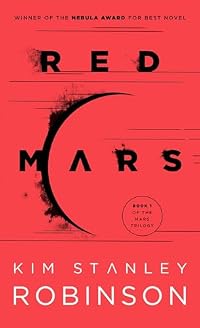
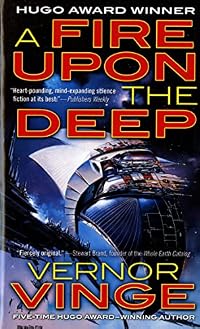
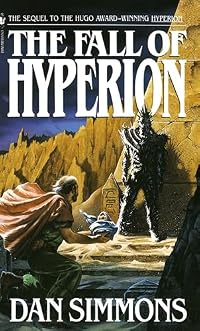
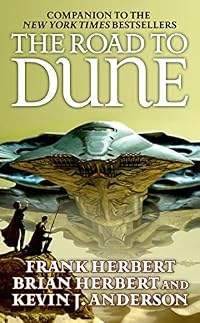
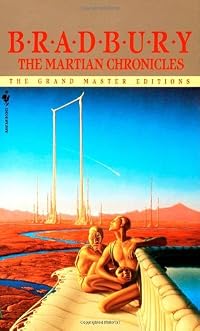
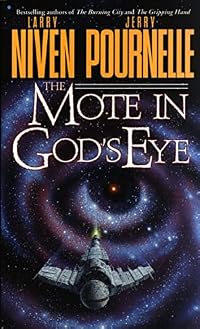

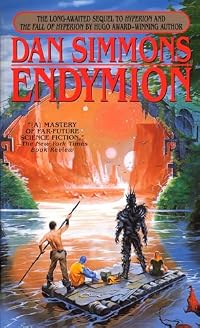

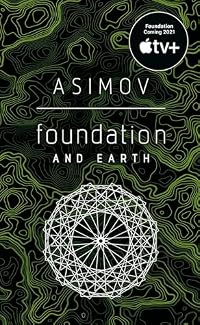
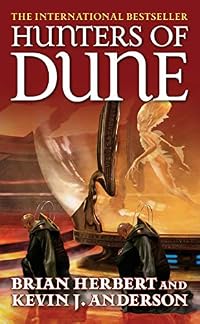
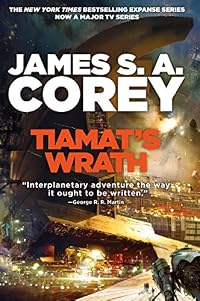
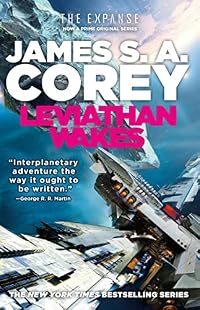
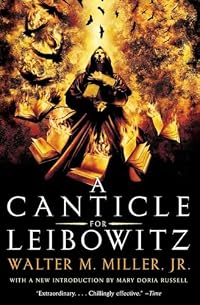
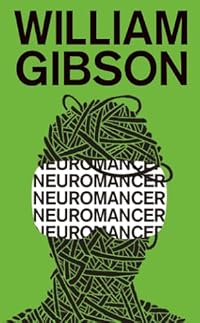
Member Recommendations
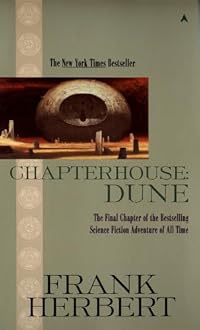
JonTheTerrible The pace of these books are similar as well as the topics they cover: society and government. The science plays only a small role in both books but is present enough to successfully build the worlds in which the characters inhabit.
Also recommended by Patangel, philAbrams
3511
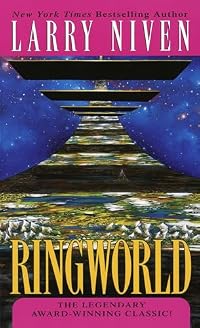
corporate_clone It is difficult not to compare Dune and Hyperion, even though both series have major differences in terms of tone, style and philosophy. Those are two long, epic, elaborate and very ambitious sci-fi masterpieces where religion plays a key role. I would highly recommend the fans of one to check out the other.
183
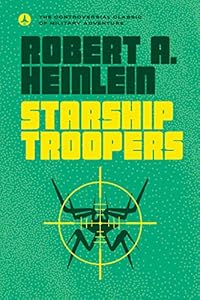
reading_fox Same basic sort of premise - SciFi set on desert worlds inspires the rise of a galactic empire, but very different outcomes!
60

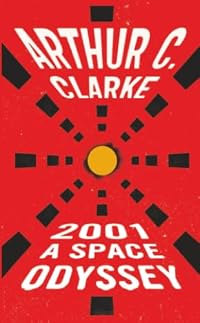
corporate_clone Both books are a subtle blend of science fiction and fantasy while being truly epic stories. Although Dune remains a superior literary achievement in my view, Silverberg's Majipoor series is a credible alternative.
75
amysisson Different in tone, but similar in scope, plus it's also about the lengths to which empires will go to maintain the status quo.
10

themulhern Young man with special powers and noble blood overthrows the established order through cunning and charisma. In the process he changes his people and then the rot sets in.
21
ngoomie Though they're very different books generally speaking, both cultivate a potent sense of atmosphere that similarly make you feel completely immersed, like you're reading about an actually-extant world and culture, or even there in it yourself. Their cultures are vibrant and distinctive, characters full of depth and realistic. I would say there's generally a good chance that, if you like one, you'll like the other, if what I described sounds like something you're looking for more of.

sandstone78 Similar tropes in the form of human computers and a native species capable of granting youth, and the powerful woman trying to breed a special child- The Snow Queen seems on one level a response to Dune, taking many of the same elements and twisting them around, while going in quite different directions in other ways.
11

themulhern Illegitimate offspring of an extraordinary woman with occult powers himself comes to power and changes the world of all who come into contact with him.
themulhern Duncan Idaho is not so unlike Kit Solent


d_perlo So you have read Frank Herbert's Dune series and want more? Thy The Lazarus Effect, The Jesus Incident, and The Ascension Factor, also by Frank Herbert. This is his take on a water world.
23
whiten06 Another coming-of-age story with the protagonist gaining god-like knowledge through the use of hallucinogens.
01
wvlibrarydude Substance gives power to individual. Lots of political intrigue with interesting characters.
24

philAbrams Little things that just add up, despite different major themes.
03
ed.pendragon Similar approach to exploring ecology of a fictional planet while adding to the mix of myth-inspired human interaction.
03
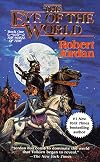
LaPhenix Another messiah story drawing inspiration from similar sources.
14

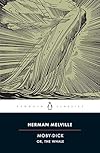
LamontCranston I once heard Harlan Ellison talking about how some works are unadaptable into film and he cited Dune and Moby-Dick
And thinking about it, both works use their story telling as platforms for ruminations on well everything about life
311
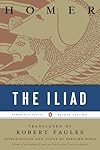
benmartin79 Dune stands in a long tradition of epic stories. The Iliad is not the oldest recorded epic, but is perhaps the most widely read of all.
1021
Member Reviews
A very good, if somewhat unusual, read. The pacing is fairly even, which is impressive considering the narrative dwells unexpectedly long on some things, and scurry fast past others. As a for instance, the second chapter informs the reader of an upcoming major and terrifying plot development as inevitable, only then to spend about a third of the book before this development comes to pass. This does contribute a terrific sense of foreboding to the early part of the book, true, but it also leaves a surprisingly small amount of space to deal with the repercussions that the narrative fairly early convinces one are really the point.
Which leads to a slightly unusual reading experience. Adding to this is Herbert's muddling of realistic (if show more heightened) skills and abilities, pseudo-plausible science fiction future skills and abilities, and outright mysticism in such a way that I as the reader am often not quite sure when something is a con the character is pulling to make it _seem_ like they have supernatural talents, when something is a non-supernatural talent so honed and skilled it legitimately seems (and might as well be) supernatural, and when something is actual, inexplicably supernatural. This, too, is not a bad thing -- far from it -- but it does contribute to the slightly unsual feel of the narrative. Finally, there is the use of third person narration with random insights -- a single paragraph can hop back and forth between several characters, showing you one's thoughts and then another's without warning. Potentially a confused mess in a less skilled writer's hands, burt Herbert handles it so elegantly I was never in doubt as to whose thoughts I was being shown.
The story itself is good, though it is the telling and the highly analytical, intelligent cast that populates it that makes it truly great. I'd not recommend the book to everyone, though. You should ideally have some slight liking of stories with political intrigue, I should think, and/or a well-developed science fiction backdrop to the same. Some tolerance for an occasionally dry narration style (as mentioned most of the characters are highly analytical, if with differing approaches and levels of skill) would probably be a boon, too. But for me, this was very good indeed. I recall trying to read it once at a young age and not getting quite into it, but as an adult, revisiting it was a decision I'm very happy I made. A classic for a whole bunch of good reasons. show less
Which leads to a slightly unusual reading experience. Adding to this is Herbert's muddling of realistic (if show more heightened) skills and abilities, pseudo-plausible science fiction future skills and abilities, and outright mysticism in such a way that I as the reader am often not quite sure when something is a con the character is pulling to make it _seem_ like they have supernatural talents, when something is a non-supernatural talent so honed and skilled it legitimately seems (and might as well be) supernatural, and when something is actual, inexplicably supernatural. This, too, is not a bad thing -- far from it -- but it does contribute to the slightly unsual feel of the narrative. Finally, there is the use of third person narration with random insights -- a single paragraph can hop back and forth between several characters, showing you one's thoughts and then another's without warning. Potentially a confused mess in a less skilled writer's hands, burt Herbert handles it so elegantly I was never in doubt as to whose thoughts I was being shown.
The story itself is good, though it is the telling and the highly analytical, intelligent cast that populates it that makes it truly great. I'd not recommend the book to everyone, though. You should ideally have some slight liking of stories with political intrigue, I should think, and/or a well-developed science fiction backdrop to the same. Some tolerance for an occasionally dry narration style (as mentioned most of the characters are highly analytical, if with differing approaches and levels of skill) would probably be a boon, too. But for me, this was very good indeed. I recall trying to read it once at a young age and not getting quite into it, but as an adult, revisiting it was a decision I'm very happy I made. A classic for a whole bunch of good reasons. show less
Update 8/28/17
Re-read. Number 13. :) I cry when Paul meets Gurney. I shiver when Jessica consoles Chani. I'm awestruck by the peaks and troughs of time, free-will, and the weakness in Paul even as he heroically strives against the evil that is about to be unleashed upon the universe.
*sigh*
Perfection. Easily the number one book I've ever read. :)
I waver, sometimes, but right now, it is my absolute favorite. :)
Original Review:
This is a phenomenal classic of literature.
It's not just science fiction. It transcends science fiction, as a fascinating discussion of free-will versus inevitability. Can the Jihad be denied? Can Paul ever really avoid his own death, despite seeing every time-line play out with him as the butt of every cosmic joke? show more Can even cruelty or mercy even remain comprehensible after such knowledge?
Yes, I think this work outdoes Nietzsche. It certainly does a great job of making us care about the question.
Is this all? Is this just a work that pays great justice to philosophy of action and inaction?
Or is the novel merely a clever play at turning the Heisenberg Uncertainty Principle into the physical embodiment of a man? It is that, of course. The Kwisatz Haderach can be many places at once, and he can be both alive and dead at the same time just like that certain cat.
Is the novel a coming of age tale, first set as a mirror against his father Leto, only then to mirror the whole universe that had just turned against him? Yes, of course. He was, after all, both the product of all his upbringing and his genes, embodying the question of nature versus nurture. He was taught within many schools of martial arts and assassins, as well as training the mind in both the schools of the Mentats with their pure logic and that of the mystics, the Bene Gesserit, that allows complete control over the body down to the cellular level. And if this training wasn't enough, he was deeply schooled in politics, leadership, and the meaning of loyalty. The boy was raised right. Of course, that is nothing without ninety generations of genetic bloodline tampering from the Bene Gesserit, right? To become the fulcrum between cellular memory, tapping the minds and lives of all your genetic ancestors as well as tapping the ability to fold time and space, to become the eye of a storm of time.
What a damn brilliant setup for one tiny character, no? His training links to the unlocking of his genes and to the life-extending and enveloping spice, Melange, to make him not merely aware of time in a theoretical sense, but eventually to be unable to discern what was in the past, the present, or the future. Here's a true Super-Man, well beyond Nietzsche.
And don't believe for one second that this serious discussion about what would make a superior man makes for dull reading. No. We've got PLOT that's probably some of the most exciting and visceral in all of literature, driving us right into the web of intrigue, vengeance, treachery, and galactic politics.
To quote the text, we've got "Plans within Plans," and it hardly stops there. We know the House Atreides is falling into a trap laid by the Emperor and House Harkonnen, and yet free-will and pride prevents any chance to avoid it. The setup is brilliant and extremely political, giving us character sketches of some of the most brilliant and memorable characters of all time.
Duke Leto, the Red Duke, the most honorable and beloved leader.
Duncan Idaho, the emotional and intuitive hero.
Gurney Halleck, archetypal loyalist and troubadour.
Lady Jessica, the woman who ought to have had all honor in life, but was unjustly reviled and set aside for political necessity. (Chani being both her mirror and her eventual glory.)
And of course, my favorite character of all time, Paul Muad'dib Atreides, the one that would prevent the greater evils he foresaw, and went to enormous lengths and sacrifice to achieve, but who eventually failed in his task because even a god cannot overcome destiny. (Or the will of so many minds set as one.)
So damn brilliant.
Frank Herbert spent five years writing this treasure, working and reworking it until he published it at age 25. None of his other works come close to this masterpiece, and there's little wonder. It was birthed, fully-formed, like Athena from Zeus's head, with enormous forethought and care.
The worldbuilding was just as carefully formed, from the ecology of Arrakis and the life-cycles of the sandworms, to the history and the creation of the Fremen from their mild beginnings as Zensunni Wanderers, adherents to the Orange Catholic Bible, to their history of oppression so like those of those who are Jewish, to their settling and hardening of their bodies and souls in the wastes of Arrakis, also just like the Jewish who carved out a place for themselves in Israel. (Current politics aside, this was a very potent idea before 1965 when Herbert wrote this, and indeed, the core is still just as powerful when you turn it back to Muslims.)
The Galactic culture is rich and detailed. The CHOAM economic consortium, with their monopoly on space travel and their need for the Spice to allow them to see a short period into the future to plot a safe course before folding space. The Empire is caught on a knife's edge between a single power and every other House who sit in the possibility of putting aside all their squabbles for the sole purpose of checking the Emperor, if they so desired. (And Duke Atreides was such a possible popular leader among all the Great Houses, which was the primary reason the Emperor wanted him dead.)
And of course, we have our Villains.
The Baron Harkonnen has always been a crowd pleaser. Brilliant in his own right, devious and able to corrupt anyone with just the right sorts of pressure, including a certain absolutely trustworthy doctor we might mention.
"The Tooth! The Tooth!" -- You can't handle the Tooth!
Feyd Rautha Harkonnen is especially interesting for the question of nature versus nurture.
The Bene Gesserit had intended him to mate with Paul, who should have been Leto and Jessica's daughter, and that offspring should have been the cumulation of ninety years of a breeding experiment to recreate the Kwisatz Haderach which had come about almost by accident during the Butlerian Jihad in the deep past, to overthrow the AI overlords.
He was practically Paul's genetic twin, or at least, his potential to be the "One who can be many places at once" was on par with Paul. But instead of fulfilling the kind of destiny that we get with Paul, we see him grow up under the auspices of his Uncle the Baron, becoming as cruel and devious as he was deadly. He was the argument of nurture in the conversation, of course, and having so very little of it eventually cost him his life.
I often wonder about the directions that Dune could have taken, all those little paths in time and circumstance that could have been. What if Feyd had been brought to Arrakis earlier and overwhelmed with Spice the way that Paul had? Sure, he wouldn't have been able to convert the unconscious changes into conscious manipulation, but he might have had enough glimpses of the future, the way that the Fremen did, to have given him the edge he would have needed to kill Paul.
And then there's a relatively minor character, Hasimir Fenring, the Emperor's personal assassin, who was nearly the Kwisatz Haderach, himself. Unable to breed true, he was still potent enough to be completely hidden to Paul's time-sight in the same way that Paul was hidden from the Spacing Guild's weaker time-sight. His training as a skilled killer was also superior to Paul. He was, by all the hints and tricks in the tale, Paul's perfect downfall. It always gives me shivers to think about, and it was only in a single instant of both recognition and pity from Paul that stayed Fenring from killing our hero. It was just a moment of whim.
The setup was gorgeous. Paul's pity, had it been missing at his moment of greatest triumph over the Emperor, would have meant Paul's assured death. I still wonder, to this day, what stayed Frank Herbert's hand from killing his most wonderful darling. We knew the pressure of religion and politics was going to have its way upon all the oppressed peoples of Dune. The return of a monstrous religious Jihad was going to happen one way or another, sweeping across the galaxy and toppling the Empire, regardless of Paul's frantic plans and desires. Paul's own death would only mean a higher level of fanaticism, and Frank Herbert's warning against unreasoning devotion would have been made even clearer with Paul's death.
Perhaps it was pity that stayed his hand. Who are we to say who lives and who dies?
If you really think this review is overlong, then I apologize, but please understand that I could absolutely go on and on much longer than this. It is a symptom of my devotion to this most brilliant of all tales.
And yes, it still holds up very, very well after twelve reads. I am quite shocked and amazed. show less
Re-read. Number 13. :) I cry when Paul meets Gurney. I shiver when Jessica consoles Chani. I'm awestruck by the peaks and troughs of time, free-will, and the weakness in Paul even as he heroically strives against the evil that is about to be unleashed upon the universe.
*sigh*
Perfection. Easily the number one book I've ever read. :)
I waver, sometimes, but right now, it is my absolute favorite. :)
Original Review:
This is a phenomenal classic of literature.
It's not just science fiction. It transcends science fiction, as a fascinating discussion of free-will versus inevitability. Can the Jihad be denied? Can Paul ever really avoid his own death, despite seeing every time-line play out with him as the butt of every cosmic joke? show more Can even cruelty or mercy even remain comprehensible after such knowledge?
Yes, I think this work outdoes Nietzsche. It certainly does a great job of making us care about the question.
Is this all? Is this just a work that pays great justice to philosophy of action and inaction?
Or is the novel merely a clever play at turning the Heisenberg Uncertainty Principle into the physical embodiment of a man? It is that, of course. The Kwisatz Haderach can be many places at once, and he can be both alive and dead at the same time just like that certain cat.
Is the novel a coming of age tale, first set as a mirror against his father Leto, only then to mirror the whole universe that had just turned against him? Yes, of course. He was, after all, both the product of all his upbringing and his genes, embodying the question of nature versus nurture. He was taught within many schools of martial arts and assassins, as well as training the mind in both the schools of the Mentats with their pure logic and that of the mystics, the Bene Gesserit, that allows complete control over the body down to the cellular level. And if this training wasn't enough, he was deeply schooled in politics, leadership, and the meaning of loyalty. The boy was raised right. Of course, that is nothing without ninety generations of genetic bloodline tampering from the Bene Gesserit, right? To become the fulcrum between cellular memory, tapping the minds and lives of all your genetic ancestors as well as tapping the ability to fold time and space, to become the eye of a storm of time.
What a damn brilliant setup for one tiny character, no? His training links to the unlocking of his genes and to the life-extending and enveloping spice, Melange, to make him not merely aware of time in a theoretical sense, but eventually to be unable to discern what was in the past, the present, or the future. Here's a true Super-Man, well beyond Nietzsche.
And don't believe for one second that this serious discussion about what would make a superior man makes for dull reading. No. We've got PLOT that's probably some of the most exciting and visceral in all of literature, driving us right into the web of intrigue, vengeance, treachery, and galactic politics.
To quote the text, we've got "Plans within Plans," and it hardly stops there. We know the House Atreides is falling into a trap laid by the Emperor and House Harkonnen, and yet free-will and pride prevents any chance to avoid it. The setup is brilliant and extremely political, giving us character sketches of some of the most brilliant and memorable characters of all time.
Duke Leto, the Red Duke, the most honorable and beloved leader.
Duncan Idaho, the emotional and intuitive hero.
Gurney Halleck, archetypal loyalist and troubadour.
Lady Jessica, the woman who ought to have had all honor in life, but was unjustly reviled and set aside for political necessity. (Chani being both her mirror and her eventual glory.)
And of course, my favorite character of all time, Paul Muad'dib Atreides, the one that would prevent the greater evils he foresaw, and went to enormous lengths and sacrifice to achieve, but who eventually failed in his task because even a god cannot overcome destiny. (Or the will of so many minds set as one.)
So damn brilliant.
Frank Herbert spent five years writing this treasure, working and reworking it until he published it at age 25. None of his other works come close to this masterpiece, and there's little wonder. It was birthed, fully-formed, like Athena from Zeus's head, with enormous forethought and care.
The worldbuilding was just as carefully formed, from the ecology of Arrakis and the life-cycles of the sandworms, to the history and the creation of the Fremen from their mild beginnings as Zensunni Wanderers, adherents to the Orange Catholic Bible, to their history of oppression so like those of those who are Jewish, to their settling and hardening of their bodies and souls in the wastes of Arrakis, also just like the Jewish who carved out a place for themselves in Israel. (Current politics aside, this was a very potent idea before 1965 when Herbert wrote this, and indeed, the core is still just as powerful when you turn it back to Muslims.)
The Galactic culture is rich and detailed. The CHOAM economic consortium, with their monopoly on space travel and their need for the Spice to allow them to see a short period into the future to plot a safe course before folding space. The Empire is caught on a knife's edge between a single power and every other House who sit in the possibility of putting aside all their squabbles for the sole purpose of checking the Emperor, if they so desired. (And Duke Atreides was such a possible popular leader among all the Great Houses, which was the primary reason the Emperor wanted him dead.)
And of course, we have our Villains.
The Baron Harkonnen has always been a crowd pleaser. Brilliant in his own right, devious and able to corrupt anyone with just the right sorts of pressure, including a certain absolutely trustworthy doctor we might mention.
"The Tooth! The Tooth!" -- You can't handle the Tooth!
Feyd Rautha Harkonnen is especially interesting for the question of nature versus nurture.
The Bene Gesserit had intended him to mate with Paul, who should have been Leto and Jessica's daughter, and that offspring should have been the cumulation of ninety years of a breeding experiment to recreate the Kwisatz Haderach which had come about almost by accident during the Butlerian Jihad in the deep past, to overthrow the AI overlords.
He was practically Paul's genetic twin, or at least, his potential to be the "One who can be many places at once" was on par with Paul. But instead of fulfilling the kind of destiny that we get with Paul, we see him grow up under the auspices of his Uncle the Baron, becoming as cruel and devious as he was deadly. He was the argument of nurture in the conversation, of course, and having so very little of it eventually cost him his life.
I often wonder about the directions that Dune could have taken, all those little paths in time and circumstance that could have been. What if Feyd had been brought to Arrakis earlier and overwhelmed with Spice the way that Paul had? Sure, he wouldn't have been able to convert the unconscious changes into conscious manipulation, but he might have had enough glimpses of the future, the way that the Fremen did, to have given him the edge he would have needed to kill Paul.
And then there's a relatively minor character, Hasimir Fenring, the Emperor's personal assassin, who was nearly the Kwisatz Haderach, himself. Unable to breed true, he was still potent enough to be completely hidden to Paul's time-sight in the same way that Paul was hidden from the Spacing Guild's weaker time-sight. His training as a skilled killer was also superior to Paul. He was, by all the hints and tricks in the tale, Paul's perfect downfall. It always gives me shivers to think about, and it was only in a single instant of both recognition and pity from Paul that stayed Fenring from killing our hero. It was just a moment of whim.
The setup was gorgeous. Paul's pity, had it been missing at his moment of greatest triumph over the Emperor, would have meant Paul's assured death. I still wonder, to this day, what stayed Frank Herbert's hand from killing his most wonderful darling. We knew the pressure of religion and politics was going to have its way upon all the oppressed peoples of Dune. The return of a monstrous religious Jihad was going to happen one way or another, sweeping across the galaxy and toppling the Empire, regardless of Paul's frantic plans and desires. Paul's own death would only mean a higher level of fanaticism, and Frank Herbert's warning against unreasoning devotion would have been made even clearer with Paul's death.
Perhaps it was pity that stayed his hand. Who are we to say who lives and who dies?
If you really think this review is overlong, then I apologize, but please understand that I could absolutely go on and on much longer than this. It is a symptom of my devotion to this most brilliant of all tales.
And yes, it still holds up very, very well after twelve reads. I am quite shocked and amazed. show less
My first reading of Dune was before college, and I've long considered it a "favourite" even as, typical of me, I recalled only broad aspects of character and plot. Re-reading decades later, I was reminded of that first reading's faint surprise at some timeskips and major developments pushed offstage -- anticipating, for example, that the Fremen revolt would have been covered in detail only to find it covered in a few pages, glancingly, and then ... done. (Wait, wasn't the Sardaukar-Fremen war what the entire book was leading up to?!)
For this reading, my intent was to inhabit the world more than travel alongside the characters. I wanted to better appreciate Herbert's universe and sociopolitical setting, confident the plot would be show more entertaining enough. I began with the Appendices to better grasp the universe as I read through: not merely Arrakis, which I generally recall Herbert handling well in the course of the novel, but for his spacefaring civilization and the political machinations within it. I also looked into various secondary sources. *
Dune always had the conceit of being written as by an historian: most obviously, chapter epigraphs from fictional books summarizing encounters at a remove and in the past tense. This framing provided the space opera equivalent of an epic, and remained just as effective this reading. What I missed the first time, though, was how this careful storytelling calls attention to Herbert's thematic arc, less overt than the narrative arc but equally important to his story, and how his worldbuilding is in service of his themes as much as of his plot. A key instance of such dual-purpose worldbuilding is Herbert's use of a desert prophet (notably common to three religions of our own civilization, he observed) around which to structure his themes.
No more terrible disaster could befall your people than for them to fall into the hands of a Hero. [276]
Herbert brings together (at least) two broad themes in Dune.
That heroes are painful for a society and that superheroes are a catastrophe.
Herbert is on record as assuming humans are fallible by definition, and that several factors compound this foundational problem: leaders reinforce their shortcomings by assuming a myth of infallibility and deflecting criticism to maintain power; power structures coalesce around leaders and are co-opted by corrupt actors; noble intent never is sufficient to avoid these problems, and may in fact merely direct social pain toward the least deserving; and, followers are as culpable as leaders.
Systems take over and grind on and on.
Human-made systems amplify the mistakes of human individuals. Human projects with the largest scale psycho-socially are religious: "messianic convulsions." Ecological projects have potential for taking politico-economic projects to a global scale, and the largest of these would be terraforming a planet.
Paul Atreides / Muad'Dib is a different character viewed from this lens, a well-intended and perhaps ideal candidate for community-minded leader, and yet by the end of this volume, seemingly on a different path than he planned. And, an unexpected result of following the thematic rather than plot developments was insight into those puzzling offstage events: they would have been interesting novelistically, no doubt, but would merely delay the thematic developments Herbert was keen to address. So that "missing" Sardaukar-Fremen war suggests the reader is looking in the wrong place for the important developments, that the conflict's outcome was not the climax of the story so much as it was inevitable, and to question the apparent victory of House Atreides.
That the novel holds up under both readings is a testament to Herbert's avoidance of mere proselytising. "(Otherwise, who will read your pot of message?)"
As I hoped, this approach made for a very different reading experience, but happily one no less enjoyable. I see there is ample enough material remaining for a third reading, but first I will continue through Herbert's original trilogy: though he wrote six Dune books, he conceived originally of "a long novel, the whole trilogy as one book." I want to see where his thematic arc leads.
* Dune initially was serialized in Analog, and comparisons with the revised novel revealed interesting omissions. Herbert also discussed his preoccupations leading to the story in interviews ("Dune Genesis", OMNI 1980 is of special interest) and in liner notes and "connective text" to recorded readings ("Sandworms of Dune", which Herbert recorded for Caedmon 1978). show less
For this reading, my intent was to inhabit the world more than travel alongside the characters. I wanted to better appreciate Herbert's universe and sociopolitical setting, confident the plot would be show more entertaining enough. I began with the Appendices to better grasp the universe as I read through: not merely Arrakis, which I generally recall Herbert handling well in the course of the novel, but for his spacefaring civilization and the political machinations within it. I also looked into various secondary sources. *
Dune always had the conceit of being written as by an historian: most obviously, chapter epigraphs from fictional books summarizing encounters at a remove and in the past tense. This framing provided the space opera equivalent of an epic, and remained just as effective this reading. What I missed the first time, though, was how this careful storytelling calls attention to Herbert's thematic arc, less overt than the narrative arc but equally important to his story, and how his worldbuilding is in service of his themes as much as of his plot. A key instance of such dual-purpose worldbuilding is Herbert's use of a desert prophet (notably common to three religions of our own civilization, he observed) around which to structure his themes.
No more terrible disaster could befall your people than for them to fall into the hands of a Hero. [276]
Herbert brings together (at least) two broad themes in Dune.
That heroes are painful for a society and that superheroes are a catastrophe.
Herbert is on record as assuming humans are fallible by definition, and that several factors compound this foundational problem: leaders reinforce their shortcomings by assuming a myth of infallibility and deflecting criticism to maintain power; power structures coalesce around leaders and are co-opted by corrupt actors; noble intent never is sufficient to avoid these problems, and may in fact merely direct social pain toward the least deserving; and, followers are as culpable as leaders.
Systems take over and grind on and on.
Human-made systems amplify the mistakes of human individuals. Human projects with the largest scale psycho-socially are religious: "messianic convulsions." Ecological projects have potential for taking politico-economic projects to a global scale, and the largest of these would be terraforming a planet.
Paul Atreides / Muad'Dib is a different character viewed from this lens, a well-intended and perhaps ideal candidate for community-minded leader, and yet by the end of this volume, seemingly on a different path than he planned. And, an unexpected result of following the thematic rather than plot developments was insight into those puzzling offstage events: they would have been interesting novelistically, no doubt, but would merely delay the thematic developments Herbert was keen to address. So that "missing" Sardaukar-Fremen war suggests the reader is looking in the wrong place for the important developments, that the conflict's outcome was not the climax of the story so much as it was inevitable, and to question the apparent victory of House Atreides.
That the novel holds up under both readings is a testament to Herbert's avoidance of mere proselytising. "(Otherwise, who will read your pot of message?)"
As I hoped, this approach made for a very different reading experience, but happily one no less enjoyable. I see there is ample enough material remaining for a third reading, but first I will continue through Herbert's original trilogy: though he wrote six Dune books, he conceived originally of "a long novel, the whole trilogy as one book." I want to see where his thematic arc leads.
* Dune initially was serialized in Analog, and comparisons with the revised novel revealed interesting omissions. Herbert also discussed his preoccupations leading to the story in interviews ("Dune Genesis", OMNI 1980 is of special interest) and in liner notes and "connective text" to recorded readings ("Sandworms of Dune", which Herbert recorded for Caedmon 1978). show less
The story and world-building are amazing. The writing is not. I know it’s sacrilege to say this, but seeing the movie (which is incredible) made me realize how short Herbert sells his own story with clunky writing and awkward dialog.
Quite simply a once-in-a-generation masterpiece. This book is so jam-packed with layers upon layers of detail, worldbuilding, and themes, that I've read it start to finish four times and each time found something new that hadn't jumped out at me quite as much before. There is a meticulous and well-detailed future government and explanation of how it works, future society, future religion, future language, a large focus on the environment and ecology and how that environment is relevant to the people and societies living in it, a tense political thriller, (occasional, not frequent) action, just the whole package. Very few books of this length really feel like they deserve or have earned the pagecount, to me, the way Dune does.
For anybody show more who still isn't sure, by the way: yeah, Paul Atreides is a horrific monster, not a hero, and Paul himself knows it. show less
For anybody show more who still isn't sure, by the way: yeah, Paul Atreides is a horrific monster, not a hero, and Paul himself knows it. show less
God, what a book.
It feels so contemporary for being written 55 years ago. The prose is beautiful, nuanced, and detailed. I found the perspective refreshing, though I can understand that some may not agree with me. The characters, which dominate the book, have great progression, and act very much like real people with believable motivations. The plot is crafted with such mastery. It's amazing that a book that revolves so much around the minutia of politics, where hushed back-room conversations can dominate entire chapters, can feel so exciting. I wish that it came to some sort of satisfying conclusion however, because as of now it feels unfinished, like a third of the story that I want to hear. I heard about how deep the world building show more was before I read it, but it still far surpassed my expectation. Arrakis feels like a real world with it's own culture, religion, and values independent from the the surrounding Imperium. I've never read about an imaginary world this composed.
Herbert explores the ideas of destiny and religious fanaticism thoughtfully and thoroughly. How much you impact a path in front of you that has been foretold? How is a religious zealot created? What can a religious leader do to change the will of their people?
I really couldn't say anything seriously negative about Dune. It's an excellent book, that left me itching to read more. Really a masterwork of science-fiction! show less
It feels so contemporary for being written 55 years ago. The prose is beautiful, nuanced, and detailed. I found the perspective refreshing, though I can understand that some may not agree with me. The characters, which dominate the book, have great progression, and act very much like real people with believable motivations. The plot is crafted with such mastery. It's amazing that a book that revolves so much around the minutia of politics, where hushed back-room conversations can dominate entire chapters, can feel so exciting. I wish that it came to some sort of satisfying conclusion however, because as of now it feels unfinished, like a third of the story that I want to hear. I heard about how deep the world building show more was before I read it, but it still far surpassed my expectation. Arrakis feels like a real world with it's own culture, religion, and values independent from the the surrounding Imperium. I've never read about an imaginary world this composed.
Herbert explores the ideas of destiny and religious fanaticism thoughtfully and thoroughly. How much you impact a path in front of you that has been foretold? How is a religious zealot created? What can a religious leader do to change the will of their people?
I really couldn't say anything seriously negative about Dune. It's an excellent book, that left me itching to read more. Really a masterwork of science-fiction! show less
I started listening to this audiobook for several reasons. One, it was long (22 hours), which meant I wouldn't have to pick another book for a while. Two, it looked like a full-cast audiobook, and I was in the mood for one of those. And three, I had read it when I was a teen but couldn't remember much about it, so I figured a re-read (or re-listen) was in order. I think most of my memories of the series actually came from the 2000 miniseries.
Less happened in this book than I originally remembered. It begins when Paul Atreides is 15 and he and his family move to Arrakis, the harsh desert planet that is the center of spice production (spice being the most important and valuable substance in the universe). Paul and his mother, the Bene show more Gesserit Lady Jessica, barely survive one of their own people's treachery. They join a band of Fremen, waiting until the day they can drive House Harkonnen off Arrakis and Paul can assume his rightful place as Duke Atreides.
I'll get the thing that most aggravated me out of the way first: this is only partially a full-cast audiobook. For some bizarre reason, the book would occasionally switch from full-cast to single-reader. I have never listened to something like this before, and I hope to never do so again. It was as though two otherwise decent audiobook versions had had their tracks shuffled together, sometimes changing from one to another in the middle of a scene/conversation.
Dune has a huge cast, and this made remembering who everyone was even more difficult than it would usually have been. For example, Simon Vance's Count Fenring had a very unique speech pattern. When the full-cast tracks kicked in, that speech pattern was gone. Vance's Leto Atreides had an English accent, while Leto's full-cast actor did not. The person who played Leto in the full-cast parts also, I think, played Stilgar, which made any full-cast scenes involving Stilgar and either Jessica or Paul somewhat odd.
As far as the story went, it had all the wonderful political intrigue and interesting world-building that I remembered. It was also slower-paced than I remembered, and I had completely forgotten how young Paul was during most of the book. This is probably in part due to the 2000 miniseries, and in part due to Paul's behavior. He rarely came across as a 15-year-old boy.
I found Jessica to be a far more interesting character than Paul. Both of them were cunning, but she managed to feel human throughout the entire book, while Paul became less and less so. Although they were both master manipulators, weaving themselves into preexisting Fremen religious beliefs (which were in turn established by one of the Bene Gesserit long ago), Jessica seemed less bound up by what she was doing than her son. By the end of the book, I found myself actively disliking Paul.
I've never read beyond Dune. Part of me is tempted to do so, because I love the intricate politics and world. However, I'm less-than-thrilled at the idea of subjecting myself to more Paul the messiah, who I became very, very tired of in this book. I wanted to shout at him every time he became irritated with his mother for not being as prescient as him – seriously, Paul, don't give your mother lip, she was one of the ones who trained you. Also, I have decided that a God Mode Gary Stu is worse than a Mary Sue. I have mixed feelings about the Bene Gesserit, but one thing I know for sure is that it annoyed the heck out of me when Paul decided that he should be able to do anything that they, a group composed entirely of women, could do.
All in all, I'm glad I re-listened to this, and I'm also glad I'm finally done. Whether I decide to continue on or not, it's at least nice to get a break from Paul the messiah and the various horrible things that characters in this series do while scrabbling to stay alive.
Rating Note:
I think I'd probably give the overall book 4 stars, but the decisions made for the audiobook production cost it a full star. I did a quick check of the audiobook reviews for Dune Messiah, the next entry in the series, and it looks like the terrible decisions continue on. What were they thinking?
(Original review posted on A Library Girl's Familiar Diversions.) show less
Less happened in this book than I originally remembered. It begins when Paul Atreides is 15 and he and his family move to Arrakis, the harsh desert planet that is the center of spice production (spice being the most important and valuable substance in the universe). Paul and his mother, the Bene show more Gesserit Lady Jessica, barely survive one of their own people's treachery. They join a band of Fremen, waiting until the day they can drive House Harkonnen off Arrakis and Paul can assume his rightful place as Duke Atreides.
I'll get the thing that most aggravated me out of the way first: this is only partially a full-cast audiobook. For some bizarre reason, the book would occasionally switch from full-cast to single-reader. I have never listened to something like this before, and I hope to never do so again. It was as though two otherwise decent audiobook versions had had their tracks shuffled together, sometimes changing from one to another in the middle of a scene/conversation.
Dune has a huge cast, and this made remembering who everyone was even more difficult than it would usually have been. For example, Simon Vance's Count Fenring had a very unique speech pattern. When the full-cast tracks kicked in, that speech pattern was gone. Vance's Leto Atreides had an English accent, while Leto's full-cast actor did not. The person who played Leto in the full-cast parts also, I think, played Stilgar, which made any full-cast scenes involving Stilgar and either Jessica or Paul somewhat odd.
As far as the story went, it had all the wonderful political intrigue and interesting world-building that I remembered. It was also slower-paced than I remembered, and I had completely forgotten how young Paul was during most of the book. This is probably in part due to the 2000 miniseries, and in part due to Paul's behavior. He rarely came across as a 15-year-old boy.
I found Jessica to be a far more interesting character than Paul. Both of them were cunning, but she managed to feel human throughout the entire book, while Paul became less and less so. Although they were both master manipulators, weaving themselves into preexisting Fremen religious beliefs (which were in turn established by one of the Bene Gesserit long ago), Jessica seemed less bound up by what she was doing than her son. By the end of the book, I found myself actively disliking Paul.
I've never read beyond Dune. Part of me is tempted to do so, because I love the intricate politics and world. However, I'm less-than-thrilled at the idea of subjecting myself to more Paul the messiah, who I became very, very tired of in this book. I wanted to shout at him every time he became irritated with his mother for not being as prescient as him – seriously, Paul, don't give your mother lip, she was one of the ones who trained you. Also, I have decided that a God Mode Gary Stu is worse than a Mary Sue. I have mixed feelings about the Bene Gesserit, but one thing I know for sure is that it annoyed the heck out of me when Paul decided that he should be able to do anything that they, a group composed entirely of women, could do.
All in all, I'm glad I re-listened to this, and I'm also glad I'm finally done. Whether I decide to continue on or not, it's at least nice to get a break from Paul the messiah and the various horrible things that characters in this series do while scrabbling to stay alive.
Rating Note:
I think I'd probably give the overall book 4 stars, but the decisions made for the audiobook production cost it a full star. I did a quick check of the audiobook reviews for Dune Messiah, the next entry in the series, and it looks like the terrible decisions continue on. What were they thinking?
(Original review posted on A Library Girl's Familiar Diversions.) show less
Members
- Recently Added By
Lists

Best Science Fiction Novels
816 works; 430 members

The Guardian's 1000 Novels Everyone Must Read
1,005 works; 546 members

1001 Books You Must Read Before You Die
1,448 works; 1,132 members
Survey of Classic Science Fiction
171 works; 47 members

NPRs your picks: top 100 Sci-Fi/Fantasy books
297 works; 79 members
Read the book and saw the movie
1,170 works; 192 members

Top-Rated Books on LibraryThing
272 works; 116 members

Hugo Award Winning Novels
63 works; 23 members
BBC Big Read
191 works; 45 members

Classics you know you should have read but probably haven't
421 works; 407 members
501 Must-Read Books
508 works; 72 members

Amazon's 100 Science Fiction & Fantasy Books to Read in a Lifetime
87 works; 23 members

PBS The Great American Read
100 works; 21 members

Gateway Book: Science Fiction
21 works; 26 members

S.F. Masterworks (Complete)
229 works; 15 members
Hugo Awards - Best Novel
69 works; 10 members

Bibliography for Among Others
159 works; 15 members

NPRs your favorites: 100 Best Ever Teen Novels
237 works; 49 members

Recommend the 20 best books you've read in the last five years
2,168 works; 606 members

Stories About Other Worlds
145 works; 12 members
Survey of Science Fiction and Fantasy
101 works; 13 members
David Pringle's Science Fiction: The 100 Best Novels
101 works; 9 members
BBC's 100 Novels That Shaped Our World
100 works; 22 members

SF Masterworks
193 works; 8 members

Essential Reading for Continuing Professional Development
11 works; 5 members
One Book, Many Authors
441 works; 39 members

Favorite Series
238 works; 93 members
Top 100 Science-Fiction, Fantasy Books
18 works; 4 members

Books I've Read More Than Once
602 works; 49 members
20th Century Literature
1,161 works; 55 members
SF Masterworks
22 works; 3 members
1960s, Best books published therein
254 works; 22 members

Space Colonization
100 works; 26 members

Easton Press Masterpieces of Science Fiction
30 works; 2 members

The 5 Parsec Shelf
50 works; 7 members
Nebula Award
111 works; 14 members

Religious Science Fiction
70 works; 20 members
Science Fiction
42 works; 7 members

New wave science fiction
23 works; 2 members
Unbound Worlds 100 Best SF Books
100 works; 8 members
Epic Science Fiction
15 works; 4 members

100 books to read in a lifetime
102 works; 37 members
BBC Big Read
100 works; 10 members

BbBooBooks
28 works; 2 members
Top 100 to Read before you Die
109 works; 7 members

Top Five Books of 2021
604 works; 181 members
Page Turners
185 works; 11 members

Speculative Fiction to Read
706 works; 32 members

Best Beach Reads
99 works; 61 members

Flyleaf Sci-Fi and Fantasy Book Club Selections
8 works; 2 members
NPRs audience picks: 100 best beach reads
105 works; 12 members
SOPA Book Recommendations
19 works; 1 member

Top Five Books of 2016
795 works; 228 members

Top Five Books of 2019
387 works; 108 members

Must read
30 works; 2 members

Speculative Fiction: The Classics
36 works; 5 members

Recommended Philosophic Novels
26 works; 1 member

Books Read in 2020
17 works; 1 member

Isaac Arthur’s Book Recommendations
98 works; 3 members
Best Books of the 20th Century
193 works; 5 members

Greatest Books
40 works; 3 members

Fake Top 100 Fiction
81 works; 4 members
BitLife
212 works; 4 members
Books We Love to Reread
688 works; 296 members
Best Audiobooks
240 works; 114 members
Science Fiction and Fantasy
63 works; 4 members
Books recommended by Calgary Public Library staff
1,588 works; 4 members

Books Read in 2006
421 works; 8 members

Books Read in 2024
4,623 works; 126 members
Books We'd Want on a Desert Island
203 works; 131 members

Books Read in 2023
5,547 works; 145 members

infjsarah's wishlist
408 works; 2 members

Mustich's 1000 Books to Read Before You Die: A Life Changing List
1,001 works; 18 members

Horror Spotlight Readalong Buddy Reads
14 works; 1 member

Recommended Science-Fiction Books
40 works; 3 members

Ranking
66 works; 1 member

Favorite Books from the 1960s
34 works; 3 members
um actually
76 works; 3 members

La Bibliothèque idéale de la SF (Éditions Albin Michel, 1988)
52 works; 1 member

Reading Glasses Podcast
410 works; 3 members

Read in 2006
140 works; 1 member

Books We Resisted Reading
175 works; 106 members
Favorite Science Fiction
452 works; 216 members
.
396 works; 1 member

GREAT 1960s BOOKS
37 works; 1 member

Books Read in 2025
4,090 works; 97 members

Best family sagas
244 works; 33 members

AbeBooks: 50 essential science fiction books
50 works; 6 members
Books We Want To Read Again For The First Time
384 works; 160 members

BookTube Fantasy Recommendations
37 works; 1 member

Poly Sci Fi
23 works; 2 members
Widely acclaimed, one book per year
105 works; 3 members
Books We Couldn't Put Down
443 works; 197 members

DigitalDreamDoor top 300
300 works; 4 members
Science Fiction books to read
3 works; 1 member

What are your favourite books?
121 works; 11 members
Books I Read Before The Invention Of The Internet.
144 works; 1 member
Classic Sci-Fi
27 works; 1 member
Livros Lidos em 2025
4 works; 1 member

Top Five Books of 2024
795 works; 264 members
Books in Riverdale
123 works; 3 members

Gen X Library
245 works; 4 members
The Worst Bestsellers Podcast
293 works; 5 members

2025 Reading List
51 works; 2 members
Les 100 principaux titres de la science-fiction (1981)
126 works; 3 members
Mind Expanding Books by hackerkid
581 works; 8 members

Recommended Reading : 600 Classics Reviewed, Editors of Salem Press, 2015
634 works; 6 members
'Books You Can't Live Without: The Top 100', The Guardian, 2007
156 works; 7 members
My 100 Favorite Books of All Time
57 works; 2 members
SF - To Read
17 works; 2 members
American Lit for Eng 11 Research Project
368 works; 6 members

Generation Joshua
115 works; 3 members
Overdue Podcast
803 works; 9 members

Allie's List of Books I Want To Read
93 works; 1 member

Allie's Wishlist
217 works; 2 members

Blue Pyramid 1,276 Best Books of All Time
1,248 works; 32 members
Five star books
1,755 works; 108 members

Books Read in 2015
3,299 works; 129 members

Fiction to Read for Earth Day
50 works; 7 members

Read in 2013
28 works; 2 members

BingoDOG - Prophecy, Signs, or Portents are part of the plot
18 works; 8 members
Best of American Literature
146 works; 9 members

Phoebe Bridgers
29 works; 1 member

XB-1: Osobnosti zanru doporucuji
67 works; 1 member

A Novel Cure
742 works; 23 members
Books Set on Extraterrestrial Planets
27 works; 5 members

Carole's List
445 works; 13 members
Best Fantasy Novels
821 works; 357 members
Epic Fiction
42 works; 12 members
Farm Boy Fantasy
51 works; 21 members
Favorite Childhood Books
1,646 works; 513 members
Favorite Long Books
330 works; 42 members

Unread books
1,063 works; 83 members

Tagged by Tim or Meh!
91 works; 9 members
Literature which inspired Pop songs
85 works; 9 members

Elevenses
316 works; 88 members

TED 2013 Summer Reading List
190 works; 13 members

Books Read in 2011
684 works; 20 members

Books Read in 2021
5,361 works; 113 members

Biggest Disappointments
606 works; 168 members

al.vick-series
381 works; 2 members
Books tagged favorites
390 works; 30 members

Books Read in 2020
4,379 works; 123 members
Horror Reading: Creepy Kids
9 works; 3 members
Books Read in 2016
4,666 works; 197 members

Books Read in 2019
4,052 works; 108 members
1960s
281 works; 16 members
Folio Society
831 works; 49 members
Best Family Stories
241 works; 22 members

Books Read in 2005
174 works; 7 members
Favourite Books
1,817 works; 308 members
Books Read in 2018
4,360 works; 110 members

KayStJ's to-read list
1,616 works; 11 members
Alphabetical Books
211 works; 3 members

Books Read in 2017
4,249 works; 129 members
Books That Will Take You Out of This World
19 works; 5 members
An evolving science fiction novel canon
50 works; 2 members

Great American Novels
158 works; 42 members

Sword & Planet / Futuristic Fantasy
16 works; 5 members
Best Dystopias
280 works; 271 members
Talk Discussions
Current Discussions
Dune Limited Edition in Folio Society Devotees (Friday 8:38pm)
Centipede Press Dune in Fine Press Forum (Thursday 3:35pm)
Dune Chronicles in Centipede Press (June 7)
Dune DLE in Easton Press Collectors (March 21)
Past Discussions
What's your vote for the worst movie made of a good book? in Jo's Book Group (September 2022)
Looking for Dune Signed in Centipede Press (October 2021)
Question about the Dune universe..... in Science Fiction Fans (August 2012)
Another Dune question. in Science Fiction Fans (August 2012)
Author Information

253+ Works 147,745 Members
Frank Herbert was born Franklin Patrick Herbert, Jr. in Tacoma, Washington on October 8, 1920. He worked originally as a journalist, but then turned to science fiction. His Dune series has had a major impact on that genre. Some critics assert that Herbert is responsible for bringing in a new branch of ecological science fiction. He had a personal show more interest in world ecology, and consulted with the governments of Vietnam and Pakistan about ecological issues. The length of some of Herbert's novels also helped make it acceptable for science fiction authors to write longer books. It is clear that, if the reader is engaged by the story---and Herbert certainly has the ability to engage his readers---length is not important. As is usually the case with popular fiction, it comes down to whether or not the reader is entertained, and Herbert is, above all, an entertaining and often compelling writer. His greatest talent is his ability to create new worlds that are plausible to readers, in spite of their alien nature, such as the planet Arrakis in the Dune series. Frank Herbert died of complications from pancreatic cancer on February, 11, 1986, in Madison, Wisconsin. He was 65. (Bowker Author Biography) show less
Some Editions
Awards and Honors
Awards
Distinctions
Notable Lists
BBC's Big Read (39)
Greatest Books algorithm (281)
Whitcoulls Top 100 Books (50 – 2008)
Whitcoulls Top 100 Books (61 – 2010)
Series

Belongs to Publisher Series
Work Relationships
Is contained in
Contains
Has the (non-series) prequel
Has the adaptation
Is abridged in
Is parodied in
Is replied to in
Inspired
Has as a reference guide/companion
Has as a study
Has as a student's study guide
Common Knowledge
- Canonical title*
- Der Wüstenplanet
- Original title
- Dune
- Original publication date
- 1965-06-01
- People/Characters
- Leto Atreides I; Paul Atreides; Jessica Atreides; Stilgar; Chani Kynes; Liet-Kynes (show all 26); Duncan Idaho; Gurney Halleck; Vladimir Harkonnen; Feyd-Rautha Harkonnen; Glossu Rabban; Thufir Hawat; Wellington Yueh; Alia Atreides (St. Alia of the Knife); Gaius Helen Mohiam; Hasimir Fenring; Shaddam Corrino IV; Mapes; Irulan Corrino; Piter De Vries; Iakin Nefud; Margot Fenring; Pardot Kynes; Frieth; Esmar Tuek; Abulurd Harkonnen
- Important places
- Arrakis; Caladan; Giedi Prime; Dune; Arrakeen, Arrakis; Sietch Tabr, Arrakis
- Important events
- Butlerian Jihad (mentioned)
- Related movies
- Dune (1984 | IMDb); Dune (2000 | IMDb); Dune (2021 | IMDb); Dune: Part Two (2024 | IMDb)
- Epigraph
- A beginning is the time for taking the most delicate care that the balances are correct. This every sister of the Bene Gesserit knows. To begin your study of the life of Muad'Dib, then, take care that you first place him in h... (show all)is time: born in the 57th year of the Padishah Emperor, Shaddam IV. And take the most special care that you locate Muad'Dib in his place: the planet Arrakis. Do not be deceived by the fact that he was born on Caladan and lived his first fifteen years there. Arrakis, the planet known as Dune, is forever his place.
from "Manual of Muad'dib" by the Princess Irulan - Dedication
- To the people whose labors go beyond ideas into the realm of "real materials" - to the dry-land ecologists, wherever they may be, in whatever time they work, this effort at prediction is dedicated in humility and admiration.
- First words
- In the week before their departure to Arakis, when all the final scurrying about had reached a nearly unbearable frenzy, an old crone came to visit the mother of the boy, Paul.
- Quotations
- I must not fear. Fear is the mind-killer. Fear is the little-death that brings total obliteration. I will face my fear. I will permit it to pass over me and through me. And when it has gone past I will turn the inner eye to s... (show all)ee its path. Where the fear has gone there will be nothing. Only I will remain.
Deep in the human unconscious is a pervasive need for a logical universe that makes sense. But the real universe is always one step beyond logic.
Let us not rail about justice as long as we have arms and the freedom to use them.
The thing the ecologically illiterate don't realize about an ecosystem is that it's a system. A system! A system maintains a certain fluid stability that can be destroyed by a misstep in just one niche. A system has order, a ... (show all)flowing from point to point. If something dams the flow, order collapses. The untrained miss the collapse until too late. That's why the highest function of ecology is the understanding of consequences.
The willow submits to the wind and prospers until one day it is many willows — a wall against the wind. This is the willow's purpose.
Muad'Dib is wise in the ways of the desert. Muad'Dib creates his own water. Muad'Dib hides from the sun and travels in the cool night. Muad'Dib is fruitful and multiplies over the land. Muad'Dib we call 'instructor-of-boys.' ... (show all)That is a powerful base on which to build your life, Paul-Muad'Dib, who is Usul among us.
"It's said that the Fremen scum drink the blood of their dead."
He felt himself touched briefly by his powers of prescience, seeing himself infected by the wild race consciousness toward chaos. - Last words
- (Click to show. Warning: May contain spoilers.)". . . While we, Chani, we who carry the name of concubine—history will call us wives."
- Blurbers
- Clarke, Arthur C.; Heinlein, Robert A.
- Original language
- English
- Canonical DDC/MDS
- 813.087625
- Canonical LCC
- PS3558.E63
- Disambiguation notice
- If you are combining a translated copy please check carefully as in some languages this book was split into two volumes. In some languages there is a single volume edition and a split edition - you should only combine the sin... (show all)gle volume edition with the English edition. Languages known to have multiple-volumes: French, German,
*Some information comes from Common Knowledge in other languages. Click "Edit" for more information.
Classifications
- Genres
- Science Fiction, Fiction and Literature
- DDC/MDS
- 813.087625 — Literature & rhetoric American literature in English American fiction in English By type Genre fiction Adventure fiction Speculative fiction Science fiction Space opera
- LCC
- PS3558 .E63 — Language and Literature American literature American literature Individual authors 1961-
- BISAC
Statistics
- Members
- 50,458
- Popularity
- 37
- Reviews
- 804
- Rating
- (4.26)
- Languages
- 28 — Catalan, Czech, Danish, Dutch, English, Estonian, Finnish, French, German, Greek, Hebrew, Hungarian, Italian, Japanese, Korean, Polish, Romanian, Russian, Serbian, Croatian, Slovenian, Spanish, Swedish, Turkish, Ukrainian, Vietnamese, Portuguese (Brazil), Chinese, traditional
- Media
- Paper, Audiobook, Ebook
- ISBNs
- 289
- UPCs
- 5
- ASINs
- 162