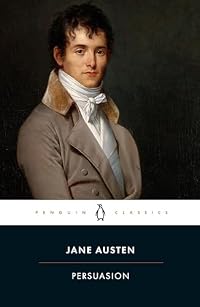
Persuasion
by Jane Austen
On This Page
Description
Anne Elliot lives at Kellynch Hall with her two sisters and vain father Sir Walter. When financial struggles begin to affect the Elliot family, they decide to move to Bath. Anne decides to visit before the move, and runs into many old friends. Most surprisingly she is reunited with Fredrick Wentworth, a past fiancé who under advice from her father and friend Lady Russell never married. Wentworth's lack of wealth and rank in the community were their main concerns and therefore eight years show more later Anne is still unmarried with little romantic prospects. However, through her journey and move Anne may find that what she has been looking for was right in front of her the whole time. show lessTags
Recommendations
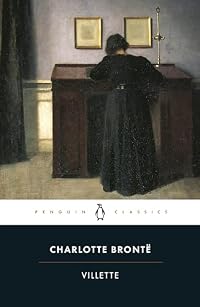
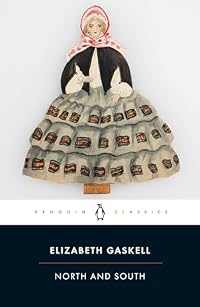
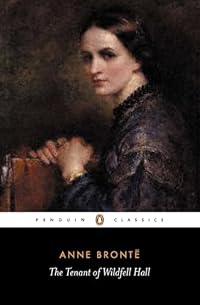
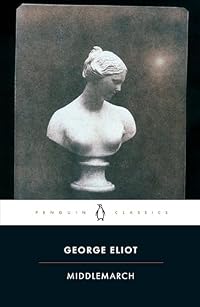
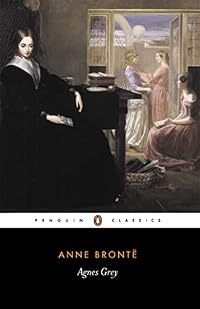
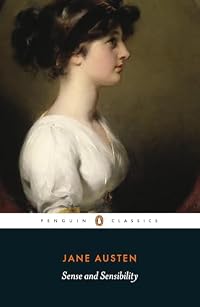

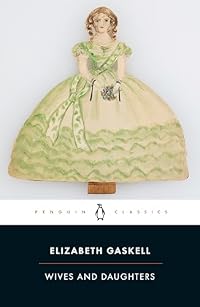
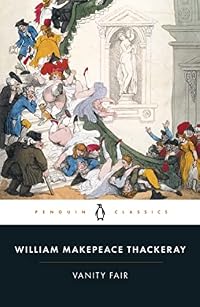

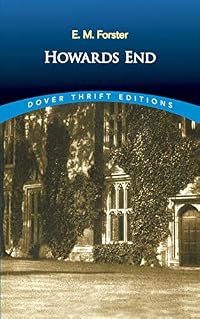
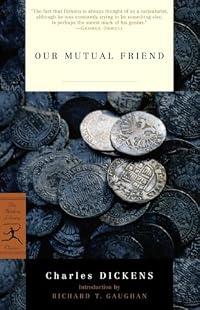

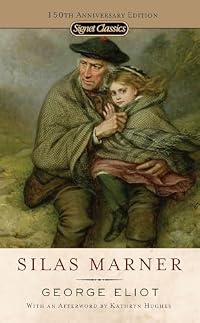
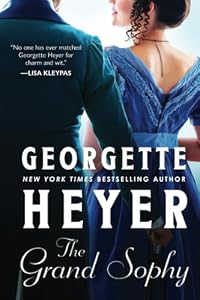

Member Recommendations
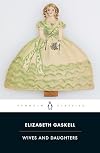
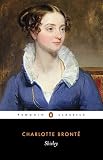
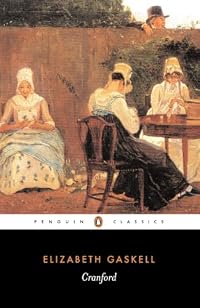
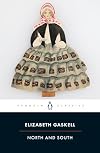
Shuffy2 In addition to North and South by Gaskell, Wives and Daughters is another great read for people who love Austen's Persusion and Sense and Sensibility!
205
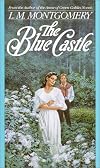
allisongryski This is by no means an obvious recommendation. However, the quality of writing and something of the heroines' characters is similar. The heroines of these two books are both under-appreciated members of their families, who are thought beyond any chance of marriage. They are both forced by circumstance to find courage that they didn't know they possessed and they are rewarded with eventual happiness.
172
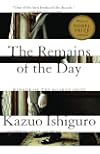
electronicmemory Slow, languid stories about regret and life choices not understood until they've passed by.
95
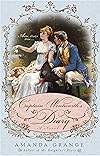
mzackin This is the story of persuasion told from the other side. It is very well written and stays true to the story, even quoting lines from Austen.
96

electronicmemory Mature lovers who find that time brings them together and push them apart over the course of many years.
10

sferguson A great book that will be enjoyed by those who are interested in a bit of non-standard romance.
01
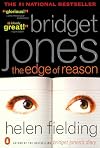
spygirl Helen Fielding's first novel Bridget Jones's Diary was a remake of Jane Austen's Pride and Prejudice. The sequel, Bridget Jones: The Edge of Reason is a remake of Austen's Persuasion.
416
Member Reviews
"...if you please, no reference to examples in books. Men have had every advantage of us in telling their own story. Education has been theirs in so much higher a degree; the pen has been in their hands. I will not allow books to prove anything." --Miss Anne Elliot
I have enjoyed many TV series and movies based on Austen's novels, some viewed multiple times, snuggly cozy entertainments. That explains why I'm not entirely sure I haven't read her until now; I feel so familiar with her work. But I am pretty sure this my first legitimate Austen.
Her writing is amazing! Witty, snarky, precise, observant, perfectly controlled, and done so as woman of her time and within great limitations. That last bit is surely our loss.
If she could create show more stories that are eagerly and frequently read continuously 200 years after she wrote them, that is a testament to her genius talent! I cannot help but wonder what her pen might have also included if she had traveled, had received a formal education, had "a room of her own" and a modest financial foundation.
Certainly not all is lost. She told us her story, a fabulously entertaining but clear-eyed portrait of a woman's life, its limitations back when women had few options, few rights, and little education. It's good to never forget that state of affairs that lasted eons before now. And, remarkably, like Virginia Woolf insisted that any great work must not do, she didn't grind her axe.
Instead, she illuminated. With greatness.
P.S. Why just 4 stars? I rate those books 5 stars that I would love to read again. Honestly, I don't have that desire with Persuasion. There are many more works, 20th and 21st century works, that I prefer, that invoke stronger feeling, stronger connections. I, too, am a woman of my own time. I will continue to happily stream Austen-based films on my big screen TV on cold rainy Sundays with a hot mug of coffee. show less
I have enjoyed many TV series and movies based on Austen's novels, some viewed multiple times, snuggly cozy entertainments. That explains why I'm not entirely sure I haven't read her until now; I feel so familiar with her work. But I am pretty sure this my first legitimate Austen.
Her writing is amazing! Witty, snarky, precise, observant, perfectly controlled, and done so as woman of her time and within great limitations. That last bit is surely our loss.
If she could create show more stories that are eagerly and frequently read continuously 200 years after she wrote them, that is a testament to her genius talent! I cannot help but wonder what her pen might have also included if she had traveled, had received a formal education, had "a room of her own" and a modest financial foundation.
Certainly not all is lost. She told us her story, a fabulously entertaining but clear-eyed portrait of a woman's life, its limitations back when women had few options, few rights, and little education. It's good to never forget that state of affairs that lasted eons before now. And, remarkably, like Virginia Woolf insisted that any great work must not do, she didn't grind her axe.
Instead, she illuminated. With greatness.
P.S. Why just 4 stars? I rate those books 5 stars that I would love to read again. Honestly, I don't have that desire with Persuasion. There are many more works, 20th and 21st century works, that I prefer, that invoke stronger feeling, stronger connections. I, too, am a woman of my own time. I will continue to happily stream Austen-based films on my big screen TV on cold rainy Sundays with a hot mug of coffee. show less
Love lost and love renewed, but oh so much more complicated when it occurs in upper English society. And who better to lay it out for us than Jane Austen. The plot is fairly uncomplicated: Anne Elliot is the overlooked middle daughter of the arrogant baronet Walter Elliot, who spends flagrantly beyond his means and feels that it’s his right to do so. More than seven years prior, Anne turned down a suitor, Capt. Frederick Wentworth, on the advice of her good friend and mentor, Lady Russell. He was completely unsuitable for someone of Anne’s fine breeding and station in life. After all, he had no fortune. Now, Capt. Wentworth has returned, in a much improved position, financially, and Anne sees in him what might have been. All these show more intervening years had found no match for him in Anne’s eyes. Austen throws in a couple of other romantic possibilities for her but they are rather unacceptable because Anne is not only beautiful but very, well, intelligent.
That Austen is a master of characterization goes without saying, but I especially enjoy her skewering the upper class know-it-alls who love their position on high, looking down their noses at the rest of the insignificant populace. Although not quite as pompous and lacking in common sense as the infamous Mr. Collins of Pride and Prejudice, (because let’s face it, no one does obsequious quite as well as Jane Austen)Austen’s depiction of Anne Elliot’s sister Mary is priceless. She seems never to be given her full due and is often ill, which becomes suspect to those around here as Austen describes her illnesses so deliciously. Anne goes to Mary’s for a lengthy visit:
”Here Anne had often been staying. She knew the ways of Uppercross as well as those of Kellynch. The two families were so continually meeting, so much in the habit of running in and out of each other’s houses at all hours, that it was rather a surprise to her to find Mary alone; but being alone, her being unwell and out of spirits was almost a matter of course. Though better endowed than the elder sister, Mary had not Anne’s understanding nor temper. While well and happy, and properly attended to, she had great good humor and excellent spirits; but any indisposition sunk her completely. She had no resources for solitude; and inheriting a considerable share of the Elliot self-importance, was very prone to add to every other distress that of fancying herself neglected and ill-used. In person, she was inferior to both sisters, and had, even in her bloom, only reached the dignity of being ‘a fine girl.’ She was now lying on the faded sofa of the pretty little drawing room, the once elegant furniture of which had been gradually growing shabby under the influence of four summers and two children.” (Page 27)
Austen is the master of satire and wit, which is what I find so surprising about her writing and so unexpected. And of course, so good. And her characterizations are unparalleled. And she can take a very simple, uncomplicated plot and turn it into as mesmerizing a read as any thriller. Up onto the reread shelf with this one. Very highly recommended. show less
That Austen is a master of characterization goes without saying, but I especially enjoy her skewering the upper class know-it-alls who love their position on high, looking down their noses at the rest of the insignificant populace. Although not quite as pompous and lacking in common sense as the infamous Mr. Collins of Pride and Prejudice, (because let’s face it, no one does obsequious quite as well as Jane Austen)Austen’s depiction of Anne Elliot’s sister Mary is priceless. She seems never to be given her full due and is often ill, which becomes suspect to those around here as Austen describes her illnesses so deliciously. Anne goes to Mary’s for a lengthy visit:
”Here Anne had often been staying. She knew the ways of Uppercross as well as those of Kellynch. The two families were so continually meeting, so much in the habit of running in and out of each other’s houses at all hours, that it was rather a surprise to her to find Mary alone; but being alone, her being unwell and out of spirits was almost a matter of course. Though better endowed than the elder sister, Mary had not Anne’s understanding nor temper. While well and happy, and properly attended to, she had great good humor and excellent spirits; but any indisposition sunk her completely. She had no resources for solitude; and inheriting a considerable share of the Elliot self-importance, was very prone to add to every other distress that of fancying herself neglected and ill-used. In person, she was inferior to both sisters, and had, even in her bloom, only reached the dignity of being ‘a fine girl.’ She was now lying on the faded sofa of the pretty little drawing room, the once elegant furniture of which had been gradually growing shabby under the influence of four summers and two children.” (Page 27)
Austen is the master of satire and wit, which is what I find so surprising about her writing and so unexpected. And of course, so good. And her characterizations are unparalleled. And she can take a very simple, uncomplicated plot and turn it into as mesmerizing a read as any thriller. Up onto the reread shelf with this one. Very highly recommended. show less
This was so much better than I recalled. I read this over 30 years ago, and in my youth Anne Elliot lacked the luster and the humor of my beloved Lizzie Bennett. Fast forward to middle age and Anne is suddenly not just wise and good, but appealing and charming. A cross between Lizzie and Mary Bennett perhaps. I had forgotten how deliciously despicable were all the other members of the Elliot clan. Sir Walter gives Caroline Bingley and Fanny Dashwood a run for the best villain title. I just enjoyed the heck out of this book and it gave me what is now my favorite literary love letter: "You pierce my soul. I am half agony, half hope." Swoon
I love both Anne Eliot and Captain Wentworth; I think Persuasion edges out Pride and Prejudice as my favorite Austen because of the depth of characterization and emotion we see in each, thanks to the maturation of the author. It may be the least overtly witty and most overtly romantic of all of Austen’s work – despite that, or maybe because of it, I find it near perfection. 4.75 stars
Janeites, sit down and grab your smelling salts: I did not like this novel. I've avoided reading Persuasion for years and now I know why - the characters are either unlikeable caricatures or sickly saints and the story is slow, even by Austen standards (and my favourite novel is Emma!) Why are we supposed to care about Anne, exactly? Because she's stuck with her ridiculous family after dumping the love of her life on the advice of a 'friend'? That makes her weak, not admirable, in my view - although Anne certainly needs a fault or two, to make her even slightly appealing. Give me a headstrong Emma Woodhouse or even a puffed up Lizzie Bennet any day. Anne is so pathetic she can't even make a two year old child listen to her!
Anne Elliot, show more a 27 year old spinster who has lost her 'bloom' but is otherwise pretty and kind and intelligent, etc, lives with her vain and pompous father and equally shelf-based elder sister in the family home which they no longer afford to keep. Eight years previous, Anne fell madly in love with the first man to move into the neighbourhood who wasn't a relation, but rejected him after being engaged for only a few months because her father pulled a face and Lady Russell, her late mother's friend, said he wasn't good enough. So the fiance, Frederick Wentworth, went off to sea to make something of himself. When the Elliots are forced to leave home and move to Bath to save money, Anne discovers that her father's new tenants are the sister and brother-in-law of her former beloved, and spends most of the book fretting that she will have to face him again, which of course she does. There are fake suitors, scoundrels, sisters who come between the lead couple (one of whom is so flaming stupid that she jumps off a wall and lands on her head) - all standard Austen fare. I just didn't care. About any of them. Anne and Frederick are built up in an unconvincing 'tell don't show', very un-Austen-like manner - 'He was, at that time, a remarkably fine young man, with a great deal of intelligence, spirit and brilliancy, and Anne an extremely pretty girl with gentleness, modesty, taste and feeling' - and then the reader is expected to pity Anne for being 'persuaded' to choose wealth and prospects over love.
Captain Wentworth himself, although famous for the letter he finally writes Anne in the final chapter, is a bit of a nonentity. He returns rich, after eight years at sea, saves Anne from a marauding two year old, receives a glowing reference from a friend a la Darcy's housekeeper, and lets Anne's sister-in-law fall on her head (what grown woman goes around expecting to be 'jumped' down stairs and off walls like a child? No wonder a bang to the head was considered so serious, in her already weakened mental state!) That's the sum total of what Wentworth achieves to win over Anne and the reader. While she just hovers in corners, eavesdropping on people talking about her. I honestly despaired of the pair of them.
I did appreciate Austen's increased snark, from Mrs Musgrove and her 'large fat sighings' over her son Richard who only ever earned the name 'Dick', but honestly, the rest bored me to tears, and even at 200 pages compared to Emma at 500, I started skimming through. I'm sure Austenites will be quick to tell me how Persuasion is Austen's most mature and thoughtful novel and I obviously just don't understand, but I hope I never become the type of woman who does understand Anne Elliot, show less
Anne Elliot, show more a 27 year old spinster who has lost her 'bloom' but is otherwise pretty and kind and intelligent, etc, lives with her vain and pompous father and equally shelf-based elder sister in the family home which they no longer afford to keep. Eight years previous, Anne fell madly in love with the first man to move into the neighbourhood who wasn't a relation, but rejected him after being engaged for only a few months because her father pulled a face and Lady Russell, her late mother's friend, said he wasn't good enough. So the fiance, Frederick Wentworth, went off to sea to make something of himself. When the Elliots are forced to leave home and move to Bath to save money, Anne discovers that her father's new tenants are the sister and brother-in-law of her former beloved, and spends most of the book fretting that she will have to face him again, which of course she does. There are fake suitors, scoundrels, sisters who come between the lead couple (one of whom is so flaming stupid that she jumps off a wall and lands on her head) - all standard Austen fare. I just didn't care. About any of them. Anne and Frederick are built up in an unconvincing 'tell don't show', very un-Austen-like manner - 'He was, at that time, a remarkably fine young man, with a great deal of intelligence, spirit and brilliancy, and Anne an extremely pretty girl with gentleness, modesty, taste and feeling' - and then the reader is expected to pity Anne for being 'persuaded' to choose wealth and prospects over love.
Captain Wentworth himself, although famous for the letter he finally writes Anne in the final chapter, is a bit of a nonentity. He returns rich, after eight years at sea, saves Anne from a marauding two year old, receives a glowing reference from a friend a la Darcy's housekeeper, and lets Anne's sister-in-law fall on her head (what grown woman goes around expecting to be 'jumped' down stairs and off walls like a child? No wonder a bang to the head was considered so serious, in her already weakened mental state!) That's the sum total of what Wentworth achieves to win over Anne and the reader. While she just hovers in corners, eavesdropping on people talking about her. I honestly despaired of the pair of them.
I did appreciate Austen's increased snark, from Mrs Musgrove and her 'large fat sighings' over her son Richard who only ever earned the name 'Dick', but honestly, the rest bored me to tears, and even at 200 pages compared to Emma at 500, I started skimming through. I'm sure Austenites will be quick to tell me how Persuasion is Austen's most mature and thoughtful novel and I obviously just don't understand, but I hope I never become the type of woman who does understand Anne Elliot, show less
This is the first Jane Austen book I’ve managed to finish. And unless I’m very much mistaken, it will be my last. I wanted to finish one, because I refused to accept the stereotype that they’re all about a bunch of worthless, hoity-toity British twits with nothing better to do than sit around whinging and meddling in each others’ relationships. I learned something valuable from finishing this—I learned that sometimes stereotypes are absolutely dead on. Austen spends most of the book subtly mocking this class of people, which I suppose might feel transgressive and radical to some of her readers. But of course she never comes anywhere near mentioning the very existence of the other classes who make this ridiculous existence show more possible.
My biggest complaint about the book, though, isn’t about class or anything along those lines; it’s a straightforward literary one: the book is entirely populated with detestable characters. Even the very few who are not simple mockery fodder are nevertheless completely disingenuous (even with themselves), and pathetically subservient to the arbitrary pretenses that rule the lives of everyone around them. I can’t see how anyone would have any attachment to them, or concern about the fate they bring entirely upon themselves.
I will grant one thing: Austen is a skilled writer. She does an effective job portraying the very subtlest hints of action or exposure of emotion in her characters. It’s a shame her skill isn’t applied to anything more interesting or substantive than this. show less
My biggest complaint about the book, though, isn’t about class or anything along those lines; it’s a straightforward literary one: the book is entirely populated with detestable characters. Even the very few who are not simple mockery fodder are nevertheless completely disingenuous (even with themselves), and pathetically subservient to the arbitrary pretenses that rule the lives of everyone around them. I can’t see how anyone would have any attachment to them, or concern about the fate they bring entirely upon themselves.
I will grant one thing: Austen is a skilled writer. She does an effective job portraying the very subtlest hints of action or exposure of emotion in her characters. It’s a shame her skill isn’t applied to anything more interesting or substantive than this. show less
Persuasion is a novel of memories and regrets, a novel of second chances. The feeling is autumnal; and then, there is an unexpected Indian summer. While reading, I wondered – how many books about second chances for women have been written in the 19th century? There are the Brontes, of course, but I can’t think of anything else. This makes me love Jane Austen and Persuasion all the more.
“Men have had every advantage of us in telling their own story. Education has been theirs in so much higher a degree; the pen has been in their hands.”
Ah, the layers of classics :)
According to GR, this was the fourth time I have read this novel, but I have a strong suspicion it’s closer to the tenth. When I open the book, the author takes my show more hand, gently but firmly, and drops me right in the middle of Kellynch Hall – and it’s as though I never left.
Jane Austen is merciless towards her characters, especially Sir Walter and Elizabeth, there are sentences that drip with delicious word poison. The satire is toned down here, though, compared to earlier novels. Persuasion is less exuberant, more mature.
Anne is an introvert in a family of extroverts who do not have wisdom enough and love enough to appreciate someone who is different from them. I just realized that Jane Austen was writing about found family long before the expression was invented. The Crofts! The Harvilles! They went right into my heart on this reread, and I loved them together with Anne.
There is so much more to enjoy: Anne keeping her cool in a crisis and everyone looking to her for guidance; everyone taking her into their confidence and complaining about each other – exhausting and hilarious; Anne talking poetry with Captain Benwick and recommending a larger dose of prose, for emotional health reasons – priceless, really. “...like many other great moralists and preachers, she had been eloquent on a point in which her own conduct would ill bear examination.” Ha. Mrs Smith’s info dumps are probably too long and way too convenient. But I do like a mental image of her as a lady spider (she is knitting in bed!) in her web, waiting for the juicy, juicy gossip to come to her.
Show me a person who doesn’t love Anne and Captain Wentworth! Every conversation they have after the events in Lyme is fantastic, there is so much emotional turmoil and delight.
Theirs is the love that has stood the test of time, it has matured, it has grown stronger. This is a romance for grown-ups. This is why Mr Eliot has neither the charisma of the likes of Wickham, Willoughby or Frank Churchill nor the dangerous potential to charm the heroine. Anne is not fooled by glamour and glitter; Wentworth can stop, think, and ask.
“She had been forced into prudence in her youth, she learned romance as she grew older: the natural sequel of an unnatural beginning.” (This sentence is genius, in its truth, its sarcasm, and its structure.)
I have yet to find a more amazing love letter than Captain Wentworth’s…
“I can listen no longer in silence. I must speak to you by such means as are within my reach. You pierce my soul. I am half agony, half hope. Tell me not that I am too late, that such precious feelings are gone forever. I offer myself to you again with a heart even more your own than when you almost broke it, eight and a half years ago.”
A perfect conclusion of a perfectly crafted novel. show less
“Men have had every advantage of us in telling their own story. Education has been theirs in so much higher a degree; the pen has been in their hands.”
Ah, the layers of classics :)
According to GR, this was the fourth time I have read this novel, but I have a strong suspicion it’s closer to the tenth. When I open the book, the author takes my show more hand, gently but firmly, and drops me right in the middle of Kellynch Hall – and it’s as though I never left.
Jane Austen is merciless towards her characters, especially Sir Walter and Elizabeth, there are sentences that drip with delicious word poison. The satire is toned down here, though, compared to earlier novels. Persuasion is less exuberant, more mature.
Anne is an introvert in a family of extroverts who do not have wisdom enough and love enough to appreciate someone who is different from them. I just realized that Jane Austen was writing about found family long before the expression was invented. The Crofts! The Harvilles! They went right into my heart on this reread, and I loved them together with Anne.
There is so much more to enjoy: Anne keeping her cool in a crisis and everyone looking to her for guidance; everyone taking her into their confidence and complaining about each other – exhausting and hilarious; Anne talking poetry with Captain Benwick and recommending a larger dose of prose, for emotional health reasons – priceless, really. “...like many other great moralists and preachers, she had been eloquent on a point in which her own conduct would ill bear examination.” Ha. Mrs Smith’s info dumps are probably too long and way too convenient. But I do like a mental image of her as a lady spider (she is knitting in bed!) in her web, waiting for the juicy, juicy gossip to come to her.
Show me a person who doesn’t love Anne and Captain Wentworth! Every conversation they have after the events in Lyme is fantastic, there is so much emotional turmoil and delight.
Theirs is the love that has stood the test of time, it has matured, it has grown stronger. This is a romance for grown-ups. This is why Mr Eliot has neither the charisma of the likes of Wickham, Willoughby or Frank Churchill nor the dangerous potential to charm the heroine. Anne is not fooled by glamour and glitter; Wentworth can stop, think, and ask.
“She had been forced into prudence in her youth, she learned romance as she grew older: the natural sequel of an unnatural beginning.” (This sentence is genius, in its truth, its sarcasm, and its structure.)
I have yet to find a more amazing love letter than Captain Wentworth’s…
“I can listen no longer in silence. I must speak to you by such means as are within my reach. You pierce my soul. I am half agony, half hope. Tell me not that I am too late, that such precious feelings are gone forever. I offer myself to you again with a heart even more your own than when you almost broke it, eight and a half years ago.”
A perfect conclusion of a perfectly crafted novel. show less
Members
- Recently Added By
Published Reviews
ThingScore 100
L'occasion de s'attacher aux amours empêchées d'une héroïne tout sauf résignée.
added by miniwark
Lists

The Guardian's 1000 Novels Everyone Must Read
1,005 works; 546 members

1001 Books You Must Read Before You Die
1,448 works; 1,132 members

Classics you know you should have read but probably haven't
421 works; 407 members

Top-Rated Books on LibraryThing
272 works; 116 members
Favourite Books
1,817 works; 308 members

Favourite 19th century fiction
257 works; 62 members
BBC Big Read
191 works; 46 members

Recommend the 20 best books you've read in the last five years
2,167 works; 601 members

Read the book and saw the movie
1,170 works; 195 members
Best of British Literature
226 works; 41 members

Female Author
1,235 works; 67 members
Books I've Read More Than Once
602 works; 49 members
Female Protagonist
1,056 works; 56 members

The Top Ten: Writers Pick Their Favorite Books
240 works; 31 members
Literature About Social Class
134 works; 19 members
Favorite Literary Love Stories
182 works; 101 members
Best Family Stories
241 works; 22 members

Favourite Virago Modern Classics
183 works; 38 members
Love and Marriage
93 works; 10 members

Books Set in Great Britain
191 works; 13 members

Best Psychological Fiction
81 works; 16 members
Folio Society
831 works; 53 members
Comfort Reads
221 works; 41 members

Women's Stories
88 works; 13 members

Top Five Books of 2013
1,564 works; 722 members

19th Century
190 works; 16 members
Harold Bloom - The Western Canon: C. The Democratic Age
336 works; 15 members
Readable Classics
110 works; 15 members
BBC Big Read
100 works; 10 members

Best Love Stories
107 works; 14 members

Best Beach Reads
99 works; 61 members
LibraryThingers' 1001 Books You Must Read Before You Die
442 works; 30 members
Books tagged favorites
390 works; 30 members
Women's reading list
50 works; 7 members
Five star books
1,755 works; 107 members

Western World's Greatest Books - Project Gutenberg
295 works; 15 members
Blue Pyramid 1,276 Best Books of All Time
1,248 works; 32 members

Short and Sweet
243 works; 23 members

Novels featuring siblings
133 works; 8 members

Top Five Books of 2018
802 works; 264 members
Literature About Women and Girls
391 works; 39 members

Books Read in 2023
5,547 works; 145 members

Top Five Books of 2015
811 works; 241 members
Favourite books by Female Authors
43 works; 4 members
Carole's List
445 works; 13 members

Movie Adaptations
111 works; 4 members

Dysfunctional Families
133 works; 7 members

Classic British Humor
41 works; 8 members
Out of Copyright
244 works; 14 members
My list of 100 books to read next
100 works; 4 members
Shannon's Read-Alikes List
71 works; 8 members

Authors from England
147 works; 4 members

United Kingdom
82 works; 5 members

Books about characters you'd like to know
34 works; 15 members

Bibliography for How to be a Heroine
148 works; 12 members
Good, Smart, Clean Fiction
46 works; 4 members

BBC Top Books
78 works; 3 members

Books on my Kindle
162 works; 3 members

Books Read in 2022
5,164 works; 111 members
Overdue Podcast
803 works; 9 members

Books Read in 2015
3,298 works; 126 members
Books Read in 2007
323 works; 8 members

Books Read/Reading in 2018
5 works; 1 member

University literature
145 works; 5 members

Lit Lattes Ep 005
12 works; 1 member

1810s
11 works; 2 members

Books Read in 2017
4,248 works; 130 members
Favourite Love Stories
53 works; 1 member

Comedy of Manners
73 works; 1 member
Books Mentioned in The Wedding Planner's Daughter series
107 works; 2 members
'Books You Can't Live Without: The Top 100', The Guardian, 2007
156 works; 7 members

Books Read in 2025
4,090 works; 97 members

Top Five Books of 2024
795 works; 264 members
Books I Read Before The Invention Of The Internet.
144 works; 1 member
Best Audiobooks
240 works; 114 members

Books We Love to Reread
688 works; 296 members

The 150 Greatest Novels of All Time
150 works; 6 members

Ambleside Books
459 works; 18 members
Our Favorite Comfort Reads
334 works; 200 members

DigitalDreamDoor top 300
300 works; 4 members
Book Worlds We'd Like To Visit
322 works; 158 members

.
194 works; 2 members
Books You Read For University
184 works; 3 members

Vlogbrothers Book Recommendations
307 works; 4 members
Books We Want To Read Again For The First Time
384 works; 160 members
Books Featured in Jane Austen's Bookshelf
37 works; 7 members
Reading LIst
648 works; 1 member
el
1,139 works; 1 member
.
396 works; 1 member

Fiction With Familiar Settings
279 works; 92 members

The Five Books That Represent Us
390 works; 147 members

Books Read in 2026
1,681 works; 62 members

Books Read in 2024
4,623 works; 126 members

Books Read in 2019
4,052 works; 110 members

Mustich's 1000 Books to Read Before You Die: A Life Changing List
1,001 works; 18 members

AP Lit
363 works; 6 members
Accidents in Fiction
22 works; 5 members

Tagged 19th Century
104 works; 7 members

Literary Works Read in College
316 works; 15 members
Best books I read in 2013
152 works; 3 members
Most Popular Penguins
70 works; 5 members

Art of Reading
188 works; 5 members
Elevenses
316 works; 88 members
Alphabetical Books
211 works; 3 members
In Our Time books
4,934 works; 2 members
Protagonists - Women
29 works; 2 members
Books Tagged Small Town
58 works; 1 member

Books Read in 2021
5,361 works; 114 members
Books Read in 2016
110 works; 1 member
Books Mentioned in the A+ Autostraddle Pop Up Discords Nov 2022 & Dec 2022
223 works; 3 members

Greatest Books, allegedly
484 works; 9 members
Favorite Romance Fiction
247 works; 115 members
books featured on the book struggles twt
97 works; 2 members
Victorian Period
113 works; 10 members
Historical Fiction
889 works; 91 members

Unread books
1,063 works; 86 members
Best Gothic Fiction
110 works; 31 members
Talk Discussions
Past Discussions
Persuasion by Jane Austen - lyzard tutoring Smiler69 in 75 Books Challenge for 2012 (February 2021)
Persuasion in I Love Jane Austen (September 2008)
Author Information

695+ Works 312,656 Members
Jane Austen's life is striking for the contrast between the great works she wrote in secret and the outward appearance of being quite dull and ordinary. Austen was born in the small English town of Steventon in Hampshire, and educated at home by her clergyman father. She was deeply devoted to her family. For a short time, the Austens lived in the show more resort city of Bath, but when her father died, they returned to Steventon, where Austen lived until her death at the age of 41. Austen was drawn to literature early, she began writing novels that satirized both the writers and the manners of the 1790's. Her sharp sense of humor and keen eye for the ridiculous in human behavior gave her works lasting appeal. She is at her best in such books as Pride and Prejudice (1813), Mansfield Park (1814), and Emma (1816), in which she examines and often ridicules the behavior of small groups of middle-class characters. Austen relies heavily on conversations among her characters to reveal their personalities, and at times her novels read almost like plays. Several of them have, in fact, been made into films. She is considered to be one of the most beloved British authors. (Bowker Author Biography) show less
Some Editions
Awards and Honors
Notable Lists
BBC's Big Read (38)
Series
Belongs to Publisher Series
Work Relationships
Is contained in
Sense and Sensibility / Pride and Prejudice / Mansfield Park / Emma / Northanger Abbey / Persuasion / Lady Susan by Jane Austen
Sense and Sensibility / Pride and Prejudice / Mansfield Park / Emma / Northanger Abbey / Persuasion by Jane Austen
Emma / Mansfield Park / Northanger Abbey / Persuasion / Pride and Prejudice / Sense and Sensibility / Shorter Works by Jane Austen
Is retold in
Has the (non-series) sequel
Has the adaptation
Inspired
Has as a reference guide/companion
Has as a study
Has as a commentary on the text
Has as a student's study guide
Common Knowledge
- Canonical title*
- Persuasione
- Original title
- Persuasion
- Alternate titles*
- Overreding en overtuiging
- Original publication date
- 1817-12-20
- People/Characters
- Anne Elliot; Captain Frederick Wentworth; Lady Russell; Sir Walter Elliot; Mrs. Croft; Admiral Croft (show all 24); Elizabeth Elliot (Miss Elliot); Mr. Elliot; Mary Musgrove; Mrs. Musgrove; Charles Musgrove; Mr. Musgrove; Louisa Musgrove; Henrietta Musgrove; Mrs. Penelope Clay; Captain Harville; Mrs. Harville; Captain James Benwick; Mrs. Smith; Nurse Rooke; Mr. Shepherd; Lady Dalrymple; Miss Carteret; Charles Hayter
- Important places
- Bath, Somerset, England, UK; Kellynch Hall, Somerset, England, UK; Uppercross, Somerset, England, UK; Lyme Regis, Dorset, England, UK; Somerset, England, UK; Dorset, England, UK (show all 7); England, UK
- Important events
- 19th century; Napoleonic Wars; Georgian Era; Regency Era
- Related movies
- Persuasion (1960 | TV mini-series | IMDb); Persuasion (1971 | TV mini-series | IMDb); Novela: Persuasión (1972 | IMDb); Persuasion (1995 | Roger Michell | IMDb); Persuasion (2007 | TV mini-series | IMDb); Persuasion (2022 | IMDb)
- First words
- Sir Walter Elliot, of Kellynch-hall, in Somersetshire, was a man who, for his own amusement, never took up any book but the Baronetage; there he found occupation for an idle hour, and consolation in a distressed one; there hi... (show all)s faculties were roused into admiration and respect, by contemplating the limited remnant of the earliest patents; there any unwelcome sensations, arising from domestic affairs, changed naturally into pity and contempt.
- Quotations
- She had been forced into prudence in her youth, she learned romance as she grew older: the natural sequel of an unnatural beginning.
Anne hoped she had outlived the age of blushing; but the age of emotion she certainly had not
I hate to hear you talking so like a fine gentleman, and as if women were all fine ladies, instead of rational creatures. We none of us expect to be in smooth water all our days
A man does not recover from such a devotion of the heart to such a woman! He ought not; he does not.
You pierce my soul. I am half agony, half hope. Tell me not that I am too late, that such precious feelings are gone for ever. I offer myself to you again with a heart even more your own than when you almost broke it, eight a... (show all)nd a half years ago. Dare not say that a man forgets sooner than woman, that his love has an earlier death. I have loved none but you. Unjust I may have been, weak and resentful I have been, but never inconstant. - Last words
- (Click to show. Warning: May contain spoilers.)She gloried in being a sailor's wife, but she must pay the tax of quick alarm for belonging to that profession which is, if possible, more distinguished in its domestic virtues than in its national importance.
- Original language
- English
- Canonical LCC
- PR4034.P43 C6
- Disambiguation notice
- the isbn 0486295559 is associated withe Dover edition of persuasion, not the Norton Critical Edition
*Some information comes from Common Knowledge in other languages. Click "Edit" for more information.
Classifications
Statistics
- Members
- 33,100
- Popularity
- 96
- Reviews
- 576
- Rating
- (4.20)
- Languages
- 29 — Catalan, Chinese, Czech, Danish, Dutch, English, Estonian, Finnish, French, German, Greek, Hungarian, Italian, Japanese, Latvian, Lithuanian, Malay, Norwegian (Nynorsk), Norwegian (Bokmål), Norwegian, Farsi/Persian, Polish, Russian, Croatian, Spanish, Swedish, Turkish, Ukrainian, Portuguese (Portugal)
- Media
- Paper, Audiobook, Ebook
- ISBNs
- 1,021
- UPCs
- 7
- ASINs
- 378