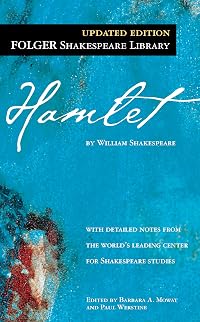
Hamlet
by William Shakespeare
On This Page
Description
Shakespeare's most famous play is one of the greatest stories in the literature of the world. Distressed by his father's death and his mother's over-hasty remarriage, Hamlet, prince of Denmark is faced by a specter from beyond the grave bearing a grim message of murder and revenge. The young prince is driven to the edge of madness by his struggle to understand the situation he finds himself in and to do his duty. Many others, including Hamlet's beloved, the innocent Ophelia, are swept up in show more his tragedy. show lessTags
Recommendations
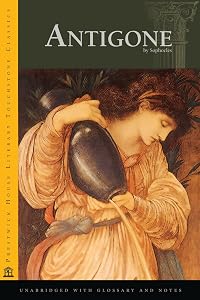
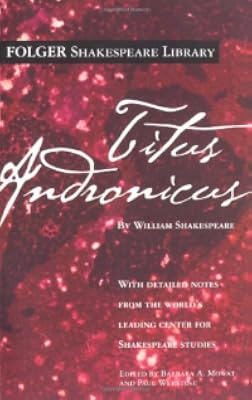
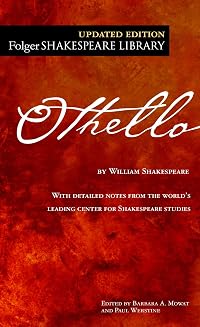
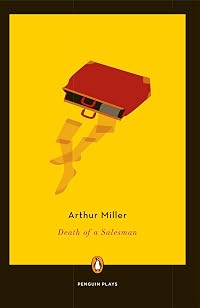

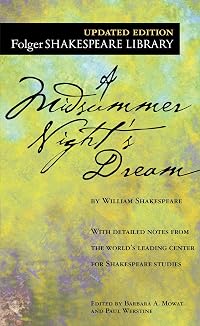
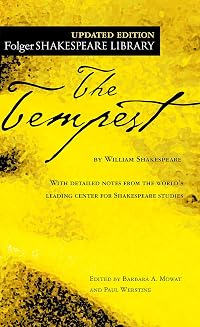
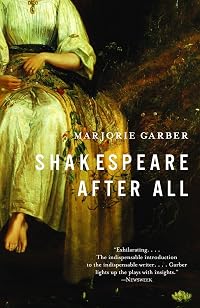
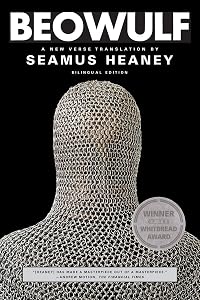
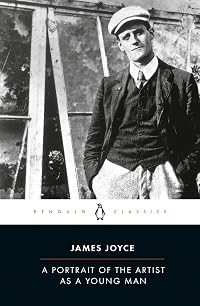





Member Recommendations
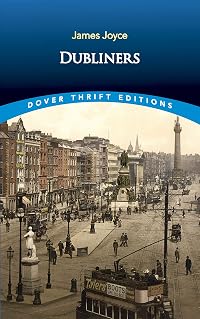
Voracious_Reader Existentialist, tragicomedy based on Shakespeare's Hamlet. Very different from Shakespeare's Hamlet and yet there's a definite, deep connection between the two.
Also recommended by kxlly
312
Pattty Si te gustó Hamlet seguro te gustará Macbeth, que es una historia buena y mucho más "macabra"
120
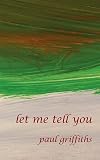
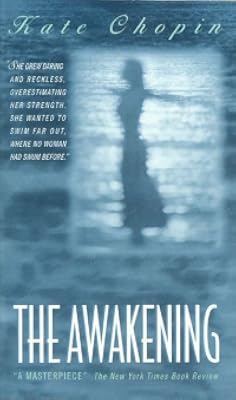
alanteder A novel from Ophelia's point of view constructed using only the 481 words used by Ophelia in the play (from all Quartos and First Folio editions). The technique is called Oulipo, creating a literature work using constricted, limited resources.
30
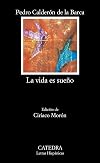
Sergio88 Perhaps the spanish play most similar to Hamlet.
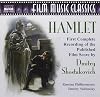
anonymous user The music by Shostakovich is ideally experienced in Kozintsev's movie for which it was composed, but it stands well on its own as a symphonic poem and makes a fine soundtrack to the play as well.
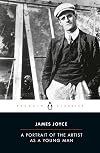
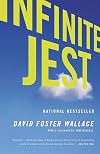
Cecrow A challenging novel that incorporates several allusions/references to Hamlet.
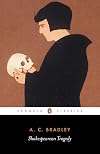

by anonymous user
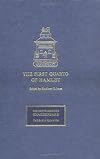
anonymous user The modern text of Hamlet and the First Quarto make an interesting and thought-provoking comparison. Little is known about the foundations of Q1, but it opens the door of endless speculation about Elizabethan authorship, publishing, piracy and what not.
Member Reviews
This continues to remain my second-least-favorite of the seven Tragedies I've read so far. This preference isn't based upon the quality of the play qua play; it boils down to the fact that I simply don't enjoy Mr. Prince Hamlet, Jr.
Despite some arguments to the contrary, he still comes across to me as a bipolar obsessive with impulse control problems, a distinct lack of responsibility, a poor attitude toward girlfriends and who, if we read only what is written, appears to make monumental judgments about his mother on little or no evidence. In other words, I don't like him. Of course, I don't particularly like fellows such as Mr. Macbeth either, but it's a different lack of esteem: a dislike for the bad guy (which is a sneaking regard) show more rather than a disdain for the self-absorbed.
I find the characters of Polonius, Ophelia and Gertrude much more intriguing in this play and I do enjoy it for them. So, while I love the language of this play, and the supporting cast, and acknowledge the structure and plot, I still don't enjoy it as much as a romp through Birnham Wood or, better yet, Lear's Britain. show less
Despite some arguments to the contrary, he still comes across to me as a bipolar obsessive with impulse control problems, a distinct lack of responsibility, a poor attitude toward girlfriends and who, if we read only what is written, appears to make monumental judgments about his mother on little or no evidence. In other words, I don't like him. Of course, I don't particularly like fellows such as Mr. Macbeth either, but it's a different lack of esteem: a dislike for the bad guy (which is a sneaking regard) show more rather than a disdain for the self-absorbed.
I find the characters of Polonius, Ophelia and Gertrude much more intriguing in this play and I do enjoy it for them. So, while I love the language of this play, and the supporting cast, and acknowledge the structure and plot, I still don't enjoy it as much as a romp through Birnham Wood or, better yet, Lear's Britain. show less
One of the bard's all time classics, so frequently performed that it occasionally needs to be re-read to experience it the way he wrote it, without all the directorial impulses to pretty it up or modernize it. It had been a long time since my last read, and I was somewhat surprised to realize that this play comes with very few stage directions outside of entrances and exits; there are so many things that directors do exactly the same, you forget they weren't mentioned in the stage directions, and have simply become habit. Anyway, this play, about ambition and revenge, still holds up well through the centuries, though many of the actions seem outdated to us now. The poetry of the language and the rich texturing of the characters, even show more the most minor of characters, creates a complex story that successfully holds many balls in the air at once. Shakespeare's frequent use of ghosts is noteworthy, since that is something that modern day playwrights are told to be very careful about, and avoid if at all possible. A satisfying story, and a satisfying re-read. show less
This is it. The big kahuna. The Shakespeare play to end all Shakespeare plays. And I confess, I have fallen in love with it completely.
When I was a child reading about Shakespeare plays in my Tales from Shakespeare (and seeing occasional live performances of the comedies), and later when I was a teenager watching them on videotape, I couldn’t quite see what the big deal was with Hamlet. It sounded to me like it lacked the romance of Romeo and Juliet, the fun of the comedies, the magic of the romances, and the bloodiness of some of the other tragedies like Macbeth.
How wrong I was.
While I wouldn’t necessarily advocate using a complete performance text—that would make for a long evening—and there are actually a large number of show more contradictions in the play as it has come down to us, what a joy it is to read all of Shakespeare’s words! Hamlet is a long play, but in general it flows beautifully, with long, elaborate scenes that fold into each other. I haven’t made a count, but I’d wager that in addition to being Shakespeare’s lengthiest play, Hamlet has, on average, the longest scenes. To me, this makes it read easier, but I might be in the minority in that respect.
Hamlet as a character is a vehicle for some of Shakespeare’s most beautiful poetry and most searching philosophy. The play has gained its worldwide renown almost solely because of his soliloquies, which are many and lengthy. With all due respect to the famous “To be or not to be,” my favorite of the lot is “O, what a rogue and peasant slave am I!” I’m not an actor by profession, and haven’t been on the stage since junior high, but this speech stirred the actor in me. It’s a virtuosic piece, which opens with Hamlet’s typical melancholy and self-deprecation and ends with a moment of true resolve and excitement. Of course, the next time we see him, he’s depressed again and contemplating suicide.
Going in, of course, I already knew about the wonderful poetry and philosophy in Hamlet. What I didn’t expect was how powerfully I would relate to the main character. Perhaps this is because I was approaching the play for the first time with the understanding that Hamlet is a very young man. He has traditionally been thought to be about 30 due to a remark of the gravedigger’s, but all other internal evidence points to him being in his late teens or so, and it’s very much possible that the gravedigger’s remark was a later addition to accommodate an older actor. When I instead read him as a teenager or young adult, all the pieces came together and the play made sense to me for the first time.
Not that one has to be young in order to relate to Hamlet—he is a universal character, and it’s really remarkable how many different ways he can be interpreted. A friend and I were discussing how we might each play the role were we ever given the chance: he would probably emphasize his intellectualism, his shrewdness, his struggle with madness, and his quest for revenge, whereas I would stress his youth, depression, and emotional variance.
There’s so much in this play that it is utterly impossible to touch on everything in a single review, so I suppose I’ll stop while I’m ahead. I’m sure that when I reread, I will notice new things that I never saw before. And I do plan on rereading Hamlet. Like all truly great works of literature, it’s an inexhaustible gold mine, a fountain of insight one can’t help returning to. show less
When I was a child reading about Shakespeare plays in my Tales from Shakespeare (and seeing occasional live performances of the comedies), and later when I was a teenager watching them on videotape, I couldn’t quite see what the big deal was with Hamlet. It sounded to me like it lacked the romance of Romeo and Juliet, the fun of the comedies, the magic of the romances, and the bloodiness of some of the other tragedies like Macbeth.
How wrong I was.
While I wouldn’t necessarily advocate using a complete performance text—that would make for a long evening—and there are actually a large number of show more contradictions in the play as it has come down to us, what a joy it is to read all of Shakespeare’s words! Hamlet is a long play, but in general it flows beautifully, with long, elaborate scenes that fold into each other. I haven’t made a count, but I’d wager that in addition to being Shakespeare’s lengthiest play, Hamlet has, on average, the longest scenes. To me, this makes it read easier, but I might be in the minority in that respect.
Hamlet as a character is a vehicle for some of Shakespeare’s most beautiful poetry and most searching philosophy. The play has gained its worldwide renown almost solely because of his soliloquies, which are many and lengthy. With all due respect to the famous “To be or not to be,” my favorite of the lot is “O, what a rogue and peasant slave am I!” I’m not an actor by profession, and haven’t been on the stage since junior high, but this speech stirred the actor in me. It’s a virtuosic piece, which opens with Hamlet’s typical melancholy and self-deprecation and ends with a moment of true resolve and excitement. Of course, the next time we see him, he’s depressed again and contemplating suicide.
Going in, of course, I already knew about the wonderful poetry and philosophy in Hamlet. What I didn’t expect was how powerfully I would relate to the main character. Perhaps this is because I was approaching the play for the first time with the understanding that Hamlet is a very young man. He has traditionally been thought to be about 30 due to a remark of the gravedigger’s, but all other internal evidence points to him being in his late teens or so, and it’s very much possible that the gravedigger’s remark was a later addition to accommodate an older actor. When I instead read him as a teenager or young adult, all the pieces came together and the play made sense to me for the first time.
Not that one has to be young in order to relate to Hamlet—he is a universal character, and it’s really remarkable how many different ways he can be interpreted. A friend and I were discussing how we might each play the role were we ever given the chance: he would probably emphasize his intellectualism, his shrewdness, his struggle with madness, and his quest for revenge, whereas I would stress his youth, depression, and emotional variance.
There’s so much in this play that it is utterly impossible to touch on everything in a single review, so I suppose I’ll stop while I’m ahead. I’m sure that when I reread, I will notice new things that I never saw before. And I do plan on rereading Hamlet. Like all truly great works of literature, it’s an inexhaustible gold mine, a fountain of insight one can’t help returning to. show less
You cannot give Hamlet, as written, a bad review. Starting out as a simple revenge tragedy, it just stretches out to a study of our attitude to life itself. The characters are well drawn, and while the conflict is clear, "Is Hamlet going to exact revenge for his father's death? And on Whom?" We readers soon are drawn to examining our own conflicts, and the solutions we have, or will have tried for them. At the end, after " ...carnal,Bloody and unnatural acts, of accidental judgements,casual slaughters,of deaths put on by cunning and forced cause...and purposes mistook fall'n on the inventor's heads"...the stage is filled with corpses, and only a messager character Horatio is left to explain to the eventual heir of the country what show more happened. As with almost all of the plays, you will find yourself reading aloud. The play was presented to the Lord Chamberlain in 1602. I seem to have read it nine times. show less
★★★★★ (or as close as a tragedy can get 😅)
I’ve read Hamlet before, but listening to this full, uncut production felt like discovering it again. 🎭 The language is still razor-sharp funny, cruel, philosophical, and heartbreakingly human yet the performance makes it move in a way that reading on the page sometimes can’t.
Kenneth Branagh brings a restless, wired energy to Hamlet that keeps the tension humming ⚡️, and the ensemble is stacked with absolute legends. Hearing voices like John Gielgud, Derek Jacobi, and Emma Thompson in the mix adds a kind of theatrical gravity that’s hard to describe without sounding dramatic myself 😄.
The music and sound effects are used with real restraint enough to pull you into the show more world without drowning out Shakespeare’s words 🎧. And because it’s the complete version, you get those “ohhh THAT’S where that line comes from” moments constantly.
It’s intense, it’s haunting, it’s oddly relatable… and yes, I still stared into the middle distance afterward 🖤👑. show less
I’ve read Hamlet before, but listening to this full, uncut production felt like discovering it again. 🎭 The language is still razor-sharp funny, cruel, philosophical, and heartbreakingly human yet the performance makes it move in a way that reading on the page sometimes can’t.
Kenneth Branagh brings a restless, wired energy to Hamlet that keeps the tension humming ⚡️, and the ensemble is stacked with absolute legends. Hearing voices like John Gielgud, Derek Jacobi, and Emma Thompson in the mix adds a kind of theatrical gravity that’s hard to describe without sounding dramatic myself 😄.
The music and sound effects are used with real restraint enough to pull you into the show more world without drowning out Shakespeare’s words 🎧. And because it’s the complete version, you get those “ohhh THAT’S where that line comes from” moments constantly.
It’s intense, it’s haunting, it’s oddly relatable… and yes, I still stared into the middle distance afterward 🖤👑. show less
O que distingue Hamlet de outras revenge tragedies (e talvez de todas as peças escritas antes dele) é a ação protelada até que Hamlet tenha mais conhecimento do que está fazendo ou prestes a fazer. O texto coloca perguntas cujas respostas as outras peças simplesmente presumem pressupostas. Podemos conhecer ou encontrar fantasmas? É o fantasma o que parece ser? Ou é, na realidade, um demônio enganador? O fantasma tem consciência de sua própria morte, ou é ele próprio um iludido? Passando às coisas mais terrenas: como podemos saber com certeza os fatos sobre um crime que não teve testemunhas? Pode Hamlet conhecer o estado d'alma de Claudius observando-lhe o comportamento? Se assim for, pode ele conhecer os fatos referentes show more ao que Claudius fez, observando-lhe o estado d'alma? Pode Claudius (ou o público) saber o estado de espírito de Hamlet, observando-lhe o comportamento e ouvindo-lhe o discurso? Podemos saber se nossas ações terarão as consequências que queremos que elas tenham? Podemos descobrir alguma coisa sobre a vida após a morte? show less
It is notable how often reviews of Hamlet become apologia. It is one of William Shakespeare's most famous plays, with many of his most quotable lines and, in the young Prince of Denmark, one of his most compelling and modern characters. As with most of the Bard's work, there is astonishing wealth in and in-between the lines. It is incredible to think that he managed to fuse so much into so small a space: at about 150 pages it is the longest of Shakespeare's plays, whereas most contemporary writers seek immortality by penning 900-page tomes. There is perhaps a lesson there.
Nevertheless, it quickly becomes obvious why so many people feel the need to defend something which is unquestionably seen as a masterpiece, for Hamlet is often show more unpolished, unfocused and contradictory. Even allowing for the well-known labour of trying to find a 'definitive' version of any of Shakespeare's plays – folios, drafts, and whatever else survived the Elizabethan age – Hamlet still seems unfocused compared to other Shakespeare pieces. The central revenge plot lacks the single-mindedness and the intensity which bleeds through, say, Macbeth, and the divergences away from Hamlet's story – I'm thinking of the long Pyrrhus speech and the silly 'hey nonny nonny' stuff at the end – very often misfire.
That said, Hamlet is the one work of Shakespeare that emphasises his skill as a playwright as opposed to a storyteller or poet. A lot of Shakespeare's reputation in modern times is based on his literary genius and his plays are often read as much as performed (guilty as charged). But the inconsistencies and the divergences in Hamlet make it ripe for editing and interpretation: ideal for a stage director or acting troupe. It is, as the cliché has it, a 'living play'. Even as literature, which is how I personally approached it, an unfocused Shakespeare still shoots straighter than just about any other writer. There are riches in here that you couldn't find anywhere else. And, of course, Shakespeare himself says it best in Act 3: "You shall see anon. 'Tis a knavish piece of work, but what of that?" show less
Nevertheless, it quickly becomes obvious why so many people feel the need to defend something which is unquestionably seen as a masterpiece, for Hamlet is often show more unpolished, unfocused and contradictory. Even allowing for the well-known labour of trying to find a 'definitive' version of any of Shakespeare's plays – folios, drafts, and whatever else survived the Elizabethan age – Hamlet still seems unfocused compared to other Shakespeare pieces. The central revenge plot lacks the single-mindedness and the intensity which bleeds through, say, Macbeth, and the divergences away from Hamlet's story – I'm thinking of the long Pyrrhus speech and the silly 'hey nonny nonny' stuff at the end – very often misfire.
That said, Hamlet is the one work of Shakespeare that emphasises his skill as a playwright as opposed to a storyteller or poet. A lot of Shakespeare's reputation in modern times is based on his literary genius and his plays are often read as much as performed (guilty as charged). But the inconsistencies and the divergences in Hamlet make it ripe for editing and interpretation: ideal for a stage director or acting troupe. It is, as the cliché has it, a 'living play'. Even as literature, which is how I personally approached it, an unfocused Shakespeare still shoots straighter than just about any other writer. There are riches in here that you couldn't find anywhere else. And, of course, Shakespeare himself says it best in Act 3: "You shall see anon. 'Tis a knavish piece of work, but what of that?" show less
Members
- Recently Added By
Published Reviews
ThingScore 75
2000-2024, and counting, links to Guardian reviews of stagings of Hamlets starring Peter O'Toole (re-review of 1963), Christopher Eccleston (2002), Miranda Cook (2003), Jude Law (2007) and David Tennant (with Patrick Stewart as Claudius, also 2007), through to (currently) a staging at the Vinewood Bowl in Grand Theft Auto.
The oldest links currently start from show more target="_new">https://www.theguardian.com/stage/haml.... show less
The oldest links currently start from show more target="_new">https://www.theguardian.com/stage/haml.... show less
added by Cynfelyn
Lists

Favorite Shakespeare plays?
37 works; 45 members

My 100 Favorite Books of All Time
57 works; 2 members

Books Read in 2023
5,547 works; 145 members

scav
54 works; 2 members

Essential/Recognized Stage Plays
115 works; 4 members

Mustich's 1000 Books to Read Before You Die: A Life Changing List
1,001 works; 19 members

AP Lit
363 works; 6 members

Books Referenced by Izetbegovic's Islam Between East and West
233 works; 2 members

Book Titles Mentioned In Newberry Medal And Honor Books
884 works; 3 members

Greatest Books, allegedly
484 works; 9 members

Top Five Books of 2022
736 works; 272 members

Well-Educated Mind
150 works; 3 members
1:28 p.m.'s 350 Stage Plays Challenge
94 works; 3 members

Fake Top 100 Fiction
81 works; 4 members

The Art of Manliness' 100+ Books Every Man Should Read
108 works; 2 members

Books Read in 2009
464 works; 11 members

Shaykh Hamza's Book Recommendations
439 works; 3 members

Rory Gilmore Book Club
193 works; 5 members

Books Mentioned in The Wedding Planner's Daughter series
107 works; 2 members

Books Read in 2004
200 works; 7 members
r/acting on Reddit - Essential Plays
44 works; 2 members
Stage Plays/Screenplays/Dialogues/Anything Dialogue-Storytelling Related
81 works; 2 members

Books I read in high school
52 works; 1 member

The Well-Educated Mind Reading Challenge
75 works; 7 members

1964 College Preparatory Reading List
202 works; 8 members
Books where the women deserved better
6 works; 2 members

BBC Big Read
100 works; 10 members
The Great Courses: Shakespeare's Tragedies
35 works; 1 member
Mensa for Kids Excellence in Reading Award Program (Grades 9-12)
116 works; 3 members
Classical Conversations Challenge III Exposition
8 works; 1 member

Western Canon
24 works; 1 member

99 Bücher, die man gelesen haben muss
37 works; 1 member

Just Kids by Patti Smith
43 works; 1 member

bound
100 works; 1 member

In Our Time books
4,934 works; 2 members
.
396 works; 1 member

el
1,139 works; 1 member

Read For Your Life
157 works; 1 member
Recommendations by Peter Kreeft
45 works; 4 members
School Made Us Read It
380 works; 196 members
Vlogbrothers Book Recommendations
307 works; 4 members

Books Read in 2025
4,091 works; 97 members
.
194 works; 2 members

The Complete Rory Gilmore Reading List
506 works; 5 members

Read in 2001–2002
29 works; 1 member
My Play Collection
769 works; 3 members

Works That Inspired Disney Movies
119 works; 13 members

The Luca Guadagnino Universe
62 works; 1 member
The 150 Greatest Novels of All Time
150 works; 6 members

Recommended Reading : 600 Classics Reviewed, Editors of Salem Press, 2015
634 works; 6 members
The Well-Educated Mind, Susan Wise Bauer, 2016
179 works; 3 members
'Books You Can't Live Without: The Top 100', The Guardian, 2007
156 works; 7 members

Ryan Holiday's Books To Base Your Life On
97 works; 2 members
important
24 works; 1 member
stage plays
2 works; 1 member
epic novels & ‘classics’
3 works; 1 member
sotiris' favourites circa january 2023
43 works; 2 members

BitLife
212 works; 4 members

Books Read In 2009
43 works; 1 member
Works in the game of Authors
44 works; 2 members
Books available on Open Library
171 works; 4 members
Out of Copyright
244 works; 14 members

Unread books
1,063 works; 87 members
Books I've Read More Than Once
602 works; 49 members
The Greatest Books
99 works; 5 members

Books Featured on Gilmore Girls
307 works; 21 members
1001 Books You Must Read Before You Die
1,448 works; 1,134 members

100 Books to Read in a Lifetime (That Are Older Than 200 Years)
415 works; 175 members

Ambleside Books
459 works; 18 members

Books Read in 2013
1,630 works; 51 members

Top Five Books of 2013
1,562 works; 721 members
Great Books Favorites
71 works; 6 members
The Top Ten: Writers Pick Their Favorite Books
240 works; 31 members
Newsweek's Top 100 Books: The Meta-List
100 works; 18 members
The 100 Best Books of All Time by Norwegian Book Club (World Library)
104 works; 23 members

Lovecraft's 'Supernatural Horror in Literature' Reading List
216 works; 8 members

Books tagged favorites
390 works; 30 members

Story Within a Story
65 works; 17 members

Best of World Literature
435 works; 52 members

Best Revenge Stories
69 works; 9 members
Novels featuring Fathers
56 works; 7 members
Folio Society
831 works; 53 members

Books You Read During High School (For School)
301 works; 53 members
Best of British Literature
226 works; 41 members
17th Century
14 works; 6 members
Favourite Books
1,819 works; 316 members

Classics you know you should have read but probably haven't
421 works; 407 members
One Book, Many Authors
441 works; 40 members

Recommend the 20 best books you've read in the last five years
2,168 works; 606 members
Plays I Like
230 works; 31 members

Tagged by Tim or Meh!
91 works; 9 members

Inheritance and Succession Literature
24 works; 5 members
Antiheroes
17 works; 3 members

Books About Murder
313 works; 7 members
Books read by Charlie in "The Perks of Being a Wallflower"
12 works; 2 members
Mensa for Kids Excellence in Reading Award Program (Grades 9-12)
116 works; 5 members
Daria Morgendorffer's Bookshelf
70 works; 5 members
Which Books Made You Cry?
11 works; 1 member

Books Read in 2017
4,249 works; 130 members

Books Read in 2015
3,299 works; 126 members

Alphabetical Books
211 works; 3 members

Favourite Books
50 works; 1 member

Authors from England
147 works; 4 members

Pageturners
40 works; 6 members
The College Board: 101 Great Books Recommended for College-Bound Readers
111 works; 7 members
http://thegreatestbooks.org's Greatest Fiction Books
59 works; 1 member

100 Most Recommended Works
100 works; 11 members
LibraryThingers' 1001 Books You Must Read Before You Die
442 works; 30 members
Historical Fiction
889 works; 91 members
CCE 1000 Good Books List
1,033 works; 12 members

Western World's Greatest Books - Project Gutenberg
295 works; 15 members

Books I've read
87 works; 2 members
Early Modern (Shakesperean)
64 works; 2 members

Ghosts
278 works; 18 members

Best Antiheroes and Antiheroines
119 works; 7 members
Blue Pyramid 1,276 Best Books of All Time
1,248 works; 32 members
Five star books
1,767 works; 110 members

Read
293 works; 4 members
100 World Classics
99 works; 15 members

Existentialism
90 works; 11 members

Literary Works Read in College
316 works; 15 members

Théâtre
10 works; 1 member
My favourite books
96 works; 3 members
Gilmore Girls Complete Reading List
30 works; 1 member
Talk Discussions
Past Discussions
Reading Group #23 (Hamlet) in Gothic Literature (September 2013)
Author Information

6,134+ Works 442,789 Members
William Shakespeare, 1564 - 1616 Although there are many myths and mysteries surrounding William Shakespeare, a great deal is actually known about his life. He was born in Stratford-Upon-Avon, son of John Shakespeare, a prosperous merchant and local politician and Mary Arden, who had the wealth to send their oldest son to Stratford Grammar School. show more At 18, Shakespeare married Anne Hathaway, the 27-year-old daughter of a local farmer, and they had their first daughter six months later. He probably developed an interest in theatre by watching plays performed by traveling players in Stratford while still in his youth. Some time before 1592, he left his family to take up residence in London, where he began acting and writing plays and poetry. By 1594 Shakespeare had become a member and part owner of an acting company called The Lord Chamberlain's Men, where he soon became the company's principal playwright. His plays enjoyed great popularity and high critical acclaim in the newly built Globe Theatre. It was through his popularity that the troupe gained the attention of the new king, James I, who appointed them the King's Players in 1603. Before retiring to Stratford in 1613, after the Globe burned down, he wrote more than three dozen plays (that we are sure of) and more than 150 sonnets. He was celebrated by Ben Jonson, one of the leading playwrights of the day, as a writer who would be "not for an age, but for all time," a prediction that has proved to be true. Today, Shakespeare towers over all other English writers and has few rivals in any language. His genius and creativity continue to astound scholars, and his plays continue to delight audiences. Many have served as the basis for operas, ballets, musical compositions, and films. While Jonson and other writers labored over their plays, Shakespeare seems to have had the ability to turn out work of exceptionally high caliber at an amazing speed. At the height of his career, he wrote an average of two plays a year as well as dozens of poems, songs, and possibly even verses for tombstones and heraldic shields, all while he continued to act in the plays performed by the Lord Chamberlain's Men. This staggering output is even more impressive when one considers its variety. Except for the English history plays, he never wrote the same kind of play twice. He seems to have had a good deal of fun in trying his hand at every kind of play. Shakespeare wrote 154 sonnets, all published on 1609, most of which were dedicated to his patron Henry Wriothsley, The Earl of Southhampton. He also wrote 13 comedies, 13 histories, 6 tragedies, and 4 tragecomedies. He died at Stratford-upon-Avon April 23, 1616, and was buried two days later on the grounds of Holy Trinity Church in Stratford. His cause of death was unknown, but it is surmised that he knew he was dying. (Bowker Author Biography) show less
Some Editions
Awards and Honors
Distinctions
Notable Lists
Series
Belongs to Publisher Series
Orplid Bücherei (4)
Wikor Drama Library (32)
Klassieke Galerij (73)
Penguin Shakespeare (B2)
L&PM Pocket (4)
Documenti [Marsilio] (20)
dtv zweisprachig (12483)
Signet Classic Shakespeare (CD169)
BUR: L [Rizzoli] (221)
William Shakespeare, Theatralische Werke in 21 Einzelbänden, übersetzt von Christoph Martin Wieland (20)
The Yale Shakespeare (25)
Letras Universales (175)
Haagse Comedie (26)
Colecção História da Literatura (Livro 77)
New Penguin Shakespeare (NS34)
Reader's Enrichment Series (RE 323)
University Paperbacks (UP800)
Perpetua reeks (62)
The Pocket Library (PL-64)
Pocket (6128)
insel taschenbuch (364)
Work Relationships
Is contained in
The complete works of William Shakespeare : reprinted from the First Folio (volume 11 of 13) by William Shakespeare
4 Plays: All's Well That Ends Well; Hamlet; Measure for Measure; Troilus and Cressida by William Shakespeare
A Treasury of the Theatre; an Anthology of Great Plays From Aeschylus to Hebbel by Philo M. Jr. Buck
The Annotated Shakespeare: The Comedies, Histories, Sonnets and Other Poems, Tragedies and Romances Complete by William Shakespeare (indirect)
90 Masterpieces You Must Read (Vol.1): Novels, Poetry, Plays, Short Stories, Essays, Psychology & Philosophy by Various
Shakespeares Dramatische Werke Vierter Band / Meyers Klassiker (Romeo / Hamlet / Othello) by William Shakespeare
Hamburger Lesehefte plus Königs Materialien : William Shakespeare : Hamlet by Norbert Timm (indirect)
The Complete Works of William Shakespeare Vol. III (Henry IV - The Merry Wives of Windsor - Hamlet - as You Like it - Henry V) by William Shakespeare
Is retold in
Has the (non-series) prequel
Has the adaptation
Is abridged in
Is parodied in
Was inspired by
Inspired
Has as a reference guide/companion
Has as a study
Has as a supplement
Has as a commentary on the text
Has as a student's study guide
Has as a teacher's guide
Common Knowledge
- Canonical title
- Hamlet
- Original title
- The Tragedy of Hamlet, Prince of Denmark
- Alternate titles*
- Hamlet, Prinz von Dänemark
- Original publication date
- 1603 (Q1) (Q1); 1604 (Q2) (Q2); 1623 (Folio) (Folio)
- People/Characters
- Hamlet; Claudius; Gertrude; Polonius (counselor to Claudius); Ophelia; Horatio (show all 19); Laertes (Polonius' son); Voltimand (Danish ambassador); Cornelius (Danish ambassador); Rosencrantz (fellow student); Guildenstern (fellow student); Osric (a courtier); Marcellus (sentinel); Bernardo (sentinel); Francisco (sentinel); Reynaldo; The Ghost (Hamlet's Father); Fortinbras (Prince of Norway); Gravediggers
- Important places
- Elsinore, Denmark; Denmark
- Related movies
- Hamlet (1909 | IMDb); Amleto (1910 | IMDb); Hamlet (1910/II | IMDb); Hamlet (1910/I | IMDb); Hamlet (1912 | IMDb); Hamlet (1913 | IMDb) (show all 87); Amleto (1914 | IMDb); Hamlet (1915/II | IMDb); Amleto (1917 | IMDb); Hamlet (1920 | IMDb); Khoon-E-Nahak (1928 | IMDb); Khoon Ka Khoon (1935 | IMDb); Hamlet (1947 | IMDb); Hamlet (1948 | IMDb); Io, Amleto (1952 | IMDb); Hamlet (1953 | IMDb); TV de Vanguarda:Hamlet (1953 | s2e15 | IMDb); Hamlet (1954 | IMDb); Scope:Hamlet (1955 | IMDb); Hamlet (1955 | IMDb); The DuPont Show of the Month:Hamlet (1959 | s2e6 | IMDb); Der Rest ist Schweigen (1959 | IMDb); Hamlet, Prinz von Dänemark (1961 | IMDb); Hamlet (1962/I | IMDb); Ophélia (1963 | IMDb); Hamlet (1964/II | IMDb); Hamlet (1964/II | IMDb); Hamile (1964 | IMDb); Hamlet (1964/I | IMDb); Gamlet (1964 | IMDb); Sedam Hamleta (1967 | IMDb); Ithele na ginei vasilias (1967 | IMDb); Quella sporca storia nel west (1968 | IMDb); Hamlet (1969 | IMDb); A Herança (1970 | IMDb); Hamlet (1970/II | IMDb); Hamlet (1970/I | IMDb); Hallmark Hall of Fame:Hamlet (1953 | s2e35 | IMDb); Hallmark Hall of Fame:Hamlet (1970 | s20e1 | IMDb); ITV Saturday Night Theatre:Hamlet (1971 | s3e30 | IMDb); Jogo da Vida E da Morte (1972 | IMDb); Hamlet (1973 | IMDb); Un Amleto di meno (1973 | IMDb); Hamlet (1976 | IMDb); Intikam Melegi - Kadin Hamlet (1977 | IMDb); Estudio 1:Hamlet (1970 | IMDb); Hamlet, príncep de Dinamarca (1979 | IMDb); Hamlet (1979 | IMDb); Hamlet, Prince of Denmark (1980 | IMDb); Den tragiska historien om Hamlet - Prins av Danmark (1985 | IMDb); Hamlet (1987 | IMDb); Hamlet liikemaailmassa (1987 | IMDb); Gamlet (1989 | IMDb); Hamlet: Prince of Denmark (1989 | IMDb); Hamlet (1990/II | IMDb); Discovering Hamlet (1990 | IMDb); Hamlet (1990/I | IMDb); Hommelette for Hamlet, operetta inqualificabile (da J. Laforgue | 1990 | IMDb); Hamlet (1990/I | IMDb); Hamlet (1992/I | IMDb); Hamlet (1993 | IMDb); The Fifteen Minute Hamlet (1995 | IMDb); Hamlet: For the Love of Ophelia (1995 | IMDb); Hamlet (1996 | IMDb); Imagining Hamlet (1999 | IMDb); Hamlet (2000/I | IMDb); Hamlet (2000 | IMDb); Hamlet (2000/II | IMDb); The Tragedy of Hamlet (2002 | IMDb); Hamlet (2002 | IMDb); Hamlet (2003 | IMDb); Hamlet_X (2003 | IMDb); Hamlet (2004 | IMDb); Hamlet (2005 | IMDb); Hamlet (2005/II | IMDb); Ye yan (2006 | IMDb); Prince of the Himalayas (2006 | IMDb); The Tragedy of Hamlet Prince of Denmark (2007 | IMDb); Hamlet (2007/III | IMDb); Hamlet (2007/II | IMDb); Avignon 2008 - Hamlet (2008 | IMDb); Hamlet (2008 | IMDb); Hamlet (2009 | IMDb); Hamlet A.D.D. (2010 | IMDb); Hamlet (2011 | IMDb); National Theatre Live (2010 | IMDb); Scarlet (2025 | IMDb)
- First words
- Who's there?
- Quotations*
- Do not, as some ungracious pastors do,
Show me the steep and thorny way to heaven,
Whiles, like a puff'd and reckless libertine,
Himself the primrose path of dalliance treads.
And recks not his own rede.
Alas, poor
Yorick!—I knew him, Horatio; a fellow of infi nite
jest, of most excellent fancy:
This above all — to thine ownself be true;
And it must follow, as the night the day,
Thou canst not then be false to any man.
(Claudius) O, my offense is rank, it smells to heaven;
It has the primal eldest curse upon it—
A brother’s murder!—
There are more things in heaven and earth, Horatio,
Than are dreamt of in your philosophy.
To be, or not to be—that is the question—
Whether ’tis nobler in the mind to suffer
The slings and arrows of outrageous fortune
Or to take arms against a sea of troubles,
And by opposing end them?—To dieâ€... (show all)”to sleep—
Doubt thou the stars are fire;
Doubt that the sun doth move;
Doubt truth to be a liar;
But never doubt I love.
The time is out of joint—O cursed spite,
That ever I was born to set it right!—
There is nothing either good or bad, but thinking makes it so.
(Polonius) And these few precepts in your memory
Look you character. Give your thoughts no tongue,
Nor any unproportioned thought his act.
Be you familiar, but by no means vulgar.
Those friends you have, and thei... (show all)r adoption tried,
Grapple them unto your soul with hoops of steel;
But do not dull your palm with entertainment
Of each new-hatched, unfl edged comrade. Beware
Of entrance to a quarrel; but, being in,
Bear it that the opposed may beware of you.
Give every man your ear, but few your voice.
Take each man’s censure, but reserve your
judgment.
18
Costly your habit as your purse can buy,
But not expressed in fancy; rich, not gaudy:
For the apparel oft proclaims the man;
And they in France of the best rank and station
Are most select and generous chief in that.
Neither a borrower nor a lender be,
For loan oft loses both itself and friend;
And borrowing dulls the edge of husbandry.
This above all—to your own self be true;
And it must follow, as the night the day,
You can not then be false to any man.
Farewell: my blessing season this in you!
What a piece of work is a man! How noble in reason! how infinite in faculty! in form, in moving, how express and admirable! in action how like an angel! in apprehension how like a god! the beauty of the world! the paragon of ... (show all)animals! And yet, to me, what is this quintessence of dust? man delights not me; no, nor woman neither, though, by your smiling, you seem to say so.
To be, or not to be, — that is the question: —
Whether 'tis nobler in the mind to suffer
The slings and arrows of outrageous fortune,
Or to take arms against a sea of troubles,
And by opposing end them? — To... (show all) die, to sleep, —
No more; and by a sleep to say we end
The heart-ache, and the thousand natural shocks
That flesh is heir to, — 'tis a consummation
Devoutly to be wish'd. To die, to sleep; —
To sleep, perchance to dream: — ay, there's the rub;
For in that sleep of death what dreams may come,
When we have shuffled off this mortal coil,
Must give us pause: there's the respect
That makes calamity of so long life;
For who would bear the whips and scorns of time,
The oppressor's wrong, the proud man's contumely,
The pangs of despis'd love, the law's delay,
The insolence of office, and the spurns
That patient merit of the unworthy takes,
When he himself might his quietus make
With a bare bodkin? who would these fardels bear,
To grunt and sweat under a weary life,
But that the dread of something after death, —
The undiscover'd country, from whose bourn
No traveller returns, — puzzles the will,
And makes us rather bear those ills we have
Than fly to others that we know naught of?
Thus conscience does make cowards of us all;
And thus the native hue of resolution
Is sicklied o'er with the pale cast of thought;
And enterprises of great pith and moment,
With this regard, their currents turn awry,
And lose the name of action.
Neither a borrower nor a lender be;
For loan oft loses both itself and friend,
And borrowing dulls the edge of husbandry.
This above all: to thine own self be true,
And it must follow, as the night the day,
Something is rotten in the state of Denmark.
Nymph, in thy orisons be all my sins remembered.
Een valse tong slaapt in het oor van de zot.
De worm is de keizer van het voedselrijk: wij mesten elk ander schepsel vet omwille van ons eigen vet en we mesten onszelf vet voor de maden. - Last words
- (Click to show. Warning: May contain spoilers.)Go, bid the soldiers shoot.
(Click to show. Warning: May contain spoilers.)Fortinbras. Let four captains
Bear Hamlet like a soldier to the stage;
For he was likely, had he been put on,
To have proved most royally: and, for his passage,
The soldiers’ music and the rites of war
Speak loudly for him—
Take up the bodies—Such a sight as this
Becomes the fi eld, but here shows much amiss.
Go, bid the soldiers shoot.
[A dead march] - Publisher's editor
- Holger Klein (Reclam Universal-Bibliothek); G. B. Harrison (Penguin Popular Classics); T. J. B. Spencer (New Penguin Shakespeare); Ross C. Murfin (Bedford/St. Martin's Case Studies in Contemporary Criticism)
- Original language
- English
- Canonical DDC/MDS
- 822.33
- Canonical LCC
- PR2812.A2
*Some information comes from Common Knowledge in other languages. Click "Edit" for more information.
Classifications
Statistics
- Members
- 37,387
- Popularity
- 81
- Reviews
- 336
- Rating
- (4.15)
- Languages
- 45 — Afrikaans, Arabic, Belarusian, Bosnian, Bulgarian, Catalan, Chinese, Czech, Danish, Dutch, English, English (Middle), Esperanto, Estonian, Finnish, French, German, Greek, Hebrew, Hindi, Hungarian, Icelandic, Italian, Japanese, Korean, Latvian, Lithuanian, Malayalam, Malay, Norwegian (Nynorsk), Norwegian (Bokmål), Norwegian, Farsi/Persian, Polish, Romanian, Russian, Serbian, Croatian, Slovenian, Spanish, Swedish, Turkish, Ukrainian, Welsh, Portuguese (Portugal)
- Media
- Paper, Audiobook, Ebook
- ISBNs
- 1,307
- UPCs
- 17
- ASINs
- 511