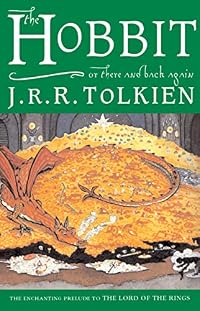
On This Page
Description
Bilbo Baggins, a respectable, well-to-do hobbit, lives comfortably in his hobbit-hole until the day the wandering wizard Gandalf chooses him to take part in an adventure from which he may never return.Tags
Recommendations

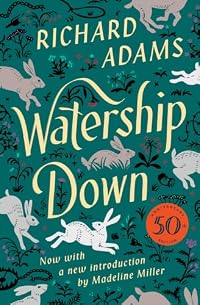
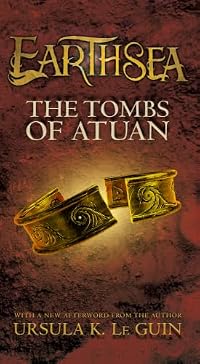

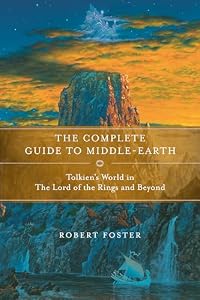
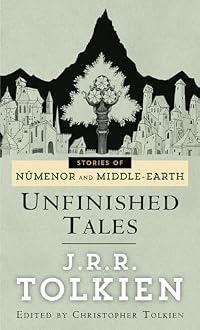


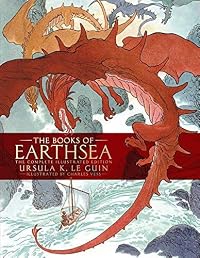

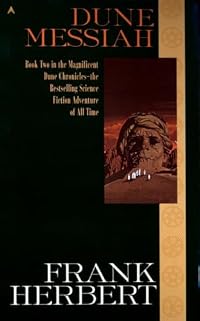
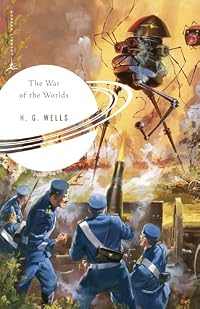
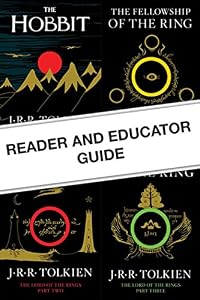
Member Recommendations
1030
ErisofDiscord Written by J.R.R. Tolkien's friend, C.S. Lewis. Although their styles of writing are very different, I have found both of them to be highly enjoyable and the quality of both of the authors books are unmatched.
407
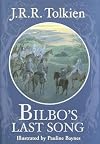

DCBlack Another quest tale of the reluctant hero who would rather be sitting in a comfy chair by the fireplace than getting mixed up in all sorts of adventures. Full of humor and whimsical charm.
60
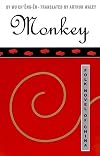
DavidGoldsteen If you like a quest story, here's the real deal. A Chinese classic first that first appeared as a novel over 500 years ago. Monkey is a lively, funny, exciting story.
82
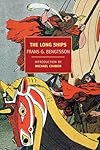
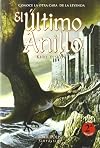
anonymous user Great alternate history version of the Middle Earth saga--told from the 'evil' Mordor side.
75

Smitie Three fairy tales from Tolkien
20
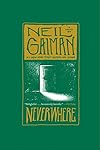
sturlington In addition to Arthur Dent, Gaiman's Richard Mayhew is a reluctant adventurer like Bilbo Baggins.
32
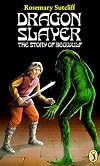
themulhern A dragon, a hoard, a thief who steals just one item and arouse the dragon's implacable fury.
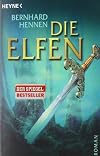
PitcherBooks While I enjoyed The Hobbit a bit more than the Elven, I like The Elven much more than the LOTR. I have yet to read the sequels but Elven had the feel of a fantasy classic to it. Time will tell...
Pros: Great world-building and characters, mostly action, adventure and magic with only the last tenth or so devoted to the obligatory war. Since I'm not big on wars this was a major plus.
Con: The Hobbit was shorter, more endearing and faster moving. Elven is a lengthy tome but the characters and adventures held my interest even so.
11
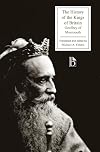
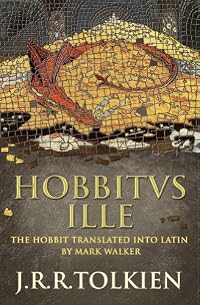
ed.pendragon Tolkien was very familiar with this work, certainly from the old translation by J Giles (which in turn probably influenced Tolkien's own Farmer Giles of Ham)
78
Rossi21 This is a alternative science fiction type of novel, very interesting
14
DeathByPain The first book in Jordan's epic Wheel of Time series
310
Eleanor.ela Both by British authors, both fantasy, both have giant spiders, both have imaginary creatures :)
112
Member Reviews
There's hardly anything I can say about The Hobbit that hasn't been said already. It, together with The Lord of the Rings, kickstarted the modern fantasy genre as we know it. That feat alone is enough to rank it as a classic.
However, just because a work is seminal does not mean it is also flawless. Tolkien was a scholar first and a writer of fiction second. Nowhere is this more obvious than here in The Hobbit. The book is foremost about the journey of Bilbo Baggins (hence the subtitle, There and Back Again), not so much about his character. Why, then, does the journey plod so much in the middle? Just because The Hobbit was first conceived as a bedtime story doesn't mean it should put me to sleep. Where future writers would fill the show more empty spaces with character development and interiority, Tolkien instead has a tendency to get into the weeds of describing geography. It makes for an exceptionally well-developed world, but exceedingly dull reading. What makes it most frustrating, to me, is that Tolkien proves he can execute well-paced plots both fast ("Riddles in the Dark", "Barrels Out of Bond", the whole Battle of the Five Armies, including its setup) and slow (the entire beginning of the journey, "Queer Lodgings"). It created a sort of whiplash going back and forth between phenomenal writing and waffling on about nothing for 20 or so pages.
I posit that a lot of this (as well as most of the criticisms levied against The Hobbit and its sequel) is a sort of "Seinfeld isn't funny" effect. As long as you read The Hobbit early on (it is a children's book, after all) and don't have any frame of reference as far as fantasy, it is probably one of the most magical books you can ever read. For anyone who's read other fantasy works released in the post-LOTR era, you might be left wondering just what all the fuss is about (and struggling to stay awake doing it). show less
However, just because a work is seminal does not mean it is also flawless. Tolkien was a scholar first and a writer of fiction second. Nowhere is this more obvious than here in The Hobbit. The book is foremost about the journey of Bilbo Baggins (hence the subtitle, There and Back Again), not so much about his character. Why, then, does the journey plod so much in the middle? Just because The Hobbit was first conceived as a bedtime story doesn't mean it should put me to sleep. Where future writers would fill the show more empty spaces with character development and interiority, Tolkien instead has a tendency to get into the weeds of describing geography. It makes for an exceptionally well-developed world, but exceedingly dull reading. What makes it most frustrating, to me, is that Tolkien proves he can execute well-paced plots both fast ("Riddles in the Dark", "Barrels Out of Bond", the whole Battle of the Five Armies, including its setup) and slow (the entire beginning of the journey, "Queer Lodgings"). It created a sort of whiplash going back and forth between phenomenal writing and waffling on about nothing for 20 or so pages.
I posit that a lot of this (as well as most of the criticisms levied against The Hobbit and its sequel) is a sort of "Seinfeld isn't funny" effect. As long as you read The Hobbit early on (it is a children's book, after all) and don't have any frame of reference as far as fantasy, it is probably one of the most magical books you can ever read. For anyone who's read other fantasy works released in the post-LOTR era, you might be left wondering just what all the fuss is about (and struggling to stay awake doing it). show less
Rating a book that you have read many times is not easy, but in this case it only confirmed my view of the book. It's majestic. In all the times I read it I discovered new things. Beside a steadily growing exitement while reading the book, ending almost in disaster (no worry, all ends well) it is also entwined by humor that sometimes might go unnoticed. Though in many ways Bilbo seems to be the hero of the story, for me it is actually Balin, who in many ways opposes others and remains a close friend to Bilbo right up to the end of the book. Tolkien obviously wrote with his own children in mind, (his biggest critics), but managed to write a tale that captivates audiences from all ages
The story (and history) of this book is well-known; it drew heavily on the author's academic research, his wartime experiences and spawned a far more serious trilogy of blockbuster fantasy novels that themselves threw off seemingly a thousand imitators. What can be said about this novel that's not been said before?
Well, I would contend that were it not for the circumstance of its origin, it would be fairly unremarkable. The style betrays its origin as a tale told to children in the 1930s, because there are recurrent authorial asides that a father would use. British readers of A Certain Age should think of the BBC's Listen with Mother; these asides have a similar condescending tone to them. Many of them would not survive a modern show more editorial blue pencil; they don't just speak directly to the reader, they tell the reader exactly how they are supposed to think and feel at that point.
Description is otherwise good and only slightly archaic for the modern reader. Characterisation is a different matter. I first read this book more than fifty years ago and had not picked it up since. But I had seen the Peter Jackson films, and they made it impossible not to see the characters as the depictions from those films. So I came away from the novel thinking the dwarfs excessively petulent, argumentative and unpleasant to each other as well as to Bilbo, something the films improved upon.
Other differences I noticed were that the narrative in the films was adjusted to 'retcon' The Lord of the Rings. I see nothing wrong in this; this novel represents a far earlier vision of Tolkien's Middle Earth than the later trilogy accessed, Having made a detailed film version of the later books, Peter Jackson could not have filmed The Hobbit as is; too many pointers to later events exist in the earlier book. Anyone coming to The Hobbit from the films has to understand this.
One thing that I noticed - and this is possibly my science-fiction reader's critical examination of world-building coming in here - is that I kept seeing signs throughout the book (but especially in the Hobbiton segments) that somewhere there was a reasonably high-technology society hiding in full view. Because Tolkien started this tale as a story for his children, he kept putting into the descriptions of everyday life things the children would have been familiar with - kitchen utensils, crockery, kettles and all the other manufactured things that we take for granted in most normal houses. I thought this might just be in the films, but they are there in the novel as well. We have no idea where Bilbo Baggins gets his wealth from, either, but we are not supposed to think that he is stupendously rich - he is depicted as fairly solidly middle class - and he has the things that any middle class household would have, crafted in reasonable quantity and quality. Dwarvish or Elven metalsmithing is talked about often, but that ls reserved for making swords, chain mail and high-value fine craft objects. Elven swords, indeed, are sufficiently rare as to be given names, suggesting that they have been created by individual masters like Japanese katanas; but everyday items seem to exist in quantity and made at a reasonable price (though Bilbo's silver spoons do become an item of contention with his socially aspirational relatives!).
If we look at hobbit society, there are a number of trades that can only reasonably exist in a fairly well-established society where there is surplus income; there are butchers who sell bacon and pork pies (instead of mere vendors of meat), there are solicitors and there are auctioneers. And as for the existence in Middle Earth of coffee...
There are also a number of scenes in the book which would never have made it to the screen because there was just too many effects needed, even for Peter Jackson's vision; Gandalf's obsession with blowing multi-coloured and highly mobile smoke rings would have required too many effects inserting for no good reason; perhaps more noticeable were the scenes where the Dwarvish Party try to gatecrash the Wood Elves' alfresco feast, only to have it vanish and reappear in a different part of Mirkwood, which may have been too much effort to depict for their role in the narrative, or possibly would have made the pacing too disjointed, being partially interleaved with the spider scenes. This may equally be the reason why the Jackson films - all of them - rather back-pedal on actually showing Gandalf as a powerful magic user; watch the films at all objectively and you begin to wonder just how much magic Gandalf actually uses, whereas in The Hobbit, there are plenty of instances where he demonstrates his abilities; though to be fair, Tolkien does not use Gandalf's powers as a "get out of jail free" card.
There is much use in the novel of the folkloric tropes of shape-shifting and communicating directly with animals through speech, either the animals using "human" speech or certain characters understanding animal speech. This is barely mentioned in the films, and possibly only alluded to. Perhaps we are now too literal-minded to accept this as the legitimate use of a folkloric device.
The films also re-used visual effects and designs from the later trilogy; in particular, the Wargs were a different creature altogether in the films, whilst the goblins are rendered as orcs to a greater degree. Overall, it ended up with the novel giving the impression of being a sketch for Tolkein's later work. Some of the later characters amongst the Men of Laketown are little more than walk-ons in the novel, but are fleshed out in the films; and the Battle of the Five Armies is described in about five pages in the novel; it occupies about the last quarter of the third film.
So after all that, what do I think of The Hobbit? I'm glad that I've re-read it, and I shall look forward to re-reading The Lord of the Rings in due course - but I'm not going to rush to push LoTR any further up the reading pile. And I don't expect to re-read The Hobbit soon. If it were not for its fame, I would not really have had this on the 'to be read' pile at all and I doubt I would have felt I'd missed much. show less
Well, I would contend that were it not for the circumstance of its origin, it would be fairly unremarkable. The style betrays its origin as a tale told to children in the 1930s, because there are recurrent authorial asides that a father would use. British readers of A Certain Age should think of the BBC's Listen with Mother; these asides have a similar condescending tone to them. Many of them would not survive a modern show more editorial blue pencil; they don't just speak directly to the reader, they tell the reader exactly how they are supposed to think and feel at that point.
Description is otherwise good and only slightly archaic for the modern reader. Characterisation is a different matter. I first read this book more than fifty years ago and had not picked it up since. But I had seen the Peter Jackson films, and they made it impossible not to see the characters as the depictions from those films. So I came away from the novel thinking the dwarfs excessively petulent, argumentative and unpleasant to each other as well as to Bilbo, something the films improved upon.
Other differences I noticed were that the narrative in the films was adjusted to 'retcon' The Lord of the Rings. I see nothing wrong in this; this novel represents a far earlier vision of Tolkien's Middle Earth than the later trilogy accessed, Having made a detailed film version of the later books, Peter Jackson could not have filmed The Hobbit as is; too many pointers to later events exist in the earlier book. Anyone coming to The Hobbit from the films has to understand this.
One thing that I noticed - and this is possibly my science-fiction reader's critical examination of world-building coming in here - is that I kept seeing signs throughout the book (but especially in the Hobbiton segments) that somewhere there was a reasonably high-technology society hiding in full view. Because Tolkien started this tale as a story for his children, he kept putting into the descriptions of everyday life things the children would have been familiar with - kitchen utensils, crockery, kettles and all the other manufactured things that we take for granted in most normal houses. I thought this might just be in the films, but they are there in the novel as well. We have no idea where Bilbo Baggins gets his wealth from, either, but we are not supposed to think that he is stupendously rich - he is depicted as fairly solidly middle class - and he has the things that any middle class household would have, crafted in reasonable quantity and quality. Dwarvish or Elven metalsmithing is talked about often, but that ls reserved for making swords, chain mail and high-value fine craft objects. Elven swords, indeed, are sufficiently rare as to be given names, suggesting that they have been created by individual masters like Japanese katanas; but everyday items seem to exist in quantity and made at a reasonable price (though Bilbo's silver spoons do become an item of contention with his socially aspirational relatives!).
If we look at hobbit society, there are a number of trades that can only reasonably exist in a fairly well-established society where there is surplus income; there are butchers who sell bacon and pork pies (instead of mere vendors of meat), there are solicitors and there are auctioneers. And as for the existence in Middle Earth of coffee...
There are also a number of scenes in the book which would never have made it to the screen because there was just too many effects needed, even for Peter Jackson's vision; Gandalf's obsession with blowing multi-coloured and highly mobile smoke rings would have required too many effects inserting for no good reason; perhaps more noticeable were the scenes where the Dwarvish Party try to gatecrash the Wood Elves' alfresco feast, only to have it vanish and reappear in a different part of Mirkwood, which may have been too much effort to depict for their role in the narrative, or possibly would have made the pacing too disjointed, being partially interleaved with the spider scenes. This may equally be the reason why the Jackson films - all of them - rather back-pedal on actually showing Gandalf as a powerful magic user; watch the films at all objectively and you begin to wonder just how much magic Gandalf actually uses, whereas in The Hobbit, there are plenty of instances where he demonstrates his abilities; though to be fair, Tolkien does not use Gandalf's powers as a "get out of jail free" card.
There is much use in the novel of the folkloric tropes of shape-shifting and communicating directly with animals through speech, either the animals using "human" speech or certain characters understanding animal speech. This is barely mentioned in the films, and possibly only alluded to. Perhaps we are now too literal-minded to accept this as the legitimate use of a folkloric device.
The films also re-used visual effects and designs from the later trilogy; in particular, the Wargs were a different creature altogether in the films, whilst the goblins are rendered as orcs to a greater degree. Overall, it ended up with the novel giving the impression of being a sketch for Tolkein's later work. Some of the later characters amongst the Men of Laketown are little more than walk-ons in the novel, but are fleshed out in the films; and the Battle of the Five Armies is described in about five pages in the novel; it occupies about the last quarter of the third film.
So after all that, what do I think of The Hobbit? I'm glad that I've re-read it, and I shall look forward to re-reading The Lord of the Rings in due course - but I'm not going to rush to push LoTR any further up the reading pile. And I don't expect to re-read The Hobbit soon. If it were not for its fame, I would not really have had this on the 'to be read' pile at all and I doubt I would have felt I'd missed much. show less
I read far and wide across all genres but my first and truest love has always been fantasy. A good fantasy story takes you on an adventure. There's often a quest, magic, undiscovered abilities, friends, enemies and action - all of this makes a great fantasy story.
The Hobbit has all that and more. It is the epitome of the perfect fantasy tale. The kind you want to sit around a campfire and hear told with dramatic exaggeration. It has a dragon and dwarves, a wizard and one lone hobbit who turns out to be the bravest of them all.
Fantasy is not for everyone, but most importantly there's levels to it. This is a classic fantasy with elements of high fantasy. High fantasy has excessive world building - maps, extra tales, extensive histories show more of people and places - not all of it may be included but a lot of it is. The most obvious example is of course, The Lord of the Rings. The Hobbit is a classic fantasy with elements of high fantasy - Tolkien has created the world building but much of it doesn't come into play in this book. The Hobbit is just a taste of the world retold as one would a folk or fairy tale.
That said, if you don't like The Hobbit, don't even bother with Lord of the Rings. Lord of the Rings is just a long drawn out, denser version. If you don't like the base elements of The Hobbit, you're going to hate Lord of the Rings. My mum definitely did.
I love Bilbo. His zest for life and adventure is hilarious - mainly because he has it but it's tinged with a lot of reluctance. To be fair, he also gets thrown into a deep end - he has no idea how or when or why this adventure came to be until he's being kicked out of his house without his pocket-handkerchief. He really comes into his own though throughout, finding his bravery and nerve and that he is capable of a lot more than he gives himself credit for. Although I do feel sorry for him, he takes a hell of a lot of hits to the head.
And of course we get the first look at Gollum and find how Bilbo comes to possess the ring. I like the dwarves but it would be nicer if they were truer friends - they have a bad tendency to hesitate or leave Bilbo to his own devices much too often. I loved Bard and I loved how Bilbo resolves the tensions at the end. The dragon seeks revenge on the Lake-Men for helping the dwarves and the hobbit with their supplies. Bard manages to kill the dragon with an arrow but many are dead and they want justice for the deaths they have suffered. Thorin (the King of the Mountains) refuses to share the treasure but he does prize the Arkenstone of Thrain above all. Bilbo finds it and hands it off to the Elves and the Lake-Men to bargain with when.
5 stars. It's a classic. show less
The Hobbit has all that and more. It is the epitome of the perfect fantasy tale. The kind you want to sit around a campfire and hear told with dramatic exaggeration. It has a dragon and dwarves, a wizard and one lone hobbit who turns out to be the bravest of them all.
Fantasy is not for everyone, but most importantly there's levels to it. This is a classic fantasy with elements of high fantasy. High fantasy has excessive world building - maps, extra tales, extensive histories show more of people and places - not all of it may be included but a lot of it is. The most obvious example is of course, The Lord of the Rings. The Hobbit is a classic fantasy with elements of high fantasy - Tolkien has created the world building but much of it doesn't come into play in this book. The Hobbit is just a taste of the world retold as one would a folk or fairy tale.
That said, if you don't like The Hobbit, don't even bother with Lord of the Rings. Lord of the Rings is just a long drawn out, denser version. If you don't like the base elements of The Hobbit, you're going to hate Lord of the Rings. My mum definitely did.
I love Bilbo. His zest for life and adventure is hilarious - mainly because he has it but it's tinged with a lot of reluctance. To be fair, he also gets thrown into a deep end - he has no idea how or when or why this adventure came to be until he's being kicked out of his house without his pocket-handkerchief. He really comes into his own though throughout, finding his bravery and nerve and that he is capable of a lot more than he gives himself credit for. Although I do feel sorry for him, he takes a hell of a lot of hits to the head.
And of course we get the first look at Gollum and find how Bilbo comes to possess the ring. I like the dwarves but it would be nicer if they were truer friends - they have a bad tendency to hesitate or leave Bilbo to his own devices much too often. I loved Bard and I loved how Bilbo resolves the tensions at the end.
5 stars. It's a classic. show less
"May the wind under your wings bear you where the sun sails and the moon walks."
Who would have thought that this little book with a little man would be the genesis of a legendarium?
One of the very first things that stood out to me in "The Hobbit" is the narrator, how he cozily addresses the reader, and occasionally makes tiny off stage remarks that adds flair to the storytelling. You can almost hear the continuous yet subtle cracks from the fireplace, along with the soothing creak of the leather as Uncle Tolkien slowly leans back in his armchair and unfolds his world of fantasy and wonder just for you. And this very unfolding is a noteworthy aspect of the book, as the scale of the story starts small and then gradually expands one step show more at a time. This allows the author to establish friends, foes and mythos without overwhelming the reader - so you can take a bite and properly digest it before you're served another. Albeit two facets do fall short, with the first one being that there's a tad too much plot armor. The second one which did not work for me was the introduction of Bilbo's many companions. It's hard to keep track of them all not just because of their numbers, but their names are also, although jokingly, very similar and this really lessens their brunt.
Bilbo Baggins, by the way, is our protagonist, our hobbit. He's in his 50s, and quite content to never truly be challenged and get out of his routines and comfort zone. In some sense, withering caused by convenience. It's difficult not to see it as an allegory to modern life of western civilization. An allegory that seems to only have become more relevant, and perhaps more obscene in its truth, as we have moved a quarter into the 21st century. At the end of our story - a story that touches on many themes - Bilbo undeniably returns as a changed man, but he also starts out griping that he forgot his handkerchief, signifying the change he undergoes.
As we tread through the trials and tribulations of Bilbo and his company, we're provided with a pacing that feels well balanced. Between the perils and pauses, the adventure is given enough room to breathe to set up its locations, and introduce interesting characters along the way, such as one peculiar being who has an affinity for riddles. All put together, it doesn't feel rushed, slow or like it's wasting time. It stays fresh, and the narrator may even tell you he does not know what happened at a certain point, or that it's not essential to chronicle everything during our ensembles rest. I quite like this within the frame of how the story is told, as both a clever way to skip ahead, but also leave some mystery behind and something up to the reader's imagination.
I like how Tolkien manages to weave the tale of Middle Earth into our world and connect them. It's only done a few times, but that makes it more effective. One such example is that you're given the very map that the expedition is using and describing in the book. And I particularly liked how the proverb "out of the frying-pan into the fire" was given an origin story, and how it was worded differently in the times old. It is cleverly inserted to function as a spark of truth that make it seem as if this story did indeed occur long, long ago.
“If more of us valued food and cheer and song above hoarded gold, it would be a merrier world.”
Tolkien does not mince words, but uses them to great effect. Every word seem to count in bringing the world alive and communicate its presence and significance. One such example comes when we approach a forest which is not just described as black but that it stands as a "frowning wall before them", illustrating it clearly and effectively as an imposing threat. The pen of the professor proves itself versatile from start to finish with rich descriptions, memorable imagery, and small rays of morality that provide moments of insight, making you think more than once. The greedy outburst of one character is described as, "the sort of rage that only is seen when rich folk that have more than they can enjoy suddenly lose something that they have long had but have never before used or wanted." Although I found it a little too on the nose, it was actually rather striking at the same time, and it made me contemplate the materialistic society we live in now and how we live our lives in this condemned digital age.
Songs portray the different cultures you encounter on this adventure, and add some variation. Some of the songs do show that a younger audience was intended at times. It also shows a different era before the advent of recorded music like today, a technology that was still relatively new when "The Hobbit" was written, where knowing and singing songs were more prevalent. To some extent, the songs in the book train your imagination as they demand something of you, to truly indulge in them. I enjoyed trying to put my own rhythm and rhyme to the songs in a feeble attempt to bring them to life. With that being said, as the story progresses, I would definitely say that there are too many songs introduced and I started skimming past them, contrasting my more enthusiastic involvement in the beginning. My favourite, however, is without a doubt "Far Over the Misty Mountains Cold".
If you are on the cusp of undertaking the journey into Middle Earth and The Lord of the Rings, then you would not be amiss to start that journey here, because it is a charming and touching one. Even though it is different from the Trilogy, it lays a solid foundation, and will heighten the impact of the scrolls concerning the Ring. You should not be deterred by the fact that "The Hobbit" often is referred to as children's literature. This little book with a little man is accessible to everyone due to it is written with such sophistication that it can please adults and children alike. show less
Who would have thought that this little book with a little man would be the genesis of a legendarium?
One of the very first things that stood out to me in "The Hobbit" is the narrator, how he cozily addresses the reader, and occasionally makes tiny off stage remarks that adds flair to the storytelling. You can almost hear the continuous yet subtle cracks from the fireplace, along with the soothing creak of the leather as Uncle Tolkien slowly leans back in his armchair and unfolds his world of fantasy and wonder just for you. And this very unfolding is a noteworthy aspect of the book, as the scale of the story starts small and then gradually expands one step show more at a time. This allows the author to establish friends, foes and mythos without overwhelming the reader - so you can take a bite and properly digest it before you're served another. Albeit two facets do fall short, with the first one being that there's a tad too much plot armor. The second one which did not work for me was the introduction of Bilbo's many companions. It's hard to keep track of them all not just because of their numbers, but their names are also, although jokingly, very similar and this really lessens their brunt.
Bilbo Baggins, by the way, is our protagonist, our hobbit. He's in his 50s, and quite content to never truly be challenged and get out of his routines and comfort zone. In some sense, withering caused by convenience. It's difficult not to see it as an allegory to modern life of western civilization. An allegory that seems to only have become more relevant, and perhaps more obscene in its truth, as we have moved a quarter into the 21st century. At the end of our story - a story that touches on many themes - Bilbo undeniably returns as a changed man, but he also starts out griping that he forgot his handkerchief, signifying the change he undergoes.
As we tread through the trials and tribulations of Bilbo and his company, we're provided with a pacing that feels well balanced. Between the perils and pauses, the adventure is given enough room to breathe to set up its locations, and introduce interesting characters along the way, such as one peculiar being who has an affinity for riddles. All put together, it doesn't feel rushed, slow or like it's wasting time. It stays fresh, and the narrator may even tell you he does not know what happened at a certain point, or that it's not essential to chronicle everything during our ensembles rest. I quite like this within the frame of how the story is told, as both a clever way to skip ahead, but also leave some mystery behind and something up to the reader's imagination.
I like how Tolkien manages to weave the tale of Middle Earth into our world and connect them. It's only done a few times, but that makes it more effective. One such example is that you're given the very map that the expedition is using and describing in the book. And I particularly liked how the proverb "out of the frying-pan into the fire" was given an origin story, and how it was worded differently in the times old. It is cleverly inserted to function as a spark of truth that make it seem as if this story did indeed occur long, long ago.
“If more of us valued food and cheer and song above hoarded gold, it would be a merrier world.”
Tolkien does not mince words, but uses them to great effect. Every word seem to count in bringing the world alive and communicate its presence and significance. One such example comes when we approach a forest which is not just described as black but that it stands as a "frowning wall before them", illustrating it clearly and effectively as an imposing threat. The pen of the professor proves itself versatile from start to finish with rich descriptions, memorable imagery, and small rays of morality that provide moments of insight, making you think more than once. The greedy outburst of one character is described as, "the sort of rage that only is seen when rich folk that have more than they can enjoy suddenly lose something that they have long had but have never before used or wanted." Although I found it a little too on the nose, it was actually rather striking at the same time, and it made me contemplate the materialistic society we live in now and how we live our lives in this condemned digital age.
Songs portray the different cultures you encounter on this adventure, and add some variation. Some of the songs do show that a younger audience was intended at times. It also shows a different era before the advent of recorded music like today, a technology that was still relatively new when "The Hobbit" was written, where knowing and singing songs were more prevalent. To some extent, the songs in the book train your imagination as they demand something of you, to truly indulge in them. I enjoyed trying to put my own rhythm and rhyme to the songs in a feeble attempt to bring them to life. With that being said, as the story progresses, I would definitely say that there are too many songs introduced and I started skimming past them, contrasting my more enthusiastic involvement in the beginning. My favourite, however, is without a doubt "Far Over the Misty Mountains Cold".
If you are on the cusp of undertaking the journey into Middle Earth and The Lord of the Rings, then you would not be amiss to start that journey here, because it is a charming and touching one. Even though it is different from the Trilogy, it lays a solid foundation, and will heighten the impact of the scrolls concerning the Ring. You should not be deterred by the fact that "The Hobbit" often is referred to as children's literature. This little book with a little man is accessible to everyone due to it is written with such sophistication that it can please adults and children alike. show less
“The Hobbit” follows fifteen (sometimes more, often less) characters on a quest for treasure and revenge. The book is told mostly from Bilbo’s perspective and sometimes the perspective of an unknown narrator (which I think is actually Gandalf). As a reader I found it both wonderful and frustrating to read from such a limited perspective. However, the limited perspective did allow me to better experience the character growth and the true tole of an adventure.
As I read I was sometimes frustrated because I wished to know what the other characters were doing and thinking. However, the frustration I felt made me feel more connected to Bilbo as he was also frustrated at not knowing what was happening with everyone else and always show more worrying over what the others thought of him. He was the outsider giving a space at the table and he hated it. However, the limited perspective also allowed my mind to wonder. Normally getting distracted while reading is seen as negative but I disagree with that idea. Sometimes your mind just needs to wonder and explore the possibilities of the world and the characters in the pages. I feel this is especially true for “The Hobbit”, because Bilbo is a pessimist and his thoughts can get quite dark. I doubt I would have like the book as much as I did if I had just accepted whatever ideas and opinions Bilbo had. I greatly enjoyed hearing his opinions of his companions and how it showed they changed as did Bilbo.
The characters go through so much during their journey and it changes them and their relationships with one another. In the beginning everyone doubted Bilbo and his worth to the quest, they thought he was small and too stuck up to be of any use to them. Bilbo thought that he was going on an adventure with people who were experienced adventurers. They were all wrong. Throughout the adventure Bilbo proved his worth and how capable he was several times over even though he made some questionable decisions. And the adventuring party was made up of people who seemed to know what they were doing. However, none of them grasped the true difficulty of their task even the characters with experience, age, and wisdom were stupidly optimistic (I’m not counting Gandalf because he knows too much and wasn’t planning on finishing the adventure with them). However, regardless of their optimism and ignorance they still go and they grow closer to one another. They become a true team by the end, relying on each other and sharing a strong trust that would’ve been impossible in the beginning (which makes the end of the book hurt more). **Spoiler** Their success was pure dumb luck.**
Overall “The Hobbit” wasn’t something I consider a satisfying read, I think its because I wanted more, but that’s part of the reason I love the book. It didn’t leave me wanting more of the story as the end had been good and all the loose ends were tied up. It left me craving adventures that just don’t exist in the real world. The limited perspective allowed me to feel like I had been a part of the adventure and you can never have just one adventure. In short -like any good adventure “The Hobbit” left me craving more adventures. show less
As I read I was sometimes frustrated because I wished to know what the other characters were doing and thinking. However, the frustration I felt made me feel more connected to Bilbo as he was also frustrated at not knowing what was happening with everyone else and always show more worrying over what the others thought of him. He was the outsider giving a space at the table and he hated it. However, the limited perspective also allowed my mind to wonder. Normally getting distracted while reading is seen as negative but I disagree with that idea. Sometimes your mind just needs to wonder and explore the possibilities of the world and the characters in the pages. I feel this is especially true for “The Hobbit”, because Bilbo is a pessimist and his thoughts can get quite dark. I doubt I would have like the book as much as I did if I had just accepted whatever ideas and opinions Bilbo had. I greatly enjoyed hearing his opinions of his companions and how it showed they changed as did Bilbo.
The characters go through so much during their journey and it changes them and their relationships with one another. In the beginning everyone doubted Bilbo and his worth to the quest, they thought he was small and too stuck up to be of any use to them. Bilbo thought that he was going on an adventure with people who were experienced adventurers. They were all wrong. Throughout the adventure Bilbo proved his worth and how capable he was several times over even though he made some questionable decisions. And the adventuring party was made up of people who seemed to know what they were doing. However, none of them grasped the true difficulty of their task even the characters with experience, age, and wisdom were stupidly optimistic (I’m not counting Gandalf because he knows too much and wasn’t planning on finishing the adventure with them). However, regardless of their optimism and ignorance they still go and they grow closer to one another. They become a true team by the end, relying on each other and sharing a strong trust that would’ve been impossible in the beginning (which makes the end of the book hurt more). **Spoiler** Their success was pure dumb luck.**
Overall “The Hobbit” wasn’t something I consider a satisfying read, I think its because I wanted more, but that’s part of the reason I love the book. It didn’t leave me wanting more of the story as the end had been good and all the loose ends were tied up. It left me craving adventures that just don’t exist in the real world. The limited perspective allowed me to feel like I had been a part of the adventure and you can never have just one adventure. In short -like any good adventure “The Hobbit” left me craving more adventures. show less
First sentence: In a hole in the ground there lived a hobbit. Not a nasty, dirty, wet hole, filled with the ends of worms and an oozy smell, nor yet a dry, bare, sandy hole with nothing in it to sit down on or to eat: it was a hobbit-hole, and that means comfort.
ETA: I listened to the audio book narrated by Andy Serkis. It is a little over ten hours, I believe. IT WAS WONDERFUL, FANTASTIC, A JOY AND DELIGHT. He is a talented voice actor. I loved all his voices, except perhaps for some birds? But I recommend the audio a hundred million percent. I would say the audio book is perhaps better than the book. Perhaps. It definitely HELPS the singing portions! I usually skip the poems/songs when I read. But Serkis actually makes them show more enjoyable!!!!
Premise/plot: Bilbo Baggins has an unexpected adventure in J.R.R. Tolkien's The Hobbit. When this children's classic opens, Bilbo is decidedly not a burglar. But by the end of it, well, you may have to decide for yourself if he is or isn't... Regardless, Bilbo sets off with THIRTEEN dwarves on a get-rich-or-die-trying quest. They're off to face down a DRAGON, but the dragon won't be the only challenge they face. Will Bilbo return to his beloved shire wiser?!
My thoughts: I love, love, love, love, love, love, love this one. I do. I may even love it a tiny bit more than the Lord of the Rings trilogy. Maybe. It's a tricky thing really because in truth, I just LOVE hobbits. I love spending time with hobbits. I love Tolkien's insights about hobbits. One of the things I love about Tolkien is how quotable he is.
Quotes:
“Good Morning!” said Bilbo, and he meant it. The sun was shining, and the grass was very green. But Gandalf looked at him from under long bushy eyebrows that stuck out further than the brim of his shady hat. “What do you mean?” he said. “Do you wish me a good morning, or mean that it is a good morning whether I want it or not; or that you feel good this morning; or that it is a morning to be good on?” “All of them at once,” said Bilbo.
“What a lot of things you do use Good morning for!” said Gandalf. “Now you mean that you want to get rid of me, and that it won’t be good till I move off.”
He liked visitors, but he liked to know them before they arrived, and he preferred to ask them himself. He had a horrible thought that the cakes might run short, and then he—as the host: he knew his duty and stuck to it however painful—he might have to go without.
“Go back?” he thought. “No good at all! Go sideways? Impossible! Go forward? Only thing to do! On we go!”
He was altogether alone. Soon he thought it was beginning to feel warm. “Is that a kind of a glow I seem to see coming right ahead down there?” he thought. It was. As he went forward it grew and grew, till there was no doubt about it. It was a red light steadily getting redder and redder. Also it was now undoubtedly hot in the tunnel. Wisps of vapour floated up and past him and he began to sweat. A sound, too, began to throb in his ears, a sort of bubbling like the noise of a large pot galloping on the fire, mixed with a rumble as of a gigantic tom-cat purring. This grew to the unmistakable gurgling noise of some vast animal snoring in its sleep down there in the red glow in front of him. It was at this point that Bilbo stopped. Going on from there was the bravest thing he ever did. The tremendous things that happened afterwards were as nothing compared to it. He fought the real battle in the tunnel alone, before he ever saw the vast danger that lay in wait.
“You have nice manners for a thief and a liar,” said the dragon. “You seem familiar with my name, but I don’t seem to remember smelling you before. Who are you and where do you come from, may I ask?” “You may indeed! I come from under the hill, and under the hills and over the hills my paths led. And through the air. I am he that walks unseen.” “So I can well believe,” said Smaug, “but that is hardly your usual name.” “I am the clue-finder, the web-cutter, the stinging fly. I was chosen for the lucky number.” “Lovely titles!” sneered the dragon. “But lucky numbers don’t always come off.” “I am he that buries his friends alive and drowns them and draws them alive again from the water. I came from the end of a bag, but no bag went over me.” “These don’t sound so creditable,” scoffed Smaug. “I am the friend of bears and the guest of eagles. I am Ringwinner and Luckwearer; and I am Barrel-rider,” went on Bilbo beginning to be pleased with his riddling. “That’s better!” said Smaug. “But don’t let your imagination run away with you!”
If more of us valued food and cheer and song above hoarded gold, it would be a merrier world. show less
ETA: I listened to the audio book narrated by Andy Serkis. It is a little over ten hours, I believe. IT WAS WONDERFUL, FANTASTIC, A JOY AND DELIGHT. He is a talented voice actor. I loved all his voices, except perhaps for some birds? But I recommend the audio a hundred million percent. I would say the audio book is perhaps better than the book. Perhaps. It definitely HELPS the singing portions! I usually skip the poems/songs when I read. But Serkis actually makes them show more enjoyable!!!!
Premise/plot: Bilbo Baggins has an unexpected adventure in J.R.R. Tolkien's The Hobbit. When this children's classic opens, Bilbo is decidedly not a burglar. But by the end of it, well, you may have to decide for yourself if he is or isn't... Regardless, Bilbo sets off with THIRTEEN dwarves on a get-rich-or-die-trying quest. They're off to face down a DRAGON, but the dragon won't be the only challenge they face. Will Bilbo return to his beloved shire wiser?!
My thoughts: I love, love, love, love, love, love, love this one. I do. I may even love it a tiny bit more than the Lord of the Rings trilogy. Maybe. It's a tricky thing really because in truth, I just LOVE hobbits. I love spending time with hobbits. I love Tolkien's insights about hobbits. One of the things I love about Tolkien is how quotable he is.
Quotes:
“Good Morning!” said Bilbo, and he meant it. The sun was shining, and the grass was very green. But Gandalf looked at him from under long bushy eyebrows that stuck out further than the brim of his shady hat. “What do you mean?” he said. “Do you wish me a good morning, or mean that it is a good morning whether I want it or not; or that you feel good this morning; or that it is a morning to be good on?” “All of them at once,” said Bilbo.
“What a lot of things you do use Good morning for!” said Gandalf. “Now you mean that you want to get rid of me, and that it won’t be good till I move off.”
He liked visitors, but he liked to know them before they arrived, and he preferred to ask them himself. He had a horrible thought that the cakes might run short, and then he—as the host: he knew his duty and stuck to it however painful—he might have to go without.
“Go back?” he thought. “No good at all! Go sideways? Impossible! Go forward? Only thing to do! On we go!”
He was altogether alone. Soon he thought it was beginning to feel warm. “Is that a kind of a glow I seem to see coming right ahead down there?” he thought. It was. As he went forward it grew and grew, till there was no doubt about it. It was a red light steadily getting redder and redder. Also it was now undoubtedly hot in the tunnel. Wisps of vapour floated up and past him and he began to sweat. A sound, too, began to throb in his ears, a sort of bubbling like the noise of a large pot galloping on the fire, mixed with a rumble as of a gigantic tom-cat purring. This grew to the unmistakable gurgling noise of some vast animal snoring in its sleep down there in the red glow in front of him. It was at this point that Bilbo stopped. Going on from there was the bravest thing he ever did. The tremendous things that happened afterwards were as nothing compared to it. He fought the real battle in the tunnel alone, before he ever saw the vast danger that lay in wait.
“You have nice manners for a thief and a liar,” said the dragon. “You seem familiar with my name, but I don’t seem to remember smelling you before. Who are you and where do you come from, may I ask?” “You may indeed! I come from under the hill, and under the hills and over the hills my paths led. And through the air. I am he that walks unseen.” “So I can well believe,” said Smaug, “but that is hardly your usual name.” “I am the clue-finder, the web-cutter, the stinging fly. I was chosen for the lucky number.” “Lovely titles!” sneered the dragon. “But lucky numbers don’t always come off.” “I am he that buries his friends alive and drowns them and draws them alive again from the water. I came from the end of a bag, but no bag went over me.” “These don’t sound so creditable,” scoffed Smaug. “I am the friend of bears and the guest of eagles. I am Ringwinner and Luckwearer; and I am Barrel-rider,” went on Bilbo beginning to be pleased with his riddling. “That’s better!” said Smaug. “But don’t let your imagination run away with you!”
If more of us valued food and cheer and song above hoarded gold, it would be a merrier world. show less
Members
- Recently Added By
Published Reviews
Lists

The Guardian's 1000 Novels Everyone Must Read
1,005 works; 549 members

1001 Books You Must Read Before You Die
1,448 works; 1,131 members

Best Fantasy Novels
821 works; 361 members

Favorite Childhood Books
1,602 works; 516 members

Read the book and saw the movie
1,170 works; 193 members

Top-Rated Books on LibraryThing
272 works; 117 members

Best Children's Books You've Read
197 works; 75 members
BBC Big Read
191 works; 46 members

Best Young Adult
399 works; 101 members

Books I've Read More Than Once
602 works; 49 members
1001 Children's Books You Must Read Before You Grow Up
774 works; 101 members
Gateway Book: Fantasy
19 works; 34 members
Best Books About Journeys and Quests
117 works; 30 members
Favourite High Fantasy Books
113 works; 23 members

NPRs your favorites: 100 Best Ever Teen Novels
237 works; 49 members

Classics you know you should have read but probably haven't
421 works; 407 members

Recommend the 20 best books you've read in the last five years
2,167 works; 604 members
Favourite Books
1,817 works; 309 members
NPRs Ultimate Backseat Bookshelf: 100 Must-Reads for kids 9-14
222 works; 30 members

Top Five Books of 2013
1,564 works; 716 members
Children's Fantasy
73 works; 10 members
Banned Books Week 2014
268 works; 62 members
Best of British Literature
226 works; 41 members

Mythical Monsters of the World
199 works; 79 members
Five books to read aloud to your kids
35 works; 17 members

New York Public Library's Books of the Century
120 works; 20 members
20th Century Literature
1,161 works; 55 members
Best middle grade books
130 works; 23 members
Survey of Science Fiction and Fantasy
101 works; 13 members

Elevenses
316 works; 88 members
Comfort Reads
221 works; 41 members
Survey of Fantasy Classics
111 works; 23 members
One Book, Many Authors
441 works; 40 members
Bibliography for Among Others
159 works; 15 members
Ballantine Adult Fantasy Series
85 works; 8 members
BBC Big Read
100 works; 10 members

Best Adventure Stories
66 works; 13 members
Here There Be Dragons
143 works; 23 members

Books tagged favorites
390 works; 30 members

Nonhuman Protagonists
235 works; 34 members

Childhood Favorites
427 works; 24 members
Twentieth Century Greatest Hits
27 works; 10 members
my children books reading list-from 100 great books
101 works; 7 members

Hayao Miyazaki's 50 Recommended Children's Books
48 works; 6 members

The Seven-League Shelf
57 works; 3 members
LibraryThingers' 1001 Books You Must Read Before You Die
442 works; 30 members

Books about characters you'd like to know
34 works; 14 members
Speculative Fiction to Read
706 works; 32 members

Top 100 to Read before you Die
109 works; 7 members
Mind Expanding Books by hackerkid
581 works; 8 members
Best First Lines
133 works; 8 members

NPRs audience picks: 100 best beach reads
105 works; 12 members

Huxley's reading log 2016
84 works; 3 members
Movie Adaptations
111 works; 4 members

Top-Rated Children's Books
87 works; 16 members
What Makes This Book So Great
102 works; 16 members
Fantasy Books I have read or want to read
3 works; 1 member

Books with Twins
175 works; 12 members

Myth (Reuse and Retelling)
188 works; 24 members

Children's Classics Worth Reading
68 works; 9 members

Top Five Books of 2018
802 works; 265 members
Everybody Has A 'Best Books List'. Here is mine.
20 works; 1 member

Generation Joshua
115 works; 3 members

Necessary & Exquisite
30 works; 4 members
Treasure Lost and Found
8 works; 5 members

Fake Top 100 Fiction
81 works; 4 members
Books for Fans of Stranger Things
84 works; 7 members

Before Austen Comes Aesop
318 works; 9 members

2026 Reading List
50 works; 1 member

Books Finished in 2024
12 works; 1 member

Favorite Kids Books (chapter, middle grade)
168 works; 4 members
Science Fiction and Fantasy
63 works; 4 members

Fantasy TBR
17 works; 1 member

Read in 2025
16 works; 1 member

Mustich's 1000 Books to Read Before You Die: A Life Changing List
1,001 works; 18 members
Our Favorite Comfort Reads
334 works; 200 members

um actually
76 works; 3 members

2026 Reading Challenge
12 works; 1 member

Elaina's
183 works; 1 member

el
1,139 works; 1 member
.
396 works; 1 member

Books Read in 2022
5,164 works; 113 members
Recommend Fantasy Books
100 works; 1 member

Read Aloud Revival
108 works; 4 members
My 100 Favorite Books of All Time
57 works; 2 members
The Art of Manliness' 100+ Books Every Man Should Read
108 works; 2 members

Books referenced in the Astral Library
60 works; 1 member

Books Mentioned in the A+ Autostraddle Pop Up Discords Nov 2022 & Dec 2022
223 works; 3 members
School Made Us Read It
380 works; 196 members
Books With Our Favorite First Lines
168 works; 104 members
Banned Books I have read
16 works; 2 members

Retrospective of 20th- and 21st-century literature
154 works; 1 member

Favorite Books in Translation
320 works; 133 members

Gen X Library
245 works; 4 members

Ambleside Year 7
69 works; 1 member
DigitalDreamDoor top 300
300 works; 4 members

The Luca Guadagnino Universe
62 works; 1 member

Recommended Reading : 600 Classics Reviewed, Editors of Salem Press, 2015
634 works; 6 members
Book Worlds We'd Like To Visit
322 works; 158 members
EGBERTINA'S List of childhood books worthy of merit or unspeakable delight
155 works; 6 members
'Books You Can't Live Without: The Top 100', The Guardian, 2007
156 works; 7 members
Read in 2005
2 works; 1 member
Read in 1999–2000
24 works; 1 member
.
194 works; 2 members

Rory Gilmore Book Club
193 works; 5 members

Books We Loved As Children
603 works; 252 members
Books We Love to Reread
688 works; 296 members

Book club books
22 works; 1 member
BitLife
212 works; 4 members

Recommended Reading List
219 works; 1 member

Books Read in 2024
4,623 works; 126 members

Books I recommend to everyone
29 works; 1 member

Fantasy Books Ranked
6 works; 1 member
Books We'd Want on a Desert Island
203 works; 131 members

BookTube Fantasy Recommendations
37 works; 1 member

Summer Reading 2023
14 works; 1 member
Classical Conversations Challenge II Exposition
18 works; 1 member

Forest Books
15 works; 2 members

50+ Books for a 6th Grader Who Loves to Read
53 works; 4 members
Novels/Poems/Short Stories/Anything Storytelling Related
112 works; 2 members
Witches and Wizards Oh My
135 works; 11 members
Put a Bird On It
75 works; 12 members
Honey For a Child's Heart
1,152 works; 25 members
Books That Changed Me
156 works; 47 members

Carole's List
445 works; 13 members
Ambleside Books
459 works; 18 members
Stories Featuring Passages, Gateways and Doors
39 works; 11 members

Sonlight Books
1,487 works; 25 members

Delete This List
18 works; 2 members
Best books I read in 2013
152 works; 3 members
New York Public Library's Books of the Century - All
170 works; 13 members

Allie's Favourite 150 Books
145 works; 3 members
Stories of Good Versus Evil
22 works; 7 members
1930s
262 works; 5 members

Tagged by Tim or Meh!
91 works; 7 members

Best Science Fiction Novels
816 works; 426 members
Great Audiobooks
96 works; 9 members
Books Read in 2012 (Numbered)
168 works; 6 members

Books Read in 2012
815 works; 34 members
Banned or Challenged Books
400 works; 41 members

You Couldn't Pay Me to Read That (Take 2)
203 works; 81 members
Folio Society
831 works; 49 members

Unread books
1,063 works; 84 members

In or About the 1930s
198 works; 27 members

Biggest Disappointments
606 works; 168 members

A Novel Cure
742 works; 23 members
Best Books of the 20th Century
193 works; 5 members
Literature of Honor for Boys
91 works; 3 members

Books Read in 2014
2,341 works; 86 members

Books Read in 2021
5,361 works; 114 members

Books Read in 2020
4,379 works; 124 members

al.vick-series
381 works; 2 members

S.F. Masterworks (Complete)
229 works; 15 members
1,001 BYMRBYD Concensus
723 works; 27 members

Mensa for Kids Excellence in Reading Award Program (Grades 7-8)
62 works; 1 member
End of Your Life Book Club
134 works; 4 members
Mensa for Kids Excellence in Reading Award Program (Grades 7-8)
62 works; 3 members
Books Read in 2007
323 works; 8 members

Books Read in 2018
4,360 works; 110 members

Authors from England
147 works; 4 members

Pageturners
40 works; 6 members
Robin
21 works; 2 members
Literature which inspired Pop songs
85 works; 9 members

Scholastic 100 Best Read-Aloud Books
100 works; 8 members
First Novels
373 works; 17 members
Overdue Podcast
800 works; 9 members
Off on a Quest
14 works; 5 members

PRC 2015 Years 7&8
50 works; 1 member

recalling favorites...
105 works; 2 members

Best Antiheroes and Antiheroines
119 works; 6 members

Books Read in 2015
3,298 works; 129 members

Blue Pyramid 1,276 Best Books of All Time
1,248 works; 32 members
Five star books
1,755 works; 107 members
The Five Books That Represent Us
389 works; 146 members
1970s
657 works; 23 members
Favorite Long Books
330 works; 42 members

Best of World Literature
431 works; 51 members
Talk Discussions
Past Discussions
Hobbit LE in Folio Society Devotees (February 2025)
Smaug’s wealth in Tolkien Lovers (June 2024)
Lord of the Rings Group Read in 2019 Category Challenge (April 2021)
New Hobbit audiobook? in Council of Elrond (December 2020)
Revisiting Middle Earth before The Hobbit hits the big screen in The Green Dragon (February 2015)
about test in Brightcopy Test Group (July 2013)
Group Read: The Hobbit (Spoiler-free thread) in Hogwarts Express (April 2013)
The Hobbit - Book vs. Movie (Spoilers Expected) in The Green Dragon (February 2013)
J.R.R. Tolkien's The Hobbit reviewed by jseger9000 in Reviews reviewed (July 2011)
Author Information

A writer of fantasies, Tolkien, a professor of language and literature at Oxford University, was always intrigued by early English and the imaginative use of language. In his greatest story, the trilogy The Lord of the Rings (1954--56), Tolkien invented a language with vocabulary, grammar, syntax, even poetry of its own. Though readers have show more created various possible allegorical interpretations, Tolkien has said: "It is not about anything but itself. (Certainly it has no allegorical intentions, general, particular or topical, moral, religious or political.)" In The Adventures of Tom Bombadil (1962), Tolkien tells the story of the "master of wood, water, and hill," a jolly teller of tales and singer of songs, one of the multitude of characters in his romance, saga, epic, or fairy tales about his country of the Hobbits. Tolkien was also a formidable medieval scholar, as evidenced by his work, Beowulf: The Monster and the Critics (1936) and his edition of Anciene Wisse: English Text of the Anciene Riwle. Among his works published posthumously, are The Legend of Sigurd and Gudrún and The Fall of Arthur, which was edited by his son, Christopher. In 2013, his title, TheHobbit (Movie Tie-In) made The New York Times Best Seller List. (Bowker Author Biography) show less
Some Editions
Awards and Honors
Awards
Distinctions
Notable Lists
Series
The Lord of the Rings (Prior Work — Prequel 2)
Belongs to Publisher Series
Work Relationships
Is contained in
The J. R. R. Tolkien Deluxe Edition Collection: " The Children of Hurin " , " The Silmarillion " , " The Hobbit " and " The Lord of the Rings " by J. R. R. Tolkien (indirect)
Lord of the Rings Collection:The Hobbit-The Fellowship of the Ring-The Two Towers-Return of the King-The Silmarillion-Unfinished Tales (Lord of the Rings) by J. R. R. Tolkien
Has the adaptation
Is abridged in
Is expanded in
Is parodied in
Inspired
Has as a reference guide/companion
Has as a study
Has as a supplement
Has as a commentary on the text
Has as a student's study guide
Has as a teacher's guide
Common Knowledge
- Canonical title
- The Hobbit
- Original title
- The Hobbit, or, There and Back Again
- Alternate titles
- There and back again
- Original publication date
- 1937-09-21
- People/Characters
- Bilbo Baggins; Gandalf; Gollum; Thorin Oakenshield; Smaug; Beorn (show all 39); Bard the Bowman; Dwalin; Balin; Kíli; Fíli; Dori; Nori; Ori; Óin; Glóin; Bifur; Bofur; Bombur; Thrór; Azog; Thráin II; Sauron; Belladonna Baggins; Bungo Baggins; Bert the troll; William the troll; Tom the troll; Elrond Half-elven; Durin; Great Goblin; Lord of the Eagles; Galion; Girion; Roäc; Carc; Dáin II Ironfoot; Thranduil; Bolg
- Important places
- Middle-earth; The Shire; Mirkwood; Lonely Mountain; Misty Mountains; Rivendell (show all 14); Long Lake; Bywater; Carrock; Anduin; Dale; Esgaroth; Bag End; Trollshaws
- Important events
- Battle of Five Armies
- Related movies
- The Hobbit: The Battle of the Five Armies (2014 | IMDb); The Hobbit: The Desolation of Smaug (2013 | IMDb); The Hobbit: An Unexpected Journey (2012 | IMDb)
- First words
- In a hole in the ground there lived a hobbit.
- Quotations
- "Never laugh at live dragons, Bilbo you fool!"
Far over the misty mountains cold
To dungeons deep and caverns old
We must away ere break of day
To seek the pale enchanted gold.
This thing all things devours:
Birds, beasts, trees, flowers;
Gnaws iron, bites steel;
Grinds hard stones to meal;
Slays king, ruins town,
And beats high mountain down.
It does not do to leave a live dragon out of your calculations, if you live near him. Dragons may not have much real use for all their wealth, but they know it to an ounce as a rule, especially after long possession; and Smau... (show all)g was no exception.
There is more in you of good than you know, child of the kindly West. Some courage and some wisdom, blended in measure. If more of us valued food and cheer and song above hoarded gold, it would be a merrier world. But sad or ... (show all)merry, I must leave it now. Farewell!
"And why not? Surely you don't disbelieve the prophecies just because you helped them come about. You don't really suppose do you that all your adventures and escapes were managed by mere luck? Just for your sole benefit? You... (show all)'re a very fine person, Mr. Baggins, and I'm quite fond of you. But you are really just a little fellow, in a wide world after all."
His crown shall be upholden,
His harp shall be restrung,
His halls shall echo golden
To songs of yore re-sung.
"What do you mean?" he said. "Do you wish me a good morning, or mean that it is a good morning whether I want it or not; or that you feel good this morning; or that it is a morning to be good on?"
A box without hinges, key, or lid, yet golden treasure inside is hid.
"What have I got in my pocket?"
"I am Gandalf, and Gandalf means me!"
"Who are these miserable persons?"
"What has it got in its nasty, little pocketses?" - Last words
- (Click to show. Warning: May contain spoilers.)"Thank goodness!" said Bilbo laughing, and handed him the tobacco-jar.
- Blurbers
- Auden, W. H.; Lewis, C.S.
- Original language
- English
- Canonical DDC/MDS
- 823.912
- Canonical LCC
- PR6039.O32 H6
- Disambiguation notice
- J.R.R. Tolkien's complete work The Lord of the Rings consists of six Books, frequently bound in three Volumes:
- Volume 1: The Fellowship of the Ring, consisting of Book I, "The Ring Sets Out" and Book ... (show all)II, "The Ring Goes South";
- Volume 2: The Two Towers, consisting of Book III, "The Treason of Isengard," and Book IV, "The Ring Goes East"; and
- Volume 3: The Return of the King, consisting of Book V, "The War of the Ring," and Book VI, "The End of the Third Age," with Appendices.
Classifications
Statistics
- Members
- 106,971
- Popularity
- 8
- Reviews
- 1,293
- Rating
- (4.27)
- Languages
- 65 — Afrikaans, Albanian, Arabic, Armenian, Basque, Belarusian, Bengali, Breton, Bulgarian, Catalan, Chinese, Cornish, Czech, Danish, Dutch, English, Esperanto, Estonian, Faroese, Finnish, French, Frisian, Georgian, German, Scottish Gaelic, Irish, Galician, Greek, Hawaiian, Hebrew, Hungarian, Icelandic, Indonesian, Italian, Japanese, Korean, Latvian, Lithuanian, Letzeburgesch, Macedonian, Marathi, Moldavian, Norwegian (Nynorsk), Norwegian (Bokmål), Norwegian, Farsi/Persian, Polish, Romance (Other), Romanian, Russian, Serbian, Croatian, Slovak, Slovenian, Spanish, Swedish, Thai, Turkish, Ukrainian, Vietnamese, Welsh, Sorbian languages, Yiddish, Portuguese (Portugal), Portuguese (Brazil)
- Media
- Paper, Audiobook, Ebook
- ISBNs
- 821
- UPCs
- 19
- ASINs
- 490