On This Page
Description
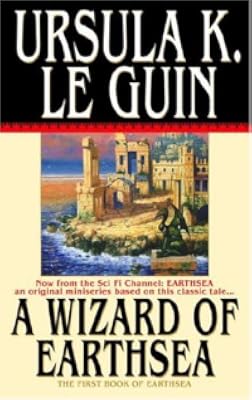
Ged was the greatest sorcerer in all Earthsea, but once he was called Sparrowhawk, a reckless youth, hungry for power and knowledge, who tampered with long-held secrets and loosed a terrible shadow upon the world. This is the tale of his testing, how he mastered the mighty words of power, tamed an ancient dragon, and crossed death's threshold to restore the balance.Tags
Recommendations
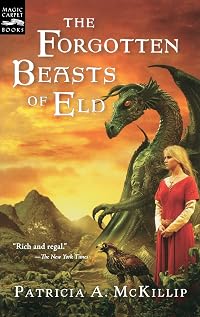

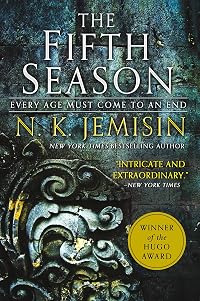
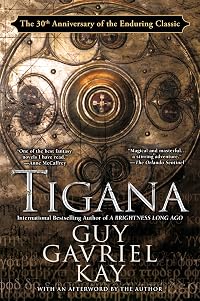
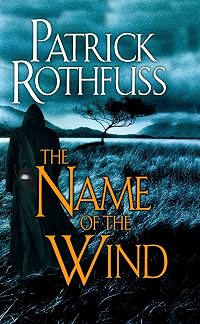


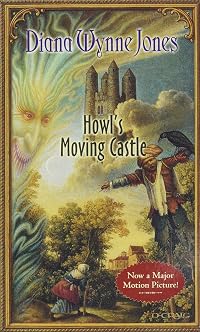
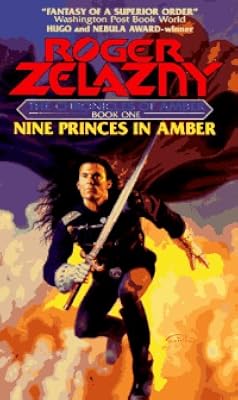
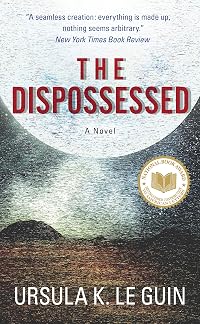
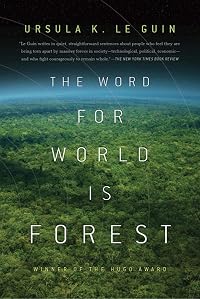


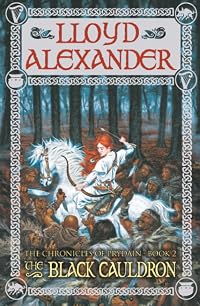
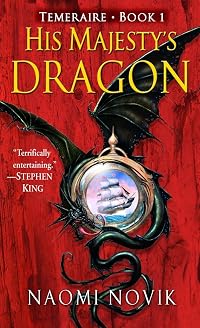
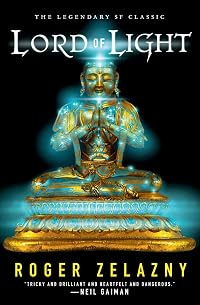
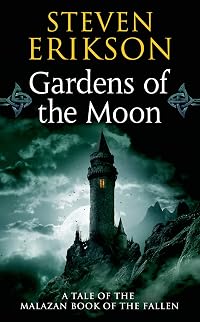




Member Recommendations

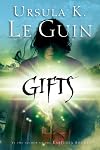
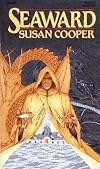
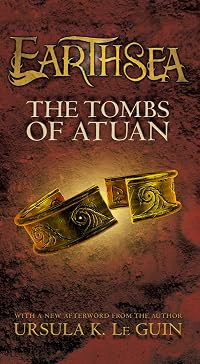
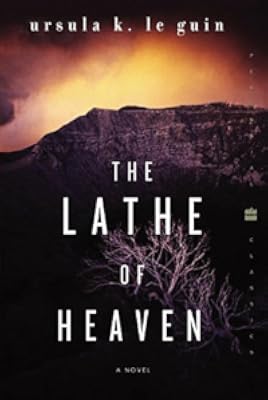
paradoxosalpha The Taoism that Le Guin imbibed at her father's knee is evident in the magic of Earthsea.
20
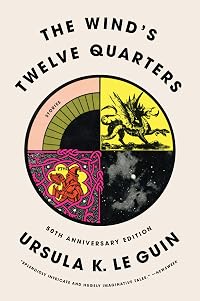
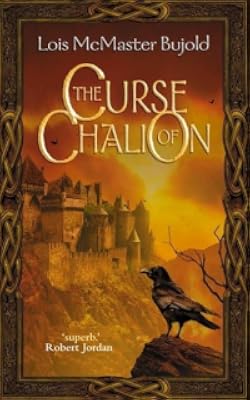
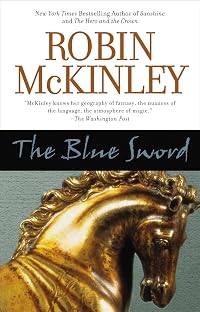
ed.pendragon The protagonist who starts from humble beginnings to become a powerful mage may be a cliche, but in both these series beginnings there is a carefully thought-out alterative world with sympathetic characters.
10
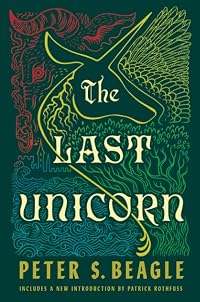
andomck Magic systems based on language . One is the secret names of things, the other is secrets itself.
10
by anonymous user
Member Reviews
The writing was beautiful and the world building interesting, but the pace was slow and the story clearly sexist.
A Wizard of Earthsea is a classic fantasy story about a Ged, a great sorcerer who makes a mistake when he’s a student. His mistake unleashes a terrible and unnamed shadow creature, which will destroy him if it can and then wreck havoc upon the world. The story’s reminiscent of a fable or fairy tale. The writing’s lyrical, and characters tend to be simplistically described. As other reviewers have pointed out, Le Guin tends to tell instead of show. I didn’t have too much of a problem with this aspect – for me, it added to the fable-like feeling of the story.
My biggest problem with A Wizard of Earthsea is that it’s show more openly sexist. Magic is explicitly only for men, and if a woman’s using magic, she’s clearly evil and ineffective:
“Weak as women’s magic” (page 5)
“Wicked as women’s magic” (page 6)
The few female characters present are primarily evil - Serret and Ged’s aunt for instance. Yarrow’s the only notably good female character, and she’s Ged’s best friend’s little sister who shows up in the second to last chapter. Her role is to look sweet and ask Ged questions. She’s described as beautiful but stupid:
Spoken by her brother: “This is my sister, the youngest of us, prettier than I am you see, but much less clever” (page 169)
Spoken by Yarrow herself: “I wish I could truly understand what you tell me. I am too stupid” (page 177)
All in all, it’s a rather vile image. The only good women are pretty, powerless, and stupid. They serve their men and don’t take actions of their own. I’m given to understand that this changes later in the series. The second book for instance, has a female protagonist. However, don’t expect to find any good female characters or even a book with female characters present in the plot in A Wizard of Earthsea.
The majority of characters do have dark skin, which makes it atypical, especially for a fantasy book published in the 1960s. While this is laudable, I’d have trouble recommending this book to anyone because of the prevalent sexism. show less
A Wizard of Earthsea is a classic fantasy story about a Ged, a great sorcerer who makes a mistake when he’s a student. His mistake unleashes a terrible and unnamed shadow creature, which will destroy him if it can and then wreck havoc upon the world. The story’s reminiscent of a fable or fairy tale. The writing’s lyrical, and characters tend to be simplistically described. As other reviewers have pointed out, Le Guin tends to tell instead of show. I didn’t have too much of a problem with this aspect – for me, it added to the fable-like feeling of the story.
My biggest problem with A Wizard of Earthsea is that it’s show more openly sexist. Magic is explicitly only for men, and if a woman’s using magic, she’s clearly evil and ineffective:
“Weak as women’s magic” (page 5)
“Wicked as women’s magic” (page 6)
The few female characters present are primarily evil - Serret and Ged’s aunt for instance. Yarrow’s the only notably good female character, and she’s Ged’s best friend’s little sister who shows up in the second to last chapter. Her role is to look sweet and ask Ged questions. She’s described as beautiful but stupid:
Spoken by her brother: “This is my sister, the youngest of us, prettier than I am you see, but much less clever” (page 169)
Spoken by Yarrow herself: “I wish I could truly understand what you tell me. I am too stupid” (page 177)
All in all, it’s a rather vile image. The only good women are pretty, powerless, and stupid. They serve their men and don’t take actions of their own. I’m given to understand that this changes later in the series. The second book for instance, has a female protagonist. However, don’t expect to find any good female characters or even a book with female characters present in the plot in A Wizard of Earthsea.
The majority of characters do have dark skin, which makes it atypical, especially for a fantasy book published in the 1960s. While this is laudable, I’d have trouble recommending this book to anyone because of the prevalent sexism. show less
A Wizard of Earthsea was an early venture into "YA Fantasy" publishing, and it set much of the pattern for the wizard bildungsroman that later made the fortune of the world's richest woman. More than half a century after its original publication, it holds up very well. It is certainly a better book than its more "successful" imitators. I first read it when I was less than ten years old, and I had forgotten many of the details and much of the structure--despite in the interim having sampled some of the attempts to adapt it to the screen.
While the publishing press and the author herself have been quick to compare this high fantasy Earthsea to Tolkien's Middle Earth, I found the style far more reminiscent of Lord Dunsany, an author praised show more elsewhere by Le Guin with language similar to her remarks in the 2012 afterword to Wizard. There she mentions other fantasy literature that "mostly lurked in small secondhand bookshops smelling of cats and mildew" (262). To the extent that this book is an "epic" fantasy, it is more Odyssey than Illiad, deliberately spurning the matter of great wars and killer heroes.
As an orientation to esoteric wisdom, Le Guin's work far exceeds more recent tales of "wizard school." The teachings of Lao Tzu that she imbibed at her father's knee are evident in the magic of Earthsea. She has one clinker in her diction, where she misuses "adept" to mean "neophyte" (26). That lexical slip is far outweighed by such musings as this:
"You thought, as a boy, that a mage is one who can do anything. So I thought, once. So did we all. And the truth is that as a man's real power grows and his knowledge widens, ever the way he can follow grows narrower: until at last he chooses nothing, but does only and wholly what he must do ..." (99, italics and ellipsis in original)
Le Guin quietly but consciously twitted racial preconceptions of US readers when writing this book, but she admittedly conformed to received gender types for fantasy literature (263). As a result, the business with Serret reflects Aleister Crowley's observation that "the neophyte is nearly always tempted by a woman."
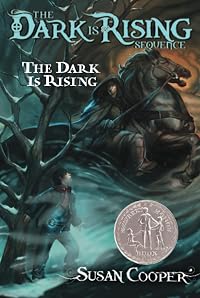
My reread of this novel was undertaken with a view to reading the entire Earthsea cycle of six volumes. Only the first three of these had existed for my childhood reading. As a reading project, then, it shares elements of my mature returns to Susan Cooper's Dark Is Rising books (a series about magic enjoyed in my childhood) and Gene Wolfe's Solar Cycle (a reread in order to approach the volumes subsequently published). I'm only encouraged by this first book. show less
While the publishing press and the author herself have been quick to compare this high fantasy Earthsea to Tolkien's Middle Earth, I found the style far more reminiscent of Lord Dunsany, an author praised show more elsewhere by Le Guin with language similar to her remarks in the 2012 afterword to Wizard. There she mentions other fantasy literature that "mostly lurked in small secondhand bookshops smelling of cats and mildew" (262). To the extent that this book is an "epic" fantasy, it is more Odyssey than Illiad, deliberately spurning the matter of great wars and killer heroes.
As an orientation to esoteric wisdom, Le Guin's work far exceeds more recent tales of "wizard school." The teachings of Lao Tzu that she imbibed at her father's knee are evident in the magic of Earthsea. She has one clinker in her diction, where she misuses "adept" to mean "neophyte" (26). That lexical slip is far outweighed by such musings as this:
"You thought, as a boy, that a mage is one who can do anything. So I thought, once. So did we all. And the truth is that as a man's real power grows and his knowledge widens, ever the way he can follow grows narrower: until at last he chooses nothing, but does only and wholly what he must do ..." (99, italics and ellipsis in original)
Le Guin quietly but consciously twitted racial preconceptions of US readers when writing this book, but she admittedly conformed to received gender types for fantasy literature (263). As a result, the business with Serret reflects Aleister Crowley's observation that "the neophyte is nearly always tempted by a woman."
My reread of this novel was undertaken with a view to reading the entire Earthsea cycle of six volumes. Only the first three of these had existed for my childhood reading. As a reading project, then, it shares elements of my mature returns to Susan Cooper's Dark Is Rising books (a series about magic enjoyed in my childhood) and Gene Wolfe's Solar Cycle (a reread in order to approach the volumes subsequently published). I'm only encouraged by this first book. show less
Since I am probably the only person in the world not to have read the Earthsea Quartet as a child, when I found a copy of A Wizard of Earthsea for £2 in a charity shop, I thought I had better remedy my ignorance. I'm really sorry now that I didn't find it when I was younger—I can see my eight or nine-year-old self loving these books immensely. Even as an adult reading it for the first time, I have to admit that it is very finely written. Le Guin has this great ability to write in the measured, formal language of high fantasy without it seeming stiff or forced. The anthropology stuff was a real delight, as well—in two hundred pages, Le Guin manages to build a world which seems more real, more plausible, and more inclusive than show more anything that, say, George R.R. Martin conjured up in a work six times the length. I'll have to look out for the rest of the series, I think. show less
I can't remember how many years it's been since I read anything by Ursula K. Le Guin, nor do I recall what it was that I read. So when Le Guin appeared in an article recently, it was a good excuse to reacquaint myself with one of her classics, A Wizard of Earthsea.
Sparrowhawk is young when a wizard sees his talent and takes him as an apprentice, but a hunger for power leads him to unloose on the world a dark and evil magic. As he grows and increases in ability, he finds himself facing the temptation to use the power he has unleashed. However, power does not come without a cost, and Sparrowhawk soon understands that he must face the evil he has unleashed, or it will undo him and the world.
Though A Wizard of Earthsea is the first of the show more Earthsea novels, Le Guin wrote two short stories in the Earthsea world several years before. Several of the novels have won awards, including the Newberry and a Nebula. I've not read them, but I enjoyed A Wizard of Earthsea enough that I plan to collect and read the series.
That said, reading A Wizard of Earthsea was a flash back to an age of fantasy writing that is long gone, where the explanation for magic is less important than thematic development and handwavium hocus pocus. Where Brandon Sanderson might use a magic system that is highly scientific, with rules for operations, Le Guin's style of magic owes more to Tolkien and is more reminiscent of something that might be familiar to readers of folk tales and stories centered on Medieval Europe. Power is in knowing the name of something, its true name, and a few select individuals are able to draw on that power to manipulate the world around them in ways beyond the understanding of the average person. These are wizards.
Le Guin weaves into Sparrowhawk's story a theme centering on the allure and danger of power, not only in the wrong hands, but also in the right ones. Even the good and decent can be corrupted by power, and short of discipline, agency, and self-sacrifice power will destroy those who wield it. One could imagine that Le Guin's story, published in 1968 at the height of the Cold War and the space race, was not without reflection in the real world. show less
Sparrowhawk is young when a wizard sees his talent and takes him as an apprentice, but a hunger for power leads him to unloose on the world a dark and evil magic. As he grows and increases in ability, he finds himself facing the temptation to use the power he has unleashed. However, power does not come without a cost, and Sparrowhawk soon understands that he must face the evil he has unleashed, or it will undo him and the world.
Though A Wizard of Earthsea is the first of the show more Earthsea novels, Le Guin wrote two short stories in the Earthsea world several years before. Several of the novels have won awards, including the Newberry and a Nebula. I've not read them, but I enjoyed A Wizard of Earthsea enough that I plan to collect and read the series.
That said, reading A Wizard of Earthsea was a flash back to an age of fantasy writing that is long gone, where the explanation for magic is less important than thematic development and handwavium hocus pocus. Where Brandon Sanderson might use a magic system that is highly scientific, with rules for operations, Le Guin's style of magic owes more to Tolkien and is more reminiscent of something that might be familiar to readers of folk tales and stories centered on Medieval Europe. Power is in knowing the name of something, its true name, and a few select individuals are able to draw on that power to manipulate the world around them in ways beyond the understanding of the average person. These are wizards.
Le Guin weaves into Sparrowhawk's story a theme centering on the allure and danger of power, not only in the wrong hands, but also in the right ones. Even the good and decent can be corrupted by power, and short of discipline, agency, and self-sacrifice power will destroy those who wield it. One could imagine that Le Guin's story, published in 1968 at the height of the Cold War and the space race, was not without reflection in the real world. show less
Ursula K. Le Guin truly took me full circle with this one! I started out A Wizard of Earthsea disliking whiny, defensive, know-it-all teenage Ged, and then gradually grew to love him over the course of the book.
Le Guin has a removed style of writing, and my emotional reaction to her writing always sneaks up on me! She got me good with the conclusion of The Left Hand of Darkness, and she got me good with this one, too. By the end, I was in tears!
I loved that the magic system has to do with knowing the true names of things. While the magic system explanation stayed vague, Le Guin made sure to give it limitations, which made me feel like I understood the scope of it better.
A Wizard of Earthsea features some truly beautiful sentences and show more word choices! I was often in awe of Le Guin’s ability to write. The book's downside, and ultimately what made it not quite reach 5 star status for me, was how little dialogue there is. Every time a character spoke, I perked up, but then it would be pages and pages without dialogue - beautifully written pages, no doubt, but I still wanted more conversations between the characters.
I think A Wizard of Earthsea will appeal to readers who enjoy books similar to The Lord of the Rings series, and who appreciate reading slower paced, thoughtful books with less dialogue. For those readers, I highly recommend this! show less
Le Guin has a removed style of writing, and my emotional reaction to her writing always sneaks up on me! She got me good with the conclusion of The Left Hand of Darkness, and she got me good with this one, too. By the end, I was in tears!
I loved that the magic system has to do with knowing the true names of things. While the magic system explanation stayed vague, Le Guin made sure to give it limitations, which made me feel like I understood the scope of it better.
A Wizard of Earthsea features some truly beautiful sentences and show more word choices! I was often in awe of Le Guin’s ability to write. The book's downside, and ultimately what made it not quite reach 5 star status for me, was how little dialogue there is. Every time a character spoke, I perked up, but then it would be pages and pages without dialogue - beautifully written pages, no doubt, but I still wanted more conversations between the characters.
I think A Wizard of Earthsea will appeal to readers who enjoy books similar to The Lord of the Rings series, and who appreciate reading slower paced, thoughtful books with less dialogue. For those readers, I highly recommend this! show less
You know how you read things for the adventure and the excitement and the danger? Thrill-seeking, one of the more basic forms of escapism, where you can slip into the adventurer's skin and and experience their wild ride by proxy. I loved that. I was addicted to that. How on earth did I find this, then, and keep going back to it? Obviously I picked it up because it's a fantasy novel and I was all Lord Of The Rings yay! But this... this is a carefully crafted, masterfully controlled piece of literature. It is full of adventures and physical and spiritual dangers, but it's not written as an adventure narrative. Look, this is all my way of saying that after rereading it for the first time in about twenty five years, I found myself on the show more verge of tears every second or third chapter. It is a book full of deeply moving moments, and of profound, human insights and tenderness and friendship and redemption and finding wisdom after folly and hard experience. It's an adventure story, all right. The story of a young man who makes a dreadful mistake and who must confront the mistake before it consumes him. I just don't remember ever before putting the book down when the young men have returned and Yarrow runs to greet them with tears in my eyes. On a Monday morning in the middle of the dismantling of the Electric Picnic, no less. show less
Sweetly told coming-of-age story, that preaches Daoism as much as Daoism may be praught. I loved how it takes a very male story and turns machismo into a self-punishing weakness, but was also troubled by how even Le Guin wrote a story in which the women were all minor characters and very limited in what they could do. I gather later Earthsea books fix that, and look forward to them.
Members
- Recently Added By
Lists

The Guardian's 1000 Novels Everyone Must Read
1,005 works; 547 members

Best Fantasy Novels
821 works; 361 members

Favorite Childhood Books
1,646 works; 514 members
Gateway Book: Fantasy
19 works; 34 members
Favourite High Fantasy Books
113 works; 23 members
1001 Children's Books You Must Read Before You Grow Up
774 works; 100 members

Read the Book, Hated the Movie
30 works; 25 members

Best Children's Books You've Read
197 works; 74 members

Stories About Other Worlds
145 works; 13 members
NPRs Ultimate Backseat Bookshelf: 100 Must-Reads for kids 9-14
222 works; 30 members
Children's Fantasy
73 works; 10 members

Books I've Read More Than Once
602 works; 49 members

Read the book and saw the movie
1,170 works; 195 members
Best Books About Journeys and Quests
117 works; 30 members

NPRs your favorites: 100 Best Ever Teen Novels
237 works; 49 members

Best Young Adult
399 works; 101 members

Diversity in Fantasy and Science Fiction
219 works; 33 members
water on the brain: maritime fiction
74 works; 18 members
Best middle grade books
130 works; 24 members
Survey of Science Fiction and Fantasy
101 works; 13 members
20th Century Literature
1,161 works; 54 members
Bibliography for Among Others
159 works; 15 members

Best Adventure Stories
66 works; 15 members

Female Author
1,235 works; 67 members
Best School Stories
219 works; 22 members

Best Books Set in Boarding Schools
160 works; 56 members

Favourite Books
1,819 works; 309 members

Epic fantasy by female authors
47 works; 7 members
Magic schools
51 works; 8 members
Here There Be Dragons
143 works; 23 members
Survey of Fantasy Classics
111 works; 23 members

David Pringle's Modern Fantasy: The 100 Best Novels
100 works; 5 members

Hayao Miyazaki's 50 Recommended Children's Books
48 works; 6 members
The 100 Best Fantasy Books of All Time
100 works; 15 members
Books tagged favorites
390 works; 30 members
my children books reading list-from 100 great books
101 works; 7 members
Speculative Fiction to Read
706 works; 32 members

Cawthorn and Moorcock's Fantasy: The 100 Best Books
110 works; 7 members

Slipstream or Interstitial Fiction
160 works; 19 members
1960s, Best books published therein
254 works; 22 members

Fantasy: The 100 Best Books
11 works; 3 members
LibraryThingers' 1001 Books You Must Read Before You Die
442 works; 30 members

Satori Smiles Children's Book List
262 works; 7 members

Books Read in 2023
5,547 works; 145 members

Magic School Kidlit
43 works; 3 members

BingoDOG - Books With Mythical Creatures
57 works; 16 members
Otherland Book Club
36 works; 2 members

Teen Sci-Fi Fantasy Male Lead
47 works; 1 member

LIBROS DE CIENCIA FICCIÓN Y FANTASIA
60 works; 1 member

Lista d1
22 works; 1 member

Books Read in 2026
1,929 works; 66 members
Overdue Podcast
806 works; 9 members

Summer Reading
30 works; 1 member

GREAT 1960s BOOKS
37 works; 1 member
Science Fiction and Fantasy
63 works; 4 members

Books for Tori
11 works; 1 member

mom
729 works; 1 member

The Five Books That Represent Us
391 works; 148 members

naturallogg's 2025 in Books
50 works; 1 member

Mustich's 1000 Books to Read Before You Die: A Life Changing List
1,001 works; 19 members

Finished in 2025
23 works; 1 member

Before Austen Comes Aesop
318 works; 9 members

Newbery Adjacent
747 works; 3 members

Books Read in 2014
2,343 works; 86 members

EGBERTINA'S List of childhood books worthy of merit or unspeakable delight
155 works; 6 members

Books Read in 2022
5,166 works; 112 members
Books With the Most Memorable Titles
478 works; 158 members

Books mentioned in Vandermeer's Wonderbook
34 works; 2 members

Favorite Books in Translation
320 works; 133 members
Book Worlds We'd Like To Visit
322 works; 158 members

Classics Book Club 2025
11 works; 1 member

Books Read in 2025
4,091 works; 97 members

Les 100 principaux titres de la science-fiction (1981)
126 works; 3 members

books that have been adapted for film or stage
27 works; 1 member

.
396 works; 1 member
Recommended Reading : 600 Classics Reviewed, Editors of Salem Press, 2015
634 works; 6 members

Read in 2003
81 works; 1 member

Books We Loved As Children
603 works; 252 members
Books We Love to Reread
688 works; 296 members
Books We Couldn't Put Down
443 works; 197 members

Widely acclaimed, one book per year
105 works; 3 members

Other Wizard Fiction
45 works; 1 member
.
194 works; 2 members

Best Sellers / Popular 1968
237 works; 5 members

Books Read in 2003
257 works; 7 members
Books We Want To Read Again For The First Time
384 works; 160 members

Books Read in 2009
464 works; 11 members
Books Read in 2016
110 works; 1 member
Honey For a Child's Heart
1,152 works; 25 members
Books I Wish I’d Read as a Kid
32 works; 4 members
Puffin Books 70th anniversary handbook recommendations
537 works; 10 members

Summer Reading
31 works; 2 members

Books You Read During High School (For School)
301 works; 53 members
Read These Too
458 works; 9 members
Unshelved Book Clubs
579 works; 5 members

A Novel Cure
742 works; 23 members
Witches and Wizards Oh My
135 works; 12 members

Books Read in 2015
3,299 works; 129 members
Books Set on Islands
190 works; 24 members
Stories of Good Versus Evil
22 works; 7 members
1960s
281 works; 16 members

Books Read in 2013
1,630 works; 51 members
Novels from The Guardian's Great American Novelist Tournament
148 works; 24 members

Unread books
1,063 works; 87 members
Favorite Coming of Age Novels.
164 works; 51 members

KayStJ's to-read list
1,616 works; 11 members

Blue Pyramid 1,276 Best Books of All Time
1,248 works; 32 members
American Lit for Eng 11 Research Project
368 works; 6 members

Books Read in 2020
4,379 works; 124 members
Ambleside Books
459 works; 18 members

My Favourite Books
86 works; 5 members

2021 - List of books read
53 works; 1 member
Folio Society
831 works; 52 members

infjsarah's wishlist
408 works; 2 members

al.vick-series
381 works; 2 members
Books With Water Words in the Title
186 works; 12 members

Books Featured on Readers' Review of the Diane Rehm Show
161 works; 8 members

Mensa for Kids Excellence in Reading Award Program (Grades 7-8)
62 works; 1 member

Sonlight Books
1,487 works; 25 members

Ocean Setting
33 works; 5 members
Mensa for Kids Excellence in Reading Award Program (Grades 7-8)
62 works; 3 members

Books Read in 2018
4,360 works; 110 members

unread and uncatalogued
48 works; 1 member

Books related to Films By Studio Ghibli
12 works; 3 members

Books referenced in the Astral Library
60 works; 1 member
Favorite Science Fiction by Women Authors
737 works; 196 members
Talk Discussions
Past Discussions
A Wizard of Earthsea is back in stock in Folio Society Devotees (July 2022)
A Wizard of Earthsea trilogy vs. quartet? in FantasyFans (February 2010)
Author Information

497+ Works 166,984 Members
Ursula K. Le Guin was born Ursula Kroeber in Berkeley, California on October 21, 1929. She received a bachelor's degree from Radcliffe College in 1951 and a master's degree in romance literature of the Middle Ages and Renaissance from Columbia University in 1952. She won a Fulbright fellowship in 1953 to study in Paris, where she met and married show more Charles Le Guin. Her first science-fiction novel, Rocannon's World, was published in 1966. Her other books included the Earthsea series, The Left Hand of Darkness, The Dispossessed: An Ambiguous Utopia, The Lathe of Heaven, Four Ways to Forgiveness, and The Telling. A Wizard of Earthsea received an American Library Association Notable Book citation, a Horn Book Honor List citation, and the Lewis Carroll Shelf Award in 1979. She received the Medal for Distinguished Contribution to American Letters in 2014. She also received the Nebula Award and the Hugo Award. She also wrote books of poetry, short stories collections, collections of essays, children's books, a guide for writers, and volumes of translation including the Tao Te Ching of Lao Tzu and selected poems by Gabriela Mistral. She died on January 22, 2018 at the age of 88. (Bowker Author Biography) show less
Some Editions
Awards and Honors
Awards
Distinctions
Notable Lists
Series

Belongs to Publisher Series
Work Relationships
Is contained in
Has the adaptation
Has as a commentary on the text
Common Knowledge
- Canonical title
- A Wizard of Earthsea
- Original title
- A Wizard of Earthsea
- Alternate titles*
- Il mago; Il mago di Earthsea
- Original publication date
- 1968
- People/Characters
- Ged (Sparrowhawk); Jasper; Vetch (Estarriol); Ogion; Archmage Nemmerle; Archmage Gensher (show all 12); Benderesk Lord of the Terrenon; Serret; Pechvarry; Kest (Yarrow); Murre; Yevaud
- Important places
- Earthsea (fictional); Gont; Roke; Iffish; Low Torning; Pendor (show all 9); Osskil; Court of the Terrenon; Springwater Isle
- Related movies
- Gedo senki (2006 | IMDb); Earthsea (2004 | IMDb)
- Epigraph
- Only in silence the word,
only in dark the light,
only in dying life:
bright the hawk's flight
on the empty sky.
—The Creation of Éa - Dedication
- To my brothers
Clifton, Ted, Karl - First words
- The island of Gont, a single mountain that lifts its peak a mile above the storm-racked Northeast Sea, is a land famous for wizards.
- Quotations
- It is very hard for evil to take hold of the unconsenting soul.
The wise man is one who never sets himself apart from other living things, whether they have speech or not, and in later years he strove long to learn what can be learned, in silence, from the eyes of animals, the flight of b... (show all)irds, the great slow gestures of trees. - Last words
- (Click to show. Warning: May contain spoilers.)But in the Deed of Ged nothing is told of that voyage nor of Ged's meeting with the shadow, before ever he sailed the Dragons' Run unscathed, or brought back the Ring of Erreth-Akbe from the Tombs of Atuan to Havnor, or came at last to Roke once more, as Archmage of all the islands of the world.
- Original language
- English
- Canonical DDC/MDS
- 813.087661
- Canonical LCC
- PZ7.L5215
- Disambiguation notice
- Please do not combine with the graphic novel
*Some information comes from Common Knowledge in other languages. Click "Edit" for more information.
Classifications
- Genres
- Fantasy, Fiction and Literature, Teen
- DDC/MDS
- 813.087661 — Literature & rhetoric American literature in English American fiction in English By type Genre fiction Adventure fiction Speculative fiction Fantasy High fantasy
- LCC
- PZ7 .L5215 — Language and Literature Fiction and juvenile belles lettres Fiction and juvenile belles lettres Juvenile belles lettres
- BISAC
Statistics
- Members
- 18,409
- Popularity
- 335
- Reviews
- 438
- Rating
- (3.98)
- Languages
- 29 — Bulgarian, Catalan, Czech, Danish, Dutch, English, Estonian, Finnish, French, German, Greek, Hebrew, Hungarian, Italian, Japanese, Korean, Lithuanian, Norwegian (Bokmål), Norwegian, Polish, Romanian, Russian, Slovak, Spanish, Swedish, Turkish, Ukrainian, Portuguese (Portugal), Chinese, traditional
- Media
- Paper, Audiobook, Ebook
- ISBNs
- 164
- UPCs
- 1
- ASINs
- 83