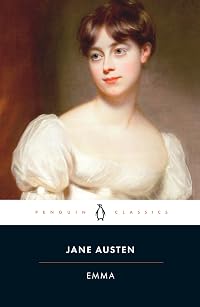
Emma
by Jane Austen
On This Page
Description
Emma, a self-assured young lady in Regency England, is determined to arrange her life and the lives of those around her into a pattern dictated by her romantic fancy.Tags
Recommendations



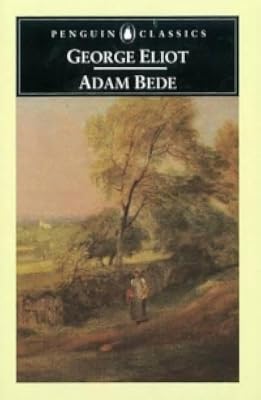
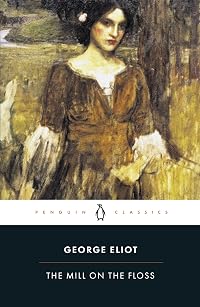

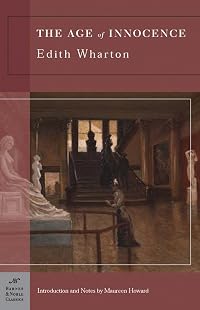
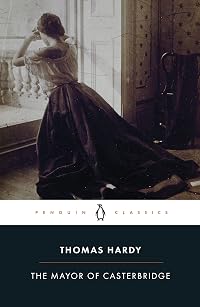

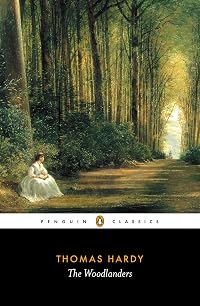
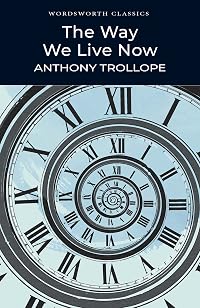
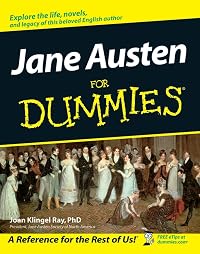
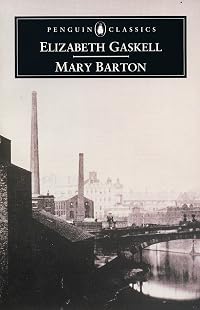
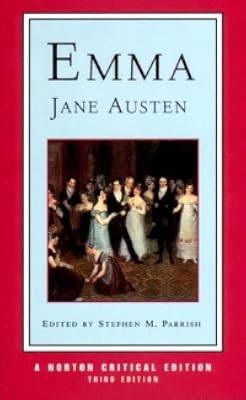

Member Recommendations
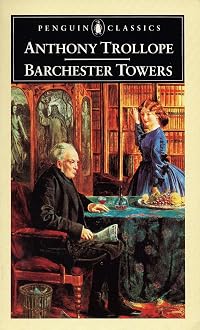
Sarasamsara Like Austen's novels, The Makioka Sisters traces the daily lives and romances of an upper-class family-- the only difference is that this is pre-war Japan, not Regency England. Like in one of Austen's works, when you close the novel you feel like you are closing the door on someone's life.
83
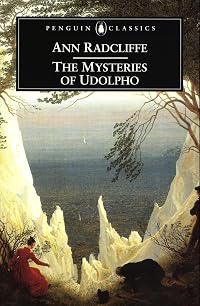
kara.shamy In some ways the heroines in these two novels are alike, but they are very different in other respects, and more strikingly, their respective journeys to the altar/married life go in diametrically opposite ways, in a sense! Both are true classics in my estimation; reading these two novels exposes the reader to two of the greatest English-language novelists of all time in the height of their respective powers. While all readers and critics do not and will not share this superlative view, few would dispute these are two early female masters of the form and are well worth a read on that humbler basis ;) Enjoy!
51
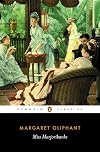
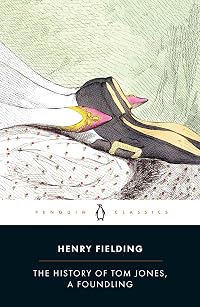
nessreader Both Emma and Miss M are about ambitious, capable upper class women who can only express themselves as social hostesses. Both heroines are managing and bossy - Miss M, a generation younger, is played more for laughs, but there is a strong parallel. And both end in utter satisfaction for heroine and reader alike.
64
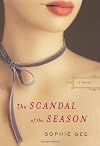

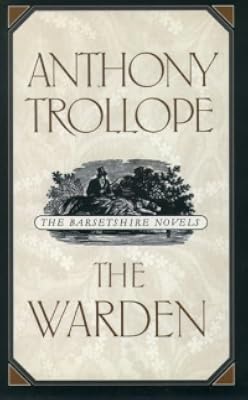
susanbooks Though Austen is writing before the Victorian age, Hughes' book helps give an idea of the kind of life Jane Fairfax was facing.
14
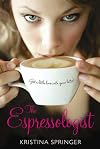
dizzyweasel Adorable remake of Emma, set in a coffeehouse with a matchmaking barista.
15
Member Reviews
Summary: A beautiful, rich young women with no interest in marriage makes a series of disastrous assumptions in matchmaking for her friend.
I went through most of this work viewing Emma Woodhouse as a most unlikable character–rich, class-conscious, and with an exaggerated estimate of her ability to understand others. As it turns out, that was Austen’s intent. Before beginning to write, she wrote, “I am going to take a heroine whom no one but myself will much like.” On that count alone, Austen succeeds.
Emma Woodhouse is the younger daughter of Henry Woodhouse, a wealthy but frail (or at least he believed himself to be) and fussy old man. Emma’s mother died when she was young. Her older sister Isabella is married to John Knightly show more and they live in London with their five children. Emma is the lady of Hartfield, wealthy and lacking for nothing and attentive to her father. She insists she is content to remain single.
She also thinks she played an important role as matchmaker with her former governess, Ann Taylor, who marries a widower, Mr. Weston. As a married couple, they live nearby and visit regularly. Mr. Weston has a son by his first marriage, Frank Churchill, raised by his uncle and aunt at Enscombe. The latter plays a controlling role in his life, keeping him close by through her ill health. However, when he finally visits, he manages to stir up trouble.
But Emma does well enough on her own account. She becomes a mentor to Harriet Smith, who supervises younger girls at Mrs. Goddard’s boarding school. The daughter of a successful tradesman, she is attractive, winsome, but untrained in the ways of society. While boarding, she stayed for a summer at Abbey Mill Farm, at the invitation of Elizabeth Martin, one of the students. During this time, she became acquainted with Elizabeth’s brother Robert, who took a liking to her.
Robert Martin was a young, hardworking farmer, well-esteemed by those who knew him. For someone like Harriet, it would have been a good match and he proposed. Enter Emma, who has befriended Harriet. Before Emma tries to make a match for Harriet, she helps break one, influencing Harriet to believe she could do better. That is, she could marry a higher class of person. So, she turns down the match.
George Knightly thinks Emma has misguided her friend. George, who is called Mr. Knightly throughout, is a leading figure in Highbury and owns Donwell Abbey, a large estate. Abbey Mill Farm is part of the estate and so he knows and thinks highly of Robert Martin. He believes Robert would have been a good husband to Harriet. Throughout the novel, Knightly is a friend to Emma, the kind who sees more wisely than she, though it will take some time for her to accept that.
Much of the novel unfolds the successive misguided schemes of Emma to make a match for Harriet. First there is Reverend Elton, who Knightly correctly realizes wants to marry into money, which Harriet doesn’t have. Then there is Frank Churchill, who instead seems to flirt with Emma. Finally, because he acted kindly toward her, Harriet thinks Mr. Knightly might care for her, which Emma supports until she discovers that Mr. Knightly loved another.
In addition to failing her friend, the appearance of two other women give Emma her comeuppance. One is Augusta Elton, who is even more unlikable, arrogantly so, than Emma, who is gracious and pleasant if misguided. Emma gets a brutal lesson in class pretensions when she sees Harriet heartlessly “cut” by the Eltons. The other is Jane Fairfax, who arrives on the scene at the same time as Frank Churchill. She is distinctively attractive, intelligent, and a far more talented musician than Emma.
Emma is young and the novel turns on whether she will go the way of Augusta Elton or become a humbler, better person. And her insistence that she will remain single? Here as well, she will face the chance to know herself better.
The issue of class pretension runs throughout the novel, particularly in the tension between Emma and Mr. Knightly. It’s also subtle, but there is nothing spiritual about the minister, who even “comes on to” Emma during a carriage ride. He only seems concerned with status. Is Jane Austen conveying her low opinion in general of clergy?
In sum, Austen’s title character, unlikable as she comes off, keeps us wondering, and reading, to find out if she will “get a clue” that will enable her to see others, and herself, in a truer light. show less
I went through most of this work viewing Emma Woodhouse as a most unlikable character–rich, class-conscious, and with an exaggerated estimate of her ability to understand others. As it turns out, that was Austen’s intent. Before beginning to write, she wrote, “I am going to take a heroine whom no one but myself will much like.” On that count alone, Austen succeeds.
Emma Woodhouse is the younger daughter of Henry Woodhouse, a wealthy but frail (or at least he believed himself to be) and fussy old man. Emma’s mother died when she was young. Her older sister Isabella is married to John Knightly show more and they live in London with their five children. Emma is the lady of Hartfield, wealthy and lacking for nothing and attentive to her father. She insists she is content to remain single.
She also thinks she played an important role as matchmaker with her former governess, Ann Taylor, who marries a widower, Mr. Weston. As a married couple, they live nearby and visit regularly. Mr. Weston has a son by his first marriage, Frank Churchill, raised by his uncle and aunt at Enscombe. The latter plays a controlling role in his life, keeping him close by through her ill health. However, when he finally visits, he manages to stir up trouble.
But Emma does well enough on her own account. She becomes a mentor to Harriet Smith, who supervises younger girls at Mrs. Goddard’s boarding school. The daughter of a successful tradesman, she is attractive, winsome, but untrained in the ways of society. While boarding, she stayed for a summer at Abbey Mill Farm, at the invitation of Elizabeth Martin, one of the students. During this time, she became acquainted with Elizabeth’s brother Robert, who took a liking to her.
Robert Martin was a young, hardworking farmer, well-esteemed by those who knew him. For someone like Harriet, it would have been a good match and he proposed. Enter Emma, who has befriended Harriet. Before Emma tries to make a match for Harriet, she helps break one, influencing Harriet to believe she could do better. That is, she could marry a higher class of person. So, she turns down the match.
George Knightly thinks Emma has misguided her friend. George, who is called Mr. Knightly throughout, is a leading figure in Highbury and owns Donwell Abbey, a large estate. Abbey Mill Farm is part of the estate and so he knows and thinks highly of Robert Martin. He believes Robert would have been a good husband to Harriet. Throughout the novel, Knightly is a friend to Emma, the kind who sees more wisely than she, though it will take some time for her to accept that.
Much of the novel unfolds the successive misguided schemes of Emma to make a match for Harriet. First there is Reverend Elton, who Knightly correctly realizes wants to marry into money, which Harriet doesn’t have. Then there is Frank Churchill, who instead seems to flirt with Emma. Finally, because he acted kindly toward her, Harriet thinks Mr. Knightly might care for her, which Emma supports until she discovers that Mr. Knightly loved another.
In addition to failing her friend, the appearance of two other women give Emma her comeuppance. One is Augusta Elton, who is even more unlikable, arrogantly so, than Emma, who is gracious and pleasant if misguided. Emma gets a brutal lesson in class pretensions when she sees Harriet heartlessly “cut” by the Eltons. The other is Jane Fairfax, who arrives on the scene at the same time as Frank Churchill. She is distinctively attractive, intelligent, and a far more talented musician than Emma.
Emma is young and the novel turns on whether she will go the way of Augusta Elton or become a humbler, better person. And her insistence that she will remain single? Here as well, she will face the chance to know herself better.
The issue of class pretension runs throughout the novel, particularly in the tension between Emma and Mr. Knightly. It’s also subtle, but there is nothing spiritual about the minister, who even “comes on to” Emma during a carriage ride. He only seems concerned with status. Is Jane Austen conveying her low opinion in general of clergy?
In sum, Austen’s title character, unlikable as she comes off, keeps us wondering, and reading, to find out if she will “get a clue” that will enable her to see others, and herself, in a truer light. show less
Let me begin by saying that I dislike Jane Austen, the authoress. Pride & Prejudice is light-hearted revelry, but it is quite uneven, its heroine and hero unintentionally distasteful; Emma is worse - in that it is longer, much longer - and with an even narrower focus. The titular heroine, equally unlikeable - although she, at least, is well-defined. Lizzy Bennett? Not so much.
Well. I do not find Austen funny. I know she's supposed to be satire; I can understand that, I can see that; but I can't believe it.
I believe Austen believed herself funny. I believe she intended to be amusing, diverting, a little crisp at times but usually gentle enough. She seems as little self-aware as her heroines, who are generally deluded: they think show more themselves very clever indeed and very knowing too - until some great disappointment comes.
Austen is not funny -- she is angry. (I would be angry too.) She is sharp-tongued and (dare I say it?) almost bitter; she is a bare inch away from cruel.
(note - The Beautiful Cassandra story is my favorite Austen, far and away. Chapter the 4th is particularly great.) show less
Well. I do not find Austen funny. I know she's supposed to be satire; I can understand that, I can see that; but I can't believe it.
I believe Austen believed herself funny. I believe she intended to be amusing, diverting, a little crisp at times but usually gentle enough. She seems as little self-aware as her heroines, who are generally deluded: they think show more themselves very clever indeed and very knowing too - until some great disappointment comes.
Austen is not funny -- she is angry. (I would be angry too.) She is sharp-tongued and (dare I say it?) almost bitter; she is a bare inch away from cruel.
(note - The Beautiful Cassandra story is my favorite Austen, far and away. Chapter the 4th is particularly great.) show less
It’s rather surprising that I haven’t read ‘Emma’ before. Although I’ve never made a systematic effort to read Classic British Literature, Clueless is one of my favourite films of all time and I realise now that it’s impressively loyal to the spirit of the book. What spurred me to finally read it was a recommendation from a friend that it’s a good portrait of female friendship. (In general, I’m not willing to read books based only on the judgement of posterity and prefer to get a more specific recommendation.) This proved to be very true and I loved the complex dynamics of Emma’s relationships with Harriet, Jane, her sister, her former governess, Miss Bates, and Mrs Elton. The whole novel concentrates on these show more relationships between women, while male-female relationships are seen predominantly through the frame of how women talk about them to one another. The class dynamics are also portrayed with great nuance and insight.
I found, as with [b:Pride and Prejudice|1885|Pride and Prejudice|Jane Austen|https://images.gr-assets.com/books/1320399351s/1885.jpg|3060926], that classifying Austen as romance is inaccurate and unfair. Both are very witty family dramas, centred on fascinating female characters. Emma herself is a wonderful creation and effortlessly involves the reader in seemingly asinine details of her life. Her intelligence is clearly in need of some better outlet than rural gossip, although a great deal of her energy goes into caring for her kind yet querulous father. The scenes between father and daughter were very moving, as they reminded me of my late grandparents. I also very much liked the fact thatEmma eventually marries her closest male friend, even if this does mean a weakening of her friendship with Harriet. The fact that he claims to have fallen in love with her when she was thirteen is creepy, however. There must not be anything remotely original left to say about Jane Austen novels, but it's still worth noting that the dialogue is absolutely magnificent, something I greatly value in any novel. Also, I felt it much in Austen’s spirit that the Penguin Classic I read had this wonderful typo: Mrs. Elton ‘return[ed] a letter to the purple and gold ridicule by her side’. I presume it was actually a reticule; the malapropism couldn’t have happened to a more fitting character. All things considered, an excellent novel to read on the sofa during a World Cup final. show less
I found, as with [b:Pride and Prejudice|1885|Pride and Prejudice|Jane Austen|https://images.gr-assets.com/books/1320399351s/1885.jpg|3060926], that classifying Austen as romance is inaccurate and unfair. Both are very witty family dramas, centred on fascinating female characters. Emma herself is a wonderful creation and effortlessly involves the reader in seemingly asinine details of her life. Her intelligence is clearly in need of some better outlet than rural gossip, although a great deal of her energy goes into caring for her kind yet querulous father. The scenes between father and daughter were very moving, as they reminded me of my late grandparents. I also very much liked the fact that
I’m sure much has been written about the longevity of Jane Austen’s works of proper English life during the early 19th century, but you have to wonder why, at this time, her novels of keen social commentary immersed in drawing room drama and provincial balls, continue to enjoy such a wide readership. When you consider the lack of manners today, it’s hard to understand why so many of us enjoy her social commentary of a time long past. But enjoy them we do and Emma is no exception.
Emma Woodhouse proudly proclaims to all who will listen that she never intends to marry. Rather she spends her young life meddling in those of others, mainly playing matchmaker, to mostly disastrous results. Nothing seems to stop her though, to the show more detriment especially of her young, decidedly lower class, friend Harriet. Emma’s object is to raise Harriet’s station in life.
Early on in the book, I did not find Emma appealing at all. I mean, she was methodically destroying Harriet’s life. For someone who was so obviously aware of the importance of the English hierarchy regarding class, it never occurred to Emma that by matching Harriet with a young man of higher station she would thereby lower his and that just wasn’t going to happen as her friend, Mr. Knightly, points out.
At any rate, Emma cannot be convinced of her own folly and along the way we are treated to Austen’s trademark satire and biting wit. She doesn’t fail to provide for a few deliciously drawn supporting characters including Emma’s father, who is scared of his own shadow and the possibility that someone, anyone will suffer from the fatal effects of a draft; his neighbor Miss Bates, whose non-stop chatter absolutely grates on the nerves and the obsequious prattler Mrs. Elton. How these people exist and even thrive in each other’s company is beyond the pale. A conversation between Emma and Mrs. Elton went like this:
”’My brother and sister will be enchanted with this place. People who have extensive grounds themselves are always pleased with anything in the same style.’
Emma doubted the truth of this sentiment. She had a great idea that people who had extensive grounds themselves cared very little for the extensive grounds of anybody else, but it was not worthwhile to attack an error so double-dyed.”
As the narrative progresses Austen tosses the omniscient reader bits of information that enable you to piece together the clues and come to the proper conclusion.
My early misgivings about Emma are soon overcome as I realize that she actually considers her meddling to be a service and, at heart, she is trying to help poor Harriet. Once again when Mr. Knightley points out her faulty thinking it becomes apparent that Emma is actually “faultless in spite of all her faults.” This made her endearing to me although Austen claimed before the book was even written, “I am going to take a heroine whom no one but myself will much like.”
Well, I liked her and loved her tale. Highly recommended. show less
Emma Woodhouse proudly proclaims to all who will listen that she never intends to marry. Rather she spends her young life meddling in those of others, mainly playing matchmaker, to mostly disastrous results. Nothing seems to stop her though, to the show more detriment especially of her young, decidedly lower class, friend Harriet. Emma’s object is to raise Harriet’s station in life.
Early on in the book, I did not find Emma appealing at all. I mean, she was methodically destroying Harriet’s life. For someone who was so obviously aware of the importance of the English hierarchy regarding class, it never occurred to Emma that by matching Harriet with a young man of higher station she would thereby lower his and that just wasn’t going to happen as her friend, Mr. Knightly, points out.
At any rate, Emma cannot be convinced of her own folly and along the way we are treated to Austen’s trademark satire and biting wit. She doesn’t fail to provide for a few deliciously drawn supporting characters including Emma’s father, who is scared of his own shadow and the possibility that someone, anyone will suffer from the fatal effects of a draft; his neighbor Miss Bates, whose non-stop chatter absolutely grates on the nerves and the obsequious prattler Mrs. Elton. How these people exist and even thrive in each other’s company is beyond the pale. A conversation between Emma and Mrs. Elton went like this:
”’My brother and sister will be enchanted with this place. People who have extensive grounds themselves are always pleased with anything in the same style.’
Emma doubted the truth of this sentiment. She had a great idea that people who had extensive grounds themselves cared very little for the extensive grounds of anybody else, but it was not worthwhile to attack an error so double-dyed.”
As the narrative progresses Austen tosses the omniscient reader bits of information that enable you to piece together the clues and come to the proper conclusion.
My early misgivings about Emma are soon overcome as I realize that she actually considers her meddling to be a service and, at heart, she is trying to help poor Harriet. Once again when Mr. Knightley points out her faulty thinking it becomes apparent that Emma is actually “faultless in spite of all her faults.” This made her endearing to me although Austen claimed before the book was even written, “I am going to take a heroine whom no one but myself will much like.”
Well, I liked her and loved her tale. Highly recommended. show less
Mr Knightley > Mr Darcy. Discuss.
***
Let me just get this out of the way: I love Jane Austen. I’ve read all of the major novels. I’m not an expert or anything, and I haven’t read much in the way of the juvenalia or Sanditon or anything, but it’s telling that I would have a hard time ranking five of those six novels in any sort of sensible order. This one, Pride and Prejudice, and Persuasion are probably my favourites, but I don’t have an order in which I could sensibly put them. Then Sense and Sensibility and Northanger Abbey sort of bounce around somewhere below that – they both have things I mildly dislike but I don’t think I’d go so far as to find actual fault in them. I loathe Mansfield Park but that’s down to me show more just plain (probably unreasonably) hating the main character.
But if I had to pick one heroine that I identify the most with, for worse and for better, it’s Emma.
I feel like she’s got a bit of that “only-child” syndrome (despite not actually being one). She’s headstrong, and self-assured, and like a lot of people, definitely thinks she could run other people’s lives better than they could. Unlike Emma, I’m not comfortably wealthy (or, at least, I wasn’t brought up wealthy). So my machinations have mainly been contained to complaining archly to my boyfriend. But, I don’t know, there’s just something about me that loves Emma’s silliness, loves how she really does think she’s doing the right thing, and how she learns to finally actually do it.
Her relationship with Mr Knightley can seem a little bit weird to a modern audience. He’s a bit older than her, and he can tend to be a bit paternalistic towards her. What I liked about their relationship, though, and why I tend to be forgiving towards it, is that it has a naturalness and, in particular, an honesty which I felt was refreshing. Mr Knightley is never double-faced to Emma (or at least not intentionally. It’s arguable that his jealousy of Frank led him to criticise him more strongly than was necessary to Emma, but I’d wager that was not consciously done, as such). He tells her what he thinks because he respects her enough to know that she can handle it. In a lot of ways, he does actually treat her as an equal – he knows the upstanding kind of person she can be and he expects her to live up to that. Mr Knightley would never be rude or sullen in the mode of a Mr Darcy.
One thing I enjoyed even more this time around was the relationship between Jane Fairfax and Frank Churchill. Because I was properly watching out for it this time, I noted a lot more of the clues from before Mr Knightley airs his first suspicions of the truth. I enjoy Frank’s enthusiasms, even though they don’t always come from a place of sense. And I like Jane a lot more than I did previously. Also, this book has some of Austen’s best side characters – Mrs Elton is a particular treat. She’s so excruciating that I couldn’t help but cringe every time she opened her mouth.
Emma has had several modernisations recently, including the Austen Project one I mentioned earlier, but probably more notably the Emma Approved series brought to you by Pemberley Digital, the Youtube channel that created The Lizzie Bennet Diaries. It’s not as good as LBD – the characterisation and cast weren’t quite as on point – but it’s definitely worth a watch if you enjoy Austen and like modernisations of her work. In particular, the actors who play Emma, Mr Knightley, and Frank, are really interesting, fun interpretations of what the characters could be in a modern day setting. Harriet is a bit one note, and I had a strong dislike for their characterisation of Jane Fairfax, but I think that was mainly due to the slight change to the nature of her relationship with Emma which I felt made it deeply inappropriate for her to behave as she did.
There’s very little for me to say about this book that hasn’t been said already. I’d encourage anyone who’s read Pride and Prejudice to go here next. Emma is a deeply flawed heroine, but I think that’s why I love and identify with her so much – even the most flawed of us can come good. Even the most flawed of us can be loved.
I give Emma ten out of ten. show less
***
Let me just get this out of the way: I love Jane Austen. I’ve read all of the major novels. I’m not an expert or anything, and I haven’t read much in the way of the juvenalia or Sanditon or anything, but it’s telling that I would have a hard time ranking five of those six novels in any sort of sensible order. This one, Pride and Prejudice, and Persuasion are probably my favourites, but I don’t have an order in which I could sensibly put them. Then Sense and Sensibility and Northanger Abbey sort of bounce around somewhere below that – they both have things I mildly dislike but I don’t think I’d go so far as to find actual fault in them. I loathe Mansfield Park but that’s down to me show more just plain (probably unreasonably) hating the main character.
But if I had to pick one heroine that I identify the most with, for worse and for better, it’s Emma.
I feel like she’s got a bit of that “only-child” syndrome (despite not actually being one). She’s headstrong, and self-assured, and like a lot of people, definitely thinks she could run other people’s lives better than they could. Unlike Emma, I’m not comfortably wealthy (or, at least, I wasn’t brought up wealthy). So my machinations have mainly been contained to complaining archly to my boyfriend. But, I don’t know, there’s just something about me that loves Emma’s silliness, loves how she really does think she’s doing the right thing, and how she learns to finally actually do it.
Her relationship with Mr Knightley can seem a little bit weird to a modern audience. He’s a bit older than her, and he can tend to be a bit paternalistic towards her. What I liked about their relationship, though, and why I tend to be forgiving towards it, is that it has a naturalness and, in particular, an honesty which I felt was refreshing. Mr Knightley is never double-faced to Emma (or at least not intentionally. It’s arguable that his jealousy of Frank led him to criticise him more strongly than was necessary to Emma, but I’d wager that was not consciously done, as such). He tells her what he thinks because he respects her enough to know that she can handle it. In a lot of ways, he does actually treat her as an equal – he knows the upstanding kind of person she can be and he expects her to live up to that. Mr Knightley would never be rude or sullen in the mode of a Mr Darcy.
One thing I enjoyed even more this time around was the relationship between Jane Fairfax and Frank Churchill. Because I was properly watching out for it this time, I noted a lot more of the clues from before Mr Knightley airs his first suspicions of the truth. I enjoy Frank’s enthusiasms, even though they don’t always come from a place of sense. And I like Jane a lot more than I did previously. Also, this book has some of Austen’s best side characters – Mrs Elton is a particular treat. She’s so excruciating that I couldn’t help but cringe every time she opened her mouth.
Emma has had several modernisations recently, including the Austen Project one I mentioned earlier, but probably more notably the Emma Approved series brought to you by Pemberley Digital, the Youtube channel that created The Lizzie Bennet Diaries. It’s not as good as LBD – the characterisation and cast weren’t quite as on point – but it’s definitely worth a watch if you enjoy Austen and like modernisations of her work. In particular, the actors who play Emma, Mr Knightley, and Frank, are really interesting, fun interpretations of what the characters could be in a modern day setting. Harriet is a bit one note, and I had a strong dislike for their characterisation of Jane Fairfax, but I think that was mainly due to the slight change to the nature of her relationship with Emma which I felt made it deeply inappropriate for her to behave as she did.
There’s very little for me to say about this book that hasn’t been said already. I’d encourage anyone who’s read Pride and Prejudice to go here next. Emma is a deeply flawed heroine, but I think that’s why I love and identify with her so much – even the most flawed of us can come good. Even the most flawed of us can be loved.
I give Emma ten out of ten. show less
This is my fourth reading of Emma. My appreciation for Emma seems to grow with every reading. I started out on the Kindle but ended up listening to the last part on audiobook read by Juliet Stevenson. Let me just add a note on the humor in Emma. I appreciated it more this time.
Like Mr. Wodehouse, the hypochondriac, and his diet plans:
"Mrs. Bates, let me propose your venturing on one of these eggs. An egg boiled very soft is not unwholesome. Serle understands boiling an egg better than any body. I would not recommend an egg boiled by any body else; but you need not be afraid, they are very small, you see—one of our small eggs will not hurt you. Miss Bates, let Emma help you to a little bit of tart—a very little bit. Ours are all show more apple-tarts. You need not be afraid of unwholesome preserves here. I do not advise the custard. Mrs. Goddard, what say you to half a glass of wine? A small half-glass, put into a tumbler of water? I do not think it could disagree with you."
And Juliet Stevenson take on Mrs. Bates is fantastic. So funny how a simple question by Emma (how are you?) end up with an account of the whole day's minor details. I laughed a lot. Also the foolishness of Mrs. Elton and her meddling. show less
Like Mr. Wodehouse, the hypochondriac, and his diet plans:
"Mrs. Bates, let me propose your venturing on one of these eggs. An egg boiled very soft is not unwholesome. Serle understands boiling an egg better than any body. I would not recommend an egg boiled by any body else; but you need not be afraid, they are very small, you see—one of our small eggs will not hurt you. Miss Bates, let Emma help you to a little bit of tart—a very little bit. Ours are all show more apple-tarts. You need not be afraid of unwholesome preserves here. I do not advise the custard. Mrs. Goddard, what say you to half a glass of wine? A small half-glass, put into a tumbler of water? I do not think it could disagree with you."
And Juliet Stevenson take on Mrs. Bates is fantastic. So funny how a simple question by Emma (how are you?) end up with an account of the whole day's minor details. I laughed a lot. Also the foolishness of Mrs. Elton and her meddling. show less
This was a re-read for the Bucket List Book Club, and I find that each time I dive into this novel, I enjoy it more. The story, centered around a young, privileged, yet naïve woman, is endlessly charming. I find Emma herself to be a deeply interesting character, flawed but not malicious—her tendency to misjudge the feelings and intentions of others is a delightful source of humor. Many members of our book club, particularly those reading it for the first time, were surprised by the humor Jane Austen infused into the novel. They weren’t expecting the lightheartedness that is so central to the book’s appeal. Emma’s comedic misunderstandings and her journey of self-awareness never get old. It's a perennial favorite for me.
Members
- Recently Added By
Published Reviews
ThingScore 100
The institution of marriage, like the novel itself, has changed greatly since Austen’s time; but as long as human beings long for this kind of mutual recognition and understanding, “Emma” will live.
added by danielx
“Perhaps the key to Emma’s perfection, however, is that it is a comic novel, written in a mode that rarely gets much respect. It’s exquisitely ironic.”
“The presiding message of the novel is that we must forgive Emma for her shortcomings just as she can and does learn to excuse the sometimes vexing people around her. There is, I believe, more wisdom in that than in many, many more show more portentous and ambitious novels. Emma is flawed, but ‘Emma’ is flawless." show less
added by danielx
It’s a small but striking and instructive demonstration, the careful way Emma appraises the character of the various men who jockey for her attentions and those of the women around her. We could all learn from her example.
added by danielx
Lists

The Guardian's 1000 Novels Everyone Must Read
1,005 works; 550 members

1001 Books You Must Read Before You Die
1,448 works; 1,133 members

Classics you know you should have read but probably haven't
421 works; 406 members

Read the book and saw the movie
1,170 works; 195 members
BBC Big Read
191 works; 46 members

Favourite 19th century fiction
257 works; 62 members

Recommend the 20 best books you've read in the last five years
2,168 works; 601 members

Favourite Books
1,817 works; 308 members
Best of British Literature
226 works; 41 members

Female Author
1,235 works; 67 members
Books I've Read More Than Once
602 works; 49 members
Female Protagonist
1,056 works; 57 members

The Top Ten: Writers Pick Their Favorite Books
240 works; 31 members
Literature About Social Class
134 works; 19 members
Favorite Literary Love Stories
182 works; 100 members

The Guardian's 100 greatest novels of all time
100 works; 16 members

Favourite Virago Modern Classics
183 works; 38 members
Favorite Coming of Age Novels.
164 works; 51 members

Best Friendship Stories
205 works; 16 members

Best Feminist Literature
188 works; 26 members
Folio Society
831 works; 48 members

Books Set in Great Britain
191 works; 13 members
Love and Marriage
93 works; 10 members

Female Friendship
54 works; 12 members

Women's Stories
88 works; 13 members
Harold Bloom - The Western Canon: C. The Democratic Age
336 works; 15 members
BBC Big Read
100 works; 10 members

Best Love Stories
107 works; 14 members
Out of Copyright
244 works; 14 members
Readable Classics
110 works; 15 members

Unreliable Narrators
170 works; 43 members

Top Five Books of 2022
736 works; 272 members
19th Century
190 works; 16 members
500 Great Books by Women
507 works; 60 members

Western World's Greatest Books - Project Gutenberg
295 works; 15 members
Women's reading list
50 works; 7 members

Top Five Books of 2020
982 works; 348 members
Books tagged favorites
390 works; 30 members

Books Featured on Gilmore Girls
307 works; 21 members

Newark Public Library's 1904 List of a Thousand of the Best Novels
95 works; 5 members
LibraryThingers' 1001 Books You Must Read Before You Die
442 works; 30 members

Global Reads: Books Set in the United Kingdom and Ireland
109 works; 5 members

One Book, Many Authors
441 works; 40 members
Literature About Women and Girls
394 works; 39 members
How to Read a Book's Recommended Reading List
309 works; 10 members

Anti-heroines in fiction
59 works; 9 members
Bibliography for Among Others
159 works; 15 members
A Novel Cure
742 works; 23 members
1,001 BYMRBYD Concensus
723 works; 27 members
Fiction with Women's Names in the Title
378 works; 15 members

Movie Adaptations
111 works; 4 members

Top Five Books of 2014
1,064 works; 398 members

The Guardian's 100 Best Novels Written in English
105 works; 13 members

Mind Expanding Books by hackerkid
581 works; 8 members

Fake Top 100 Fiction
81 works; 4 members
The Greatest Books
99 works; 5 members

Classic British Humor
41 works; 8 members

Books Read in 2014
2,343 works; 86 members
Best family sagas
244 works; 34 members
Carole's List
445 works; 13 members
Shannon's Read-Alikes List
71 works; 8 members
Books with a Character's Name as the Title
129 works; 9 members
United Kingdom
82 works; 5 members
Books on my Kindle
162 works; 3 members
Books Read in 2015
3,299 works; 126 members

BBC Top Books
78 works; 3 members
Books Read in 2016
4,666 works; 199 members

Rory Gilmore Book Club
193 works; 5 members

Bibliography for How to be a Heroine
148 works; 12 members
Good, Smart, Clean Fiction
46 works; 4 members
Books Set in Small Towns and Villages
278 works; 16 members
Novels featuring Fathers
56 works; 7 members
CCE 1000 Good Books List
1,033 works; 12 members
The film surpassed the book
13 works; 3 members

A's favorite novels
100 works; 3 members

Books I've read
87 works; 2 members

Funny Classics
20 works; 2 members
All Things Great Britain
66 works; 1 member

University literature
145 works; 5 members

1810s
11 works; 2 members

Books Read in 2022
5,166 works; 114 members

Pageturners
40 works; 6 members

Books I Wanna Read Before 2016 is Over
7 works; 1 member
Five star books
1,755 works; 108 members
http://thegreatestbooks.org's Greatest Fiction Books
59 works; 1 member

Comedy of Manners
73 works; 1 member
Books Mentioned in The Wedding Planner's Daughter series
107 works; 2 members
Our Favorite Comfort Reads
334 works; 200 members
Rereads list from my library
23 works; 1 member

Ambleside Year 8
80 works; 1 member

Recommended Reading : 600 Classics Reviewed, Editors of Salem Press, 2015
634 works; 6 members

The 150 Greatest Novels of All Time
150 works; 6 members

Book Worlds We'd Like To Visit
322 works; 158 members
'Books You Can't Live Without: The Top 100', The Guardian, 2007
156 works; 7 members
Books We Love to Reread
688 works; 296 members
sotiris' favourites circa january 2023
43 works; 2 members

living room bookshelf
150 works; 1 member

DigitalDreamDoor top 300
300 works; 4 members

Books Read in 2018
4,360 works; 110 members
The Complete Rory Gilmore Reading List
506 works; 5 members

.
194 works; 2 members
Bookstore Deep Diving
10 works; 1 member
Vlogbrothers Book Recommendations
307 works; 4 members

𓐩hought Daughter ♱♰✟✞✝︎☨†˚₊‧꒰ა ♱ ໒꒱ ‧
38 works; 1 member
Books We Want To Read Again For The First Time
384 works; 160 members
School Made Us Read It
380 works; 196 members
Books Featured in Jane Austen's Bookshelf
37 works; 7 members
Reading LIst
648 works; 1 member

Bookshelf from Interstellar
62 works; 1 member

Top Five Books of 2025
954 works; 303 members
el
1,139 works; 1 member
.
396 works; 1 member

Books referenced in the Astral Library
60 works; 1 member

Top Five Books of 2023
767 works; 317 members

Rory Gilmore Challenge 101-200
33 works; 1 member
Books You Read For University
184 works; 3 members
New Lifetime Reading Plan by Fadiman and Major
225 works; 5 members
Protagonists - Women
29 works; 2 members

Art of Reading
188 works; 5 members
Hazel & Katniss & Harry & Starr Podcast
195 works; 1 member

thinking of reading in 2016
99 works; 1 member

Summer Reading 2015
18 works; 1 member
Best Book and Movie Combos
70 works; 11 members
Books Tagged Small Town
58 works; 1 member
Caroline Calloway Reading Challenge (Adapted from Reddit)
27 works; 1 member

Literary Works Read in College
316 works; 15 members

Tagged 19th Century
104 works; 7 members

Ambleside Books
459 works; 18 members

Sonlight Books
1,487 works; 25 members
the preppy handbook
36 works; 1 member
Most Popular Penguins
70 works; 5 members
Books Mentioned in the A+ Autostraddle Pop Up Discords Nov 2022 & Dec 2022
223 works; 3 members
Books tagged unread
41 works; 1 member

Greatest Books, allegedly
484 works; 9 members
Favorite Romance Fiction
247 works; 115 members
Alphabetical Books
211 works; 3 members

AP Lit
363 works; 6 members

Mustich's 1000 Books to Read Before You Die: A Life Changing List
1,001 works; 19 members
Gilmore Girls Complete Reading List
30 works; 1 member

I Can't Finish This Book
189 works; 22 members
Victorian Period
113 works; 10 members
Historical Fiction
889 works; 91 members
Unread books
1,063 works; 86 members
Talk Discussions
Past Discussions
Tutored read: Emma by Jane Austen in 75 Books Challenge for 2016 (July 2020)
Emma - The Prince Regent's copy is on display at JAHM in I Love Jane Austen (April 2016)
Discussion Thread: Emma in 2015 Category Challenge (December 2015)
Emma Bicentenary in I Love Jane Austen (October 2015)
"Emma" in I Love Jane Austen (January 2015)
Austenathon 2011: Emma (Spoiler Thread) in 75 Books Challenge for 2011 (October 2011)
What do you make of Mr Weston? in I Love Jane Austen (March 2010)
Author Information

704+ Works 317,010 Members
Jane Austen's life is striking for the contrast between the great works she wrote in secret and the outward appearance of being quite dull and ordinary. Austen was born in the small English town of Steventon in Hampshire, and educated at home by her clergyman father. She was deeply devoted to her family. For a short time, the Austens lived in the show more resort city of Bath, but when her father died, they returned to Steventon, where Austen lived until her death at the age of 41. Austen was drawn to literature early, she began writing novels that satirized both the writers and the manners of the 1790's. Her sharp sense of humor and keen eye for the ridiculous in human behavior gave her works lasting appeal. She is at her best in such books as Pride and Prejudice (1813), Mansfield Park (1814), and Emma (1816), in which she examines and often ridicules the behavior of small groups of middle-class characters. Austen relies heavily on conversations among her characters to reveal their personalities, and at times her novels read almost like plays. Several of them have, in fact, been made into films. She is considered to be one of the most beloved British authors. (Bowker Author Biography) show less
Some Editions
Awards and Honors
Notable Lists
BBC's Big Read (40)
Daniel S. Burt's Novel 100 (011 – 11)
Series
Belongs to Publisher Series
Collins Pocket Classics (190)
The Novel Library (10)
Penguin Clothbound Classics (2009)
D'ací i d'allà (39)
Oneworld Classics (10)
Flipback (Classics 1)
Everyman's Library (24)
Penguin English Library, 2012 series (2012-07)
Oxford English Novels (1816)
Prisma Klassieken (42)
Amstelboeken (90-91)
Collins Classics (190)
Airmont Classics (102)
The World's Classics (129)
Zephyr Books (130)
Virago Modern Classics (341)
insel taschenbuch (0511)
Work Relationships
Is contained in
Sense and Sensibility / Pride and Prejudice / Mansfield Park / Emma / Northanger Abbey / Persuasion / Lady Susan by Jane Austen
Sense and Sensibility / Pride and Prejudice / Mansfield Park / Emma / Northanger Abbey / Persuasion by Jane Austen
Emma / Mansfield Park / Northanger Abbey / Persuasion / Pride and Prejudice / Sense and Sensibility / Shorter Works by Jane Austen
90 Masterpieces You Must Read (Vol.1): Novels, Poetry, Plays, Short Stories, Essays, Psychology & Philosophy by Various
Jane Eyre/ Wuthering Heights/ Little Women/ Adam Bede/ Emma/ Pride and Prejudice by Trident Press International
Contains
Is retold in
Has the (non-series) sequel
Has the adaptation
Is abridged in
Is expanded in
Is replied to in
Inspired
Has as a reference guide/companion
Has as a study
Has as a commentary on the text
Has as a student's study guide
Common Knowledge
- Canonical title
- Emma
- Original title
- Emma
- Original publication date
- 1815
- People/Characters
- Emma Woodhouse; Mr. Woodhouse; Mr. George Knightley; Mr. Weston; Mrs. Weston; Harriet Smith (show all 69); Miss Bates; Mrs. Bates; Mr. Elton; Jane Fairfax; Frank Churchill; Mrs. Goddard; Robert Martin; John Knightley; Isabella Knightley; Elizabeth Martin; Mrs. Cole; Mr. Cole; Augusta Elton; James; Hannah; Mrs. Perry; Mr. Perry; Miss Nash; Miss Prince; Miss Richardson; Henry Knightley; Bella Knightley; John Knightley jr.; George Knightley jr.; Clara Jeffereys; Mrs. Cooper; William Larkin; Mrs. Hodges; Mrs. Stokes; Mrs. Bird; Dr. Hughes; Mrs. Hughes; Mr. Wingfield; Mr. Graham; Colonel Campbell; Mrs. Campbell; William Cox; Mrs. Dixon; Mr. Dixon; Lieutenant Fairfax; Serle; Patty; Mr. Greenmantle; Mrs. Brown; Mrs. Cox; Anne Cox; Mrs. Partridge; Mrs. Bragge; John Saunders; Mrs. Wallis; Mr. Suckling; Selina Suckling; Mr. Otway; Mrs. Otway; Miss Otway; George Otway; Arthur Otway; Mrs. Gilbert; Miss Brickerton; Mrs. Smallridge; John Abdy; Mr. Abdy; Harry
- Important places
- Hartfield, Surrey, England, UK (fictional place); Highbury, Surrey, England, UK (fictional place); Donwell Abbey, Surrey, England, UK (fictional place); Surrey, England, UK
- Related movies
- Emma (1948 | TV | IMDb); Kraft Television Theatre: Emma (1954 | s8e9 | IMDb); Matinee Theatre: Emma (1957 | s2e266 | IMDb); Emma (1960 | BBC TV mini-series | IMDb); Camera Three: Emma (1960 | TV | IMDb); Novela: Emma (1967 | IMDb) (show all 13); Emma (1972 | IMDb); Clueless (1995 | IMDb | Amy Heckerling); Emma (1996 | IMDb | Diarmuid Lawrence); Emma (1996 | IMDb | Douglas McGrath); Emma (2009 | mini-series | IMDb); Emma. (2020 | IMDb); Emma (2021 | IMDb)
- Dedication
- To His Royal Highness, the Prince Regent, this work is, by His Royal Highness's permission, most respectfully dedicated, by His Royal Highness's dutiful and obedient humble servant, the author.
- First words
- Emma Woodhouse, handsome, clever, and rich, with a comfortable home and happy disposition, seemed to unite some of the best blessings of existence; and had lived nearly twenty-one years in the world with very little to distre... (show all)ss or vex her.
- Quotations
- Silly things do cease to be silly if they are done by sensible people in an impudent way.
"I thank you; but I assure you, you are quite mistaken. Mr. Elton and I are very good friends, and nothing more, and she walked on, amusing herself in the consideration of the blunders which often arise from a partial knowled... (show all)ge of circumstances, of the mistakes which people of high pretensions to judgment are for every falling into..." (Emma)
"I always deserve the best treatment because I never put up with any other."
Seldom, very seldom, does complete truth belong to any human disclosure.
I have seen a great many lists of her drawing up at various times of books that she meant to read regularly through--and very good books they were--very well chosen and very neatly arranged--sometimes alphabetically and somet... (show all)imes by some other rule.
How often is happiness destroyed by preparation, foolish preparation? (Frank Weston Churchill)
Oh! The blessing of a female correspondent when one is really interested in the absent! (Frank Weston Churchill)
"I cannot make speeches, Emma...If I loved you less, I might be able to talk about it more." (Mr. Knightley)
It will be natural for me...to speak my opinion aloud as I read. (Mr. Knightley)
These matters are always a secret till it is found out that everybody knows them. (Mr. Weston)
One half of the world cannot understand the pleasures of the other.
[...] a sanguine temper, though for ever expecting more good than occurs, does not always pay for its hopes by any proportionate depression. it soon flies over the present failure, and begins to hope again. - Last words
- (Click to show. Warning: May contain spoilers.)But, in spite of these deficiencies, the wishes, the hopes, the confidence, the predictions of the small band of true friends who witnessed the ceremony, were fully answered in the perfect happiness of the union.
- Blurbers
- Alfred, Lord Tennyson
- Original language
- British English
- Canonical DDC/MDS
- 823.7
- Canonical LCC
- PR4034
Classifications
Statistics
- Members
- 44,110
- Popularity
- 57
- Reviews
- 570
- Rating
- (4.06)
- Languages
- 34 — Amharic, Arabic, Catalan, Chinese, Czech, Danish, Dutch, English, Estonian, Finnish, French, German, Galician, Greek, Hungarian, Icelandic, Italian, Japanese, Latvian, Lithuanian, Norwegian (Bokmål), Norwegian, Panjabi, Polish, Romanian, Russian, Serbian, Croatian, Samoan, Spanish, Swedish, Turkish, Ukrainian, Portuguese (Portugal)
- Media
- Paper, Audiobook, Ebook
- ISBNs
- 1,206
- UPCs
- 12
- ASINs
- 410