Les Misérables
by Victor Hugo
There is 1 current discussion about this work.
On This Page
Description
Story of Jean Valjean, the ex-convict who rises against all odds from galley slave to mayor, and the fanatical police inspector Javert who dedicates his life to recapturing him.Tags
Recommendations


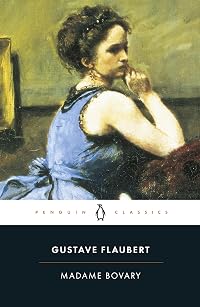

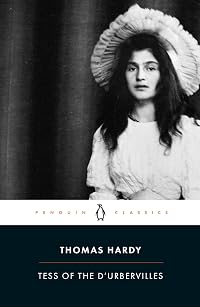
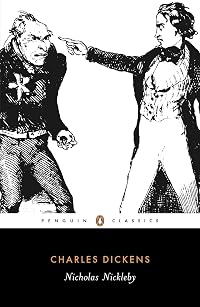
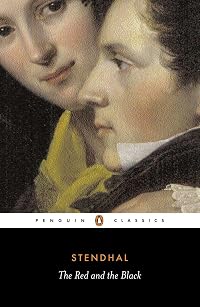




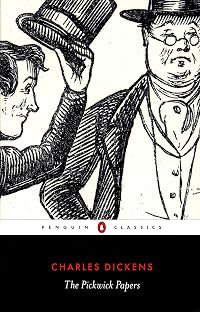
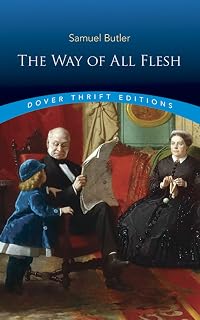

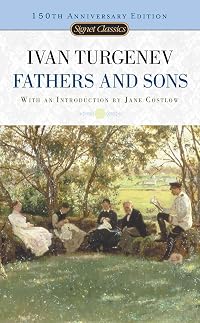
Member Recommendations
CGlanovsky As much a story about the trials of individuals as a sweeping portrait and critique of an era.
111
ncgraham Both great classics, with orphaned girls and themes of redemption.
80
ncgraham Both stories of men who commit public crimes ... and yet the outcomes are very different.
71
raton-liseur Des thèmes similaires, dans une prose étourdissante et avec une ironie mordante.
20

aprille Both are about guilt and atonement
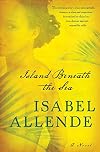
CGlanovsky Cast of interconnected characters are subjected to historical pressures through years-worth of events surrounding a revolution. Issues of paternity and social justice.

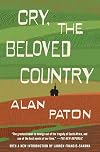
morryb Both have a main character who adopts a daughter and the struggle of letting her go.

morryb Both speak to the struggle of adopting a child and then letting them up later.
Member Reviews
Eu nem sei quando eu vi essa edição lindíssima e decidi que precisava reparar esse buraco nas minhas leituras. Só sei que há muito tempo eu admiro esse monstrengo e fico me desafiando a começar. A quarentena tornou esse enfrentamento inevitável, e minha ida pra Israel tornou-o inadiável. Não tem condição de levar esse trambolho pra canto algum, e, portanto, sentei pra enfrentar o monstro.
Fui surpreendido por um livro de leitura extremamente leve, mesmo com as inúmeras referências culturais (históricas, arquitetônicas, etc) que eu frequentemente tinha que parar e procurar. É impressionante como os franceses até hoje tem essa vibe de acordar e ir quebrar tudo um dia, costume vindo das inúmeras revoluções de rua.
Feliz show more ou infelizmente, eu não vi nenhum filme pra fazer qualquer comparação, e eu lembro de melodias soltas de algum musical que eu vi aos 12 anos, OU SEJA, eu fui relativamente spoiler-free. O que eu de fato não esperava em algo tão adaptado era o número surpreendente de capítulos onde o Victor Hugo só faz reflexões soltas: ele fala das inúmeras explorações dentro do esgoto de Paris, fala da evolução do vocabulário e o que ele representa da própria sociedade, dentre outras coisas. Claro que o grosso do livro é focado em explorar os temas caros ao autor: a miséria humana, a necessidade do progresso social, e a moral. Como ele mesmo afirma, o livro acaba sendo uma jornada do inferno ao céu, representada pelo conhecidíssimo Jean Valjean. Ele começa como um criminoso, recém saído da prisão após ser punido por furtar comida e tentar fugir algumas vezes. Depois de 14 anos de sofrimento, a sociedade o rejeita e ele não consegue hospedagem alguma. Um bispo muito amável e caridoso, que fez um voto de pobreza, o acolhe como pode e Jean acaba no impulso roubando-o. Quando a polícia o pega e apresenta ao bispo, o bispo mente, finge que tudo era um presente pra Jean e lhe oferece seus castiçais de prata. Jean se vê transfigurado por aquele episódio e decide se tornar uma boa pessoa para expiar seus pecados, mas acaba recaindo e rouba uma criança. Ainda mais culpado, ele foge, vai morar no interior, acaba virando um industrial brabo produzindo um tipo de vidro e vive de forma super abnegada, doando tudo que tem pros pobres, sendo um grande homem. Eventualmente, ele vira prefeito, mas Jean Valjean continua sendo culpado de ter roubado da criança. Javert, o inspetor de polícia, conhece Valjean da época de prisão e fica super desconfiado do prefeito porque o prefeito é forte igual um touro, igualzinho Jean seria. Alguém acaba sendo preso por 'ser Jean Valjean' e aí ferrou, o prefeito fica muito culpado. Nesse momento, ele já tinha conhecido Fantine, uma pobre jovem que é iludida por um moço, fica grávida, empobrece, entrega sua filha pruma família dona de uma pousada (os Thernadiers) e acaba decaindo pra prostituição antes de começar a trabalhar numa das fábricas do prefeito. Fantine quer muito rever sua filha antes de morrer. Assim, Valjean fica dividido entre salvar o otário que foi pego em seu lugar e proteger Cosette, a filha de Fantine. E aí começa a evolução de Jean: ele vai pro tribunal, admite ser quem é, salva o cara, pede pra ser preso e volta pra vila porque na hora todo mundo fica chocado e desiste. Ele consegue salvar o cara, pede um tempo pra conseguir entregar a filha pra Fantine, mas Javert decide prendê-lo ali. A coitada da Fantine achando que a filha já tava vindo, percebe que a filha nem tá a caminho, vê o seu benfeitor sendo preso e morre de choque. Jean é preso mas foge temporariamente. O resto do livro, pra ser breve, é ele adotando Cosette, criando-a como sua filha e se debatendo sobre o que fazer, optando invariavelmente pelo bem não obstante o quanto isso o prejudica. Valjean, ao fim do livro, é um santo abnegado, e acaba morrendo antes de viver feliz com sua filha casada. Apesar da história do livro ser de fato envolvente, eu tenho que concordar com um crítico que os diálogos acabam parecendo meio artificiais demais, e você cria simpatia pelos problemas dos personagens, mas não desenvolve uma simpatia pelo jeito deles, sabe. Eu devia ter chorado por tudo que o Jean passou, mas tinha ainda ali uma distância que eu não acho que se devia apenas pela linguagem do livro acabar ficando meio antiquada.
O que é ainda mais interessante é como Hugo acaba falando até do meme atual do iceberg ao descrever a sociedade da mesma maneira, e vários outros insights relevantes que ele tem. Não é segredo que VH era pró-revolução de forma geral, e entendia que o Estado deveria remover as pessoas da miséria, que a miséria geraria o crime e um ciclo vicioso e tortuoso. Apenas através da educação gratuita e do sufrágio, a sociedade evoluiria, e era a crença dele que num futuro relativamente próximo, a gente viveria um mundo idílico, sem todas aquelas mazelas. E sim, esse futuro já seria agora, então infelizmente Hugo foi excessivamente otimista. Ao mesmo tempo que o mundo mudou de forma que temos prosperidade muito acima do que ele sonhava prum número ainda maior de pessoas, a gente tem vivido uma pandemia gigantesca, a desigualdade explodindo, a crise climática, etc. E a miséria que ele retrata, que destrói o âmago das pessoas, remove suas esperanças e as torna más não sumiu. No presente momento, vemos ela crescer, se alastrar; vidas tem sido perdidas ou destruídas, e dá pra ver quão certo Hugo estava. No infeliz Brasil dos últimos anos, naturalizamos a barbárie e a morte, nos desumanizamos. Contamos cadáveres como alguém conta gotas de chuva, e sem perspectiva pra oferecer pra ninguém, não podemos esperar algo além daquilo que sentimos: sem esperança, compaixão ou amor, não sobra moral, não sobra construção de uma sociedade. Sobra apenas rancor, amargura, tristeza e ruína. Não se pode esperar um santo como Valjean numa sociedade que apenas sobrevive. O mais surpreendente é quão frequente nossa moral impede que vejamos tantos criminosos como os Thernadiers. E é exatamente como o prefácio (tradução livre): 'Enquanto existirem [...] decretos de danação pronunciados pela sociedade, artificialmente criando infernos em meio à civilização da terra [....]; enquanto os três grandes problemas do século - a degradação do homem pela pobreza, a corrupção da mulher pela fome, a devastação de crianças pela falta de luz - não forem resolvidos [...], enquanto existirem ignorância e pobreza na terra, livros da natureza de Os Miseráveis não deixarão de ser úteis.' Triste o mundo em que há 200 anos suas mazelas permanecem as mesmas. show less
Fui surpreendido por um livro de leitura extremamente leve, mesmo com as inúmeras referências culturais (históricas, arquitetônicas, etc) que eu frequentemente tinha que parar e procurar. É impressionante como os franceses até hoje tem essa vibe de acordar e ir quebrar tudo um dia, costume vindo das inúmeras revoluções de rua.
Feliz show more ou infelizmente, eu não vi nenhum filme pra fazer qualquer comparação, e eu lembro de melodias soltas de algum musical que eu vi aos 12 anos, OU SEJA, eu fui relativamente spoiler-free. O que eu de fato não esperava em algo tão adaptado era o número surpreendente de capítulos onde o Victor Hugo só faz reflexões soltas: ele fala das inúmeras explorações dentro do esgoto de Paris, fala da evolução do vocabulário e o que ele representa da própria sociedade, dentre outras coisas. Claro que o grosso do livro é focado em explorar os temas caros ao autor: a miséria humana, a necessidade do progresso social, e a moral. Como ele mesmo afirma, o livro acaba sendo uma jornada do inferno ao céu, representada pelo conhecidíssimo Jean Valjean. Ele começa como um criminoso, recém saído da prisão após ser punido por furtar comida e tentar fugir algumas vezes. Depois de 14 anos de sofrimento, a sociedade o rejeita e ele não consegue hospedagem alguma. Um bispo muito amável e caridoso, que fez um voto de pobreza, o acolhe como pode e Jean acaba no impulso roubando-o. Quando a polícia o pega e apresenta ao bispo, o bispo mente, finge que tudo era um presente pra Jean e lhe oferece seus castiçais de prata. Jean se vê transfigurado por aquele episódio e decide se tornar uma boa pessoa para expiar seus pecados, mas acaba recaindo e rouba uma criança. Ainda mais culpado, ele foge, vai morar no interior, acaba virando um industrial brabo produzindo um tipo de vidro e vive de forma super abnegada, doando tudo que tem pros pobres, sendo um grande homem. Eventualmente, ele vira prefeito, mas Jean Valjean continua sendo culpado de ter roubado da criança. Javert, o inspetor de polícia, conhece Valjean da época de prisão e fica super desconfiado do prefeito porque o prefeito é forte igual um touro, igualzinho Jean seria. Alguém acaba sendo preso por 'ser Jean Valjean' e aí ferrou, o prefeito fica muito culpado. Nesse momento, ele já tinha conhecido Fantine, uma pobre jovem que é iludida por um moço, fica grávida, empobrece, entrega sua filha pruma família dona de uma pousada (os Thernadiers) e acaba decaindo pra prostituição antes de começar a trabalhar numa das fábricas do prefeito. Fantine quer muito rever sua filha antes de morrer. Assim, Valjean fica dividido entre salvar o otário que foi pego em seu lugar e proteger Cosette, a filha de Fantine. E aí começa a evolução de Jean: ele vai pro tribunal, admite ser quem é, salva o cara, pede pra ser preso e volta pra vila porque na hora todo mundo fica chocado e desiste. Ele consegue salvar o cara, pede um tempo pra conseguir entregar a filha pra Fantine, mas Javert decide prendê-lo ali. A coitada da Fantine achando que a filha já tava vindo, percebe que a filha nem tá a caminho, vê o seu benfeitor sendo preso e morre de choque. Jean é preso mas foge temporariamente. O resto do livro, pra ser breve, é ele adotando Cosette, criando-a como sua filha e se debatendo sobre o que fazer, optando invariavelmente pelo bem não obstante o quanto isso o prejudica. Valjean, ao fim do livro, é um santo abnegado, e acaba morrendo antes de viver feliz com sua filha casada. Apesar da história do livro ser de fato envolvente, eu tenho que concordar com um crítico que os diálogos acabam parecendo meio artificiais demais, e você cria simpatia pelos problemas dos personagens, mas não desenvolve uma simpatia pelo jeito deles, sabe. Eu devia ter chorado por tudo que o Jean passou, mas tinha ainda ali uma distância que eu não acho que se devia apenas pela linguagem do livro acabar ficando meio antiquada.
O que é ainda mais interessante é como Hugo acaba falando até do meme atual do iceberg ao descrever a sociedade da mesma maneira, e vários outros insights relevantes que ele tem. Não é segredo que VH era pró-revolução de forma geral, e entendia que o Estado deveria remover as pessoas da miséria, que a miséria geraria o crime e um ciclo vicioso e tortuoso. Apenas através da educação gratuita e do sufrágio, a sociedade evoluiria, e era a crença dele que num futuro relativamente próximo, a gente viveria um mundo idílico, sem todas aquelas mazelas. E sim, esse futuro já seria agora, então infelizmente Hugo foi excessivamente otimista. Ao mesmo tempo que o mundo mudou de forma que temos prosperidade muito acima do que ele sonhava prum número ainda maior de pessoas, a gente tem vivido uma pandemia gigantesca, a desigualdade explodindo, a crise climática, etc. E a miséria que ele retrata, que destrói o âmago das pessoas, remove suas esperanças e as torna más não sumiu. No presente momento, vemos ela crescer, se alastrar; vidas tem sido perdidas ou destruídas, e dá pra ver quão certo Hugo estava. No infeliz Brasil dos últimos anos, naturalizamos a barbárie e a morte, nos desumanizamos. Contamos cadáveres como alguém conta gotas de chuva, e sem perspectiva pra oferecer pra ninguém, não podemos esperar algo além daquilo que sentimos: sem esperança, compaixão ou amor, não sobra moral, não sobra construção de uma sociedade. Sobra apenas rancor, amargura, tristeza e ruína. Não se pode esperar um santo como Valjean numa sociedade que apenas sobrevive. O mais surpreendente é quão frequente nossa moral impede que vejamos tantos criminosos como os Thernadiers. E é exatamente como o prefácio (tradução livre): 'Enquanto existirem [...] decretos de danação pronunciados pela sociedade, artificialmente criando infernos em meio à civilização da terra [....]; enquanto os três grandes problemas do século - a degradação do homem pela pobreza, a corrupção da mulher pela fome, a devastação de crianças pela falta de luz - não forem resolvidos [...], enquanto existirem ignorância e pobreza na terra, livros da natureza de Os Miseráveis não deixarão de ser úteis.' Triste o mundo em que há 200 anos suas mazelas permanecem as mesmas. show less
Copy I read was: Translation by Isabel F. Hapgood | Audiobook narrated by Bill Homewood
I came to Les Misérables as someone familiar with and fond of the musical, but not deeply immersed in it. The novel itself felt like a serious undertaking - just shy of 68 hours in audio - but Bill Homewood’s narration is genuinely epic and carries you through what could otherwise feel overwhelming.
The story follows the life of Jean Valjean and the many people whose lives intersect with his, from the benevolent Bishop and Cosette, to the more destructive forces represented by Javert and the Thénardiers. One of the things I enjoyed most was the semi-comic tone Hugo often adopts despite the grim subject matter. There’s a warmth and irony in how show more characters are presented, sometimes gently mocking themselves, sometimes embodying contradiction in a way that feels very human. The Bishop, for instance - giving away everything he owns, including money reimbursed for travel, accompanied by a wry aside on assumptions about greed - is a delight. The Thénardiers, meanwhile, are grotesque and darkly comic in equal measure.
The length of the novel allows you to live with the characters for a long time, and the strength of the characterisation - helped enormously by the narration - makes it surprisingly easy to recognise familiar figures even when they reappear in disguise. Behaviour, voice, and mannerisms are so clearly drawn that there’s a real pleasure in spotting who is who in scenes of partial revelation and misunderstanding.
That said, reflecting both the age of the text and its social context, the portrayal of women is a weak point. Female characters are frequently described as pretty and naïve, and Cosette in particular often seemed implausibly sheltered, disengaged, or incurious about the world around her. The heightened melodrama throughout may also be more a function of the novel’s era than Hugo’s intent, but it does occasionally distance a modern reader.
The broader social commentary - the gulf between rich and poor, the fragility of justice, the moral weight of compassion - remains powerful. Hugo’s famous digressions, from sewers to slang, are often fascinating but can also send the narrative wandering, and I did occasionally lose momentum during those sections.
Overall, this wasn’t quite the life-changing experience some readers describe, but it was far more enjoyable than I’d expected. It’s a vast, humane, often funny novel with moments that still resonate strongly today, despite the many decades that separate it from the modern reader. show less
I came to Les Misérables as someone familiar with and fond of the musical, but not deeply immersed in it. The novel itself felt like a serious undertaking - just shy of 68 hours in audio - but Bill Homewood’s narration is genuinely epic and carries you through what could otherwise feel overwhelming.
The story follows the life of Jean Valjean and the many people whose lives intersect with his, from the benevolent Bishop and Cosette, to the more destructive forces represented by Javert and the Thénardiers. One of the things I enjoyed most was the semi-comic tone Hugo often adopts despite the grim subject matter. There’s a warmth and irony in how show more characters are presented, sometimes gently mocking themselves, sometimes embodying contradiction in a way that feels very human. The Bishop, for instance - giving away everything he owns, including money reimbursed for travel, accompanied by a wry aside on assumptions about greed - is a delight. The Thénardiers, meanwhile, are grotesque and darkly comic in equal measure.
The length of the novel allows you to live with the characters for a long time, and the strength of the characterisation - helped enormously by the narration - makes it surprisingly easy to recognise familiar figures even when they reappear in disguise. Behaviour, voice, and mannerisms are so clearly drawn that there’s a real pleasure in spotting who is who in scenes of partial revelation and misunderstanding.
That said, reflecting both the age of the text and its social context, the portrayal of women is a weak point. Female characters are frequently described as pretty and naïve, and Cosette in particular often seemed implausibly sheltered, disengaged, or incurious about the world around her. The heightened melodrama throughout may also be more a function of the novel’s era than Hugo’s intent, but it does occasionally distance a modern reader.
The broader social commentary - the gulf between rich and poor, the fragility of justice, the moral weight of compassion - remains powerful. Hugo’s famous digressions, from sewers to slang, are often fascinating but can also send the narrative wandering, and I did occasionally lose momentum during those sections.
Overall, this wasn’t quite the life-changing experience some readers describe, but it was far more enjoyable than I’d expected. It’s a vast, humane, often funny novel with moments that still resonate strongly today, despite the many decades that separate it from the modern reader. show less
A stunning read, given that it is a doorstop-sized nineteenth-century novel with a cast of thousands. Dickens would make this story long-winded and turgid, with the sort of word-count padding you expect from hack writers of a later era; Hugo gives you exactly the information you need to portray the places, the people and the times.
The characters are not in any way idealised; Valjean is tragic, Javert is obsessed, Fantine drifts into prostitution as the victim of a rich kid and really remains a victim for the rest of her life, and Thénardier is an utter bastard. (If the well-known musical has a fault, it's that it sets out to make Thénardier and his wife lovable rogues, and they are anything but.)
All this is set against the background show more of major events, all of which are depicted with an almost journalistic immediacy. In the end, the major characters get what they deserve; Valjean gets absolution of a sort, Javert's obsession drives him to suicide when the truth of Valjean's goodness is no longer avoidable, and Thénardier gets a comfortable living on a plantation in the West Indies but dies a (hopefully) nasty death years down the line from a tropical disease.
Yes, I hate Thénardier; and that says something about the characterisation, because I don't normally do hate. And he isn't even a real person! show less
The characters are not in any way idealised; Valjean is tragic, Javert is obsessed, Fantine drifts into prostitution as the victim of a rich kid and really remains a victim for the rest of her life, and Thénardier is an utter bastard. (If the well-known musical has a fault, it's that it sets out to make Thénardier and his wife lovable rogues, and they are anything but.)
All this is set against the background show more of major events, all of which are depicted with an almost journalistic immediacy. In the end, the major characters get what they deserve; Valjean gets absolution of a sort, Javert's obsession drives him to suicide when the truth of Valjean's goodness is no longer avoidable, and Thénardier gets a comfortable living on a plantation in the West Indies but dies a (hopefully) nasty death years down the line from a tropical disease.
Yes, I hate Thénardier; and that says something about the characterisation, because I don't normally do hate. And he isn't even a real person! show less
This took me 3 whole days to get through, it's probably the longest narrative I've ever read. I am surprised by how modern it felt, how easy it was to follow, and how much Hugo loved Parisian sewers. Oh Javert, find something better to do with your life! It is so hard to imagine seeing the world so black and white like that, but I know it happens. I haven't seen the movie or play, so I was also surprised how little page time Fantine gets, it's all her daughter in the end. This has so many excellent takes on redemption, love, social issues, and so much history woven in as well.
The brick that breathes.
There is a joke among readers- Les Misérables is a masterpiece. It is also a brick. The unabridged edition runs over 1,400 pages. Hugo dedicates an entire volume to the Battle of Waterloo, which none of his main characters attend. He pauses the story for fifty pages to describe the Paris sewer system. He gives a seventy-page digression on the history of the convent, another on argot (thieves' slang), and a third on the street urchin of Paris. A modern editor would have wept.
And yet. And yet.
I finished this brick, and I understood why it has survived. Les Misérables is not a novel. It is a cathedral built of words: uneven, sprawling, occasionally self-indulgent, but so full of light and shadow and human breath show more that you cannot help but kneel.
What it is:
The story of Jean Valjean, a peasant who steals a loaf of bread for his sister's starving children, spends nineteen years in the galleys, and emerges a bitter, hardened man. A bishop gives him mercy. He breaks his parole, reinvents himself as a factory owner and mayor, and spends the rest of his life running from the police inspector Javert, who cannot believe that a convict can become an honest man. Woven into this chase are Fantine, a factory worker who sells her hair, her teeth, and her body to support her daughter Cosette; the Thénardiers, innkeepers who embody every petty cruelty of the poor; Marius, a young revolutionary who falls in love with Cosette; Gavroche, the street urchin who becomes the soul of the 1832 uprising; and the barricade at the Rue de la Chanvrerie, where boys become men and men become ghosts.
It is the story of grace versus law. Of redemption versus obsession. Of a society that crushes the poor and then blames them for breaking. It is also, in its final third, one of the most heartbreaking love stories ever written.
Why it is a masterpiece (and why I forgive the digressions):
1. The characters are monuments. Jean Valjean is one of the greatest characters in all of literature. Not because he is heroic; he is, but that is not the point. He is great because Hugo gives him a full arc from hatred to love, from brute force to tenderness, from hiding to confession. His inner struggle, to do the right thing even when it destroys his life, is the engine of the novel. Javert is his perfect foil: the law made flesh, incapable of mercy, shattered when he discovers that grace exists. Fantine is tragedy distilled. The Thénardiers are monsters, but they are real monsters, the kind you have met. Gavroche dies singing a song that mocks his own death. Cosette and Marius are young and in love, and Hugo makes you believe that their happiness is worth the thousand pages of suffering that precede it.
2. The prose is symphonic. Victor Hugo wrote like a man who had no editor and did not care. His sentences are long, rolling, packed with clauses and digressions and sudden shifts from the sublime to the grotesque. He will describe a battle, then a bishop's garden, then a convict's soul, then a child's broken toy; all in the same chapter. It should not work. It works because his voice is so unmistakable, so passionate, so convinced that everything in the world is connected. The Waterloo digression is not about Waterloo. It is about the randomness of fate, the contingency of history, and the way that a single lost button (literally, a button) can change the course of empires. By the time you realize what he is doing, you have already been converted.
3. The theme of mercy is revolutionary. Jean Valjean is offered grace by Bishop Myriel, who lies to the police to save him from a second prison sentence. That moment, the candlesticks on the mantel changes everything. The rest of the novel is Valjean trying to become worthy of that mercy, giving it to others (Fantine, Cosette, Marius, even Javert) even when it costs him. In a world of legalism, of punitive justice, of the relentless counting of debts, Les Misérables argues that mercy is the only force that can break the cycle of vengeance. Javert cannot understand this. Javert kills himself rather than accept mercy. The novel does not call him a villain. It calls him a tragedy.
4. The barricade will destroy you. The last hundred pages of Les Misérables are among the most gripping I have ever read. Hugo spent 1,300 pages making you love these characters, and then he puts them on a street corner with a pile of cobblestones and a handful of gunpowder. You know, historically, that the June Rebellion of 1832 failed. You know that almost everyone died. And still, when Gavroche climbs over the barricade to collect cartridges from the dead, singing a vulgar song, and a bullet finds him, and he falls, and he sings again, and another bullet finds him, and he falls for good; I wept. I am weeping now, writing this. Hugo earned that tear.
5. The ending is perfect. Valjean confesses his past to Marius. Marius, horrified, drives him away. And then, slowly, Marius learns the truth that this "convict" saved his life, raised his wife, forgave his enemies, and gave up everything for love. The final scene, where Valjean dies in Cosette's arms, with the candlesticks on the table beside him, is the most beautiful death in literature. He is not afraid. He has done his work. He says: "The night is ending. The day is beginning." And an angel waits.
Where a modern reader might stumble (honest, but forgiveable):
1. It is very long. Not "long for a beach read" long. Long in the way that mountains are tall. You must commit. You cannot skim. And you must accept that Hugo will sometimes lecture you for fifty pages about subjects that seem irrelevant. They are not irrelevant. They are context. But you have to trust him.
2. The prose style is not for everyone. If you love clean, minimalist sentences (Hemingway, Carver), you will find Hugo exhausting. He is maximalist. He piles clause upon clause. He uses three adjectives where one would do. But that is the music of the book. Learn to hear it.
3. The social commentary can feel dated. Hugo was a passionate republican, a critic of the monarchy, a believer in progress. Some of his arguments about poverty, education, and criminal justice are still urgent. Others (his long digression on the convent as a "prison" that he nevertheless admires) are tangled in his own contradictions. You do not have to agree with him. You only have to listen.
Who should read this:
Anyone who believes that literature can change how you see the world.
Readers who love big, sprawling, emotional nineteenth-century novels (Dickens, Tolstoy, Dumas).
People who are not afraid to cry over fictional characters.
Those who want to understand what "grace" actually means.
Who might struggle:
If you cannot tolerate digressions or slow pacing.
If you need a plot that moves quickly and cleanly.
If you are not prepared to invest weeks in a single book.
Final verdict:
Les Misérables is not a perfect book. It is too long, too meandering, too sure of its own righteousness. But it is a great book, one of the greatest. It has outlived its detractors, its era, and even its author's political ambitions. It survives because it speaks to something permanent: the human capacity for both cruelty and kindness, and the stubborn, unreasonable hope that the second can overcome the first.
Five stars is a rating for normal books. Les Misérables needs a different scale. But Goodreads does not have one, so five stars it will remain. show less
There is a joke among readers- Les Misérables is a masterpiece. It is also a brick. The unabridged edition runs over 1,400 pages. Hugo dedicates an entire volume to the Battle of Waterloo, which none of his main characters attend. He pauses the story for fifty pages to describe the Paris sewer system. He gives a seventy-page digression on the history of the convent, another on argot (thieves' slang), and a third on the street urchin of Paris. A modern editor would have wept.
And yet. And yet.
I finished this brick, and I understood why it has survived. Les Misérables is not a novel. It is a cathedral built of words: uneven, sprawling, occasionally self-indulgent, but so full of light and shadow and human breath show more that you cannot help but kneel.
What it is:
The story of Jean Valjean, a peasant who steals a loaf of bread for his sister's starving children, spends nineteen years in the galleys, and emerges a bitter, hardened man. A bishop gives him mercy. He breaks his parole, reinvents himself as a factory owner and mayor, and spends the rest of his life running from the police inspector Javert, who cannot believe that a convict can become an honest man. Woven into this chase are Fantine, a factory worker who sells her hair, her teeth, and her body to support her daughter Cosette; the Thénardiers, innkeepers who embody every petty cruelty of the poor; Marius, a young revolutionary who falls in love with Cosette; Gavroche, the street urchin who becomes the soul of the 1832 uprising; and the barricade at the Rue de la Chanvrerie, where boys become men and men become ghosts.
It is the story of grace versus law. Of redemption versus obsession. Of a society that crushes the poor and then blames them for breaking. It is also, in its final third, one of the most heartbreaking love stories ever written.
Why it is a masterpiece (and why I forgive the digressions):
1. The characters are monuments. Jean Valjean is one of the greatest characters in all of literature. Not because he is heroic; he is, but that is not the point. He is great because Hugo gives him a full arc from hatred to love, from brute force to tenderness, from hiding to confession. His inner struggle, to do the right thing even when it destroys his life, is the engine of the novel. Javert is his perfect foil: the law made flesh, incapable of mercy, shattered when he discovers that grace exists. Fantine is tragedy distilled. The Thénardiers are monsters, but they are real monsters, the kind you have met. Gavroche dies singing a song that mocks his own death. Cosette and Marius are young and in love, and Hugo makes you believe that their happiness is worth the thousand pages of suffering that precede it.
2. The prose is symphonic. Victor Hugo wrote like a man who had no editor and did not care. His sentences are long, rolling, packed with clauses and digressions and sudden shifts from the sublime to the grotesque. He will describe a battle, then a bishop's garden, then a convict's soul, then a child's broken toy; all in the same chapter. It should not work. It works because his voice is so unmistakable, so passionate, so convinced that everything in the world is connected. The Waterloo digression is not about Waterloo. It is about the randomness of fate, the contingency of history, and the way that a single lost button (literally, a button) can change the course of empires. By the time you realize what he is doing, you have already been converted.
3. The theme of mercy is revolutionary. Jean Valjean is offered grace by Bishop Myriel, who lies to the police to save him from a second prison sentence. That moment, the candlesticks on the mantel changes everything. The rest of the novel is Valjean trying to become worthy of that mercy, giving it to others (Fantine, Cosette, Marius, even Javert) even when it costs him. In a world of legalism, of punitive justice, of the relentless counting of debts, Les Misérables argues that mercy is the only force that can break the cycle of vengeance. Javert cannot understand this. Javert kills himself rather than accept mercy. The novel does not call him a villain. It calls him a tragedy.
4. The barricade will destroy you. The last hundred pages of Les Misérables are among the most gripping I have ever read. Hugo spent 1,300 pages making you love these characters, and then he puts them on a street corner with a pile of cobblestones and a handful of gunpowder. You know, historically, that the June Rebellion of 1832 failed. You know that almost everyone died. And still, when Gavroche climbs over the barricade to collect cartridges from the dead, singing a vulgar song, and a bullet finds him, and he falls, and he sings again, and another bullet finds him, and he falls for good; I wept. I am weeping now, writing this. Hugo earned that tear.
5. The ending is perfect. Valjean confesses his past to Marius. Marius, horrified, drives him away. And then, slowly, Marius learns the truth that this "convict" saved his life, raised his wife, forgave his enemies, and gave up everything for love. The final scene, where Valjean dies in Cosette's arms, with the candlesticks on the table beside him, is the most beautiful death in literature. He is not afraid. He has done his work. He says: "The night is ending. The day is beginning." And an angel waits.
Where a modern reader might stumble (honest, but forgiveable):
1. It is very long. Not "long for a beach read" long. Long in the way that mountains are tall. You must commit. You cannot skim. And you must accept that Hugo will sometimes lecture you for fifty pages about subjects that seem irrelevant. They are not irrelevant. They are context. But you have to trust him.
2. The prose style is not for everyone. If you love clean, minimalist sentences (Hemingway, Carver), you will find Hugo exhausting. He is maximalist. He piles clause upon clause. He uses three adjectives where one would do. But that is the music of the book. Learn to hear it.
3. The social commentary can feel dated. Hugo was a passionate republican, a critic of the monarchy, a believer in progress. Some of his arguments about poverty, education, and criminal justice are still urgent. Others (his long digression on the convent as a "prison" that he nevertheless admires) are tangled in his own contradictions. You do not have to agree with him. You only have to listen.
Who should read this:
Anyone who believes that literature can change how you see the world.
Readers who love big, sprawling, emotional nineteenth-century novels (Dickens, Tolstoy, Dumas).
People who are not afraid to cry over fictional characters.
Those who want to understand what "grace" actually means.
Who might struggle:
If you cannot tolerate digressions or slow pacing.
If you need a plot that moves quickly and cleanly.
If you are not prepared to invest weeks in a single book.
Final verdict:
Les Misérables is not a perfect book. It is too long, too meandering, too sure of its own righteousness. But it is a great book, one of the greatest. It has outlived its detractors, its era, and even its author's political ambitions. It survives because it speaks to something permanent: the human capacity for both cruelty and kindness, and the stubborn, unreasonable hope that the second can overcome the first.
Five stars is a rating for normal books. Les Misérables needs a different scale. But Goodreads does not have one, so five stars it will remain. show less
I won't even lie, this book took me 3-4 months to read? I did put it down a lot, but I always picked it up again.
Having said that, this book is probably one of the most rewarding books I've ever read. This book left one of the greatest impressions on me. I don't usually have 'favourite' books - I can't pick one book to end all books, but when I think about the books that affected me most, this book comes out on top.
I read the unabridged version of this book and I have to say it did take me quite a while to get used to Victor Hugo's writing style. He will build a world meticulously, talking of a village and its history, building it brick by brick. Nothing will happen, and as a reader, I would often drown in the details.
Then, suddenly, a show more character enters the scene and so much happens in 20 pages that I can't even look up because the plot grips me so much. World-building aside, I adored a lot of Victor Hugo's characters.
Jean Valjean, Javert and a couple of other characters all have very distinct character arcs and it's wonderful to watch them transform.
This book has one of the strongest and most resonant voices I've ever read. It talks about class, about judging people prematurely, about compassion, about love, about how a person's past is always their future. These are all still very relevant ideas and so it's not as antiquated as you might think.
Fair warning, though - this book will make you cry. I cried for the last 100 pages or so. (I suppose it is called 'The Miserable', which is sort of indicative and warning enough - but still.)
This book does a really brilliant job of finishing the plot into a nice little dovetail, which I really appreciated. And afterwards I wondered how one man could write a book like that, and what an incredible feat it must've been. show less
Having said that, this book is probably one of the most rewarding books I've ever read. This book left one of the greatest impressions on me. I don't usually have 'favourite' books - I can't pick one book to end all books, but when I think about the books that affected me most, this book comes out on top.
I read the unabridged version of this book and I have to say it did take me quite a while to get used to Victor Hugo's writing style. He will build a world meticulously, talking of a village and its history, building it brick by brick. Nothing will happen, and as a reader, I would often drown in the details.
Then, suddenly, a show more character enters the scene and so much happens in 20 pages that I can't even look up because the plot grips me so much. World-building aside, I adored a lot of Victor Hugo's characters.
Jean Valjean, Javert and a couple of other characters all have very distinct character arcs and it's wonderful to watch them transform.
This book has one of the strongest and most resonant voices I've ever read. It talks about class, about judging people prematurely, about compassion, about love, about how a person's past is always their future. These are all still very relevant ideas and so it's not as antiquated as you might think.
Fair warning, though - this book will make you cry. I cried for the last 100 pages or so. (I suppose it is called 'The Miserable', which is sort of indicative and warning enough - but still.)
This book does a really brilliant job of finishing the plot into a nice little dovetail, which I really appreciated. And afterwards I wondered how one man could write a book like that, and what an incredible feat it must've been. show less
I always remember cursing Hugo for the last eight pages when I knew he was putting on the emotional tourniquet but I had to cry anyway. I am still not utterly convinced of the suicide element and I think Cosette was awful just dumping Val Jean after he had been a father to her, but I suppose Hugo knew how people are.
I read this long before the musical which is nothing like this book. The huge introspection, the brilliant 100 pages on the priest at the beginning who does one thing and on thing only to change Val Jean's life. The unremitting unfairness of it all, the weariness of a society of animals pretending to be rational for its own sake and not for the sake of their inescapable natures.
I read this long before the musical which is nothing like this book. The huge introspection, the brilliant 100 pages on the priest at the beginning who does one thing and on thing only to change Val Jean's life. The unremitting unfairness of it all, the weariness of a society of animals pretending to be rational for its own sake and not for the sake of their inescapable natures.
Members
- Recently Added By
Lists

1001 Books You Must Read Before You Die
1,448 works; 1,133 members

The Guardian's 1000 Novels Everyone Must Read
1,005 works; 550 members

Classics you know you should have read but probably haven't
421 works; 408 members

Best Historical Fiction
620 works; 261 members

Top-Rated Books on LibraryThing
272 works; 116 members

Read the book and saw the movie
1,170 works; 195 members
501 Must-Read Books
529 works; 71 members
Favourite Books
1,819 works; 316 members

1898 C.K. Shorter List of Best 100 Novels
100 works; 34 members

Favourite 19th century fiction
257 works; 62 members
BBC Big Read
191 works; 46 members

Favorite Long Books
330 works; 42 members

Top Five Books of 2013
1,562 works; 721 members

Recommend the 20 best books you've read in the last five years
2,168 works; 606 members

Best of French Literature
138 works; 27 members

Books That Made Me Cry
199 works; 104 members
Literature About Social Class
134 works; 19 members

19th Century
190 works; 16 members

Best of World Literature
434 works; 51 members
Best Political Fiction
92 works; 12 members

French Books
102 works; 15 members
Books That Changed Me
158 works; 47 members
Books I've Read More Than Once
602 works; 49 members
Love and Marriage
93 works; 10 members
150 Best Novels Selected by Brander Matthews (1883)
150 works; 7 members

Western World's Greatest Books - Project Gutenberg
295 works; 15 members
LibraryThingers' 1001 Books You Must Read Before You Die
442 works; 30 members
Historical Fiction
889 works; 90 members
Didactic Fiction
29 works; 3 members
Harold Bloom - The Western Canon: C. The Democratic Age
336 works; 15 members

Top Five Books of 2022
736 works; 272 members

Books featuring monks and/or nuns
166 works; 32 members
BBC Big Read
100 works; 10 members

Great Books Favorites
71 works; 6 members
Out of Copyright
244 works; 14 members

Blue Pyramid 1,276 Best Books of All Time
1,248 works; 32 members
Folio Society
831 works; 53 members

Books that changed the world
67 works; 63 members

Top Five Books of 2015
811 works; 240 members

A Novel Cure
742 works; 23 members

One Book, Many Authors
441 works; 40 members

Watched the Movie, Probably Won't Read the Book
185 works; 34 members
Epic Fiction
42 works; 12 members

Best books read in 2011
200 works; 51 members

1,001 BYMRBYD Concensus
723 works; 27 members
1964 College Preparatory Reading List
202 works; 8 members
Banned or Challenged Books
400 works; 41 members
Love Triangles in Literature
108 works; 15 members

Books Read in 2016
4,666 works; 198 members

Movie Adaptations
111 works; 4 members
Fiction Set During a Revolution
55 works; 24 members

Publisher's Weekly Bestsellers Prior to 1895 in Chronological Order
95 works; 6 members
Newark Public Library's 1904 List of a Thousand of the Best Novels
95 works; 5 members

All Things France
100 works; 8 members
Mensa for Kids Excellence in Reading Award Program (Grades 9-12)
116 works; 5 members
Lamont's Hundred Best Novels (1947)
100 works; 4 members

1860s
25 works; 4 members

Europe
205 works; 6 members

Fake Top 100 Fiction
81 works; 4 members

The Road to Freedom (Will Durant's 100 Best Books for an Education)
100 works; 8 members

Literature in Translation
113 works; 5 members
CCE 1000 Good Books List
1,033 works; 12 members
Revolutions
72 works; 5 members
Overdue Podcast
806 works; 9 members
F. B. Perkins' List of 100 Best Fiction
100 works; 5 members
Paris, City of Lights
103 works; 17 members

100
56 works; 1 member

Books on my Kindle
162 works; 3 members
Books Read in 2015
3,299 works; 129 members

french letters
18 works; 1 member

Romans
49 works; 1 member

I Can't Finish This Book
189 works; 22 members

Shelf 101
60 works; 1 member

Queen Camilla's Reading Room
65 works; 6 members
'Books You Can't Live Without: The Top 100', The Guardian, 2007
156 works; 7 members

My wishlist
85 works; 1 member

Banned Books I have read
16 works; 2 members
BitLife
212 works; 4 members

𓐩hought Daughter ♱♰✟✞✝︎☨†˚₊‧꒰ა ♱ ໒꒱ ‧
38 works; 1 member

Recommended Reading : 600 Classics Reviewed, Editors of Salem Press, 2015
634 works; 6 members
School Made Us Read It
380 works; 196 members
.
396 works; 1 member

2025 Christmas Gifts
70 works; 19 members

Top Five Books of 2025
954 works; 303 members
Must Read as Soon As Possible
5 works; 1 member
Very Long Novels
15 works; 1 member
Read For Your Life
157 works; 1 member

Books Read in 2025
4,091 works; 97 members
The 150 Greatest Novels of All Time
150 works; 6 members

Books I recommend to everyone
29 works; 1 member
Vlogbrothers Book Recommendations
307 works; 4 members
The Complete Rory Gilmore Reading List
506 works; 5 members

DigitalDreamDoor top 300
300 works; 4 members

TBR of Books I Don't Own
132 works; 1 member

Favorite Books in Translation
320 works; 133 members
Books in Riverdale
123 works; 3 members

Haycraft Queen Cornerstones
181 works; 3 members

Elevenses
316 works; 88 members
Mustich's 1000 Books to Read Before You Die: A Life Changing List
1,001 works; 19 members

Books Referenced by Izetbegovic's Islam Between East and West
233 works; 2 members

Books You Couldn't Finish
202 works; 32 members
Books translated from Romance Languages into English
102 works; 7 members

Generation Joshua
115 works; 3 members

Allie's List of Books I Want To Read
93 works; 1 member

Books I Own But Haven't Read
144 works; 2 members

Books Bought & Received as Gifts in 2014
81 works; 1 member

Works Referenced in The League of Extraordinary Gentlemen
122 works; 6 members
The League of Extraordinary Gentlemen
87 works; 4 members

Tagged 19th Century
104 works; 7 members

My TBR list
38 works; 1 member
Trinity College Booklist (1951): Class Nine, Foreign Literatures
161 works; 3 members
French Fiction of the 18th and 19th Centuries in English Translation
169 works; 3 members

Ambleside Books
459 works; 18 members
Honey For a Child's Heart
1,152 works; 25 members
Books mentioned in Julian Symons’ Bloody Murder
438 works; 6 members
Books available on Open Library
171 works; 4 members
Mensa for Kids Excellence in Reading Award Program (Grades 9-12)
116 works; 3 members

infjsarah's wishlist
408 works; 2 members

Shaykh Hamza's Book Recommendations
439 works; 3 members

The Art of Manliness' 100+ Books Every Man Should Read
108 works; 2 members

Books Read in 2021
5,361 works; 114 members

Greatest Books, allegedly
484 works; 9 members

100 knjiga
100 works; 1 member

Read the Book, Hated the Movie
30 works; 25 members

Unread books
1,063 works; 82 members
Talk Discussions
Current Discussions
Os miseráveis, Victor Hugo. Literatura Francesa in Clube de leitores Sala de Leitura - EE Vilma Ferrari - Piracicaba, SP. (September 2025)
Past Discussions
Best Les Miserables? in Folio Society Devotees (September 2023)
Best edition of Les Miserables? in Fine Press Forum (July 2023)
Les Miserables Translations in Easton Press Collectors (May 2023)
1001 Group Read - February, 2013: Les Miserables in 1001 Books to read before you die (June 2013)
Author Information

2,153+ Works 68,115 Members
Victor Hugo was born in Besançon, France on February 26, 1802. Although he originally studied law, Hugo dreamed of writing. In 1819, he founded the journal Conservateur Litteraire as an outlet for his dream and soon produced volumes of poetry, plays, and novels. His novels included The Hunchback of Notre Dame and Les Miserables. Both of these show more works have been adapted for the stage and screen many times. These adaptations include the Walt Disney version of The Hunchback of Notre Dame, and the award-winning musical sensation Les Miserables. In addition to his literary career, Hugo also held political office. In 1841, he was elected to the Academie Francaise. After political upheaval in 1851, he was exiled and remained so until 1870. He returned to Paris in 1871 and was elected to the National Assembly, though he soon resigned. He died on May 22, 1885. (Bowker Author Biography) show less
Some Editions
Awards and Honors
Notable Lists
BBC's Big Read (114)
Torchlight List (#135)
Daniel S. Burt's Novel 100 (090 – 90)
Bulgarian Big Read (43)
Hungarian Big Read (23)
Series
Belongs to Publisher Series
Capolavori della narrativa [De Agostini] (46-47-48)
Modern Library Giant (G3)
Penguin Clothbound Classics (2012)
Colección austral (646)
Aufbau Taschenbuch (1700)
Amstelboeken (138-139-140)
Gli struzzi [Einaudi] (284)
Work Relationships
Is contained in
Contains
Is a retelling of
Is retold in
Has the (non-series) sequel
Has the adaptation
Is abridged in
Is parodied in
Inspired
Has as a commentary on the text
Has as a student's study guide
Has as a teacher's guide
Common Knowledge
- Canonical title
- Les Misérables; Les Misérables
- Original title
- Les Misérables
- Alternate titles
- The Wretched
- Original publication date
- 1862 (original French) (original French); 1862 (English: Wilbour) (English: Wilbour)
- People/Characters
- Jean Valjean; Fantine; Javert; Cosette; Marius Pontmercy; Gavroche Thénardier (show all 27); M. Thénardier; Mme Thénardier; Eponine Thénardier; Félix Tholomyès; Grantaire; Favourite; Montparnasse; Enjolras; Jean Prouvaire; Bossuet; Bahorel; Azelma; Petit Gervais; Claquesous; Sister Simplice; Joly; Musichetta; Irma Boissy; Feuilly; Combeferre; Courfeyrac
- Important places
- Paris, France; Arras, Pas-de-Calais, Hauts-de-France, France; Digne-les-Bains, Alpes-de-Haute-Provence, Provence-Alpes-Côte d'Azur, France; Montreuil-sur-Mer, Pas-de-Calais, Hauts-de-France, France; Montfermeil, Yvelines, Île-de-France, France; Toulon, Var, Provence-Alpes-Côte d'Azur, France (show all 7); France
- Important events
- Battle of Waterloo (1815); June Rebellion (1832); July Revolution (1830); Napoleonic Wars; 19th century
- Related movies
- Les misérables (2012 | IMDb); Les misérables (1998 | IMDb); Les misérables (2000 | IMDb); Les misérables (1995 | IMDb); Les misérables (1982 | IMDb); Les miserables (1978 | IMDb) (show all 11); Les misérables (1958 | IMDb); Les miserables (1952 | IMDb); Les misérables (1935 | IMDb); Les misérables (1934 | IMDb); ABA Journal 25 Greatest Law Novels Ever (5)
- Epigraph*
- Solange kraft der Gesetze und Sitten eine soziale Verdammnis existiert, die auf künstlichem Weg, inmitten einer hoch entwickelten Zivilisation, Höllen schafft und noch ein von Menschen gewolltes Fatum zu dem Schicksal, das ... (show all)von Gott kommt, hinzufügt ; solange die drei Probleme des Jahrhunderts, die Entartung des Mannes durch das Proletariat, die Entsittlichung des Weibes infolge materieller Not und die Verwahrlosung des Kindes, nicht gelöst sind ;
- First words
- In the Year 1815 Monseigneur Charles-François-Bienvenu Myriel was Bishop of Digne.
So long as there shall exist, by virtue of law and custom, decrees of damnation pronounced by society, artificially creating hells amid the civilization of the earth, and adding the element of human fate to divine destiny; so... (show all) long as the three great problems of the century - the degradation of man through pauperism, the corruption of woman through hunger, the crippling of children through lack of light - are unsolved; so long as social asphyxia is possible in any part of the world - in other words, and with a still wider significance, so long as ignorance and poverty exist on earth, books of the nature of Les Miserables cannot fail to be of use. (Preface) - Quotations
- Listen! I'm going to give you a piece of advice: Adore each other. I'm not beating about the bush, I'm coming straight to the point, be happy. The only creatures of wisdom are turtledoves. Philosophers say: ‘Moderate your j... (show all)oys.' I say: ‘Give free rein to your joys.' Be fiendishly smitten. Be frantically in love. The philosophers talk nonsense. I'd like to ram their philosophy down their throats. Can there be too many perfumes, too many rosebuds coming into bloom, too many nightingales singing, too many green leaves? Can there be in life too much dawn light? Can lovers love each other too much? Can they be too attractive to each other? Beware, Estelle, you're too pretty! Beware, Nemorin, you're too handsome! What an absurdity! Is it possible to be too enchanting, too beguiling, too charming towards each other? Is it possible to be too much alive, to be too happy? Moderate your joys? Nothing of the kind! Down with the philosophers! Wisdom is rejoicing. Rejoice, and let us rejoice! Are we happy because we are good, or are we good because we are happy?
- Last words
- (Click to show. Warning: May contain spoilers.)Should we continue to look upwards? Is the light we can see in the sky one of those which will presently be extinguished? The ideal is terrifying to behold, lost as it is in the depths, small, isolated, a pin-point, brilliant but threatened on all sides by the dark forces that surround it: nevertheless, no more in danger than a star in jaws of the clouds. (Denny)
(Click to show. Warning: May contain spoilers.)He sleeps. Although his circumstance was very strange, he lived. He died when he lost his little angel. The passing happened simply, by itself, as the night comes when the day has gone. - Original language
- French
- Canonical DDC/MDS
- 843.7
- Canonical LCC
- PQ2286
- Disambiguation notice
- This work represents complete editions. Please do not combine with the first volume of multi-volume editions.
*Some information comes from Common Knowledge in other languages. Click "Edit" for more information.
Classifications
- Genres
- Fiction and Literature, General Fiction, Historical Fiction
- DDC/MDS
- 843.7 — Literature & rhetoric French Literature French fiction Constitutional monarchy 1815–48
- LCC
- PQ2286 — Language and Literature French, Italian, Spanish and Portuguese literatures French literature Modern literature 19th century
- BISAC
Statistics
- Members
- 30,647
- Popularity
- 113
- Reviews
- 380
- Rating
- (4.26)
- Languages
- 29 — Arabic, Catalan, Chinese, Czech, Danish, Dutch, English, Esperanto, Finnish, French, German, Greek, Hungarian, Italian, Japanese, Korean, Lithuanian, Malayalam, Norwegian (Bokmål), Norwegian, Farsi/Persian, Polish, Romanian, Russian, Serbian, Spanish, Swedish, Turkish, Portuguese (Portugal)
- Media
- Paper, Audiobook, Ebook
- ISBNs
- 823
- UPCs
- 12
- ASINs
- 430