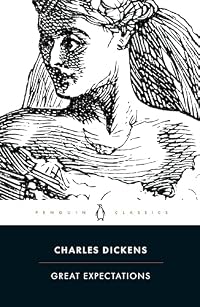
Great Expectations
by Charles Dickens
On This Page
Description
Pip is content with his simple life until a bitter gentlewoman employs him as a sometime companion to herself and her adopted daughter. Pip then aspires to become a gentleman himself, though his dreams are unrealistic until the day he mysteriously comes into a fortune and is sent to London to become refined. The story follows Pip's journey into adulthood and emotional maturity and understanding.Tags
Recommendations


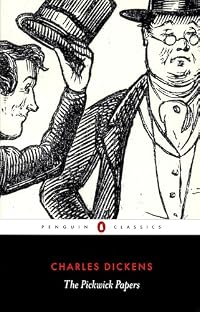
Member Recommendations
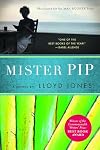
cbl_tn Mister Pip explores the reading and interpretation of Great Expectations in a late 20th century South Sea island culture in the midst of a civil war.
111
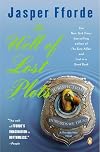
Bcteagirl Thursday Next is a Literary Detective who helps to keep people from changing plots in books, keep book characters from escaping etc. When she goes in for training, who should she be apprenticed to but Miss Havisham who is more than happy to get out of her dreary rooms once and a while. What larks!
60
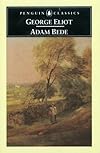
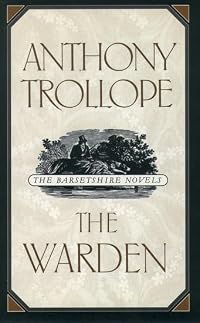
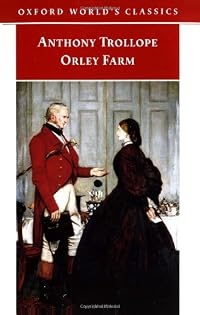
Bcteagirl If you enjoyed the 'good hard working pastoral theme' of his uncle and their 'Larks' you may enjoy Adam Bede which has many of the same themes.
40

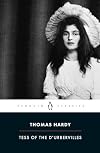
Johanna11 Both books write about people with expectations for their future, both are very well written at the end of the nineteenth century.
43
lucyknows Great Expectations and Bonfire of the Vanities can be successfully tied together in that both the authors explore the themes of ostentation, ambition and morality
43
bluepiano Dozens of ways of seeing and reading the first page of Dickens' book.

JuliaMaria In der Einleitung zu "an unofficial rose" von Anthony D. Nuttall wird Dickens als Vergleich herangezogen: "An Unofficial Rose is indeed a surprisingly Dickensian novel, crowded, superabundant."
12

Cecrow Also featuring Miss Havisham.
Member Reviews
Of Charles Dickens’ 14 finished novels, “Great Expectations” has more endurance in the popular imagination than others. I’d never read it, and yet I knew the wreck of Miss Havisham in the decay of her wedding finery, cloistered in her dark mansion with her stopped clocks. She exists as a symbol of the dead hand of the past which is never truly dead. Its grip spans generations, altering fortunes even of those who weren’t yet born when its fingers first flexed.
Threaded in, of course, is one of Dickens’ favorite themes: that redemption is within the reach of anyone who wants it. No one falls so low that they can’t turn themselves to the benefaction of others, and no one rises so high that they’re incapable of bending their show more will to the blight of others. You can’t choose your misfortunes, but you can choose whether to use your sorrow as a motivation to bless others, or as a justification to bequeath your pain to the next generation.
That all sounds very somber and weighty, but “Great Expectations” is actually a light and accessible read for Dickens. This is his fourth-shortest novel, and only one of two narrated in the first person. Pip’s reminiscence of his adventures in the marshes and of his great expectations in London is lively and relatable, especially given his perspective of a grown man reflecting ruefully on his youthful underestimation of those who loved him and overblown estimation of himself. I expect that resonates greatly with many of us. show less
Threaded in, of course, is one of Dickens’ favorite themes: that redemption is within the reach of anyone who wants it. No one falls so low that they can’t turn themselves to the benefaction of others, and no one rises so high that they’re incapable of bending their show more will to the blight of others. You can’t choose your misfortunes, but you can choose whether to use your sorrow as a motivation to bless others, or as a justification to bequeath your pain to the next generation.
That all sounds very somber and weighty, but “Great Expectations” is actually a light and accessible read for Dickens. This is his fourth-shortest novel, and only one of two narrated in the first person. Pip’s reminiscence of his adventures in the marshes and of his great expectations in London is lively and relatable, especially given his perspective of a grown man reflecting ruefully on his youthful underestimation of those who loved him and overblown estimation of himself. I expect that resonates greatly with many of us. show less
By 1860, Charles Dickens was a national celebrity and a sort of "elder statesman", now devoting much of his life to speeches, essays, social work, and generally not writing so many novels. Great Expectations is his 21st major work and 13th novel (of 15), and is - I would argue - his third masterpiece, following on from Bleak House and Little Dorrit, although in a very different way to either of them.
The psychological development of Pip Pirrip is perhaps unequalled in Dickens' canon, and it feels as if this is a breakthrough in terms of character. I've not yet read Our Mutual Friend, which I'm told takes this further, but it's certainly a good feeling. Estella herself is an interesting figure but ultimately more of a paper moth than a show more full human, although that is in some ways deliberate. More to the point, Great Expectations achieves its targets by applying characterisation to numerous supporting characters, such as Orlick and Magwitch, and in the rich history of Miss Havisham, a character who has so haunted Western culture ever since.
It is also perhaps the most challenging of Dickens' novels in its more complicated moral message. Pip's "Great Expectations" in many ways don't seem so bad: success! comfort! Dickens' arguments against them, along the lines of a younger generation coming of age and staying steadfast to moral development, seem admirable, although I can't help seeing him as a man growing older and more disconnected from the younger members of his society.
There's plenty of comedy sandwiched amongst the Gothic here, but what stands out most - as often with Dickens - is the beauty, from the ruined Satis house to the thriving metropolis and back to the rural marshes of Pip's youth. A truly poetic novel, that should cater to even the most Flaubertian of Dickens critics. (I hope!) show less
The psychological development of Pip Pirrip is perhaps unequalled in Dickens' canon, and it feels as if this is a breakthrough in terms of character. I've not yet read Our Mutual Friend, which I'm told takes this further, but it's certainly a good feeling. Estella herself is an interesting figure but ultimately more of a paper moth than a show more full human, although that is in some ways deliberate. More to the point, Great Expectations achieves its targets by applying characterisation to numerous supporting characters, such as Orlick and Magwitch, and in the rich history of Miss Havisham, a character who has so haunted Western culture ever since.
It is also perhaps the most challenging of Dickens' novels in its more complicated moral message. Pip's "Great Expectations" in many ways don't seem so bad: success! comfort! Dickens' arguments against them, along the lines of a younger generation coming of age and staying steadfast to moral development, seem admirable, although I can't help seeing him as a man growing older and more disconnected from the younger members of his society.
There's plenty of comedy sandwiched amongst the Gothic here, but what stands out most - as often with Dickens - is the beauty, from the ruined Satis house to the thriving metropolis and back to the rural marshes of Pip's youth. A truly poetic novel, that should cater to even the most Flaubertian of Dickens critics. (I hope!) show less
While many things happen, at its core this is the most straightforward plot that Dickens has mustered since the Curiosity Shop. Young Pip is destined for a lowly life as a blacksmith's apprentice, until he is introduced to Miss Havisham and her ward. Shortly afterward he comes into a bit of property and takes up the life of a gentleman, as if this were the story of Little Dorrit again. Dickens loves to repurpose ideas from former novels in new clothes, but there's some fun (eventual) twists to this one that make it unique.
It never does to have too great expectations before reading any novel, and mine were relatively low after Two Cities didn't live up to its billing. Plus I had spoilers this time, vague memories of when I ripped through show more this novel as a teen reading every third or fourth word after it felt like treacle. Thirty-some years later it has none of those problems and proves to be one of my favourites among all of Dickens' work, although I wonder how much my opinion is influenced by having enjoyed the dramatic irony. A couple of minor quirks stand out. I don't like how Orlick enters the story out of nowhere in Chapter 15 as if he'd been there all along, and I couldn't shake thoughts of Dickens' poor reputation as a father that drained the fun from his depicting the Pockets' hopeless parenting. The coincidences nearly choked me this time and the conclusion feels too prolonged. I also can't help wondering (perhaps am meant to wonder) if Pip's original destiny he was steered from wouldn't have been the happiest outcome.
This is a textbook study of the reckless ways one can get up to when coming into money without guidance; note to self, if I ever win the lottery. Its most true-to-life aspect is Pip's self-awareness of this weakness and yet how he continues being prey to it, demonstrating how pernicious it can be. He has a similar challenge in the romance department, where again he knows his object is a poor choice but he's unable to direct the stirrings of his heart. Saying 'no' to yourself can be a difficult thing to do. Continually saying 'yes' to every temptation is the root of more evil than all the money and batting eyelashes in the world. show less
It never does to have too great expectations before reading any novel, and mine were relatively low after Two Cities didn't live up to its billing. Plus I had spoilers this time, vague memories of when I ripped through show more this novel as a teen reading every third or fourth word after it felt like treacle. Thirty-some years later it has none of those problems and proves to be one of my favourites among all of Dickens' work, although I wonder how much my opinion is influenced by having enjoyed the dramatic irony. A couple of minor quirks stand out. I don't like how Orlick enters the story out of nowhere in Chapter 15 as if he'd been there all along, and I couldn't shake thoughts of Dickens' poor reputation as a father that drained the fun from his depicting the Pockets' hopeless parenting. The coincidences nearly choked me this time and the conclusion feels too prolonged. I also can't help wondering (perhaps am meant to wonder) if Pip's original destiny he was steered from wouldn't have been the happiest outcome.
This is a textbook study of the reckless ways one can get up to when coming into money without guidance; note to self, if I ever win the lottery. Its most true-to-life aspect is Pip's self-awareness of this weakness and yet how he continues being prey to it, demonstrating how pernicious it can be. He has a similar challenge in the romance department, where again he knows his object is a poor choice but he's unable to direct the stirrings of his heart. Saying 'no' to yourself can be a difficult thing to do. Continually saying 'yes' to every temptation is the root of more evil than all the money and batting eyelashes in the world. show less
Frightened and confused by his surroundings, Pip wonders through Miss Havisham’s home, a veritable sarcophagus filled with the detritus of her pain. She is frozen in time, all of the clock’s stopped at the very minute of her misery, and her wedding table daily feasted upon by spiders and beetles and rats. As he wonders, he believes that she is following him, haunting him, her decaying, yellowed wedding dress betraying as it scrapes on the dusty floor. He looks up to the rafters and sees her hanging from a rope there, mournfully swinging.
As an adolescent boy, I was tasked to read [Great Expectations] by Susan Smith, my 8th grade English teacher. She was both English and an English teacher. So, her favor of Dickens was no surprise. show more Though, looking back, much about her was a surprise. She also held a deep affection for Willie Nelson, evidenced by the life-size poster glimpsed only when she retrieved books from a closet in the corner of the room. Willie records often blared out from her room at the end of the day, echoing through the tiled halls. She only indulged Willie after classes were over. During class, she set a mood to read by with Wagner or Vangelis records, played at maximum volume.
I hated [Great Expectations]. I hated Dickens. I revolted at the idea of reading page after page after page about some poor British boy who is led by the nose through a series of unfortunate experiences, only to be destroyed in the end. I hated that he learned something only for it not to mean anything in the end. I hated having to read paragraphs and pages that I thought could be condensed to a few words. I hated the cute devices used to obscure the connections between everything that was happening. I hated Susan Smith for wasting my time.
But years later, even as I looked down my nose at Dickens, I could still call up an extremely vivid image of that shriveled woman with the yellowing dress, sitting at the head of a table festooned with cobwebs and insects. She could still strike the same note of terror that Pip felt at imagining her feet swinging toward him. I didn’t realize how much of the story I could remember, how much of Dickens’ message could still broadcast through my mind.
Was I simply too young to be faced with the ideas of Dickens? Was it too much for an adolescent boy to read about another adolescent boy’s tragic love? Was my teacher too big for my small world?
Whatever the reason, I lived on in my hate for Dickens many years, until my wife challenged me and all I could offer was that I’d read [Great Expectations] and didn’t like it. She persisted, arguing that such a lover of books and stories should love a writer like Dickens. Dickens is a writer’s writer, one who gives all of his characters such full life and his stories such breadth. So, I read [A Christmas Carol], a story so familiar to me, and anyone who’s drawn breath, that I figured it would be the perfect test. Even though I hadn’t read about him, I knew Jacob Marley and Scrooge and Tim. I thought I knew how the chains sounded as they scratched along behind Marley. I thought I knew Scrooge’s fright at seeing his own gravestone and seeing, at seeing the joys of his life he’d abandoned. But reading about them for the first time was a revelation. [A Tale of Two Cities] followed quickly after.
And now, I’ve read [Great Expectations] again, with new eyes, much more loving ones. So many of the reasons I hated the book became reasons I loved it. After all, isn’t destiny, or whatever else you might call it, leading us all by the nose like Pip. Remember, Pip is perfectly happy and content in his circumstances, notwithstanding a shrew of a sister. It isn’t until he is offered a glimpse of something different that he begins to yearn for it. That Dickens offers that glimpse in the form of a near schizophrenic and her house of horrors cements his genius. In the end, I loved following Pip’s journey through to the end. I loved that he finally saw all the emptiness in his choices but could not overcome them and was left alone. I loved the detail that Dickens used in telling the story and the breadth of the story, page after page. I loved discovering the connections, even though I knew them already – life is connected like that, whether we choose to see it or not. My English English teacher had been right to be enamored of Dickens and [Great Expectations] and now I am, too.
The more I read Dickens, the more I see how he, and his pal Wilkie Collins, laid all the groundwork our modern masters of horror – not the ones who are only interested in shock value, but the ones who see the terror in everyday life. And the reason these characters and stories have survived and become a part of our cultural memory is a testament to Dickens.
Bottom Line: A classic in the truest sense of the word.
5 bones!!!!!
An All-Time Favorite. show less
As an adolescent boy, I was tasked to read [Great Expectations] by Susan Smith, my 8th grade English teacher. She was both English and an English teacher. So, her favor of Dickens was no surprise. show more Though, looking back, much about her was a surprise. She also held a deep affection for Willie Nelson, evidenced by the life-size poster glimpsed only when she retrieved books from a closet in the corner of the room. Willie records often blared out from her room at the end of the day, echoing through the tiled halls. She only indulged Willie after classes were over. During class, she set a mood to read by with Wagner or Vangelis records, played at maximum volume.
I hated [Great Expectations]. I hated Dickens. I revolted at the idea of reading page after page after page about some poor British boy who is led by the nose through a series of unfortunate experiences, only to be destroyed in the end. I hated that he learned something only for it not to mean anything in the end. I hated having to read paragraphs and pages that I thought could be condensed to a few words. I hated the cute devices used to obscure the connections between everything that was happening. I hated Susan Smith for wasting my time.
But years later, even as I looked down my nose at Dickens, I could still call up an extremely vivid image of that shriveled woman with the yellowing dress, sitting at the head of a table festooned with cobwebs and insects. She could still strike the same note of terror that Pip felt at imagining her feet swinging toward him. I didn’t realize how much of the story I could remember, how much of Dickens’ message could still broadcast through my mind.
Was I simply too young to be faced with the ideas of Dickens? Was it too much for an adolescent boy to read about another adolescent boy’s tragic love? Was my teacher too big for my small world?
Whatever the reason, I lived on in my hate for Dickens many years, until my wife challenged me and all I could offer was that I’d read [Great Expectations] and didn’t like it. She persisted, arguing that such a lover of books and stories should love a writer like Dickens. Dickens is a writer’s writer, one who gives all of his characters such full life and his stories such breadth. So, I read [A Christmas Carol], a story so familiar to me, and anyone who’s drawn breath, that I figured it would be the perfect test. Even though I hadn’t read about him, I knew Jacob Marley and Scrooge and Tim. I thought I knew how the chains sounded as they scratched along behind Marley. I thought I knew Scrooge’s fright at seeing his own gravestone and seeing, at seeing the joys of his life he’d abandoned. But reading about them for the first time was a revelation. [A Tale of Two Cities] followed quickly after.
And now, I’ve read [Great Expectations] again, with new eyes, much more loving ones. So many of the reasons I hated the book became reasons I loved it. After all, isn’t destiny, or whatever else you might call it, leading us all by the nose like Pip. Remember, Pip is perfectly happy and content in his circumstances, notwithstanding a shrew of a sister. It isn’t until he is offered a glimpse of something different that he begins to yearn for it. That Dickens offers that glimpse in the form of a near schizophrenic and her house of horrors cements his genius. In the end, I loved following Pip’s journey through to the end. I loved that he finally saw all the emptiness in his choices but could not overcome them and was left alone. I loved the detail that Dickens used in telling the story and the breadth of the story, page after page. I loved discovering the connections, even though I knew them already – life is connected like that, whether we choose to see it or not. My English English teacher had been right to be enamored of Dickens and [Great Expectations] and now I am, too.
The more I read Dickens, the more I see how he, and his pal Wilkie Collins, laid all the groundwork our modern masters of horror – not the ones who are only interested in shock value, but the ones who see the terror in everyday life. And the reason these characters and stories have survived and become a part of our cultural memory is a testament to Dickens.
Bottom Line: A classic in the truest sense of the word.
5 bones!!!!!
An All-Time Favorite. show less
I first read this book in Junior High. Sixty years later I remembered Pip, Estella, Miss Havisham, and the poor repair of Miss H's estate. Oh, and the gate. I remembered the gate. Not sure why, that. And I remembered that Estella wasn't a nice person.
Which is to say that I *didn't* remember the story in any meaningful sense. So I'm glad I reread it here in my old age.
As an American teen, I'd have missed a bunch of English references--for instance, right at the start there's some mention of the Hulks; I'd have recognized those were prisons of some sort, but not that they're retired warships. Unpleasant and unhealthy, the hulks, no wonder Provis/etc escaped.
And I'd have missed all sorts of nuances, mostly from inexperience. And I'd have show more been less appreciative of the complexities of the various story lines, and the way many things turned out to be unexpectedly related.
A fun read. There's a reason this is a classic. show less
Which is to say that I *didn't* remember the story in any meaningful sense. So I'm glad I reread it here in my old age.
As an American teen, I'd have missed a bunch of English references--for instance, right at the start there's some mention of the Hulks; I'd have recognized those were prisons of some sort, but not that they're retired warships. Unpleasant and unhealthy, the hulks, no wonder Provis/etc escaped.
And I'd have missed all sorts of nuances, mostly from inexperience. And I'd have show more been less appreciative of the complexities of the various story lines, and the way many things turned out to be unexpectedly related.
A fun read. There's a reason this is a classic. show less
I picked this up again for the first time since reading it in high school. All I remembered of it was that it was long and bleak, like a foggy autumn morning. Now you might think that that would be the typical reaction of a schoolboy forced to read a book for English class, and it was more than a decade ago, but I remember enjoying Macbeth and To Kill a Mockingbird in the same class (and they remain two of my favourites), so I don't think I can put my opinion of it at the time down to teenage restlessness. But do those impressions of bleak and long fog revisit me now, as I read it again?
To be honest, after trudging through Great Expectations for the last week, I don't have many impressions. Only exhaustion and boredom. The book is long show more at 440 pages, and it is a long 440. The Victorian style and social norms do not age well, and Dickens is the poster boy of overwrought prosing. Great Expectations could be his Exhibit A. The common myth is that he was paid by the word and whilst this is not strictly true, he was paid to spread a story out over the periodicals. Reading him, you can see why the myth has endured.
The book is painfully overwrought and bordering on the turgid at times. Whatever the firing of prose is that a writer can bring when he is inspired, Great Expectations is the near opposite. When not completely dulling our senses, the book is engaging in laboured humour like muddy water to those dying of thirst, or in sidebars which have no bearing to the plot (which itself lacks any compelling themes), or in whimsy. And there is nothing so grating as whimsy.
And despite the book's density, key plot points happen by brazen coincidence or are presented without much-needed qualification (such as how Magwitch made his fortune, or why Compeyson goes out of his way to disrupt him after so many years, or Pip's accumulating debts, or Miss Havisham's repentance, or… I could go on). There are good characters but there are also terrible ones, including some prominent ones, and they have stupid, whimsical names like Pumblechook and Biddy and Wopsle. No real themes to speak of, and dialogue of the "A-ha! So now you see, sir, Providence has laid its hand upon me!" kind. Why my once English teacher chose this book is a mystery, and she would have been better served getting our class of restless teenagers to read through the Yellow Pages. Perhaps she was seeking to impress upon us Estella's maxim from the final chapter: "… suffering has been stronger than all other teaching…"
This is not a book which is easy to read. That in itself would not be a fatal flaw – I have proven willing to persevere with thick books in the past and found value there – but this is not a book in which a lot happens. To be sure, you could rattle off a summary of things that happen and it would all sound very exciting, but in the context of the book's swampy weight, it is not a lot that happens. And it is not a book that responds well to deeper analysis.
I find I have little opinion on anything about it. Not even the common debate about whether the original or the new ending is best, save for my opinion that, after such investment in a long book, having an open-ended final chapter in which our characters are left dissatisfied is a decision bordering on cruelty towards the reader. The book for me quickly became merely a feat of endurance, and try as I might, I could not shake off this feeling. The only expectation I considered great was the prospect of being done with it. show less
To be honest, after trudging through Great Expectations for the last week, I don't have many impressions. Only exhaustion and boredom. The book is long show more at 440 pages, and it is a long 440. The Victorian style and social norms do not age well, and Dickens is the poster boy of overwrought prosing. Great Expectations could be his Exhibit A. The common myth is that he was paid by the word and whilst this is not strictly true, he was paid to spread a story out over the periodicals. Reading him, you can see why the myth has endured.
The book is painfully overwrought and bordering on the turgid at times. Whatever the firing of prose is that a writer can bring when he is inspired, Great Expectations is the near opposite. When not completely dulling our senses, the book is engaging in laboured humour like muddy water to those dying of thirst, or in sidebars which have no bearing to the plot (which itself lacks any compelling themes), or in whimsy. And there is nothing so grating as whimsy.
And despite the book's density, key plot points happen by brazen coincidence or are presented without much-needed qualification (such as how Magwitch made his fortune, or why Compeyson goes out of his way to disrupt him after so many years, or Pip's accumulating debts, or Miss Havisham's repentance, or… I could go on). There are good characters but there are also terrible ones, including some prominent ones, and they have stupid, whimsical names like Pumblechook and Biddy and Wopsle. No real themes to speak of, and dialogue of the "A-ha! So now you see, sir, Providence has laid its hand upon me!" kind. Why my once English teacher chose this book is a mystery, and she would have been better served getting our class of restless teenagers to read through the Yellow Pages. Perhaps she was seeking to impress upon us Estella's maxim from the final chapter: "… suffering has been stronger than all other teaching…"
This is not a book which is easy to read. That in itself would not be a fatal flaw – I have proven willing to persevere with thick books in the past and found value there – but this is not a book in which a lot happens. To be sure, you could rattle off a summary of things that happen and it would all sound very exciting, but in the context of the book's swampy weight, it is not a lot that happens. And it is not a book that responds well to deeper analysis.
I find I have little opinion on anything about it. Not even the common debate about whether the original or the new ending is best, save for my opinion that, after such investment in a long book, having an open-ended final chapter in which our characters are left dissatisfied is a decision bordering on cruelty towards the reader. The book for me quickly became merely a feat of endurance, and try as I might, I could not shake off this feeling. The only expectation I considered great was the prospect of being done with it. show less
This was my second Dickens book ever. As before, I was surprised that so much humanity, sass, and humor could be couched in such circuitous sentences. Though I anticipated the plot twists, I still enjoyed them. But I would like Dickens more if he wasn’t so goddamned antisemitic. Yeah, yeah, yeah, everyone was back then. But I don’t find that a very good excuse given that so many of Dickens’s other sociological leanings were so modern for his time (on issues like child labor and classism).
Members
- Recently Added By
Published Reviews
ThingScore 100
The idea of an innocent boy establishing unconsciously an immense influence over the mind of a hunted felon … haunted Dickens’s imagination until he gathered round it a whole new world of characters and incidents
added by danielx
Lists

1001 Books You Must Read Before You Die
1,448 works; 1,132 members

The Guardian's 1000 Novels Everyone Must Read
1,005 works; 549 members

Read the book and saw the movie
1,170 works; 192 members
BBC Big Read
191 works; 45 members

Favorite Dickens novels?
16 works; 27 members

Classics you know you should have read but probably haven't
421 works; 407 members

Top-Rated Books on LibraryThing
272 works; 117 members
Favourite Books
1,817 works; 308 members
Best of British Literature
226 works; 41 members

The Top Ten: Writers Pick Their Favorite Books
240 works; 30 members

Favourite 19th century fiction
257 works; 61 members
Favorite Coming of Age Novels.
164 works; 51 members

Favorite Long Books
330 works; 42 members
The 100 Best Books of All Time by Norwegian Book Club (World Library)
104 works; 21 members
Literature About Social Class
134 works; 19 members

Recommend the 20 best books you've read in the last five years
2,167 works; 604 members

Best high-school English books reread later in life
30 works; 21 members

Oprah's Book Club (original and 2.0)
91 works; 21 members

PBS The Great American Read
100 works; 21 members

Best Books Set in London
157 works; 40 members

Fiction Featuring Cranky, Eccentric Old Folks
80 works; 35 members

100 books to read in a lifetime
102 works; 37 members
Folio Society
831 works; 49 members

Top Five Books of 2013
1,564 works; 722 members
Harold Bloom - The Western Canon: C. The Democratic Age
336 works; 15 members
100 Most Recommended Works
100 works; 11 members

Best Friendship Stories
205 works; 16 members

Western World's Greatest Books - Project Gutenberg
295 works; 15 members
LibraryThingers' 1001 Books You Must Read Before You Die
442 works; 30 members
19th Century
190 works; 16 members
BBC Big Read
100 works; 10 members

Books That Made Me Cry
199 works; 104 members
Unreliable Narrators
170 works; 43 members
Books Featured on Gilmore Girls
307 works; 21 members

Books You Read During High School (For School)
301 works; 52 members

Backlisted
109 works; 9 members

40 Books to Read Before You’re 40
40 works; 4 members

Best Revenge Stories
69 works; 9 members
1,001 BYMRBYD Concensus
723 works; 27 members
Books I've Read More Than Once
602 works; 49 members

Global Reads: Books Set in the United Kingdom and Ireland
109 works; 5 members
A Novel Cure
742 works; 23 members

Anti-heroines in fiction
59 works; 9 members
Newark Public Library's 1904 List of a Thousand of the Best Novels
95 works; 5 members

Top Five Books of 2014
1,064 works; 397 members

100 World Classics
99 works; 15 members

Best books read in 2011
200 works; 50 members
College Reads (Lit Edition)
75 works; 5 members

Top 100 to Read before you Die
109 works; 7 members

Fiction about the Working Class
74 works; 10 members
Fiction For Men
142 works; 11 members
Victorian Period
113 works; 10 members
Lamont's Hundred Best Novels (1947)
100 works; 4 members

Rory Gilmore Book Club
193 works; 5 members
The Greatest Books
99 works; 5 members

Top Five Books of 2015
811 works; 241 members
Out of Copyright
244 works; 14 members
Mensa for Kids Excellence in Reading Award Program (Grades 9-12)
116 works; 4 members

Carole's List
445 works; 13 members
My list of 100 books to read next
100 works; 4 members

I Can't Finish This Book
189 works; 22 members

BBC Top Books
78 works; 3 members
Mensa for Kids Excellence in Reading Award Program (Grades 9-12)
116 works; 3 members
Bibliography for How to be a Heroine
148 works; 12 members
Books mentioned in The Diary of a Provincial Lady
59 works; 4 members
CCE 1000 Good Books List
1,033 works; 12 members
Good, Smart, Clean Fiction
46 works; 4 members
Books Read in 2016
4,666 works; 199 members

Books on my Kindle
162 works; 3 members
United Kingdom
82 works; 4 members
1860s
25 works; 4 members

Books Read in 2022
5,164 works; 113 members

Favorite Novels of All Time
4 works; 1 member

Most Depressing Books
69 works; 16 members

Books Read in 2017
4,248 works; 130 members
Books Read in 2015
3,298 works; 126 members

University literature
145 works; 5 members

Books Read in 2023
5,547 works; 145 members
Trinity College Booklist (1951): Class Ten, English Literature
358 works; 5 members

100
56 works; 1 member

Romans
49 works; 1 member

Secrets Books
94 works; 3 members

Books Read in 2020
4,379 works; 124 members

http://thegreatestbooks.org's Greatest Fiction Books
59 works; 1 member
Books Mentioned in The Wedding Planner's Daughter series
107 works; 2 members

Macho Fiction
7 works; 4 members

readingList
38 works; 1 member

Book Titles Mentioned In Newberry Medal And Honor Books
884 works; 3 members
Books You Read For University
184 works; 3 members

living room bookshelf
150 works; 1 member
Class mobility in fiction
18 works; 1 member

BBC World Book Club
261 works; 5 members
New Lifetime Reading Plan by Fadiman and Major
225 works; 5 members

100 knjiga
100 works; 1 member
Books We Love to Reread
688 works; 296 members
School Made Us Read It
380 works; 196 members
bound
100 works; 1 member

Charles Dickens books
17 works; 1 member

The Five Books That Represent Us
389 works; 146 members

el
1,139 works; 1 member
.
396 works; 1 member
Read For Your Life
157 works; 1 member
Books We Couldn't Put Down
443 works; 197 members
'Books You Can't Live Without: The Top 100', The Guardian, 2007
156 works; 7 members
.
194 works; 2 members
The Complete Rory Gilmore Reading List
506 works; 5 members

DigitalDreamDoor top 300
300 works; 4 members

Read
27 works; 1 member

The 150 Greatest Novels of All Time
150 works; 6 members

Recommended Reading : 600 Classics Reviewed, Editors of Salem Press, 2015
634 works; 6 members
Books I Read Before The Invention Of The Internet.
144 works; 1 member
Novels featuring Orphans
76 works; 10 members

Mustich's 1000 Books to Read Before You Die: A Life Changing List
1,001 works; 18 members
AP Lit
363 works; 6 members

Books About Boys
175 works; 15 members

Struggle for Freedom
69 works; 4 members
Works cited in Palimpsest: A History of the Written Word by Matthew Battles
79 works; 2 members

Ambleside Books
459 works; 18 members

Read
293 works; 4 members

Tonikat reading completed on Librarything journals
329 works; 2 members

Absolute Power
107 works; 1 member

Literary Works Read in College
316 works; 15 members

Books Read in 2010
631 works; 11 members

Inheritance and Succession Literature
24 works; 5 members
Honey For a Child's Heart
1,152 works; 25 members
Old Reads, New Reads
3 works; 1 member

Books Tagged Abuse
152 works; 4 members

Sonlight Books
1,487 works; 25 members

Books You Couldn't Finish
202 works; 29 members

Biggest Disappointments
606 works; 168 members
Most Popular Penguins
70 works; 5 members

Books Read in 2011
684 works; 20 members

Books Read in 2021
5,361 works; 113 members

Greatest Books, allegedly
484 works; 9 members

Recommended Literary Books
111 works; 1 member
Five star books
1,755 works; 108 members
Best Gothic Fiction
110 works; 31 members
Books tagged favorites
390 works; 30 members
Unread books
1,063 works; 82 members

Best of World Literature
431 works; 51 members
Talk Discussions
Past Discussions
Karen's Group Read - Great Expectations in 75 Books Challenge for 2016 (November 2016)
GROUP READ -- GREAT EXPECTATIONS in The 12 in 12 Category Challenge (March 2012)
Great Expectations: Spoiler Thread in The 12 in 12 Category Challenge (March 2012)
Author Information

2,578+ Works 313,139 Members
Charles Dickens, perhaps the best British novelist of the Victorian era, was born in Portsmouth, Hampshire, England on February 7, 1812. His happy early childhood was interrupted when his father was sent to debtors' prison, and young Dickens had to go to work in a factory at age twelve. Later, he took jobs as an office boy and journalist before show more publishing essays and stories in the 1830s. His first novel, The Pickwick Papers, made him a famous and popular author at the age of twenty-five. Subsequent works were published serially in periodicals and cemented his reputation as a master of colorful characterization, and as a harsh critic of social evils and corrupt institutions. His many books include Oliver Twist, David Copperfield, Bleak House, Great Expectations, Little Dorrit, A Christmas Carol, and A Tale of Two Cities. Dickens married Catherine Hogarth in 1836, and the couple had nine children before separating in 1858 when he began a long affair with Ellen Ternan, a young actress. Despite the scandal, Dickens remained a public figure, appearing often to read his fiction. He died in 1870, leaving his final novel, The Mystery of Edwin Drood, unfinished. (Bowker Author Biography) show less
Some Editions
Awards and Honors
Awards
Distinctions
Notable Lists
Series
Belongs to Publisher Series
Penguin Clothbound Classics (2008)
Penguin English Library, 2012 series (2012-04)
Penguin Audiobooks (PEN 42)
Collins Classics (14)
Dean's Classics (22)
Perpetua reeks (30)
Reader's Enrichment Series (RE 303)
Harper Perennial Olive Editions (2018 Olive)
The Pocket Library (PL-50)
Airmont Classics (68)
Signet Classics (CE 1627)
The World's Classics (128)
A tot vent (228)
Everyman's Library (234)
Penguin Books (1041)
Gallimard, Folio (3190)
Work Relationships
Is contained in
Oliver Twist / A Christmas Carol / David Copperfield / A Tale of Two Cities / Great Expectations by Charles Dickens
Great Expectations / Hard Times / Oliver Twist / A Christmas Carol / Bleak House / A Tale of Two Cities by Charles Dickens
90 Masterpieces You Must Read (Vol.1): Novels, Poetry, Plays, Short Stories, Essays, Psychology & Philosophy by Various
Great Expectations / The Uncommercial Traveller / New Uncommercial Samples / Sketches of Young Couple by Charles Dickens
The Shorter Novels of Charles Dickens: Oliver Twist / Hard Times / A Tale of Two Cities / Great Expectations by Charles Dickens
Contains
Is retold in
Has the (non-series) prequel
Has the adaptation
Is abridged in
Is parodied in
Inspired
Has as a reference guide/companion
Has as a study
Has as a commentary on the text
Has as a student's study guide
Common Knowledge
- Canonical title
- Great Expectations
- Original title
- Great Expectations
- Original publication date
- 1861-08
- People/Characters
- Pip (Phillip Pirrip); Joe Gargery; Mrs Joe Gargery; Miss Havisham; Estella Havisham; Abel Magwitch (show all 12); Mr Jaggers; John Wemmick; Biddy; Dolge Orlick; Herbert Pocket; Mr Pumblechook
- Important places
- London, England, UK; River Thames, England, UK; England, UK
- Important events
- Victorian Era; 19th century
- Related movies
- Great Expectations (1917 | IMDb); Store forventninger (1922 | IMDb); Great Expectations (1934 | IMDb); Great Expectations (1946 | David Lean | IMDb); Great Expectations (1959 | IMDb); Great Expectations (1967 | IMDb) (show all 15); Great Expectations (1974 | IMDb); Great Expectations (1981 | IMDb); Great Expectations (1983 | IMDb); Great Expectations (1989 | IMDb); Great Expectations (1998 | Alfonso Cuaró | n | IMDb); Great Expectations (1999 | IMDb); Great Expectations (2011 | IMDb); Great Expectations (2012 | IMDb); Great Expectations (2013 | IMDb)
- Dedication
- Affectionately Inscribed
to
Chauncy Hare Townshend - First words
- My father's family name being Pirrip, and my christian name Philip, my infant tongue could make of both names nothing longer or more explicit than Pip. So, I called myself Pip, and came to be called Pip.
- Quotations
- Neither were my notions of the theological positions to which my Catechism bound me, at all accurate; for, I have a lively remembrance that I supposed my declaration that I was to "walk in the same all the days of my life," l... (show all)aid me under an obligation always to go through the village from our house in one particular direction, and never to vary it by turning down by the wheelwright's or up by the mill.
...a money-box was kept on the kitchen mantel-shelf, in to which it was publicly made known that all my earnings were dropped. I have an impression that they were to be contributed eventually towards the liquidation of the Na... (show all)tional Debt, but I know I had no hope of any personal participation in the treasure.
Mr. Wopsle's great-aunt kept an evening school in the village; that is to say, she was a ridiculous old woman of limited means and unlimited infirmity, who used to go to sleep from six to seven every evening, in the society o... (show all)f youth who paid two pence per week each, for the improving opportunity of seeing her do it.
I had little objection to his being seen by Herbert or his father, for both of whom I had a respect; but I had the sharpest sensitiveness as to his being seen by Drummle, whom I held in contempt. So, throughout life, our wors... (show all)t weaknesses and meannesses are usually committed for the sake of the people whom we most despise. (Chapter XXVII)
"Oh! I have a heart to be stabbed in or shot in, I have no doubt," said Estella, "and of course if it ceased to beat I should cease to be. But you know what I mean. I have no softness there, no--sympathy--sentiment--nonsense.... (show all)"
And still I stood looking at the house, thinking how happy I should be if I lived there with her, and knowing that I never was happy with her, but always miserable.
After that, he drank all the rest of the sherry, and Mr. Hubble drank the port, and the two talked (which I have since observed to be customary in such cases) as if they were of quite another race from the deceased, and were ... (show all)notoriously immortal.
If you can’t get to be oncommon through going straight, you’ll never get to do it through going crooked.
Mrs. Joe was a very clean housekeeper, but had an exquisite art of making her cleanliness more uncomfortable and unacceptable than dirt itself. Cleanliness is next to Godliness, and some people do the same by their rel... (show all)igion. (Chapter IV)
All other swindlers upon earth are nothing to the self-swindlers, and with such pretenses did I cheat myself. Surely a curious thing. That I should innocently take a bad hal-crown of somebody else's manufacture is... (show all) reasonable enough, but that I should knowingly reckon of my own make as good money! (Chapter XXVIII) - Last words
- (Click to show. Warning: May contain spoilers.)I took her hand in mine, and we went out of the ruined place; and, as the morning mists had risen long ago when I first left the forge, so the evening mists were rising now, and in all the broad expanse of tranquil light they showed to me, I saw no shadow of another parting from her.
- Blurbers
- Santayana, George
- Original language
- English
- Canonical DDC/MDS
- 823.83
- Disambiguation notice
- This is the main work for Great Expectations. It should not be combined with any adaptation, abridgement, etc. If this is your book but it is an abridged or adapted version, consider changing the isbn to match your ver... (show all)sion so that it can be combined with the correct abridgement or adaptation.
Classifications
Statistics
- Members
- 43,821
- Popularity
- 60
- Reviews
- 479
- Rating
- (3.88)
- Languages
- 26 — Catalan, Chinese, Czech, Danish, Dutch, English, Estonian, Finnish, French, German, Greek, Hungarian, Italian, Japanese, Korean, Lithuanian, Norwegian (Bokmål), Polish, Portuguese, Romanian, Russian, Serbian, Croatian, Spanish, Swedish, Turkish
- Media
- Paper, Audiobook, Ebook
- ISBNs
- 1,196
- UPCs
- 15
- ASINs
- 556