On This Page
Description
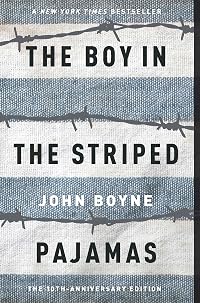
Bored and lonely after his family moves from Berlin to a place called "Out-With" in 1942, Bruno, the son of a Nazi officer, befriends a boy in striped pajamas who lives behind a wire fence.Tags
Recommendations
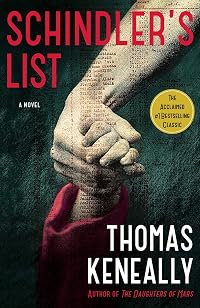
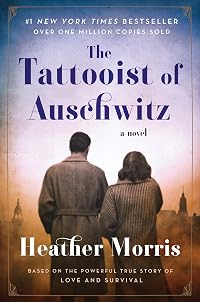
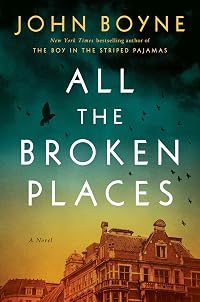
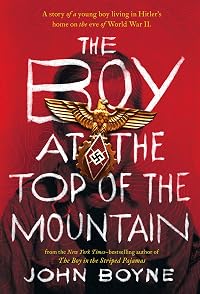
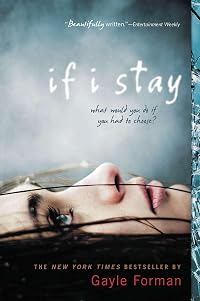
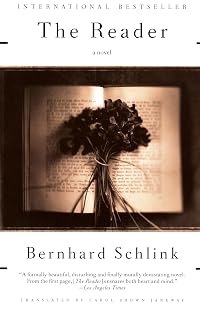
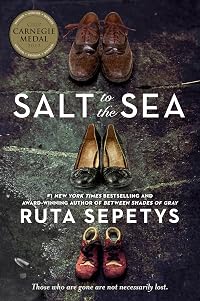
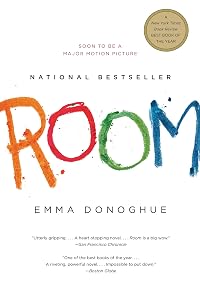
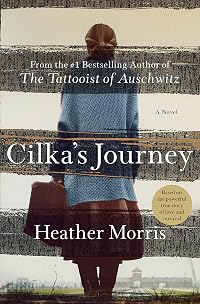

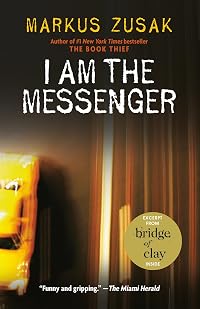
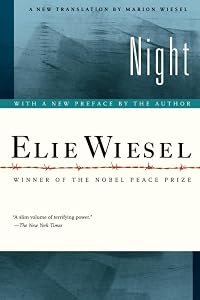

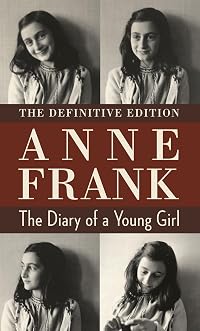
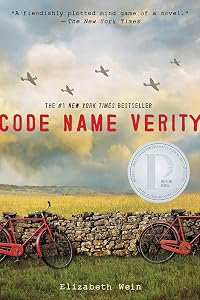
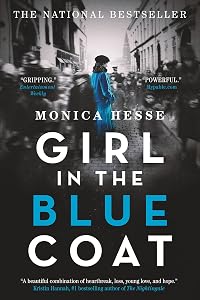
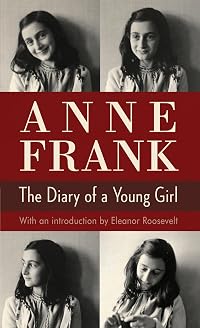
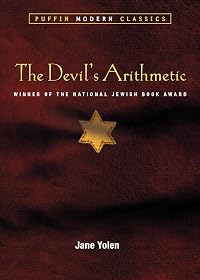

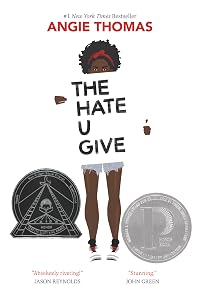
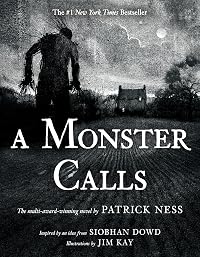
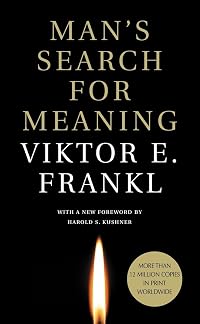

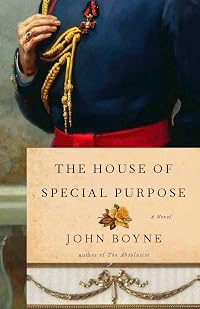
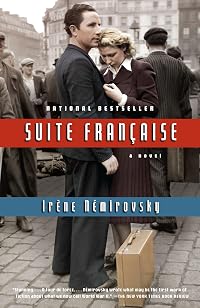
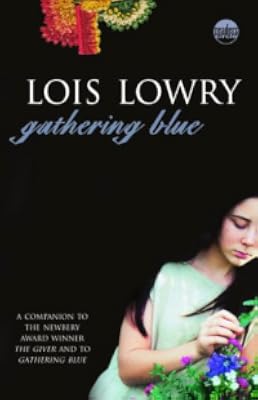
Member Recommendations
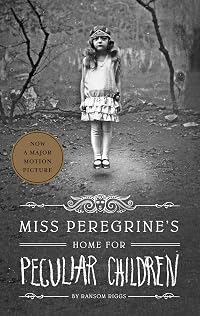
JeaniusOak Both equally readable by adults and teens alike
133

vvstokkom Ondanks dat het een zwaar onderwerp betreft, leest het net zo makkelijk weg.
62
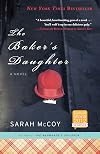
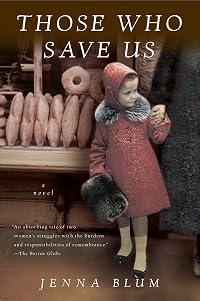
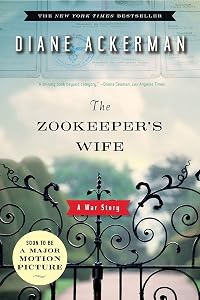
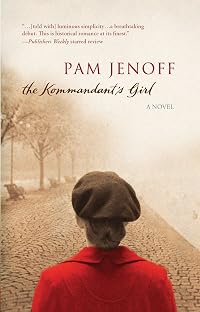
vvstokkom Written from a point of view of a baker's daughter in Germany. If you liked The boy in the striped pyjama, you will love The Baker's Daughter.
30
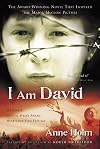
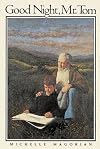
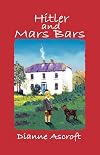
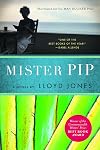
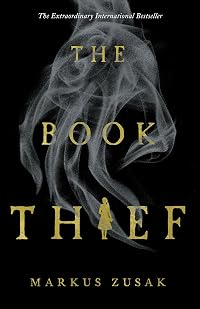
sleepykid00 Both taken place in WWII, but in different perspectives.
by Cecrow
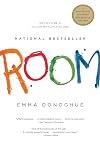
soffitta1 What connects the books, for me, is the way the story unfolds, with the reader being more clued in as to what is happening around the child at the centre.
11
jordantaylor Both books are about young boys who innocently befriend Jewish children imprisoned in concentration camps, without understanding the war or the Holocaust. I would highly recommend both books, especially "The Last Brother."
mybookshelf Both have a young male protagonist who doesn't initially realise the significance of what's going on around him.
11
PghDragonMan An intense look at one day in the life of a political prisoner in a concentration camp like environment.
33
julienne_preacher Both stories are based on child's perception of the world and how different it can be from how adults see things.
Member Reviews
One of the things that made this story so interesting is the perspective it was told from. The Holocaust is one of the most terrible and memorable events in human history, and there are famous books about it - Anne Frank's diary, the Night books by Wiesel, and many more.
The particular narrative illustrates another terrible dimension of the Holocaust, one that few people think about at all because most narratives are focused on the suffering of the Jews, or the brutality of Nazi soldiers and guards, and the Holocaust filtered through the eyes of an innocent child make the ending of this book all the more gut-wrenching.
No spoilers, but OW. That ending got me right in the fucking feels, and for this book, however crushing it was, it was a show more very appropriate ending. But still, OW, RIGHT IN THE FEELS. show less
The particular narrative illustrates another terrible dimension of the Holocaust, one that few people think about at all because most narratives are focused on the suffering of the Jews, or the brutality of Nazi soldiers and guards, and the Holocaust filtered through the eyes of an innocent child make the ending of this book all the more gut-wrenching.
No spoilers, but OW. That ending got me right in the fucking feels, and for this book, however crushing it was, it was a show more very appropriate ending. But still, OW, RIGHT IN THE FEELS. show less
I came to this book with great expectations, and walked away from it deeply annoyed. Notwithstanding lots of small historical errors (Bruno's grandmother sings "La vie en rose" years before it was even written; Hitler didn't go out for private dinners and during the period in question, was almost never in Berlin, and certainly didn't dine out with Eva Braun in Berlin) that many target readers won't pick up on or care about, the real problem is the narrator. Boyne tells us he's nine years old, but he has the awareness level of a 3- or 4-year-old. The son of a high-ranking SS officer would have been a member of the junior division of the Hitler Youth; he CERTAINLY would have been aware of the Fuhrer's identity and image, making a key show more scene particularly impossible. (Hitler's image was everywhere...) The naiviete about Auschwitz and the treatment of the Jews might have lasted for a few days, but only a particularly stupid child of 9 wouldn't have picked up that his family had ended up at a KZ. The result is jarring as Bruno equates his plight with that of Shmuel. Either he's dim-witted or the author tried to ramp up the dramatic intensity and failed miserably. Since this isn't aimed at very young children, I think Boyne could have made Bruno a credible protagonist and still made his points -- in an intelligent way. show less
The Boy in the Striped Pajamas is a short but powerful exploration of the Holocaust from the unique perspective of a nine-year old German boy named Bruno. Bruno's lack of understanding of the atrocities being committed in Auschwitz and relationship with Shmuel, a Jewish prisoner, culminate in a heartbreaking ending that highlights the extent of the terror of the Holocaust in an especially guttural way. The Boy in the Striped Pajamas stands out for its elegantly brutal approach to the historical fiction genre and is easy to recommend for those who enjoy reading about World War II and the Holocaust.
A childrens story with the power to captivate all ages, John Boyne's The Boy in the Striped Pajamas offers a vivid portrayal of innocence in a time of guilt, and a haunting depiction of man’s cruelty to man.
Nine year old Bruno has no idea why his family has been uprooted from its comfortable Berlin home. With the innocent self-absorption of childhood, he mourns the loss of friends and comfort without seeing the truth behind the wire. Strangers in striped pajamas must surely play with their friends, he supposes, while he stands rigidly governed and alone. But truth is stranger than Bruno sees.
The convincingly childlike narration presents historical reality with that same protective layer of separation offered by the curious narrator of show more Zusak's The Book Thief. Older readers are quickly drawn into guessing and knowing what's to come, while younger readers will follow a fascinating tale of mystery and friendship.
Beautifully told, hauntingly honest, and scarily true, this is a novel for children to grow by and adults to remember, long after the last page is turned or the movie viewed. "Nothing like that could ever happen again," or so we wish. If we learn our lessons well, and read books like this with our children, we just might become aware enough to make that statement true.
Disclosure: My sister in law knew I would love this book. show less
Nine year old Bruno has no idea why his family has been uprooted from its comfortable Berlin home. With the innocent self-absorption of childhood, he mourns the loss of friends and comfort without seeing the truth behind the wire. Strangers in striped pajamas must surely play with their friends, he supposes, while he stands rigidly governed and alone. But truth is stranger than Bruno sees.
The convincingly childlike narration presents historical reality with that same protective layer of separation offered by the curious narrator of show more Zusak's The Book Thief. Older readers are quickly drawn into guessing and knowing what's to come, while younger readers will follow a fascinating tale of mystery and friendship.
Beautifully told, hauntingly honest, and scarily true, this is a novel for children to grow by and adults to remember, long after the last page is turned or the movie viewed. "Nothing like that could ever happen again," or so we wish. If we learn our lessons well, and read books like this with our children, we just might become aware enough to make that statement true.
Disclosure: My sister in law knew I would love this book. show less
Holocaust dramas are always gut-wrenchingly sad and John Boyne's The Boy In The Striped Pyjamas is no exception, but what makes the sadness of this novel sting long after the final page is turned is the fact that, while it still displays some of the darkest days in human history, it is shown through the wide, blue eyes of an innocent eight-year-old German boy, named Bruno.
The novel follows Bruno and his family as they move from a secure and wealthy life in Berlin to the forlorn and desolate Polish countryside where his SS Officer father has been promoted to commandant of Auschwitz concentration camp. Bruno, who wants to be an explorer, is immediately curious when he sees a 'farm' out of his bedroom window. However, he is forbidden from show more investigating further by his mother, who is well aware of who the 'strange' children are that Bruno wishes to play with.
Of course, being a precocious eight-year-old, Bruno ignores her and ventures through the woods where he comes across Schmuel, an eight-year-old Jewish boy, with whom he forms an intense friendship that is not hindered by racial prejudices and hatred, despite many attempts by Bruno's anti-Semitic tutor to convince him otherwise. The dramatic climax to this heart wrenching tale is nothing short of amazing and will leave audiences both astounded and devastated.
Bruno, being eight, has a very innocent and naive perception of the world; however, throughout the novel after many short, but poignant exchanges with Schmuel and Paval, Bruno begins to understand more about the world around him and his innocent view begins to change. Bruno is lied to by many people in his life and in a way Schmuel is one of them. He has already faced some of life's harshest realities, and in some ways protects Bruno from having to confront these issues. Although, there are still many occasions where Bruno portrays his innocence and does not seem to comprehend the severity of Schmuel’s situation.
As the novel is centred around Bruno’s subjective view of the world there are many events which take place that he may not observe or comprehend. In some cases this limits what can be said and what must be implied to the audience. Sometimes Bruno’s information can be wrong; it is up to the audience to work this out. This invites the audience to feel sympathy for Bruno, Schmuel, Paval and Bruno’s mother who are all, along with millions of others, victims of one of the darkest and most brutal times in human history.
Bruno’s world is filled with secrets and lies; he is lied to by his parents who are lying to each other and, most of all, to themselves. Bruno’s father is forced to keep secret the real purpose of the camp and Bruno’s mother seems to be unaware, or unwilling to admit to herself, what is actually happening at the camp.
The Boy In The Striped Pyjamas is a masterpiece; it is gripping, heartbreaking and teaches audiences that sometimes the things that divide us can also unite us. Do yourself a favour once you finish reading this: eat some chocolate, grab some tissues and watch the movie. It is one of the best movie adaptations I have seen in a long time with a cast that brings this marvellous, haunting novel to life. show less
The novel follows Bruno and his family as they move from a secure and wealthy life in Berlin to the forlorn and desolate Polish countryside where his SS Officer father has been promoted to commandant of Auschwitz concentration camp. Bruno, who wants to be an explorer, is immediately curious when he sees a 'farm' out of his bedroom window. However, he is forbidden from show more investigating further by his mother, who is well aware of who the 'strange' children are that Bruno wishes to play with.
Of course, being a precocious eight-year-old, Bruno ignores her and ventures through the woods where he comes across Schmuel, an eight-year-old Jewish boy, with whom he forms an intense friendship that is not hindered by racial prejudices and hatred, despite many attempts by Bruno's anti-Semitic tutor to convince him otherwise. The dramatic climax to this heart wrenching tale is nothing short of amazing and will leave audiences both astounded and devastated.
Bruno, being eight, has a very innocent and naive perception of the world; however, throughout the novel after many short, but poignant exchanges with Schmuel and Paval, Bruno begins to understand more about the world around him and his innocent view begins to change. Bruno is lied to by many people in his life and in a way Schmuel is one of them. He has already faced some of life's harshest realities, and in some ways protects Bruno from having to confront these issues. Although, there are still many occasions where Bruno portrays his innocence and does not seem to comprehend the severity of Schmuel’s situation.
As the novel is centred around Bruno’s subjective view of the world there are many events which take place that he may not observe or comprehend. In some cases this limits what can be said and what must be implied to the audience. Sometimes Bruno’s information can be wrong; it is up to the audience to work this out. This invites the audience to feel sympathy for Bruno, Schmuel, Paval and Bruno’s mother who are all, along with millions of others, victims of one of the darkest and most brutal times in human history.
Bruno’s world is filled with secrets and lies; he is lied to by his parents who are lying to each other and, most of all, to themselves. Bruno’s father is forced to keep secret the real purpose of the camp and Bruno’s mother seems to be unaware, or unwilling to admit to herself, what is actually happening at the camp.
The Boy In The Striped Pyjamas is a masterpiece; it is gripping, heartbreaking and teaches audiences that sometimes the things that divide us can also unite us. Do yourself a favour once you finish reading this: eat some chocolate, grab some tissues and watch the movie. It is one of the best movie adaptations I have seen in a long time with a cast that brings this marvellous, haunting novel to life. show less
This is one of the books where you can expect to become increasingly anxious as each page is turned. Not so surprising since THE BOY IN THE STRIPED PAJAMAS is a book about the Holocaust during World War II.
With a lifelong interest in this time period, and as someone who has read dozens of related historical novels, what makes this novel so devastating is that it's told through the naive eyes of a nine year old boy.
At the beginning of the story, Bruno Wisitzki's family has just had the great honor of a visit by the German Leader Adolph Hitler, who has promoted Bruno's father to Commandant. To Bruno's chagrin, it means his entire family must leave Berlin and move to their new posting in Poland, where Bruno's father will head the show more concentration camp called Auschwitz.
At first the boy is primarily concerned about leaving behind the only home he's known, his closest friends, and his nearby grandparents. Though their new house is full of soldiers and servants, Bruno is lonely. Until one day when he meets a boy who lives on the other side of a high fence, the boy in the striped pajamas.
Author John Boyne (one of my favorites) uses this lone boy and his family to explore themes like change, family connection, friendship, antisemitism, and brutal impact of war on the human psyche. Ultimately, however, the novel focuses on budding friendship of Bruno and his friend, Shmuel. And the bond they forge over time.
The book reads like a fable. It's simply written and short but profoundly powerful. Somehow the trust and innocence of Bruno makes the unfolding of events so much worse. Because as readers, we are already privy to the knowledge of what happened at Auschwitz.
This is definitely NOT a children's book. But there are good reasons why it has won so many awards and been made into a movie. I'd say it's essential for anyone interested in World War II and/or the Holocaust. show less
With a lifelong interest in this time period, and as someone who has read dozens of related historical novels, what makes this novel so devastating is that it's told through the naive eyes of a nine year old boy.
At the beginning of the story, Bruno Wisitzki's family has just had the great honor of a visit by the German Leader Adolph Hitler, who has promoted Bruno's father to Commandant. To Bruno's chagrin, it means his entire family must leave Berlin and move to their new posting in Poland, where Bruno's father will head the show more concentration camp called Auschwitz.
At first the boy is primarily concerned about leaving behind the only home he's known, his closest friends, and his nearby grandparents. Though their new house is full of soldiers and servants, Bruno is lonely. Until one day when he meets a boy who lives on the other side of a high fence, the boy in the striped pajamas.
Author John Boyne (one of my favorites) uses this lone boy and his family to explore themes like change, family connection, friendship, antisemitism, and brutal impact of war on the human psyche. Ultimately, however, the novel focuses on budding friendship of Bruno and his friend, Shmuel. And the bond they forge over time.
The book reads like a fable. It's simply written and short but profoundly powerful. Somehow the trust and innocence of Bruno makes the unfolding of events so much worse. Because as readers, we are already privy to the knowledge of what happened at Auschwitz.
This is definitely NOT a children's book. But there are good reasons why it has won so many awards and been made into a movie. I'd say it's essential for anyone interested in World War II and/or the Holocaust. show less
A book that is exactly what you think it is: a simply-written, heartbreaking story (for kids or adults? Maybe somewhere in the middle?) about the Holocaust. In the time-honoured literary tradition of seeing adult events through a child's eyes, the better to illuminate their absurdity (To Kill a Mockingbird did it best), The Boy in the Striped Pyjamas follows Bruno, the sheltered son of a Nazi commandant, who befriends a strange boy in striped pyjamas who lives on the other side of a fence, in a place he calls 'Out-With'. Subtitled 'A Fable', the book is very clear in its moral lesson ("we're like twins" – pg. 110). You could not mistake what author John Boyne sought to achieve here.
And yet, some people have. In the emotionally-charged show more area of Holocaust remembrance, Boyne has been criticised for his contribution. Certainly, the fable approach, though valuable, does leave itself open to attack. The very act of writing an overt fable, a spun yarn, implies some sense of fictionalization, which is not a good look for an area of study that regularly deals with the plague of Holocaust denial. (Though, it must be said, Boyne definitely does not intend this.) As the book is told through the eyes of Bruno, this means his father, the Nazi commandant, is portrayed somewhat sympathetically. Many readers, particularly those who know about the reality of Auschwitz, will not find it credible that the fence where the two children meet is not guarded (or electrified), or that Bruno could be completely unaware of the presence of violence and death for over a year. And that's to say nothing of the smell. I was able to take the book in the spirit Boyne intended, but I can understand why people find it a bit dicey.
Which is a shame, because once you accept it's not the be-all and end-all of Holocaust education (no book should be, and certainly not a piece of fiction), you can see the worth in the fable approach. Telling the story through a child's eyes only heightens the horror; as a reader, we are inside the open and inquisitive mind of a child, whereas an adult protagonist, and the reader as adult, would shut their mind to some of the horror, or at least throw up defences. Exposing us to it gradually, through a small child, really brings out the shabbiness and the strangeness of that evil.
The Boy in the Striped Pyjamas has made its mark in a competitive field (just how many Holocaust stories, or World War II stories in general, are there that are told through a child's eyes?) and that's no mean feat. Boyne knows how far to take it; if the book was longer, it might have fallen apart. The important area where the two boys meet is just described as a place they found, nothing more, and some of the characterisation would have to have been expanded (I thought Maria would become more important than she was). But those are the sacrifices you make in order to fit the framework of a fable, and it's certainly interesting to look at an author's decisions and the limitations of their chosen form and see how it affects their storytelling. As it is, The Boy in the Striped Pyjamas is like a Brothers Grimm story that has the great sorrow of being based in horrific historical reality. show less
And yet, some people have. In the emotionally-charged show more area of Holocaust remembrance, Boyne has been criticised for his contribution. Certainly, the fable approach, though valuable, does leave itself open to attack. The very act of writing an overt fable, a spun yarn, implies some sense of fictionalization, which is not a good look for an area of study that regularly deals with the plague of Holocaust denial. (Though, it must be said, Boyne definitely does not intend this.) As the book is told through the eyes of Bruno, this means his father, the Nazi commandant, is portrayed somewhat sympathetically. Many readers, particularly those who know about the reality of Auschwitz, will not find it credible that the fence where the two children meet is not guarded (or electrified), or that Bruno could be completely unaware of the presence of violence and death for over a year. And that's to say nothing of the smell. I was able to take the book in the spirit Boyne intended, but I can understand why people find it a bit dicey.
Which is a shame, because once you accept it's not the be-all and end-all of Holocaust education (no book should be, and certainly not a piece of fiction), you can see the worth in the fable approach. Telling the story through a child's eyes only heightens the horror; as a reader, we are inside the open and inquisitive mind of a child, whereas an adult protagonist, and the reader as adult, would shut their mind to some of the horror, or at least throw up defences. Exposing us to it gradually, through a small child, really brings out the shabbiness and the strangeness of that evil.
The Boy in the Striped Pyjamas has made its mark in a competitive field (just how many Holocaust stories, or World War II stories in general, are there that are told through a child's eyes?) and that's no mean feat. Boyne knows how far to take it; if the book was longer, it might have fallen apart. The important area where the two boys meet is just described as a place they found, nothing more, and some of the characterisation would have to have been expanded (I thought Maria would become more important than she was). But those are the sacrifices you make in order to fit the framework of a fable, and it's certainly interesting to look at an author's decisions and the limitations of their chosen form and see how it affects their storytelling. As it is, The Boy in the Striped Pyjamas is like a Brothers Grimm story that has the great sorrow of being based in horrific historical reality. show less
Members
- Recently Added By
Published Reviews
Lists

Books That Made Me Cry
199 works; 105 members

child hero ~ adult novel
60 works; 12 members

Top Five Books of 2013
1,562 works; 715 members

Read the book and saw the movie
1,170 works; 195 members

Recommend the 20 best books you've read in the last five years
2,168 works; 606 members

1001 Children's Books You Must Read Before You Grow Up
774 works; 100 members

Books for Reluctant Readers
18 works; 3 members

Impressive Audio Books
16 works; 2 members

Best Friendship Stories
205 works; 16 members
Independent Reading Suggestions
69 works; 3 members

READ in 2023
244 works; 1 member

Best Historical Fiction
620 works; 261 members

Best 21st Century Books (So Far)
670 works; 86 members

Llibres que he llegit el 2007
24 works; 1 member

Books set in Berlin
46 works; 4 members

BBC World Book Club
265 works; 5 members

EU Fiction: 1950-2022
223 works; 70 members

deBib 2023
21 works; 1 member

Top Five Books of 2023
767 works; 317 members

Books I recommend to everyone
29 works; 1 member

Bookshelf from Interstellar
62 works; 1 member

Books Read in 2026
1,929 works; 66 members
Historical Fiction Lovers
88 works; 4 members

Biggest Disappointments
606 works; 163 members

Books Read in 2017
4,249 works; 129 members

PRC 2015 Years 7&8
50 works; 1 member

Books about World War II
241 works; 22 members

Reading Globally
136 works; 16 members

Best War Stories
87 works; 16 members

Global Reads: Books Set in Eastern Europe
45 works; 10 members

Holocaust
100 works; 13 members

Books Read in 2011
684 works; 19 members

Books Read in 2010
631 works; 11 members

Books Read in 2012
816 works; 34 members

Dishonourable Mentions of 2013
189 works; 63 members

Best of Irish Literature
37 works; 7 members

Historical Fiction
889 works; 90 members

Philosophical Fiction
97 works; 27 members

World Book Club (BBC World Service)
146 works; 1 member
Author Information

43+ Works 31,779 Members
Acclaimed Irish novelist John Boyne was born in Dublin, Ireland on April 30, 1971. He studied English Literature at Trinity College, Dublin and Creative Writing at the University of East Anglia. He has written dozens of short stories and many novels, including the New York Times bestseller The Boy in the Striped Pyjamas. An award-winning film show more adaptation of this work was released in 2008. In 2015 his title, A History of Lonelines made The New Zealand Best Seller List. (Bowker Author Biography) show less
Some Editions
Awards and Honors
Awards
Distinctions
Notable Lists
Series

Belongs to Publisher Series
Fischer Taschenbuch (80683)
Work Relationships
Is contained in
Has the adaptation
Has as a teacher's guide
Common Knowledge
- Canonical title*
- De jongen in de gestreepte pyjama
- Original title
- The Boy in the Striped Pyjamas
- Alternate titles
- The Boy in the Striped Pajamas
- Original publication date
- 2006-01-05
- People/Characters
- Shmuel; Bruno; Greta; Ralf (Bruno's father); Bruno's mother; Maria (show all 9); Pavel; Adolf Hitler ("The Fury"); Kurt Kotler
- Important places
- Berlin, Germany; Auschwitz II-Birkenau concentration and extermination camp, Oświęcim, Lesser Poland, Poland ("Out-With"); Oświęcim, Lesser Poland, Poland (Auschwitz); Germany; Poland; Auschwitz concentration camp, Oświęcim, Lesser Poland, Poland
- Important events
- World War II (1939 | 1945); Holocaust (1939 | 1945)
- Related movies
- The Boy in the Striped Pajamas (2008 | IMDb)
- Dedication
- For Jamie Lynch
- First words
- One afternoon, when Bruno came home from school, he was surprised to find Maria, the family's maid - who always kept her head bowed and never looked up from the carpet - standing in his bedroom, pulling all his belongings out... (show all) of the wardrobe and packing them in four large wooden crates, even the things he'd hidden at the back that belonged to him and were nobody else's business.
- Last words
- (Click to show. Warning: May contain spoilers.)And that’s the end of the story about Bruno and his family. Of course all this happened a long time ago and nothing like that could ever happen again.
Not in this day and age. - Original language
- English
- Canonical DDC/MDS
- 823.92
*Some information comes from Common Knowledge in other languages. Click "Edit" for more information.
Classifications
Statistics
- Members
- 17,683
- Popularity
- 369
- Reviews
- 887
- Rating
- (3.96)
- Languages
- 29 — Basque, Bengali, Catalan, Chinese, Czech, Danish, Dutch, English, Estonian, Finnish, French, German, Galician, Greek, Hebrew, Hungarian, Icelandic, Italian, Lithuanian, Maltese, Norwegian (Bokmål), Polish, Portuguese, Romanian, Russian, Spanish, Swedish, Turkish, Welsh
- Media
- Paper, Audiobook, Ebook
- ISBNs
- 202
- ASINs
- 79