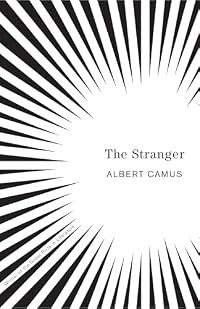
The Stranger
by Albert Camus
On This Page
Description
When a young Algerian named Meursault kills a man, his subsequent imprisonment and trial are puzzling and absurd. The apparently amoral Meursault--who puts little stock in ideas like love and God--seems to be on trial less for his murderous actions, and more for what the authorities believe is his deficient character.Tags
Recommendations




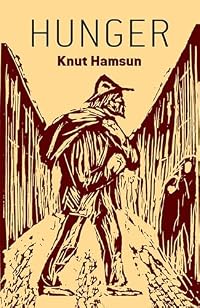
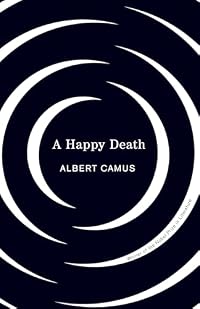

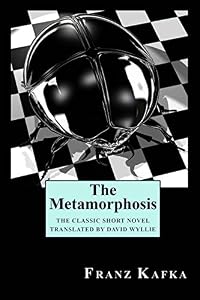

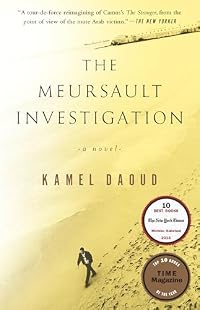










Member Recommendations
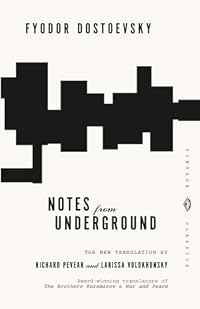
DLSmithies Two protagonists on trial without really understanding what they're being accused of - it's just a question of degree.
Also recommended by chrisharpe
381
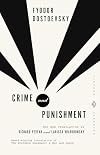
DLSmithies A compare-and-contrast exercise - Raskolnikov is all nervous energy and hypertension, whereas Meursault is detatched, calm, and won't pretend to feel remorse. Two masterpieces.
Also recommended by chrisharpe, edelpao
281
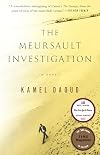
JuliaMaria Meursault ist der Protagonist in dem existentialistischen Roman "Der Fremde", auf den sich Daoud in seiner Gegendarstellung bezieht.
100
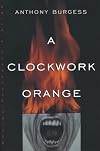
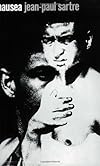
thorold Respectable bourgeois discovers absurdity of life and commits motiveless crime.
40
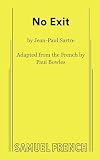
HollyMS I read both works in French class. Though Albert Camus denied being an existentialist, both L'Étranger (The Stranger) and Huis Clos (No Exit) have some common themes and are among some of the most important 20th century French works of literature.
62

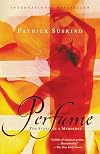
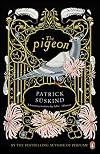
P_S_Patrick Short, deeply existentialist novels of literary character.
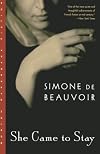
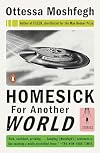
j_aroche If you ever feel like an alien in the wrong planet.
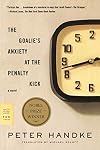
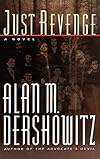
LCBrooks Complementary works that create a powerful foundation for a philosophical debate on revenge.
05

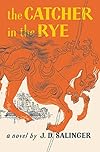
Sylak Similar in feel and with the same sense of futility throughout.
1018

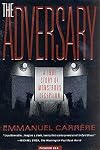
sparemethecensor Similar in style, theme, narration and execution. The Execution is a more modern version of the tale.
Member Reviews
I read Gide’s The Immoralist and The Stranger in succession while traveling, both in cheap dog-eared mass-market paperback editions (a particular tactile, olfactory experience in itself), and the pairing made me think of literary themes unfolding between the fin de siècle and WWII, Gide’s protagonist Michel guided by Eros (What is available to you in this modern world?), Camus’ Meursault trapped by Fate (This world has Nothing for you, monsieur). Camus’ unadorned prose is an effective antidote to wasted sentiment.
The only thing that interests me now is the problem of circumventing the machine, learning if the inevitable admits a loophole.
The only thing that interests me now is the problem of circumventing the machine, learning if the inevitable admits a loophole.
I admit part of this is me kneejerking against its reputation, although I genuinely didn't find much that made it worthwhile - it IS kind of interesting, although it's hard to understand the emphasis on "oh he doesn't react properly!" as opposed to him being a murderer and immediately joining in with a stranger's plot to violently assault a woman he's been pimping out. The narrator gives an affect of not caring but the enthusiasm with which he joins in with Raymond's violence is shocking - he refuses to help a long term neighbour find his dog, he refuses to care about his girlfriend's feelings, but a violent, racist pimp? Mersault is WAY up for that.
I suppose the like, deeper moral contrast is with Mersault killing a random Arab man show more supposedly because "it was hot" and the state killing him because he didn't properly fulfil his role as a French citizen. As someone pretty wholly opposed to the death penalty, there is something there. But it's hard to take the philosophising of Mersault seriously in the context that he did very much kill someone in cold blood, and if he had got away with it it would be because French settler society is horrifically racist.
I think there's a few interesting things to stew on but primarily Mersault is just like so many other racist, violent, misogynist men. I can imagine some of it was innovative at the time but similar ideas since make it seem shallow. There's something to be said for a portrait of an unpleasant man in a racist society but Camus doesn't really want to go into it. Frustrating book whose reputation surprises me. show less
I suppose the like, deeper moral contrast is with Mersault killing a random Arab man show more supposedly because "it was hot" and the state killing him because he didn't properly fulfil his role as a French citizen. As someone pretty wholly opposed to the death penalty, there is something there. But it's hard to take the philosophising of Mersault seriously in the context that he did very much kill someone in cold blood, and if he had got away with it it would be because French settler society is horrifically racist.
I think there's a few interesting things to stew on but primarily Mersault is just like so many other racist, violent, misogynist men. I can imagine some of it was innovative at the time but similar ideas since make it seem shallow. There's something to be said for a portrait of an unpleasant man in a racist society but Camus doesn't really want to go into it. Frustrating book whose reputation surprises me. show less
I did not like Camus’ The Stranger. But I immediately felt why it was a classic and important.
I read the book for the first time in one sitting while flying back from Chicago to Oakland. My good friend (Todd) just got married. Although written in 1946. Camus seems to capture the nihilism embraced so commonly in our generation today. There is a deep and profound felt meaninglessness in our lives and daily interactions. Regardless of what I do, we feel it does little to change the world.
Camus said that in The Stranger he explored “the nakedness of man faced with the absurd.”
He closes the book by saying, “As if that blind rage had washed me clean, rid me of hope; for the first time, in that night alive with signs and stars, I show more opened myself to the gentle indifference of the world.” Everyone dies. This is certain. Some believe with “certainty” of what happens after that death, but who knows. Such ignorance feels absurd. The likeliness that no one in 200 years will even know my name leaves me feeling uneasy. The Stranger wrestles with that feeling in narrative form. It is an important half-truth to life, one which we shrink from and deny.
Profoundly thought provoking. Needed engagement particularly from religious people who have everything figured out. Highly recommended. show less
I read the book for the first time in one sitting while flying back from Chicago to Oakland. My good friend (Todd) just got married. Although written in 1946. Camus seems to capture the nihilism embraced so commonly in our generation today. There is a deep and profound felt meaninglessness in our lives and daily interactions. Regardless of what I do, we feel it does little to change the world.
Camus said that in The Stranger he explored “the nakedness of man faced with the absurd.”
He closes the book by saying, “As if that blind rage had washed me clean, rid me of hope; for the first time, in that night alive with signs and stars, I show more opened myself to the gentle indifference of the world.” Everyone dies. This is certain. Some believe with “certainty” of what happens after that death, but who knows. Such ignorance feels absurd. The likeliness that no one in 200 years will even know my name leaves me feeling uneasy. The Stranger wrestles with that feeling in narrative form. It is an important half-truth to life, one which we shrink from and deny.
Profoundly thought provoking. Needed engagement particularly from religious people who have everything figured out. Highly recommended. show less
A novel that to me revolves around interpreting the couple of pages describing a murder, moreso than the lack of affect preceding it or following in the second trial half. Having just read The Postman Always Rings Twice made an interesting point of comparison as that book, while filled with much more passion and intensity, also revolves around an apathetic attitude to murder. While Cain ostensibly gives us more base motivations of greed and sex, it's still a book with no deeper answer to why than wanting to, especially as both motivations are stripped away with time. Which is to say, with minimal rewriting, The Stranger could well be a noir novel. What in one tone would be the futility of venal human desires and apathy to life, has been show more turned over and over as a story presenting the absurdity of existence. The distance between the two either moralizing or the expectation of the world making sense. The random capricious nature of humanity is either the gaping wound of society or a fact of life.
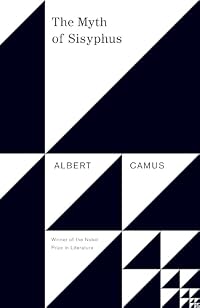
Must we imagine Sisyphus happy, or is he groaning in agony the entire time? show less
Must we imagine Sisyphus happy, or is he groaning in agony the entire time? show less
The Stranger is about Meursault, an unemotional, rational man who shoots and Arab on the beach. After the shooting, he stands trial and is sentenced to be executed by the guillotine. He spends the latter part of the novel dealing with his impending death, which is the heart of the novel. How do we deal with death, and how do we become free from our fear of death and living?
I loved The Stranger, but I shouldn’t have loved the stranger. As a Christian, I should have been appalled at Camus’s insistence, through the story of the condemned criminal Meursault, that life is meaningless and the world is absurd. Yet, I did love it. Regardless of religious beliefs, it is impossible to escape and fail to appreciate the rationality of Camus’s show more point. Regardless of when we die, we are all going to die eventually, and the world will go on without us. Our existence has no great purpose, and there is nothing to fear in death. Freedom comes from accepting these premises. While I may not agree with the underlying warrants in this viewpoint, it is difficult to disagree with these conclusions if you accept these warrants. For this reason, I loved the novel. Camus’s entire philosophy of the absurd was portrayed beautifully in an engaging story that was difficult to refute if one first accepts Camus’s underlying beliefs. show less
I loved The Stranger, but I shouldn’t have loved the stranger. As a Christian, I should have been appalled at Camus’s insistence, through the story of the condemned criminal Meursault, that life is meaningless and the world is absurd. Yet, I did love it. Regardless of religious beliefs, it is impossible to escape and fail to appreciate the rationality of Camus’s show more point. Regardless of when we die, we are all going to die eventually, and the world will go on without us. Our existence has no great purpose, and there is nothing to fear in death. Freedom comes from accepting these premises. While I may not agree with the underlying warrants in this viewpoint, it is difficult to disagree with these conclusions if you accept these warrants. For this reason, I loved the novel. Camus’s entire philosophy of the absurd was portrayed beautifully in an engaging story that was difficult to refute if one first accepts Camus’s underlying beliefs. show less
I was asked recently what this book is about. And I realized that's difficult to answer. What happens and what it's about aren't necessarily the same thing -- and in fact, I would probably argue that they are two distinct things in this case.
What happens is fairly simple. A man attends his mother's funeral, then kills an Arab, and is sentenced to death for it. In fact, what happens is so unvital to what the story is about, in my view, that I have no qualms with spoiling it outright. What the story is ABOUT, however, is more of... coming to grips with the indifference of the universe.
And that's what it comes down to, for me. Meursault is able to accept the absurdity of existence. Hopefully the reader will be able to as well. It's either show more that or run from it forever. show less
What happens is fairly simple. A man attends his mother's funeral, then kills an Arab, and is sentenced to death for it. In fact, what happens is so unvital to what the story is about, in my view, that I have no qualms with spoiling it outright. What the story is ABOUT, however, is more of... coming to grips with the indifference of the universe.
And that's what it comes down to, for me. Meursault is able to accept the absurdity of existence. Hopefully the reader will be able to as well. It's either show more that or run from it forever. show less
This is the story of a man who is living the life of the “absurd” as described by Camus in the Myth of Sisyphus. However, it is only his senseless and unintended murder of an Arab and his subsequent imprisonment and trial which bring him to a full appreciation of his life and how he has led it.
In the first part of the book, Meursault is shown as both separated from and indifferent to life. He does not cry at his mother’s funeral, he agrees to become the “copain” of his disreputable neighbor, Raymond Sintes, because he can think of no reason not to, and he assents to Marie’s desire to marry while recognizing that he does not actually love her. This indifference does not prevent him from living the ordinary day-to-day life show more and going through all the proper motions, including performing well in his job.
But then he shoots the Arab on the beach, and the best explanation he can make is that thirst and the heat of the sun caused him to do it. While in prison and in the course of his trial he begins to reflect more on his life. Rather than reject the life he has led, he becomes more aware of himself and embraces his life. Because he remains true to himself, he is ultimately condemned to death. He does not want to die but in his last days in prison he is at peace with himself and regrets nothing (other than that he had not learned more about executions).
Meursault is thus an example of the absurd man described in The Myth of Sisyphus. Almost instinctively, he recognizes that life is meaningless and that religion, love and ambition cannot change that reality. His patron offers him a promotion to work in Paris, but Meursault turns him down. He enjoys and needs his physical relationship with Marie but has no illusions about love or marriage bringing meaning to life. The chaplain in the prison (as well as the investigating judge and his lawyer) tries to bring him to God, but Meursault is unbudgeable in his atheism, nor will he express remorse for his mother’s death or regret for the death of the Arab.
The funeral of his mother is the first event of the book. But he comes back to his memories of her throughout the book until his final moments in prison. While he says that she cried to be put in the elder home (which is a long bus ride from Algiers), in most respects she seems to be the model for her son’s attitudes. He says that she too did not believe in God. She always said that one adapts to everything. (At first, prison was a punishment for him because of his cravings for women, the sea and cigarettes, but ceased to be so when he ceased to have the cravings.) Just like his mother took a fiancé at the end of her life, he also wants to continue to live.
He feels like an intruder at his own trial. He feels he is being tried for being indifferent to his mother. The prosecutor links the murder of the Arab to the burial of his mother. Meursault recognizes that death is inevitable, but it galls him to lose twenty years of life. At the end he does not feel despair but he has fear of death. Opening himself to the “tender indifference” of the world, he realizes he had been and still is happy. His last thought is that he hopes he will have a “grand” execution with many spectators who welcome him with cries of hate. show less
In the first part of the book, Meursault is shown as both separated from and indifferent to life. He does not cry at his mother’s funeral, he agrees to become the “copain” of his disreputable neighbor, Raymond Sintes, because he can think of no reason not to, and he assents to Marie’s desire to marry while recognizing that he does not actually love her. This indifference does not prevent him from living the ordinary day-to-day life show more and going through all the proper motions, including performing well in his job.
But then he shoots the Arab on the beach, and the best explanation he can make is that thirst and the heat of the sun caused him to do it. While in prison and in the course of his trial he begins to reflect more on his life. Rather than reject the life he has led, he becomes more aware of himself and embraces his life. Because he remains true to himself, he is ultimately condemned to death. He does not want to die but in his last days in prison he is at peace with himself and regrets nothing (other than that he had not learned more about executions).
Meursault is thus an example of the absurd man described in The Myth of Sisyphus. Almost instinctively, he recognizes that life is meaningless and that religion, love and ambition cannot change that reality. His patron offers him a promotion to work in Paris, but Meursault turns him down. He enjoys and needs his physical relationship with Marie but has no illusions about love or marriage bringing meaning to life. The chaplain in the prison (as well as the investigating judge and his lawyer) tries to bring him to God, but Meursault is unbudgeable in his atheism, nor will he express remorse for his mother’s death or regret for the death of the Arab.
The funeral of his mother is the first event of the book. But he comes back to his memories of her throughout the book until his final moments in prison. While he says that she cried to be put in the elder home (which is a long bus ride from Algiers), in most respects she seems to be the model for her son’s attitudes. He says that she too did not believe in God. She always said that one adapts to everything. (At first, prison was a punishment for him because of his cravings for women, the sea and cigarettes, but ceased to be so when he ceased to have the cravings.) Just like his mother took a fiancé at the end of her life, he also wants to continue to live.
He feels like an intruder at his own trial. He feels he is being tried for being indifferent to his mother. The prosecutor links the murder of the Arab to the burial of his mother. Meursault recognizes that death is inevitable, but it galls him to lose twenty years of life. At the end he does not feel despair but he has fear of death. Opening himself to the “tender indifference” of the world, he realizes he had been and still is happy. His last thought is that he hopes he will have a “grand” execution with many spectators who welcome him with cries of hate. show less
Members
- Recently Added By
Published Reviews
ThingScore 63
It is quite a trick to write of life & death, as Camus does, in terms of an almost total social and moral vacuum. He may get philosophical satisfaction from it. Most readers will call it philosophic doodling.
added by Shortride
"The Stranger,” a novel of crime and punishment by Albert Camus, published today, should touch off in this country a renewed burst of discussion about the young French writers who are at the moment making more unusual literary news than the writers of any other country.
added by jlelliott
Lists

The Guardian's 1000 Novels Everyone Must Read
1,005 works; 546 members

1001 Books You Must Read Before You Die
1,448 works; 1,132 members

Classics you know you should have read but probably haven't
421 works; 407 members
501 Must-Read Books
508 works; 71 members

Le Monde - Les 100 livres du siècle
121 works; 25 members
David Bowie's Top 100
97 works; 23 members

Philosophical Fiction
97 works; 27 members

Best of French Literature
138 works; 27 members

The 100 Best Books of All Time by Norwegian Book Club (World Library)
104 works; 23 members
20th Century Literature
1,161 works; 55 members
The Top Ten: Writers Pick Their Favorite Books
240 works; 31 members

Favourite Books
1,817 works; 316 members

Philip Ward's Lifetime Reading Plan
592 works; 22 members
New York Public Library's Books of the Century
120 works; 20 members
1940s
221 works; 25 members

100 books to read in a lifetime
102 works; 37 members

New York Public Library's Books of the Century - All
170 works; 14 members

Top Five Books of 2013
1,564 works; 722 members
Harold Bloom - The Western Canon: D. The Chaotic Age
833 works; 24 members
Nobel Price Winners
222 works; 20 members

Best Beach Reads
99 works; 61 members

Canon de la narrativa universal del siglo XX
254 works; 6 members
Folio Society
831 works; 53 members
Legal Stories
84 works; 12 members

Short and Sweet
243 works; 23 members
LibraryThingers' 1001 Books You Must Read Before You Die
442 works; 30 members

Books You Read During High School (For School)
301 works; 53 members

The Well-Educated Mind Reading Challenge
75 works; 7 members
Blue Pyramid 1,276 Best Books of All Time
1,248 works; 32 members

Top Five Books of 2014
1,064 works; 398 members

100 Most Recommended Works
100 works; 11 members
Fiction For Men
142 works; 11 members
1,001 BYMRBYD Concensus
723 works; 27 members

Books Read in 2014
2,341 works; 89 members

A Novel Cure
742 works; 23 members
Jones and Newman's Horror: Another 100 Best Books
100 works; 7 members
Lithub: 50 Great Classic Novels Under 200 pages
50 works; 10 members

Best Antiheroes and Antiheroines
119 works; 7 members

Best First Lines
133 works; 8 members

Dark Books for Winter Reading
71 works; 11 members
Books read by Charlie in "The Perks of Being a Wallflower"
12 works; 2 members

Top Five Books of 2019
387 works; 111 members

Books Read in 2016
4,666 works; 197 members
Books tagged favorites
390 works; 30 members

French Books
102 works; 15 members
Mensa for Kids Excellence in Reading Award Program (Grades 9-12)
116 works; 5 members
The Greatest Books
99 works; 5 members

Most Disturbing Books
124 works; 27 members

Allie's Favourite 150 Books
145 works; 3 members
Mensa for Kids Excellence in Reading Award Program (Grades 9-12)
116 works; 3 members
Existentialism
90 works; 11 members
100 World Classics
99 works; 15 members
The College Board: 101 Great Books Recommended for College-Bound Readers
111 works; 7 members

Amanda's Guaranteed Books
110 works; 5 members

Modernism
140 works; 8 members

Top 50 Favourite Books
50 works; 2 members
Fake Top 100 Fiction
81 works; 4 members
Wanted
2 works; 1 member

Find
10 works; 1 member

Authors from France
23 works; 2 members
Books Featured on Readers' Review of the Diane Rehm Show
161 works; 8 members

Recommended Philosophic Novels
26 works; 1 member
the law is an ass
20 works; 5 members

What are your favourite books?
121 works; 11 members

Well-Educated Mind
150 works; 3 members
David Bowie's List of Top 100 Books
94 works; 6 members

Literature which inspired Pop songs
85 works; 9 members

Best Horror Mega-List
342 works; 6 members

Literature in Translation
113 works; 5 members

99 Bücher, die man gelesen haben muss
37 works; 1 member
Best Books of the 20th Century
193 works; 5 members

Favourite Books by Male Authors
29 works; 2 members

Books Read in 2020
4,379 works; 124 members
Overdue Podcast
803 works; 9 members
First Novels
373 works; 17 members

100
56 works; 1 member

recalling favorites...
105 works; 2 members
My favourite books
96 works; 3 members

Books Set In Africa
81 works; 4 members
DELETE
48 works; 2 members

Books Read in 2022
5,164 works; 113 members
http://thegreatestbooks.org's Greatest Fiction Books
59 works; 1 member

Books About Murder
313 works; 7 members

Books Read in 2006
418 works; 8 members

Favourite Books
50 works; 1 member

Retrospective of 20th- and 21st-century literature
154 works; 1 member
Books in Riverdale
123 works; 3 members

Gen X Library
245 works; 4 members

Filosofía - Clásicos
217 works; 1 member
Books in English
14 works; 1 member

Recommended Reading : 600 Classics Reviewed, Editors of Salem Press, 2015
634 works; 6 members
Les 50 meilleurs livres de langue française de 1900 à aujourd’hui
69 works; 2 members
Canon de la narrativa universal del s. XX (cicutadry)
499 works; 3 members
The 150 Greatest Novels of All Time
150 works; 6 members

Books That Changed Our Perspective
423 works; 166 members

.
194 works; 2 members
DigitalDreamDoor top 300
300 works; 4 members
Widely acclaimed, one book per year
105 works; 3 members

Books We Love to Reread
688 works; 296 members
David Bowie’s Top 100 Favourite Reads
100 works; 3 members
Books We Want To Read Again For The First Time
384 works; 160 members

ClubLeabhar: Leabhar na Míosa
121 works; 1 member
School Made Us Read It
380 works; 196 members
Reading LIst
648 works; 1 member
.
396 works; 1 member

Books I have read
16 works; 1 member
el
1,139 works; 1 member

Take Four Books
131 works; 1 member
bound
100 works; 1 member
The Well-Educated Mind, Susan Wise Bauer, 2016
179 works; 3 members

AP Lit
363 works; 6 members
My wishlist
85 works; 1 member

BBC World Book Club
261 works; 5 members

Books Read in 2019
4,052 works; 110 members

Bibliografia essenziale
86 works; 2 members
Every book Aretha Garry reads
9 works; 1 member

Books Read in 2021
5,361 works; 114 members

Northern Exposure's Chris in the Morning Reading List
31 works; 1 member

Spotted on ABC Book Club
19 works; 1 member

Books translated from Romance Languages into English
102 works; 7 members

Books Read in 2012
815 works; 34 members
Fave Books
27 works; 1 member

Universtiy of Toronto - NMC473/2173H - Intellectuals of the Arab World
91 works; 2 members

The Art of Manliness' 100+ Books Every Man Should Read
108 works; 2 members

Global Reads: Books Set in the Middle East and North Africa
47 works; 7 members
Short Books to Read
14 works; 2 members

Best books I read in 2013
152 works; 3 members

Greatest Books, allegedly
484 works; 9 members

Books Referenced by Izetbegovic's Islam Between East and West
233 works; 2 members
Books With Our Favorite First Lines
168 works; 104 members
New Lifetime Reading Plan by Fadiman and Major
225 works; 5 members
Great Short Books: A Year of Reading-Briefly
59 works; 4 members
Junky Paperbacks
15 works; 1 member

100 knjiga
100 works; 1 member

Tagged by Tim or Meh!
91 works; 8 members
Five star books
1,755 works; 108 members

Unread books
1,063 works; 87 members
Talk Discussions
Past Discussions
Camus - The Stranger (aka Outsider) - discussion in Literary Centennials (March 2013)
Author Information

358+ Works 107,829 Members
Born in 1913 in Algeria, Albert Camus was a French novelist, dramatist, and essayist. He was deeply affected by the plight of the French during the Nazi occupation of World War II, who were subject to the military's arbitrary whims. He explored the existential human condition in such works as L'Etranger (The Outsider, 1942) and Le Mythe de Sisyphe show more (The Myth of Sisyphus, 1942), which propagated the philosophical notion of the "absurd" that was being given dramatic expression by other Theatre of the Absurd dramatists of the 1950s and 1960s. Camus also wrote a number of plays, including Caligula (1944). Much of his work was translated into English. He was awarded the Nobel Prize for Literature in 1957. Camus died in an automobile accident in 1960. (Bowker Author Biography) show less
All Editions
Some Editions
Awards and Honors
Series
Belongs to Publisher Series
Work Relationships
Is contained in
Fifty Years: Being a Retrospective Collection of Novels, Novellas, Tales, Drama, Poetry, and Reportage and Essays: All Drawn from Volumes Issued during the Last Half-Century by Alfred and Blanche Knopf by Clifton Fadiman
Has the adaptation
Is parodied in
Is replied to in
Has as a study
Has as a supplement
Has as a commentary on the text
Has as a student's study guide
Common Knowledge
- Canonical title
- The Stranger
- Original title
- L'Étranger
- Alternate titles
- The Outsider
- Original publication date
- 1942-05-19
- People/Characters
- Mme Meursault; Raymond Sintès; The Arab; Thomas Pérez; Marie Cardona; Salamano (show all 18); Masson; Céleste; The Chaplain; Meursault; The Caretaker; The Nurse; The Director; Emmanuel; Mme Masson; The Lawyer; The Judge; The Prosecutor
- Important places
- Algiers, Algeria; Marengo, Algeria; Algeria
- Related movies
- Lo straniero (1967 | IMDb); Yazgı (2001 | IMDb)
- Dedication*
- to Karel Wahrsager
(translator's dedication) - First words
- Mother died today. (Stuart Gilbert translation)
Maman died today. (Matthew Ward translation)
Aujourd'hui, maman est morte. Ou peut-être hier, je ne sais pas.
My mother died today. (Sandra Smith translation) - Quotations
- And I, too, felt ready to start life all over again. It was if that great rush of anger had washed me clean, emptied me of hope, and, gazing up at the dark sky spangled with its signs and stars, for the first time, the first,... (show all) I laid my heart open to the benign indifference of the universe. To feel it so like myself, indeed, so brotherly, made me realize that I'd been happy, and that I was happy still.
- Last words
- (Click to show. Warning: May contain spoilers.)For everything to be consummated, for me to feel less alone, I had only to wish that there be a large crowd of spectators the day of my execution and that they greet me with cries of hate.
- Publisher's editor
- Jones, Judith; Bruézière, Maurice
- Blurbers
- Boyd, William
- Original language
- French
- Canonical DDC/MDS
- 843.914
- Canonical LCC
- PQ2605.A3734
*Some information comes from Common Knowledge in other languages. Click "Edit" for more information.
Classifications
- Genres
- General Fiction, Fiction and Literature
- DDC/MDS
- 843.914 — Literature & rhetoric French & related literatures French fiction 1900- 20th Century 1945-1999
- LCC
- PQ2605 .A3734 — Language and Literature French, Italian, Spanish and Portuguese literatures French literature Modern literature 1900-1960
- BISAC
Statistics
- Members
- 40,640
- Popularity
- 71
- Reviews
- 575
- Rating
- (3.94)
- Languages
- 41 — Afrikaans, Arabic, Basque, Bosnian, Catalan, Chinese, Czech, Danish, Dutch, English, Esperanto, Estonian, Finnish, French, German, Irish, Greek, Hebrew, Hungarian, Icelandic, Italian, Japanese, Korean, Kurdish, Lithuanian, Maltese, Norwegian (Bokmål), Norwegian, Occitan (post-1500), Farsi/Persian, Polish, Romanian, Russian, Serbian, Croatian, Slovak, Slovenian, Spanish, Swedish, Turkish, Portuguese (Brazil)
- Media
- Paper, Audiobook, Ebook
- ISBNs
- 412
- UPCs
- 6
- ASINs
- 276