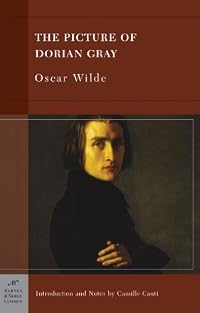
The Picture of Dorian Gray
by Oscar Wilde 
On This Page
Description
An exquisitely beautiful young man in Victorian England retains his youthful and innocent appearance over the years while his portrait reflects both his age and evil soul as he pursues a life of decadence and corruption.Tags
Recommendations
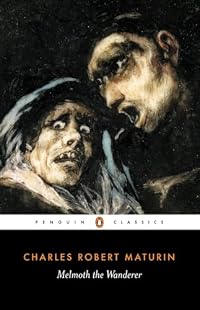

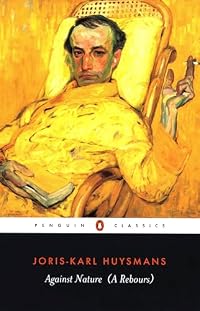

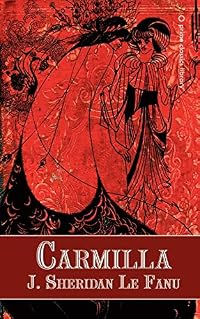
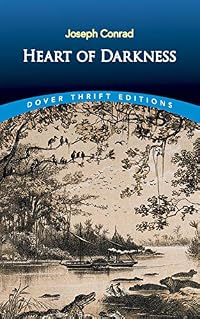
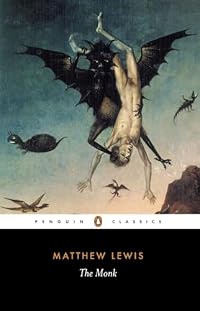
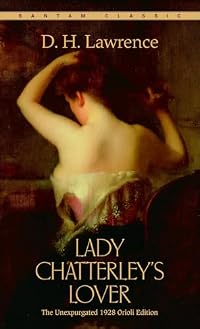
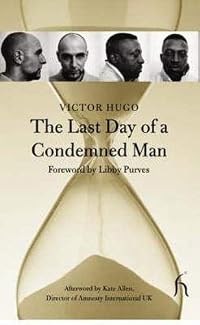

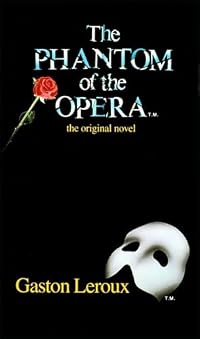
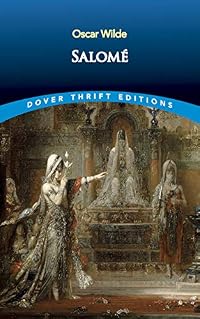
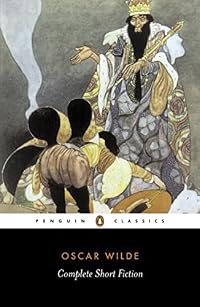
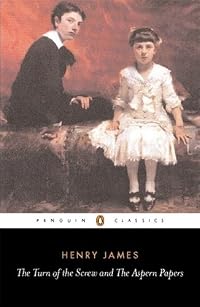

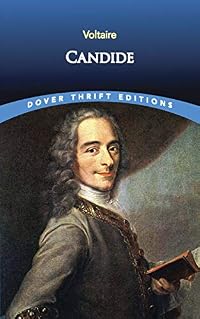
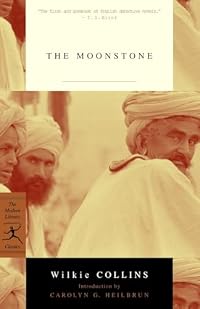
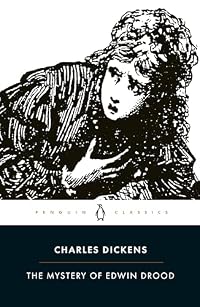
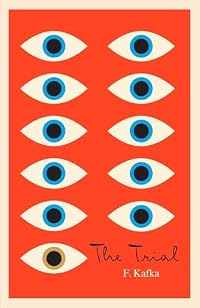
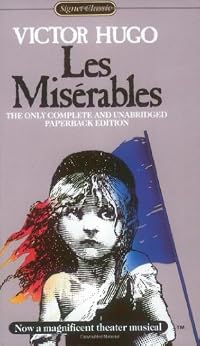
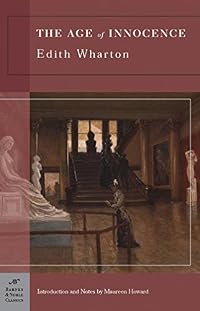
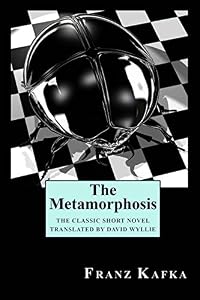
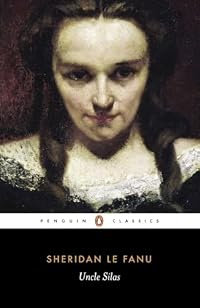

Member Recommendations
sturlington Read Oscar Wilde at his finest.
Morteana Dorian Grey is Wilde in his darkest of moods, but Earnest is one of his lightest.
210
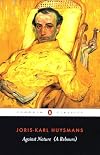
JuliaMaria Wie in Wikipedia zu 'Gegen den Strich' beschrieben: "Ein französischer Roman, der den Protagonisten in Oscar Wildes Roman Das Bildnis des Dorian Gray zu dekadenten Ausschweifungen inspiriert, wird häufig als Anspielung auf À rebours gedeutet. Wilde war - wie auch Stéphane Mallarmé - ein Bewunderer des Romans."
80
unknown_zoso05 McKenna touches upon what influenced Wilde to write "The Picture of Dorian Gray".
40
veracity Belford discusses both editions of Dorian Gray.
41

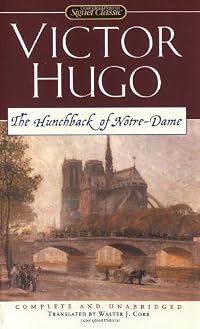
Lapsus_Linguae Both novels use fantastic elements and focus on the depiction of moral degradation of the main heroes.
11


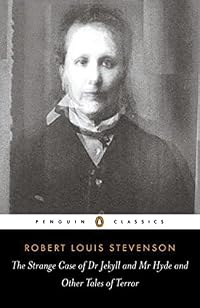
lucyknows Heart of Darkness could be paired with Oscar Wilde's The Picture of Dorian Gray or the strange Case of Dr Jekyll and Mr Hyse by Robert Louis Stevenson. In all three novels the authors depict the struggle of people against the forces of evil.
58

Member Reviews
On mornings like this, where the Walla Walla sky looks like it’s been smudged with the world’s most complete palate of gray, I like to curl up with a book that reminds me I’m not nearly as messed up as fictional people can be. The Picture of Dorian Gray, Oscar Wilde’s poisonous love letter to vanity, moral decay, and the dangerous idea that mirrors should mind their own business.
Dorian is that guy who starts out looking like he’s just stepped out of a cologne ad, all cheekbones and promise, and ends up proving that eternal youth is best left to dermatologists and plastic surgeons. Meanwhile, his portrait does all the heavy lifting, aging harder than a rock star on a 50th anniversary farewell tour.
Wilde knew secrets of show more humanity's vanity like a serious therapist and knew exactly when to stick the blade in. Every line is like a straight razor, every aphorism full of truth and venom. The man didn’t waste words.
What I love most is how Dorian Gray asks a question we’re too afraid to say out loud: If we could hide all our sins somewhere out of sight, behind a locked door, under a coat of varnish, would we behave any better? Spoiler: humanity doesn’t fare well in that hypothetical. We can barely be trusted with smartphones.
This isn’t just a novel. It’s a moral Rorschach test dipped in decadence. You don’t read it. You inhale it, choke a bit, and feel weirdly grateful for the experience. Like drinking absinthe in a room where the wallpaper is judging you. And it sticks with you like a mouth full of peanut butter - thick, persistent, and impossible to swallow without making strange faces.
If your mood or soul currently leans toward gray-scale introspection, pour yourself something warming (I recommend a highland Scotch), settle in, and let Wilde remind you that the real monsters aren’t in the portrait—they’re the parts of ourselves we hope no one sees. I only gave this 4 stars because the damned story won't leave me alone, even years later. show less
Dorian is that guy who starts out looking like he’s just stepped out of a cologne ad, all cheekbones and promise, and ends up proving that eternal youth is best left to dermatologists and plastic surgeons. Meanwhile, his portrait does all the heavy lifting, aging harder than a rock star on a 50th anniversary farewell tour.
Wilde knew secrets of show more humanity's vanity like a serious therapist and knew exactly when to stick the blade in. Every line is like a straight razor, every aphorism full of truth and venom. The man didn’t waste words.
What I love most is how Dorian Gray asks a question we’re too afraid to say out loud: If we could hide all our sins somewhere out of sight, behind a locked door, under a coat of varnish, would we behave any better? Spoiler: humanity doesn’t fare well in that hypothetical. We can barely be trusted with smartphones.
This isn’t just a novel. It’s a moral Rorschach test dipped in decadence. You don’t read it. You inhale it, choke a bit, and feel weirdly grateful for the experience. Like drinking absinthe in a room where the wallpaper is judging you. And it sticks with you like a mouth full of peanut butter - thick, persistent, and impossible to swallow without making strange faces.
If your mood or soul currently leans toward gray-scale introspection, pour yourself something warming (I recommend a highland Scotch), settle in, and let Wilde remind you that the real monsters aren’t in the portrait—they’re the parts of ourselves we hope no one sees. I only gave this 4 stars because the damned story won't leave me alone, even years later. show less
Oscar Wilde at his best, full of wit and wisdom and quotability.
Are we all Dorian Gray...in danger of having our better natures devoured by our darker sides? Perhaps. But doesn't Gray choose to be who he is? In fact, isn't he given every advantage and every virtue. Is he redeemed in the end? I think not, but you may differ.
When we first see Dorian Gray, we are told he is shy and innocent, a blank space on which Lord Henry hastens to write. Perhaps this is too simple and Dorian is already carrying the seeds of his demise in the beauty of his face. What I love the most about this story is that it is timeless. It is set in Victorian England and in a world that we chose to think had a much different set of moral laws and thus different show more problems. To the contrary, I think you need look no further than modern day Hollywood to find prime examples of Dorian Grays. People who decide outer beauty is not only sufficient to exceed character, but also that their charms and talents entitle them to live as hedonistically as they wish. Like Dorian they believe that they can live life in any fashion they choose without paying any consequence, and too late find that the life they have lived brings them no satisfaction and requires payment of a kind they had never anticipated.
When Dorian begins to realize how terrible he has become, he attempts to blame anyone but himself. It is Harry’s fault for his influence, it is Basil’s fault for painting the portrait in the first place, it is Sibyl’s fault for acting badly and disappointing him, or it is “the book”. It is the fault of society. It is anyone but Dorian. “When we blame ourselves, we feel that no one else has a right to blame us. It is the confession, not the priest, that gives us absolution. When Dorian had finished the letter, he felt that he had been forgiven.” Dorian playing psychological games with himself?
Despite his protests, Dorian finds he can hide his true self from his peers, but he cannot hide from his conscience, which is what the portrait has become in the end. Even in his attempt at reform, which comes too little and too late, Dorian must admit that he is insincere. He is acting, phoning it in, trying it on for size. “Had there been nothing more in his renunciation than that?...No. There had been nothing more. Through vanity he had spared her. In hypocrisy he had worn the mask of goodness. For curiosity’s sake he had tried the denial of self. He recognized that now.”
Dorian is so obviously shallow and a mockery of innocence, and he is contrasted almost immediately with Sibyl, who is a true innocent. For Sibyl, who loves deeply and completely, her true love makes the acting of love impossible. For Dorian, who cannot feel the depth of any emotion, the play's the thing without which his love dies.
Wilde, himself, is buried in and exposed by this novel. “Every portrait that is painted with feeling is a portrait of the artist, not of the sitter. The sitter is merely the accident, the occasion. It is not he who is revealed by the painter; it is rather the painter, who, on the coloured canvas reveals himself.” Wilde is well aware that he cannot write such a tale without putting too much of himself into its heart. He can be found in each of the major players: Dorian, Henry and Basil. Who is better than Wilde at giving us quips that resonate and wisdoms veiled in witticisms? Can one doubt that personal experience brings Wilde to “The only way to get rid of a temptation is to yield to it. Resist it, and your soul grows sick with longing for the things it has forbidden to itself, with desire for what its monstrous laws have made monstrous and unlawful.” Is this not the personal struggle of every soul? Things we do not desire are easy to eschew, it is those temptations that we truly wish for that test our morals and fortitude.
Basil is constantly saying that Lord Henry does not believe what he says. “You never say a moral thing and you never do a wrong thing. Your cynicism is simply a pose.” I imagine to a large extent that is so, but Dorian believes what Lord Henry says, which makes it poison. In the end, Dorian becomes to other young men what Lord Henry has been to him--a bad influence. Yet, Dorian knows the danger of Henry’s influence and realizes that Basil is the better man. He also sees the truth, that he is himself the source of his most dangerous poisons. “Basil would have helped him to resist Lord Henry’s influence, and the still more poisonous influences that came from his own temperament.”
Basil says, “Sin is a thing that writes itself across a man’s face. It cannot be concealed.” But, Basil has given Dorian the method to conceal his sins from his face and this lack of visual evidence has heightened his recklessness and hedonism. Anyone who knows Dorian well, however, knows that his face belies his character. People shun him, they leave rooms when he enters, they are only duped if they do not know him or if they persist, like Basil, to disbelieve what they know. After all, Basil chronicles Dorian’s sins. “Why is your friendship so fatal to young men? There was that wretched boy in the Guards who committed suicide. You were his great friend. There was Sir Henry Ashton, who had to leave England with a tarnished name…You have not been fine. One has a right to judge of a man by the effect he has over his friends. Yours seem to lose all sense of honour, of goodness, of purity.”
After he kills Basil, Dorian cannot escape the knowing. He says to Basil, “Each of us has heaven and hell in him, Basil.” He says it with “despair”. Dorian knows for certain that whatever heaven he had in him has been buried and consumed by the hell that is there. From that moment forward, the truth assaults him wherever he goes. Even in the opium den he comes upon Adrian Singleton and wonders “if the ruin of that young life was really to be laid at his door…” Dorian has failed at his attempt to hide his decadence and vileness from the only person who truly matters, himself.
Perhaps the question at the heart of Dorian’s tale is contained here: “There are moments, psychologists tell us, when the passion for sin, or for what the world calls sin, so dominates a nature that every fibre of the body, as every cell of the brain, seems to be instinct with fearful impulses. Men and women at such moments lose the freedom of their will. They move to their terrible end as automatons move. Choice is taken from them, and conscience is either killed, or, if it lives at all, lives but to give rebellion its fascination and disobedience its charm. For all sins, as theologians weary not of reminding us, are sins of disobedience. When that high spirit, that morning star of evil, fell from heaven, it was as a rebel that he fell.” What is sin? Do we have choice and if we elect to follow impulse instead are we doomed? Can we lose the “freedom of our will” and if we do are we then responsible for our depravity? And, if we kill conscience, can we hope to escape the most horrible of reckonings? Wilde seems to me to be grappling with the same kinds of high questions that Dante and Milton and Goethe faced and that perhaps every man must face emotionally if not intellectually.
Why is Dorian never made to answer to man for his sin? He is able to cover the murder of Basil and in the process destroys Campbell; James Vane, who might have required an answering from him is killed in the fortuitous hunting accident. All of those who know of Dorian’s evil and corruption find themselves in no position to expose him, and Basil, who is the only character who breaches the subject to Dorian himself, dies for his efforts. It should be noted that Basil’s purpose in confronting Dorian is wholly to save Dorian from the evil that has overtaken him.
In the end, Dorian dies unrepentant. “Nor, indeed was it the death of Basil Hallward that weighed upon his mind. It was the living death of his own soul that troubled him.” Dorian’s thoughts are always and ever for Dorian. His decision to destroy the painting is just another step in the journey he has already undertaken. “It had been like conscience to him. Yes, it had been conscience. He would destroy it.” He wants nothing but to rid himself of the portrait as a reminder of his conduct and the condition of his soul. But, we cannot separate ourselves from our souls, as it is the soul that is the true reflection of who we are, so if the portrait must die, Dorian must die, and in the end all is revealed in the corpse that he leaves for the world to see. show less
Are we all Dorian Gray...in danger of having our better natures devoured by our darker sides? Perhaps. But doesn't Gray choose to be who he is? In fact, isn't he given every advantage and every virtue. Is he redeemed in the end? I think not, but you may differ.
When Dorian begins to realize how terrible he has become, he attempts to blame anyone but himself. It is Harry’s fault for his influence, it is Basil’s fault for painting the portrait in the first place, it is Sibyl’s fault for acting badly and disappointing him, or it is “the book”. It is the fault of society. It is anyone but Dorian. “When we blame ourselves, we feel that no one else has a right to blame us. It is the confession, not the priest, that gives us absolution. When Dorian had finished the letter, he felt that he had been forgiven.” Dorian playing psychological games with himself?
Despite his protests, Dorian finds he can hide his true self from his peers, but he cannot hide from his conscience, which is what the portrait has become in the end. Even in his attempt at reform, which comes too little and too late, Dorian must admit that he is insincere. He is acting, phoning it in, trying it on for size. “Had there been nothing more in his renunciation than that?...No. There had been nothing more. Through vanity he had spared her. In hypocrisy he had worn the mask of goodness. For curiosity’s sake he had tried the denial of self. He recognized that now.”
Dorian is so obviously shallow and a mockery of innocence, and he is contrasted almost immediately with Sibyl, who is a true innocent. For Sibyl, who loves deeply and completely, her true love makes the acting of love impossible. For Dorian, who cannot feel the depth of any emotion, the play's the thing without which his love dies.
Wilde, himself, is buried in and exposed by this novel. “Every portrait that is painted with feeling is a portrait of the artist, not of the sitter. The sitter is merely the accident, the occasion. It is not he who is revealed by the painter; it is rather the painter, who, on the coloured canvas reveals himself.” Wilde is well aware that he cannot write such a tale without putting too much of himself into its heart. He can be found in each of the major players: Dorian, Henry and Basil. Who is better than Wilde at giving us quips that resonate and wisdoms veiled in witticisms? Can one doubt that personal experience brings Wilde to “The only way to get rid of a temptation is to yield to it. Resist it, and your soul grows sick with longing for the things it has forbidden to itself, with desire for what its monstrous laws have made monstrous and unlawful.” Is this not the personal struggle of every soul? Things we do not desire are easy to eschew, it is those temptations that we truly wish for that test our morals and fortitude.
Basil is constantly saying that Lord Henry does not believe what he says. “You never say a moral thing and you never do a wrong thing. Your cynicism is simply a pose.” I imagine to a large extent that is so, but Dorian believes what Lord Henry says, which makes it poison. In the end, Dorian becomes to other young men what Lord Henry has been to him--a bad influence. Yet, Dorian knows the danger of Henry’s influence and realizes that Basil is the better man. He also sees the truth, that he is himself the source of his most dangerous poisons. “Basil would have helped him to resist Lord Henry’s influence, and the still more poisonous influences that came from his own temperament.”
Basil says, “Sin is a thing that writes itself across a man’s face. It cannot be concealed.” But, Basil has given Dorian the method to conceal his sins from his face and this lack of visual evidence has heightened his recklessness and hedonism. Anyone who knows Dorian well, however, knows that his face belies his character. People shun him, they leave rooms when he enters, they are only duped if they do not know him or if they persist, like Basil, to disbelieve what they know. After all, Basil chronicles Dorian’s sins. “Why is your friendship so fatal to young men? There was that wretched boy in the Guards who committed suicide. You were his great friend. There was Sir Henry Ashton, who had to leave England with a tarnished name…You have not been fine. One has a right to judge of a man by the effect he has over his friends. Yours seem to lose all sense of honour, of goodness, of purity.”
After he kills Basil, Dorian cannot escape the knowing. He says to Basil, “Each of us has heaven and hell in him, Basil.” He says it with “despair”. Dorian knows for certain that whatever heaven he had in him has been buried and consumed by the hell that is there. From that moment forward, the truth assaults him wherever he goes. Even in the opium den he comes upon Adrian Singleton and wonders “if the ruin of that young life was really to be laid at his door…” Dorian has failed at his attempt to hide his decadence and vileness from the only person who truly matters, himself.
Perhaps the question at the heart of Dorian’s tale is contained here: “There are moments, psychologists tell us, when the passion for sin, or for what the world calls sin, so dominates a nature that every fibre of the body, as every cell of the brain, seems to be instinct with fearful impulses. Men and women at such moments lose the freedom of their will. They move to their terrible end as automatons move. Choice is taken from them, and conscience is either killed, or, if it lives at all, lives but to give rebellion its fascination and disobedience its charm. For all sins, as theologians weary not of reminding us, are sins of disobedience. When that high spirit, that morning star of evil, fell from heaven, it was as a rebel that he fell.” What is sin? Do we have choice and if we elect to follow impulse instead are we doomed? Can we lose the “freedom of our will” and if we do are we then responsible for our depravity? And, if we kill conscience, can we hope to escape the most horrible of reckonings? Wilde seems to me to be grappling with the same kinds of high questions that Dante and Milton and Goethe faced and that perhaps every man must face emotionally if not intellectually.
Why is Dorian never made to answer to man for his sin? He is able to cover the murder of Basil and in the process destroys Campbell; James Vane, who might have required an answering from him is killed in the fortuitous hunting accident. All of those who know of Dorian’s evil and corruption find themselves in no position to expose him, and Basil, who is the only character who breaches the subject to Dorian himself, dies for his efforts. It should be noted that Basil’s purpose in confronting Dorian is wholly to save Dorian from the evil that has overtaken him.
In the end, Dorian dies unrepentant. “Nor, indeed was it the death of Basil Hallward that weighed upon his mind. It was the living death of his own soul that troubled him.” Dorian’s thoughts are always and ever for Dorian. His decision to destroy the painting is just another step in the journey he has already undertaken. “It had been like conscience to him. Yes, it had been conscience. He would destroy it.” He wants nothing but to rid himself of the portrait as a reminder of his conduct and the condition of his soul. But, we cannot separate ourselves from our souls, as it is the soul that is the true reflection of who we are, so if the portrait must die, Dorian must die, and in the end all is revealed in the corpse that he leaves for the world to see.
This is the ultimate novel of the Aesthetic Movement in England, written by the forerunner of said Movement, Oscar Wilde. Perhaps due to a natural affection for beauty--and perhaps due to the influence of certain English teachers (and their encouraging ISP flattery)--this book is one of my very favourites.
It tells the story of a beautiful young man who is willing to give up his soul so that he will never age himself. His portrait ages in his stead, displaying all the sin and cruelty of his life as it progresses while he looks never a day older than when it was painted.
It's a beautiful, Gothic piece, and is full of Wilde's typical witticisms, as well as his philosophies on the importance of beauty. Though at it's time it was scandalous show more and immoral, I believe that, if anything, Wilde displays that he fully understands the importance of a beautiful soul along with a beautiful face. Though we assume Lord Henry to be Wilde's voice throughout the novel, exalting Dorian's beauty and youth, it is important not to confuse the author with his characters or his work (a view Wilde always maintained throughout his life). After all, if Wilde truly did not care for the soul, would Dorian be punished in the end? Would he bother to make the portrait become ugly? The poetic justice in this book just doesn't match up with the brand of immorality. Wilde has displayed in this work, and in others, that though he may make charming, flippant, "immoral" statements all the time, below it he has a deep understanding of good and bad, and he employs them in his craft so cunningly that it frightened the Victorian audience. show less
It tells the story of a beautiful young man who is willing to give up his soul so that he will never age himself. His portrait ages in his stead, displaying all the sin and cruelty of his life as it progresses while he looks never a day older than when it was painted.
It's a beautiful, Gothic piece, and is full of Wilde's typical witticisms, as well as his philosophies on the importance of beauty. Though at it's time it was scandalous show more and immoral, I believe that, if anything, Wilde displays that he fully understands the importance of a beautiful soul along with a beautiful face. Though we assume Lord Henry to be Wilde's voice throughout the novel, exalting Dorian's beauty and youth, it is important not to confuse the author with his characters or his work (a view Wilde always maintained throughout his life). After all, if Wilde truly did not care for the soul, would Dorian be punished in the end? Would he bother to make the portrait become ugly? The poetic justice in this book just doesn't match up with the brand of immorality. Wilde has displayed in this work, and in others, that though he may make charming, flippant, "immoral" statements all the time, below it he has a deep understanding of good and bad, and he employs them in his craft so cunningly that it frightened the Victorian audience. show less
This is not a plot-driven book. Most of Dorian’s story takes place “off-screen”, and the words of the book describe a few crucial incidents, but devote a lot more time to dialogue and description. This is also not a character-driven novel. Most of the characters are one-dimensional and betray no development: Lord Henry, the society fixture, is always witty, flippant and faux-profound; Basil, the relcusive painter, is always convention and earnest in his attitudes (surely there is irony that the recluse is so conventional and the society man is so unconventional). Other, minor characters, merely exist for the purposes of these three main characters. Only Dorian Grey himself develops: the famous plot device (another irony) of inward show more moral corruption betrayed in his portrait, while outwardly he appears always young and umblemished—morally as well as physically. Yet one might question the depth of Grey’s character development after his initial corruption/awakening, and what, if anything, he has learned by the end of the novel.
The real star of the book is Wilde’s sparkling prose. Lord Henry is Wilde’s mouthpiece, throwing out paradoxical bons mots faster than they can absorbed. I can never decide how to take Wilde: is his witty flippancy profound, or is this apparent profundity really a smokecreen for a wit in search of a good line? He was certainly clever and intelligent, so he was bound to say something profound every now and again.
It is fascinating to set the book in its social context. It is certainly daring for its time. Basil, who so represents the conventional morality and sentimentality of his time, is mocked and contradicted by Lord Henry/Wilde at every turn. The book seems to be a powerfu satire of the social conventions and hypocrisy of late Victorian Britain. However, as this is probably the main force of the novel, its appeal has perhaps aged and faded as society has changed. This is shown particuarly by Wilde’s silence regarding Dorian’s depraved ways. Presumably they involve various sexual dalliances with various adults—not always, perhaps, fully consenting— seducing or manipulating others into such a lifestyle, plus a fair amount of drugs ‘n’ booze. Nowadays, it sounds like the goings-on of various celebrities who are by no means disgraced. A more jaded age may wonder what all the fuss is about. Dorian’s picture now needs to be on the cover of Who Weekly, not hidden in some attic.
Reading the novel, I also could not escape the parallels with Wilde’s own life. As said above, Lord Henry represents Wilde’s wit. Basil’s love for Dorian also seems to parallel Wilde’s infatuation with younger men such as Lord Alfred Douglas. I am not surprised that the homosexual overtones raised many Victorian eyebrows. Basil’s bad end is, then, ironic, given the way that Wilde was undone by his involvement with Bosie (and Bosie’s abandonment of Wilde). Dorian also represents, perhaps, Wilde’s own persona: outwardly the successful auter and society wit, while secretly indulging other urges.
The portrait itself is an enigma. On one level it appears to be a rather conventional device, representing the judgement of traditional morality on Dorian’s inner corruption. Perhaps Wilde was, ultimately, a man of his time? Or perhaps the portrait is turning the moral mirror of accepted morality back upon the corruption of the late Victorian upper classes? If Dorian Grey represents the wrongs of Wilde’s society—outwardly respectable, while inwardly corrupt—then perhaps the portrait is the inner corruption of which his society was so terrified? Or, maybe more consistently with what Wilde says, it is not the sins that warp the inner soul, but social attitudes towards them?
Despite, perhaps, Wilde’s intentions, it is clear that Dorian’s corruption cannot be swept away by a change of social attitudes towards them. He is unable to maintain Lord Henry’s distance while heeding Lord Henry’s advice. This is the paradoxical crux of the novel. Society needs gadlfys like Wilde to mock at its absurdities, but needs more substance to correct them. show less
The real star of the book is Wilde’s sparkling prose. Lord Henry is Wilde’s mouthpiece, throwing out paradoxical bons mots faster than they can absorbed. I can never decide how to take Wilde: is his witty flippancy profound, or is this apparent profundity really a smokecreen for a wit in search of a good line? He was certainly clever and intelligent, so he was bound to say something profound every now and again.
It is fascinating to set the book in its social context. It is certainly daring for its time. Basil, who so represents the conventional morality and sentimentality of his time, is mocked and contradicted by Lord Henry/Wilde at every turn. The book seems to be a powerfu satire of the social conventions and hypocrisy of late Victorian Britain. However, as this is probably the main force of the novel, its appeal has perhaps aged and faded as society has changed. This is shown particuarly by Wilde’s silence regarding Dorian’s depraved ways. Presumably they involve various sexual dalliances with various adults—not always, perhaps, fully consenting— seducing or manipulating others into such a lifestyle, plus a fair amount of drugs ‘n’ booze. Nowadays, it sounds like the goings-on of various celebrities who are by no means disgraced. A more jaded age may wonder what all the fuss is about. Dorian’s picture now needs to be on the cover of Who Weekly, not hidden in some attic.
Reading the novel, I also could not escape the parallels with Wilde’s own life. As said above, Lord Henry represents Wilde’s wit. Basil’s love for Dorian also seems to parallel Wilde’s infatuation with younger men such as Lord Alfred Douglas. I am not surprised that the homosexual overtones raised many Victorian eyebrows. Basil’s bad end is, then, ironic, given the way that Wilde was undone by his involvement with Bosie (and Bosie’s abandonment of Wilde). Dorian also represents, perhaps, Wilde’s own persona: outwardly the successful auter and society wit, while secretly indulging other urges.
The portrait itself is an enigma. On one level it appears to be a rather conventional device, representing the judgement of traditional morality on Dorian’s inner corruption. Perhaps Wilde was, ultimately, a man of his time? Or perhaps the portrait is turning the moral mirror of accepted morality back upon the corruption of the late Victorian upper classes? If Dorian Grey represents the wrongs of Wilde’s society—outwardly respectable, while inwardly corrupt—then perhaps the portrait is the inner corruption of which his society was so terrified? Or, maybe more consistently with what Wilde says, it is not the sins that warp the inner soul, but social attitudes towards them?
Despite, perhaps, Wilde’s intentions, it is clear that Dorian’s corruption cannot be swept away by a change of social attitudes towards them. He is unable to maintain Lord Henry’s distance while heeding Lord Henry’s advice. This is the paradoxical crux of the novel. Society needs gadlfys like Wilde to mock at its absurdities, but needs more substance to correct them. show less
A wonderfully sensational and unique work. Though obviously Victorian with regards to characters and setting, but the influence of French Symbolism is very easy to see. Huysmans' novel A rebours features as a prominent motif in the book. It is no stretch to claim to claim that Dorian Gray is a Faustian character, whilst the hedonistic Lord Henry represents a model of Huysmans' own Des Esseintes as a sort of Mephistopheles who coaxes Dorian towards his doom. Looking at the premise of the work alone, it could have just as well been a cheap thriller devoid of complexity, but Wilde imbues the work with no small amount of literary references and witty dialogue. There is also no shortage of criticism against the English upper class, and the show more homoerotic symbolism oozes from every other page. A spectacular and rich novel that excites the mind just as much as any Hitchcock film, and at the same time causes the reader to think deeply about its many themes. show less
Another one I hadn't read since the '70s, and I wondered whether it might have aged badly, but no, like the picture itself, this is one book that has stayed as fresh and young as when it was created.
Wilde's way with an aphorism is brilliant, and not just Dorian, but Sir Henry Wooton in particular are fully rounded characters, and perfect foils for Wilde's wit and almost casual brilliance.
I wondered whether the movie representations would change the book for me, but all they have done is remind me how little of Wilde's inimitable style has ever transferred to the big screen.
Beautifully written, sharp and incisive and strangely grotesque in places, I was immersed for the duration. A true classic.
Wilde's way with an aphorism is brilliant, and not just Dorian, but Sir Henry Wooton in particular are fully rounded characters, and perfect foils for Wilde's wit and almost casual brilliance.
I wondered whether the movie representations would change the book for me, but all they have done is remind me how little of Wilde's inimitable style has ever transferred to the big screen.
Beautifully written, sharp and incisive and strangely grotesque in places, I was immersed for the duration. A true classic.
5 / 5
i RARELY give a book five stars. five stars is what a book gets when i genuinely don’t think it could be improved upon. THE PICTURE OF DORIAN GRAY is absolutely hAUNTING dude. heavy handed and moralizing, sure, but also a really in depth examination of the human psyche.
dorian gray starts as innocent, young, untouched by the world, and he devolves thoroughly as the story progresses. he traded his soul, his goodness, for eternal beauty, only to discover that beauty alone cannot save a man from destruction.
what is most interesting to me is Lord Henry. he introduces dorian to the damaging idea that experience, hedonism, and beauty are all that matter in the world - opulence, wealth, delaying pain. Lord Henry literally encourages show more dorian to not engage with his feelings of grief and guilt - he’s the ever-philosophizing devil on dorian’s shoulder, always with an agenda and always exercising his influence. so how is it that dorian is the one that turns monstrous?
when i started this book, i thought i would be reading something gay - and sure; this book is gay as hell. but it’s way more of a horror novel than i expected. when you look at who is punished, it becomes clear that the only one who escapes tragedy is Lord Henry. how can that be? why does he debauch and defile himself without consequence? food for thought.
i can think of many aesthetes that would disagree with OSCAR WILDE on this one. beauty, the pursuit of perfect aesthetic achievement, has always been the aim of art - or at least, some people would argue that. i personally think art is created to mirror humanity in truer ways than we can see with the naked eye. the truth that THE PICTURE OF DORIAN GRAY reveals is that beauty is a hollow virtue. you can have everything that the world desires and still have nothing. wealth, power, youth, beauty - and yet be rotten to the core.
basil is the only character that means well and does well, and he meets a less than desirable ending. his fault, his failing, is his worship of dorian. he idolizes gray, and immortalizes him - this is his biggest mistake. we see sin play out in really interesting ways in THE PICTURE OF DORIAN GRAY - vanity, hubris, idolatry. we see how narcissus would have cracked under the pressure of perfection, how obsessive love for oneself can lead a man to commit violence in the world.
altogether i loved THE PICTURE OF DORIAN GRAY. the prose is bitingly smart and wildly memorable, as are WILDE’S characters. i never pitied dorian gray - rather, i blamed him for making that prayer in the first place. with eternal youth and beauty comes an inability to evolve - the only thing dorian can do is devolve.
loved it! it is absolutely a modern horror story, and one that everyone should read. (if only to see what a poison beauty and opulence can be). FIVE STARS show less
i RARELY give a book five stars. five stars is what a book gets when i genuinely don’t think it could be improved upon. THE PICTURE OF DORIAN GRAY is absolutely hAUNTING dude. heavy handed and moralizing, sure, but also a really in depth examination of the human psyche.
dorian gray starts as innocent, young, untouched by the world, and he devolves thoroughly as the story progresses. he traded his soul, his goodness, for eternal beauty, only to discover that beauty alone cannot save a man from destruction.
what is most interesting to me is Lord Henry. he introduces dorian to the damaging idea that experience, hedonism, and beauty are all that matter in the world - opulence, wealth, delaying pain. Lord Henry literally encourages show more dorian to not engage with his feelings of grief and guilt - he’s the ever-philosophizing devil on dorian’s shoulder, always with an agenda and always exercising his influence. so how is it that dorian is the one that turns monstrous?
when i started this book, i thought i would be reading something gay - and sure; this book is gay as hell. but it’s way more of a horror novel than i expected. when you look at who is punished, it becomes clear that the only one who escapes tragedy is Lord Henry. how can that be? why does he debauch and defile himself without consequence? food for thought.
i can think of many aesthetes that would disagree with OSCAR WILDE on this one. beauty, the pursuit of perfect aesthetic achievement, has always been the aim of art - or at least, some people would argue that. i personally think art is created to mirror humanity in truer ways than we can see with the naked eye. the truth that THE PICTURE OF DORIAN GRAY reveals is that beauty is a hollow virtue. you can have everything that the world desires and still have nothing. wealth, power, youth, beauty - and yet be rotten to the core.
basil is the only character that means well and does well, and he meets a less than desirable ending. his fault, his failing, is his worship of dorian. he idolizes gray, and immortalizes him - this is his biggest mistake. we see sin play out in really interesting ways in THE PICTURE OF DORIAN GRAY - vanity, hubris, idolatry. we see how narcissus would have cracked under the pressure of perfection, how obsessive love for oneself can lead a man to commit violence in the world.
altogether i loved THE PICTURE OF DORIAN GRAY. the prose is bitingly smart and wildly memorable, as are WILDE’S characters. i never pitied dorian gray - rather, i blamed him for making that prayer in the first place. with eternal youth and beauty comes an inability to evolve - the only thing dorian can do is devolve.
loved it! it is absolutely a modern horror story, and one that everyone should read. (if only to see what a poison beauty and opulence can be). FIVE STARS show less
Members
- Recently Added By
Lists

Vote: Your February OLOB Preference Ranks
3 works; 171 members

The Guardian's 1000 Novels Everyone Must Read
1,005 works; 549 members

1001 Books You Must Read Before You Die
1,448 works; 1,132 members

Classics you know you should have read but probably haven't
421 works; 407 members
501 Must-Read Books
508 works; 71 members
BBC Big Read
191 works; 46 members

Best Horror Books
281 works; 85 members
Best of British Literature
226 works; 41 members

Read the book and saw the movie
1,170 works; 193 members

Best Gothic Fiction
110 works; 29 members

Favourite 19th century fiction
257 works; 62 members

Best Fantasy Novels
821 works; 361 members

Weird and Weirder Fiction
266 works; 34 members

Magic Realism
371 works; 51 members

Favourite Books
1,817 works; 308 members
Pre-1969 LGBTQ Literature
182 works; 66 members

Best Psychological Fiction
81 works; 16 members

PBS The Great American Read
100 works; 21 members

Best Books Set in London
157 works; 42 members

Recommend the 20 best books you've read in the last five years
2,167 works; 606 members
Folio Society
831 works; 50 members

The Guardian's 100 greatest novels of all time
100 works; 16 members

Survey of Classic Fantastic Fiction
36 works; 9 members
Harold Bloom - The Western Canon: C. The Democratic Age
336 works; 15 members

19th Century
190 works; 16 members

Books Read in 2014
2,341 works; 89 members
LibraryThingers' 1001 Books You Must Read Before You Die
442 works; 29 members

Books Featured on Gilmore Girls
307 works; 21 members

Irish writers
87 works; 17 members

Books Set in Great Britain
191 works; 13 members

Blue Pyramid 1,276 Best Books of All Time
1,248 works; 32 members
Didactic Fiction
29 works; 3 members
Readable Classics
110 works; 15 members

A Novel Cure
742 works; 23 members
1,001 BYMRBYD Concensus
723 works; 27 members

Global Reads: Books Set in the United Kingdom and Ireland
109 works; 5 members

Top Five Books of 2020
982 works; 350 members

Best of Irish Literature
37 works; 7 members

Best Antiheroes and Antiheroines
119 works; 6 members

Cawthorn and Moorcock's Fantasy: The 100 Best Books
110 works; 7 members
Jones and Newman's Horror: Another 100 Best Books
100 works; 7 members

Mind Expanding Books by hackerkid
581 works; 8 members

Publishing Triangle 100 Best Lesbian and Gay Novels
97 works; 6 members
Mensa for Kids Excellence in Reading Award Program (Grades 9-12)
116 works; 5 members
Phi Beta Kappa reading list
260 works; 8 members

Top Five Books of 2014
1,064 works; 397 members

Great Books Favorites
71 works; 6 members

Survey of Fantasy Classics
111 works; 23 members

Victorian Period
113 works; 10 members
Fiction For Men
142 works; 11 members
College Reads (Lit Edition)
75 works; 5 members

The Guardian's 100 Best Novels Written in English
105 works; 13 members

Carole's List
445 works; 13 members
Mensa for Kids Excellence in Reading Award Program (Grades 9-12)
116 works; 3 members
Out of Copyright
244 works; 14 members
Elegant Prose
80 works; 4 members
1890s
49 works; 6 members
Lovecraft's 'Supernatural Horror in Literature' Reading List
216 works; 8 members

League of Extraordinary Gentlemen Read-athon
8 works; 1 member
My list of 100 books to read next
100 works; 4 members
Books Featured on Readers' Review of the Diane Rehm Show
161 works; 8 members
Books tagged favorites
390 works; 30 members

Rory Gilmore Book Club
193 works; 5 members
Stories of Immortality and Reincarnation
17 works; 5 members
Books with a Character's Name as the Title
129 works; 9 members
The College Board: 101 Great Books Recommended for College-Bound Readers
111 works; 7 members

SHOULD Read Books!
354 works; 9 members

BBC Top Books
78 works; 3 members

Huxley's reading log 2016
84 works; 3 members

Good LGBT fiction for LGBT folk and friends
537 works; 54 members
Overdue Podcast
803 works; 9 members

To Read - Horror
137 works; 14 members
United Kingdom
82 works; 5 members

Best Horror Mega-List
342 works; 6 members
Books where the women deserved better
6 works; 2 members

recalling favorites...
105 works; 2 members

Books You Bought in 2013
35 works; 3 members
First Novels
373 works; 17 members
Books Read in 2015
3,298 works; 126 members
99 Bücher, die man gelesen haben muss
37 works; 1 member

Best Psychological Suspense
33 works; 6 members
Stories of Good Versus Evil
22 works; 7 members

Evan's Reading List 2019
15 works; 1 member

100
56 works; 1 member

mstrust's scary list
34 works; 1 member

Books Set in London
49 works; 3 members
DELETE
48 works; 2 members

Romans
49 works; 1 member

Plan to Read Books
75 works; 1 member

Secrets Books
94 works; 3 members
Speculative Fiction to Read
706 works; 31 members
Retrospective of Horror and Thrillers
21 works; 2 members

100 Hemskaste
81 works; 1 member
.
396 works; 1 member

2026 Reading List
50 works; 1 member
Reading LIst
648 works; 1 member
In Our Time books
4,934 works; 2 members
Horror Then & Now
44 works; 4 members

AP Lit
363 works; 6 members

.
194 works; 2 members

Recommended Reading : 600 Classics Reviewed, Editors of Salem Press, 2015
634 works; 6 members
Kate & Cheyanne's Horror Extravaganza
144 works; 6 members

important
24 works; 1 member

my
3 works; 1 member

philosophy
28 works; 2 members
Our Favorite Banned Books
138 works; 122 members
Banned Books
40 works; 2 members
Books in Riverdale
123 works; 3 members
The Complete Rory Gilmore Reading List
506 works; 5 members
Books I recommend to everyone
29 works; 1 member

Books Read in 2008
335 works; 8 members

sad girl books
51 works; 3 members

DigitalDreamDoor top 300
300 works; 4 members

Greatest Books, allegedly
484 works; 9 members

Read in 2008
32 works; 1 member
romance
7 works; 1 member
Recommendations for Ezra
12 works; 1 member
r/History Recommended Reading List
603 works; 12 members
Novels/Poems/Short Stories/Anything Storytelling Related
112 works; 2 members

Books Read in 2013
1,629 works; 51 members
Most Popular Penguins
70 works; 5 members

Books About the Arts that Aren't Art Books
21 works; 5 members

Read in 2014
334 works; 11 members
XB-1: Osobnosti zanru doporucuji
67 works; 1 member

Books You Couldn't Finish
202 works; 32 members

Unshelved Book Clubs
579 works; 5 members

Tagged 19th Century
104 works; 7 members
Life and How to Live It
21 works; 4 members

Unbooklike Books
12 works; 1 member
Puffin Books 70th anniversary handbook recommendations
537 works; 10 members

Read
293 works; 4 members

Works Referenced in The League of Extraordinary Gentlemen
122 works; 6 members

A Rainbow of Books: Colors in the Title
570 works; 24 members

Books Read in 2021
5,361 works; 114 members

Bibliografia essenziale
86 works; 2 members

LGBTQ+ Speculative Fiction
818 works; 51 members
Protagonists - Men
32 works; 2 members

Books Read in 2011
684 works; 20 members
Books Read in 2018
4,360 works; 110 members
Books mentioned in Julian Symons’ Bloody Murder
438 works; 6 members
Fiction with Men's Given Names in the Title
302 works; 11 members
Haunted Britain and Ireland
51 works; 7 members

thinking of reading in 2016
99 works; 1 member

100 knjiga
100 works; 1 member

I Can't Finish This Book
189 works; 22 members
Best Satire
188 works; 29 members

Unread books
1,063 works; 86 members

You Couldn't Pay Me to Read That (Take 2)
203 works; 82 members
Talk Discussions
Past Discussions
Lyra's Books- The Picture of Dorian Gray in Fine Press Forum (January 2023)
Amaranthine Books — The Picture of Dorian Gray in Fine Press Forum (May 2022)
Dorian Gray: Influence in One LibraryThing, One Book (March 2014)
Dorian Gray: Discussion topics? in One LibraryThing, One Book (March 2014)
Dorian Gray: Favorite one-liners? in One LibraryThing, One Book (February 2014)
Dorian Gray: The Ending in One LibraryThing, One Book (February 2014)
Dorian Gray: Dorian = Faust? in One LibraryThing, One Book (February 2014)
Dorian Gray: First impressions in One LibraryThing, One Book (February 2014)
Dorian Gray: Homoerotic subtext in One LibraryThing, One Book (February 2014)
Dorian Gray: How does Dorian stack up against Wilde's other work? in One LibraryThing, One Book (February 2014)
Dorian Gray: Characters in One LibraryThing, One Book (February 2014)
Dorian Gray: Links in One LibraryThing, One Book (February 2014)
The only novel of Oscar Wilde deserves your attention! in Book talk (October 2013)
1001 Group Read: October, 2011: The Picture of Dorian Gray in 1001 Books to read before you die (October 2011)
BOOK DISCUSSION: The Picture of Dorian Gray Caution Contains Spoilers in The Green Dragon (October 2009)
Author Information

1,753+ Works 120,442 Members
Flamboyant man-about-town, Oscar Wilde had a reputation that preceded him, especially in his early career. He was born to a middle-class Irish family (his father was a surgeon) and was trained as a scholarship boy at Trinity College, Dublin. He subsequently won a scholarship to Magdalen College, Oxford, where he was heavily influenced by John show more Ruskin and Walter Pater, whose aestheticism was taken to its radical extreme in Wilde's work. By 1879 he was already known as a wit and a dandy; soon after, in fact, he was satirized in Gilbert and Sullivan's Patience. Largely on the strength of his public persona, Wilde undertook a lecture tour to the United States in 1882, where he saw his play Vera open---unsuccessfully---in New York. His first published volume, Poems, which met with some degree of approbation, appeared at this time. In 1884 he married Constance Lloyd, the daughter of an Irish lawyer, and within two years they had two sons. During this period he wrote, among others, The Picture of Dorian Gray (1891), his only novel, which scandalized many readers and was widely denounced as immoral. Wilde simultaneously dismissed and encouraged such criticism with his statement in the preface, "There is no such thing as a moral or an immoral book. Books are well written or badly written. That is all." In 1891 Wilde published A House of Pomegranates, a collection of fantasy tales, and in 1892 gained commercial and critical success with his play, Lady Windermere's Fan He followed this comedy with A Woman of No Importance (1893), An Ideal Husband (1895), and his most famous play, The Importance of Being Earnest (1895). During this period he also wrote Salome, in French, but was unable to obtain a license for it in England. Performed in Paris in 1896, the play was translated and published in England in 1894 by Lord Alfred Douglas and was illustrated by Aubrey Beardsley. Lord Alfred was the son of the Marquess of Queensbury, who objected to his son's spending so much time with Wilde because of Wilde's flamboyant behavior and homosexual relationships. In 1895, after being publicly insulted by the marquess, Wilde brought an unsuccessful slander suit against the peer. The result of his inability to prove slander was his own trial on charges of sodomy, of which he was found guilty and sentenced to two years of hard labor. During his time in prison, he wrote a scathing rebuke to Lord Alfred, published in 1905 as De Profundis. In it he argues that his conduct was a result of his standing "in symbolic relations to the art and culture" of his time. After his release, Wilde left England for Paris, where he wrote what may be his most famous poem, The Ballad of Reading Gaol (1898), drawn from his prison experiences. Among his other notable writing is The Soul of Man under Socialism (1891), which argues for individualism and freedom of artistic expression. There has been a revived interest in Wilde's work; among the best recent volumes are Richard Ellmann's, Oscar Wilde and Regenia Gagnier's Idylls of the Marketplace , two works that vary widely in their critical assumptions and approach to Wilde but that offer rich insights into his complex character. (Bowker Author Biography) show less
Oscar Wilde has a Legacy Library. Legacy libraries are the personal libraries of famous readers, entered by LibraryThing members from the Legacy Libraries group.
Some Editions
Awards and Honors
Series
Belongs to Publisher Series
Quaderns (1)
Biblioteca EDAF (84)
Penguin Clothbound Classics (2008)
Laurel Edition (6914)
Penguin Audiobooks (PEN 45)
Blackbirds (1994.5)
Club Bruguera (54)
Oscar Classici [Mondadori] (19; 32)
Doubleday Dolphin (C15)
detebe-Klassiker (21411)
Penguin English Library, 2012 series (2012-06)
Airmont Classics (39)
Colecção Mil Folhas (45)
Ullstein Buch (568)
Harper Perennial Olive Editions (2018 Olive)
Amstelboeken (99)
Oxford English Novels (1890)
Bibliothek Suhrkamp (314)
A tot vent (174)
Penguin Books (616)
Lanterne (L 186)
Modern Library (125)
insel taschenbuch (2574)
Work Relationships
Is contained in
Opere by Oscar Wilde
Selected Works : The picture of Dorian Grey ; De Profundis ; The Canterville ghost ; The importance of being Ernest ; Lady Windermere's fan by Oscar Wilde
Oscar Wilde in 3-Vol Box Set (Stories, Plays, Poems, Essays, Letters) [Folio Society 1993] by Oscar Wilde
Oakshot Complete Works of Oscar Wilde (Illustrated, Inline Footnotes) (Classics Book 5) by Oscar Wilde
90 Masterpieces You Must Read (Vol.1): Novels, Poetry, Plays, Short Stories, Essays, Psychology & Philosophy by Various
Stikhotvoreniia. " Portret Doriana Greia." " Tiuremnaia ispoved'. Stikhotvoreniia.Rasskazy. by Oskar Ual'd; Red' iard Kipling (indirect)
Is retold in
Has the adaptation
Is abridged in
Is an expanded version of
Is parodied in
Is replied to in
Inspired
Has as a commentary on the text
Has as a student's study guide
Common Knowledge
- Canonical title*
- Il ritratto di Dorian Gray
- Original title
- The Picture of Dorian Gray
- Alternate titles*
- Dorian Gray
- Original publication date
- 1890 (Lippincott's Monthly Magazin, Philadelphia; erste Fassung) (Lippincott's Monthly Magazin, Philadelphia | erste Fassung); 1891 (Verlag Ward, Lock and Co., London; heute übliche Fassung) (Verlag Ward, Lock and Co., London | heute ü | bliche Fassung)
- People/Characters
- Dorian Gray; Basil Hallward; Lord Henry Wotton; Sibyl Vane; James Vane; Alan Campbell (show all 61); Lady Brandon; Lady Agatha; Lord Goodbody; Mr. Parker; Lord Fermor; Isabella; Lord Kelso; Lady Maragret Deveraux; Sir Thomas Burdon; Lady Gwendolen; Patti; Mrs. Leaf; Francis; Lady Narborough; Ernest Harroden; Lady Ruxton; Mrs. Erlynne; Mr. Erskine; Mrs. Vandeleur; Lord Fandel; Lady Victoria Wotton; Lady Thornbury; Mrs. Vane; Mr. Isaacs; Tom Hardy; Ned Langton; Lord Langton; Lord Radley; Victor; Mr. Hubbard; Lady Radley; Mr. Danby; Dr. Birrell; Sir Henry Ashton; Duke of Berwick; Lord Staveley; Adrian Singleton; Lord Kent; Duke of Perth; Lady Berksire; Lady Alice Chapman; Madame de Ferrol; Monsieur de Ferrol; Sir Andrew; Mr. Chapman; Lord Rugby; Geoffrey Clouston; Lord Grotrian; George Singleton; Lady Gladys, Duchess of Monmouth; Duke of Monmouth; Lady Hilstone; Hetty Merton; Lord Poole; Lady Branksome
- Important places
- London, England, UK; England, UK
- Important events
- Victorian Era; 19th century
- Related movies
- The Picture of Dorian Gray (1945 | IMDb); The Picture of Dorian Gray (1973 | IMDb); The Picture of Dorian Gray (2004 | IMDb); The Picture of Dorian Gray (2007 | IMDb); Das Bildnis des Dorian Gray (1917 | IMDb); Dorian Gray (1970 | IMDb) (show all 8); Dorian Gray (2009 | IMDb); The League of Extraordinary Gentlemen (2003 | IMDb)
- First words
- The studio was filled with the rich odor of roses, and when the light summer wind stirred amid the trees of the garden, there came through the open door the heavy scent of lilac, or the more delicate perfume of the pink flowe... (show all)ring thorn.
[Preface] The artist is the creator of beautiful things. - Quotations
- 'Your rank and wealth, Harry; my brains, such as they are—my art, whatever it may be worth; Dorian Gray's good looks—we shall all suffer for what the gods have given us, suffer terribly.'
'Harry,' said Basil Hallward, looking him straight in the face, 'every portrait that is painted with feeling is a portrait of the artist, not of the sitter. The sitter is merely the accident, the occasion. It is not he who is... (show all) revealed by the painter; it is rather the painter who, on the coloured canvas, reveals himself. The reason I will not exhibit this picture is that I am afraid that I have shown in it the secret of my own soul.'
He played with the idea and grew willful; tossed it into the air and transformed it; let it escape and recaptured it; made it iridescent with fancy and winged it with paradox. The praise of folly, as he went on, soared into a... (show all) philosophy, and Philosophy herself became young, and catching the mad music of pleasure, wearing, one might fancy, her wine-stained robe and wreath of ivy, danced like a Bacchante over the hills of life, and mocked the slow Silenus for being sober. Facts fled before her like frightened forest things. Her white feet trod the huge press at which wise Omar sits, till the seething grape-juice rose round her bare limbs in waves of purple bubbles, or crawled in red foam over the vat's black, dripping, sloping sides. It was an extraordinary improvisation. He felt that the eyes of Dorian Gray were fixed on him, and the consciousness that amongst his audience there was one whose temperament he wished to fascinate seemed to give his wit keenness and to lend colour to his imagination. He was brilliant, fantastic, irresponsible. He charmed his listeners out of themselves, and they followed his pipe, laughing. Dorian Gray never took his gaze off him, but sat like one under a spell, smiles chasing each other over his lips and wonder growing grave in his darkening eyes.
Children begin by loving their parents; as they grow older they judge them; sometimes they forgive them.
The only thing worse than being talked about is not being talked about.
One should absorb the colour of life, but one should never remember its details. Details are always vulgar.
I choose my friends for their good looks, my acquaintances for their good characters, and my enemies for their good intellects. A man cannot be too careful in the choice of his enemies.
I adore simple pleasures. They are the last refuge of the complex.
I can believe anything, provided that it is quite incredible.
I like persons better than principles, and I like persons with no principles better than anything else in the world.
I love acting. It is so much more real than life.
Nowadays most people die of a sort of creeping common sense, and discover when it is too late that the only things one never regrets are one's mistakes.
One can always be kind to people about whom one cares nothing.
Perhaps, after all, America never has been discovered. I myself would say that it had merely been detected.
The advantage of the emotions is that they lead us astray, and the advantage of science is that it is not emotional.
The only way to get rid of a temptation is to yield to it. Resist it, and your soul grows sick with longing for the things it has forbidden to itself.
The reason we all like to think so well of others is that we are all afraid for ourselves. The basis of optimism is sheer terror.
But beauty, real beauty, ends where an intellectual expression begins. Intellect is in itself a mode of exaggeration, and destroys the harmony of any face. The moment one sits down to think, one becomes all nose, or all foreh... (show all)ead, or something horrid. Look at the successful men in any of the learned professions. How perfectly hideous they are! Except, of course, in the Church. But then in the Church they don't think. A bishop keeps on saying at the age of eighty what he was told to say when he was a boy of eighteen, and as a natural consequence he always looks absolutely delightful. Your mysterious young friend, whose name you have never told me, but whose picture really fascinates me, never thinks. I feel quite sure of that. He is some brainless beautiful creature who should be always here in winter when we have no flowers to look at, and always here in the summer when we want something to chill our intelligence.
It is only the intellectually lost who ever argue.
Being natural is simply a pose, and the most irritating pose I know.
Women defend themselves by attacking, just as they attack by sudden and strange surrenders.
There is a luxury in self-reproach. When we blame ourselves, we feel that no one else has a right to blame us. It is the confession, not the priest, that gives us absolution. - Last words
- (Click to show. Warning: May contain spoilers.)It was not till they had examined the rings that they recognized who it was.
(Click to show. Warning: May contain spoilers.)[Preface] All art is quite useless. - Original language
- English
- Canonical DDC/MDS
- 823.8
- Canonical LCC
- PR5819.A2
- Disambiguation notice
- This is the main work for The Picture of Dorian Gray by Oscar Wilde. Please do not combine with any adaptation, abridgement, etc.
*Some information comes from Common Knowledge in other languages. Click "Edit" for more information.
Classifications
Statistics
- Members
- 46,942
- Popularity
- 49
- Reviews
- 747
- Rating
- (4.00)
- Languages
- 35 — Amharic, Arabic, Basque, Catalan, Chinese, Czech, Danish, Dutch, English, Estonian, Finnish, French, German, Greek, Hebrew, Hungarian, Indonesian, Italian, Japanese, Korean, Latvian, Lithuanian, Norwegian (Bokmål), Norwegian, Polish, Romanian, Russian, Serbian, Croatian, Slovak, Spanish, Swedish, Turkish, Portuguese (Portugal), Portuguese (Brazil)
- Media
- Paper, Audiobook, Ebook
- ISBNs
- 1,663
- UPCs
- 14
- ASINs
- 566