Don Quixote
by Miguel de Cervantes Saavedra
There are 2 current discussions about this work.
On This Page
Description
The epic tale of an eccentric country gentleman and his companion who set out as a knight and squire of old to right wrongs and punish evil in sixteenth-century Spain.Tags
Recommendations






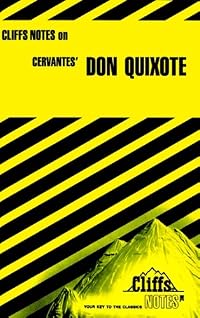

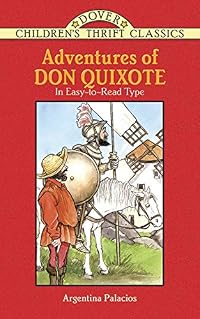
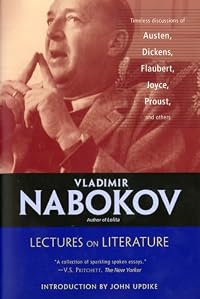


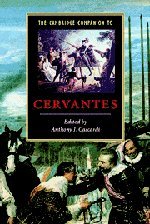


Member Recommendations
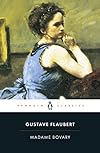
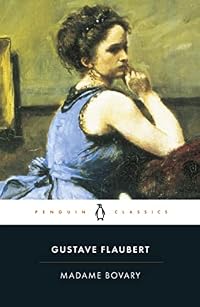
DLSmithies Don Quixote was Flaubert's favourite book, and I've read somewhere that the idea of Madame Bovary is to re-tell the story of Don Quixote in a different context. Don Quixote is obsessed with chivalric literature, and immerses himself in it to the extent that he loses his grip on reality. Emma Bovary is bewitched by Romantic literature in the same way. There are lots of parallels between the two novels, and I think putting them side by side can lead to a better understanding of both.
104

CGlanovsky In several of his critical essays Borges makes insightful and unique mention of Don Quixote sometimes directly and sometimes in reference to other works.
40

g026r The spurious continuation, published in 1614 while Cervantes was still working on his own Part II and which affected that work to a significant degree.
62
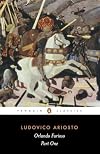
Lirmac References to then-famous romances, such as this one by Ariosto, provide much of the humour in Don Quixote. In addition to enriching Cervantes' work, Orlando Furioso is entertaining in its own right (especially in this modern verse translation).
30

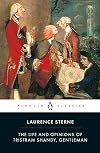
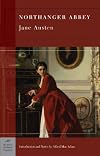
TheLittlePhrase protagonists who struggle to differentiate between reality & the books that they read
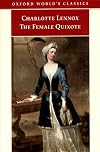
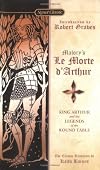
CGlanovsky Read the two concurrently and got a good sense of the kind of chivalric literature that gave birth to Quixote's madness.
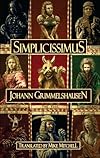
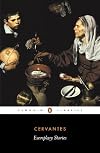
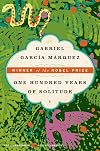


CGlanovsky Misguided protagonist gets into a series of misadventures
02

Member Reviews
It feels silly to try and write anything about a book that’s been a world classic for going on 500 years. It was illuminating to read that Dostoyevsky considered Don Quixote a big inspiration for his The Idiot. The titular characters of the two books have a lot in common. Like Prince Myshkin, Quixote is taken as an imbecile for his sheer earnestness and sensitivity. Both books show us how someone who actually adheres to the standards of goodness and heroism depicted in idealized art is actually kind of insane, or else just kind of stupid. And yet, it is a stupidity that has some kind of lasting appeal. I think anyone who has ever been carried away by a work of art, or an intoxicating idea can sympathize with Don Quixote - to live in a show more world of fantasy may be folly, but it’s usually a lot more interesting than real life.
Part of Cervantes genius here is how cohesive his project remains even over almost 1000 pages of digression and errantry. Don Quixote the book is exactly like Don Quixote the character - at turns silly and perceptive, long-winded but always entertaining, and caught up in a search for a kind of sublimation that so often gets dragged down to earthly concerns. show less
Part of Cervantes genius here is how cohesive his project remains even over almost 1000 pages of digression and errantry. Don Quixote the book is exactly like Don Quixote the character - at turns silly and perceptive, long-winded but always entertaining, and caught up in a search for a kind of sublimation that so often gets dragged down to earthly concerns. show less
Be it the last great Romantic novel, or the first great work of modern Western Literature, Don Quixote blurs the line between these two eras, parodying, satirizing, and waxing philosophic all the way.
Don Quixote, arguably the most influential Spanish work of literature, is a tale told in two volumes, published a decade apart. Within this work, the ingenious hidalgo, Don Quixote de La Mancha, goes slightly mad after a little too much reading and not enough eating or sleeping (haven't we all been there...), and takes it upon himself to perform great feats of chivalry in the name of his unwary love, Dulcinea.
Joined by his dimwitted sidekick, Sancho Panza, the two embark on quests and adventures, great and small. Quixote's niece wishes to show more get her uncle back and sane, which she and her accomplices team up to do, all the while thwarting Quixote's attempts at great acts of chivalry.
A great work by any means, albeit a thick one. Recommended for anyone who has had to attack windmills, either figuratively or literally. show less
Don Quixote, arguably the most influential Spanish work of literature, is a tale told in two volumes, published a decade apart. Within this work, the ingenious hidalgo, Don Quixote de La Mancha, goes slightly mad after a little too much reading and not enough eating or sleeping (haven't we all been there...), and takes it upon himself to perform great feats of chivalry in the name of his unwary love, Dulcinea.
Joined by his dimwitted sidekick, Sancho Panza, the two embark on quests and adventures, great and small. Quixote's niece wishes to show more get her uncle back and sane, which she and her accomplices team up to do, all the while thwarting Quixote's attempts at great acts of chivalry.
A great work by any means, albeit a thick one. Recommended for anyone who has had to attack windmills, either figuratively or literally. show less
"'In any event, I insist that he who has a book printed runs a very great risk, inasmuch as it is an utter impossibility to write it in such a manner that it will please all who read it'" (p. 622, spoken by Carrasco).
________________________________________________________________________
In my estimation, Miguel de Cervantes Saavedra’s Don Quixote, arguably the first novel ever written, remains the best novel ever written. Sadly, too few people read it any longer — and not just English-language speakers, but also native Spanish-language speakers. In his excellent Foreword to this 1949 first edition, Samuel Putnam attests to this lamentable fact.
And while we’re on the subject of Samuel Putnam, let me hasten to add that I believe show more him to have written the definitive English-language translation. All translations are not created equal, and this is something every serious English-language reader needs to take into account when reading any non-English-language classic.
Don Quixote is just such a classic. It combines wisdom with a strong narrative line, deep philosophy with comedy bordering on slapstick. ‘The Knight of the Mournful Countenance’ is one of the most memorable characters in all literature, and his sidekick, Sancho Panza, is no slouch either.
I’ll leave to other, more erudite (or at least more scholarly) critics to argue Cervantes’ true intent, vis-à-vis Romance Literature, in writing this novel. For me, personally, the story suffices qua story.
And the prose? Allow me to cite just two passages, the translations of which are almost as poetically alluring as the original:
"At that moment, gay-colored birds of all sorts began warbling in the trees and with their merry and varied songs appeared to be greeting and welcoming the fresh-dawning day, which already at the gates and on the balconies of the east was revealing its beautiful face as it shook out from its hair an infinite number of liquid pearls. Bathed in this gentle moisture, the grass seemed to shed a pearly spray, the willows distilled a savory manna, the fountains laughed, the brooks murmured, the woods were glad, and the meadows put on their finest raiment" (p. 701).
and
"With this, the merry-smiling dawn hastened her coming, the little flowers in the fields lifted their heads, and the liquid crystal of the brooks, murmuring over their white and gray pebbles, went to pay tribute to the waiting rivers. The earth was joyous, the sky unclouded, the air limpid, the light serene, and each of these things in itself and all of them together showed that the day which was treading on the skirts of morning was to be bright and clear" (p. 885)
As for Cervantes’ philosophy as a writer, we have this observation to chew on and digest:
"'For in works of fiction there should be a mating between the plot and the reader's intelligence. They should be so written that the impossible is made to appear possible, things hard to believe being smoothed over and the mind held in suspense in such a manner as to create an astonishment while at the same time they divert and entertain so that admiration and pleasure go hand in hand. But these are things which he cannot accomplish who flees verisimilitude and the imitation of nature, qualities that go to constitute perfection in the art of writing'" (p. 499).
I cannot encourage you strongly enough to read Don Quixote — and to read none other than Samuel Putnam’s translation (unless, of course, you can digest the original). If it were required reading in the secondary or at least college curriculum of every student in the Western world, I firmly believe this would be a better world.
RRB
04/15/11
Brooklyn, NY, USA show less
________________________________________________________________________
In my estimation, Miguel de Cervantes Saavedra’s Don Quixote, arguably the first novel ever written, remains the best novel ever written. Sadly, too few people read it any longer — and not just English-language speakers, but also native Spanish-language speakers. In his excellent Foreword to this 1949 first edition, Samuel Putnam attests to this lamentable fact.
And while we’re on the subject of Samuel Putnam, let me hasten to add that I believe show more him to have written the definitive English-language translation. All translations are not created equal, and this is something every serious English-language reader needs to take into account when reading any non-English-language classic.
Don Quixote is just such a classic. It combines wisdom with a strong narrative line, deep philosophy with comedy bordering on slapstick. ‘The Knight of the Mournful Countenance’ is one of the most memorable characters in all literature, and his sidekick, Sancho Panza, is no slouch either.
I’ll leave to other, more erudite (or at least more scholarly) critics to argue Cervantes’ true intent, vis-à-vis Romance Literature, in writing this novel. For me, personally, the story suffices qua story.
And the prose? Allow me to cite just two passages, the translations of which are almost as poetically alluring as the original:
"At that moment, gay-colored birds of all sorts began warbling in the trees and with their merry and varied songs appeared to be greeting and welcoming the fresh-dawning day, which already at the gates and on the balconies of the east was revealing its beautiful face as it shook out from its hair an infinite number of liquid pearls. Bathed in this gentle moisture, the grass seemed to shed a pearly spray, the willows distilled a savory manna, the fountains laughed, the brooks murmured, the woods were glad, and the meadows put on their finest raiment" (p. 701).
and
"With this, the merry-smiling dawn hastened her coming, the little flowers in the fields lifted their heads, and the liquid crystal of the brooks, murmuring over their white and gray pebbles, went to pay tribute to the waiting rivers. The earth was joyous, the sky unclouded, the air limpid, the light serene, and each of these things in itself and all of them together showed that the day which was treading on the skirts of morning was to be bright and clear" (p. 885)
As for Cervantes’ philosophy as a writer, we have this observation to chew on and digest:
"'For in works of fiction there should be a mating between the plot and the reader's intelligence. They should be so written that the impossible is made to appear possible, things hard to believe being smoothed over and the mind held in suspense in such a manner as to create an astonishment while at the same time they divert and entertain so that admiration and pleasure go hand in hand. But these are things which he cannot accomplish who flees verisimilitude and the imitation of nature, qualities that go to constitute perfection in the art of writing'" (p. 499).
I cannot encourage you strongly enough to read Don Quixote — and to read none other than Samuel Putnam’s translation (unless, of course, you can digest the original). If it were required reading in the secondary or at least college curriculum of every student in the Western world, I firmly believe this would be a better world.
RRB
04/15/11
Brooklyn, NY, USA show less
Many people have heard of Don Quixote (or Don Quijote in this translation), but to read both volumes of the book takes some reading commitment. It was the next book on my shelf and although not unread; I had read it such a long time ago I had only a vague impression. Reading today a revised translation by Diana De Armas Wilson with its introduction by the original translator Burton Raffel was very much in keeping with Miguel de Cervantes claiming that his Don Quijote was a translation from the Arabic historian Cide Hamete Benengeli, which put me in tune with the meta fictional aspects of this book.
It has been labelled as the first novel ever written, (first volume published in 1605), but I can vouch to the fact that this is not true show more having read novels from the previous century. It's claim to be the first modern novel bears more consideration, as from my reading experience it shines like a beacon of light, a sort of lighthouse beacon which lights the way for character development and interior reflections, authorial interventions, open ended interpretations, and endless discussions on the aims and objectives of the author. The dark side of the lighthouse beacon is its disparagement of the subject matter of the popular fiction of its time, the books of chivalry: knights in armour riding out to do fantastic deeds. These are the very books that caused Don Quijote to go insane. He was of the opinion that all the stories written on chivalry must be historically accurate, because they were printed in books. Why would anyone write about things that were not true, that did not happen. There is a scene very early on in the first volume when Don Quijote has returned exhausted from his first adventure and the priest and the barber go through his library throwing out of the window all the bad books on chivalry that they intend to burn.
The basic premise of the novel is that a rich landowner Don Quijote has become infatuated and addicted to books of chivalry and takes it upon himself to revive the whole idea of knight errantry. Cervantes says:
"Indeed his mind was so tattered and torn that finally, it produced the strangest notion any madman ever conceived, and then considered it not just appropriate but inevitable. As much for the sake of his own greater honour as for his duty to the nation, he decided to turn himself into a knight errant, travelling all over the world with his horse and his weapons, seeking adventures and doing everything that, according to his books, earlier knights had done, righting every manner of wrong, giving himself the opportunity to experience every sort of danger, so that surmounting them all, he would cover himself with eternal fame and glory"
Don Quijote recruits an employee of his Sancho Panza to be his squire and saddles up his old horse Rocinante, puts on some old armour and together they ride out; Sancho Panza on his beloved donkey, looking for adventures. Not only is Don Quijote insane, but he also suffers from hallucinations, seeing wayside inns as castles, windmills as giants, and herds of sheep as a marauding army. He also dreams of an impossibly beautiful woman who will be the love of his life and to whom he will dedicate his conquests: the matchless Dulcinea del Tobolso. Tobolso is a town near where Don Quijote lives and he might have caught sight of a pretty girl there.
There have been many interpretations of Don Quijote. A ribald, knockabout, slapstick comedy; there are certainly many funny incidents along the way that can make the reader laugh out loud. A loveable idealist who follows his heart and an unflappable optimist. A tragic hero figure in the best traditions of a romantic interpretation. Christians might interpret him as a Christ like figure, or that it is a cabalistic Jewish text. Some may think it is an allegory of Spanish politics or an attack on romantic chivalry that Cervantes claims it to be. It is in my opinion primarily a novel about insanity, self delusion and how other people handle, care for, or make fun of people who are insane. Don Quijote's sanity comes and goes, in book two his periods of lucidity increase until he returns home almost cured of his delusions. During his adventures people are often surprised by his educated response to questions, he gives Sancho Panza excellent advice on how to be a governor of a municipality. Don Quijote's insanity leads inevitably to mood swings, he is easily angered and in fact twice tries to kill Sancho Panza.
Many classic works are infused with thoughts and ideas about writing and literature and Don Quijote is no exception to this. The prologue of the book addressed to the idle reader written by Cervantes talks about the difficulties of writing the prologue, reminding readers that he is only the stepfather to the book not its parent. He then tells of a conversation with a friend who tells him shortcuts to write a successful piece of literature. Throughout the actual novel there are pauses where Cervantes reflects on the art of writing.
The two volumes were printed nine years apart and in the second volume the metafictional aspects take another turn. We are told that Don Quijote has become famous, because people have read about his exploits in the first volume. He starts to be recognised and some people take advantage of his fame. He complains however, that there seems to be two Don Quijote's riding around; one who is a bit of an idiot and one who is accomplishing good deeds, one book is poorly written while the other can stand up as a piece of literature. This together with authorial interventions, perhaps by the parent: Cide Hamete Benengali or perhaps the step father Cervantes himself adds further to the innovations that are introduced by the author.
The two volumes together make a superb reading experience. There are Don Quijote's sometimes rather puzzling exploits, there are stories within stories. There are two tremendous characters in the knight himself and his proverb loving squire Sancho Panza, who develop characteristics from each other. The stories are funny, sometimes violent, sometimes contemporary to that period of Spanish rule: the expulsion of the Moors and the jews feature heavily. Of course the reader rides along with Don Quijote sucking up the atmosphere of Spain in the early 17th century wondering about the next adventure that will befall the insane duo and caring about the health of the duo as well as despairing about the damage they cause. The Norton Critical Edition contains an excellent introduction and a beautiful translation. The criticism section however, leaves something to be desired. I know it is difficult to come to a conclusion about the main theme or thrust of this novel, but most of the extracts focus on individual stories. Some attempt at an overall impression would have been welcome. It is a book that one can return to and enjoy individual stories and exploits, with the whole scope of the book firmly in mind. Wonderful and a five star read. show less
It has been labelled as the first novel ever written, (first volume published in 1605), but I can vouch to the fact that this is not true show more having read novels from the previous century. It's claim to be the first modern novel bears more consideration, as from my reading experience it shines like a beacon of light, a sort of lighthouse beacon which lights the way for character development and interior reflections, authorial interventions, open ended interpretations, and endless discussions on the aims and objectives of the author. The dark side of the lighthouse beacon is its disparagement of the subject matter of the popular fiction of its time, the books of chivalry: knights in armour riding out to do fantastic deeds. These are the very books that caused Don Quijote to go insane. He was of the opinion that all the stories written on chivalry must be historically accurate, because they were printed in books. Why would anyone write about things that were not true, that did not happen. There is a scene very early on in the first volume when Don Quijote has returned exhausted from his first adventure and the priest and the barber go through his library throwing out of the window all the bad books on chivalry that they intend to burn.
The basic premise of the novel is that a rich landowner Don Quijote has become infatuated and addicted to books of chivalry and takes it upon himself to revive the whole idea of knight errantry. Cervantes says:
"Indeed his mind was so tattered and torn that finally, it produced the strangest notion any madman ever conceived, and then considered it not just appropriate but inevitable. As much for the sake of his own greater honour as for his duty to the nation, he decided to turn himself into a knight errant, travelling all over the world with his horse and his weapons, seeking adventures and doing everything that, according to his books, earlier knights had done, righting every manner of wrong, giving himself the opportunity to experience every sort of danger, so that surmounting them all, he would cover himself with eternal fame and glory"
Don Quijote recruits an employee of his Sancho Panza to be his squire and saddles up his old horse Rocinante, puts on some old armour and together they ride out; Sancho Panza on his beloved donkey, looking for adventures. Not only is Don Quijote insane, but he also suffers from hallucinations, seeing wayside inns as castles, windmills as giants, and herds of sheep as a marauding army. He also dreams of an impossibly beautiful woman who will be the love of his life and to whom he will dedicate his conquests: the matchless Dulcinea del Tobolso. Tobolso is a town near where Don Quijote lives and he might have caught sight of a pretty girl there.
There have been many interpretations of Don Quijote. A ribald, knockabout, slapstick comedy; there are certainly many funny incidents along the way that can make the reader laugh out loud. A loveable idealist who follows his heart and an unflappable optimist. A tragic hero figure in the best traditions of a romantic interpretation. Christians might interpret him as a Christ like figure, or that it is a cabalistic Jewish text. Some may think it is an allegory of Spanish politics or an attack on romantic chivalry that Cervantes claims it to be. It is in my opinion primarily a novel about insanity, self delusion and how other people handle, care for, or make fun of people who are insane. Don Quijote's sanity comes and goes, in book two his periods of lucidity increase until he returns home almost cured of his delusions. During his adventures people are often surprised by his educated response to questions, he gives Sancho Panza excellent advice on how to be a governor of a municipality. Don Quijote's insanity leads inevitably to mood swings, he is easily angered and in fact twice tries to kill Sancho Panza.
Many classic works are infused with thoughts and ideas about writing and literature and Don Quijote is no exception to this. The prologue of the book addressed to the idle reader written by Cervantes talks about the difficulties of writing the prologue, reminding readers that he is only the stepfather to the book not its parent. He then tells of a conversation with a friend who tells him shortcuts to write a successful piece of literature. Throughout the actual novel there are pauses where Cervantes reflects on the art of writing.
The two volumes were printed nine years apart and in the second volume the metafictional aspects take another turn. We are told that Don Quijote has become famous, because people have read about his exploits in the first volume. He starts to be recognised and some people take advantage of his fame. He complains however, that there seems to be two Don Quijote's riding around; one who is a bit of an idiot and one who is accomplishing good deeds, one book is poorly written while the other can stand up as a piece of literature. This together with authorial interventions, perhaps by the parent: Cide Hamete Benengali or perhaps the step father Cervantes himself adds further to the innovations that are introduced by the author.
The two volumes together make a superb reading experience. There are Don Quijote's sometimes rather puzzling exploits, there are stories within stories. There are two tremendous characters in the knight himself and his proverb loving squire Sancho Panza, who develop characteristics from each other. The stories are funny, sometimes violent, sometimes contemporary to that period of Spanish rule: the expulsion of the Moors and the jews feature heavily. Of course the reader rides along with Don Quijote sucking up the atmosphere of Spain in the early 17th century wondering about the next adventure that will befall the insane duo and caring about the health of the duo as well as despairing about the damage they cause. The Norton Critical Edition contains an excellent introduction and a beautiful translation. The criticism section however, leaves something to be desired. I know it is difficult to come to a conclusion about the main theme or thrust of this novel, but most of the extracts focus on individual stories. Some attempt at an overall impression would have been welcome. It is a book that one can return to and enjoy individual stories and exploits, with the whole scope of the book firmly in mind. Wonderful and a five star read. show less
Don Quixote can be riotously funny, boring and repetitive, and troubling. Cervantes' strength lies in the repartee between Sancho and the Don. The pastoral and romantic tales embedded in the novel are somewhat generic and the characters vanilla. Cervantes might be satirizing these stories, juxtaposing them with the rough realism of Quixote's adventures - pointing out that these idealized stories don't happen in the real world without a whole host of mundane associated problems (what does one eat? where does one defecate? what happens when two men hit each other with lances?)
There is a lot of melancholy and cruelty here, as noted by Nietzsche, Kafka and Nabokov. I also understand why Dostoevsky was so influenced by this story - the show more Knight of the Sorrowful face represents the Christian ideal of taking on suffering for the good of the world, as seen in his novels by Sonya Marmeladova and Alyosha Karamazov. show less
There is a lot of melancholy and cruelty here, as noted by Nietzsche, Kafka and Nabokov. I also understand why Dostoevsky was so influenced by this story - the show more Knight of the Sorrowful face represents the Christian ideal of taking on suffering for the good of the world, as seen in his novels by Sonya Marmeladova and Alyosha Karamazov. show less
When I revisited Don Quixote, I was floored by how modern it feels. Beneath the armor, the pratfalls, and the absurdity, it’s one of the most human stories ever told ... about a man so desperate to find purpose in life that he invents one. And somehow, we cheer him on for it.
Cervantes had the nerve to write about the death of idealism … and make it funny. He understood the madness of believing in something too deeply, and the tragedy of those who don’t believe in anything at all. Quixote tilts at windmills not because he’s insane, but because he refuses to accept a world stripped of wonder.
Maybe that’s why this book still hits me so hard. In wine, in art, in life, we’re all chasing that impossible balance between reason and show more passion ... between what is and what could be. At Rasa, we even named a wine after him: Tilting at Windmills ... a Grenache, Cab, and Syrah blend made in the Priorat style ... because Quixote’s spirit belongs in every bottle that dares to dream beyond convention.
Reading it again last year reminded me how much joy and heartbreak Cervantes packs into every scene. You laugh, you sigh, you ache … and you realize that maybe tilting at windmills isn’t madness after all. Maybe it’s the only sane way to live. show less
Cervantes had the nerve to write about the death of idealism … and make it funny. He understood the madness of believing in something too deeply, and the tragedy of those who don’t believe in anything at all. Quixote tilts at windmills not because he’s insane, but because he refuses to accept a world stripped of wonder.
Maybe that’s why this book still hits me so hard. In wine, in art, in life, we’re all chasing that impossible balance between reason and show more passion ... between what is and what could be. At Rasa, we even named a wine after him: Tilting at Windmills ... a Grenache, Cab, and Syrah blend made in the Priorat style ... because Quixote’s spirit belongs in every bottle that dares to dream beyond convention.
Reading it again last year reminded me how much joy and heartbreak Cervantes packs into every scene. You laugh, you sigh, you ache … and you realize that maybe tilting at windmills isn’t madness after all. Maybe it’s the only sane way to live. show less
Some time ago, I sat through a series of art history lectures offered at our church. The minister giving the talks was the perfect person to discuss Renaissance-era paintings, having received a MFA in addition to a divinity degree. He was also someone I knew well enough to ask what I had always feared was a really dumb question: When you go into a museum and see two seemingly comparable paintings displayed side by side, why does one usually get a lot more attention (e.g. written descriptions on the wall, guidebook space) than the other? There can be many reasons, he said, but the simple answer is that the artwork getting all the love is usually the one that came first.
I thought about that observation frequently as I was reading Don show more Quixote, which is widely hailed in critical circles as the first modern novel. (And, at just shy of 1,000 pages, I had plenty of time to think about a lot of things during the several weeks it took me to finish the book.) I have to confess that I was not even sure what being labeled the first modern novel even meant. However, the more time I spent immersed in the volume, the more sense that designation made. For as much as I enjoyed the inventiveness of the story, I think I enjoyed considering the historical importance of the work and the influence it has had on literature over the subsequent centuries even more.
As I learned, the present-day version of Don Quixote actually consists of two separate novels that Cervantes wrote about ten years apart. Both parts of the book tell the same well-known tale. An aging Spanish gentleman becomes so obsessed with reading novels on chivalry that he goes “mad” and fancies himself a knight errant, whose duty it is to right wrongs wherever he finds them in the world. Pledging his chaste love and obedience to the lady Dulcinea—who, in reality, is a relatively ordinary peasant woman he barely knows—he sets out across the country on several sallies, eventually accompanied by Sancho Panza, a poor local farmer who serves as his squire.
The myriad adventures the two men have tend to take on a similar form: in his delusional state, Don Quixote confuses an ordinary situation as a threat or a challenge that needs to be addressed (e.g., windmills confused for giant villains to be vanquished), which the simple but sensible Sancho tries to talk him out of. When the encounter goes badly for the heroes, Quixote is quick to blame the work of evil enchanters who are out to get him, rather than accept failure or the possibility that he simply misread the circumstances. This basic plot device is repeated over and over again—accompanied by a considerable amount of philosophical discourse between the knight and the squire—much of which is amusing and, occasionally, memorable.
For me, the second half of the novel was considerably more interesting and rewarding than the first. It is also the part of the book where the “modern” label becomes more apparent. Indeed, the author himself (often in the guise of his Arabic alter-ego Cide Hamete Benengeli) becomes a third central character in the story in a very clever way. While on their adventures in this section, Quixote and Panza often meet people who already know them from having read the first half of the book and are only too happy to encourage their delusional behavior. Also, the author has the Don’s character berate another real-life writer who had produced an unauthorized plagiarism of the Quixote saga in the years between the two volumes that Cervantes himself wrote. That is not only modern, it is downright post-modern!
In summary, Don Quixote is an altogether remarkable and entertaining book that was also, at times, absolutely exhausting to read. I do not imagine that I will ever find the time or the energy to read it again, but I am so happy to have made it all the way through this once. There are some who rank it among the best novels ever written and I cannot argue too strenuously with that position. show less
I thought about that observation frequently as I was reading Don show more Quixote, which is widely hailed in critical circles as the first modern novel. (And, at just shy of 1,000 pages, I had plenty of time to think about a lot of things during the several weeks it took me to finish the book.) I have to confess that I was not even sure what being labeled the first modern novel even meant. However, the more time I spent immersed in the volume, the more sense that designation made. For as much as I enjoyed the inventiveness of the story, I think I enjoyed considering the historical importance of the work and the influence it has had on literature over the subsequent centuries even more.
As I learned, the present-day version of Don Quixote actually consists of two separate novels that Cervantes wrote about ten years apart. Both parts of the book tell the same well-known tale. An aging Spanish gentleman becomes so obsessed with reading novels on chivalry that he goes “mad” and fancies himself a knight errant, whose duty it is to right wrongs wherever he finds them in the world. Pledging his chaste love and obedience to the lady Dulcinea—who, in reality, is a relatively ordinary peasant woman he barely knows—he sets out across the country on several sallies, eventually accompanied by Sancho Panza, a poor local farmer who serves as his squire.
The myriad adventures the two men have tend to take on a similar form: in his delusional state, Don Quixote confuses an ordinary situation as a threat or a challenge that needs to be addressed (e.g., windmills confused for giant villains to be vanquished), which the simple but sensible Sancho tries to talk him out of. When the encounter goes badly for the heroes, Quixote is quick to blame the work of evil enchanters who are out to get him, rather than accept failure or the possibility that he simply misread the circumstances. This basic plot device is repeated over and over again—accompanied by a considerable amount of philosophical discourse between the knight and the squire—much of which is amusing and, occasionally, memorable.
For me, the second half of the novel was considerably more interesting and rewarding than the first. It is also the part of the book where the “modern” label becomes more apparent. Indeed, the author himself (often in the guise of his Arabic alter-ego Cide Hamete Benengeli) becomes a third central character in the story in a very clever way. While on their adventures in this section, Quixote and Panza often meet people who already know them from having read the first half of the book and are only too happy to encourage their delusional behavior. Also, the author has the Don’s character berate another real-life writer who had produced an unauthorized plagiarism of the Quixote saga in the years between the two volumes that Cervantes himself wrote. That is not only modern, it is downright post-modern!
In summary, Don Quixote is an altogether remarkable and entertaining book that was also, at times, absolutely exhausting to read. I do not imagine that I will ever find the time or the energy to read it again, but I am so happy to have made it all the way through this once. There are some who rank it among the best novels ever written and I cannot argue too strenuously with that position. show less
Members
- Recently Added By
Published Reviews
ThingScore 100
[John Rutherford’s] effort, in fact, is something of a triumph: for the first time, we are given a chance to read the novel as Cervantes intended it, in other words as the comic masterpiece it undoubtedly is; and it is hard to believe that his version will be surpassed for many generations.
added by DouglasAtEik
Lists

1001 Books You Must Read Before You Die
1,448 works; 1,132 members

Classics you know you should have read but probably haven't
421 works; 407 members

The Guardian's 1000 Novels Everyone Must Read
1,005 works; 546 members

100 Books to Read in a Lifetime (That Are Older Than 200 Years)
415 works; 175 members

The 100 Best Books of All Time by Norwegian Book Club (World Library)
104 works; 23 members

Best books about books
209 works; 104 members

Recommend the 20 best books you've read in the last five years
2,167 works; 601 members

Favorite Long Books
330 works; 41 members

Favourite Books
1,817 works; 316 members
The Top Ten: Writers Pick Their Favorite Books
240 works; 31 members

Philip Ward's Lifetime Reading Plan
592 works; 22 members

PBS The Great American Read
100 works; 21 members

Best Books about Readers
23 works; 14 members

The Guardian's 100 greatest novels of all time
100 works; 16 members

Best Adventure Stories
66 works; 13 members

Western World's Greatest Books - Project Gutenberg
295 works; 15 members
LibraryThingers' 1001 Books You Must Read Before You Die
442 works; 30 members
150 Best Novels Selected by Brander Matthews (1883)
150 works; 7 members

Books Featured on Gilmore Girls
307 works; 21 members

17th Century
14 works; 6 members

Best Novels For Learning Spanish
7 works; 5 members

100 Most Recommended Works
100 works; 11 members
Folio Society
831 works; 48 members

Out of Copyright
244 works; 14 members

1964 College Preparatory Reading List
202 works; 8 members
The Well-Educated Mind Reading Challenge
75 works; 7 members
1,001 BYMRBYD Concensus
723 works; 27 members
Great Books Favorites
71 works; 6 members

Best First Lines
133 works; 8 members

A Novel Cure
742 works; 23 members
Picaresque Novels
22 works; 9 members

Best Antiheroes and Antiheroines
119 works; 7 members
Mensa for Kids Excellence in Reading Award Program (Grades 9-12)
116 works; 5 members
How to Read a Book's Recommended Reading List
309 works; 10 members

Mind Expanding Books by hackerkid
581 works; 8 members
100 World Classics
99 works; 15 members

The Road to Freedom (Will Durant's 100 Best Books for an Education)
100 works; 8 members

Rory Gilmore Book Club
193 works; 5 members
Lamont's Hundred Best Novels (1947)
100 works; 4 members

Unread books
1,063 works; 87 members

Fake Top 100 Fiction
81 works; 4 members
The College Board: 101 Great Books Recommended for College-Bound Readers
111 works; 7 members

100 books that changed the world
31 works; 2 members
Mensa for Kids Excellence in Reading Award Program (Grades 9-12)
116 works; 3 members
F. B. Perkins' List of 100 Best Fiction
100 works; 5 members

A's favorite novels
100 works; 3 members

Shaykh Hamza's Book Recommendations
439 works; 3 members

Europe
205 works; 5 members

Well-Educated Mind
150 works; 3 members

BBC Top Books
78 works; 3 members

2017 Goal
18 works; 2 members
Overdue Podcast
803 works; 9 members
Books with Noble Titles
179 works; 11 members
100
56 works; 1 member

Funny Classics
20 works; 2 members

Speculative Fiction from around the World
610 works; 17 members
First Novels
373 works; 17 members

Literature in Translation
113 works; 5 members

99 Bücher, die man gelesen haben muss
37 works; 1 member
Children's Book List author unknown
12 works; 1 member
Spanish Language in English Translation
19 works; 2 members

covers with paintings / paintings as covers .
37 works; 1 member

Will Durant's 100 Books: An Update
46 works; 4 members
Classic Fiction I Want to Read Before I Die
6 works; 1 member

Books Read in 2020
4,379 works; 123 members

Plan to Read Books
75 works; 1 member

Books Read in 2006
418 works; 8 members

Reading Globally
136 works; 16 members
The Well-Educated Mind, Susan Wise Bauer, 2016
179 works; 3 members

Book Club suggestions
20 works; 1 member
The 150 Greatest Novels of All Time
150 works; 6 members
Javier Marías: 10 libros que me han cambiado la vida
12 works; 1 member

current
52 works; 1 member

Books in The Club Dumas
72 works; 1 member
epic novels & ‘classics’
3 works; 1 member

Ambleside Year 8
80 works; 1 member

BitLife
212 works; 4 members

Recommended Reading : 600 Classics Reviewed, Editors of Salem Press, 2015
634 works; 6 members
School Made Us Read It
380 works; 196 members
Favorite Books in Translation
320 works; 133 members

DigitalDreamDoor top 300
300 works; 4 members
The Complete Rory Gilmore Reading List
506 works; 5 members

2024-2025 Ezra Klein Guest Recommendations
213 works; 5 members

Weird but doesn't mean it's bad
5 works; 1 member
Western Canon
24 works; 1 member
Very Long Novels
15 works; 1 member
Must Read as Soon As Possible
5 works; 1 member

Read For Your Life
157 works; 1 member

Top Five Books of 2025
950 works; 302 members
.
396 works; 1 member

The "A" List
67 works; 8 members

In Our Time books
4,934 works; 2 members
bound
100 works; 1 member

100 knjiga
100 works; 1 member

Book Titles Mentioned In Newberry Medal And Honor Books
884 works; 3 members

Western Canon
206 works; 2 members
New Lifetime Reading Plan by Fadiman and Major
225 works; 5 members

Books With the Most Memorable Titles
478 works; 158 members
Literary Classics To Read (pre 1900)
19 works; 2 members

Books Read in 2021
5,361 works; 114 members

España, work in progress
21 works; 1 member
Books mentioned in Fire and Hemlock by Diana Wynne Jones
33 works; 1 member

Books Read in 2011
684 works; 20 members

Ambleside Books
459 works; 18 members

A Reading List
100 works; 3 members

Found manuscripts
35 works; 2 members
Novels/Poems/Short Stories/Anything Storytelling Related
112 works; 2 members
Trinity College Booklist (1951): Class Nine, Foreign Literatures
161 works; 3 members
The Art of Manliness' 100+ Books Every Man Should Read
108 works; 2 members

To read
38 works; 1 member

Books Set in Spain
4 works; 3 members

Biggest Disappointments
606 works; 163 members
Want to Read — open list
55 works; 2 members
Global Reads: Books Set in Western Europe
186 works; 10 members

Greatest Books, allegedly
484 works; 9 members

Books and authors mentioned by Le Clézio in his Nobel Prize speech
87 works; 3 members

Rory Gilmore Challenge 101-200
33 works; 1 member
Books Referenced by Izetbegovic's Islam Between East and West
233 works; 2 members

AP Lit
363 works; 6 members

Mustich's 1000 Books to Read Before You Die: A Life Changing List
1,001 works; 18 members
Books With Our Favorite First Lines
168 works; 104 members
My List
302 works; 1 member
Five star books
1,755 works; 108 members
EU Fiction: 1950-2022
223 works; 68 members
Talk Discussions
Current Discussions
Arion Press Don Quixote or Paradise Lost? Opinions please. in Fine Press Forum (July 2025)
Don Quixote in The Well-Educated Mind by Susan Wise-Bauer (June 2025)
Past Discussions
Don Quixote: 1933 (Ricart) vs 1950 (Legrand) in George Macy devotees (May 2025)
DON QUIXOTE DLE — Signed by the Illustrator — Edith Grossman Translation in Easton Press Collectors (July 2023)
Don Quixote Limited Edition with Dore Art in Easton Press Collectors (June 2023)
Don Quixote translated by Edith Grossman in Folio Society Devotees (April 2023)
Arion Press - Don Quixote in Fine Press Forum (December 2021)
Don Quixote in Book talk (October 2020)
GROUP READ - Don Quixote: Part 2, Book 1 in The 12 in 12 Category Challenge (December 2013)
GROUP READ: Don Quixote - General Discussion thread in The 12 in 12 Category Challenge (January 2013)
GROUP READ: Don Quixote - Part 1, Book 3 in The 12 in 12 Category Challenge (August 2012)
GROUP READ: Don Quixote - Part 1, Book 4 in The 12 in 12 Category Challenge (July 2012)
GROUP READ: Don Quixote - Part 1, Book 2 in The 12 in 12 Category Challenge (July 2012)
GROUP READ: Don Quixote - Part 1, Book 1 in The 12 in 12 Category Challenge (June 2012)
Group Read - Don Quixote in 75 Books Challenge for 2009 (September 2009)
Author Information

1,781+ Works 50,584 Members
Miguel de Cervantes Saavedra was born in Alcala de Henares, Spain, in 1547. In 1585, a few months after his marriage to Catalina de Salazar, he published his first major work as an author, the pastoral novel La Galatea which was poorly received. Cervantes became a tax collector in Granada in 1594, but was imprisoned in 1597 due to money problems show more with the government. Folklore maintains that while in prison, he wrote his most famous novel, Don Quixote, which was an immediate success upon publication in 1605. After several years of writing short novels and plays, Cervantes was spurred to write the sequel to Don Quixote in 1615 when an unauthorized sequel appeared to great acclaim. Though Cervantes' sequel was rushed and flawed, Don Quixote remains a powerful symbol that has endured to present times in many forms. Cervantes died on April 22, 1616, at the age of 69. (Bowker Author Biography) show less
Some Editions
Awards and Honors
Awards
Notable Lists
Bulgarian Big Read (48)
The 20 Most Popular Books Throughout History (10: 1605–1615)
Series
Belongs to Publisher Series
Perpetua reeks (1)
Colecção História da Literatura (Livro 66)
Gouden Reeks (1)
La nostra biblioteca Edipem (14-16)
Penguin Clothbound Classics (2018)
Arion Press (86)
Letras Hispánicas [Cátedra] (100-101)
insel taschenbuch (0109)
Airmont Classics (153)
Everyman's Library (385-386)
Penguin Classics (L010)
Work Relationships
Is contained in
The Great Books: Sixth Year Course, Readings for Discussion (The Great Books Foundation, Volumes 1-8, Boxed Set) by The Great Books Foundation
90 Masterpieces You Must Read (Vol.1): Novels, Poetry, Plays, Short Stories, Essays, Psychology & Philosophy by Various
Contains
Is retold in
Has the adaptation
Aventuras del ingenioso hidalgo Don Quijote de la Mancha: An adaptation for intermediate and advanced students by Miguel de Cervantes
The Adventures of Don Quixote De La Mancha: Adapted From the Motteux Translation of the Text of Miguel De Cervantes by Barret Leighton
Is abridged in
One hundred best novels condensed: 3 of 4 see note: Adam Bede; Tess of the D'Urbervilles; Don Quixote; East Lynne; Count of Monte Cristo; Paul and Virginia; Tom Brown's School Days; Waverley; Dombey and Son; Romola; Legend of Sleepy Hollow; Last of the Mohicans; Wreck of the "Grosvenor"; Right of Way; Coniston; Far from the Madding Crowd; Woman in White; Deemster; Waterloo; Hypatia; Kidnapped; Oliver Twist; Gil Blas; Peg Woffington; Virginians by Edwin Atkins Grozier
Is a parody of
Is parodied in
Was inspired by
Inspired
Has as a reference guide/companion
Has as a study
Has as a student's study guide
Common Knowledge
- Canonical title
- Don Quixote
- Original title
- El ingenioso hidalgo don Quijote de la Mancha
- Alternate titles
- The Ingenious Gentleman Don Quixote of La Mancha
- Original publication date
- 1605 (Part One) (Part One); 1615 (Part Two) (Part Two)
- People/Characters
- Don Quixote de la Mancha; Sancho Panza; Rocinante; Dulcinea del Toboso; Cide Hamete Benengeli; Clavileño the Swift (show all 8); Ginés de Pasamonte; Ricote
- Important places
- Spain
- Important events
- Spanish Golden Age; Spanish Renaissance; Renaissance; 16th century
- Related movies*
- Don Quijote de Orson Welles (1992 | IMDb)
- Epigraph*
- Desocupado lector: sin juramento me podrás creer que quisiera que es- te libro, como hijo del entendimiento, fuera el más hermoso, el más ga- llardo y más discreto que pudiera imaginarse. Pero no he podido yo con- traveni... (show all)r al orden de naturaleza; que en ella cada cosa engendra su seme- jante. Y así, ¿qué podía engendrar el estéril y mal cultivado ingenio mío, sino la historia de un hijo seco, avellanado, antojadizo y lleno de pensa- mientos varios y nunca imaginados de otro alguno, bien como quien se engendró en una cárcel, donde toda incomodidad tiene su asiento y don- de todo triste ruido hace su habitación...
- Dedication
- to my children and grandchildren - (Walter Starkie translation)
- First words
- Idle reader, you need no oath of mine to convince you that I wish this book, the child of my brain, were the handsomest, the liveliest, and the wisest that could be conceived. • • Prologue
URGANDA THE UNKNOW... (show all)N TO THE BOOK OF DON QUIXOTE OF LA MANCHA • • Prefatory Verses
Which tells of the quality and manner of the life of the famous gentleman Don Quixote of La Mancha. • • Chapter 1
-- (Walter Starkie translation) - Quotations*
- «Lo stesso, vedi» proseguì Don Chisciotte «accade nella commedia e nelle faccende di questo mondo. Anche nel mondo alcuni fanno da imperatori, altri da pontefici, insomma tutte le parti che si possono introdurre in una co... (show all)mmedia; ma arrivati in fondo, e cioè al termine della vita, a tutti la morte toglie di dosso le vesti che li rendevano differenti, e allora rimangono tutti eguali nella sepoltura». «Bellissimo paragone» disse Sancio «tuttavia non tanto nuovo, perché l'ho udito molte e diverse volte: come quell'altro del giuoco degli scacchi, che finché dura la partita, ogni pezzo ha una sua funzione particolare, ma quando il giuoco è terminato, vanno a finire tutti insieme mescolati a guasto in una borsa, come la vita va a finire nella sepoltura».
- Last words
- (Click to show. Warning: May contain spoilers.)" . . . For my sole aim has been to arouse men's scorn for the false and absurd stories of knight-errantry, whose prestige as been shaken by this tale of my true Don Quixote, and which will, without any doubt, soon crumble in ruin. Vale."
-- (Walter Starkie translation) - Original language
- Spanish
*Some information comes from Common Knowledge in other languages. Click "Edit" for more information.
Classifications
- Genres
- Fiction and Literature, General Fiction
- DDC/MDS
- 863.3 — Literature & rhetoric Spanish, Portuguese, Galician literatures Spanish fiction Spanish Golden Age (1499-1681)
- LCC
- PQ6329 .A2 — Language and Literature French, Italian, Spanish and Portuguese literatures Spanish literature Individual authors and works to 1700
- BISAC
Statistics
- Members
- 35,732
- Popularity
- 83
- Reviews
- 531
- Rating
- (4.07)
- Languages
- 43 — Afrikaans, Amharic, Arabic, Basque, Breton, Bulgarian, Catalan, Chinese, Czech, Danish, Dutch, English, Esperanto, Estonian, Finnish, French, German, Greek, Hebrew, Hungarian, Icelandic, Italian, Japanese, Korean, Latvian, Lithuanian, Norwegian (Bokmål), Norwegian, Ottoman Turkish, Farsi/Persian, Polish, Romanian, Russian, Serbian, Croatian, Slovak, Spanish, Swedish, Thai, Turkish, Welsh, Portuguese (Portugal), Portuguese (Brazil)
- Media
- Paper, Audiobook, Ebook
- ISBNs
- 1,415
- UPCs
- 11
- ASINs
- 650