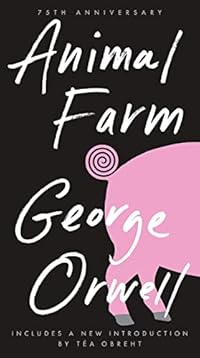
Animal Farm
by George Orwell 
On This Page
Description
George Orwell's classic satire of the Russian Revolution has become an intimate part of our contemporary culture, with its treatment of democratic, fascist, and socialist ideals through an animal fable. The animals of Mr. Jones' Manor Farm are overworked, mistreated, and desperately seeking a reprieve. In their quest to create an idyllic society where justice and equality reign, the animals of Manor Farm revolt against their human rulers, establishing the democratic Animal Farm under the show more credo, "All Animals Are Created Equal." Out of their cleverness, the pigs—Napoleon, Squealer, and Snowball—emerge as leaders of the new community. In a development of insidious familiarity, the pigs begin to assume ever greater amounts of power, while other animals, especially the faithful horse Boxer, assume more of the work. The climax of the story is the brutal betrayal of Boxer, when totalitarian rule is reestablished with the bloodstained postscript to the founding slogan: "But Some Animals Are More Equal than Others."This astonishing allegory, one of the most scathing satires in literary history, remains as fresh and relevant as the day it was published.
. show less
Tags
Recommendations
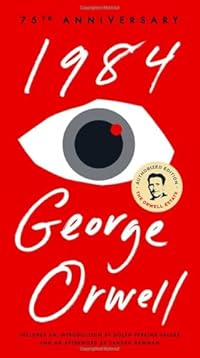

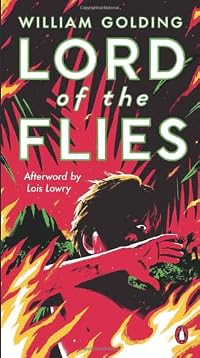
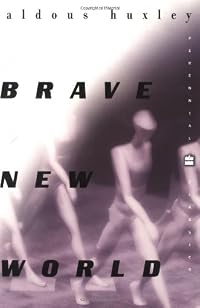
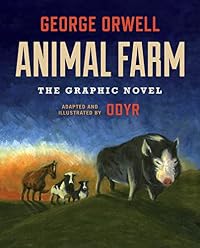
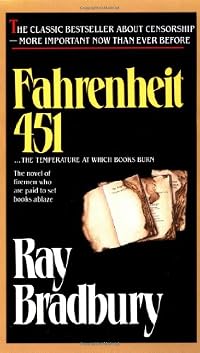

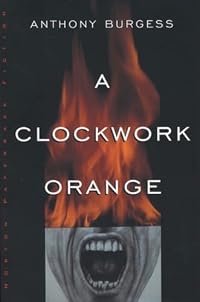
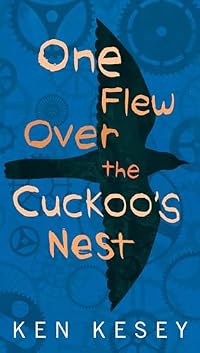

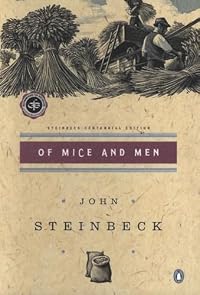
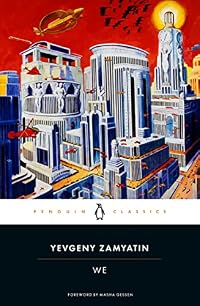
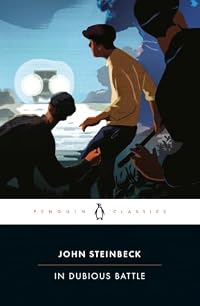

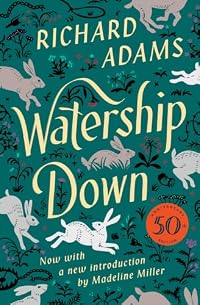

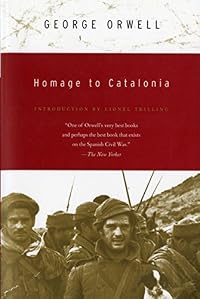
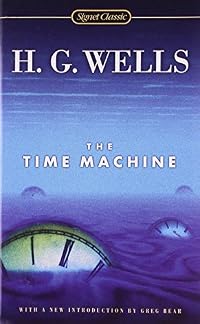


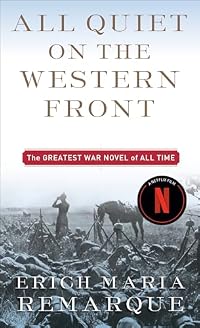
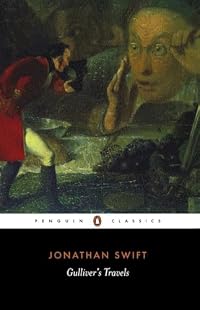
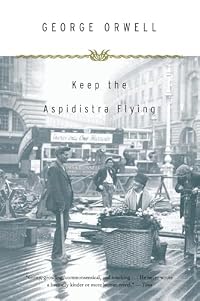
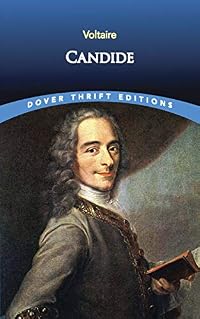
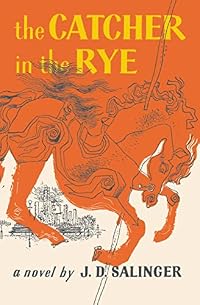
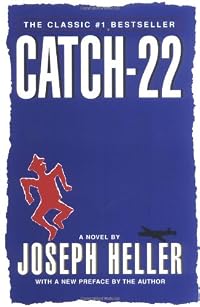
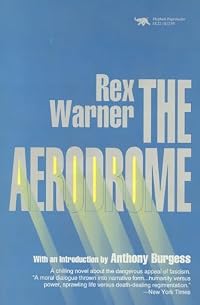
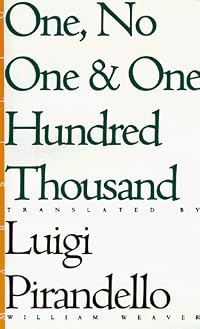
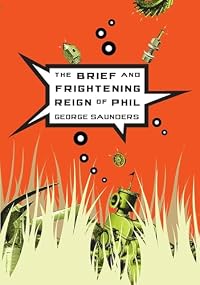
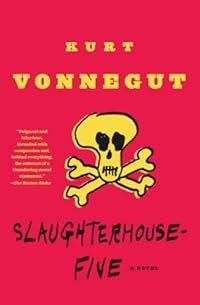
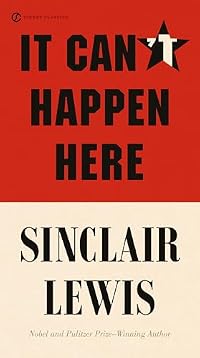
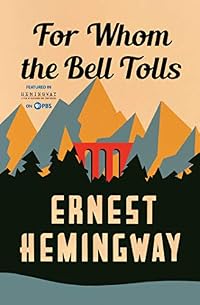
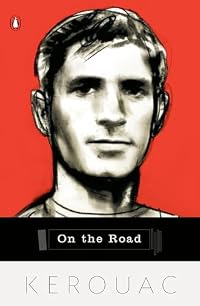
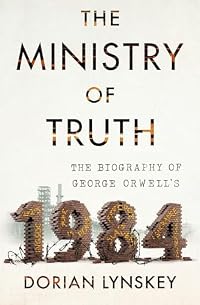
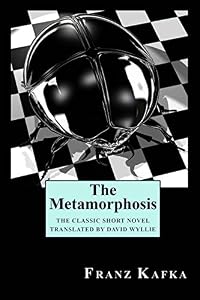
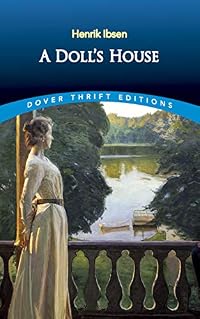
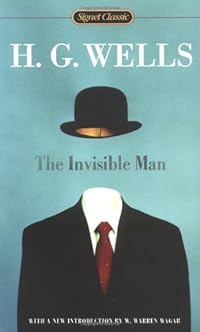
Member Recommendations
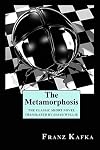
BeeQuiet Whilst this book follows one day in the life of a Soviet prisoner in a gulag as opposed to merely a worker, this is still a stunning indictment of the revolution's disregard of human life.
102
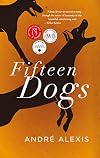
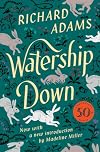
vancouverdeb Both books use animals to illustrate human shortcomings and a base nature, animals gain human consciousness,both are allegories , and dystopian novels.
20
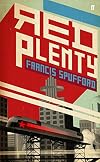
lewbs Both books look at the shortcomings and hypocrisies of communism with some fine humor.
21
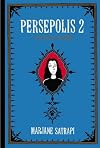
weener A good real-life example of what a repressive government can do.
43
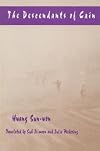
CGlanovsky Portrait of the mechanics and effect of Soviet-style communist takeover.
21
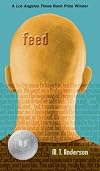

aulsmith Some of the stories in this anthology are earlier allegories with animals forming governments. The politics is just as sharp as Orwell's.
22
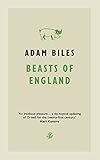
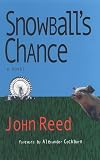
anonymous user A sequel to Animal Farm.
Member Reviews
Pasi kanë hequr qafe pronarin e tyre njerëzor, kafshët e fermës "Menër" janë duke shpresuar për një jetë të lirë dhe të bollshme. Por ndërsa një elitë e mençur mizore vjen në pushtet, kafshët e tjera e gjejnë veten në mënyrë të pashpresë të zënë në grackë sipas mënyrave të vjetra. Historia rrëqethëse e Oruellit, e tradhtisë së idealizmit përmes tiranisë dhe korrupsionit, edhe sot është po aq e freskët dhe reale sa edhe kur u botua për herë të parë në vitin 1945.
It was fun reading this short novel again after many years, and in particular from this edition, a beautiful little hardcover book with original illustrations.
The novel describes the overthrow of a farm by its animals, who espouse equal rights and fairness to all in the beginning, but whose main leader, a pig named Napoleon, becomes corrupt over time. In the end he’s not only indistinguishable in his behavior from humans, but he’s created conditions which are worse for the rest of the animals than what they had originally.
It’s obviously thinly veiled commentary on the Soviet Union. What’s interesting to me is that Orwell was a socialist, but recognized that the Soviet Union had corrupted the ideals of communism and had show more actually implemented a totalitarian regime. What I find refreshing is that (1) he wrote Animal Farm during WWII, when others considered Stalin a respected ally, and (2) he did not abandon his belief in socialism despite the miserable failure that Soviet experiment had become, as many others did. He really nailed it on both counts.
In a broader sense, through these animals, Orwell makes observations on the foibles of human nature which make idealistic government difficult; it starts with the natural differentiation in abilities as well as fickleness (I love the cat who votes twice, once for each side, and who disappears when it’s time to work), and quickly gets into more base characteristics. Greed. Jealousy. Vanity. Cruelty. Deceit. There is an inherent will to power in mankind which needs to be closely checked, Orwell is saying, for power concentrated in the hands of one or few is dangerous. Amen. show less
The novel describes the overthrow of a farm by its animals, who espouse equal rights and fairness to all in the beginning, but whose main leader, a pig named Napoleon, becomes corrupt over time. In the end he’s not only indistinguishable in his behavior from humans, but he’s created conditions which are worse for the rest of the animals than what they had originally.
It’s obviously thinly veiled commentary on the Soviet Union. What’s interesting to me is that Orwell was a socialist, but recognized that the Soviet Union had corrupted the ideals of communism and had show more actually implemented a totalitarian regime. What I find refreshing is that (1) he wrote Animal Farm during WWII, when others considered Stalin a respected ally, and (2) he did not abandon his belief in socialism despite the miserable failure that Soviet experiment had become, as many others did. He really nailed it on both counts.
In a broader sense, through these animals, Orwell makes observations on the foibles of human nature which make idealistic government difficult; it starts with the natural differentiation in abilities as well as fickleness (I love the cat who votes twice, once for each side, and who disappears when it’s time to work), and quickly gets into more base characteristics. Greed. Jealousy. Vanity. Cruelty. Deceit. There is an inherent will to power in mankind which needs to be closely checked, Orwell is saying, for power concentrated in the hands of one or few is dangerous. Amen. show less
Mr Jones is a lazy son of a bitch, and his farm animals are quite done with him. A rebellion chases him and his no good family off the farm under the leadership of Napoleon and Snowball. They are finally free - no more tyranny, no more humans, no more abuse. Or at least, that's the idea. But as lovely as the peace and freedom is, it isn't very long lasting...
This is a real classic, and it's been on my reading list for years. I recieved it as a present from Noura a few years ago, but I've been waiting for the right time. But as we all know, there is no right time. But there's always a good time, if the book's good. And man, was it good. It's a great satire on both capitalism and communism - especially the way Karl Marx's original show more communist ideas are used to be a cheap cover for the real greed and corruption.
It's great, but it's also scary how relevant this book still is - you always wish satires won't be this relevant so many decades later, but alas... show less
This is a real classic, and it's been on my reading list for years. I recieved it as a present from Noura a few years ago, but I've been waiting for the right time. But as we all know, there is no right time. But there's always a good time, if the book's good. And man, was it good. It's a great satire on both capitalism and communism - especially the way Karl Marx's original show more communist ideas are used to be a cheap cover for the real greed and corruption.
It's great, but it's also scary how relevant this book still is - you always wish satires won't be this relevant so many decades later, but alas... show less
This allegory demonstrates George Orwell's ability to demonstrate a naked contempt for power and a ruthless critique of those who abuse it. Born Eric Blair, better known to the world as George Orwell, he created and recreated an authorial life over too short a period of years. In his brilliant allegory called Animal Farm he restages the hypocrisies of the Russian Revolution with the principal figures played by, of all things, farm animals. By presenting atrocities in the terms of a sort of fairy tale, he makes them fresh, restoring to readers numbed by the 20th century's parade of disasters a sense of shock and outrage. The perversion of an ideal, the corruption of power, the abuse of language, the wreckage of a nation—it’s all show more there, in a small package. And having read it, the reader is made wise of the ways of the politically wicked. Paradoxically, by turning Trotsky and Lenin and their followers into pigs and horses and chickens, he reveals them as all too human, and none the less evil. show less
مجموعة من الحيوانات قررت القيام بثورة ضد مالك مزرعة لتحكم نفسها بنفسها .. و بخيال أورويل الواسع يتحقق ذلك ، ليبدأ فصلاً جديدا يكشف فيه التناقض الحاد بين الشعارات الثورية و ممارسات أولئك الثوار" الحيوانات" بعد أن يحكموا .. ـ
هنا يبرع أورويل فى إظهار تشابه الإنسان الذى كرمه ربه و الحيوان .. لا فرق .. قانون الغابة يحكم ..و كم في النفس من خسة الخنازير ، و شره الكلاب .. ودناءة الجُعل .. وفسق الفأرة ..و مكر الثعلب .. و خيانة show more الضبع .. و من لم يجاهد نفسه و ميبها للحيوانية ضاعت دنياه و آخرته و نزل إلى مدارك البهيمية ـ
أظنها رسالة قوية فى وقتها لشعوب الثورات فى بلادنا العربية .. فمن يظن الكمال فى االثوار فليحذر ، فكم خُدع البشر على مر تاريخهم بشعارات براقة و كلامات كصنم العجوة إن جاع أصحابها أكلوها .. لا قداسة لأحد فى الثورات ، فالثورات جاءت لتحطم الأصنام جميعها لا أن نستبدل صنما بصنم .. جاءت حقيقة للتأكيد على معنى لا إله إلا الله .. لا معبود بحق إلا الله .. و ما سواه فعبيد كالعبيد ..الجميع سواسية !ـ
أظن هذه الرواية تجيبنا - و قد كتبت منذ عقود - عن اسبب ضياع الثورات أو تانحرافها عن طريقها .. فإذا كان الثوري نظيفا ، فلماذا تتسخ الثورة ؟!ـ show less
هنا يبرع أورويل فى إظهار تشابه الإنسان الذى كرمه ربه و الحيوان .. لا فرق .. قانون الغابة يحكم ..و كم في النفس من خسة الخنازير ، و شره الكلاب .. ودناءة الجُعل .. وفسق الفأرة ..و مكر الثعلب .. و خيانة show more الضبع .. و من لم يجاهد نفسه و ميبها للحيوانية ضاعت دنياه و آخرته و نزل إلى مدارك البهيمية ـ
أظنها رسالة قوية فى وقتها لشعوب الثورات فى بلادنا العربية .. فمن يظن الكمال فى االثوار فليحذر ، فكم خُدع البشر على مر تاريخهم بشعارات براقة و كلامات كصنم العجوة إن جاع أصحابها أكلوها .. لا قداسة لأحد فى الثورات ، فالثورات جاءت لتحطم الأصنام جميعها لا أن نستبدل صنما بصنم .. جاءت حقيقة للتأكيد على معنى لا إله إلا الله .. لا معبود بحق إلا الله .. و ما سواه فعبيد كالعبيد ..الجميع سواسية !ـ
أظن هذه الرواية تجيبنا - و قد كتبت منذ عقود - عن اسبب ضياع الثورات أو تانحرافها عن طريقها .. فإذا كان الثوري نظيفا ، فلماذا تتسخ الثورة ؟!ـ show less
One summer day, I pulled this off of a friend's bookshelf, sat down to read it and wouldn't budge for the rest of the night. I couldn't put this down. I remember reading rapidly, putting the book down in my lap and thinking for long periods, reading more, going for a pen and journaling (I wish I had those musings to archive electronically!) and reading more. After I finished, I sat for hours pondering democracy, socialism, human nature, government in general, social class, work, animals, intelligence, etc. So I cannot recommend this reading enough! Everyone should read it! I think my overall conclusion was that the three class system is inevitable due to irrepressible human nature--not sure if it's good or bad, but socialism truly seems show more impossible to maintain. Struggle seems futile, but of course this fact becomes one of those many that I choose to reject in order to give my life meaning.... show less
The shortest, sharpest knife in the literary drawer.
Some books are long because they have much to say. Animal Farm is short because every word would cut its own throat if it lingered. You can read it in an afternoon. You will remember it for a lifetime.
What it is:
A farm. A rebellion. The animals overthrow their drunken, neglectful master, Mr. Jones, and establish a new order based on Seven Commandments, the most famous being: "All animals are equal." They work. They hope. They believe in Old Major's dream of a world without humans. And then the pigs, the cleverest among them begin to walk on two legs, carry whips, and rewrite the commandments one by one until the final, devastating line: "All animals are equal, but some are more equal show more than others."
It is an allegory for the Russian Revolution and the rise of Stalinism. But it is also a mirror for every revolution that has ever eaten its own children.
Why it's a masterpiece (and why it still stings):
1. The economy of language. Orwell wrote this book in the clearest English imaginable. No ornament. No poetry. Just fact, sequence, and consequence. The sentences are short. The chapters are brisk. But the cumulative effect is devastating. You finish the book and realize you have been watching evil happen in plain sight, one small betrayal at a time.
2. The characters are archetypes who feel like people. Boxer, the faithful cart-horse, works until he collapses, repeating "I will work harder" and "Napoleon is always right." When his body fails, the pigs sell him to the knacker's yard for glue money. I have read this book five times. That scene makes me cry every single time. Snowball, the idealist, is chased out by Napoleon's dogs and then retroactively erased from history. Squealer, the propaganda pig, can make the animals believe black is white with nothing but "facts" and terror. These are not animals. These are us.
3. The pacing is relentless. The book moves from hope to compromise to betrayal to horror so smoothly that you barely notice the descent. The animals notice. But they are told to look forward, not back. Orwell's genius is showing how ordinary creatures with good intentions and no malice become complicit in tyranny because they are tired, because they are afraid, because they are told that things were worse before.
4. The ending is a punch to the stomach. The final image: the pigs and the human farmers, drinking together, playing cards, indistinguishable. The animals outside look from pig to man, from man to pig, and cannot tell the difference. No moral is spoken. None is needed.
Where it might feel limited (but this is not a flaw, just an observation):
1. It is not subtle. Orwell himself called it a "fairy story" with an explicit political argument. There is no ambiguity about who Napoleon represents (Stalin), who Snowball represents (Trotsky), or what the windmill represents (five-year plans). If you prefer novels that ask questions without answering them, this will frustrate you.
2. The female characters are barely present. The mare Clover is loyal and worried, but she does not drive the plot. Mollie, the vain horse, flees to be pampered by humans. This is a limitation of the book's era and focus, but it is worth noting.
3. It has been co-opted by bad actors. "Animal Farm" is frequently cited by people who want to dismiss all revolution as doomed to failure. That is not Orwell's argument. His argument is that revolution fails when the revolutionaries forget why they began. Use the book as a warning, not as a resignation.
Who should read this:
Everyone. I mean that. It is short enough for a reluctant reader and deep enough for a professor.
Students of politics, history, and rhetoric.
Anyone who has ever been part of a group that started with ideals and ended with compromises.
Who might skip it:
No one. Really. It is 112 pages. Read it.
Final verdict:
Animal Farm is not a comfortable book. It is not a beautiful book. It is a necessary book. Orwell wrote it in 1945, during the wreckage of World War II, as a warning to the West about the Soviet Union. But it has outlived its original context. It is now a warning about power itself. About how language can be weaponized. About how the vulnerable are always the first to be sold. About how the pigs learn to walk on two legs, and the sheep learn to chant, and everyone else learns to look away.
Five stars. Read it. Then read it again ten years later. You will see something different the second time. That is the mark of a classic. show less
Some books are long because they have much to say. Animal Farm is short because every word would cut its own throat if it lingered. You can read it in an afternoon. You will remember it for a lifetime.
What it is:
A farm. A rebellion. The animals overthrow their drunken, neglectful master, Mr. Jones, and establish a new order based on Seven Commandments, the most famous being: "All animals are equal." They work. They hope. They believe in Old Major's dream of a world without humans. And then the pigs, the cleverest among them begin to walk on two legs, carry whips, and rewrite the commandments one by one until the final, devastating line: "All animals are equal, but some are more equal show more than others."
It is an allegory for the Russian Revolution and the rise of Stalinism. But it is also a mirror for every revolution that has ever eaten its own children.
Why it's a masterpiece (and why it still stings):
1. The economy of language. Orwell wrote this book in the clearest English imaginable. No ornament. No poetry. Just fact, sequence, and consequence. The sentences are short. The chapters are brisk. But the cumulative effect is devastating. You finish the book and realize you have been watching evil happen in plain sight, one small betrayal at a time.
2. The characters are archetypes who feel like people. Boxer, the faithful cart-horse, works until he collapses, repeating "I will work harder" and "Napoleon is always right." When his body fails, the pigs sell him to the knacker's yard for glue money. I have read this book five times. That scene makes me cry every single time. Snowball, the idealist, is chased out by Napoleon's dogs and then retroactively erased from history. Squealer, the propaganda pig, can make the animals believe black is white with nothing but "facts" and terror. These are not animals. These are us.
3. The pacing is relentless. The book moves from hope to compromise to betrayal to horror so smoothly that you barely notice the descent. The animals notice. But they are told to look forward, not back. Orwell's genius is showing how ordinary creatures with good intentions and no malice become complicit in tyranny because they are tired, because they are afraid, because they are told that things were worse before.
4. The ending is a punch to the stomach. The final image: the pigs and the human farmers, drinking together, playing cards, indistinguishable. The animals outside look from pig to man, from man to pig, and cannot tell the difference. No moral is spoken. None is needed.
Where it might feel limited (but this is not a flaw, just an observation):
1. It is not subtle. Orwell himself called it a "fairy story" with an explicit political argument. There is no ambiguity about who Napoleon represents (Stalin), who Snowball represents (Trotsky), or what the windmill represents (five-year plans). If you prefer novels that ask questions without answering them, this will frustrate you.
2. The female characters are barely present. The mare Clover is loyal and worried, but she does not drive the plot. Mollie, the vain horse, flees to be pampered by humans. This is a limitation of the book's era and focus, but it is worth noting.
3. It has been co-opted by bad actors. "Animal Farm" is frequently cited by people who want to dismiss all revolution as doomed to failure. That is not Orwell's argument. His argument is that revolution fails when the revolutionaries forget why they began. Use the book as a warning, not as a resignation.
Who should read this:
Everyone. I mean that. It is short enough for a reluctant reader and deep enough for a professor.
Students of politics, history, and rhetoric.
Anyone who has ever been part of a group that started with ideals and ended with compromises.
Who might skip it:
No one. Really. It is 112 pages. Read it.
Final verdict:
Animal Farm is not a comfortable book. It is not a beautiful book. It is a necessary book. Orwell wrote it in 1945, during the wreckage of World War II, as a warning to the West about the Soviet Union. But it has outlived its original context. It is now a warning about power itself. About how language can be weaponized. About how the vulnerable are always the first to be sold. About how the pigs learn to walk on two legs, and the sheep learn to chant, and everyone else learns to look away.
Five stars. Read it. Then read it again ten years later. You will see something different the second time. That is the mark of a classic. show less
Members
- Recently Added By
Published Reviews
ThingScore 67
This book was one of the most informative books of my life. According to its story and the characters in it, this book also shows the lives of people. When the animals revolutionized and freed themselves from the confinement of humans, their union surprised the surrounding animals and made them all very happy. But with the passage of time and the selfishness of the pigs, little by little show more there was a gap between the members and they had differences. By breaking the rules of the farm and changing these rules to their advantage, the pigs reduced the unity among the animals so that they only thought of themselves. Pigs in this story are a symbol of selfish people who don't care about others and only think about their own progress, think they are better than others and don't care about them. On the other hand, the farm horse, which is a hard-working animal, did his best to move towards the development of the farm, and lost his life in this way. The other animals, who were not aware, needed to be guided by someone who knew, but the pigs, who were their leaders, selfishly left the other animals in ignorance and thought of their own interests. These animals are the symbol of all the oppressed people who are waiting in this world with the hope of a knowledgeable leader, but they don't find thoughtful leaders, they are just deceived. According to the general trend of the story, it can be concluded that no matter who and how he came to power or what his past was like, every person who comes to power becomes greedy and becomes very selfish. He tries to take steps towards his own interests. But according to the personality of people, some of them also pay attention to other people, but others, regardless of other people, only aim for their own progress and do everything to achieve this goal. For example, two farm pigs who acted as the farm's leader get into trouble with each other due to their personal interests and end up destroying each other. This shows how much status and dignity can affect people in such a way that they forget even their friend. But the end of these people is never good, just as they forget others, the people around them also forget them and their lives become meaningless. As a result, entrusting power to a few people who are not from the people and only care about their own interests, causes harm to the society, therefore, special attention should be paid to the selection of the leader and never hand over the authority completely to anyone. show less
added by Fatemeh_Fallah.
"Me deixou perplexo e triste. Parecia, no geral, monótono. A alegoria acabou se revelando uma máquina desajeitada que dizia de forma desajeitada coisas que já teriam sido ditas de forma mais direta [...] Parece-me que o fracasso deste livro (comercialmente já garante um tremendo sucesso) decorre do fato de a sátira não tratar de algo que o autor vivenciou, mas sim de ideias show more estereotipadas sobre um país que ele provavelmente não conhece muito bem". show less
added by Caio_DeMorais
"Os britânicos que riem da Revolução dos Bichos estão chamando seu autor do mais brilhante satirista político desde Swift"
added by Caio_DeMorais
Lists

The Guardian's 1000 Novels Everyone Must Read
1,005 works; 546 members

1001 Books You Must Read Before You Die
1,448 works; 1,132 members
Best Dystopias
280 works; 272 members

Classics you know you should have read but probably haven't
421 works; 406 members
BBC Big Read
191 works; 46 members

Best Science Fiction Novels
816 works; 426 members

Radcliffe's 100 Best Novel of the 20th Century
100 works; 32 members

Read the book and saw the movie
1,170 works; 195 members
20th Century Literature
1,161 works; 54 members

Favourite Books
1,817 works; 308 members
Newsweek's Top 100 Books: The Meta-List
100 works; 18 members
Best of British Literature
226 works; 41 members
Banned Books Week 2014
268 works; 62 members
NPRs your picks: top 100 Sci-Fi/Fantasy books
297 works; 78 members
1940s
221 works; 25 members
Best Satire
188 works; 27 members
Best Political Fiction
92 works; 12 members

Recommend the 20 best books you've read in the last five years
2,167 works; 602 members

Favorite Animal Fiction
359 works; 154 members
Folio Society
831 works; 53 members
Time Magazine's "All-Time 100"
113 works; 15 members
Books That Changed Me
156 works; 47 members
LibraryThingers' 1001 Books You Must Read Before You Die
442 works; 30 members

Top Five Books of 2013
1,564 works; 722 members

Dystopian and Apocalyptic Literature
350 works; 74 members
Banned or Challenged Books
400 works; 41 members

Canon de la narrativa universal del siglo XX
254 works; 6 members

BBC Big Read
100 works; 10 members
Lithub: 50 Great Classic Novels Under 200 pages
50 works; 10 members

Books You Read During High School (For School)
301 works; 53 members

Short and Sweet
243 works; 23 members
Readable Classics
110 works; 15 members
Time's All-Time 100 Novels
100 works; 27 members

Weird and Weirder Fiction
266 works; 34 members

Survey of Classic Dystopias
29 works; 4 members
Didactic Fiction
29 works; 3 members

Books That Made Me Cry
199 works; 105 members

Western World's Greatest Books - Project Gutenberg
295 works; 15 members

100 Most Recommended Works
100 works; 11 members

Survey of Science Fiction and Fantasy
101 works; 13 members
Nonhuman Protagonists
235 works; 34 members
1,001 BYMRBYD Concensus
723 works; 27 members

Blue Pyramid 1,276 Best Books of All Time
1,248 works; 32 members
Twentieth Century Greatest Hits
27 works; 11 members

1964 College Preparatory Reading List
202 works; 8 members
Year 9 Reading List
29 works; 3 members

Daria Morgendorffer's Bookshelf
70 works; 5 members
Jordan B. Peterson's Recommended Books
104 works; 5 members
The Modern Library's 100 Best Novels: The Board's List
85 works; 5 members

CCE 100 Great Books List
145 works; 8 members
Great Books Favorites
71 works; 6 members

100 World Classics
99 works; 15 members
Mensa for Kids Excellence in Reading Award Program (Grades 9-12)
116 works; 3 members
Mensa for Kids Excellence in Reading Award Program (Grades 9-12)
116 works; 5 members

Books Read in 2014
2,341 works; 86 members

Easton Press Masterpieces of Science Fiction
30 works; 2 members
BBC Top Books
78 works; 3 members
Animals in the Title
498 works; 11 members
Top 100 Science-Fiction, Fantasy Books
18 works; 4 members
Fake Top 100 Fiction
81 works; 4 members

Carole's List
445 works; 13 members

Shaykh Hamza's Book Recommendations
439 works; 3 members

Amanda's Guaranteed Books
110 works; 5 members

Dystopian Novels you should read
25 works; 2 members
The College Board: 101 Great Books Recommended for College-Bound Readers
111 works; 7 members
Books tagged favorites
390 works; 30 members

Top 50 Favourite Books
50 works; 2 members

Books Read in 2016
4,666 works; 197 members

Revolutions
72 works; 5 members
CCE 1000 Good Books List
1,033 works; 12 members
Five star books
1,755 works; 108 members
Overdue Podcast
803 works; 9 members

University literature
145 works; 5 members

My 100 Favorite Books of All Time
57 works; 2 members
Books to buy
8 works; 1 member
Fiction Set During a Revolution
55 works; 24 members
My Favourite Books
86 works; 5 members

Most Depressing Books
69 works; 16 members

2014
7 works; 1 member
Best Books of the 20th Century
193 works; 5 members
Speculative Fiction to Read
706 works; 32 members

in pursuit of power
17 works; 2 members

Books Read in 2020
4,379 works; 124 members

the dog was the hero
31 works; 5 members

aijowenuwaneaw
10 works; 1 member

Pageturners
40 works; 6 members

Books I Read in Middle School
18 works; 1 member

Generation Joshua
115 works; 3 members

Books Read in 2008
335 works; 8 members

Books Read in 2017
4,248 works; 129 members
BingoDOG - Animals in Adult Fiction
78 works; 19 members
http://thegreatestbooks.org's Greatest Fiction Books
59 works; 1 member
Books to Reread Someday
53 works; 7 members
American Lit for Eng 11 Research Project
368 works; 6 members
Our Favorite Banned Books
138 works; 122 members

The Story of the World: Activity Book Four: The Modern Age
333 works; 2 members

Classroom Library
22 works; 1 member
Books We Love to Reread
688 works; 296 members

Books That Changed Our Perspective
423 works; 166 members
Classic Sci-Fi
27 works; 1 member
Canon de la narrativa universal del s. XX (cicutadry)
499 works; 3 members

Recommended Reading : 600 Classics Reviewed, Editors of Salem Press, 2015
634 works; 6 members
BitLife
212 works; 4 members
Books I Read Before The Invention Of The Internet.
144 works; 1 member
'Books You Can't Live Without: The Top 100', The Guardian, 2007
156 works; 7 members

Read
27 works; 1 member

ClubLeabhar: Leabhar na Míosa
121 works; 1 member

DigitalDreamDoor top 300
300 works; 4 members

Check Library
169 works; 1 member

bound
100 works; 1 member

Read Aloud Revival
108 works; 4 members
Maarten van Rossems boekenclub
4 works; 1 member
Modern Library's 100 Best Novels
100 works; 2 members
.
396 works; 1 member

el
1,139 works; 1 member

Books Read in 2026
1,665 works; 62 members
Read For Your Life
157 works; 1 member

2025
36 works; 1 member
NPR Books You Love: Books That Shaped You in High School
26 works; 1 member
Reading LIst
648 works; 1 member
School Made Us Read It
380 works; 196 members
Banned Books
40 works; 2 members
Books We Want To Read Again For The First Time
384 works; 160 members

Books We Loved As Children
603 works; 252 members
.
194 works; 2 members

2024 Reads
31 works; 1 member
Allegorical Fiction
16 works; 4 members
Great Short Books: A Year of Reading-Briefly
59 works; 4 members
Daria
8 works; 1 member

Books Read in 2013
1,629 works; 51 members
Best Books About Animals
143 works; 46 members

The League of Extraordinary Gentlemen
87 works; 4 members
Works Referenced in The League of Extraordinary Gentlemen
122 works; 6 members

Childhood Favorites
427 works; 24 members
Tagged Cold War
10 works; 2 members

Política - Clásicos
164 works; 2 members

Read
293 works; 4 members
Speculative Fiction
40 works; 2 members
Delete This List
18 works; 2 members
Books Read in 2018
4,360 works; 110 members
GWFKegel's Dystopia Suggestions
12 works; 1 member
Old Reads, New Reads
3 works; 1 member

Adult Stories Involving Animals
76 works; 6 members
To Read
6 works; 1 member
Short Books to Read
14 works; 2 members

Books Read in 2021
5,361 works; 114 members
New Lifetime Reading Plan by Fadiman and Major
225 works; 5 members

Political satire in fiction
5 works; 1 member
Classical Conversations Challenge II Exposition
18 works; 1 member

scav
54 works; 2 members

Greatest Books, allegedly
484 works; 9 members
Dystopia Must-Reads
18 works; 2 members

Michael Dirda's 100 Best Comic Novels
100 works; 1 member

Ambleside Books
459 works; 18 members
Favorite Childhood Books
1,602 works; 516 members

Books Read in 2001
192 works; 4 members
Novels/Poems/Short Stories/Anything Storytelling Related
112 works; 2 members

Libertarian Books
102 works; 19 members

Tagged by Tim or Meh!
91 works; 8 members
Survey of Classic Science Fiction
171 works; 48 members

Unread books
1,063 works; 86 members
Best Fantasy Novels
821 works; 357 members
Author Information

George Orwell was born Eric Arthur Blair on June 25, 1903 in Motihari in Bengal, India and later studied at Eton College for four years. He was an assistant superintendent with the Indian Imperial Police in Burma. He left that position after five years and moved to Paris, where he wrote his first two books: Burmese Days and Down and Out in Paris show more and London. He then moved to Spain to write but decided to join the United Workers Marxist Party Militia. After being decidedly opposed to communism, he served in the British Home Guard and with the Indian Service of the BBC during World War II. After the war, he wrote for the Observer and was literary editor for the Tribune. His best known works are Animal Farm and 1984. His other works include A Clergyman's Daughter, Keep the Aspidistra Flying, The Road to Wigan Pier, Homage to Catalonia, and Coming Up for Air. He died on January 21, 1950 at the age of 46. (Bowker Author Biography) show less
George Orwell has a Legacy Library. Legacy libraries are the personal libraries of famous readers, entered by LibraryThing members from the Legacy Libraries group.
Some Editions
Awards and Honors
Series
Belongs to Publisher Series
Llibres a mà (7)
Helikon Zsebkönyvek (98)
I miti [Mondadori] (28)
Blackbirds (1993.3)
Biblioteca Folha (14)
Signet Classics (CW1028)
Clube de Literatura Clássica (CLC) (40.1 [August 2023])
Destinolibro (23)
Penguin Audiobooks (PEN 252)
RBA Narrativa Actual (10)
Fischer Bücherei (216)
Penguin Clothbound Classics (2021)
Áncora y Delfín (413)
Arion Press (99)
Gli Oscar [Mondadori] (102)
Penguin English Library, 2012 series (2018-06)
Grote ABC (126)
Stichting De Roos (155)
Penguin Books (838)
Volk und Welt Spektrum (261)
Penguin Modern Classics (838)
Gallimard, Folio (1516)
Work Relationships
Is contained in
Has the (non-series) sequel
Has the adaptation
Is abridged in
Is parodied in
Inspired
Has as a study
Has as a commentary on the text
Has as a student's study guide
Common Knowledge
- Canonical title
- Animal Farm
- Original title
- Animal Farm: a Fairy Story
- Alternate titles
- Animal Farm: A Fairy Story
- Original publication date
- 1945; 1945-08-17
- People/Characters
- Napoleon (pig); Snowball (pig); Benjamin (donkey); Squealer (pig); Boxer (horse); Clover (horse) (show all 18); Mr Jones; Mr Frederick; Old Major (pig); Mr Pilkington; Mollie (horse); Muriel (goat); Moses the Raven; Bluebell; Jessie; Pincher; Minimus (pig); Mr Whymper
- Important places
- Manor Farm, England, UK; Animal Farm, England, UK; England, UK
- Related movies
- Animal Farm (1954 | IMDb); Animal Farm (1999 | IMDb)
- First words
- Mr. Jones, of the Manor Farm, had locked the hen-houses for the night, but was too drunk to remember to shut the popholes.
In the sixth volume of The Second World War, Sir Winston Churchill has described the scene at Potsdam in July, 1945, when from a little distance he watched President Truman tell Marshal Stalin of the great event that w... (show all)as to take place in the following month; the latest triumph of Western genius, the masterpiece that was destined so profoundly to affect the history of the world. (Introduction) - Quotations
- For once Benjamin consented to break his rule, and he read out to her what was written on the wall. There was nothing there now except a single Commandment. It ran:
ALL ANIMALS ARE EQUAL
BUT SOME ANIMALS ARE MORE EQUA... (show all)L THAN OTHERS
Tha a h-uile creutair co-ionann ach tha cuid a chreutairean nas co-ionannaiche na cuid eile.
These people don't see that if you encourage totalitarian methods, the time may come when they will be used against you instead of for you. [from preface]
Make a habit of imprisoning Fascists without trial, and perhaps the process won't stop at Fascists. [from preface]
To exchange one orthodoxy for another is not necessarily an advance. [from preface]
If liberty means anything at all it means the right to tell people what they do not want to hear. [from preface] - Last words
- (Click to show. Warning: May contain spoilers.)The creatures outside looked from pig to man, and from man to pig, and from pig to man again; but already it was impossible to say which was which.
(Click to show. Warning: May contain spoilers.)If the worst comes to the worst and he fails as a legislator he is then virtually certain of immortality as a prophet. (Introduction) - Blurbers
- Rendell, Ruth; Wilson, Edmund
- Original language
- English
- Canonical DDC/MDS
- 827.91
- Canonical LCC
- PR6029.R8; PN6231.P6; JC328.6; E660
Classifications
Statistics
- Members
- 69,720
- Popularity
- 16
- Reviews
- 1,002
- Rating
- (4.00)
- Languages
- 49 — Amharic, Arabic, Armenian, Bengali, Bosnian, Bulgarian, Catalan, Chinese, French-based Creoles and Pidgins, Czech, Danish, Dutch, English, Esperanto, Estonian, Finnish, French, German, Scottish Gaelic, Greek, Hebrew, Hindi, Hungarian, Indonesian, Italian, Japanese, Korean, Kurdish, Latvian, Lithuanian, Marathi, Malay, Norwegian (Bokmål), Polish, Romanian, Russian, Croatian, Slovak, Slovenian, Somali, Spanish, Swahili, Swedish, Thai, Turkish, Ukrainian, Yiddish, Portuguese (Portugal), Portuguese (Brazil)
- Media
- Paper, Audiobook, Ebook
- ISBNs
- 984
- UPCs
- 4
- ASINs
- 457