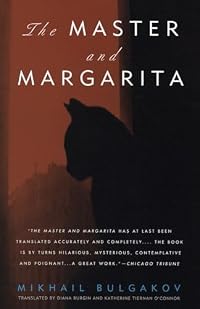
The Master and Margarita
by Mikhail Bulgakov
On This Page
Description
Despite its surreal environment of talking cats, Satan and mysterious happenings, The Master and Margarita is thought of as one of the most famous and best-selling Russian novels of the 20th century.Tags
Recommendations
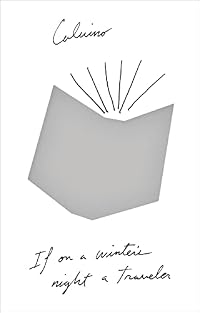
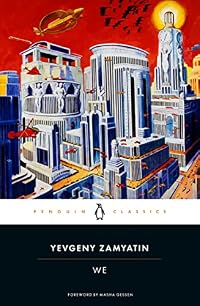

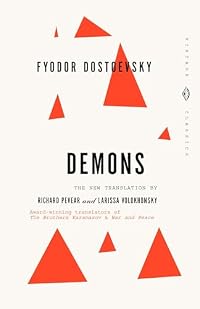
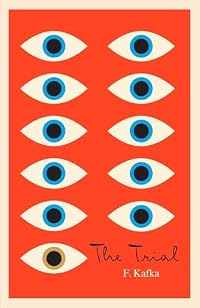

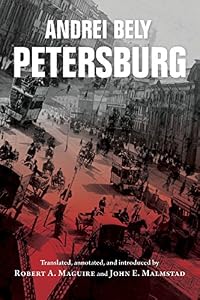
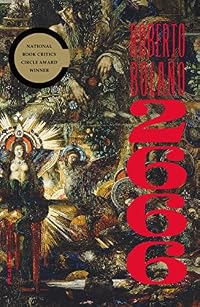
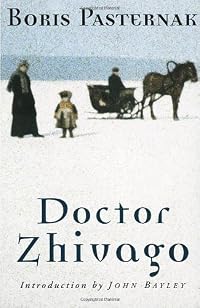
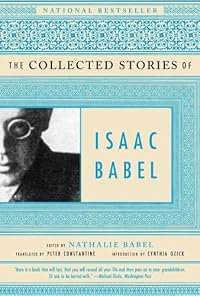
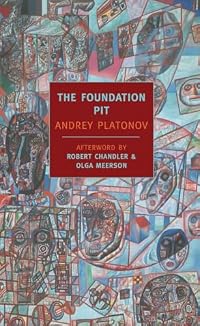
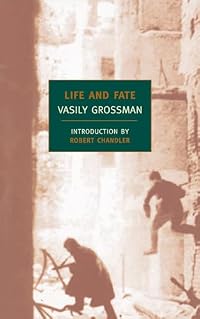
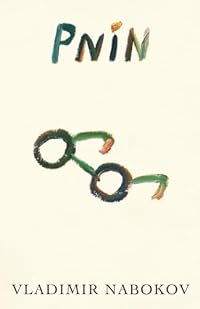
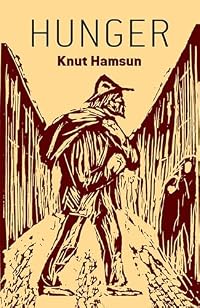
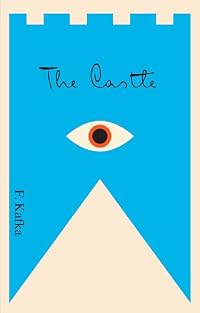
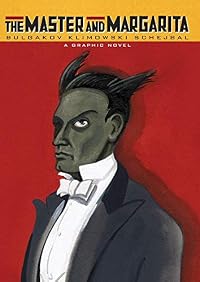

Member Recommendations
SCPeterson Another tale where the devil shows up as a device to reveal and transcend the normality of "imposed terror".
70

aethercowboy Woland and the gentleman with thistle-down hair are very similar.
40
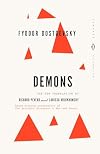
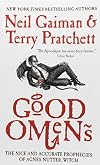
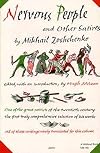
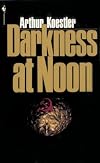
Cecrow A novel about the actual experience under early communist rule.
20
CGlanovsky The comparison is mostly to the "book-within-a-book" that makes up one half of Bulgakov's narrative. Both books tell a version of Jesus's encounter with Pilate where the Roman tries to intercede on the prophet's behalf.

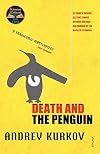
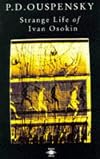

browsers More fun with evil.
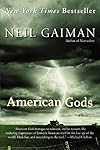
klarusu The same sense of unreality layered over a real-world setting, the same undercurrent of humour but this time it's the Devil that lands in Moscow
712
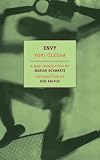
Rajinderjhol Rare opportunity to feel the exciting dialogues with the Devil.
04
Member Reviews
"Manuscripts don't burn."
I'm drawn immediately to anything featuring the Devil, and this one's no different; he and his retinue are electric. The social and political commentary is scathing and the takedown of the intelligentsia is excellent. It all holds up today, which is astonishing for a book written 80 years ago in the USSR.
Satan's Ball reminds me of the Inferno, as the writer calls to memory so many allusions to those he sees as damned. The Pontius Pilate thread is brilliant in a way I struggle to put into words; a Biblical story that carries none of the pomp and circumstance, none of the extraneous that has been added on by centuries or millennia of ecclesiastical veneration, is so hard to find, and it's done masterfully here.
The show more titular characters are the real heart of this book, which is odd as they only become relevant partway through the book; the start of the novel meanders somewhat, and is the reason I struggled with my reading pace, but as I reached Part 2 and their love came into focus, it grabbed me by the collar and refused to let me go.
“Follow me, reader! Who told you that there is no true, faithful, eternal love in this world! May the liar's vile tongue be cut out! Follow me, my reader, and me alone, and I will show you such a love!”
Four and a half stars - docked slightly due to the pacing of the first half dragging me down, but the book is enough of a masterwork to earn the 4.5. show less
I'm drawn immediately to anything featuring the Devil, and this one's no different; he and his retinue are electric. The social and political commentary is scathing and the takedown of the intelligentsia is excellent. It all holds up today, which is astonishing for a book written 80 years ago in the USSR.
Satan's Ball reminds me of the Inferno, as the writer calls to memory so many allusions to those he sees as damned. The Pontius Pilate thread is brilliant in a way I struggle to put into words; a Biblical story that carries none of the pomp and circumstance, none of the extraneous that has been added on by centuries or millennia of ecclesiastical veneration, is so hard to find, and it's done masterfully here.
The show more titular characters are the real heart of this book, which is odd as they only become relevant partway through the book; the start of the novel meanders somewhat, and is the reason I struggled with my reading pace, but as I reached Part 2 and their love came into focus, it grabbed me by the collar and refused to let me go.
“Follow me, reader! Who told you that there is no true, faithful, eternal love in this world! May the liar's vile tongue be cut out! Follow me, my reader, and me alone, and I will show you such a love!”
Four and a half stars - docked slightly due to the pacing of the first half dragging me down, but the book is enough of a masterwork to earn the 4.5. show less
Mikhail Bulgakov, a well-known Russian author, began his novel, The Master and Margarita, in 1928 but did not complete the manuscript until 1940. Even then, knowing it would offend censors in Stalin’s Russia, the author chose to keep the book under wraps, not wanting to run afoul of a backlash from the government. It was finally smuggled out to the West and published after the author’s death in 1966. Since then, it has been acknowledged as one of the best novels of the 20th century.
That accolade is well deserved. It is an enchanting book that describes what happens when Satan, in the disguise of a character named Wolan, visits Moscow with his minions in the 1930s. What follows is easily guessed, with all hell breaking loose. The show more story has two parallel tracks, describing the havoc caused by Satan’s appearance in Moscow along with a description of Pontius Pilate’s decision to allow the crucifixion of Jesus. Remarkably, the author is able to unify the two tales into a satisfactory whole.
While it might sound like a gloomy read, the opposite is true. Humor abounds as Bulgakov delights in the devilry taking place, which highlights the close interaction between good and evil. Religious beliefs put to the side, the reader cannot help but be amused by the chaos caused by Satan’s return to modern times, as he either seduces the story’s characters or wreaks havoc on their disbelief. The Master and Margarita remains a must-read here in a world where Satan still seems to be in charge of the discourse. show less
That accolade is well deserved. It is an enchanting book that describes what happens when Satan, in the disguise of a character named Wolan, visits Moscow with his minions in the 1930s. What follows is easily guessed, with all hell breaking loose. The show more story has two parallel tracks, describing the havoc caused by Satan’s appearance in Moscow along with a description of Pontius Pilate’s decision to allow the crucifixion of Jesus. Remarkably, the author is able to unify the two tales into a satisfactory whole.
While it might sound like a gloomy read, the opposite is true. Humor abounds as Bulgakov delights in the devilry taking place, which highlights the close interaction between good and evil. Religious beliefs put to the side, the reader cannot help but be amused by the chaos caused by Satan’s return to modern times, as he either seduces the story’s characters or wreaks havoc on their disbelief. The Master and Margarita remains a must-read here in a world where Satan still seems to be in charge of the discourse. show less
"Think, now: where would your good be if there were no evil and what would the world look like without shadow?"
I've been collecting looks while I've been reading this book—curious, concerned, amused, and, at times, even annoyed looks. This book, of course, is to blame because I quite literally couldn't help laughing each time I read through its pages.
This is the most spectacularly ridiculous book I have ever read. The devil and his posse of odd characters, among them a big black talking cat, descend on Moscow wreaking havoc to the literary community there and those connected to it.
I have never seen a project do so many things and succeed at each one of them excellently. Even for a person like me who is no expert on Russian show more Literature during the Stalin years, the political and social commentary is clear. Literature, and art in general, becomes more allegorical, makes uses of symbols, and is less direct and literal in a society faced with censorship and repression, which might bring lots of interpretations to a work like this, including narrow and uniformed ones. And so sticking to what I am sure of and know, this book is a delicious and fantastic offering.
Among the many things that fascinated me is how evil is presented here. It takes so many forms, is to be expected, is at times performed alongside the good and complicated. Given the liberties this book takes and how it blurs reality and even seems to make a joke of it, I am surprised by how well received it was by Western critics who normally look down on works like this. This is also one of those books that feel large, in that so much happened and so much is touched on, but what a treat from beginning to the end. show less
I've been collecting looks while I've been reading this book—curious, concerned, amused, and, at times, even annoyed looks. This book, of course, is to blame because I quite literally couldn't help laughing each time I read through its pages.
This is the most spectacularly ridiculous book I have ever read. The devil and his posse of odd characters, among them a big black talking cat, descend on Moscow wreaking havoc to the literary community there and those connected to it.
I have never seen a project do so many things and succeed at each one of them excellently. Even for a person like me who is no expert on Russian show more Literature during the Stalin years, the political and social commentary is clear. Literature, and art in general, becomes more allegorical, makes uses of symbols, and is less direct and literal in a society faced with censorship and repression, which might bring lots of interpretations to a work like this, including narrow and uniformed ones. And so sticking to what I am sure of and know, this book is a delicious and fantastic offering.
Among the many things that fascinated me is how evil is presented here. It takes so many forms, is to be expected, is at times performed alongside the good and complicated. Given the liberties this book takes and how it blurs reality and even seems to make a joke of it, I am surprised by how well received it was by Western critics who normally look down on works like this. This is also one of those books that feel large, in that so much happened and so much is touched on, but what a treat from beginning to the end. show less
I have read this novel several times, most recently with our Thursday evening book group. With its complex construction including three major story lines and fantastic elements including the presence of Satan and a large black cat as two major characters it certainly warrants rereading. And it rewards that rereading with a wonderful depth of meaning. The story is set in Moscow in the nineteen thirties when literature is controlled by the state. The reality of Soviet state suppression is one of the primary story lines and this is displayed with a flair for satire. The major state literary association is chaired by a bureaucrat named Berlioz. One of the main reasons I liked the book was its fundamental literary foundation with strong show more influence of the Faust story and the work of Russians, particularly Gogol and Pushkin.
The style seems dreamlike one moment and yet suddenly becomes very realistic. For example at one point Ivan Ponyrev, the "homeless" poet, is involved in a fantastic chase with the large black cat by his side as they jump from street to street until, with the beginning of a new paragraph, he is in a very dingy apartment building that is described in realistic detail. There is also the whimsy of naming several of the characters after famous composers, Berlioz and Rimsky [Korsakoff] for two examples. This appealed to my musical interests while the literary references abound as seen by this excerpt:
“You're not Dostoevsky,' said the citizeness, who was getting muddled by Koroviev. Well, who knows, who knows,' he replied.
'Dostoevsky's dead,' said the citizeness, but somehow not very confidently.
'I protest!' Behemoth exclaimed hotly. 'Dostoevsky is immortal!”
Satan, referred to as Woland and appearing as an old professor, with his familiar, a cat called Behemoth, prepares a fantastic ball (compare to Walpurgisnacht). At the ball the cat with the help of demons creates a scene of mayhem and ferocious comedy. I came to appreciate the humor even more after seeing a dramatic adaptation of it performed by a small theater company some time ago. The imagination displayed by the adaptation expanded my own horizons upon a subsequent rereading.
The satire becomes more apparent after rereading the novel while other humor includes slapstick episodes and the sheer insanity of the story. Another primary story line is religious as it is depicted through an inserted tale of Pontius Pilate and Christ as written by the poet known as the Master. With his mistress, Margarita, the Master leads the novel into a final phase that continues the fantastic elements of the story. I found the new translation by Pevear and Volokhonsky excellent as all their Russian translations have been. For those readers interested in magic and supernaturalism, Satan and Pontius Pilate with a beauty and a poet, this is the novel for you. This is certainly a twentieth century masterpiece. show less
The style seems dreamlike one moment and yet suddenly becomes very realistic. For example at one point Ivan Ponyrev, the "homeless" poet, is involved in a fantastic chase with the large black cat by his side as they jump from street to street until, with the beginning of a new paragraph, he is in a very dingy apartment building that is described in realistic detail. There is also the whimsy of naming several of the characters after famous composers, Berlioz and Rimsky [Korsakoff] for two examples. This appealed to my musical interests while the literary references abound as seen by this excerpt:
“You're not Dostoevsky,' said the citizeness, who was getting muddled by Koroviev. Well, who knows, who knows,' he replied.
'Dostoevsky's dead,' said the citizeness, but somehow not very confidently.
'I protest!' Behemoth exclaimed hotly. 'Dostoevsky is immortal!”
Satan, referred to as Woland and appearing as an old professor, with his familiar, a cat called Behemoth, prepares a fantastic ball (compare to Walpurgisnacht). At the ball the cat with the help of demons creates a scene of mayhem and ferocious comedy. I came to appreciate the humor even more after seeing a dramatic adaptation of it performed by a small theater company some time ago. The imagination displayed by the adaptation expanded my own horizons upon a subsequent rereading.
The satire becomes more apparent after rereading the novel while other humor includes slapstick episodes and the sheer insanity of the story. Another primary story line is religious as it is depicted through an inserted tale of Pontius Pilate and Christ as written by the poet known as the Master. With his mistress, Margarita, the Master leads the novel into a final phase that continues the fantastic elements of the story. I found the new translation by Pevear and Volokhonsky excellent as all their Russian translations have been. For those readers interested in magic and supernaturalism, Satan and Pontius Pilate with a beauty and a poet, this is the novel for you. This is certainly a twentieth century masterpiece. show less
Mikhail Bulgakov's The Master and Margarita begins on a spring evening in 1930s Moscow when two literary bureaucrats encounter with Woland, a mysterious foreign professor who correctly predicts the imminent death of one of them. That encounter unleashes a flurry of increasingly bizarre events across the Soviet capital. Woland—who is eventually revealed to be the Devil—and his curious entourage, including a giant talking cat named Behemoth and the terrifying assassin Azazello, expose the greed, vanity, cowardice, and corruption beneath the surface of respectable Soviet society. Interwoven with these episodes is the story of the Master, a persecuted writer whose novel about Pontius Pilate has been suppressed, and Margarita, the woman show more who remains fiercely devoted despite his disappearance and apparent ruin. Their love story unfolds alongside chapters recounting Pilate's interrogation and execution of Yeshua Ha-Notsri, Bulgakov's reimagining of Jesus Christ. As the boundaries between reality, fantasy, history, and myth get blurred, the destinies of Woland, the Master, Margarita, Pilate, and Yeshua gradually converge in a conclusion that is at once comic, tragic, and transcendent.
What makes The Master and Margarita so extraordinary is the audacity of its structure. Bulgakov weaves together three seemingly incompatible narratives—a satirical portrait of Stalinist Moscow, a romantic tale of artistic devotion, and a philosophical retelling of the Passion story—yet somehow connects them in a deft manner. The novel's shifting perspectives and abrupt changes in tone felt a little disorienting at first, but they ultimately created a powerful examination of truth, power, and moral responsibility. I also found the historical context to be an equally important part of the reading experience. Written in the shadow of Soviet censorship and political repression, the novel reflects the atmosphere of fear and conformity that characterized the Stalin era. The literary officials, bureaucrats, and opportunists who populate Moscow are not merely comic caricatures, they represent a system in which ideological status quo has displaced intellectual honesty and spiritual inquiry. Against that backdrop, the Master's persecution becomes an obvious allegory for the plight of artists living under authoritarian rule, while the Pilate plotline explores the consequences of moral cowardice in the face of political authority.
Few novels I have read possess the imaginative range or intellectual ambition of this one. The author’s prose is compelling and inventive, capable of moving effortlessly from slapstick farce to metaphysical meditation, and the novel's collection of characters is unforgettable. I was particularly impressed by Bulgakov’s use of humor, not merely for entertainment, but as a weapon against hypocrisy and tyranny. The relationship between the Master and Margarita also provides an emotional foundation that keeps the novel’s philosophical musings from becoming too abstract. That said, though, the novel is not flawless: its episodic construction occasionally impedes the momentum of the story, and I sometimes found the frequent shifts among satire, theology, and fantasy difficult to navigate. Also, some of the secondary events, amusing in isolation, felt superfluous before their larger significance became clear. Nevertheless, these are minor shortcomings in a work of remarkable originality, insight, and courage. Decades after its creation, this work remains one of the great novels of the twentieth century. It is a book that rewards careful reading with pure enjoyment, and one that I can enthusiastically recommend to anyone willing to embrace its complexity. show less
What makes The Master and Margarita so extraordinary is the audacity of its structure. Bulgakov weaves together three seemingly incompatible narratives—a satirical portrait of Stalinist Moscow, a romantic tale of artistic devotion, and a philosophical retelling of the Passion story—yet somehow connects them in a deft manner. The novel's shifting perspectives and abrupt changes in tone felt a little disorienting at first, but they ultimately created a powerful examination of truth, power, and moral responsibility. I also found the historical context to be an equally important part of the reading experience. Written in the shadow of Soviet censorship and political repression, the novel reflects the atmosphere of fear and conformity that characterized the Stalin era. The literary officials, bureaucrats, and opportunists who populate Moscow are not merely comic caricatures, they represent a system in which ideological status quo has displaced intellectual honesty and spiritual inquiry. Against that backdrop, the Master's persecution becomes an obvious allegory for the plight of artists living under authoritarian rule, while the Pilate plotline explores the consequences of moral cowardice in the face of political authority.
Few novels I have read possess the imaginative range or intellectual ambition of this one. The author’s prose is compelling and inventive, capable of moving effortlessly from slapstick farce to metaphysical meditation, and the novel's collection of characters is unforgettable. I was particularly impressed by Bulgakov’s use of humor, not merely for entertainment, but as a weapon against hypocrisy and tyranny. The relationship between the Master and Margarita also provides an emotional foundation that keeps the novel’s philosophical musings from becoming too abstract. That said, though, the novel is not flawless: its episodic construction occasionally impedes the momentum of the story, and I sometimes found the frequent shifts among satire, theology, and fantasy difficult to navigate. Also, some of the secondary events, amusing in isolation, felt superfluous before their larger significance became clear. Nevertheless, these are minor shortcomings in a work of remarkable originality, insight, and courage. Decades after its creation, this work remains one of the great novels of the twentieth century. It is a book that rewards careful reading with pure enjoyment, and one that I can enthusiastically recommend to anyone willing to embrace its complexity. show less
What a superb novel. Beautifully written, seamlessly crafted, brilliant. It took me a while to get into it, because it's no simple read, and I didn't have a block of time to devote to it. But once I spent a solid hour with no distractions, I was totally engrossed. I wish I could describe it better than this, but fundamentally, it's the story of the devil and his cohorts wreaking havoc in Moscow during the Stalin era. It's satirical, comical, witty and quite philosophical. The "secondary" plot line of Pontius Pilate's personal struggle with the judgment and punishment of Yeshua, incorporated as a novel written by the Master of the title, is a marvelous parallel story. Magical realism at its best.
Amazingly and surprisingly enjoyable read, even though it is a catalogue of the absurb and surreal it somehow flows effortlessly and avoids triggering disbelief. Woland/Satan and his entourage arrive one hot spring day to play tricks on Moscow and all hell breaks loose, various characters in the literati and theatre are committed to the mental asylum or sent on insane journeys. Meanwhile the story of Pilate and his reluctant attraction to Yeshua Ha-Nostri is recounted in more realist fashion. The Master and Margarita are revealed as a tragic couple in the second part of the book, him the failed author of Pilate's story, her the devoted lover who then makes a pact with the devil to preside over a fantastical ball and gain their rest. And show more much more besides, it is a kaleidescope of imagination. There are big underlying themes from the Soviet era, the balance of good and evil, religion and atheism, art and ambition, confinement and freedom, but really I don't know half of what was going on. What is most striking though is that underneath the devilish shenanigans it is a tender and sensual book, even sexy, and there is a real comedy (even if not exactly laugh out loud). And who can not love the black cat, Behemoth. show less
Members
- Recently Added By
Published Reviews
Hostigado y perseguido, como tantos otros creadores e intelectuales rusos, por sus críticas al sistema soviético, MIJAIL BULGÁKOV (1891-1940) no pudo llegar a ver publicada "El maestro y margarita", que, escrita entre 1929 y su fallecimiento, sólo pudo ver la luz en 1966. Novela de culto, la obra trasciende la mera sátira, si bien genial, de la sociedad soviética de entonces -con su show more población hambrienta, sus burócratas estúpidos, sus aterrados funcionarios y sus corruptos artistas, cuya sórdida existencia viene a interrumpir la llegada a Moscú del diablo, acompañado de una extravagante corte-, para erigirse en metáfora de la complejidad de la naturaleza humana, así como del eterno combate entre el bien y el mal. show less
added by pacocillero
Lists

1001 Books You Must Read Before You Die
1,448 works; 1,132 members

The Guardian's 1000 Novels Everyone Must Read
1,005 works; 546 members

Classics you know you should have read but probably haven't
421 works; 407 members
BBC Big Read
191 works; 45 members
501 Must-Read Books
508 works; 71 members

Le Monde - Les 100 livres du siècle
121 works; 25 members

Magic Realism
371 works; 51 members

Recommend the 20 best books you've read in the last five years
2,167 works; 606 members

Favourite Books
1,817 works; 308 members

The Top Ten: Writers Pick Their Favorite Books
240 works; 31 members
20th Century Literature
1,161 works; 54 members

Best Books Involving Satan
63 works; 26 members

Metafiction
84 works; 21 members

Philosophical Fiction
97 works; 27 members
Best Political Fiction
92 works; 12 members

Slipstream or Interstitial Fiction
160 works; 19 members

Best Fantasy Originally Published in a Language Other Than English
84 works; 24 members

Canon de la narrativa universal del siglo XX
254 works; 6 members

Weird and Weirder Fiction
266 works; 34 members

Books Featured on Gilmore Girls
307 works; 21 members

Experimental Literature
141 works; 17 members
1960s, Best books published therein
254 works; 22 members

Books I've Read More Than Once
602 works; 49 members

Story Within a Story
65 works; 17 members
LibraryThingers' 1001 Books You Must Read Before You Die
442 works; 30 members
Folio Society
831 works; 53 members
1,001 BYMRBYD Concensus
723 works; 27 members

Top Five Books of 2015
811 works; 240 members

A Novel Cure
742 works; 23 members

Top Five Books of 2016
795 works; 228 members

Writers as Characters in Fiction
120 works; 19 members

Mind Expanding Books by hackerkid
581 works; 8 members

Rory Gilmore Book Club
193 works; 5 members

Modernism
140 works; 8 members
Blue Pyramid 1,276 Best Books of All Time
1,248 works; 32 members

Religion in Fantasy and Horror
38 works; 9 members

SHOULD Read Books!
354 works; 9 members
Jordan B. Peterson's Recommended Books
104 works; 5 members

SomethingAwful TBB BOTM
66 works; 2 members

Books set in Moscow
16 works; 1 member

Books Read in 2015
3,298 works; 129 members

99 Bücher, die man gelesen haben muss
37 works; 1 member

Books from around the world: Asia
11 works; 1 member
Books Read in 2016
4,666 works; 197 members

Speculative Fiction from around the World
610 works; 17 members
Overdue Podcast
803 works; 9 members

Literature which inspired Pop songs
85 works; 9 members

Maybe This Year? Books to Look Forward To
406 works; 9 members

Speculative Fiction to Read
706 works; 32 members

Books Read in 2022
5,164 works; 113 members

Blackwell's Five Foot Bookshelf
72 works; 4 members

Eton's list - the books every bright 16 year-old should read
40 works; 6 members

Reading Globally
136 works; 16 members

100 knjiga
100 works; 1 member
Canon de la narrativa universal del s. XX (cicutadry)
499 works; 3 members

Books in The Club Dumas
72 works; 1 member

DigitalDreamDoor top 300
300 works; 4 members
Favorite Books in Translation
320 works; 133 members
My Favorite Russian Novels
37 works; 2 members
Best literature ever!
39 works; 1 member
Reading LIst
648 works; 1 member
The Complete Rory Gilmore Reading List
506 works; 5 members

The "A" List
67 works; 8 members
David Bowie’s Top 100 Favourite Reads
100 works; 3 members
GREAT 1960s BOOKS
37 works; 1 member
.
396 works; 1 member

Books Read in 2025
4,090 works; 97 members
Books We Want To Read Again For The First Time
384 works; 160 members
School Made Us Read It
380 works; 196 members

Recommended Reading : 600 Classics Reviewed, Editors of Salem Press, 2015
634 works; 6 members
The 150 Greatest Novels of All Time
150 works; 6 members

Around the World in 80 Books
79 works; 4 members
Our Favorite Banned Books
138 works; 122 members

Books for Birute
39 works; 1 member
Allegorical Fiction
16 works; 4 members
KayStJ's to-read list
1,616 works; 11 members

Books Read in 2014
2,341 works; 87 members

All Things Russia
459 works; 11 members

Devilish Books
15 works; 3 members

My TBR
371 works; 3 members

Further Russian Reading
19 works; 3 members

Books Read in 2010
631 works; 10 members

The Art of Manliness' 100+ Books Every Man Should Read
108 works; 2 members

Greatest Books, allegedly
484 works; 9 members
Mustich's 1000 Books to Read Before You Die: A Life Changing List
1,001 works; 18 members
Franklit
95 works; 1 member

Book wishlist
78 works; 1 member

At the Library
217 works; 1 member

Witchy Fiction
253 works; 126 members

Books Read in 2026
1,665 works; 62 members
Five star books
1,755 works; 107 members

Unread books
1,063 works; 87 members
Talk Discussions
Past Discussions
Master and Margarita in Fine Press Forum (November 2023)
The Master and Margarita - Group Read in 75 Books Challenge for 2017 (February 2018)
Mikhail Bulgakov in Fans of Russian authors (November 2017)
The Master and Margarita Group Read: Part 1 in Club Read 2012 (July 2017)
Master and the Margarita Group Read (April) in 75 Books Challenge for 2016 (May 2016)
The Master and Margarita Group Read: Part 2 in Club Read 2012 (July 2012)
Master & Margarita Spoiler-Free in The 11 in 11 Category Challenge (February 2011)
Group Read (January): The Master and Margarita in The 11 in 11 Category Challenge (January 2011)
The Master and Margarita: What edition are you reading? in Group Reads - Literature (August 2009)
Author Information

359+ Works 34,886 Members
Mikhail Afanasevich Bulgakov was a Russian playwright, novelist, and short-story writer best known for his use of humor and satire. He was born in Kiev, Ukraine, on May 15, 1891, and graduated from the Medical School of Kiev University in 1916. He served as a field doctor during World War I. Bulgakov's association with the Moscow Art Theater began show more in 1926 with the production of his play The Days of the Turbins, which was based on his novel The White Guard. His work was popular, but since it ridiculed the Soviet establishment, was frequently censored. His satiric novel The Heart of a Dog was not published openly in the U.S.S.R. until 1987. Bulgakov's plays including Pushkin and Moliere dealt with artistic freedom. His last novel, The Master and Margarita, was not published until 1966-67 and in censored form. Bulgakov died in Moscow on March 10, 1940. (Bowker Author Biography) A practicing physician like Anton Chekhov, Mikhail Afanasevich Bulgakov became a popular writer and playwright in the comparatively easier political climate of the Soviet Union during the 1920s. The civil war and its internecine horrors became one of his major themes as did the new Soviet society. His early prose is often satiric, with strong elements of the fantastic and grotesque, but it also contains the themes of guilt and personal responsibility that become so crucial in his later work. Bulgakov wrote a number of important plays that provoked bitter attacks in the press, and he was shut out of the theater and literature in 1929. Only a direct appeal to Stalin allowed Bulgakov to resume a professional career. Even then, however, some publishing houses and theaters rejected some of his important works, such as the novel Life of Monsieur de Moliere (1933). Bulgakov's masterpiece written over a number of years and only published decades after his death is the novel Master and Margarita (1966-67). Combining two principal plot lines-Satan's visit to contemporary Moscow and the trial and execution of Jesus in biblical Judaea-the work may be read on many levels, from the purely satiric to the allegorical. It has been acclaimed as one of the most important achievements of twentieth-century Russian fiction. Today, Bulgakov is celebrated for both his plays and his novels. Several of his plays are public favorites and standard fare in Russian theaters. Bulgakov died in Moscow on March 10, 1940. (Bowker Author Biography) show less
Some Editions
Awards and Honors
Awards
Distinctions
Notable Lists
Series
Belongs to Publisher Series
ΒΙΠΕΡ : Best Seller (167)
Βιβλιοθήκη· Ανάγνωση (19)
Venècies (3)
Harvill (11)
Colecção Mil Folhas (14)
dtv phantastica (1872)
En bok för alla (2006)
Alianza Tres (60)
ET Tascabili [Einaudi] (393)
Grote ABC (110)
Sammlung Luchterhand (62093)
dtv (10168/11668)
Gallimard, Folio (6584)
A tot vent (744)
Work Relationships
Is contained in
Contains
Has the adaptation
Inspired
Has as a reference guide/companion
Has as a commentary on the text
Has as a student's study guide
Common Knowledge
- Canonical title
- The Master and Margarita
- Original title
- Мастер и Маргарита
- Alternate titles*
- Master i Margarita
- Original publication date
- 1966 (redacted ed.) (redacted ed.); 1969 (1st complete ed. ∙ Germany) (1st complete ed. ∙ | Germany); 1973 (Russia) (Russia)
- People/Characters
- The Master [Master and Margarita]; Margarita Nikolayevna; Mikhail Alexandrovich Berlioz; Ivan Nikolayevich "Bezdomny" Ponyrov; Stephan Bogdanovich Likhodeyev; Grigory Danilovich Rimsky (show all 35); Ivan Savelyevich Varenukha; Nikanor Ivanovich Bosoy; Natasha; Woland; Behemoth; Koroviev; Azazello; Hella; Abadonna; Aphranius; Matthew, the Evangelist (Matthew Levi); Joseph Kaifa; Yeshua Ha-Nozri; Pontius Pilate; Centurion Marcus; Archibald Archibaldovich; Professor Stravinsky; Praskovya Fyodorovna; George Bengalsky; Arkady Appollonovitch Sempleyanov; Dismas; Gestas; Bar-rabban; Anna Richardnova; Nikolai Ivanovich; Annushka; Niza; Judas Iscariot; Jesus Christ
- Important places
- Moscow, USSR; Jerusalem; USSR; Russia; Yershalaim
- Important events
- 20th century; 1st century
- Related movies
- Il maestro e Margherita (1972 | IMDb); Mistrz i Malgorzata (1990 | IMDb); Master i Margarita (1994 | IMDb); Master i Margarita (2005 | IMDb); The Master and Margarita (2023 | IMDb)
- Epigraph
- ...and so who are
you, after all?
—I am part of the power
which forever wills evil
and forever works good.
Goethe's Faust
‘Say at last — who art thou?’
‘That Power I serve
Which wills forever evil
Yet does forever good.’
Goethe, Faust - First words
- At the hour of sunset, on a hot spring day, two citizens appeared in the Patriarchs' Ponds Park. (Mirra Ginsburg)
At the sunset hour of one warm spring day two men were to be seen at Patriarch's Ponds. (Michael Glenny)
One hot spring evening, just as the sun was going down, two men appeared at Patriarch's Ponds. (Diana Burgin & Katherine Tiernan O'Connor)
At the hour of the hot spring sunset two citizens appeared at the Patriarch's Ponds. (Richard Pevear & Larissa Volokhonsky)
Once upon an unusually hot hour of sunset in spring, two gentlemen appeared at Patriarch's Ponds in Moscow. (Michael Karpelson)
At the hour of the hot spring sunset at Patriarch's Pond two citizens appeared. (Hugh Aplin) (show all 8)
In Moscow one spring, at an unusually hot hour, around sunset, two citizens appeared at Patriarch's Ponds. (John Dougherty)
On a spring day, when a blaze sunset was burning in Moscow sky, two men were walking along the Patriarch's Pond. (Elena Yuschenko) - Quotations
- ...manuscripts don’t burn.
what would your good do if evil didn't exist, and what would the earth look like if all the shadows disappeared? - Last words
- (Click to show. Warning: May contain spoilers.)His lacerated memory subsides, and no one will trouble the professor until the next full moon—neither the noseless killer of Gestas, nor the cruel fifth Procurator of Judea, the rider Pontius Pilate. (Mirra Ginsburg)
(Click to show. Warning: May contain spoilers.)His bruised memory has subsided again and until the next full moon no one will trouble the professor—neither the noseless man who killed Hestas nor the cruel Procurator of Judea, fifth in that office, the knight Pontius Pilate. (Michael Glenny)
(Click to show. Warning: May contain spoilers.)His ravaged memory quiets down, and no one will trouble the professor until the next full moon: neither the noseless murderer of Gestas, nor the cruel fifth procurator of Judea, the knight Pontius Pilate. (Diana Burgin & Katherine Tiernan O'Connor)
(Click to show. Warning: May contain spoilers.)His needled memory grows quiet, and until the next full moon no one will trouble the professor — neither the noseless killer of Gestas, nor the cruel fifth procurator of Judea, the equestrian Pontius Pilate. (Richard Pevear & Larissa Volokhonsky)
(Click to show. Warning: May contain spoilers.)His tortured memory fades and, until the next full moon, no one will disturb the professor. Neither Hestas' noseless killer, nor the cruel fifth procurator of Judea, the knight Pontius Pilate. (Michael Karpelson)
(Click to show. Warning: May contain spoilers.)His pricked memory quietens down, and until the next full moon the Professor will be troubled by no one: neither the noseless murder of Gestas, nor the cruel fifth Procurator of Judea, the horseman Pontius Pilate. (Hugh Aplin)
(Click to show. Warning: May contain spoilers.)His stabbing memories fade, and until the next full moon, no one will trouble the professor: not the noseless executioner of Gestas, nor the cruel fifth procurator of Judea, the rider Pontius Pilate. (John Dougherty)
(Click to show. Warning: May contain spoilers.)His pinned memory is peaceful, up to the next full moon he will not get disturbed. Professor won't be disturbed either by noseless executor of Hestas, or by the cruel fifth procurator of Judea Knight Pontius Pilate. (Elena Yuschenko) - Blurbers
- Jones, Nigel; O'Grady, Desmond; Simonov, Konstantin; Stevens, Edmund
- Original language
- Russian
- Canonical DDC/MDS
- 891.7342
- Canonical LCC
- PG3476.B78
*Some information comes from Common Knowledge in other languages. Click "Edit" for more information.
Classifications
- Genres
- Fiction and Literature, General Fiction, Fantasy
- DDC/MDS
- 891.7342 — Literature & rhetoric Literatures of other languages East Indo-European and Celtic literatures Russian and East Slavic languages Russian fiction USSR 1917–1991 Early 20th century 1917–1945
- LCC
- PG3476 .B78 — Language and Literature Slavic languages and literatures. Baltic languages. Albanian language Slavic. Baltic. Albanian Russian literature Individual authors and works 1917-1960
- BISAC
Statistics
- Members
- 23,714
- Popularity
- 208
- Reviews
- 513
- Rating
- (4.21)
- Languages
- 35 — Bulgarian, Catalan, Chinese, Czech, Danish, Dutch, English, Esperanto, Estonian, Finnish, French, German, Greek, Hebrew, Hungarian, Icelandic, Italian, Korean, Latvian, Lithuanian, Norwegian (Bokmål), Norwegian, Farsi/Persian, Polish, Romanian, Russian, Serbian, Croatian, Slovak, Slovenian, Spanish, Swedish, Turkish, Ukrainian, Portuguese (Portugal)
- Media
- Paper, Audiobook, Ebook
- ISBNs
- 567
- ASINs
- 148