
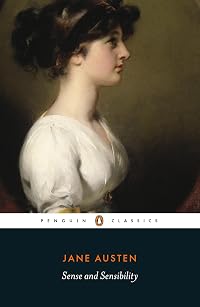
Sense and Sensibility
by Jane Austen
On This Page
Description
When Mr. Dashwood dies, he leaves his second wife and her three daughters at the mercy of his son and heir, John. John's wife convinces him to turn his step-mother and half-sisters out, and they move to a country cottage, rented to them by a distant relative. In their newly reduced circumstances Elinor and Marianne, the two eldest daughters, wrestle with ideas of romance and reality and their apparent opposition to each other. Elinor struggles in silent propriety, while Marianne is as show more violently romantic as her ideals. Life, however, teaches the girls to balance sense and sensibility in their approach to love and marriage. show lessTags
Recommendations
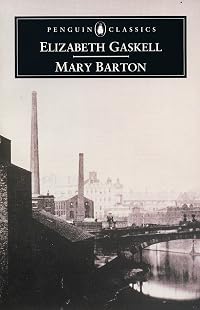
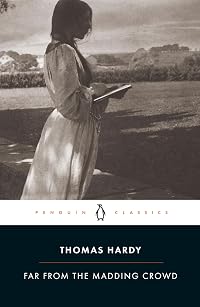
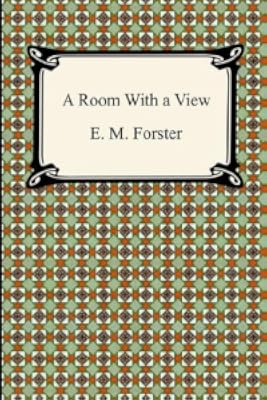
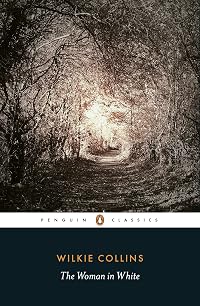



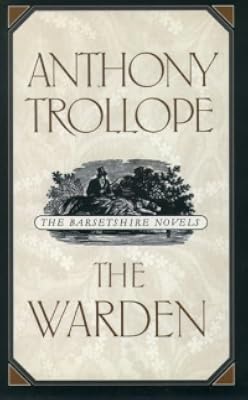
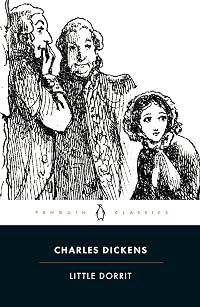

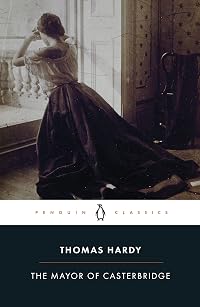

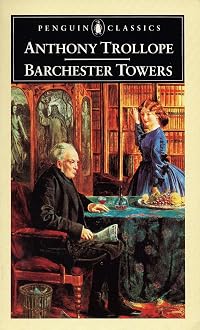

Member Recommendations
Shuffy2 This book is great! It is about family relations and unrequited love! I recommend to any Austen fan!
204


Member Reviews
Sense and Sensibility was my first Jane Austen novel, for the simple reason that it leads off the one-volume edition of her works that I was able to snag for about 30 cents at a library booksale. I had no idea it would be the gateway to an immersive new world I had not previously imagined (and when I say immersive, I mean it; I finished this one-volume edition of Austen's six novels plus Lady Susan over the course of the following two weeks).
The plot is well known and tells the story of the Dashwood family, a mother and three daughters left nearly destitute by the death of Mr. Dashwood and the laws that precluded their inheriting any significant portion of his fortune. The two elder Miss Dashwoods, Elinor and Marianne, must find a way show more to live in a world that afforded women very few options. The two sisters could not be more different: Elinor orders her life and behavior according to common sense, while Marianne is ruled by her sensibilities and emotions. Their adventures and misadventures in love and the world of fashion during the Regency is beautifully rendered, with layers of meaning and thought and humor under even the smallest interactions and conversations. I never knew someone could write like this.
Pride and Prejudice seems the obligatory favorite of Austen's novels and I do love it very much, but Sense and Sensibility will always vie for first place in my Austenian affections. Imagine reading Austen with no background knowledge, no movie versions in your head, no knowing what the characters are going to do or where the plot is going to go. It was an amazing literary experience and one that cannot be manufactured. Five stars isn't enough to express my love for this novel. I will simply say: thank you, Jane Austen. show less
The plot is well known and tells the story of the Dashwood family, a mother and three daughters left nearly destitute by the death of Mr. Dashwood and the laws that precluded their inheriting any significant portion of his fortune. The two elder Miss Dashwoods, Elinor and Marianne, must find a way show more to live in a world that afforded women very few options. The two sisters could not be more different: Elinor orders her life and behavior according to common sense, while Marianne is ruled by her sensibilities and emotions. Their adventures and misadventures in love and the world of fashion during the Regency is beautifully rendered, with layers of meaning and thought and humor under even the smallest interactions and conversations. I never knew someone could write like this.
Pride and Prejudice seems the obligatory favorite of Austen's novels and I do love it very much, but Sense and Sensibility will always vie for first place in my Austenian affections. Imagine reading Austen with no background knowledge, no movie versions in your head, no knowing what the characters are going to do or where the plot is going to go. It was an amazing literary experience and one that cannot be manufactured. Five stars isn't enough to express my love for this novel. I will simply say: thank you, Jane Austen. show less
I have read this book many times, and I still enjoy it. The characters of the sisters Elinor and Marianne people I would like to meet. Austen's genius is in her characters, and her deft maneuvering of them as she utilizes them to comment on culture and society.
The only things I find disappointing in this novel are the relationships at the end. I think Elinor and Colonel Brandon are much better suited to each other. Edward is so inarticulate and emasculated that it's hard to see what she sees in him.
It's interesting to see how everyone changes their tunes about Willoughby. His actions are reprehensible, yet when he expresses remorse (doing nothing to alleviate the injuries his actions have caused) even Elinor softens toward him. No! The show more man is a charming sociopath. He showed everyone who he was. show less
The only things I find disappointing in this novel are the relationships at the end. I think Elinor and Colonel Brandon are much better suited to each other. Edward is so inarticulate and emasculated that it's hard to see what she sees in him.
It's interesting to see how everyone changes their tunes about Willoughby. His actions are reprehensible, yet when he expresses remorse (doing nothing to alleviate the injuries his actions have caused) even Elinor softens toward him. No! The show more man is a charming sociopath. He showed everyone who he was. show less
this may be austen's funniest book, and the middle volume is a mile-per-minute social drama of the highest calibre, just endlessly riveting. but my hot take is that elinor should've ended up with brandon and marianne with edward, since those were the more interesting conversations to read throughout the novel, and i felt a little meh about the ending because i knew what was coming, lol
93/2020. Not as laugh aloud farcically amusing as P&P but the denouement does include several of the bitchiest lines Austen ever published, including this gem about Edward Ferrars: "[...] after experiencing the blessings of *one* imprudent engagement, contracted without his mother's consent, as he had already done for more than four years, nothing less could be expected of him in the failure of *that*, than the immediate contraction of another."
Interestingly, I have far more sympathy for Marianne now than when I eye-rolled my way through reading S&S as a set book as a teenager at school. With the hindsight of age and experience I've also realised that Elinor isn't nearly as sensible as she thinks she is. However, I always knew that show more Colonel Brandon > Edward Ferrars. And why wasn't there a Mrs Jennings in my life when I was a teenager? I would've appreciated her far more than Elinor or Marianne did!
Reading notes
"probabilities and proofs" sound like a missing Blackadder the Third episode about maths. Why isn't there a maths themed romance novel with this title? I'd read it!
Lol 1: "His temper might perhaps be a little soured by finding, like many others of his sex, that through some unaccountable bias in favour of beauty, he was the husband of a very silly woman, - but she knew that this kind of blunder was too common for any sensible man to be lastingly hurt by it."
Lol 2: "Well, it is the oddest thing to me, that a man should use such a pretty girl so ill! But when there is plenty of money on one side, and next to none on the other, Lord bless you! they care no more about such things!"
I still find Edward's wanton scissor-destruction both distressing and offensive. What a spoiled brat he is! (At least they weren't embroidery scissors.) show less
Interestingly, I have far more sympathy for Marianne now than when I eye-rolled my way through reading S&S as a set book as a teenager at school. With the hindsight of age and experience I've also realised that Elinor isn't nearly as sensible as she thinks she is. However, I always knew that show more Colonel Brandon > Edward Ferrars. And why wasn't there a Mrs Jennings in my life when I was a teenager? I would've appreciated her far more than Elinor or Marianne did!
Reading notes
"probabilities and proofs" sound like a missing Blackadder the Third episode about maths. Why isn't there a maths themed romance novel with this title? I'd read it!
Lol 1: "His temper might perhaps be a little soured by finding, like many others of his sex, that through some unaccountable bias in favour of beauty, he was the husband of a very silly woman, - but she knew that this kind of blunder was too common for any sensible man to be lastingly hurt by it."
Lol 2: "Well, it is the oddest thing to me, that a man should use such a pretty girl so ill! But when there is plenty of money on one side, and next to none on the other, Lord bless you! they care no more about such things!"
I still find Edward's wanton scissor-destruction both distressing and offensive. What a spoiled brat he is! (At least they weren't embroidery scissors.) show less
Sense and Sensibility is a lot like a Fast & Furious movie, except there are no supercar races, gun fights, fist fights, robbery, and scantily clad girls. Come to think of it Sense and Sensibility is nothing like a Fast & Furious movie. I just had no idea how to start off the review.
Actually Sense and Sensibility is (seriously now) a lot like [b: Pride and Prejudice|1885|Pride and Prejudice|Jane Austen|https://d.gr-assets.com/books/1320399351s/1885.jpg|3060926]. What with the sisters, one stoic and worldly, one a little wild, impulsive and naive, not to mention the youngest one who is the Maggie Simpson* of the family and does not have much to do. Then we have the nice but immediately friendzoned gentlemen, the handsome cad and the show more twittering mom with the dollar GBP sign popping up in her eyes when considering her daughters’ matrimonial prospects.
In all fairness to Ms. Austen, the two books are not that similar, Sense and Sensibility is her debut novel and she later used some of the same elements to write her magnum opus (“Pride” that is). The book is entirely focussed on the two Dashwood sisters Elinor and Marianne and their felicitous relationships with men. This is not the kind of book you should put through the Bechdel test because the ladies herein very seldom talk about anything else except the men in their lives. Still, you never have to wonder what the ladies in this book do in their spare time because all their time seems to be spare time, [a: Thomas Hardy|15905|Thomas Hardy|https://d.gr-assets.com/authors/1429946281p2/15905.jpg]’s heroines seem to have much harder and more productive lives. Still, I don’t want to put too much of a negative spin on Sense and Sensibility because it is a pleasure to read in spite of its flaws and low stakes.
Jane Austen is brilliant at writing silly, twittering, meddling women who actually mean well but never stop talking except when they are listening through the door and completely misunderstanding the snatches of conversation they could hear. Mrs. Jennings, a friend of the family, is my favorite character in the book, she can always be relied upon to hilariously bark up the wrong tree. Curiously characterization is both a strength and a weakness of this book. The “good guys”, namely Edward Ferrars and Colonel Brandon, are awfully dull, semi-zombified gentlemen. Whereas Willoughby the cad is lively and always game for a laugh. Sir John Dashwood, who is somewhat of an antagonist, is not so lively but he is hilariously tactless and shallow. Our two heroines are both too nice and are no match for the almost-femme fatale Lucy Steele.
Jane Austen is at her best when she is skewering people in polite society and terribly inhibited gents:
“The nature of her commendation, in the present case, however, happened to be particularly ill-suited to the feelings of two thirds of her auditors, and was so very unexhilarating to Edward, that he very soon got up to go away”
Unexhilarating! LOL! Then there is this bit which is worthy of a high five:
“she did not really like them at all. Because they neither flattered herself nor her children, she could not believe them good-natured; and because they were fond of reading, she fancied them satirical: perhaps without exactly knowing what it was to be satirical; but THAT did not signify. It was censure in common use, and easily given.”
I started reading Jane Austen to find out what the fuss is about, why do the studios keep adapting her works for films and TV? Initially I did not get it, her storylines always seem inconsequential to me but I have always liked her beautiful prose so I keep coming back to read more. With Sense and Sensibility it finally clicked for me. The snark! Beneath the Victorian politeness and sense of decorium Ms. Austen was a fabulously snarky lady. Having come to this conclusion I am practically ready to join the rank of the Janeites. I already have a bonnet, with several bees in it.
* and her name is Maggie Dashwood! (sort of)
___________________________
Notes:
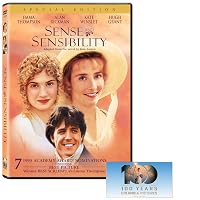
It’s kind of a shame that the multiple Oscars winning 1995 film adaptation cast the excellent Alan Rickman and Hugh Grant as the nice but awfully boring gentlemen. Emma Thompson is spot on as the super competent Elinor Dashwood though, and Kate Winslet is always worth the admission price.
GR's Sense and Sensibility Quotes page is full of pithy lines, I think it misrepresents the books as something overly earnest or serious. Sense and Sensibility is, for me, a hoot.
Special thanks to the fabulous Ms. Karen Savage for her gracious and beautiful narration of the free Librivox audiobook edition of Sense and Sensibility. She could narrate a laundry list and I'd be happy to listen to it. show less
Actually Sense and Sensibility is (seriously now) a lot like [b: Pride and Prejudice|1885|Pride and Prejudice|Jane Austen|https://d.gr-assets.com/books/1320399351s/1885.jpg|3060926]. What with the sisters, one stoic and worldly, one a little wild, impulsive and naive, not to mention the youngest one who is the Maggie Simpson* of the family and does not have much to do. Then we have the nice but immediately friendzoned gentlemen, the handsome cad and the show more twittering mom with the dollar GBP sign popping up in her eyes when considering her daughters’ matrimonial prospects.
In all fairness to Ms. Austen, the two books are not that similar, Sense and Sensibility is her debut novel and she later used some of the same elements to write her magnum opus (“Pride” that is). The book is entirely focussed on the two Dashwood sisters Elinor and Marianne and their felicitous relationships with men. This is not the kind of book you should put through the Bechdel test because the ladies herein very seldom talk about anything else except the men in their lives. Still, you never have to wonder what the ladies in this book do in their spare time because all their time seems to be spare time, [a: Thomas Hardy|15905|Thomas Hardy|https://d.gr-assets.com/authors/1429946281p2/15905.jpg]’s heroines seem to have much harder and more productive lives. Still, I don’t want to put too much of a negative spin on Sense and Sensibility because it is a pleasure to read in spite of its flaws and low stakes.
Jane Austen is brilliant at writing silly, twittering, meddling women who actually mean well but never stop talking except when they are listening through the door and completely misunderstanding the snatches of conversation they could hear. Mrs. Jennings, a friend of the family, is my favorite character in the book, she can always be relied upon to hilariously bark up the wrong tree. Curiously characterization is both a strength and a weakness of this book. The “good guys”, namely Edward Ferrars and Colonel Brandon, are awfully dull, semi-zombified gentlemen. Whereas Willoughby the cad is lively and always game for a laugh. Sir John Dashwood, who is somewhat of an antagonist, is not so lively but he is hilariously tactless and shallow. Our two heroines are both too nice and are no match for the almost-femme fatale Lucy Steele.
Jane Austen is at her best when she is skewering people in polite society and terribly inhibited gents:
“The nature of her commendation, in the present case, however, happened to be particularly ill-suited to the feelings of two thirds of her auditors, and was so very unexhilarating to Edward, that he very soon got up to go away”
Unexhilarating! LOL! Then there is this bit which is worthy of a high five:
“she did not really like them at all. Because they neither flattered herself nor her children, she could not believe them good-natured; and because they were fond of reading, she fancied them satirical: perhaps without exactly knowing what it was to be satirical; but THAT did not signify. It was censure in common use, and easily given.”
I started reading Jane Austen to find out what the fuss is about, why do the studios keep adapting her works for films and TV? Initially I did not get it, her storylines always seem inconsequential to me but I have always liked her beautiful prose so I keep coming back to read more. With Sense and Sensibility it finally clicked for me. The snark! Beneath the Victorian politeness and sense of decorium Ms. Austen was a fabulously snarky lady. Having come to this conclusion I am practically ready to join the rank of the Janeites. I already have a bonnet, with several bees in it.
* and her name is Maggie Dashwood! (sort of)
___________________________
Notes:
It’s kind of a shame that the multiple Oscars winning 1995 film adaptation cast the excellent Alan Rickman and Hugh Grant as the nice but awfully boring gentlemen. Emma Thompson is spot on as the super competent Elinor Dashwood though, and Kate Winslet is always worth the admission price.
GR's Sense and Sensibility Quotes page is full of pithy lines, I think it misrepresents the books as something overly earnest or serious. Sense and Sensibility is, for me, a hoot.
Special thanks to the fabulous Ms. Karen Savage for her gracious and beautiful narration of the free Librivox audiobook edition of Sense and Sensibility. She could narrate a laundry list and I'd be happy to listen to it. show less
Summary: Austen’s first novel, contrasting two sisters’ approach to love: common sense judgment versus more emotional sympathy.
Jane Austen’s birthday was December 16, 1775. So, the literary world spent the last year celebrating the two-hundred-fiftieth year of her birth. I’m a bit late to the celebration but one of my reading resolutions for 2026 is to read her six major novels, most of her published work. As for reviewing Jane Austen, volumes have been written of each of her books so my “reviews” will be more in the line of first responses to encountering Austen’s work. I’ve not viewed the film portrayals of her work, so my readings truly are first encounters, and no doubt reveal me as an Austen neophyte. Hopefully, I show more will inspire other first time readers as well as her fans.
It surprised me to learn that when Austen published this work, the original edition title page simply said “By a Lady.” It suggests to me the gender challenges she faced. At the same time, to not hide her gender was bold, it seems to me.
The title signifies the main theme of the book: the two approaches to love of the Dashwood sisters, Elinor and Marianne. However, the backdrop of the book concerns money and inheritance as it bears on matters of love. For the Dashwood sisters, this is set up by Henry Dashwood, who asked his son John on his deathbed to provide for his stepmother and stepsisters. But beyond a basic “living,” John’s wife discourages any further help. Mrs. Dashwood and her daughters, including Margaret, the youngest, accept a modest existence. Sir John Middleton ameliorates their straitened circumstances by providing them the use of Barton Cottage and welcoming them to gatherings at Barton Hall. However, their financial condition affects the marriage prospects of the sisters.
This is where sense and sensibility come into play. Elinor is the one with “sense.” She is somewhat diffidently courted by Edward Ferrars. The couple do grow in their friendship and Elinor has hope of more. Edward, as eldest son, has the expectation of a good inheritance. But mother has her sights set higher than Elinor Dashwood. Edward ceases to be in contact, and it appears he is affianced to the socially ambitious Lucy Steele. Elinor comes to a stoic acceptance that she may not marry–except we see hints that in her heart of hearts, she would have it otherwise.
Meanwhile, Marianne, the younger sister, is beautiful, winsome and characterized by “sensibility.” Attraction and connection matter. Through the Middletons, she meets Colonel Brandon. Brandon is more than ten years older and has a respectable estate after a career in military service. He is quiet and “solid” and interested in Marianne. But she has no interest in him. Instead, due to a sprained ankle, she meets John Willoughby. Quickly, they discover common interests, and before long, there are intimations of a forthcoming engagement. Then Willoughby suddenly leaves for London in connection with a financial crisis.
When Sir John Middleton’s mother-in-law, Mrs. Jennings invites the sisters to London, Marianne reaches out to Willoughby but hears nothing. Finally, she learns Willoughby is betrothed to another woman. She is heartbroken, which sends her into a physical as well as emotional tailspin that her sister is powerless to prevent. She contracts a “putrid fever,” her condition so bad that Elinor enlists Colonel Brandon to bring Mrs. Dashwood to her daughter’s bedside.
At this point, things look bad all around for love and even, in Marianne’s case, for life. Neither sense nor sensibility seem to be working out very well. I’m going to leave it at that, as far as the story goes so you can discover how it all works out if you haven’t read the book.
Money and love. One of the things I notice is that this is a relatively monied crowd. There’s no working class here. No women in service. No men who are laborers. The question is whether you are moving up, and for both women and men, marrying into money is a part of the equation. Edward Ferrar’s mother’s purse strings deters him from pursuing Elinor. Willoughby’s finances are shaky. He also needs to marry money.
Sense and sensibility. It seems in the end, the sisters realize a bit of each are important. At the same time, the portrayal of men reveals few men of virtue. Maybe Sir John Middleton, who seems a generous soul. Colonel Brandon is a solid man of integrity, but uninteresting to Marianne. Ferrars is weak through most of the novel. Willoughby is just a flashy cad. As Flannery O’Connor commented in a very different context, “A good man is hard to find.” It’s not surprising there are so many unhappy marriages.
To her credit, Elinor represents a woman strong enough not to settle. She reminds me of a wise woman I knew who married late in life. She said, “it was better to be single and a little lonely, than married to the wrong person and miserable.” Things are different today than in Jane Austen’s time. No doubt she played a small part in that. But her tale of sense and sensibility suggests both are necessary in the making of good marriages. show less
Jane Austen’s birthday was December 16, 1775. So, the literary world spent the last year celebrating the two-hundred-fiftieth year of her birth. I’m a bit late to the celebration but one of my reading resolutions for 2026 is to read her six major novels, most of her published work. As for reviewing Jane Austen, volumes have been written of each of her books so my “reviews” will be more in the line of first responses to encountering Austen’s work. I’ve not viewed the film portrayals of her work, so my readings truly are first encounters, and no doubt reveal me as an Austen neophyte. Hopefully, I show more will inspire other first time readers as well as her fans.
It surprised me to learn that when Austen published this work, the original edition title page simply said “By a Lady.” It suggests to me the gender challenges she faced. At the same time, to not hide her gender was bold, it seems to me.
The title signifies the main theme of the book: the two approaches to love of the Dashwood sisters, Elinor and Marianne. However, the backdrop of the book concerns money and inheritance as it bears on matters of love. For the Dashwood sisters, this is set up by Henry Dashwood, who asked his son John on his deathbed to provide for his stepmother and stepsisters. But beyond a basic “living,” John’s wife discourages any further help. Mrs. Dashwood and her daughters, including Margaret, the youngest, accept a modest existence. Sir John Middleton ameliorates their straitened circumstances by providing them the use of Barton Cottage and welcoming them to gatherings at Barton Hall. However, their financial condition affects the marriage prospects of the sisters.
This is where sense and sensibility come into play. Elinor is the one with “sense.” She is somewhat diffidently courted by Edward Ferrars. The couple do grow in their friendship and Elinor has hope of more. Edward, as eldest son, has the expectation of a good inheritance. But mother has her sights set higher than Elinor Dashwood. Edward ceases to be in contact, and it appears he is affianced to the socially ambitious Lucy Steele. Elinor comes to a stoic acceptance that she may not marry–except we see hints that in her heart of hearts, she would have it otherwise.
Meanwhile, Marianne, the younger sister, is beautiful, winsome and characterized by “sensibility.” Attraction and connection matter. Through the Middletons, she meets Colonel Brandon. Brandon is more than ten years older and has a respectable estate after a career in military service. He is quiet and “solid” and interested in Marianne. But she has no interest in him. Instead, due to a sprained ankle, she meets John Willoughby. Quickly, they discover common interests, and before long, there are intimations of a forthcoming engagement. Then Willoughby suddenly leaves for London in connection with a financial crisis.
When Sir John Middleton’s mother-in-law, Mrs. Jennings invites the sisters to London, Marianne reaches out to Willoughby but hears nothing. Finally, she learns Willoughby is betrothed to another woman. She is heartbroken, which sends her into a physical as well as emotional tailspin that her sister is powerless to prevent. She contracts a “putrid fever,” her condition so bad that Elinor enlists Colonel Brandon to bring Mrs. Dashwood to her daughter’s bedside.
At this point, things look bad all around for love and even, in Marianne’s case, for life. Neither sense nor sensibility seem to be working out very well. I’m going to leave it at that, as far as the story goes so you can discover how it all works out if you haven’t read the book.
Money and love. One of the things I notice is that this is a relatively monied crowd. There’s no working class here. No women in service. No men who are laborers. The question is whether you are moving up, and for both women and men, marrying into money is a part of the equation. Edward Ferrar’s mother’s purse strings deters him from pursuing Elinor. Willoughby’s finances are shaky. He also needs to marry money.
Sense and sensibility. It seems in the end, the sisters realize a bit of each are important. At the same time, the portrayal of men reveals few men of virtue. Maybe Sir John Middleton, who seems a generous soul. Colonel Brandon is a solid man of integrity, but uninteresting to Marianne. Ferrars is weak through most of the novel. Willoughby is just a flashy cad. As Flannery O’Connor commented in a very different context, “A good man is hard to find.” It’s not surprising there are so many unhappy marriages.
To her credit, Elinor represents a woman strong enough not to settle. She reminds me of a wise woman I knew who married late in life. She said, “it was better to be single and a little lonely, than married to the wrong person and miserable.” Things are different today than in Jane Austen’s time. No doubt she played a small part in that. But her tale of sense and sensibility suggests both are necessary in the making of good marriages. show less
I have always loved Sense and Sensibility best out of all of Jane Austen's novels, no doubt partly because it features the three Dashwood sisters (however invisible young Margaret may be), and I am one of three sisters myself. This tale of sensible Elinor and romantic Marianne, whose differing approaches to life and love are tested throughout the book, features the same sort of contest between desire and duty that gives Charlotte Brontë's Jane Eyre such power. It is a fitting tribute to Austen's powers as a writer, that although Elinor's "sense" is clearly meant to triumph, Marianne's "sensibility" is portrayed with such loving fondness.
The story of a family of dependent women, whose fate is entirely in the hands of their male show more relatives, I have always found Sense and Sensibility to contain some of Austen's sharpest social criticism. The Dashwood women find themselves unwelcome guests in their own home when John Dashwood inherits the estate at Norland, and are only saved from the unpleasantness of the horrible Fanny by the kindness of Mrs. Dashwood's (male) cousin, Sir John Middleton. I have always found it fascinating that while Austen clearly endorses the more passive role that Elinor stakes out for herself, vis-a-vis romance, she simultaneously offers a very pointed critique of the enforced passivity of women, when it comes to economic activities and inheritance law.
In the end though, for all its philosophical framework and subtle social commentary, Sense an Sensibility is most successful because Austen understands the complicated relations between women, particularly the bond between sisters. show less
The story of a family of dependent women, whose fate is entirely in the hands of their male show more relatives, I have always found Sense and Sensibility to contain some of Austen's sharpest social criticism. The Dashwood women find themselves unwelcome guests in their own home when John Dashwood inherits the estate at Norland, and are only saved from the unpleasantness of the horrible Fanny by the kindness of Mrs. Dashwood's (male) cousin, Sir John Middleton. I have always found it fascinating that while Austen clearly endorses the more passive role that Elinor stakes out for herself, vis-a-vis romance, she simultaneously offers a very pointed critique of the enforced passivity of women, when it comes to economic activities and inheritance law.
In the end though, for all its philosophical framework and subtle social commentary, Sense an Sensibility is most successful because Austen understands the complicated relations between women, particularly the bond between sisters. show less
Members
- Recently Added By
Lists

The Guardian's 1000 Novels Everyone Must Read
1,005 works; 547 members

1001 Books You Must Read Before You Die
1,448 works; 1,131 members

Classics you know you should have read but probably haven't
421 works; 407 members

Read the book and saw the movie
1,170 works; 193 members
501 Must-Read Books
529 works; 72 members
BBC Big Read
191 works; 46 members

Favourite 19th century fiction
257 works; 62 members
Best of British Literature
226 works; 41 members

Female Author
1,235 works; 67 members
Female Protagonist
1,056 works; 57 members

The Top Ten: Writers Pick Their Favorite Books
240 works; 31 members
Best Books With Sisters
130 works; 30 members
Books I've Read More Than Once
602 works; 49 members

100 Books to Read in a Lifetime (That Are Older Than 200 Years)
415 works; 173 members

Favourite Books
1,817 works; 316 members
Literature About Social Class
134 works; 19 members
Best Family Stories
241 works; 22 members

Favourite Virago Modern Classics
183 works; 38 members
Favorite Literary Love Stories
182 works; 101 members
Folio Society
831 works; 53 members

Women's Stories
88 works; 13 members

Books Set in Great Britain
191 works; 13 members
Comfort Reads
221 works; 41 members

19th Century
190 works; 16 members
150 Best Novels Selected by Brander Matthews (1883)
150 works; 7 members
LibraryThingers' 1001 Books You Must Read Before You Die
442 works; 30 members

Best Love Stories
107 works; 14 members

Books Featured on Gilmore Girls
307 works; 21 members
Blue Pyramid 1,276 Best Books of All Time
1,248 works; 32 members

Western World's Greatest Books - Project Gutenberg
295 works; 15 members

Novels featuring siblings
133 works; 8 members

One Book, Many Authors
441 works; 40 members
Readable Classics
110 works; 15 members
BBC Big Read
100 works; 10 members

Top Five Books of 2017
757 works; 231 members
Literature About Women and Girls
394 works; 39 members

1,001 BYMRBYD Concensus
723 works; 27 members

Newark Public Library's 1904 List of a Thousand of the Best Novels
95 works; 5 members
A Novel Cure
742 works; 23 members
Daria Morgendorffer's Bookshelf
70 works; 5 members

Top Five Books of 2021
604 works; 181 members
Books tagged favorites
390 works; 30 members

Movie Adaptations
111 works; 4 members
Favourite books by Female Authors
43 works; 4 members

Classic British Humor
41 works; 8 members

Books Read in 2023
5,547 works; 145 members
Out of Copyright
244 works; 14 members

Books Read in 2014
2,343 works; 86 members
My list of 100 books to read next
100 works; 4 members

Allie's Favourite 150 Books
145 works; 3 members
Elegant Prose
80 works; 4 members
Shannon's Read-Alikes List
71 works; 8 members

Mind Expanding Books by hackerkid
581 works; 8 members

Books Read in 2015
3,299 works; 129 members
United Kingdom
82 works; 5 members

Rory Gilmore Book Club
193 works; 5 members
Good, Smart, Clean Fiction
46 works; 4 members
CCE 1000 Good Books List
1,033 works; 12 members
Best Domestic Fiction
77 works; 6 members

Shaykh Hamza's Book Recommendations
439 works; 3 members

Books on my Kindle
162 works; 3 members

SHOULD Read Books!
354 works; 9 members
F. B. Perkins' List of 100 Best Fiction
100 works; 5 members

A's favorite novels
100 works; 3 members

Books I've read
87 works; 2 members
First Novels
373 works; 17 members

University literature
145 works; 5 members

BBC Radio 4 Bookclub
340 works; 13 members

What are your favourite books?
121 works; 11 members


1810s
11 works; 2 members
Favourite Love Stories
53 works; 1 member

Pageturners
40 works; 6 members

Books Read in 2020
4,379 works; 123 members

My favourite books
96 works; 3 members

Comedy of Manners
73 works; 1 member

Favourite Books
50 works; 1 member

2024 Reading List
49 works; 1 member
BitLife
212 works; 4 members

Books We Love to Reread
688 works; 296 members
'Books You Can't Live Without: The Top 100', The Guardian, 2007
156 works; 7 members

The 150 Greatest Novels of All Time
150 works; 6 members
Books You Read For University
184 works; 3 members

Recommended Reading : 600 Classics Reviewed, Editors of Salem Press, 2015
634 works; 6 members

DigitalDreamDoor top 300
300 works; 4 members
Books Featured in Jane Austen's Bookshelf
37 works; 7 members
Book Worlds We'd Like To Visit
322 works; 158 members
The Complete Rory Gilmore Reading List
506 works; 5 members

AP Lit
363 works; 6 members
Reading LIst
648 works; 1 member

Books Read in 2025
4,091 works; 97 members

Bookshelf from Interstellar
62 works; 1 member

Top Five Books of 2025
954 works; 303 members

Ambleside Books
459 works; 18 members

el
1,139 works; 1 member

Books referenced in the Astral Library
60 works; 1 member

The Five Books That Represent Us
390 works; 147 members

Mustich's 1000 Books to Read Before You Die: A Life Changing List
1,001 works; 19 members
Novels/Poems/Short Stories/Anything Storytelling Related
112 works; 2 members
Favorite Romance Fiction
247 works; 115 members

Books Tagged Sisters
3 works; 2 members

Art of Reading
188 works; 5 members
Alphabetical Books
211 works; 3 members

Steph Laymon's 2016 Read
34 works; 1 member

Read
293 works; 4 members

Books Read in 2018
4,360 works; 110 members

Literary Works Read in College
316 works; 15 members

Books Read in 2019
4,052 works; 110 members

Works referenced in Capital in the Twenty-First Century by Thomas Piketty
62 works; 2 members
Books available on Open Library
171 works; 4 members
Inheritance and Succession Literature
24 works; 5 members

Necessary & Exquisite
30 works; 4 members
Tagged 19th Century
104 works; 7 members

Books You Couldn't Finish
202 works; 32 members

Books Read in 2021
5,361 works; 114 members
Tagged Widows
9 works; 4 members
Books Read in 2016
110 works; 1 member

Books About Girls
219 works; 17 members
Most Popular Penguins
70 works; 5 members
Gilmore Girls Complete Reading List
30 works; 1 member
Five star books
1,755 works; 107 members
Victorian Period
113 works; 10 members
Historical Fiction
889 works; 91 members

Unread books
1,063 works; 82 members
Talk Discussions
Past Discussions
Discussion Thread: Sense and Sensibility in 2015 Category Challenge (June 2015)
Sense And Sensibility by Jane Austen - lyzard tutoring Smiler69 in 75 Books Challenge for 2014 (June 2015)
Austenathon 2011: Sense and Sensibility (Non-Spoiler Thread) in 75 Books Challenge for 2011 (November 2011)
Austenathon 2011: Sense and Sensibility (Spoiler Thread) in 75 Books Challenge for 2011 (March 2011)
Sense and Sensibility: Do you like Marianne? in I Love Jane Austen (February 2011)
Author Information

702+ Works 316,811 Members
Jane Austen's life is striking for the contrast between the great works she wrote in secret and the outward appearance of being quite dull and ordinary. Austen was born in the small English town of Steventon in Hampshire, and educated at home by her clergyman father. She was deeply devoted to her family. For a short time, the Austens lived in the show more resort city of Bath, but when her father died, they returned to Steventon, where Austen lived until her death at the age of 41. Austen was drawn to literature early, she began writing novels that satirized both the writers and the manners of the 1790's. Her sharp sense of humor and keen eye for the ridiculous in human behavior gave her works lasting appeal. She is at her best in such books as Pride and Prejudice (1813), Mansfield Park (1814), and Emma (1816), in which she examines and often ridicules the behavior of small groups of middle-class characters. Austen relies heavily on conversations among her characters to reveal their personalities, and at times her novels read almost like plays. Several of them have, in fact, been made into films. She is considered to be one of the most beloved British authors. (Bowker Author Biography) show less
Some Editions
Awards and Honors
Awards
Distinctions
Notable Lists
Series
Belongs to Publisher Series
Livros de Bolso PEA (304)
Everyman's Library (21)
Collins Classics (53)
Airmont Classics (58)
Prisma Klassieken (65)
Virago Modern Classics (343)
Work Relationships
Is contained in
Sense and Sensibility / Pride and Prejudice / Mansfield Park / Emma / Northanger Abbey / Persuasion / Lady Susan by Jane Austen
Sense and Sensibility / Pride and Prejudice / Mansfield Park / Emma / Northanger Abbey / Persuasion by Jane Austen
Contains
Is retold in
Has the (non-series) sequel
Has the adaptation
Is abridged in
Is parodied in
Inspired
Has as a reference guide/companion
Has as a study
Has as a commentary on the text
Has as a student's study guide
Common Knowledge
- Canonical title
- Sense and Sensibility
- Original title
- Sense and Sensibility
- Alternate titles
- Elinor and Marianne (pre-publication title) (pre-publication title)
- Original publication date
- 1811-10-30; 1811
- People/Characters
- Elinor Dashwood; Marianne Dashwood; Mrs. Dashwood; Edward Ferrars; Margaret Dashwood; Colonel Brandon (show all 18); John Dashwood; John Willoughby; Fanny Dashwood (né | e Ferrars); Mr Dashwood; Mrs. Jennings; Sir John Middleton; Charlotte Palmer (né | e Jennings); Mr. Palmer; Lucy Steele; Robert Ferrars; Doctor Harris; Anne Steele
- Important places
- Norland Park, Sussex, England, UK; Barton Park, Devon, England, UK; Delaford, Dorset, England, UK; Devon, England, UK; Sussex, England, UK; Dorset, England, UK (show all 9); Somerset, England, UK; London, England, UK; England, UK
- Related movies
- The Philco Television Playhouse: Sense and Sensibility (1950 | TV s2e40 | IMDb); Sense and Sensibility (1971 | TV mini-series | IMDb); Sense and Sensibility (1981 | TV mini-series | IMDb); American Playhouse: Sensibility and Sense (1990 | TV | IMDb); Sense and Sensibility (1995 | Ang Lee | IMDb); I Have Found It [Kandukondain Kandukondain] (2000 | Rajiv Menon | IMDb) (show all 8); Sense & Sensibility (2008 | TV mini-series | IMDb); From Prada to Nada (2011 | Á | ngel Gracia | IMDb)
- First words
- The family of Dashwood had been long settled in Sussex.
- Quotations
- Well, I am convinced that there is a vast deal of inconsistency in almost every human character.
... Marianne, who had the knack of finding her way in every house to the library, however it might be avoided by the family in general, soon procured herself a book.
People always live for ever when there is any annuity to be paid to them.
She had an excellent heart; -- her disposition was affectionate, and her feelings were strong; but she knew how to govern them: it was a knowledge which her mother had yet to learn, and which one of her sisters had resolved n... (show all)ever to be taught.
His temper might perhaps be a little soured by finding, like many others of his sex, that through some unaccountable bias in favour of beauty, he was the husband of a very silly woman, - but she knew that this kind of blunder... (show all) was too common for any sensible man to be lastingly hurt by it.
"Well, it is the oddest thing to me, that a man should use such a pretty girl so ill! But when there is plenty of money on one side, and next to none on the other, Lord bless you! they care no more about such things! - "
[...] after experiencing the blessings of *one* imprudent engagement, contracted without his mother's consent, as he had already done for more than four years, nothing less could be expected of him in the failure of *that*, t... (show all)han the immediate contraction of another.
Elinor agreed to it all, for she did not think he deserved the compliment of rational opposition. - Last words
- (Click to show. Warning: May contain spoilers.)Between Barton and Delaford, there was that constant communication which strong family affection would naturally dictate;—and among the merits and the happiness of Elinor and Marianne, let it not be ranked as the least considerable, that though sisters, and living almost within sight of each other, they could live without disagreement between themselves, or producing coolness between their husbands.
- Original language
- English
Classifications
Statistics
- Members
- 44,058
- Popularity
- 58
- Reviews
- 576
- Rating
- (4.09)
- Languages
- 29 — Amharic, Catalan, Chinese, Czech, Danish, Dutch, English, Estonian, Finnish, French, German, Greek, Hungarian, Italian, Japanese, Korean, Lithuanian, Norwegian (Bokmål), Farsi/Persian, Polish, Romanian, Russian, Serbian, Croatian, Slovenian, Spanish, Swedish, Turkish, Portuguese (Portugal)
- Media
- Paper, Audiobook, Ebook
- ISBNs
- 1,262
- UPCs
- 13
- ASINs
- 492