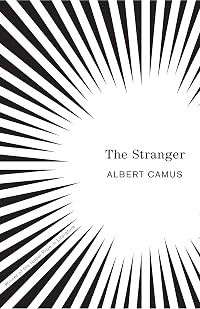
The Stranger
by Albert Camus
On This Page
Description
When a young Algerian named Meursault kills a man, his subsequent imprisonment and trial are puzzling and absurd. The apparently amoral Meursault--who puts little stock in ideas like love and God--seems to be on trial less for his murderous actions, and more for what the authorities believe is his deficient character.Tags
Recommendations
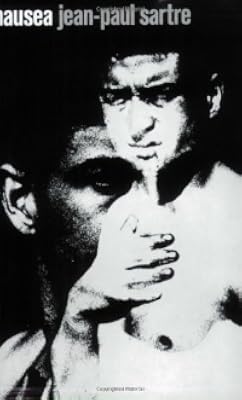
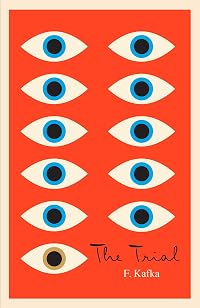
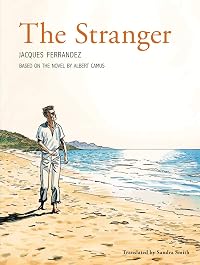
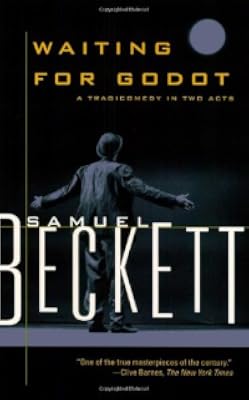

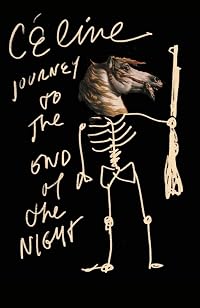
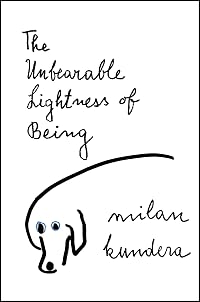
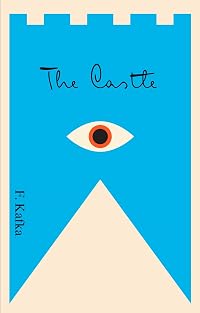
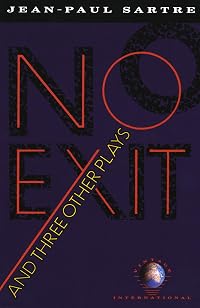




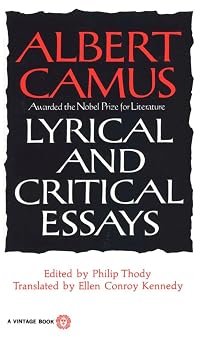


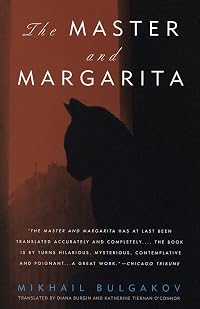
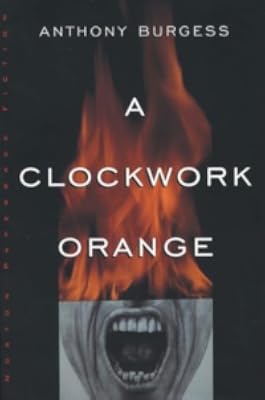
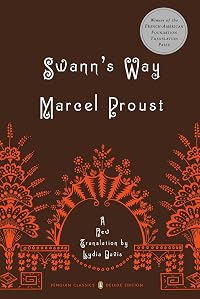




Member Recommendations
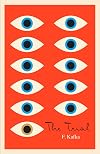
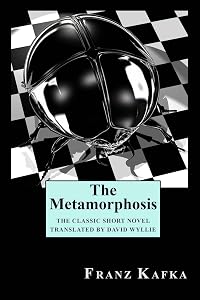
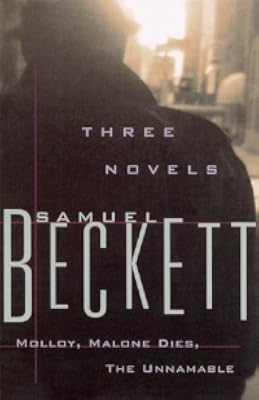
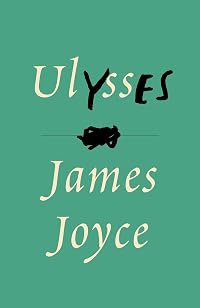
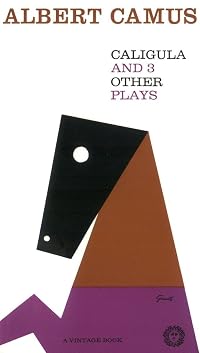
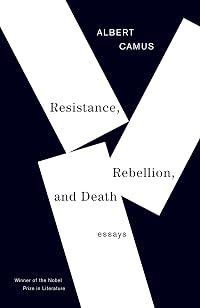
DLSmithies Two protagonists on trial without really understanding what they're being accused of - it's just a question of degree.
Also recommended by chrisharpe
381
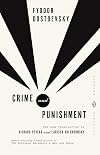
DLSmithies A compare-and-contrast exercise - Raskolnikov is all nervous energy and hypertension, whereas Meursault is detatched, calm, and won't pretend to feel remorse. Two masterpieces.
Also recommended by chrisharpe, edelpao
281
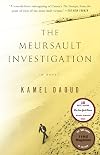
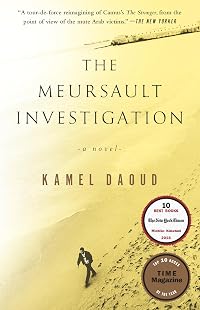
JuliaMaria Meursault ist der Protagonist in dem existentialistischen Roman "Der Fremde", auf den sich Daoud in seiner Gegendarstellung bezieht.
100
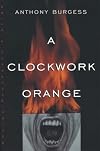
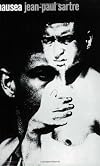
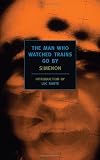
thorold Respectable bourgeois discovers absurdity of life and commits motiveless crime.
40
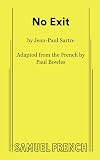
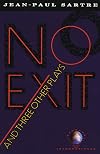
HollyMS I read both works in French class. Though Albert Camus denied being an existentialist, both L'Étranger (The Stranger) and Huis Clos (No Exit) have some common themes and are among some of the most important 20th century French works of literature.
62
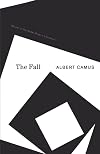
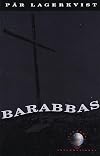
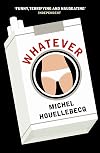
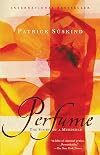
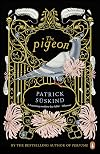
P_S_Patrick Short, deeply existentialist novels of literary character.
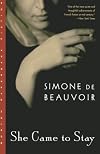
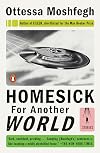
j_aroche If you ever feel like an alien in the wrong planet.
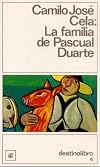
LCBrooks Complementary works that create a powerful foundation for a philosophical debate on revenge.
05

Sylak Similar in feel and with the same sense of futility throughout.
1018

sparemethecensor Similar in style, theme, narration and execution. The Execution is a more modern version of the tale.
Member Reviews
A novel that to me revolves around interpreting the couple of pages describing a murder, moreso than the lack of affect preceding it or following in the second trial half. Having just read The Postman Always Rings Twice made an interesting point of comparison as that book, while filled with much more passion and intensity, also revolves around an apathetic attitude to murder. While Cain ostensibly gives us more base motivations of greed and sex, it's still a book with no deeper answer to why than wanting to, especially as both motivations are stripped away with time. Which is to say, with minimal rewriting, The Stranger could well be a noir novel. What in one tone would be the futility of venal human desires and apathy to life, has been show more turned over and over as a story presenting the absurdity of existence. The distance between the two either moralizing or the expectation of the world making sense. The random capricious nature of humanity is either the gaping wound of society or a fact of life.
Must we imagine Sisyphus happy, or is he groaning in agony the entire time? show less
Must we imagine Sisyphus happy, or is he groaning in agony the entire time? show less
I read Gide’s The Immoralist and The Stranger in succession while traveling, both in cheap dog-eared mass-market paperback editions (a particular tactile, olfactory experience in itself), and the pairing made me think of literary themes unfolding between the fin de siècle and WWII, Gide’s protagonist Michel guided by Eros (What is available to you in this modern world?), Camus’ Meursault trapped by Fate (This world has Nothing for you, monsieur). Camus’ unadorned prose is an effective antidote to wasted sentiment.
The only thing that interests me now is the problem of circumventing the machine, learning if the inevitable admits a loophole.
The only thing that interests me now is the problem of circumventing the machine, learning if the inevitable admits a loophole.
I was rather taken aback by The Stranger by Albert Camus. I had heard that this book was a fine example of both existentialism coupled with absurdism and these terms had me convinced the book would be a difficult read and most likely, impossible to understand. Actually I found the very opposite, this very short novel was easy to read and on the surface, easy to understand. It’s only when one starts to dig a little deeper into what the author was writing, that one can see that the author was exploring the meaning of life by raising questions about morality, justice and the responsibilities of the individual.
The book, set in Algiers, is divided into two parts, the first introduces the main character while he attends to the death of his show more mother. This character is one of most apathetic and inaccessible characters that I have come across. We see aspects of his life but the ending of this part happens when this main character commits a totally senseless murder. The second part of the book deals with his incarceration and the eventual trial for the murder. I should mention that I read the novel as translated by Stuart Gilbert, and I wonder if the original work and/or other translations have made this character more sympathetic.
While the murder was shocking and the trial seemed utterly ridiculous, the main character never seemed to advance beyond indifference. Although it was this very indifference that brought about his downfall as it spoke volumes about his lack of remorse and his absence of character. It isn’t until the final paragraphs of the book that he expresses a moral or ethical concern and even then his philosophy seems to be that life is pointless and that everyone has to face their end in their own way. show less
The book, set in Algiers, is divided into two parts, the first introduces the main character while he attends to the death of his show more mother. This character is one of most apathetic and inaccessible characters that I have come across. We see aspects of his life but the ending of this part happens when this main character commits a totally senseless murder. The second part of the book deals with his incarceration and the eventual trial for the murder. I should mention that I read the novel as translated by Stuart Gilbert, and I wonder if the original work and/or other translations have made this character more sympathetic.
While the murder was shocking and the trial seemed utterly ridiculous, the main character never seemed to advance beyond indifference. Although it was this very indifference that brought about his downfall as it spoke volumes about his lack of remorse and his absence of character. It isn’t until the final paragraphs of the book that he expresses a moral or ethical concern and even then his philosophy seems to be that life is pointless and that everyone has to face their end in their own way. show less
Kunagi ammu sai seda raamatut ka loetud, kuid nüüd oli õige aeg see uuesti kätte võtta. Teos, kus väliselt justkui kõik toimuks ükskõiksuse ja minna laskmise maailmas. Peategelane Meursault võetakse talle üsna vastumeelselt piltlikult riidest lahti ja lõigatakse lahti. Tema emotsioonid ja sisemaailm on lugejale kogu aeg kohal, millega luuakse peategelasest üsna apaatne, ükskõikne ja tundetu tegelane. Camus ise on oma romaani esimesed märkmed kirja pannud 1937. aastal järgmiselt: "Jutustus - mees, kes ei taha ennast õigustada. Ta eelistab arusaama, mis teistel temast tekib. Ta sureb, olles üksi teadlik oma tõest - sellise lohutuse tühisus." See võtab päris hästi kokku selle kummalises ükskõiksuses toimuva show more tegevuse, mis kohati on kui unenägu, kus sündmused toimuvad täiesti absurses järjestuses ilma näilise põhjuseta ja justkui unenäos, on sündmused seal olles arusaadavad, isegi mõistetavad. Nii nagu nii mõnigi painav unenägu, jääb kogu sündmustik mitteteadvusse ootele, et sealt sobival ajal teadvusesse lipsata. show less
No se ustedes pero cuando me encuentro con libros como este, cuya primera edición tiene ya algunas décadas que aparecieron, no puedo evitar preguntarme que diría el resumen de la cubierta, es decir como lo vendieron (Gracias a Internet ahora se que, al parecer, no decían absolutamente nada de él) y la razón es simple: cuando yo me acerque a este libro sabía que era considerado una obra maestra, que se decía que daba una profunda mirada de la naturaleza humana, que era una obra cumbre en el existencialismo , etc. etc. pero en realidad no sabía nada de él, y tampoco me puse a investigarlo.
Una vez que comencé la lectura me impresionó el hecho de que desde la primera oración quedaba explicita la naturaleza de Meursault, la show more proyección de lo que para Camus sería "El hombre del futuro", aquel que ve la vida pasar sin reaccionar, sin estar e incluso sin ser, una total indiferencia a todo lo que sucede y un conformismo a su realidad, misma que desea permanezca estática dado que ya se encuentra acoplado a ella. Más que enfermedad es un total vacío, es la perdida de sensibilidad respecto a todo y a todos, ajeno a mundo al que pertenece.
Es imposible leer este libro y no terminar sintiendo un hueco en tu interior, comparándote a ti mismo con Meursault y buscando en ti y en tus conocidos esa parte que se ha adaptado y conformado con lo que tienen, no por a falta de aspiraciones, sino por a falta de impulso para cambiar su naturaleza y, dependiendo que tan fatalista seas, preguntándote cuanto falta para que la gente este mayoritariamente inmersa en ese olvido de si mismo. show less
Una vez que comencé la lectura me impresionó el hecho de que desde la primera oración quedaba explicita la naturaleza de Meursault, la show more proyección de lo que para Camus sería "El hombre del futuro", aquel que ve la vida pasar sin reaccionar, sin estar e incluso sin ser, una total indiferencia a todo lo que sucede y un conformismo a su realidad, misma que desea permanezca estática dado que ya se encuentra acoplado a ella. Más que enfermedad es un total vacío, es la perdida de sensibilidad respecto a todo y a todos, ajeno a mundo al que pertenece.
Es imposible leer este libro y no terminar sintiendo un hueco en tu interior, comparándote a ti mismo con Meursault y buscando en ti y en tus conocidos esa parte que se ha adaptado y conformado con lo que tienen, no por a falta de aspiraciones, sino por a falta de impulso para cambiar su naturaleza y, dependiendo que tan fatalista seas, preguntándote cuanto falta para que la gente este mayoritariamente inmersa en ese olvido de si mismo. show less
I feel like I have to justify this 3 star review.
I understand what Camus is getting at throughout his novella. It's an intro to existentialism staple. Mersault, the impassive and free-willed main character doomed from the beginning because society does not understand his tenets of living, takes us on his journey of coming to terms with the possibilities of his conciousness. A heightened embodiment of the existential mantra, Meursault skirts between the line of a hilariously personified existential body, to a vague, watered-down shadow of it. Perhaps that was Camus' genius: create a character just relatable enough to see the persecution of such a radical philosophy (you may argue it's not, but I'm not here to go into the finer points of show more it) and take us unknowingly into his mind to sympathize.
I think my problem lies entirely with me. I'm not a fan of existentialism. I think there's too much meaning in the world and I revel in the supernatural, the love of others, and the pain therein. I can get a hold of the idea of being alone in the universe, and I think that's a pretty swell way to put it, but that'll never lesson my drive to become as attached as I can to others.
Therein lies the rub: I don't identify with this struggle to the extent Camus' explored. I am quite in the fashion of enjoying the emotions of life and I think that made it so I did not enjoy this as much as I should have. It was a fine read, beyond intelligent and creative with how these ideas were presented, but it just wasn't for me. I think that's the problem with philosophical books, it's a hit or a miss when you're dealing with something so heady as an entire fashion of thought and consciousness. I'll probably pick it up again in a few years if I'm being honest, but for now, it's a tentative 3 for me. Where's my sun beaten breakdown with red between my eyes and a mad dash to the 5 star button so I stop feeling so damned outta the loop about this thing? show less
I understand what Camus is getting at throughout his novella. It's an intro to existentialism staple. Mersault, the impassive and free-willed main character doomed from the beginning because society does not understand his tenets of living, takes us on his journey of coming to terms with the possibilities of his conciousness. A heightened embodiment of the existential mantra, Meursault skirts between the line of a hilariously personified existential body, to a vague, watered-down shadow of it. Perhaps that was Camus' genius: create a character just relatable enough to see the persecution of such a radical philosophy (you may argue it's not, but I'm not here to go into the finer points of show more it) and take us unknowingly into his mind to sympathize.
I think my problem lies entirely with me. I'm not a fan of existentialism. I think there's too much meaning in the world and I revel in the supernatural, the love of others, and the pain therein. I can get a hold of the idea of being alone in the universe, and I think that's a pretty swell way to put it, but that'll never lesson my drive to become as attached as I can to others.
Therein lies the rub: I don't identify with this struggle to the extent Camus' explored. I am quite in the fashion of enjoying the emotions of life and I think that made it so I did not enjoy this as much as I should have. It was a fine read, beyond intelligent and creative with how these ideas were presented, but it just wasn't for me. I think that's the problem with philosophical books, it's a hit or a miss when you're dealing with something so heady as an entire fashion of thought and consciousness. I'll probably pick it up again in a few years if I'm being honest, but for now, it's a tentative 3 for me. Where's my sun beaten breakdown with red between my eyes and a mad dash to the 5 star button so I stop feeling so damned outta the loop about this thing? show less
I really enjoyed this book; it’s another I inherited from my late uncle. I found the strange spell the story weaved in my head very enjoyable, especially before the murder and trial stage of the work. That section filled me with frustration and seemed more than a little reminiscent of the current U.S. justice system. Though the absurdity of the trial, where the narrator’s melancholia proves his guilt more than the facts of the actual murder, was fascinating and thematic. However, I also enjoyed that the narrator seemed to be under the spell of either a mild psychosis or suffering melancholia before his mother’s funeral. After which, he was even more motivated to live privately and ignore his fatal malaise.
It was almost comedic show more during the trial when the background characters, I guess representative of society, found him objectionable as a person because he didn’t behave or do what they thought he should have or display feelings as they wanted. This thread led to utter frustration when it came to their testimonies in court. Though the narrator does have his issues, which play right into the harsh judgment he receives.
[He] was asking me very earnestly if I believed in God. When I said, “No,” he plumped down into his chair indignantly.
That was unthinkable, he said; all men believe in God, even those who reject Him. Of this he was absolutely sure, if ever he came to doubt it, his life would lose all meaning. “Do you wish,” he asked indignantly, “my life to have no meaning?” Really I couldn’t see how my wishes came into it, and I told him as such. [pgs. 85-86]
When he did kill the Arab, he continued to fire into the man’s prostrate (maybe already dead) form, which moved the incident from a clear-cut case of a chance encounter of self-defense into murkier waters. This impulse to overkill may have originated in his unshakable moroseness, though he does seem to lack empathy for others.
In prison, the narrator finds a yellowed piece of newsprint with a story where an estranged son makes it rich and returns home in disguise, so that his sister and mother don’t recognize him.
At dinner that evening he showed them a large sum of money he had on him, and in the course of the night they slaughtered him with a hammer. After taking the money they flung the body into the river. Next morning his wife came and, without thinking, betrayed the guest’s identity. His mother hanged herself. His sister threw herself into a well. […] Anyhow, to my mind, the man was asking for trouble; one shouldn’t play fool tricks of that sort. [pg.100]
After reading that little routine, I definitely did not jump to the narrator’s conclusion of blaming the victim, though his ploy at surprise was decidedly stupid.
The first third of the book is enjoyable as it tells the awkward tale of the apathetic narrator simply playing the part he believes he should, though not appearing so to the observers and fellow mourners around him. The second third weaves a sleepy, dreamlike spell as the narrator simply floats through his life, interacting with his friends, including an aged eccentric and a criminal. Here, the murder ends this section of the book. The last third starts with the frustration of character flogging in court, exacerbated by the case of a son killing his father, which is to take place after the narrator’s murder trial. This section concludes with a long stay behind bars and a death sentence. In this last third, I think the author interrogates his themes more than in the other two, though the setup in each creates a cohesive whole out of the three.
I think the main theme found in this work is that of Man vs. Society, where society desires to dictate how the protagonist feels and conducts himself in expressing those feelings at the right time. Since his actions do not fit into a prescribed norm, he is generally guilty, guilty of not letting society dictate the currents of his soul, not just of violating its legality. Imho anyway.
I could see the chaplain was an old hand at it, as his gaze never faltered. And his voice was quite steady when he said: “Have you no hope at all? Do you really think that when you die you die outright, and nothing remains?”
I said: “Yes.”
He dropped his eyes and sat down again. He was truly sorry for me, he said. It must make life unbearable for a man, to think as I did. [pg.147]
The strange emotional distance that comes from the narrator is a definite feature of this work. As the terms of the murder that began as self-defense, this indifference and failure to enter fully into emotion muddies the water to the point that it conceals a significant portion of the narrator himself from the reader, and in a few scenes, especially in prison, also from himself. He never quite reaches a crescendo of emotion, even when the situation seems to require it; he gets close while in prison in one or two scenes, but he can’t quite breach that barrier. It is not until the end when "something seemed to break inside me, and I started yelling at the top of my voice." [pg.151] He unloads on the prison chaplain before he’s dragged away and fatalistically accepts his sentence. The barrier cracked but just as quickly reasserted itself, putting the narrator at a distance from his impending death just as it did from his life.
I would recommend this one, especially if you’re looking for classic literature that is an easy and relatively short read.
Favorite Quote:
He said he felt convinced my appeal would succeed, but I was saddled with a load of guilt, of which I must get rid. In his view man’s justice a vain thing; only God’s justice mattered. I pointed out that the former had condemned me. Yes, he agreed, but it hadn’t absolved me from my sin. I told him that I wasn’t conscious of any “sin”; all I knew was that I’d been guilty of a criminal offense. Well, I was paying the penalty of that offense, and no one had the right to expect anything more of me. [pg.148] show less
It was almost comedic show more during the trial when the background characters, I guess representative of society, found him objectionable as a person because he didn’t behave or do what they thought he should have or display feelings as they wanted. This thread led to utter frustration when it came to their testimonies in court. Though the narrator does have his issues, which play right into the harsh judgment he receives.
[He] was asking me very earnestly if I believed in God. When I said, “No,” he plumped down into his chair indignantly.
That was unthinkable, he said; all men believe in God, even those who reject Him. Of this he was absolutely sure, if ever he came to doubt it, his life would lose all meaning. “Do you wish,” he asked indignantly, “my life to have no meaning?” Really I couldn’t see how my wishes came into it, and I told him as such. [pgs. 85-86]
When he did kill the Arab, he continued to fire into the man’s prostrate (maybe already dead) form, which moved the incident from a clear-cut case of a chance encounter of self-defense into murkier waters. This impulse to overkill may have originated in his unshakable moroseness, though he does seem to lack empathy for others.
In prison, the narrator finds a yellowed piece of newsprint with a story where an estranged son makes it rich and returns home in disguise, so that his sister and mother don’t recognize him.
At dinner that evening he showed them a large sum of money he had on him, and in the course of the night they slaughtered him with a hammer. After taking the money they flung the body into the river. Next morning his wife came and, without thinking, betrayed the guest’s identity. His mother hanged herself. His sister threw herself into a well. […] Anyhow, to my mind, the man was asking for trouble; one shouldn’t play fool tricks of that sort. [pg.100]
After reading that little routine, I definitely did not jump to the narrator’s conclusion of blaming the victim, though his ploy at surprise was decidedly stupid.
The first third of the book is enjoyable as it tells the awkward tale of the apathetic narrator simply playing the part he believes he should, though not appearing so to the observers and fellow mourners around him. The second third weaves a sleepy, dreamlike spell as the narrator simply floats through his life, interacting with his friends, including an aged eccentric and a criminal. Here, the murder ends this section of the book. The last third starts with the frustration of character flogging in court, exacerbated by the case of a son killing his father, which is to take place after the narrator’s murder trial. This section concludes with a long stay behind bars and a death sentence. In this last third, I think the author interrogates his themes more than in the other two, though the setup in each creates a cohesive whole out of the three.
I think the main theme found in this work is that of Man vs. Society, where society desires to dictate how the protagonist feels and conducts himself in expressing those feelings at the right time. Since his actions do not fit into a prescribed norm, he is generally guilty, guilty of not letting society dictate the currents of his soul, not just of violating its legality. Imho anyway.
I could see the chaplain was an old hand at it, as his gaze never faltered. And his voice was quite steady when he said: “Have you no hope at all? Do you really think that when you die you die outright, and nothing remains?”
I said: “Yes.”
He dropped his eyes and sat down again. He was truly sorry for me, he said. It must make life unbearable for a man, to think as I did. [pg.147]
The strange emotional distance that comes from the narrator is a definite feature of this work. As the terms of the murder that began as self-defense, this indifference and failure to enter fully into emotion muddies the water to the point that it conceals a significant portion of the narrator himself from the reader, and in a few scenes, especially in prison, also from himself. He never quite reaches a crescendo of emotion, even when the situation seems to require it; he gets close while in prison in one or two scenes, but he can’t quite breach that barrier. It is not until the end when "something seemed to break inside me, and I started yelling at the top of my voice." [pg.151] He unloads on the prison chaplain before he’s dragged away and fatalistically accepts his sentence. The barrier cracked but just as quickly reasserted itself, putting the narrator at a distance from his impending death just as it did from his life.
I would recommend this one, especially if you’re looking for classic literature that is an easy and relatively short read.
Favorite Quote:
He said he felt convinced my appeal would succeed, but I was saddled with a load of guilt, of which I must get rid. In his view man’s justice a vain thing; only God’s justice mattered. I pointed out that the former had condemned me. Yes, he agreed, but it hadn’t absolved me from my sin. I told him that I wasn’t conscious of any “sin”; all I knew was that I’d been guilty of a criminal offense. Well, I was paying the penalty of that offense, and no one had the right to expect anything more of me. [pg.148] show less
Members
- Recently Added By
Published Reviews
ThingScore 63
It is quite a trick to write of life & death, as Camus does, in terms of an almost total social and moral vacuum. He may get philosophical satisfaction from it. Most readers will call it philosophic doodling.
added by Shortride
"The Stranger,” a novel of crime and punishment by Albert Camus, published today, should touch off in this country a renewed burst of discussion about the young French writers who are at the moment making more unusual literary news than the writers of any other country.
added by jlelliott
Lists

The Guardian's 1000 Novels Everyone Must Read
1,005 works; 548 members

1001 Books You Must Read Before You Die
1,448 works; 1,134 members

Classics you know you should have read but probably haven't
421 works; 409 members
501 Must-Read Books
529 works; 72 members

Le Monde - Les 100 livres du siècle
121 works; 25 members
David Bowie's Top 100
97 works; 23 members

Philosophical Fiction
97 works; 27 members

Best of French Literature
138 works; 25 members

The 100 Best Books of All Time by Norwegian Book Club (World Library)
104 works; 23 members
20th Century Literature
1,161 works; 55 members
The Top Ten: Writers Pick Their Favorite Books
240 works; 31 members

Favourite Books
1,820 works; 316 members

Philip Ward's Lifetime Reading Plan
592 works; 22 members
New York Public Library's Books of the Century
120 works; 20 members
1940s
221 works; 25 members

100 books to read in a lifetime
102 works; 37 members

New York Public Library's Books of the Century - All
170 works; 14 members

Top Five Books of 2013
1,562 works; 721 members
Harold Bloom - The Western Canon: D. The Chaotic Age
833 works; 24 members
Nobel Price Winners
222 works; 20 members

Best Beach Reads
99 works; 61 members

Canon de la narrativa universal del siglo XX
254 works; 6 members
Folio Society
831 works; 53 members
Legal Stories
84 works; 12 members

Short and Sweet
246 works; 24 members
LibraryThingers' 1001 Books You Must Read Before You Die
442 works; 30 members

Books You Read During High School (For School)
301 works; 53 members

The Well-Educated Mind Reading Challenge
75 works; 7 members
Blue Pyramid 1,276 Best Books of All Time
1,248 works; 32 members

Top Five Books of 2014
1,064 works; 398 members

100 Most Recommended Works
100 works; 11 members
Fiction For Men
142 works; 11 members
1,001 BYMRBYD Concensus
723 works; 27 members

Books Read in 2014
2,344 works; 86 members

A Novel Cure
742 works; 23 members
Jones and Newman's Horror: Another 100 Best Books
100 works; 7 members
Lithub: 50 Great Classic Novels Under 200 pages
50 works; 10 members

Best Antiheroes and Antiheroines
119 works; 7 members

Best First Lines
133 works; 8 members

Dark Books for Winter Reading
71 works; 11 members
Books read by Charlie in "The Perks of Being a Wallflower"
12 works; 2 members

Top Five Books of 2019
387 works; 111 members

Books Read in 2016
4,666 works; 197 members
Books tagged favorites
390 works; 30 members

French Books
102 works; 15 members
Mensa for Kids Excellence in Reading Award Program (Grades 9-12)
116 works; 5 members
The Greatest Books
99 works; 5 members

Most Disturbing Books
124 works; 27 members

Allie's Favourite 150 Books
145 works; 3 members
Mensa for Kids Excellence in Reading Award Program (Grades 9-12)
116 works; 3 members
Existentialism
90 works; 11 members
100 World Classics
99 works; 15 members
The College Board: 101 Great Books Recommended for College-Bound Readers
111 works; 7 members

Amanda's Guaranteed Books
110 works; 5 members

Modernism
140 works; 8 members

Top 50 Favourite Books
50 works; 2 members
Fake Top 100 Fiction
81 works; 4 members
Wanted
2 works; 1 member

Find
10 works; 1 member

Authors from France
23 works; 2 members
Books Featured on Readers' Review of the Diane Rehm Show
161 works; 8 members

Recommended Philosophic Novels
26 works; 1 member
the law is an ass
20 works; 5 members

What are your favourite books?
121 works; 11 members

Well-Educated Mind
150 works; 3 members
David Bowie's List of Top 100 Books
94 works; 6 members

Literature which inspired Pop songs
85 works; 9 members

Best Horror Mega-List
342 works; 6 members

Literature in Translation
113 works; 5 members

99 Bücher, die man gelesen haben muss
37 works; 1 member
Best Books of the 20th Century
193 works; 5 members

Favourite Books by Male Authors
29 works; 2 members

Books Read in 2020
4,379 works; 123 members
Overdue Podcast
808 works; 9 members
First Novels
373 works; 17 members

100
56 works; 1 member

recalling favorites...
105 works; 2 members
My favourite books
96 works; 3 members

Books Set In Africa
81 works; 4 members
DELETE
48 works; 2 members

Books Read in 2022
5,226 works; 115 members
http://thegreatestbooks.org's Greatest Fiction Books
59 works; 1 member

Books About Murder
313 works; 7 members

Books Read in 2006
424 works; 8 members

Favourite Books
50 works; 1 member

Gen X Library
245 works; 4 members
Canon de la narrativa universal del s. XX (cicutadry)
499 works; 3 members
The 150 Greatest Novels of All Time
150 works; 6 members
Books in Riverdale
123 works; 3 members
Books in English
14 works; 1 member

Recommended Reading : 600 Classics Reviewed, Editors of Salem Press, 2015
634 works; 6 members
Les 50 meilleurs livres de langue française de 1900 à aujourd’hui
69 works; 2 members

Retrospective of 20th- and 21st-century literature
154 works; 1 member

Books That Changed Our Perspective
423 works; 168 members
Books We Want To Read Again For The First Time
384 works; 160 members
DigitalDreamDoor top 300
300 works; 4 members
Widely acclaimed, one book per year
105 works; 3 members

.
194 works; 2 members
David Bowie’s Top 100 Favourite Reads
100 works; 3 members

Books We Love to Reread
688 works; 297 members

ClubLeabhar: Leabhar na Míosa
121 works; 1 member
School Made Us Read It
380 works; 196 members
Reading LIst
648 works; 1 member
.
396 works; 1 member

Books I have read
16 works; 1 member
el
1,139 works; 1 member

Take Four Books
130 works; 1 member
bound
100 works; 1 member

100 knjiga
100 works; 1 member

World Book Club (BBC World Service)
212 works; 1 member
The Well-Educated Mind, Susan Wise Bauer, 2016
179 works; 3 members

Greatest Books, allegedly
484 works; 9 members
My wishlist
85 works; 1 member

BBC World Book Club
267 works; 5 members
Every book Aretha Garry reads
9 works; 1 member

Filosofía - Clásicos
217 works; 1 member

Books Read in 2019
4,052 works; 110 members

Bibliografia essenziale
86 works; 2 members

Northern Exposure's Chris in the Morning Reading List
31 works; 1 member

Books Read in 2021
5,361 works; 114 members

Books translated from Romance Languages into English
102 works; 7 members

Books Read in 2012
816 works; 34 members

Spotted on ABC Book Club
19 works; 1 member

Global Reads: Books Set in the Middle East and North Africa
50 works; 8 members
Fave Books
27 works; 1 member

Universtiy of Toronto - NMC473/2173H - Intellectuals of the Arab World
91 works; 2 members

The Art of Manliness' 100+ Books Every Man Should Read
108 works; 2 members
Short Books to Read
14 works; 2 members

Best books I read in 2013
152 works; 3 members

Books Referenced by Izetbegovic's Islam Between East and West
233 works; 2 members

AP Lit
363 works; 6 members
Books With Our Favorite First Lines
168 works; 104 members
New Lifetime Reading Plan by Fadiman and Major
225 works; 5 members
Great Short Books: A Year of Reading-Briefly
59 works; 4 members
Junky Paperbacks
15 works; 1 member

Favorite French Fiction
122 works; 50 members

Tagged by Tim or Meh!
91 works; 9 members
Five star books
1,767 works; 110 members

Unread books
1,063 works; 86 members
Talk Discussions
Past Discussions
Camus - The Stranger (aka Outsider) - discussion in Literary Centennials (March 2013)
Author Information

367+ Works 108,720 Members
Born in 1913 in Algeria, Albert Camus was a French novelist, dramatist, and essayist. He was deeply affected by the plight of the French during the Nazi occupation of World War II, who were subject to the military's arbitrary whims. He explored the existential human condition in such works as L'Etranger (The Outsider, 1942) and Le Mythe de Sisyphe show more (The Myth of Sisyphus, 1942), which propagated the philosophical notion of the "absurd" that was being given dramatic expression by other Theatre of the Absurd dramatists of the 1950s and 1960s. Camus also wrote a number of plays, including Caligula (1944). Much of his work was translated into English. He was awarded the Nobel Prize for Literature in 1957. Camus died in an automobile accident in 1960. (Bowker Author Biography) show less
All Editions
Some Editions
Awards and Honors
Series
Belongs to Publisher Series
Work Relationships
Is contained in
Fifty Years: Being a Retrospective Collection of Novels, Novellas, Tales, Drama, Poetry, and Reportage and Essays: All Drawn from Volumes Issued during the Last Half-Century by Alfred and Blanche Knopf by Clifton Fadiman
Has the adaptation
Is parodied in
Is replied to in
Has as a study
Has as a supplement
Has as a commentary on the text
Has as a student's study guide
Common Knowledge
- Canonical title
- The Stranger
- Original title
- L'Étranger
- Alternate titles
- The Outsider
- Original publication date
- 1942-05-19
- People/Characters
- Mme Meursault; Raymond Sintès; The Arab; Thomas Pérez; Marie Cardona; Salamano (show all 18); Masson; Céleste; The Chaplain; Meursault; The Caretaker; The Nurse; The Director; Emmanuel; Mme Masson; The Lawyer; The Judge; The Prosecutor
- Important places
- Algiers, Algeria; Marengo, Algeria; Algeria
- Related movies
- Lo straniero (1967 | IMDb); Yazgı (2001 | IMDb)
- Dedication*
- to Karel Wahrsager
(translator's dedication) - First words
- Mother died today. (Stuart Gilbert translation)
Maman died today. (Matthew Ward translation)
Aujourd'hui, maman est morte. Ou peut-être hier, je ne sais pas.
My mother died today. (Sandra Smith translation) - Quotations
- And I, too, felt ready to start life all over again. It was if that great rush of anger had washed me clean, emptied me of hope, and, gazing up at the dark sky spangled with its signs and stars, for the first time, the first,... (show all) I laid my heart open to the benign indifference of the universe. To feel it so like myself, indeed, so brotherly, made me realize that I'd been happy, and that I was happy still.
- Last words
- (Click to show. Warning: May contain spoilers.)For everything to be consummated, for me to feel less alone, I had only to wish that there be a large crowd of spectators the day of my execution and that they greet me with cries of hate.
- Publisher's editor
- Jones, Judith; Bruézière, Maurice
- Blurbers
- Boyd, William
- Original language
- French
- Canonical DDC/MDS
- 843.914
- Canonical LCC
- PQ2605.A3734
*Some information comes from Common Knowledge in other languages. Click "Edit" for more information.
Classifications
Statistics
- Members
- 40,993
- Popularity
- 71
- Reviews
- 584
- Rating
- (3.94)
- Languages
- 41 — Afrikaans, Arabic, Basque, Bosnian, Catalan, Chinese, Czech, Danish, Dutch, English, Esperanto, Estonian, Finnish, French, German, Irish, Greek, Hebrew, Hungarian, Icelandic, Italian, Japanese, Korean, Kurdish, Lithuanian, Maltese, Norwegian (Bokmål), Norwegian, Occitan (post-1500), Farsi/Persian, Polish, Romanian, Russian, Serbian, Croatian, Slovak, Slovenian, Spanish, Swedish, Turkish, Portuguese (Brazil)
- Media
- Paper, Audiobook, Ebook
- ISBNs
- 412
- UPCs
- 6
- ASINs
- 276