On This Page
Description
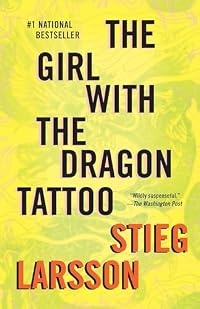
The disappearance forty years ago of Harriet Vanger, a young scion of one of the wealthiest families in Sweden, gnaws at her octogenarian uncle, Henrik Vanger. He is determined to know the truth about what he believes was her murder. He hires crusading journalist Mikael Blomkvist, recently at the wrong end of a libel case, to get to the bottom of Harriet's disappearance. Lisbeth Salander, a twenty-four-year-old, pierced, tattooed genius hacker, possessed of the hard-earned wisdom of someone show more twice her age--and a terrifying capacity for ruthlessness--assists Blomkvist with the investigation. This unlikely team discovers a vein of nearly unfathomable iniquity running through the Vanger family, an astonishing corruption at the highest echelon of Swedish industrialism--and a surprising connection between themselves.--From publisher description. show lessTags
Recommendations
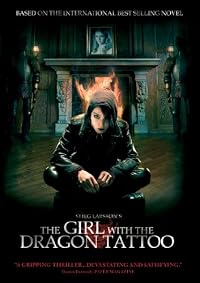
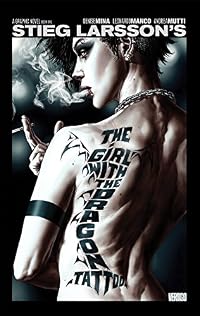



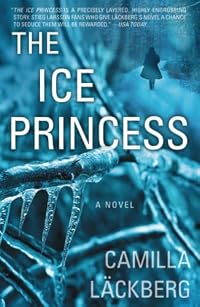
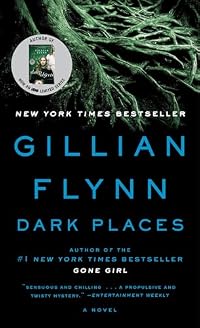
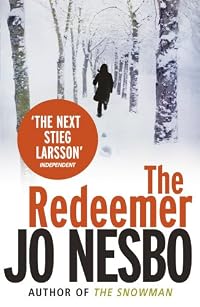
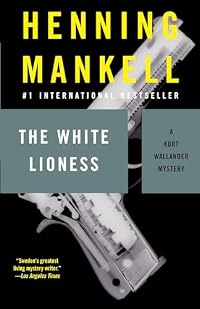
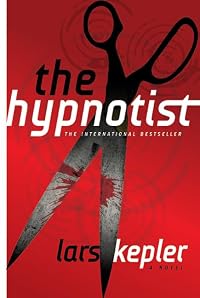
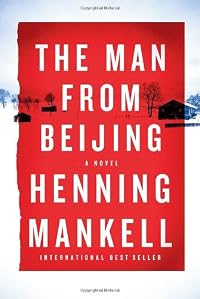
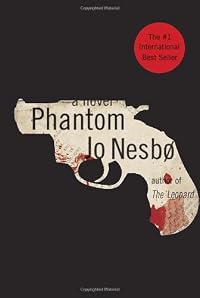
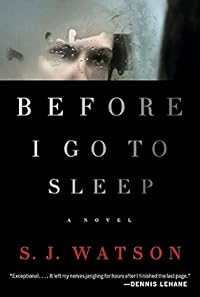

Member Recommendations
taz_ Charm school drop-outs Lisbeth Salander of "The Girl With The Dragon Tattoo" and Smilla Qaaviqaaq Jaspersen of "Smilla's Sense of Snow" strike me as unconventional soul sisters of the detective mystery. Each haunted by demons of the past, fiercely independent, armored in cynicism and misanthropy, they share a certain psychic landscape and brilliant, icy resourcefulness. If you love one, I predict you'll love the other.
332
kraaivrouw It's mentioned in the book and it's another great thriller.
50
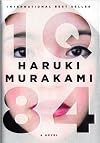
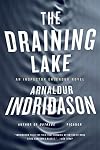
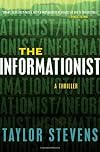
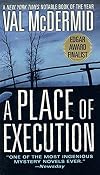
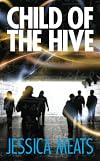
EllieM Are you wondering 'what next?' after reading the The Girl With the Dragon Tattoo? I recommend that you try Child of The Hive by Jessica Meats.
Both books are plot driven action packed thrillers with a rather unexpected heroine. Like Lisbeth Salander, Child of the Hive's Sophie is a highly intelligent computer geek. Someone you would not necessarily choose as a best friend but you grow fond of her as the story progresses.
Stieg Larsson's blockbuster is a more traditional 'whodunnit' and the main plot puzzle is the identity of the murderer. Jessica Meats writes in a slightly a different genre, Child of The Hive is a speculative thriller on the borders of science fiction, and as such it presents different puzzles. For example a moral one, exactly which sub group should I classify as 'the bad guys'? As for guessing the ending, most people will not see where the book is going. I failed. But the surprising nature of the story is much of its fun. With the benefit of hindsight you can see that the climax of 'Child' is tidy and satisfactory. Certainly not one of those annoying thrillers with a plot balanced on one very unlikely clue which has been carefully draped in numerous red herrings.
Both books should appeal to a wide range of readers, but I suggest Child of the Hive is also more suitable for a slightly younger group than The Girl With the Dragon Tattoo which is distinctly adult in places.
Child of The Hive is a really ‘good read’, I give it 5 stars out of five
53

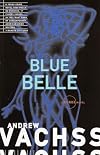
birder4106 Burke (Vacchs) und Salander (Larsson) haben sehr viel gemeinsam.
20
amberwitch Wellwritten crimestories set in Sweden with female protagonists.
21
by anonymous user


charlie68 Also a good mystery about someone that disappears.
cafepithecus Another book about men who hate women, and the women who take them down.
mcenroeucsb Let the Right One In is a Swedish novel about a child vampire who just wants to be a normal kid, the pedophile who is obsessed with her, and the neighbor boy who wants to befriend her.
Also recommended by MyriadBooks
1110
fyrefly98 Both are solid, well-written, character-driven detective stories.
23
anonymous user Similar flavor.

quincidence Sometimes you have to find the inner survivor to suffer the horror, and see the end.
bookmomo Both have an eye for Swedish nature and society, as well as contemporary history, and they describe human cruelty in its purest form.
13
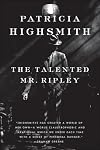
Wova4 The GwtDT reminded me of the character Ripley, who is very much a morally ambiguous protagonist with a complicated psychology.
69
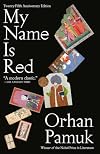
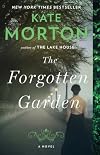
ansate The mystery in this reminds me of the mystery of Harriet
15
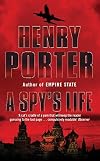


pedro_felipe The protagonist, Maureen, has a similar family background to Lisbeth's. Moreover, both trilogies deal with themes of abuse against women.
Member Reviews
Non credo di essere tagliata per i fenomeni editoriali. Ogni volta che ne leggo uno mi lascia con qualcosa di incompiuto, una sorta di delusione, perché non riesco a non notare i difetti di cui il romanzo è disseminato. La verità è che dai fenomeni editoriali mi aspetto la perfezione che trovo nei miei autori preferiti. Che -guarda caso- non sono fenomeni editoriali. Questi i motivi per cui non mi è piaciuto:
1. La pubblicità. "Lo zaino conteneva il suo Apple iBook 600 bianco, con hard disk da 25 Gb e 420 Mb di ram, del gennaio del 2002, provvisto di schermo da 14 pollici"; "fu attratta dalla migliore alternativa disponibile: il nuovo Apple PowerBook G4/1.0 GHz con telaio in alluminio, dotato di processore PowerPc 7451 con AltiVec show more Velocity Engine, 960 Mb di ram e un hard disk di 60 Gb. Compreso BlueTooth e masterizzatore cd/dvd. Soprattutto era dotato del primo schermo da 17 pollici nel mondo dei portatili, con grafica Nvidia e una risoluzione di 1440 X 900 pixel che sbalordiva i fautori del pc e surclassava tutto il resto presente sul mercato"; "una Saab bordeaux aveva fatto retromarcia per uscire"; "(...) chiese se Erika poteva parcheggiare la Bmw da loro durante la sua visita (...)"; "Prese a prestito la Mercedes"; "ho lavorato con le immagini e ho io stesso uno scanner per negativi Agfa. Lavoro in PhotoShop"; "Mise le immagini in una speciale cartella e aprì il programma Graphic Converter". E via dicendo. Io lo trovo disgustoso. Una poracciata. Ora, io capisco che i brand (o forse bisognerebbe dire gli sponsor) possano anche servire a caratterizzare indirettamente un personaggio, ma davvero non è necessario: altri scrittori lo fanno benissimo anche senza infarcire il romanzo di spot pubblicitari. Tra parentesi, per quello che mi riguarda, il personaggio di Lisbeth mi è stato antipatico a partire dal momento in cui si scopre che usa prodotti Apple.
2. I registri. Certe volte si ha la sgradevole sensazione che pezzi del romanzo siano frutto di un rimaneggiamento maldestro a valle di un copia-incolla. Esempio: “L'attività era suddivisa in tre aree principali: consulenze di sicurezza, che erano mirate a identificare pericoli possibili o immaginari; contromisure, che di solito consistevano nell'installazione di costose telecamere di sorveglianza, allarmi contro furti o incendi, sistemi di chiusura ed equipaggia-menti elettronici; e infine protezione personale di persone fisiche o aziende che avvertivano qualche forma di minaccia reale o immaginaria. (…) La Milton Security collaborava inoltre con rinomate aziende del settore in altri paesi europei e negli Usa, e si occupava della sicurezza di diversi ospiti internazionali in visita in Svezia (…). Una quarta area, considerevolmente più piccola e che impiegava solo qualche collaboratore, si occupava di quelle che in gergo erano dette i-per, investigazioni sugli antecedenti personali.” Mi pare un estratto da una brochure aziendale. Fastidio.
3. I personaggi. Sono stereotipati. Piatti e senza sfumature. Sembra di averli incontrati cento volte in altrettanti bestseller mediocri. Il giornalista proletario e paladino della giustizia che viene ingiustamente condannato dal tribunale; la giornalista fighetta e borghese col BMW; il vecchio industriale un po’ tocco ma simpatico; la ragazzetta strana e indifesa che fa simpatia. Un campionario di dejà vu.
4. Alcuni elementi della trama. Prendiamo la scena in cui Lisbeth tramortisce e immobilizza l’avvocato Bjurman. Ora, è una scena che emotivamente è in grado di coinvolgere il lettore (ha coinvolto anche me), perché l’eroina del romanzo si vendica di una brutale aggressione. Ma santo cielo. L’avvocato Bjurman è alto il doppio di Lisbeth e pesa tre volte lei. È piuttosto inverosimile che una ragazzina gracile e non allenata possa tramortire un omone e trascinarlo di peso. Il punto, per me, non è l’inverosimiglianza: nelle opere dei miei scrittori preferiti, in genere, ci sono molte situazioni reali; queste, però, sono in grado di toccare corde più profonde, senza fermarsi alla pancia come la scena della vendetta di Lisbeth.
Un fastidio veramente acuto mi è stato poi provocato da quella parte del romanzo in cui la quasi sessantenne Cecilia Vanger, dopo un certo numero di incontri scoperecci, confessa al protagonista Mikhael di essersi innamorata di lui. Queste pagine del romanzo mi hanno fatta sentire a disagio, piena di imbarazzo per l’autore, che Iddio l’abbia in gloria. Esempio:
«Mikael, io ho mentito a te e a me stessa per tutto il tempo. Non sono mai stata particolarmente sfrenata, in fatto di sesso. In tutta la vita ho avuto solo cinque partner. La prima volta quando avevo ventun anni. Poi mio marito che ho incontrato a venticinque anni, e che si dimostrò un farabutto. E da allora altri tre uomini che ho incontrato a distanza di qualche anno l'uno dall'altro. Ma tu hai risvegliato in me qualcosa. Semplicemente, non mi bastava mai. Forse perché tutto in te era così senza pretese.»
«Cecilia, non è necessario che tu...»
«Ssch, non interrompermi. Altrimenti non riuscirò mai a dirti quello che voglio dire.»”.
Eccetera.
Ecco, questo per me è spazzatura. Mi fa arrabbiare. È un pezzo di una pochezza sconcertante, e secondo me nell’economia generale del romanzo se ne poteva benissimo fare a meno.
Infine, parlando di trama: avevo capito la soluzione del mistero della scomparsa di Harriet (e cioè che non era affatto morta, ma era scappata ed era lei ad inviare ogni anno il fiore secco a Henrik) dopo aver letto appena il 20% di tutto il romanzo. Il che per un thriller è davvero avvilente.
5. Lo stile. Qui forse è più colpa della traduzione che di Stieg Larsson, purtuttavia il libro non posso certo leggerlo in svedese, perché non so la lingua. E la traduzione italiana mi ricorda molto lo stile di Giorgio Faletti: pomposo, scolasticamente descrittivo, ingessato, classico - nel senso di polveroso. Certo, è molto scorrevole (e all’uopo si lascia scorrere decisamente bene, nel senso che quando il fastidio si fa intollerabile si possono saltare blocchi di righe senza perdere il filo). Ma non mi piace.
A lettura ultimata ho capito che il romanzo non vuole essere a favore delle donne. Le donne del romanzo (Lisbeth e Cecilia) sono delle mezze squinternate in balia degli ormoni le quali, benché dipinte come donne forti, si innamorano perdutamente del protagonista (e ci sono pagine e pagine di stucchevoli masturbazioni cerebrali di queste donne che vorrebbero una relazione col protagonista ma si sentono troppo inadeguate), e sono sempre pronte a stracciarsi le mutande di dosso alla sua vista. Ricky, poi, è la tipica borghese viziata che ottiene sempre tutto senza chiedere mai, salvo poi essere manovrata come un burattino dagli uomini del romanzo. Tutto ciò stride con il titolo del romanzo, con la trama stessa, con le insulse citazioni di statistiche sulle molestie sessuali in Svezia che ritroviamo all’inizio di ogni sezione del libro. Insomma, si fa poco per rendere convincente il tema del romanzo (la violenza sulle donne, che pure è un tema formidabile posto di avere un po’ più di grazia per affrontarlo), in compenso abbiamo informazioni dettagliatissime sui pasti di Mikael (principalmente a base di carboidrati –sandwich e tramezzini- o aringhe), sui caffè che consuma nell’arco della giornata, sulle sigarette che fuma, sull’arredamento di ogni stanza che visita.
Insomma, una delusione pazzesca, tuttavia non riuscivo a staccarmene perché, a onor del vero e benché non ne apprezzi particolarmente lo stile, non è un romanzo “pesante”. Ma sinceramente non riuscirei a considerarlo un capolavoro neanche sotto l’ombrellone. E credo che leggerò il seguito della trilogia solo se un giorno dovessi smettere di amare me stessa. show less
1. La pubblicità. "Lo zaino conteneva il suo Apple iBook 600 bianco, con hard disk da 25 Gb e 420 Mb di ram, del gennaio del 2002, provvisto di schermo da 14 pollici"; "fu attratta dalla migliore alternativa disponibile: il nuovo Apple PowerBook G4/1.0 GHz con telaio in alluminio, dotato di processore PowerPc 7451 con AltiVec show more Velocity Engine, 960 Mb di ram e un hard disk di 60 Gb. Compreso BlueTooth e masterizzatore cd/dvd. Soprattutto era dotato del primo schermo da 17 pollici nel mondo dei portatili, con grafica Nvidia e una risoluzione di 1440 X 900 pixel che sbalordiva i fautori del pc e surclassava tutto il resto presente sul mercato"; "una Saab bordeaux aveva fatto retromarcia per uscire"; "(...) chiese se Erika poteva parcheggiare la Bmw da loro durante la sua visita (...)"; "Prese a prestito la Mercedes"; "ho lavorato con le immagini e ho io stesso uno scanner per negativi Agfa. Lavoro in PhotoShop"; "Mise le immagini in una speciale cartella e aprì il programma Graphic Converter". E via dicendo. Io lo trovo disgustoso. Una poracciata. Ora, io capisco che i brand (o forse bisognerebbe dire gli sponsor) possano anche servire a caratterizzare indirettamente un personaggio, ma davvero non è necessario: altri scrittori lo fanno benissimo anche senza infarcire il romanzo di spot pubblicitari. Tra parentesi, per quello che mi riguarda, il personaggio di Lisbeth mi è stato antipatico a partire dal momento in cui si scopre che usa prodotti Apple.
2. I registri. Certe volte si ha la sgradevole sensazione che pezzi del romanzo siano frutto di un rimaneggiamento maldestro a valle di un copia-incolla. Esempio: “L'attività era suddivisa in tre aree principali: consulenze di sicurezza, che erano mirate a identificare pericoli possibili o immaginari; contromisure, che di solito consistevano nell'installazione di costose telecamere di sorveglianza, allarmi contro furti o incendi, sistemi di chiusura ed equipaggia-menti elettronici; e infine protezione personale di persone fisiche o aziende che avvertivano qualche forma di minaccia reale o immaginaria. (…) La Milton Security collaborava inoltre con rinomate aziende del settore in altri paesi europei e negli Usa, e si occupava della sicurezza di diversi ospiti internazionali in visita in Svezia (…). Una quarta area, considerevolmente più piccola e che impiegava solo qualche collaboratore, si occupava di quelle che in gergo erano dette i-per, investigazioni sugli antecedenti personali.” Mi pare un estratto da una brochure aziendale. Fastidio.
3. I personaggi. Sono stereotipati. Piatti e senza sfumature. Sembra di averli incontrati cento volte in altrettanti bestseller mediocri. Il giornalista proletario e paladino della giustizia che viene ingiustamente condannato dal tribunale; la giornalista fighetta e borghese col BMW; il vecchio industriale un po’ tocco ma simpatico; la ragazzetta strana e indifesa che fa simpatia. Un campionario di dejà vu.
4. Alcuni elementi della trama. Prendiamo la scena in cui Lisbeth tramortisce e immobilizza l’avvocato Bjurman. Ora, è una scena che emotivamente è in grado di coinvolgere il lettore (ha coinvolto anche me), perché l’eroina del romanzo si vendica di una brutale aggressione. Ma santo cielo. L’avvocato Bjurman è alto il doppio di Lisbeth e pesa tre volte lei. È piuttosto inverosimile che una ragazzina gracile e non allenata possa tramortire un omone e trascinarlo di peso. Il punto, per me, non è l’inverosimiglianza: nelle opere dei miei scrittori preferiti, in genere, ci sono molte situazioni reali; queste, però, sono in grado di toccare corde più profonde, senza fermarsi alla pancia come la scena della vendetta di Lisbeth.
Un fastidio veramente acuto mi è stato poi provocato da quella parte del romanzo in cui la quasi sessantenne Cecilia Vanger, dopo un certo numero di incontri scoperecci, confessa al protagonista Mikhael di essersi innamorata di lui. Queste pagine del romanzo mi hanno fatta sentire a disagio, piena di imbarazzo per l’autore, che Iddio l’abbia in gloria. Esempio:
«Mikael, io ho mentito a te e a me stessa per tutto il tempo. Non sono mai stata particolarmente sfrenata, in fatto di sesso. In tutta la vita ho avuto solo cinque partner. La prima volta quando avevo ventun anni. Poi mio marito che ho incontrato a venticinque anni, e che si dimostrò un farabutto. E da allora altri tre uomini che ho incontrato a distanza di qualche anno l'uno dall'altro. Ma tu hai risvegliato in me qualcosa. Semplicemente, non mi bastava mai. Forse perché tutto in te era così senza pretese.»
«Cecilia, non è necessario che tu...»
«Ssch, non interrompermi. Altrimenti non riuscirò mai a dirti quello che voglio dire.»”.
Eccetera.
Ecco, questo per me è spazzatura. Mi fa arrabbiare. È un pezzo di una pochezza sconcertante, e secondo me nell’economia generale del romanzo se ne poteva benissimo fare a meno.
Infine, parlando di trama: avevo capito la soluzione del mistero della scomparsa di Harriet (e cioè che non era affatto morta, ma era scappata ed era lei ad inviare ogni anno il fiore secco a Henrik) dopo aver letto appena il 20% di tutto il romanzo. Il che per un thriller è davvero avvilente.
5. Lo stile. Qui forse è più colpa della traduzione che di Stieg Larsson, purtuttavia il libro non posso certo leggerlo in svedese, perché non so la lingua. E la traduzione italiana mi ricorda molto lo stile di Giorgio Faletti: pomposo, scolasticamente descrittivo, ingessato, classico - nel senso di polveroso. Certo, è molto scorrevole (e all’uopo si lascia scorrere decisamente bene, nel senso che quando il fastidio si fa intollerabile si possono saltare blocchi di righe senza perdere il filo). Ma non mi piace.
A lettura ultimata ho capito che il romanzo non vuole essere a favore delle donne. Le donne del romanzo (Lisbeth e Cecilia) sono delle mezze squinternate in balia degli ormoni le quali, benché dipinte come donne forti, si innamorano perdutamente del protagonista (e ci sono pagine e pagine di stucchevoli masturbazioni cerebrali di queste donne che vorrebbero una relazione col protagonista ma si sentono troppo inadeguate), e sono sempre pronte a stracciarsi le mutande di dosso alla sua vista. Ricky, poi, è la tipica borghese viziata che ottiene sempre tutto senza chiedere mai, salvo poi essere manovrata come un burattino dagli uomini del romanzo. Tutto ciò stride con il titolo del romanzo, con la trama stessa, con le insulse citazioni di statistiche sulle molestie sessuali in Svezia che ritroviamo all’inizio di ogni sezione del libro. Insomma, si fa poco per rendere convincente il tema del romanzo (la violenza sulle donne, che pure è un tema formidabile posto di avere un po’ più di grazia per affrontarlo), in compenso abbiamo informazioni dettagliatissime sui pasti di Mikael (principalmente a base di carboidrati –sandwich e tramezzini- o aringhe), sui caffè che consuma nell’arco della giornata, sulle sigarette che fuma, sull’arredamento di ogni stanza che visita.
Insomma, una delusione pazzesca, tuttavia non riuscivo a staccarmene perché, a onor del vero e benché non ne apprezzi particolarmente lo stile, non è un romanzo “pesante”. Ma sinceramente non riuscirei a considerarlo un capolavoro neanche sotto l’ombrellone. E credo che leggerò il seguito della trilogia solo se un giorno dovessi smettere di amare me stessa. show less
I really don't read mysteries. My husband thinks it's because I am a book snob despite the fact that I weaned myself off thumbing my nose at all but highbrow "lit-ruh-chure" many years ago now. But that really isn't the truth of it. I don't read mysteries (or thrillers or true crime or paranormal or anything even remotely similar to any of these) because I am a class A coward. Make that a class A coward with a shockingly overactive imagination. Yes, Nightmares R Us. And so I steer a wide berth around any book that might feed into this little problem of mine. So it was with a sinking feeling and no little amount of dismay to discover that one of my bookclubs would be reading this for March. The only positive as I saw it was that we did show more already own the book since I gave it to my husband for Christmas based on all the rave reviews I saw around the internet for it. (He is either blessed with a less active imagination or a stronger constitution or both and thus does read and enjoy mysteries.) Being me, I procrastinated on picking the book up until the very last minute, hunkering down with other books not likely to upset my sleep patterns. And then I realized that I had one day, a mere 24 hours, to read this 608 page behemouth before the book club meeting. The good? It's a fast and easy read. The bad? I was up until 1 am finishing it. The ugly? My husband was out of town so I was too creeped out to turn out the lights when I finished.
I'll be upfront and say that I didn't love the book. I know this puts me in the minority. I thought it was a decent read (albeit one that scared me) but not one that was sublime. The prologue opens with an elderly man getting a framed, pressed flower delivered on his birthday. He views this annual birthday present as a taunt from a murderer but the yearly flowers have afforded no further clues as to what really happened to his great-niece 40 years prior when she went missing, presumed dead. Jumping then to the first chapter of the novel, the reader is introduced to Mikael Blomkvist, a financial reporter who has just been found guilty of libel against a large and powerful player in the Swedish financial market. He is trying to figure out where his life and career will go now when he is hired to investigate the 40 year old disappearance of Henrik Vanger's great-niece and to write a family history of the Vangers, long-time financial giants. Although he is not a crime reporter, he is intrigued enough to take the job when the bait dangled in front of him is not only a large sum of money, but some hidden information that will allow him to take down the man who successfully sued him.
Meanwhile, 24 year old Lisbeth Salander, a young woman who is a ward of the state, perhaps because of her Asperger's like personality (the diagnosis here is entirely mine) and who is a genius at private investigating thanks in large part to her incredible computer skills, has been hired to investigate both Mikael Blomkvist and his nemesis, Wennerstrom, also by Henrik Vanger. Ultimately because of this connection, she ends up pairing up with Blomkvist to work on the long-unsolved mystery of what really happened to Harriet Vanger. As Mikael and Lisbeth start digging, they uncover many dark and appalling secrets about the Vanger family. Grisly murders are described and lead to the ultimate, somewhat surprising denouement of this thriller.
In order to flesh out his characters, Larsson not only focuses on the main thread of the narrative, the investigation into Harriet Vanger's disappearance, but he also makes many side excursions into the lives of Mikael and Lisbeth. The reader experiences for him or herself what makes these characters tick and why they react in the ways they do. While this makes for multi-dimensional characters, it also adds to the sometimes confusing narrative hops. Larsson will go from one character to another within the same chapter and without any warning, making for occasionally choppy transitions. There are also some sloppy bits at the very end that have no good explanation, dialogue that makes no sense given the recent developments in the plot line and one character who is dropped entirely despite her long-time proximity to the baddie. These things bothered me far more than they are likely to bother others, especially mystery fans who will be a bit more engaged in the book than I was. Hovering above the story always magnifies any faults and I just couldn't find my way into the story more deeply. The themes of violence against women, obsession, desire, and truth and justice all play out at different times in the novel, overlapping, highlighting, and occasionally tangling together. I really can't speak to this compared to other mysteries but I do think that most mystery lovers will thoroughly enjoy this one. Meanwhile, I am not pleased to note that this same bookclub is reading yet another book with a murder in it. Do you think they're trying to tell me something? show less
I'll be upfront and say that I didn't love the book. I know this puts me in the minority. I thought it was a decent read (albeit one that scared me) but not one that was sublime. The prologue opens with an elderly man getting a framed, pressed flower delivered on his birthday. He views this annual birthday present as a taunt from a murderer but the yearly flowers have afforded no further clues as to what really happened to his great-niece 40 years prior when she went missing, presumed dead. Jumping then to the first chapter of the novel, the reader is introduced to Mikael Blomkvist, a financial reporter who has just been found guilty of libel against a large and powerful player in the Swedish financial market. He is trying to figure out where his life and career will go now when he is hired to investigate the 40 year old disappearance of Henrik Vanger's great-niece and to write a family history of the Vangers, long-time financial giants. Although he is not a crime reporter, he is intrigued enough to take the job when the bait dangled in front of him is not only a large sum of money, but some hidden information that will allow him to take down the man who successfully sued him.
Meanwhile, 24 year old Lisbeth Salander, a young woman who is a ward of the state, perhaps because of her Asperger's like personality (the diagnosis here is entirely mine) and who is a genius at private investigating thanks in large part to her incredible computer skills, has been hired to investigate both Mikael Blomkvist and his nemesis, Wennerstrom, also by Henrik Vanger. Ultimately because of this connection, she ends up pairing up with Blomkvist to work on the long-unsolved mystery of what really happened to Harriet Vanger. As Mikael and Lisbeth start digging, they uncover many dark and appalling secrets about the Vanger family. Grisly murders are described and lead to the ultimate, somewhat surprising denouement of this thriller.
In order to flesh out his characters, Larsson not only focuses on the main thread of the narrative, the investigation into Harriet Vanger's disappearance, but he also makes many side excursions into the lives of Mikael and Lisbeth. The reader experiences for him or herself what makes these characters tick and why they react in the ways they do. While this makes for multi-dimensional characters, it also adds to the sometimes confusing narrative hops. Larsson will go from one character to another within the same chapter and without any warning, making for occasionally choppy transitions. There are also some sloppy bits at the very end that have no good explanation, dialogue that makes no sense given the recent developments in the plot line and one character who is dropped entirely despite her long-time proximity to the baddie. These things bothered me far more than they are likely to bother others, especially mystery fans who will be a bit more engaged in the book than I was. Hovering above the story always magnifies any faults and I just couldn't find my way into the story more deeply. The themes of violence against women, obsession, desire, and truth and justice all play out at different times in the novel, overlapping, highlighting, and occasionally tangling together. I really can't speak to this compared to other mysteries but I do think that most mystery lovers will thoroughly enjoy this one. Meanwhile, I am not pleased to note that this same bookclub is reading yet another book with a murder in it. Do you think they're trying to tell me something? show less
I tend to avoid books that get a lot of attention, but reading the blurb at the library made me pick this one up. It was on short term loan so I bought my own copy to finish it.
This is a compulsive read. The style might be bumpy for those used to the 1st person/ narrow focus 3rd person point of view common to most modern mysteries. We have a big cast of characters and we get peeks of various lengths into the minds of several, but mostly we stick with the two protagonists. Lizbath Salander is by far the most enigmatic and therefore the most interesting, but Mikael Blomvkvist is the one with whom we spend much of our time. I'm sure there are some rough spots in the translation, too, but they didn't get in my way.
Characters are a big hunk show more of this book, and they make the plot move along. Set in Sweden, it took me a bit of time to get used to the names and other differences. I didn't labor over that, though -- once I got into the swing of the narrative, I was involved in watching the pieces come together. One thing I noted was the amount of computer tech info used, which is pretty up-to-date now, but I imagine will be dated and "old" in a few years. Still, it's well done and, again, does not get in the way. It's accurate enough not to trigger any "ain't no way" reactions from me, which is all I need.
What I liked best was what I like in any good mystery -- several threads, lots of possibilities without any obvious red herrings, and a surprise in the "whodunit". Information is fed out regularly through the narrative and the use of "now he knew" to get you to turn the next page, while obvious, worked and only felt a little contrived. Most of the threads were knotted off at the end, except for some that dangle for the sequels and aren't essential to the mystery (but are great for character development).
This book also contains some very horrific scenes of violence, in particular about violence against women (and a few violent actions against animals), but the book isn't ABOUT that. The book also contains a bit in the way of revenge fantasies. If you trigger on such descriptions, you might want to avoid the book, or at least have someone who has read it tell you were those sections are so you can skip them or get a synopsis. They do not make up a big portion of the book, and they either are part of the mystery or give insight into the characters. I'm looking forward to plowing into the next books in this trilogy and I hope they are equal to the first book. show less
It might seem odd to review a bestseller after the hype has died down, but such was the influence of this book over me that I decided that I had to hold off reading it until my own thriller was published. Of course, I couldn’t stay away completely and succumbed to the Swedish film version but I waited until I had a good first draft of my own novel. Why? Because we both had spiky female protagonists and I didn’t want to be unduly influenced by Lisbeth Salander’s characterisation.
Rather than simply recount the plot and add spoilers, I’d rather concentrate instead on the characterisation. Did Girl live up to the hype? As far as the characterisation of Salander is concerned – yes. And it is to see what Lisbeth does in the sequels show more is the reason why I shall be reading Hornets Nest and The Girl who Played with Fire. Blomkvist’s characterisation doesn’t quite match that of Salander’s but perhaps that was intentional – that Larsson chose to put the female protagonist centre stage.
The plot is sprawling, there are swathes of minor characters and the family tree is as complicated as the one in War and Peace, but if you like your thrillers with a social conscience, as I do, this deserves to outsell all the pale imitators that will no doubt, follow in its wake. show less
Rather than simply recount the plot and add spoilers, I’d rather concentrate instead on the characterisation. Did Girl live up to the hype? As far as the characterisation of Salander is concerned – yes. And it is to see what Lisbeth does in the sequels show more is the reason why I shall be reading Hornets Nest and The Girl who Played with Fire. Blomkvist’s characterisation doesn’t quite match that of Salander’s but perhaps that was intentional – that Larsson chose to put the female protagonist centre stage.
The plot is sprawling, there are swathes of minor characters and the family tree is as complicated as the one in War and Peace, but if you like your thrillers with a social conscience, as I do, this deserves to outsell all the pale imitators that will no doubt, follow in its wake. show less
I am so pathetically late to the party on reading this one. But I'm adding this review for anyone who, like me, felt oppositional for no known reason and went "well, I won't like it." No, pack of nonsense on my part. This is a very good book. I shoulda known better.
I actually like books that take you into a whole world and build it steadily without explosions and upheavals. Except for a short hair-raising section involving our second protagonist, Lisbeth, this book moves along but without major action for the first half. After that it still isn't about car chases or the end of the world, but by this point you thoroughly like the main characters and have a sense of them. It becomes proverbially Very Interesting and often surprising from show more that point on.
Read it. It is especially sad that this good writer can only give us these three books. show less
I actually like books that take you into a whole world and build it steadily without explosions and upheavals. Except for a short hair-raising section involving our second protagonist, Lisbeth, this book moves along but without major action for the first half. After that it still isn't about car chases or the end of the world, but by this point you thoroughly like the main characters and have a sense of them. It becomes proverbially Very Interesting and often surprising from show more that point on.
Read it. It is especially sad that this good writer can only give us these three books. show less
This was the vacation of disappointing reading material. There's little redeeming about the Girl with the Dragon Tattoo. Perhaps the best thing I have to say about it is that it's fast paced, and once you actually get to the mystery, it's a little compelling to at least see what comes of it.
That being said, there's a lot not to like. Let's start with the fact that absolutely no progress is made on the central mystery until page 294, when the character all of a sudden announces that he's found three clues. What happens until then? Lots of backstory on totally extraneous materials and three very explicit sexual assaults that have literally nothing to do with the main plotline (and never really come up again.) The pacing is particularly show more awkward, because we're usually subjected to all information once in the main plotline, regurgitated a second time (often verbatim) by the private investigators and then a third time either in a newspaper article or quoted from the main character's book. Similarly, the book extends for over 100 pages after the mystery has been solved. These pages are ostensibly to wrap up the sketchy finances plotline, but pretty much exist to tell us that the main character is drinking coffee and not going into work for a 100 pages until an authorial fiat fixes the financial plotline.
Want to talk about characters? The main character is a flimsy self-insertion, who is adored by all women, hired to solve a mystery on the basis of zero credentials and seems to just manage to stumble into evidence ignored for the previous 50ish years. Perhaps the most damning thing is that after figuring out who the murder is, despite the Mikael knows that the murder knows who he is and has already tried to kill him twice, he decides to go over to the murder's house without any backup or anyone knowing where he is, passing the gasoline and rifle used in the previous murder attempts on the way to the front door. That, friends, is a suicide attempt.
His sidekick is not just a quirky anti-hero. She's a bona fide psychopath who gets revenge on a predator by sexually assaulting him. Um, not awesome. Also, her deep secret on how she's such a good private investigator? She's a hacker. That's so lame it doesn't even deserve spoiler tags. It keeps getting repeated -- Oh no, someone might find out that Lisbeth is a hacker! Newsflash: every fictionalized private investigator since 1985 has hacked in some form or another.
How about the writing? The translation is definitely clumsy, but it can't camouflage the underlying clumsy writing. My two pet peeves? Larsson's decision that it is necessary for us to know everything that a character does at all times (at one point he tells us the time a character wakes up, the time he drinks his coffee and how long he waits before leaving the cabin.) The second is Larsson's need for us to know what brand of object is in use. It's like if I made sure you knew that Becca wrote this review on her husband's Dell laptop, having used her Android phone to use the Goodreads App to select this book at the Borders bookstore inside the Cleveland Hopkins Airport.
The graphic crimes, especially sex crimes depicted have been very controversial, and I don't feel I can review this completely without mentioning them. I'm far from squeamish, but both the crimes themselves and the statistics about violence against women in Sweden seemed to have no purpose to their inclusions. For an author who complains in his book about the use of sex crimes in literature for titillation, well, the lady doth protest too much, methinks. show less
That being said, there's a lot not to like. Let's start with the fact that absolutely no progress is made on the central mystery until page 294, when the character all of a sudden announces that he's found three clues. What happens until then? Lots of backstory on totally extraneous materials and three very explicit sexual assaults that have literally nothing to do with the main plotline (and never really come up again.) The pacing is particularly show more awkward, because we're usually subjected to all information once in the main plotline, regurgitated a second time (often verbatim) by the private investigators and then a third time either in a newspaper article or quoted from the main character's book. Similarly, the book extends for over 100 pages after the mystery has been solved. These pages are ostensibly to wrap up the sketchy finances plotline, but pretty much exist to tell us that the main character is drinking coffee and not going into work for a 100 pages until an authorial fiat fixes the financial plotline.
Want to talk about characters? The main character is a flimsy self-insertion, who is adored by all women, hired to solve a mystery on the basis of zero credentials and seems to just manage to stumble into evidence ignored for the previous 50ish years. Perhaps the most damning thing is that
His sidekick is not just a quirky anti-hero. She's a bona fide psychopath who gets revenge on a predator by sexually assaulting him. Um, not awesome. Also, her deep secret on how she's such a good private investigator? She's a hacker. That's so lame it doesn't even deserve spoiler tags. It keeps getting repeated -- Oh no, someone might find out that Lisbeth is a hacker! Newsflash: every fictionalized private investigator since 1985 has hacked in some form or another.
How about the writing? The translation is definitely clumsy, but it can't camouflage the underlying clumsy writing. My two pet peeves? Larsson's decision that it is necessary for us to know everything that a character does at all times (at one point he tells us the time a character wakes up, the time he drinks his coffee and how long he waits before leaving the cabin.) The second is Larsson's need for us to know what brand of object is in use. It's like if I made sure you knew that Becca wrote this review on her husband's Dell laptop, having used her Android phone to use the Goodreads App to select this book at the Borders bookstore inside the Cleveland Hopkins Airport.
The graphic crimes, especially sex crimes depicted have been very controversial, and I don't feel I can review this completely without mentioning them. I'm far from squeamish, but both the crimes themselves and the statistics about violence against women in Sweden seemed to have no purpose to their inclusions. For an author who complains in his book about the use of sex crimes in literature for titillation, well, the lady doth protest too much, methinks. show less
The ostensible protagonist of Stieg Larsson's posthumously published bestseller is journalist Mikael Blomkvist. It's true center, though, is the girl of the title, Lisbeth Salander.
Larsson's novel is a complicated one. Blomkvist is sued for libel by a shady businessman, then is asked to investigate a decades-old murder in a wealthy family. Salander, meanwhile, does her own investigations in other areas until her path crosses with Blomkvist's. Blomkvist is engaging, the mysteries are involving, but it's the character of Salander that's truly bewitching. I enjoyed this book up to a point, then I flat-out loved it and begrudged putting it down. It's in the spirit of Smilla's Sense of Snow, the books of Henning Mankel, but it reminded me show more most strongly, in only good ways, of Tana French's novels, In the Woods and The Likeness. Highly recommended, but not for the squeamish. show less
Larsson's novel is a complicated one. Blomkvist is sued for libel by a shady businessman, then is asked to investigate a decades-old murder in a wealthy family. Salander, meanwhile, does her own investigations in other areas until her path crosses with Blomkvist's. Blomkvist is engaging, the mysteries are involving, but it's the character of Salander that's truly bewitching. I enjoyed this book up to a point, then I flat-out loved it and begrudged putting it down. It's in the spirit of Smilla's Sense of Snow, the books of Henning Mankel, but it reminded me show more most strongly, in only good ways, of Tana French's novels, In the Woods and The Likeness. Highly recommended, but not for the squeamish. show less
Members
- Recently Added By
Published Reviews
ThingScore 84
added by grimm
[Richman reviews several Scandinavian novels, including Larsson's.]
Why have readers taken to these writers? The novels are not formally innovative: With a few exceptions, these are straightforward whodunits, hewing closely to conventional models from the English tradition. Nor does their appeal depend on a "relentlessly bleak view of the world," as a writer for the London Times has put it. show more Bleak worldviews are not particularly hard to come by in crime novels, no matter what country they come from.
What distinguishes these books is not some element of Nordic grimness but their evocation of an almost sublime tranquility. When a crime occurs, it is shocking exactly because it disrupts a world that, at least to an American reader, seems utopian in its peacefulness, happiness, and orderliness. show less
Why have readers taken to these writers? The novels are not formally innovative: With a few exceptions, these are straightforward whodunits, hewing closely to conventional models from the English tradition. Nor does their appeal depend on a "relentlessly bleak view of the world," as a writer for the London Times has put it. show more Bleak worldviews are not particularly hard to come by in crime novels, no matter what country they come from.
What distinguishes these books is not some element of Nordic grimness but their evocation of an almost sublime tranquility. When a crime occurs, it is shocking exactly because it disrupts a world that, at least to an American reader, seems utopian in its peacefulness, happiness, and orderliness. show less
added by elenchus
It’s Mr. Larsson’s two protagonists — Carl Mikael Blomkvist, a reporter filling the role of detective, and his sidekick, Lisbeth Salander, a k a the girl with the dragon tattoo — who make this novel more than your run-of-the-mill mystery: they’re both compelling, conflicted, complicated people, idiosyncratic in the extreme, and interesting enough to compensate for the plot mechanics, show more which seize up as the book nears its unsatisfying conclusion. show less
added by Shortride
Lists

Scandinavian Crime Fiction
224 works; 37 members

Read the book and saw the movie
1,170 works; 192 members

100 Mysteries and Thrillers to Read in a Lifetime
99 works; 22 members

Noirvember: The Best Noir
113 works; 56 members

Books That Will Keep You on the Edge of Your Seat
73 works; 20 members
Nordic Crime Fiction
66 works; 9 members

EU Fiction: 1950-2022
223 works; 70 members

Best Noir Fiction
160 works; 14 members

Favorite Series
238 works; 94 members

Best 21st Century Books (So Far)
670 works; 86 members

NPRs your picks: top 100 Killer Thrillers
100 works; 17 members

Crime and Mysteries to Read
746 works; 31 members
Swedish Crime Fiction
32 works; 4 members

Survey of Mysteries and Crime Fiction
96 works; 17 members
The Guardian's 100 best books of the 21st century
100 works; 21 members

100 Best Thrillers of All Time
100 works; 6 members

Pleasant Surprises: Books That Exceeded Our Expectations
418 works; 143 members

Recommend the 20 best books you've read in the last five years
2,167 works; 600 members

Female Protagonist
1,056 works; 56 members
Scandinavian Crime
90 works; 3 members

Best Crime Fiction
48 works; 3 members

Murder Mysteries
57 works; 11 members

Books About Murder
313 works; 7 members

Anti-heroines in fiction
59 works; 9 members

Winter Books
127 works; 17 members

Stories set in Scandinavia
5 works; 2 members

Pageturners
40 works; 6 members

Unsolved Crime Books
18 works; 3 members

Lit Lattes Ep 002
12 works; 1 member

Missing Person Books
31 works; 2 members

Teresa's favorite mystery series and authors
55 works; 2 members
Detective Stories
343 works; 5 members

Reading List - Scandinavian Fiction
134 works; 3 members

Secrets Books
94 works; 3 members

NPRs audience picks: 100 best beach reads
105 works; 12 members

Top 100 to Read before you Die
109 works; 7 members

Favorite Books in Translation
320 works; 133 members
Books - Larsson, Stieg and others: Millennium
8 works; 1 member

el
1,139 works; 1 member
Books Tagged Abuse
152 works; 4 members

Books We Want To Read Again For The First Time
384 works; 160 members

End of Your Life Book Club
134 works; 4 members

Books Read in 2025
4,043 works; 97 members

Books We Couldn't Put Down
443 works; 197 members

First Novels
373 works; 17 members

Books Read in 2022
5,164 works; 111 members

BitLife
212 works; 4 members
Mind Expanding Books by hackerkid
581 works; 8 members

Books featured on I Don't Even Own a Television
167 works; 3 members

books read in 2019
50 works; 1 member

living room bookshelf
150 works; 1 member
Best Book and Movie Combos
70 works; 11 members

Books Read in 2010
631 works; 11 members

BbBooBooks
28 works; 2 members
Overdue Podcast
800 works; 9 members

Plan to Read Books
75 works; 1 member
The 100 Best Crime Novels and Thrillers since 1945
100 works; 6 members

Biggest Disappointments
606 works; 164 members

Llibres que he llegit el 2008
33 works; 1 member

Best books I read in 2013
152 works; 3 members

Bibliography for How to be a Heroine
148 works; 12 members

A Novel Cure
742 works; 23 members

Carole's List
445 works; 13 members

Best family sagas
244 works; 34 members

2000s decade
85 works; 7 members

Books You Couldn't Finish
202 works; 29 members

Best of World Literature
431 works; 51 members
Best Family Stories
241 works; 22 members

Books Read in 2013
1,629 works; 51 members

Watched the Movie, Probably Won't Read the Book
185 works; 34 members

You Couldn't Pay Me to Read That (Take 2)
203 works; 86 members
Unread books
1,063 works; 82 members

Secret Histories
28 works; 6 members

Books tagged unread
41 works; 1 member

Books Read in 2014
2,341 works; 89 members

KayStJ's to-read list
1,616 works; 11 members

Mysteries and Thrillers
13 works; 6 members

Dysfunctional Families
133 works; 7 members

Books Read in 2018
4,360 works; 110 members

Movie Adaptations
111 works; 4 members

Books Read in 2009
464 works; 11 members

Favourite Books
50 works; 1 member
Books tagged favorites
390 works; 30 members

Books Read in 2011
684 works; 19 members

Books on my Kindle
162 works; 3 members

Books Read in 2015
3,298 works; 126 members

Majkia's Mystery/ Thriller TBR
86 works; 3 members
Books Read in 2016
4,666 works; 197 members

Books read in 2015
213 works; 5 members
Books Featured on Readers' Review of the Diane Rehm Show
161 works; 8 members

Literature in Translation
113 works; 5 members

Global Reads: Books Set in Western Europe
186 works; 10 members

Books I've read
87 works; 2 members

Leídos 2026
7 works; 1 member
Talk Discussions
Past Discussions
And what movies were better than the book that inspired them? in Jo's Book Group (February 2022)
Author Information

37+ Works 111,611 Members
Prior to his sudden death of a heart attack in November 2004, Stieg Larsson finished three detective novels in his Millenium series. Before his career as a writer, Stieg Larsson was mostly known for his struggle against racism and right-wing extremism. In the middle of the 1980s he helped start the anti-violence project "Stop the Racism". This was show more followed by the founding of the Expo foundation in 1995. In 1999 he was appointed the chief editor of Expo, a magazine published by the organization. (Bowker Author Biography) show less
Some Editions
Awards and Honors
Awards
Distinctions
Notable Lists
Series
Belongs to Publisher Series
Farfalle [Marsilio] (130)
Work Relationships
Is contained in
Has the adaptation
Is abridged in
Is parodied in
Has as a reference guide/companion
Has as a study
Common Knowledge
- Canonical title
- The Girl with the Dragon Tattoo
- Original title
- Män som hatar kvinnor
- Alternate titles
- Men Who Hate Women; Mannen die vrouwen haten
- Original publication date
- 2005-07
- People/Characters
- Lisbeth Salander; Mikael Blomkvist; Henrik Vanger; Hans-Erik Wennerström; Dragan Armansky; Christer Malm (show all 15); Erika Berger; Dirch Frode; Harald Vanger; Isabella Vanger; Martin Vanger; Cecilia Vanger; Anita Vanger; Harriet Vanger (Anita Cochran); Nils Bjurman
- Important places
- Hedeby Island, Sweden (fictional); Hedestad, Sweden (fictional); Stockholm, Sweden; Sweden; London, England, UK; England, UK (show all 9); United Kingdom; Cochran Farm, Tennant Creek, Northern Territory, Australia; Australia
- Related movies
- Män som hatar kvinnor (2009 | IMDb); The Girl with the Dragon Tattoo (2011 | IMDb)
- First words
- It happened every year, was almost a ritual.
- Quotations*
- Waarom ben je teruggekomen ? - Ik weet het niet. Dat was misschien een vergissing. - Hij keek haar onderzoekend aan. - Lisbeth, kun jij het woord 'vriendschap' voor mij definiëren ? - Dat je iemand aardig vindt. - Ja, maar w... (show all)aardoor komt het dat je iemand aardig vindt ? - Ze haalde haar schouders op. - Vriendschap, volgens mijn definitie, is gebaseerd op twee dingen, zei hij plotseling. Respect en vertrouwen. Beide factoren moeten aanwezig zijn. En het moet van twee kanten komen. Je kunt respect voor iemand hebben, maar als je geen vertrouwen in diegene hebt, dan gaat de vriendschap kapot. - Ze zweeg nog steeds. - Ik heb begrepen dat je niet met mij over jezelf wilt praten, maar je zult een keer moeten beslissen of je vertrouwen in me hebt of niet. Ik wil dat we vrienden zijn, maar dat kan ik niet in mijn eentje.
- Last words
- (Click to show. Warning: May contain spoilers.)She tossed Elvis into a dumpster.
- Publisher's editor*
- Βασιλική Κνήτου,
- Blurbers
- Connelly, Michael; Coban, Harlan; Lescroart, John; McDermid, Val; Walters, Minette; Pullman, Philip (show all 10); Child, Lee; Ondaatje, Michael; Rozan, S. J.; Burdett, John
- Original language
- Swedish
- Canonical DDC/MDS
- 839.738
- Canonical LCC
- PT9876.22.A6933
- Disambiguation notice
- Män som hatar kvinnor ("Men who Hate Women"), 2005. English translation by Reg Keeland under the title The Girl with the Dragon Tattoo, January 2008.
ISBN 0307269752 is for The Girl With the Dragon Tattoo
*Some information comes from Common Knowledge in other languages. Click "Edit" for more information.
Classifications
- Genres
- Mystery, Fiction and Literature
- DDC/MDS
- 839.738 — Literature & rhetoric German & related literatures Other Germanic literatures Swedish literature Swedish fiction 2000-
- LCC
- PT9876.22 .A6933 — Language and Literature German, Dutch and Scandinavian literatures Swedish literature Individual authors or works 1961-2000
- BISAC
Statistics
- Members
- 48,075
- Popularity
- 44
- Reviews
- 1,819
- Rating
- (4.03)
- Languages
- 39 — Arabic, Bosnian, Bulgarian, Catalan, Czech, Danish, Dutch, English, Estonian, Finnish, French, Georgian, German, Greek, Gujarati, Hungarian, Icelandic, Indonesian, Italian, Japanese, Korean, Latvian, Lithuanian, Mongolian, Norwegian (Bokmål), Norwegian, Polish, Romanian, Russian, Serbian, Croatian, Slovak, Slovenian, Spanish, Swedish, Thai, Turkish, Portuguese (Brazil), Chinese, traditional
- Media
- Paper, Audiobook, Ebook
- ISBNs
- 263
- UPCs
- 1
- ASINs
- 135