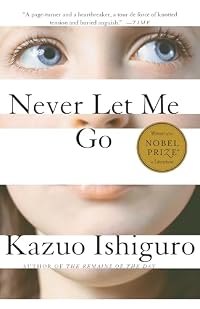
Never Let Me Go
by Kazuo Ishiguro
On This Page
Description
Hailsham seems like a pleasant English boarding school, far from the influences of the city. Its students are well tended and supported, trained in art and literature, and become just the sort of people the world wants them to be. But, curiously, they are taught nothing of the outside world and are allowed little contact with it. Within the grounds of Hailsham, Kathy grows from schoolgirl to young woman, but it's only when she and her friends Ruth and Tommy leave the safe grounds of the show more school (as they always knew they would) that they realize the full truth of what Hailsham is. show lessTags
Recommendations
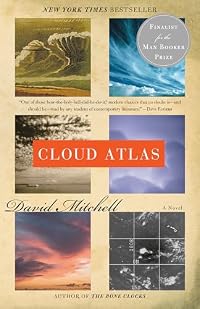
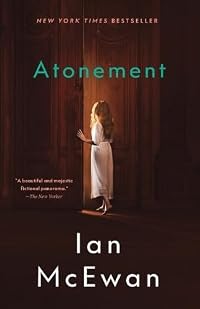


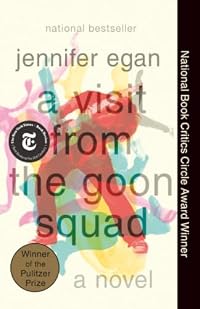
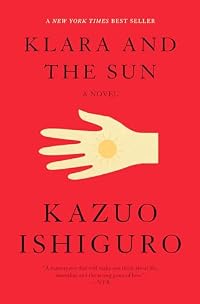

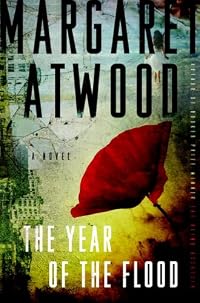
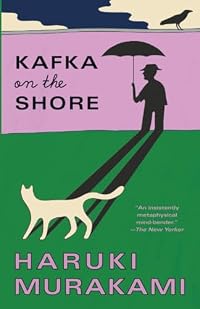

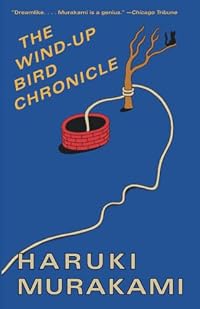
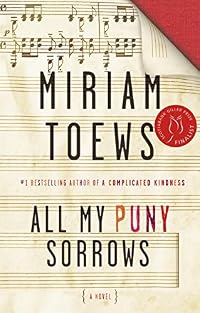

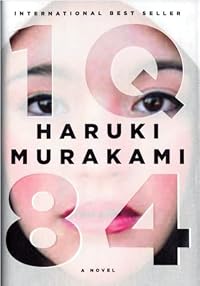
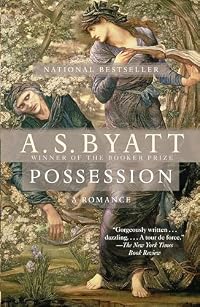
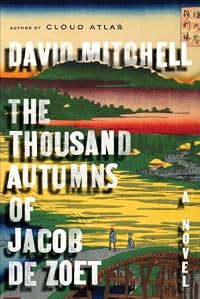
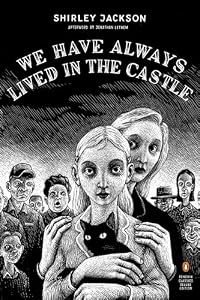
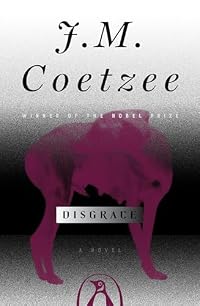
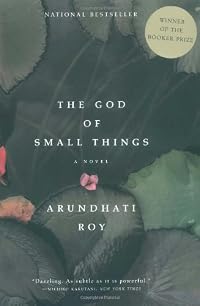
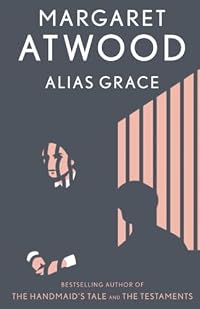
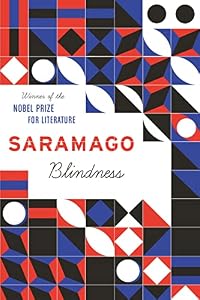
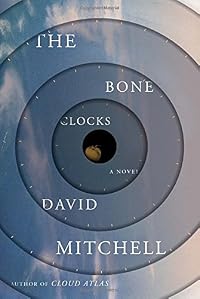
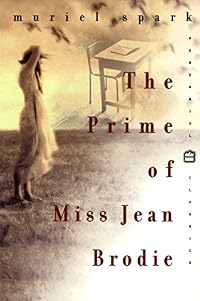
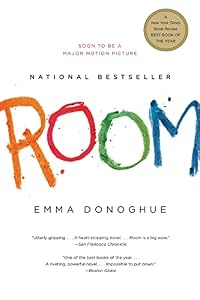
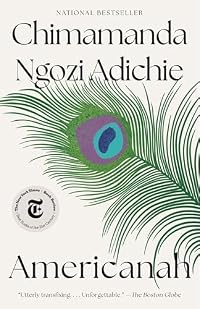
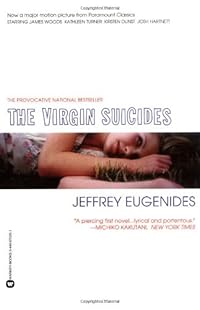


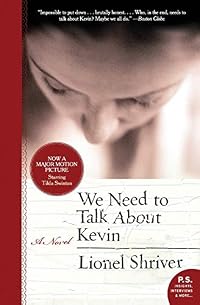
Member Recommendations
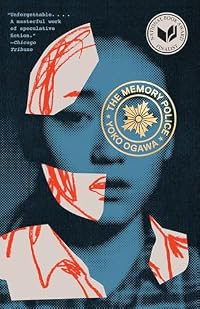
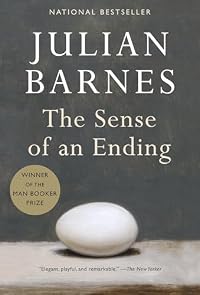
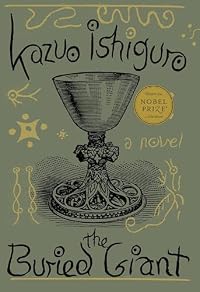
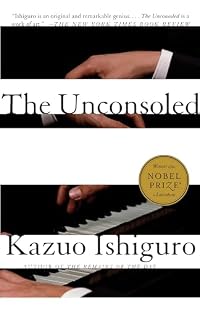
browner56 Two chilling, though extremely well written, reminders that liberty, freedom, and self-determination are not idle concepts.
473
joannasephine A similar society, and a similar obliqueness to the most striking aspects of the story.
121
ahappybooker Similar themes of dystopia and vivisection
LAKobow This series also deals with dystopian organ donation
Also recommended by VictoriaPL, meggyweg
71
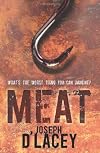
hoddybook The subject matter of both involves a dystopian future in which some people are more worthy of support than others. Ishiguro is more genteel than D'Lacey. Unless you really want to know what's in your daily pinta, I'd give Meat a miss, on the other hand...
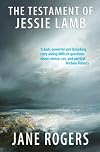
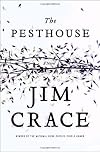
urania1 If you enjoy dystopian fiction or long for "literary" science fiction, read this book. It deals with the big questions, namely can people retain their humanity in dehumanizing conditions?
21
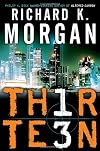
WildMaggie A thriller and a tragic romance--both authors explore the ethics of people created for specific purposes from the perspectives of those created individuals.
10
BookshelfMonstrosity Though it is less witty than We Are All Completely Beside Ourselves, Never Let Me Go is another poignant and insightful story about biological experimentation and human identity. Both novels feature lyrical prose, well-developed characterization, and haunting tones of melancholy.
21
SaintSunniva If you fail your senior exam (Margaret did not pass maths) you're sent to a facility to await your fate...organ, skin donation generally. Or you can fight back.

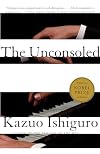

infiniteletters For more hope, read Strings.
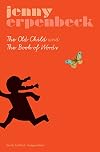
rrmmff2000 Unsettling narratives and fantastic writing about teenaged girls growing up muffled from the world.
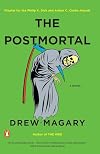
ahappybooker also a dystopian society where the government makes unethical choices to supposedly improve the world.
01
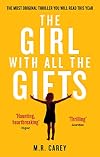
LAKobow Dystopian novel with special kids raised in mysterious circumstances, with little knowledge of the outside world until they find out who they really are.
12

chrissybob Explores similar themes around the relationships between friends
02
susanbooks Very different books, but they reminded me of each other
Member Reviews
At first, this seems like a boarding school story. The depiction of the weird conspiracy theories and imaginary games kids play, the friendships, schoolyard politics and relationships with teachers all rang true for me. The fact that it felt so normal and realistic meant that the strange and creepy aspects of the story kind of snuck up on you, and this made them particularly effective. I’ve seen people say that the less you know about this book going in, the better, and I agree - I read reviews beforehand and knew what it was about, and I definitely think the experience would have been better if I hadn’t known. So I won’t say any more.
I think I should like to sit quietly and think about this book for a few days before commenting on it. This book is a bit of a departure for me in that it isn't science fiction, it isn't a space-opera and it isn't a tawdry bodice ripper. This, folks is literature. Don't let the science fiction label fool you!
Major spoilers ahead!
The book has many layers. There's the setting, the narrative, the characters, and as I like to believe -the comment. If you focus on just one of the layers, you'll have a very different experience than if you take them all together. The book is not about a bunch of clones at a boarding school. Nor is it an examination of how we as a society feel about science and cloning. It isn't really commentary on show more bio-ethics, or the creepiness of "plug & play" organ donation. It isn't quite about love, and it isn't quite about stratification of society, and it isn't quite about living futile lives of quiet desperation and the odd, happy little days that shine like gems in the mud. It isn't quite about what it means to be human, although it does make the point that we're all human - whether we believe it or not. It might be about how we blithely ignore massive injustices in our world. It might be about how we can all ignore and skirt around huge, giant, screaming-big-deal problems in our own lives, and how cosy it can feel to concentrate on our back yard and ignore the larger world.
For me, the sucker-punch came right at end, the very last page, when I gasped out loud and said "That's it? Is that all there is? What was the point?" I was angry and confused and jaded, and a moment later, it hit me. Isn't the book an allegory of life? If we live a short futile life, won't we all feel confused and jaded and say just that at the end? "Is that all there is? What was the point?"
The real creepiness sets in when you ask yourself "just exactly what is a short, futile life anyway?" Am I sure my own life has depth and meaning? Or am I, like all of humanity living out my pre-defined biological program, and simply not aware, or willing to accept the futility of life?
The book was dark, moody, uncomfortable, and truth be told, a helluva downer. It was however an enjoyably dark and moody downer. show less
Major spoilers ahead!
The book has many layers. There's the setting, the narrative, the characters, and as I like to believe -the comment. If you focus on just one of the layers, you'll have a very different experience than if you take them all together. The book is not about a bunch of clones at a boarding school. Nor is it an examination of how we as a society feel about science and cloning. It isn't really commentary on show more bio-ethics, or the creepiness of "plug & play" organ donation. It isn't quite about love, and it isn't quite about stratification of society, and it isn't quite about living futile lives of quiet desperation and the odd, happy little days that shine like gems in the mud. It isn't quite about what it means to be human, although it does make the point that we're all human - whether we believe it or not. It might be about how we blithely ignore massive injustices in our world. It might be about how we can all ignore and skirt around huge, giant, screaming-big-deal problems in our own lives, and how cosy it can feel to concentrate on our back yard and ignore the larger world.
For me, the sucker-punch came right at end, the very last page, when I gasped out loud and said "That's it? Is that all there is? What was the point?" I was angry and confused and jaded, and a moment later, it hit me. Isn't the book an allegory of life? If we live a short futile life, won't we all feel confused and jaded and say just that at the end? "Is that all there is? What was the point?"
The real creepiness sets in when you ask yourself "just exactly what is a short, futile life anyway?" Am I sure my own life has depth and meaning? Or am I, like all of humanity living out my pre-defined biological program, and simply not aware, or willing to accept the futility of life?
The book was dark, moody, uncomfortable, and truth be told, a helluva downer. It was however an enjoyably dark and moody downer. show less
Part of the attraction of reading this book was not knowing much about its plot, so I will leave out some key aspects of it in my review.
The narrator Kathy reminisces about her life in an exclusive boarding school, whose children were sometimes referred to as special. Why they were special, and the common thread that bound them all is slowly revealed in this story.
The author uses the rambling conversation style of the narrator, filling in gaps between anecdotes and going sometimes on tangents to return to the main story line. The story pushes scientific borders and challenges our moral beliefs.
To me it demonstrated that we humans can justify morally reprehensible schemes if they fit with our overall designs of life and the world, and show more if we became convinced that it is for a good cause. It also stresses the importance of rearing and early education. The course of life and the ability to change, adapt or rebel depends hugely on the way one is brought up at an early age. The concept of freedom to pick and chose your life's course is something we learn through example and education, not something that we do by instinct. Our instincts are on the animal side, to settle into a role that is expected of us. Indoctrination at an early age is a surprisingly powerful device which produces compliant behaviour that is taken to the extreme in this novel. But if you look at our world, and the way people willingly participate in caste systems as if it were their destiny. If you watch the way women are reared in some societies to perform stunted and subordinate roles, it is not far off from here to imagine the course of the protagonists life.
Some people hate to disagree with the rules they grew up with, but what is worse is that some are not even aware that they have the privilege to reject these rules. It is alarming how people largely accept the collective rules, along with their personal consequence without too much questioning. show less
The narrator Kathy reminisces about her life in an exclusive boarding school, whose children were sometimes referred to as special. Why they were special, and the common thread that bound them all is slowly revealed in this story.
The author uses the rambling conversation style of the narrator, filling in gaps between anecdotes and going sometimes on tangents to return to the main story line. The story pushes scientific borders and challenges our moral beliefs.
To me it demonstrated that we humans can justify morally reprehensible schemes if they fit with our overall designs of life and the world, and show more if we became convinced that it is for a good cause. It also stresses the importance of rearing and early education. The course of life and the ability to change, adapt or rebel depends hugely on the way one is brought up at an early age. The concept of freedom to pick and chose your life's course is something we learn through example and education, not something that we do by instinct. Our instincts are on the animal side, to settle into a role that is expected of us. Indoctrination at an early age is a surprisingly powerful device which produces compliant behaviour that is taken to the extreme in this novel. But if you look at our world, and the way people willingly participate in caste systems as if it were their destiny. If you watch the way women are reared in some societies to perform stunted and subordinate roles, it is not far off from here to imagine the course of the protagonists life.
Some people hate to disagree with the rules they grew up with, but what is worse is that some are not even aware that they have the privilege to reject these rules. It is alarming how people largely accept the collective rules, along with their personal consequence without too much questioning. show less
Is this science-fiction? Teen drama? Either way it's a book that attacks the topic from an extremely oblique angle and yet manages to explore the idea more thoroughly than many straight-up SF novels. I couldn't help but feel angry reading it - rationally I can understand the setup but all throughout the book from the first hint to the closing lines I couldn't escape a sick feeling in the pit of my stomach at the circumstances of the main characters.
Childhood, nostalgia, loss, and death.
This is a novel as much about what it means to be human, as much as it is about humans grappling with the limited time they have. Through Kathy's recollections, we journey through her childhood, her teenage years, and finally her experience as an adult worker in an operation that uses clones for organ-harvesting. Eventhough Kathy's ability to create and connect is in no way inferior to any 'normal' human but being a clone, her will to self-determination is restricted. She can't choose her 'purpose', her life is set out for her. This apparently doesn't worry her too much, she accepts it as it is. But wouldn't mind getting out. This creates a tangible tension throughout the text.
The idea of Hailsham show more is one the more interesting ideas in the book. Trying to provide 'human dignity' to clones means treating them the same as us. But if their paths are set out for them as donors and carers, it's all meaningless in the end. Or is it? Another question it raises in my head at least is how important is a happy childhood? If you're to transition to a depressing adulthood in any case, do you prioritize an ignorant but happy childhood or an informed but sad childhood. Hailsham chose the former. And we don't know if it worked.
This novel doesn't try to be sad, but the themes make the sadness palpable. You feel like crying throughout the novel without really knowing why. I think it had something to do with the feeling of time slipping between the fingers or that the entire story is told as a recollection, but it's strong and real. show less
This is a novel as much about what it means to be human, as much as it is about humans grappling with the limited time they have. Through Kathy's recollections, we journey through her childhood, her teenage years, and finally her experience as an adult worker in an operation that uses clones for organ-harvesting. Eventhough Kathy's ability to create and connect is in no way inferior to any 'normal' human but being a clone, her will to self-determination is restricted. She can't choose her 'purpose', her life is set out for her. This apparently doesn't worry her too much, she accepts it as it is. But wouldn't mind getting out. This creates a tangible tension throughout the text.
The idea of Hailsham show more is one the more interesting ideas in the book. Trying to provide 'human dignity' to clones means treating them the same as us. But if their paths are set out for them as donors and carers, it's all meaningless in the end. Or is it? Another question it raises in my head at least is how important is a happy childhood? If you're to transition to a depressing adulthood in any case, do you prioritize an ignorant but happy childhood or an informed but sad childhood. Hailsham chose the former. And we don't know if it worked.
This novel doesn't try to be sad, but the themes make the sadness palpable. You feel like crying throughout the novel without really knowing why. I think it had something to do with the feeling of time slipping between the fingers or that the entire story is told as a recollection, but it's strong and real. show less
While this novel was sad and strangely haunting, I was sometimes annoyed by the inexplicable self-absorption and introspection of the characters. It is gradually and subtly revealed that they are clones created solely for the purpose of donating organs, which they apparently do without questioning the system. The possibility of political revolt receives only slight consideration and is as quickly forgotten, and only near the end, when it seems too late for the protagonists. The whole logic of the premise is implausible, and the characters' largely unquestioning acceptance of the system is puzzling.
On the other hand, if one accepts the implausibilities, it's very evocative of the emotional states and social relationships of a very closed show more community. A love triangle dominates the plot, and I couldn't help wishing that this relationship had been set in more realistic circumstances. show less
On the other hand, if one accepts the implausibilities, it's very evocative of the emotional states and social relationships of a very closed show more community. A love triangle dominates the plot, and I couldn't help wishing that this relationship had been set in more realistic circumstances. show less
The students at Hailsham are special. Kept isolated from the outside, nurtured, educated and encouraged to find ways to express their creativity and maintain excellent health, they are nevertheless kept in the dark about their purpose in life. Little by little, they piece together the clues to discover their intended purpose in life.
Ishiguro creates a dystopian society that seems idyllic at first; he introduces the reader to the horrible reality a little at a time, so that you are seduced by the “normalcy” of these students’ lives. But what happens once they leave Hailsham and go out to find their destinies, is what really sets this book apart. I’ll be thinking about this one for a long time.
Ishiguro creates a dystopian society that seems idyllic at first; he introduces the reader to the horrible reality a little at a time, so that you are seduced by the “normalcy” of these students’ lives. But what happens once they leave Hailsham and go out to find their destinies, is what really sets this book apart. I’ll be thinking about this one for a long time.
Members
- Recently Added By
Published Reviews
ThingScore 88
Ishiguro is extremely good at recreating the special, oppressive atmosphere of school (and any other institution, for that matter)—the cliques that form, the covert rivalries, the obsessive concern with who sat next to whom, who was seen talking to whom, who is in favor at one moment and who is not.
added by jburlinson
The eeriest feature of this alien world is how familiar it feels. It's like a stripped-down, haiku vision of children everywhere, fending off the chaos of existence by inventing their own rules.
added by DieFledermaus
"Never Let Me Go" is marred by a slapdash, explanatory ending that recalls the stilted, tie-up-all-the loose-ends conclusion of Hitchcock's "Psycho." The remainder of the book, however, is a Gothic tour de force that showcases the same gifts that made Mr. Ishiguro's 1989 novel, "The Remains of the Day," such a cogent performance.
added by DieFledermaus
Lists

1001 Books You Must Read Before You Die
1,448 works; 1,131 members
Best Dystopias
280 works; 277 members

Best Science Fiction Novels
816 works; 426 members

Recommend the 20 best books you've read in the last five years
2,167 works; 606 members

Best Contemporary Literary Fiction (Around the Last 30 Years)
388 works; 124 members

Best 21st Century Books (So Far)
670 works; 85 members

Read the book and saw the movie
1,170 works; 195 members

Best Alternate History
111 works; 60 members
Booker Prize
491 works; 62 members

Favourite Books
1,817 works; 316 members
Favourite Booker Prize contenders
73 works; 21 members
Best of British Literature
226 works; 41 members

Unread books
1,063 works; 86 members

Books That Made Me Cry
199 works; 104 members

Best School Stories
219 works; 22 members
Favorite Coming of Age Novels.
164 works; 51 members

Favorite Literary Love Stories
182 works; 100 members

The Guardian's 100 best books of the 21st century
100 works; 21 members
Books That Changed Me
156 works; 47 members

Unreliable Narrators
170 works; 43 members

Slipstream or Interstitial Fiction
160 works; 19 members
Science fiction novels with a female protagonist
105 works; 30 members

child hero ~ adult novel
60 works; 11 members
Time Magazine's "All-Time 100"
113 works; 15 members

Best Psychological Fiction
81 works; 16 members

Best Friendship Stories
205 works; 16 members

Best Campus Novels
99 works; 18 members
Books I've Read More Than Once
602 works; 48 members

Top Five Books of 2018
802 works; 265 members
Folio Society
831 works; 50 members

Women's Stories
88 works; 13 members

Top Five Books of 2020
982 works; 350 members
Female Protagonist
1,056 works; 56 members

Survey of Science Fiction and Fantasy
101 works; 13 members

Best Books Set in Boarding Schools
160 works; 57 members

Dystopian and Apocalyptic Literature
350 works; 74 members
Booker Prize Shortlist: Titles Read
103 works; 10 members

Favourite Science Fiction Books of the 21st Century
47 works; 8 members

Broderick and Di Filippo's Science Fiction: The 101 Best Novels 1985-2010
103 works; 7 members

Vulture's 100 Best Books of the 21st Century (So Far)
98 works; 9 members

Nobel Price Winners
222 works; 20 members
LibraryThingers' 1001 Books You Must Read Before You Die
442 works; 30 members

Literature by People of Color
81 works; 9 members
Top Five Books of 2017
757 works; 230 members
Stream of Consciousness
87 works; 8 members

Time's All-Time 100 Novels
100 works; 27 members

2000s (the decade, not the century)
184 works; 11 members
One Book, Many Authors
441 works; 40 members

Most Disturbing Books
124 works; 27 members

Books Set in Great Britain
191 works; 13 members

Speculative Fiction: Slipstream Literature
166 works; 16 members
Five star books
1,755 works; 107 members

Dark Books for Winter Reading
71 works; 11 members

did I say that I didn't mean that (unreliable narrators)
34 works; 7 members

Top Five Books of 2019
387 works; 107 members
Books tagged favorites
390 works; 30 members

Blue Pyramid 1,276 Best Books of All Time
1,248 works; 32 members

BBC Radio 4 Bookclub
304 works; 13 members
Ten Books That Have Stayed With Me
160 works; 30 members
Man Booker Prize Longlist 2005
17 works; 3 members
Literature About Women and Girls
391 works; 39 members

A Novel Cure
742 works; 23 members

Books Read in 2015
3,298 works; 129 members

Recommended Speculative Fiction by Women and People of Color
298 works; 45 members
Arthur C. Clarke Award Winners and Shortlisted Books
219 works; 14 members
Alternate Englands
34 works; 7 members

2000s decade
85 works; 7 members
Adult Books for YA Readers
194 works; 6 members

Allie's Favourite 150 Books
145 works; 3 members

Asia
178 works; 7 members
SantaThing 2014 Gifts
299 works; 17 members

Authors from England
147 works; 4 members

Books Read in 2014
2,341 works; 89 members

Academia in Fiction
158 works; 23 members

Dystopian Novels you should read
25 works; 2 members

What are your favourite books?
121 works; 11 members

99 Bücher, die man gelesen haben muss
37 works; 1 member
Independent Reading Suggestions
69 works; 3 members

Speculative Fiction to Read
706 works; 32 members
Overdue Podcast
803 works; 9 members

Read This Next
120 works; 3 members

Favorite Books from the 2000s
35 works; 3 members
Books Read in 2016
4,666 works; 199 members

Books Read in 2017
4,248 works; 129 members

Tracks of my tears ~ novels that I sobbed through
15 works; 2 members

Books Read in 2006
417 works; 8 members
My favourite books
96 works; 3 members

Books Read in 2022
5,164 works; 113 members
Eton's list - the books every bright 16 year-old should read
40 works; 6 members
Books Tagged Clones
14 works; 6 members

Favourite Books
50 works; 1 member

Top Book of the Year - 2000s
10 works; 1 member

Retrospective of 20th- and 21st-century literature
154 works; 1 member

Books Read in 2025
4,090 works; 97 members

Survey suggestions
16 works; 2 members
Books We Couldn't Put Down
443 works; 197 members

100 knjiga
100 works; 1 member
Favorite Science Fiction
452 works; 215 members
Widely acclaimed, one book per year
105 works; 3 members

GraceCollection TBR/To Buy List
106 works; 1 member

.
184 works; 1 member
Goalhanger Book Club
6 works; 1 member
.
194 works; 2 members
.
396 works; 1 member
Books We Want To Read Again For The First Time
384 works; 160 members
el
1,139 works; 1 member

Books We Discovered On LibraryThing
530 works; 130 members

Gen X Library
245 works; 4 members
GWFKegel's Dystopia Suggestions
12 works; 1 member
Books That Made Us Cry
278 works; 145 members
Dystopia Must-Reads
18 works; 2 members

Books Featuring Teens
25 works; 4 members
BingoDOG - Genre Benders
74 works; 13 members

mediocre books by authors i otherwise adore
10 works; 1 member

Books With Complete Sentence Titles
374 works; 15 members

Alphabetical Books
211 works; 3 members
Books Read in 2018
4,360 works; 110 members
Speculative Fiction
40 works; 2 members

Books Read in 2013
1,629 works; 51 members

NYT Readers best of 21st C
100 works; 8 members

Books Read in 2019
4,052 works; 108 members
Books Read in 2011
684 works; 19 members
My Library's Recommended Adult Fiction
13 works; 2 members

Recommended Literary Books
111 works; 1 member

Florida
366 works; 3 members
NYT 100 best books of 21st C
100 works; 31 members
Books We Love to Reread
688 works; 296 members
An evolving science fiction novel canon
50 works; 2 members
Talk Discussions
Past Discussions
Never let me go in Book Fiend (June 2021)
Never Let Me Go - discussed 15/09/10 in Chertsey Bookclub (September 2010)
Author Information

57+ Works 81,409 Members
Kazuo Ishiguro was born in Nagasaki, Japan on November 8, 1954. In 1960, his family moved to England. He received a bachelor's degree in English and philosophy from the University of Kent in 1978 and a master's degree in creative writing from the University of East Anglia in 1980. He became a British citizen in 1982. His first novel, A Pale View show more of Hills, received the Winifred Holtby Award from the Royal Society of Literature. His second novel, An Artist of the Floating World, received the Whitbread Book of the Year Award in 1986. His third novel, The Remains of the Day, received the Man Booker Prize for Fiction in 1989 and was adapted into a film starring Anthony Hopkins and Emma Thompson. His other works include The Unconsoled, When We Were Orphans, Never Let Me Go, Nocturnes: Five Stories of Music and Nightfall, and The Buried Giant. He was awarded the OBE in 1995 for services to literature and the Chevalier de l'Ordre des Arts et des Lettres by the French government in 1998. He received the 2017 Nobel Prize in Literature. He has also written several songs for jazz singer Stacey Kent and screenplays for both film and television. (Bowker Author Biography) show less
Some Editions
Awards and Honors
Series
Belongs to Publisher Series
Work Relationships
Is contained in
Has the adaptation
Has as a reference guide/companion
Has as a study
Common Knowledge
- Canonical title*
- Laat me nooit alleen
- Original title
- Never Let Me Go
- Original publication date
- 2005
- People/Characters
- Kathy H.; Tommy; Ruth; Miss Emily; Miss Lucy; Miss Geraldine (show all 9); Chrissie; Rodney; Madame
- Important places
- Hailsham (boarding school); England, UK; Norfolk, England, UK; Sussex, England, UK
- Related movies
- Never Let Me Go (2010 | IMDb)
- Dedication
- To Lorna and Naomi
- First words
- My name is Kathy H.
- Last words
- (Click to show. Warning: May contain spoilers.)I just waited a bit, then turned back to the car, to drive off wherever it was I was supposed to be.
- Publisher's editor
- Cargill, Angus
- Blurbers
- Ondaatje, Michael; Oates, Joyce Carol; Stone, Robert; Atwood, Margaret
- Original language
- English
- Canonical DDC/MDS
- 823.92
- Canonical LCC
- PR6059.S5
*Some information comes from Common Knowledge in other languages. Click "Edit" for more information.
Classifications
Statistics
- Members
- 26,662
- Popularity
- 157
- Reviews
- 1,015
- Rating
- (3.81)
- Languages
- 29 — Arabic, Bosnian, Catalan, Czech, Danish, Dutch, English, Estonian, Finnish, French, German, Galician, Greek, Hungarian, Italian, Japanese, Lithuanian, Norwegian (Bokmål), Farsi/Persian, Polish, Portuguese, Romanian, Russian, Serbian, Slovenian, Spanish, Swedish, Turkish, Chinese, traditional
- Media
- Paper, Audiobook, Ebook
- ISBNs
- 161
- UPCs
- 1
- ASINs
- 74