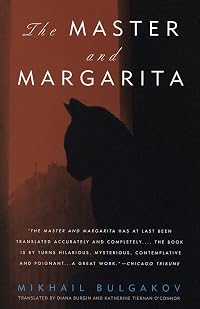
The Master and Margarita
by Mikhail Bulgakov
On This Page
Description
Despite its surreal environment of talking cats, Satan and mysterious happenings, The Master and Margarita is thought of as one of the most famous and best-selling Russian novels of the 20th century.Tags
Recommendations

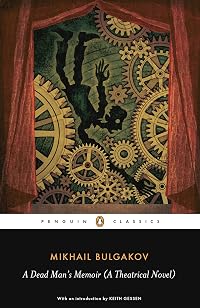
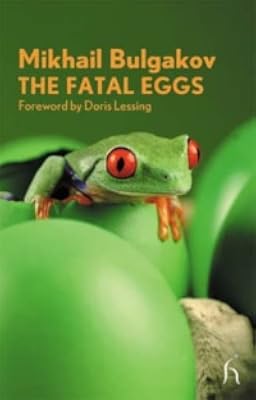
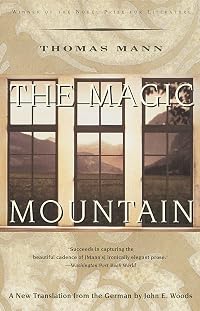
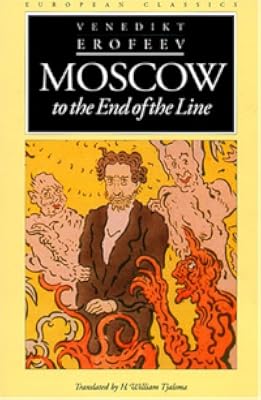


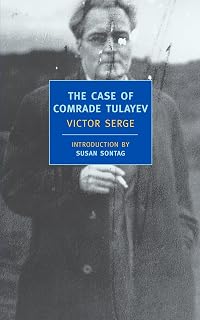


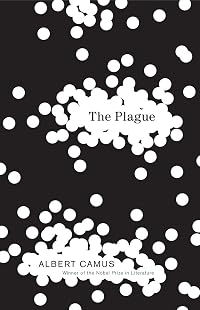
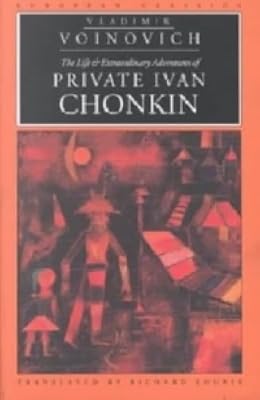
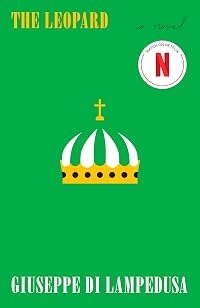
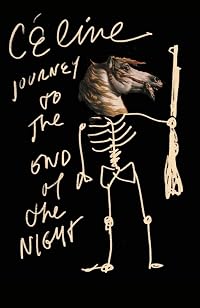
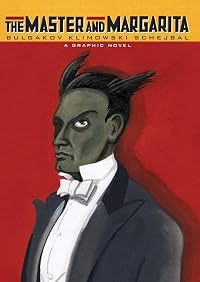
Member Recommendations
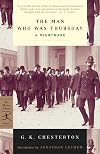
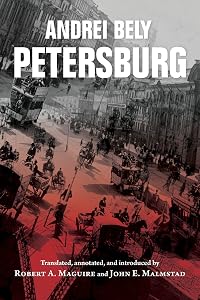
SCPeterson Another tale where the devil shows up as a device to reveal and transcend the normality of "imposed terror".
70

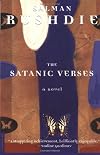
aethercowboy Woland and the gentleman with thistle-down hair are very similar.
40
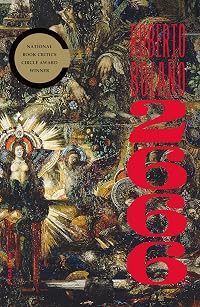
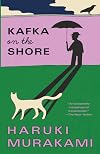
Cecrow A novel about the actual experience under early communist rule.
20
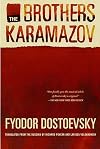
CGlanovsky The comparison is mostly to the "book-within-a-book" that makes up one half of Bulgakov's narrative. Both books tell a version of Jesus's encounter with Pilate where the Roman tries to intercede on the prophet's behalf.


browsers More fun with evil.
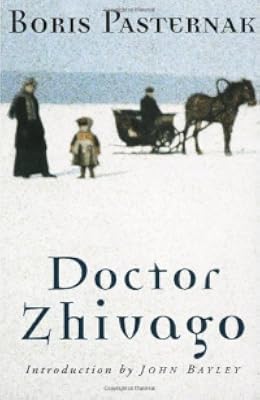
klarusu The same sense of unreality layered over a real-world setting, the same undercurrent of humour but this time it's the Devil that lands in Moscow
712
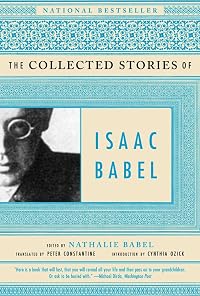
Rajinderjhol Rare opportunity to feel the exciting dialogues with the Devil.
04
Member Reviews
I love this crazy, unpredictable book. The devil rocks up in Moscow and causes all sorts of trouble, it's absurd and funny. In the meantime Pontius Pilate is meeting Jesus and getting himself all confused. I think there's a lot of in jokes and references that I don't get but it's not important as there is so much else going on. The description is wonderful and the scenes of chaos are very vivid. I like this translation too, am not sure which I read last time, but think this one seemed more fun.
My high school yearbook quote from Mark Twain seems appropriate: Persons attempting to find a motive in this narrative will be prosecuted; persons attempting to find a moral in it will be banished; persons attempting to find a plot in it will be shot.
Like many readers, I really am not sure what this book was about; but, after a slow start, I kind of liked it. Heralded as the first ever entry in the magic realism genre, it's weird, wacky, wildly imaginative and satirical as hell. There are three interwoven narratives: (1) Woland/Satan and his demonic retinue's (a man-sized talking cat and a vampire) visit to Moscow to assess Soviet life, (2) the story of Yeshua Ha-Nostri (Jesus), his believers and betrayers and Pontius Pilate in ancient show more Yershalayim (Jerusalem), and (3) the love affair between the Master and Margarita. The Master has written a book about Pontius Pilate, which nobody will publish, and Satan has to offer his own first person observations, leading to the Master's mental instability. Woland's black magic performance at the theater, and the wanton destruction of lives and sanities of the theater staff and its audience, is remarkable. Plenty of characters end up in mental hospital, and for good reasons too. One of the most memorable scenes was the Satanic Ball hosted by a naked Margarita and attended by the denizens of hell. Chaos and bedlam reign throughout. show less
Like many readers, I really am not sure what this book was about; but, after a slow start, I kind of liked it. Heralded as the first ever entry in the magic realism genre, it's weird, wacky, wildly imaginative and satirical as hell. There are three interwoven narratives: (1) Woland/Satan and his demonic retinue's (a man-sized talking cat and a vampire) visit to Moscow to assess Soviet life, (2) the story of Yeshua Ha-Nostri (Jesus), his believers and betrayers and Pontius Pilate in ancient show more Yershalayim (Jerusalem), and (3) the love affair between the Master and Margarita. The Master has written a book about Pontius Pilate, which nobody will publish, and Satan has to offer his own first person observations, leading to the Master's mental instability. Woland's black magic performance at the theater, and the wanton destruction of lives and sanities of the theater staff and its audience, is remarkable. Plenty of characters end up in mental hospital, and for good reasons too. One of the most memorable scenes was the Satanic Ball hosted by a naked Margarita and attended by the denizens of hell. Chaos and bedlam reign throughout. show less
Mikhail Bulgakov's The Master and Margarita begins on a spring evening in 1930s Moscow when two literary bureaucrats encounter with Woland, a mysterious foreign professor who correctly predicts the imminent death of one of them. That encounter unleashes a flurry of increasingly bizarre events across the Soviet capital. Woland—who is eventually revealed to be the Devil—and his curious entourage, including a giant talking cat named Behemoth and the terrifying assassin Azazello, expose the greed, vanity, cowardice, and corruption beneath the surface of respectable Soviet society. Interwoven with these episodes is the story of the Master, a persecuted writer whose novel about Pontius Pilate has been suppressed, and Margarita, the woman show more who remains fiercely devoted despite his disappearance and apparent ruin. Their love story unfolds alongside chapters recounting Pilate's interrogation and execution of Yeshua Ha-Notsri, Bulgakov's reimagining of Jesus Christ. As the boundaries between reality, fantasy, history, and myth get blurred, the destinies of Woland, the Master, Margarita, Pilate, and Yeshua gradually converge in a conclusion that is at once comic, tragic, and transcendent.
What makes The Master and Margarita so extraordinary is the audacity of its structure. Bulgakov weaves together three seemingly incompatible narratives—a satirical portrait of Stalinist Moscow, a romantic tale of artistic devotion, and a philosophical retelling of the Passion story—yet somehow connects them in a deft manner. The novel's shifting perspectives and abrupt changes in tone felt a little disorienting at first, but they ultimately created a powerful examination of truth, power, and moral responsibility. I also found the historical context to be an equally important part of the reading experience. Written in the shadow of Soviet censorship and political repression, the novel reflects the atmosphere of fear and conformity that characterized the Stalin era. The literary officials, bureaucrats, and opportunists who populate Moscow are not merely comic caricatures, they represent a system in which ideological status quo has displaced intellectual honesty and spiritual inquiry. Against that backdrop, the Master's persecution becomes an obvious allegory for the plight of artists living under authoritarian rule, while the Pilate plotline explores the consequences of moral cowardice in the face of political authority.
Few novels I have read possess the imaginative range or intellectual ambition of this one. The author’s prose is compelling and inventive, capable of moving effortlessly from slapstick farce to metaphysical meditation, and the novel's collection of characters is unforgettable. I was particularly impressed by Bulgakov’s use of humor, not merely for entertainment, but as a weapon against hypocrisy and tyranny. The relationship between the Master and Margarita also provides an emotional foundation that keeps the novel’s philosophical musings from becoming too abstract. That said, though, the novel is not flawless: its episodic construction occasionally impedes the momentum of the story, and I sometimes found the frequent shifts among satire, theology, and fantasy difficult to navigate. Also, some of the secondary events, amusing in isolation, felt superfluous before their larger significance became clear. Nevertheless, these are minor shortcomings in a work of remarkable originality, insight, and courage. Decades after its creation, this work remains one of the great novels of the twentieth century. It is a book that rewards careful reading with pure enjoyment, and one that I can enthusiastically recommend to anyone willing to embrace its complexity. show less
What makes The Master and Margarita so extraordinary is the audacity of its structure. Bulgakov weaves together three seemingly incompatible narratives—a satirical portrait of Stalinist Moscow, a romantic tale of artistic devotion, and a philosophical retelling of the Passion story—yet somehow connects them in a deft manner. The novel's shifting perspectives and abrupt changes in tone felt a little disorienting at first, but they ultimately created a powerful examination of truth, power, and moral responsibility. I also found the historical context to be an equally important part of the reading experience. Written in the shadow of Soviet censorship and political repression, the novel reflects the atmosphere of fear and conformity that characterized the Stalin era. The literary officials, bureaucrats, and opportunists who populate Moscow are not merely comic caricatures, they represent a system in which ideological status quo has displaced intellectual honesty and spiritual inquiry. Against that backdrop, the Master's persecution becomes an obvious allegory for the plight of artists living under authoritarian rule, while the Pilate plotline explores the consequences of moral cowardice in the face of political authority.
Few novels I have read possess the imaginative range or intellectual ambition of this one. The author’s prose is compelling and inventive, capable of moving effortlessly from slapstick farce to metaphysical meditation, and the novel's collection of characters is unforgettable. I was particularly impressed by Bulgakov’s use of humor, not merely for entertainment, but as a weapon against hypocrisy and tyranny. The relationship between the Master and Margarita also provides an emotional foundation that keeps the novel’s philosophical musings from becoming too abstract. That said, though, the novel is not flawless: its episodic construction occasionally impedes the momentum of the story, and I sometimes found the frequent shifts among satire, theology, and fantasy difficult to navigate. Also, some of the secondary events, amusing in isolation, felt superfluous before their larger significance became clear. Nevertheless, these are minor shortcomings in a work of remarkable originality, insight, and courage. Decades after its creation, this work remains one of the great novels of the twentieth century. It is a book that rewards careful reading with pure enjoyment, and one that I can enthusiastically recommend to anyone willing to embrace its complexity. show less
Wow! I was not expecting this in a Russian novel! It was a masterpiece of fantasy and allegory, although the more political satire was out of my reach, not knowing enough Russian history. It is easy to imagine how this would affect readers who personally recognized the details. My Russian barber told me about reading it years ago when it was passed secretly from person to person. It is full of unforgettable images. One is of Margarita, the witch, flying naked over Moscow on a broom. Another is of Pontius Pilate interviewing Christ. And then there is Behemoth the cat, one of Satan’s companions. The translation in this 50th anniversary edition is also excellent.
What happens when the Devil and his fiendish retinue arrive in an atheistic worker’s paradise and anyone who gets in their way? The Master and Margarita by Mikhail Bulgakov is a magical realism novel that takes mid-1930s Soviet culture to task along with his commentary in his own experience as a writer during that era.
The fact that Bulgakov never technically finished the book to his satisfaction before his death and yet it’s a fantastic read is incredible. The fact that the Devil goes to Moscow, challenges the religious beliefs of the populace or lack thereof, and judges their behavior is a perfect satire by the Soviet author against the official atheistic stance that supposedly prevailed in the nation at that time is pure satire. show more The Devil’s actions, under the pseudonym of Dr. Woland, and that of his retinue cause various levels of mischief that sometimes reaches malevolence from sudden trips to Crimean resort towns, finding yourself possessing illegal foreign currency, getting decapitated then having your head reattached, and finally dying in over the top ways. The fact that the titular characters are only in essentially half the novel and it being the second half is a great bait-and-switch as I didn’t mind following the misadventures of the retinue, especially Behemoth. While I call this magical realism, it could also be a satirical dark comedy with supernatural elements, or an out-of-left field meditation of Christian philosophy, or anything else one can think of, regardless of the genre it’s a good read.
The Master and Margarita is one of the greatest works from the Soviet era and given how Mikhail Bulgakov was treated throughout his life during the Stalinist era, it just shows the sometimes surreal whims of Soviet authorities. show less
The fact that Bulgakov never technically finished the book to his satisfaction before his death and yet it’s a fantastic read is incredible. The fact that the Devil goes to Moscow, challenges the religious beliefs of the populace or lack thereof, and judges their behavior is a perfect satire by the Soviet author against the official atheistic stance that supposedly prevailed in the nation at that time is pure satire. show more The Devil’s actions, under the pseudonym of Dr. Woland, and that of his retinue cause various levels of mischief that sometimes reaches malevolence from sudden trips to Crimean resort towns, finding yourself possessing illegal foreign currency, getting decapitated then having your head reattached, and finally dying in over the top ways. The fact that the titular characters are only in essentially half the novel and it being the second half is a great bait-and-switch as I didn’t mind following the misadventures of the retinue, especially Behemoth. While I call this magical realism, it could also be a satirical dark comedy with supernatural elements, or an out-of-left field meditation of Christian philosophy, or anything else one can think of, regardless of the genre it’s a good read.
The Master and Margarita is one of the greatest works from the Soviet era and given how Mikhail Bulgakov was treated throughout his life during the Stalinist era, it just shows the sometimes surreal whims of Soviet authorities. show less
"… someone was living in the flat, despite the fact that every official body in Moscow concerned with visiting foreigners stated firmly and categorically that there was not and could not be a magician named Woland in Moscow." (pg. 376)
Mikhail Bulgakov's The Master and Margarita is a book that can be both admired and enjoyed but, peculiarly, rarely at the same time. First, to be enjoyed: a breathless fantasia that sees all hell break loose with a wealth of inventive and original capers, and a command of language and technique that means the novel reads quicker and easier than the reputation of Russian literature would lead you to believe.
And, secondly, to be admired; though you have to make an effort to put yourself into the headspace show more of a Soviet citizen to truly appreciate it. For the book is a satire of Soviet norms, particularly those imposed by the Communist state. The Devil arrives in Soviet Moscow, which is a Communist and, consequently, atheist society (see the quote with which I opened this review), and the book derives a lot of humour from the contortions its characters make to square this theological/ideological circle – or, rather, this dodecahedron. All these strange supernatural happenings in the city, and everyone who is dragged into it is left floundering – often without pants – when the police come around to sort it out.
It is admirably dangerous from Bulgakov, who wrote the book – though could not publish – at a time when Joseph Stalin was in power and mass purges of ideological undesirables were underway. When the character Ivan Nikolayich loses his MASSOLIT membership card on page 66 – MASSOLIT being a state-approved club of literary gatekeepers – it seems to be Bulgakov saying 'now the gloves are off'. Moscow is torn apart by the diabolical 'visiting foreigners' in Woland's entourage (see, again, my opening quotation), and we must remember that Marxism is a foreign ideology, even to Russians: surely it is no coincidence that some of Bulgakov's characters speculate that Woland and his demons came from Germany. And, most pointedly, there are the dreaded knocks on the door by state policemen. The following, from page 92, could almost be reproduced verbatim in Darkness at Noon or The Gulag Archipelago, and not look out of place: "… odd things began happening in that apartment – people started to vanish from it without trace. One Monday afternoon a policeman called, invited the second lodger (the one whose name is no longer known) into the hall and asked him to come along to the police station for a minute or two to sign a document… he not only failed to come back in ten minutes; he never came back at all." Odd things, indeed! Bulgakov skewers not only the ideological contortions, but the corrupting selective-vision ordinary people must deploy to live in such a society.
All this is commendable, but what is truly fascinating about The Master and Margarita is Bulgakov's unusual relationship with the forces of diabolism. The book gives the Devil his due (the opening chapters inspired Mick Jagger to write 'Sympathy for the Devil') and Woland is far from the traditional serpentine characterisation of the Christian devil. He is, interestingly, more like Stalin – the all-powerful lord surrounded by minions to do his bidding ("remove the document – and you remove the man" (pg. 329)). The two titular characters of the Master and Margarita are then, presumably, based on Bulgakov and his wife, who want to escape from under the yoke of Stalin/Woland but can only do so by acknowledging the legitimacy of his power, even over Bulgakov's/the Master's art. "Manuscripts don't burn," Woland says of the Master's labour of love (pg. 326), but it is he and he alone who can decree this. Stalin could never allow such a book to be published, of course, but the fact that the dictator did not seem offended – was, indeed, amused – by the implicit association with the Devil says a lot about his ruling style: Woland asks questions, tests his subjects, and is delighted when they contort themselves ridiculously to provide the 'correct' answer. The benevolence – or, at least, contribution – of diabolism… That is a strange relationship dynamic to wrestle with, even if you understand every line of the book.
And the truth is that you won't understand every line of the book. That breathless fantasia I mentioned really is breathless: an unrelenting cavalcade of odd details and random happenings, most of which have little lasting relevance to the rest of the book. There's no plot to speak of, not really, and it can be difficult for the reader to orient themselves and really appraise the novel as they are reading it. There are other things perhaps going on that are lost in the unrestrained explosion of events (are those who won't hand in their currency (pg. 190) illustrative of a meditation on sin? Is the narrative of Pontius Pilate and his chief of secret service (pg. 350) part of a commentary on how, even back then, there were people trying to manipulate events, or the perception of events?), but the reader doesn't feel like they are losing out, because there are other things to draw your attention. You can get lost from moment to moment, as Bulgakov's story pulls you every which way, and then you can start to go mad in trying to figure it out. But then you realise that madness is the intention. Like the Soviet citizen who ignores their neighbours being dragged away by the state police, you must be mistaken. The events of the book never happened. "No, of course it never took place… it was merely your imagination" (pg. 444). show less
Mikhail Bulgakov's The Master and Margarita is a book that can be both admired and enjoyed but, peculiarly, rarely at the same time. First, to be enjoyed: a breathless fantasia that sees all hell break loose with a wealth of inventive and original capers, and a command of language and technique that means the novel reads quicker and easier than the reputation of Russian literature would lead you to believe.
And, secondly, to be admired; though you have to make an effort to put yourself into the headspace show more of a Soviet citizen to truly appreciate it. For the book is a satire of Soviet norms, particularly those imposed by the Communist state. The Devil arrives in Soviet Moscow, which is a Communist and, consequently, atheist society (see the quote with which I opened this review), and the book derives a lot of humour from the contortions its characters make to square this theological/ideological circle – or, rather, this dodecahedron. All these strange supernatural happenings in the city, and everyone who is dragged into it is left floundering – often without pants – when the police come around to sort it out.
It is admirably dangerous from Bulgakov, who wrote the book – though could not publish – at a time when Joseph Stalin was in power and mass purges of ideological undesirables were underway. When the character Ivan Nikolayich loses his MASSOLIT membership card on page 66 – MASSOLIT being a state-approved club of literary gatekeepers – it seems to be Bulgakov saying 'now the gloves are off'. Moscow is torn apart by the diabolical 'visiting foreigners' in Woland's entourage (see, again, my opening quotation), and we must remember that Marxism is a foreign ideology, even to Russians: surely it is no coincidence that some of Bulgakov's characters speculate that Woland and his demons came from Germany. And, most pointedly, there are the dreaded knocks on the door by state policemen. The following, from page 92, could almost be reproduced verbatim in Darkness at Noon or The Gulag Archipelago, and not look out of place: "… odd things began happening in that apartment – people started to vanish from it without trace. One Monday afternoon a policeman called, invited the second lodger (the one whose name is no longer known) into the hall and asked him to come along to the police station for a minute or two to sign a document… he not only failed to come back in ten minutes; he never came back at all." Odd things, indeed! Bulgakov skewers not only the ideological contortions, but the corrupting selective-vision ordinary people must deploy to live in such a society.
All this is commendable, but what is truly fascinating about The Master and Margarita is Bulgakov's unusual relationship with the forces of diabolism. The book gives the Devil his due (the opening chapters inspired Mick Jagger to write 'Sympathy for the Devil') and Woland is far from the traditional serpentine characterisation of the Christian devil. He is, interestingly, more like Stalin – the all-powerful lord surrounded by minions to do his bidding ("remove the document – and you remove the man" (pg. 329)). The two titular characters of the Master and Margarita are then, presumably, based on Bulgakov and his wife, who want to escape from under the yoke of Stalin/Woland but can only do so by acknowledging the legitimacy of his power, even over Bulgakov's/the Master's art. "Manuscripts don't burn," Woland says of the Master's labour of love (pg. 326), but it is he and he alone who can decree this. Stalin could never allow such a book to be published, of course, but the fact that the dictator did not seem offended – was, indeed, amused – by the implicit association with the Devil says a lot about his ruling style: Woland asks questions, tests his subjects, and is delighted when they contort themselves ridiculously to provide the 'correct' answer. The benevolence – or, at least, contribution – of diabolism… That is a strange relationship dynamic to wrestle with, even if you understand every line of the book.
And the truth is that you won't understand every line of the book. That breathless fantasia I mentioned really is breathless: an unrelenting cavalcade of odd details and random happenings, most of which have little lasting relevance to the rest of the book. There's no plot to speak of, not really, and it can be difficult for the reader to orient themselves and really appraise the novel as they are reading it. There are other things perhaps going on that are lost in the unrestrained explosion of events (are those who won't hand in their currency (pg. 190) illustrative of a meditation on sin? Is the narrative of Pontius Pilate and his chief of secret service (pg. 350) part of a commentary on how, even back then, there were people trying to manipulate events, or the perception of events?), but the reader doesn't feel like they are losing out, because there are other things to draw your attention. You can get lost from moment to moment, as Bulgakov's story pulls you every which way, and then you can start to go mad in trying to figure it out. But then you realise that madness is the intention. Like the Soviet citizen who ignores their neighbours being dragged away by the state police, you must be mistaken. The events of the book never happened. "No, of course it never took place… it was merely your imagination" (pg. 444). show less
This is one of those novels where the story behind the story is just as engaging. Bulgakov completed this novel shortly before his death in 1940, one part of a larger body of work I should investigate further. It would be another sixteen years before means could be found to publish it, but published it was - initially as a magazine serial within the Soviet Union, no less, which is nothing short of astonishing in light of its subject matter.
The devil comes to Moscow with a secret agenda and wreaks havoc. He can foretell your fate, oust you from your property, threaten you on the phone, make you mysteriously disappear without a trace, tempt you with riches, and he is always prone to commit sudden acts of extreme violence. Would you be show more mad to resist him? Would you be viewed as mad if you tried? And the most sobering thought, always present, silently conveyed: what if it was the Soviet communist regime, instead of the devil? One must have courage to face such a trial, with so much to fear and so many excuses readily available not to. So much easier to wash one's hands clean of the whole affair, to collaborate, go on about your business as if nothing has occurred. This cowardice can be forgiven, but only when it has had its fill of regret. show less
The devil comes to Moscow with a secret agenda and wreaks havoc. He can foretell your fate, oust you from your property, threaten you on the phone, make you mysteriously disappear without a trace, tempt you with riches, and he is always prone to commit sudden acts of extreme violence. Would you be show more mad to resist him? Would you be viewed as mad if you tried? And the most sobering thought, always present, silently conveyed: what if it was the Soviet communist regime, instead of the devil? One must have courage to face such a trial, with so much to fear and so many excuses readily available not to. So much easier to wash one's hands clean of the whole affair, to collaborate, go on about your business as if nothing has occurred. This cowardice can be forgiven, but only when it has had its fill of regret. show less
Members
- Recently Added By
Published Reviews
Hostigado y perseguido, como tantos otros creadores e intelectuales rusos, por sus críticas al sistema soviético, MIJAIL BULGÁKOV (1891-1940) no pudo llegar a ver publicada "El maestro y margarita", que, escrita entre 1929 y su fallecimiento, sólo pudo ver la luz en 1966. Novela de culto, la obra trasciende la mera sátira, si bien genial, de la sociedad soviética de entonces -con su show more población hambrienta, sus burócratas estúpidos, sus aterrados funcionarios y sus corruptos artistas, cuya sórdida existencia viene a interrumpir la llegada a Moscú del diablo, acompañado de una extravagante corte-, para erigirse en metáfora de la complejidad de la naturaleza humana, así como del eterno combate entre el bien y el mal. show less
added by pacocillero
Lists

1001 Books You Must Read Before You Die
1,448 works; 1,134 members

The Guardian's 1000 Novels Everyone Must Read
1,005 works; 547 members

Classics you know you should have read but probably haven't
421 works; 406 members
BBC Big Read
191 works; 46 members
501 Must-Read Books
529 works; 72 members

Le Monde - Les 100 livres du siècle
121 works; 25 members

Magic Realism
371 works; 52 members

Recommend the 20 best books you've read in the last five years
2,168 works; 606 members

Favourite Books
1,819 works; 316 members

The Top Ten: Writers Pick Their Favorite Books
240 works; 30 members
20th Century Literature
1,161 works; 55 members

Best Books Involving Satan
63 works; 26 members

Metafiction
84 works; 22 members

Philosophical Fiction
97 works; 27 members
Best Political Fiction
92 works; 12 members

Slipstream or Interstitial Fiction
160 works; 19 members

Best Fantasy Originally Published in a Language Other Than English
84 works; 24 members

Canon de la narrativa universal del siglo XX
254 works; 6 members

Weird and Weirder Fiction
270 works; 35 members

Books Featured on Gilmore Girls
307 works; 21 members

Experimental Literature
141 works; 18 members
1960s, Best books published therein
254 works; 22 members

Books I've Read More Than Once
602 works; 49 members

Story Within a Story
65 works; 17 members
LibraryThingers' 1001 Books You Must Read Before You Die
442 works; 30 members
Folio Society
831 works; 53 members
1,001 BYMRBYD Concensus
723 works; 27 members

Top Five Books of 2015
811 works; 241 members

A Novel Cure
742 works; 23 members

Top Five Books of 2016
795 works; 228 members

Writers as Characters in Fiction
120 works; 19 members

Mind Expanding Books by hackerkid
581 works; 8 members

Rory Gilmore Book Club
193 works; 5 members

Modernism
140 works; 8 members
Blue Pyramid 1,276 Best Books of All Time
1,248 works; 32 members

Religion in Fantasy and Horror
38 works; 9 members

SHOULD Read Books!
354 works; 9 members
Jordan B. Peterson's Recommended Books
104 works; 5 members

SomethingAwful TBB BOTM
66 works; 2 members

Books set in Moscow
16 works; 1 member

Books Read in 2015
3,299 works; 126 members

99 Bücher, die man gelesen haben muss
37 works; 1 member

Books from around the world: Asia
11 works; 1 member
Books Read in 2016
4,666 works; 199 members

Speculative Fiction from around the World
610 works; 17 members
Overdue Podcast
806 works; 9 members

Literature which inspired Pop songs
85 works; 9 members

Maybe This Year? Books to Look Forward To
409 works; 9 members

Speculative Fiction to Read
706 works; 32 members

A Good Read (Radio 4)
221 works; 1 member

Books Read in 2022
5,166 works; 112 members

Blackwell's Five Foot Bookshelf
72 works; 4 members

Eton's list - the books every bright 16 year-old should read
40 works; 6 members

Reading Globally
136 works; 16 members

Further Russian Reading
19 works; 3 members
My Favorite Russian Novels
37 works; 2 members

Favorite Books in Translation
320 works; 133 members

DigitalDreamDoor top 300
300 works; 4 members
Best literature ever!
39 works; 1 member
The Complete Rory Gilmore Reading List
506 works; 5 members
David Bowie’s Top 100 Favourite Reads
100 works; 3 members

Books Read in 2025
4,091 works; 97 members
School Made Us Read It
380 works; 196 members
Books We Want To Read Again For The First Time
384 works; 160 members
Canon de la narrativa universal del s. XX (cicutadry)
499 works; 3 members
Reading LIst
648 works; 1 member
.
396 works; 1 member
GREAT 1960s BOOKS
37 works; 1 member

The "A" List
67 works; 8 members

100 knjiga
100 works; 1 member

Books Read in 2026
1,912 works; 66 members
Books in The Club Dumas
72 works; 1 member
Our Favorite Banned Books
138 works; 122 members
The 150 Greatest Novels of All Time
150 works; 6 members

Recommended Reading : 600 Classics Reviewed, Editors of Salem Press, 2015
634 works; 6 members

Devilish Books
15 works; 3 members

All Things Russia
459 works; 11 members

Books Read in 2010
631 works; 11 members

Books Read in 2014
2,343 works; 86 members
KayStJ's to-read list
1,616 works; 11 members

The Art of Manliness' 100+ Books Every Man Should Read
108 works; 2 members
Allegorical Fiction
16 works; 4 members

Greatest Books, allegedly
484 works; 9 members
Mustich's 1000 Books to Read Before You Die: A Life Changing List
1,001 works; 19 members
Franklit
95 works; 1 member

Book wishlist
78 works; 1 member

At the Library
217 works; 1 member

Witchy Fiction
253 works; 126 members

Books for Birute
39 works; 1 member

My TBR
371 works; 3 members

Around the World in 80 Books
79 works; 4 members
Five star books
1,755 works; 108 members

Unread books
1,063 works; 87 members
Talk Discussions
Past Discussions
Master and Margarita in Fine Press Forum (November 2023)
The Master and Margarita - Group Read in 75 Books Challenge for 2017 (February 2018)
Mikhail Bulgakov in Fans of Russian authors (November 2017)
The Master and Margarita Group Read: Part 1 in Club Read 2012 (July 2017)
Master and the Margarita Group Read (April) in 75 Books Challenge for 2016 (May 2016)
The Master and Margarita Group Read: Part 2 in Club Read 2012 (July 2012)
Master & Margarita Spoiler-Free in The 11 in 11 Category Challenge (February 2011)
Group Read (January): The Master and Margarita in The 11 in 11 Category Challenge (January 2011)
The Master and Margarita: What edition are you reading? in Group Reads - Literature (August 2009)
Author Information

360+ Works 35,073 Members
Mikhail Afanasevich Bulgakov was a Russian playwright, novelist, and short-story writer best known for his use of humor and satire. He was born in Kiev, Ukraine, on May 15, 1891, and graduated from the Medical School of Kiev University in 1916. He served as a field doctor during World War I. Bulgakov's association with the Moscow Art Theater began show more in 1926 with the production of his play The Days of the Turbins, which was based on his novel The White Guard. His work was popular, but since it ridiculed the Soviet establishment, was frequently censored. His satiric novel The Heart of a Dog was not published openly in the U.S.S.R. until 1987. Bulgakov's plays including Pushkin and Moliere dealt with artistic freedom. His last novel, The Master and Margarita, was not published until 1966-67 and in censored form. Bulgakov died in Moscow on March 10, 1940. (Bowker Author Biography) A practicing physician like Anton Chekhov, Mikhail Afanasevich Bulgakov became a popular writer and playwright in the comparatively easier political climate of the Soviet Union during the 1920s. The civil war and its internecine horrors became one of his major themes as did the new Soviet society. His early prose is often satiric, with strong elements of the fantastic and grotesque, but it also contains the themes of guilt and personal responsibility that become so crucial in his later work. Bulgakov wrote a number of important plays that provoked bitter attacks in the press, and he was shut out of the theater and literature in 1929. Only a direct appeal to Stalin allowed Bulgakov to resume a professional career. Even then, however, some publishing houses and theaters rejected some of his important works, such as the novel Life of Monsieur de Moliere (1933). Bulgakov's masterpiece written over a number of years and only published decades after his death is the novel Master and Margarita (1966-67). Combining two principal plot lines-Satan's visit to contemporary Moscow and the trial and execution of Jesus in biblical Judaea-the work may be read on many levels, from the purely satiric to the allegorical. It has been acclaimed as one of the most important achievements of twentieth-century Russian fiction. Today, Bulgakov is celebrated for both his plays and his novels. Several of his plays are public favorites and standard fare in Russian theaters. Bulgakov died in Moscow on March 10, 1940. (Bowker Author Biography) show less
Some Editions
Awards and Honors
Awards
Distinctions
Notable Lists
Series
Belongs to Publisher Series
ΒΙΠΕΡ : Best Seller (167)
Βιβλιοθήκη· Ανάγνωση (19)
Venècies (3)
Harvill (11)
Colecção Mil Folhas (14)
dtv phantastica (1872)
En bok för alla (2006)
Alianza Tres (60)
ET Tascabili [Einaudi] (393)
Grote ABC (110)
Sammlung Luchterhand (62093)
dtv (10168/11668)
Gallimard, Folio (6584)
A tot vent (744)
Work Relationships
Is contained in
Contains
Has the adaptation
Inspired
Has as a reference guide/companion
Has as a commentary on the text
Has as a student's study guide
Common Knowledge
- Canonical title
- The Master and Margarita
- Original title
- Мастер и Маргарита
- Alternate titles*
- Master i Margarita
- Original publication date
- 1966 (redacted ed.) (redacted ed.); 1969 (1st complete ed. ∙ Germany) (1st complete ed. ∙ | Germany); 1973 (Russia) (Russia)
- People/Characters
- The Master [Master and Margarita]; Margarita Nikolayevna; Mikhail Alexandrovich Berlioz; Ivan Nikolayevich "Bezdomny" Ponyrov; Stephan Bogdanovich Likhodeyev; Grigory Danilovich Rimsky (show all 35); Ivan Savelyevich Varenukha; Nikanor Ivanovich Bosoy; Natasha; Woland; Behemoth; Koroviev; Azazello; Hella; Abadonna; Aphranius; Matthew, the Evangelist (Matthew Levi); Joseph Kaifa; Yeshua Ha-Nozri; Pontius Pilate; Centurion Marcus; Archibald Archibaldovich; Professor Stravinsky; Praskovya Fyodorovna; George Bengalsky; Arkady Appollonovitch Sempleyanov; Dismas; Gestas; Bar-rabban; Anna Richardnova; Nikolai Ivanovich; Annushka; Niza; Judas Iscariot; Jesus Christ
- Important places
- Moscow, USSR; Jerusalem; USSR; Russia; Yershalaim
- Related movies
- Il maestro e Margherita (1972 | IMDb); Mistrz i Malgorzata (1990 | IMDb); Master i Margarita (1994 | IMDb); Master i Margarita (2005 | IMDb); The Master and Margarita (2023 | IMDb)
- Epigraph
- ...and so who are
you, after all?
—I am part of the power
which forever wills evil
and forever works good.
Goethe's Faust
‘Say at last — who art thou?’
‘That Power I serve
Which wills forever evil
Yet does forever good.’
Goethe, Faust - First words
- At the hour of sunset, on a hot spring day, two citizens appeared in the Patriarchs' Ponds Park. (Mirra Ginsburg)
At the sunset hour of one warm spring day two men were to be seen at Patriarch's Ponds. (Michael Glenny)
One hot spring evening, just as the sun was going down, two men appeared at Patriarch's Ponds. (Diana Burgin & Katherine Tiernan O'Connor)
At the hour of the hot spring sunset two citizens appeared at the Patriarch's Ponds. (Richard Pevear & Larissa Volokhonsky)
Once upon an unusually hot hour of sunset in spring, two gentlemen appeared at Patriarch's Ponds in Moscow. (Michael Karpelson)
At the hour of the hot spring sunset at Patriarch's Pond two citizens appeared. (Hugh Aplin) (show all 8)
In Moscow one spring, at an unusually hot hour, around sunset, two citizens appeared at Patriarch's Ponds. (John Dougherty)
On a spring day, when a blaze sunset was burning in Moscow sky, two men were walking along the Patriarch's Pond. (Elena Yuschenko) - Quotations
- ...manuscripts don’t burn.
what would your good do if evil didn't exist, and what would the earth look like if all the shadows disappeared? - Last words
- (Click to show. Warning: May contain spoilers.)His lacerated memory subsides, and no one will trouble the professor until the next full moon—neither the noseless killer of Gestas, nor the cruel fifth Procurator of Judea, the rider Pontius Pilate. (Mirra Ginsburg)
(Click to show. Warning: May contain spoilers.)His bruised memory has subsided again and until the next full moon no one will trouble the professor—neither the noseless man who killed Hestas nor the cruel Procurator of Judea, fifth in that office, the knight Pontius Pilate. (Michael Glenny)
(Click to show. Warning: May contain spoilers.)His ravaged memory quiets down, and no one will trouble the professor until the next full moon: neither the noseless murderer of Gestas, nor the cruel fifth procurator of Judea, the knight Pontius Pilate. (Diana Burgin & Katherine Tiernan O'Connor)
(Click to show. Warning: May contain spoilers.)His needled memory grows quiet, and until the next full moon no one will trouble the professor — neither the noseless killer of Gestas, nor the cruel fifth procurator of Judea, the equestrian Pontius Pilate. (Richard Pevear & Larissa Volokhonsky)
(Click to show. Warning: May contain spoilers.)His tortured memory fades and, until the next full moon, no one will disturb the professor. Neither Hestas' noseless killer, nor the cruel fifth procurator of Judea, the knight Pontius Pilate. (Michael Karpelson)
(Click to show. Warning: May contain spoilers.)His pricked memory quietens down, and until the next full moon the Professor will be troubled by no one: neither the noseless murder of Gestas, nor the cruel fifth Procurator of Judea, the horseman Pontius Pilate. (Hugh Aplin)
(Click to show. Warning: May contain spoilers.)His stabbing memories fade, and until the next full moon, no one will trouble the professor: not the noseless executioner of Gestas, nor the cruel fifth procurator of Judea, the rider Pontius Pilate. (John Dougherty)
(Click to show. Warning: May contain spoilers.)His pinned memory is peaceful, up to the next full moon he will not get disturbed. Professor won't be disturbed either by noseless executor of Hestas, or by the cruel fifth procurator of Judea Knight Pontius Pilate. (Elena Yuschenko) - Blurbers
- Jones, Nigel; O'Grady, Desmond; Simonov, Konstantin; Stevens, Edmund
- Original language
- Russian
- Canonical DDC/MDS
- 891.7342
- Canonical LCC
- PG3476.B78
*Some information comes from Common Knowledge in other languages. Click "Edit" for more information.
Classifications
- Genres
- Fiction and Literature, General Fiction, Fantasy
- DDC/MDS
- 891.7342 — Literature & rhetoric Literatures of other languages East Indo-European and Celtic literatures Russian and East Slavic languages Russian fiction USSR 1917–1991 Early 20th century 1917–1945
- LCC
- PG3476 .B78 — Language and Literature Slavic languages and literatures. Baltic languages. Albanian language Slavic. Baltic. Albanian Russian literature Individual authors and works 1917-1960
- BISAC
Statistics
- Members
- 23,849
- Popularity
- 206
- Reviews
- 514
- Rating
- (4.21)
- Languages
- 35 — Bulgarian, Catalan, Chinese, Czech, Danish, Dutch, English, Esperanto, Estonian, Finnish, French, German, Greek, Hebrew, Hungarian, Icelandic, Italian, Korean, Latvian, Lithuanian, Norwegian (Bokmål), Norwegian, Farsi/Persian, Polish, Romanian, Russian, Serbian, Croatian, Slovak, Slovenian, Spanish, Swedish, Turkish, Ukrainian, Portuguese (Portugal)
- Media
- Paper, Audiobook, Ebook
- ISBNs
- 567
- ASINs
- 148