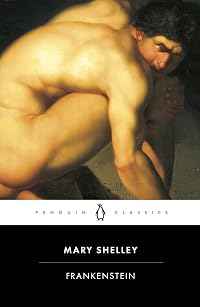
Frankenstein
by Mary Shelley
There are 2 current discussions about this work.
On This Page
Description
A monster assembled by a scientist from parts of dead bodies develops a mind of his own as he learns to loathe himself and hate his creator.Tags
Recommendations


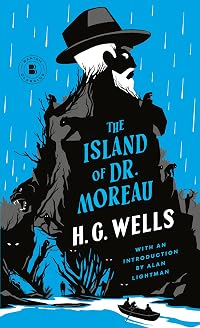
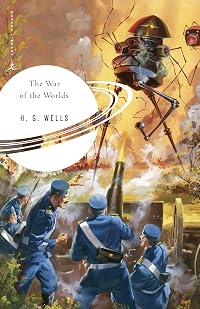
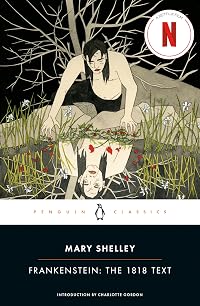
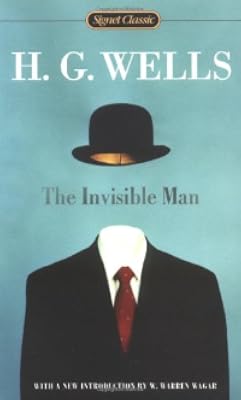
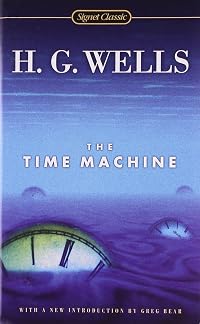
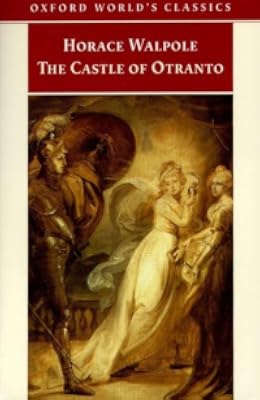
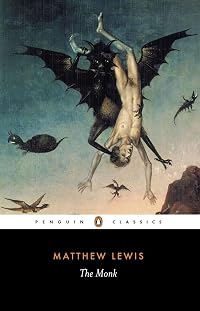

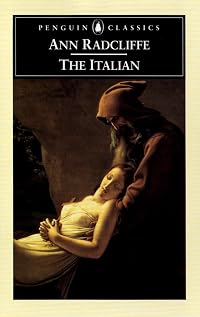



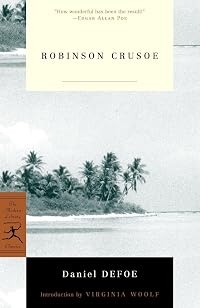
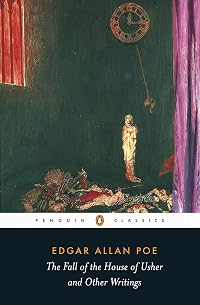
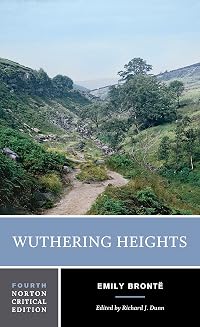
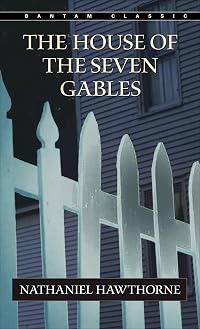
Member Recommendations


artturnerjr Both books share a similar blend of science fiction and horror.
72
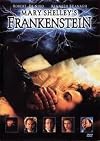
anonymous user Nowhere near as bad as many silly reviews would have you believe. Countless changes of the novel, but the spirit, the basic story and the essence of the characters are retained. Actually improved. The movie's more Gothic and more horror, for one (or two) thing(s). More dramatic and more tightly plotted, too. Excellent cast and production design.
30
Crypto-Willobie A decadent noirish retelling of the Frankenstein story from the monster's point of view.
41

Nickelini Written within a year of each other, Hoffmann's The Sandman and Shelley's Frankenstein both feature man-made beings. And both have been adapted beyond recognition.
32

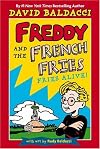
JenniferRobb In both cases creations are brought to life by lightning. Baldacci's is better for the younger set (ages 7-10) while Frankenstein can be enjoyed by many ages.

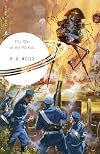
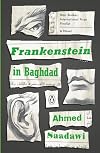
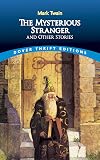
JolieLouise The Mysterious Stranger is about a creator's treatment of his creation.
01


leigonj The romantic elements of Frankenstein are clearly influenced by Goethe's classic of the genre. I was not in the least surprised when it was referred to directly in the text.
02

aethercowboy Pride and Prometheus is a clever and award-winning melding of Pride and Prejudice and Frankenstein. Worth reading alongside the original. It won the Nebula and Shirley Jackson Award, and was nominated for a Hugo and World Fantasy Award.
48

mcenroeucsb Both are novels about the horrendous consequences that arise from excessive human meddling with nature, i.e. "playing God."
28

anonymous user After you finish the Gothic original, have some fun with this film novelization.
08
Member Reviews
Contrary to popular belief, Frankenstein is not a book about a savage monster created by a crazed scientist who escapes to wreak havoc on unsuspecting nobodies. If anybody is the monster here, it's Victor Frankenstein himself, who has been given the power of a god to create a life, but doesn't consider the psychological flaws in the experiment. I see Frankenstein as more of a social novel than a horror novel in this respect. Shelley wants for the reader to sympathize with the Creature, not to condemn him like the cottagers do, who do so just because he's different. Frankenstein depicts the anti-Eden of new birth, a lonely soul without a companion, which is why the Creature rebels. The Creature is but a child without maturity or show more experience, summoned into a world which despises him, so how can we expect him to behave any differently? show less
We're all monsters here, some of us are just in denial.
Also, parenthood (whether biological or artificial) should require a permit.
Victor Frankenstein is a naïve twenty-something with a (very misguided) cause. Plagued by daydreams of greatness, he sets out to outright build himself the perfect human being. Armed with a disturbing lack of foresight, inadequate planning, and all-round narcissism, he ends up giving life to a hideous-looking creature. Faced with what he saw as utter failure, Frankenstein then very sensibly runs away. Because let's face it: owning up to one's mistakes is soooo three centuries ago.
The universe has, of course, very different ideas. Human cruelty gets exposed, accusations are bandied about, and a whole lot of show more (innocent) people die. Nobody learns a thing from all this.
Full disclosure: I'm a complete philistine when it comes to the classics. I don't praise trailblazing ideas. I rarely appreciate effort in the face of adversity. And I actually tend to break out in hives at the mere whiff of melodrama. Especially when it comes wrapped in lyrical prose.
I was initially hoping to get into the whole avenging ange-- erm monster aspect , on reading about Frankenstein's refusal to feel even a shred of empathy for his creature. I was so horrified that I even started raging at the Audible app. It reminded me of someone once suggesting I return my newly adopted kitten for not learning manners fast enough. If that thought had me fantasising about angry mobs waving rusty old pitchforks, you can imagine how Frankenstein made me feel.
I basically spent the rest of the book rooting for the creature to do as much damage as (in)humanly possible. And I have to admit that I was rather disappointed by what he (it?) achieved. Frankenstein got off way too easy. To be fair, his constant victimising coupled with my general dislike of the writing style may have just tired me out sooner than expected.
Score: 3/5 stars
This book may very well be a trailblazer from both a historical and cultural point of view, but that still doesn't make me like it. show less
Also, parenthood (whether biological or artificial) should require a permit.
Victor Frankenstein is a naïve twenty-something with a (very misguided) cause. Plagued by daydreams of greatness, he sets out to outright build himself the perfect human being. Armed with a disturbing lack of foresight, inadequate planning, and all-round narcissism, he ends up giving life to a hideous-looking creature. Faced with what he saw as utter failure, Frankenstein then very sensibly runs away. Because let's face it: owning up to one's mistakes is soooo three centuries ago.
The universe has, of course, very different ideas. Human cruelty gets exposed, accusations are bandied about, and a whole lot of show more (innocent) people die. Nobody learns a thing from all this.
Full disclosure: I'm a complete philistine when it comes to the classics. I don't praise trailblazing ideas. I rarely appreciate effort in the face of adversity. And I actually tend to break out in hives at the mere whiff of melodrama. Especially when it comes wrapped in lyrical prose.
I was initially hoping to get into the whole avenging ange-- erm monster aspect , on reading about Frankenstein's refusal to feel even a shred of empathy for his creature. I was so horrified that I even started raging at the Audible app. It reminded me of someone once suggesting I return my newly adopted kitten for not learning manners fast enough. If that thought had me fantasising about angry mobs waving rusty old pitchforks, you can imagine how Frankenstein made me feel.
I basically spent the rest of the book rooting for the creature to do as much damage as (in)humanly possible. And I have to admit that I was rather disappointed by what he (it?) achieved. Frankenstein got off way too easy. To be fair, his constant victimising coupled with my general dislike of the writing style may have just tired me out sooner than expected.
Score: 3/5 stars
This book may very well be a trailblazer from both a historical and cultural point of view, but that still doesn't make me like it. show less
A lonely English sea captain sets sail for the North Pole from his base in Russia. As he grows closer to his destination, his crew rescues an emaciated form from the icy waters. Their mysterious guest slowly recovers his strength, then relates (to the captain, at least) an incredible story: he is chasing a monster - a demon - of his own creation, with a mixture of fear, vengeance, and determination.
I was surprised to find a frame story; though why, I'm not sure - quite a few novels from this time period are constructed thus. There is a hint of Dracula as well, with the epistolary style of this frame. But of course the meat of the work is in the 23 chapters between these letters, one in which Victor Frankenstein confronts quite a few show more existential questions around the idea of what it means to play god.
This is quite a compelling tale, not the least reason being that its written in such a manner as to suggest that Frankenstein is insane, and has been for most of his adult life. The fact that he falls into illness the very same night that he gives his horrible creation life, and continues to have these spells of illness any time he has a 'confrontation' with the creature, gives pay to that idea. The fact that he, alone, is aware of the creature's existence and is the only one who ever speaks with him is another reason for thinking thus. I spent most of the book trying to decide if this was some sort of phantom delusion or if his personality had somehow split into two conscious entities. Either way, the idea that he was blaming himself for his monster's crimes from the start, and pursuing him to the literal ends of the earth, makes the idea of him literally chasing himself into craziness all the more likely.
I'm no great critic of literature, so I suppose no matter how you interpret it, there are still lots of thought-provoking ideas and questions here. What does it mean to create another sentient being? Do you have a charge to care for it? Can you really close Pandora's box after opening it? What does it mean to be an outcast on the basis of qualities you can't control? Does a complete absence of love or support lead to a life of evil and vengeance? There's certainly lots to chew on.
I never read this book when I was a kid, and have grown up with the popular culture ideas of Frankenstein('s monster). I'm not sure I would have truly appreciated it without a bit of life experience behind me, so I'm glad I'm reading it for the first time as an adult. show less
I was surprised to find a frame story; though why, I'm not sure - quite a few novels from this time period are constructed thus. There is a hint of Dracula as well, with the epistolary style of this frame. But of course the meat of the work is in the 23 chapters between these letters, one in which Victor Frankenstein confronts quite a few show more existential questions around the idea of what it means to play god.
I'm no great critic of literature, so I suppose no matter how you interpret it, there are still lots of thought-provoking ideas and questions here. What does it mean to create another sentient being? Do you have a charge to care for it? Can you really close Pandora's box after opening it? What does it mean to be an outcast on the basis of qualities you can't control? Does a complete absence of love or support lead to a life of evil and vengeance? There's certainly lots to chew on.
I never read this book when I was a kid, and have grown up with the popular culture ideas of Frankenstein('s monster). I'm not sure I would have truly appreciated it without a bit of life experience behind me, so I'm glad I'm reading it for the first time as an adult. show less
I’m almost ashamed to admit that I didn’t read this book until I got to second year of university. I know it’s a classic, but I didn’t actually get my hands on a copy until I was doing it for a class called ‘Sensibility and Romanticism’, and even then I didn’t actually appreciate this book for what it was. Younger me read it, but I don’t think she enjoyed it as much as I did this year.
Here’s the thing – I’m a firm believer in the maxim that you enjoy certain books more when you’re older. Some books require a certain outlook on life to be able to appreciate them, and I think this is one of them. There are a lot of heavy themes in it and even though a twenty year old is technically an adult, I don’t think that show more somebody who has just started to learn how to think critically can be tasked with understanding how amazing and thought-provoking this book is.
I’m sure that most of us have heard the story in some iteration or other – Victor Frankenstein, brilliant young scientist, embarks on an academic journey to discover the secrets of life and create life himself like God would. He succeeds and is immediately horrified by his creation. He shuns everything that he ever did, trying hard to stray away from the work that consumed him for so many years, but eventually the Creature (as he calls it) catches up to him.
The Creature, you see, has very much been evolving and learning on his own. The Creature has learned how to speak and how to read, and has read stories that have made it realize that it was abandoned by its creator. The Creature, still naïve, tried to find shelter with a family who it was doing kind deeds for in exchange for it leaving in their shed that they never used (without them knowing about it, of course). However, when he reveals himself to them, they chase him out of the area where they live and the Creature realizes that he can never be loved. Enraged, he goes on a quest to find his creator, Victor, and then gives him an ultimatum – either Victor makes him a companion, a female Creature that he can live with and not be so lonely, or he will kill everyone that Victor loves and then, finally, kill Victor.
Honestly, this novel is at its heart about two main things – man’s struggle with a god who has abandoned us, and god’s struggle with a creation that has gone too far. It also raises a lot of scientific and philosophical questions about life and creation. But mainly, the novel addresses the two sides of the same coin – a creation that never wanted to exist in the first place, and a creator that is starting to regret it.
In today’s day and age, with our impending environmental doom looming above us (we all know we’re causing the death of our own planet here, people!), this book feels even more prevalent. If we go by the Bible version of the story, God created Man to have him name all the animals and live with them and nature in perfect harmony in the Garden of Eden. We fucked that up (no need to go into the details of that…) and went against our original purpose of being able to live beside nature harmoniously. Now, we’ve fucked up the planet almost to the point of no return, and if we don’t stop soon it’s going to get worse, and it almost feels like God has lost all faith in us because of our actions. But it also feels like us raising a giant middle finger at God ourselves, because we feel like he abandoned us a long time ago and this is our retaliation to that.
It’s a back and forth between the Creature and Victor. The Creature gives Victor many chances, and yet Victor decides that he doesn’t want to help the Creature time and again, abandoning him and causing the death of everyone he loves – friends, wife, siblings, father. Victor is responsible for all of this simply because he doesn’t care enough for the Creature to actually help him; the Creature, knowing full well that his Creator has abandoned him, still tries to get his attention like a child vying for the paternal affection it always wanted (only a bit more murderously, I would say).
So, who’s in the right? The Creature who just wants to feel loved or the Creator who realizes the mistake he made and doesn’t want to repeat it?
Basically, I love this book for making me actually think about things. I give it 5/5 stars! show less
Here’s the thing – I’m a firm believer in the maxim that you enjoy certain books more when you’re older. Some books require a certain outlook on life to be able to appreciate them, and I think this is one of them. There are a lot of heavy themes in it and even though a twenty year old is technically an adult, I don’t think that show more somebody who has just started to learn how to think critically can be tasked with understanding how amazing and thought-provoking this book is.
I’m sure that most of us have heard the story in some iteration or other – Victor Frankenstein, brilliant young scientist, embarks on an academic journey to discover the secrets of life and create life himself like God would. He succeeds and is immediately horrified by his creation. He shuns everything that he ever did, trying hard to stray away from the work that consumed him for so many years, but eventually the Creature (as he calls it) catches up to him.
The Creature, you see, has very much been evolving and learning on his own. The Creature has learned how to speak and how to read, and has read stories that have made it realize that it was abandoned by its creator. The Creature, still naïve, tried to find shelter with a family who it was doing kind deeds for in exchange for it leaving in their shed that they never used (without them knowing about it, of course). However, when he reveals himself to them, they chase him out of the area where they live and the Creature realizes that he can never be loved. Enraged, he goes on a quest to find his creator, Victor, and then gives him an ultimatum – either Victor makes him a companion, a female Creature that he can live with and not be so lonely, or he will kill everyone that Victor loves and then, finally, kill Victor.
Honestly, this novel is at its heart about two main things – man’s struggle with a god who has abandoned us, and god’s struggle with a creation that has gone too far. It also raises a lot of scientific and philosophical questions about life and creation. But mainly, the novel addresses the two sides of the same coin – a creation that never wanted to exist in the first place, and a creator that is starting to regret it.
In today’s day and age, with our impending environmental doom looming above us (we all know we’re causing the death of our own planet here, people!), this book feels even more prevalent. If we go by the Bible version of the story, God created Man to have him name all the animals and live with them and nature in perfect harmony in the Garden of Eden. We fucked that up (no need to go into the details of that…) and went against our original purpose of being able to live beside nature harmoniously. Now, we’ve fucked up the planet almost to the point of no return, and if we don’t stop soon it’s going to get worse, and it almost feels like God has lost all faith in us because of our actions. But it also feels like us raising a giant middle finger at God ourselves, because we feel like he abandoned us a long time ago and this is our retaliation to that.
It’s a back and forth between the Creature and Victor. The Creature gives Victor many chances, and yet Victor decides that he doesn’t want to help the Creature time and again, abandoning him and causing the death of everyone he loves – friends, wife, siblings, father. Victor is responsible for all of this simply because he doesn’t care enough for the Creature to actually help him; the Creature, knowing full well that his Creator has abandoned him, still tries to get his attention like a child vying for the paternal affection it always wanted (only a bit more murderously, I would say).
So, who’s in the right? The Creature who just wants to feel loved or the Creator who realizes the mistake he made and doesn’t want to repeat it?
Basically, I love this book for making me actually think about things. I give it 5/5 stars! show less
I had been meaning to read this book for the longest time. It had been sitting on my shelves for years until I finally resolved to read it this year. I am so glad I did!
First off, it was interesting that the book was a story within a story and had three different narrators (Walton, Frankenstein, and the Creature). That was something I wasn’t expecting but it worked well.
The star of the story was the Creature (aka Frankenstein’s monster). The Creature was the epitome of being othered. He was so misunderstood and just wanted to belong and feel loved. I really felt for him and his suffering.
Shelley’s writing style is amazing. Her prose beautifully captured the eerie and gothic atmosphere while still being so accessible. Her writing show more is easy to understand and the short chapters make it simple to digest. If you are one of those people who avoid reading classics because of the language, this is a great classic to start with.
My one critique is that I did want a little bit more towards the end. The last chapter spans quite a bit of time and it just flew by. I wanted it to be fleshed out a little more.
Overall, this classic lived up to its hype. I am still in awe that Shelley wrote this when she was just 19. show less
First off, it was interesting that the book was a story within a story and had three different narrators (Walton, Frankenstein, and the Creature). That was something I wasn’t expecting but it worked well.
The star of the story was the Creature (aka Frankenstein’s monster). The Creature was the epitome of being othered. He was so misunderstood and just wanted to belong and feel loved. I really felt for him and his suffering.
Shelley’s writing style is amazing. Her prose beautifully captured the eerie and gothic atmosphere while still being so accessible. Her writing show more is easy to understand and the short chapters make it simple to digest. If you are one of those people who avoid reading classics because of the language, this is a great classic to start with.
My one critique is that I did want a little bit more towards the end. The last chapter spans quite a bit of time and it just flew by. I wanted it to be fleshed out a little more.
Overall, this classic lived up to its hype. I am still in awe that Shelley wrote this when she was just 19. show less
Together with Dracula (and perhaps a few others?) here's a classic few people think they need to read. We all know the big green lug with the bolts in his neck, so what's to learn from reading the novel? Plenty, as it turns out. The novel is missing many of the elements you've seen at the cinema or on television, versions which created their own set of tropes. On the whole it's much more conventional, basic conceit aside. Of the greatest surprise was the fact this monster may be the best-spoken ever created.
I was pleasantly surprised by the framing story. I didn't find the writing to be especially good at first, but later there were large sections of dialogue that I thought were excellent. Ultimately it's the story that has made this a show more classic. The reader is thrust into Victor Frankenstein's shoes. It made me live through the fevered creation of a monster, then knowing the acts it committed but feeling powerless to reveal the knowledge as this tragedy plays out with domino effect. The novel's horror element stems not from gruesome scenes or depictions of the monster, but from the chain of events that arise from Frankenstein's heedless pursuit. A particularly effective scene comes when Frankenstein and his monster first confront one another in their pain and grief, each decrying and blaming the other for their mutual course of destruction.
I've two editions of the novel (1818/1831) and played "spot the differences". The first three chapters were condensed into two, and throughout the novel Shelley added numerous flora to her descriptive passages. The most significant differences come when Victor travels to the area of the glacier alone, or in the company of his father and Elizabeth. The monster plants evidence on Justine in her sleep, or is sneaky enough to drop it in her pocket while she is awake. The endings of both versions are entirely the same.
The moral about science didn't speak to me, but I viewed the novel as a more general metaphor for addiction: the wild pursuit of a particular regardless of danger or cost, and the eventual toll it takes on self and family. Taken either way, the novel's cautionary note applies just as well to today's society as it did two hundred years ago. show less
I was pleasantly surprised by the framing story. I didn't find the writing to be especially good at first, but later there were large sections of dialogue that I thought were excellent. Ultimately it's the story that has made this a show more classic. The reader is thrust into Victor Frankenstein's shoes. It made me live through the fevered creation of a monster, then knowing the acts it committed but feeling powerless to reveal the knowledge as this tragedy plays out with domino effect. The novel's horror element stems not from gruesome scenes or depictions of the monster, but from the chain of events that arise from Frankenstein's heedless pursuit. A particularly effective scene comes when Frankenstein and his monster first confront one another in their pain and grief, each decrying and blaming the other for their mutual course of destruction.
I've two editions of the novel (1818/1831) and played "spot the differences". The first three chapters were condensed into two, and throughout the novel Shelley added numerous flora to her descriptive passages. The most significant differences come when Victor travels to the area of the glacier alone, or in the company of his father and Elizabeth. The monster plants evidence on Justine in her sleep, or is sneaky enough to drop it in her pocket while she is awake. The endings of both versions are entirely the same.
The moral about science didn't speak to me, but I viewed the novel as a more general metaphor for addiction: the wild pursuit of a particular regardless of danger or cost, and the eventual toll it takes on self and family. Taken either way, the novel's cautionary note applies just as well to today's society as it did two hundred years ago. show less
The one star is solely for Mary Shelley who, at age 18, created a story of such originality and power that it has seeped into the collective consciousness, has remained there for 200 years, and with the help of whatever contemporary devices continue to re-make it, will likely remain there for many more.
But I cannot drum up more than one star. I disliked the book. I winced at the laughable coincidences and improbabilities. I rolled my eyes reading page after page of florid writing and overwrought speech. I loathed listening to the cowardly and self-pitying ramblings of the sickly protagonist who hardly seems deserving of having a book, much less a monster, named after him. Then there was the clunky plot and silly devices to plod show more through. Oh and worse! During 90% of the book, I was bored out of my head.
The one star is for the inner core that has spawned an icon, which was good. The rest, I'm sorry to say, was a hideous monster. show less
But I cannot drum up more than one star. I disliked the book. I winced at the laughable coincidences and improbabilities. I rolled my eyes reading page after page of florid writing and overwrought speech. I loathed listening to the cowardly and self-pitying ramblings of the sickly protagonist who hardly seems deserving of having a book, much less a monster, named after him. Then there was the clunky plot and silly devices to plod show more through. Oh and worse! During 90% of the book, I was bored out of my head.
The one star is for the inner core that has spawned an icon, which was good. The rest, I'm sorry to say, was a hideous monster. show less
Members
- Recently Added By
Lists

Vote: Your February OLOB Preference Ranks
3 works; 171 members

1001 Books You Must Read Before You Die
1,448 works; 1,133 members

The Guardian's 1000 Novels Everyone Must Read
1,005 works; 550 members

Classics you know you should have read but probably haven't
421 works; 406 members

Best Science Fiction Novels
816 works; 426 members
BBC Big Read
191 works; 46 members
501 Must-Read Books
529 works; 72 members

Favorite Science Fiction by Women Authors
737 works; 202 members

Best Horror Books
281 works; 85 members

Read the book and saw the movie
1,170 works; 195 members
Survey of Classic Science Fiction
171 works; 48 members

Best Gothic Fiction
110 works; 31 members

Newsweek's Top 100 Books: The Meta-List
100 works; 18 members

Female Author
1,235 works; 67 members
NPRs your picks: top 100 Sci-Fi/Fantasy books
297 works; 80 members
Best of British Literature
226 works; 41 members
The Telegraph's 110 Best Books: The Perfect Library
101 works; 18 members

Favourite 19th century fiction
257 works; 62 members

PBS The Great American Read
100 works; 21 members
Favourite Books
1,819 works; 316 members

Best Fantasy Novels
821 works; 361 members
Scary Stories for the Season
160 works; 94 members

NPR Reader Poll: 100 Best Horror Novels and Stories
100 works; 20 members
Mythical Monsters of the World
199 works; 79 members
Banned Books Week 2014
268 works; 63 members

The Guardian's 100 greatest novels of all time
100 works; 16 members
BBC's 100 Novels That Shaped Our World
100 works; 22 members

Survey of Classic Fantastic Fiction
36 works; 9 members

Survey of Science Fiction and Fantasy
101 works; 13 members

Winter Books
127 works; 17 members

Pleasant Surprises: Books That Exceeded Our Expectations
418 works; 142 members

Amazon's 100 Science Fiction & Fantasy Books to Read in a Lifetime
87 works; 23 members
Banned or Challenged Books
400 works; 41 members

S.F. Masterworks (Complete)
229 works; 15 members

Books Featured on Gilmore Girls
307 works; 21 members
Harold Bloom - The Western Canon: C. The Democratic Age
336 works; 15 members
A Syllabus and Book List for Novice Students of Science Fiction Literature
25 works; 11 members

Best Revenge Stories
69 works; 9 members
Folio Society
831 works; 53 members
Bookriot's 100 Must-Read Sci-Fi Fantasy Novels By Female Authors
100 works; 9 members

Out of Copyright
244 works; 14 members
Readable Classics
110 works; 15 members

Western World's Greatest Books - Project Gutenberg
295 works; 15 members
150 Best Novels Selected by Brander Matthews (1883)
150 works; 7 members
500 Great Books by Women
507 works; 60 members
Survey of Gothic and Horror Literature
18 works; 4 members
LibraryThingers' 1001 Books You Must Read Before You Die
442 works; 30 members
19th Century
190 works; 16 members

Epistolary Books
105 works; 27 members
Cawthorn and Moorcock's Fantasy: The 100 Best Books
110 works; 7 members

SF Masterworks
193 works; 8 members
Science Fiction
42 works; 7 members

100 Most Recommended Works
100 works; 11 members
Introduction to Fantasy and Science Fiction (Proposed Reading List)
28 works; 6 members

100 Books to Read in a Lifetime (That Are Older Than 200 Years)
415 works; 175 members

100 Best Thrillers of All Time
100 works; 6 members
1,001 BYMRBYD Concensus
723 works; 27 members
Fiction For Men
142 works; 11 members

Nonhuman Protagonists
235 works; 34 members

Best medical fiction
26 works; 17 members
SF Masterworks
22 works; 3 members
Recommended Speculative Fiction by Women and People of Color
298 works; 45 members
Nightmare Magazine's Top 100 Horror Books
100 works; 7 members

Story Within a Story
65 works; 17 members
Books Set in the Polar Regions
16 works; 6 members

Short and Sweet
246 works; 24 members
Year 9 Reading List
29 works; 3 members

Reader's Digest 50 Best Horror Books to Read
50 works; 3 members

Jones and Newman's Horror: The 100 Best Books
100 works; 4 members

Top Five Books of 2018
802 works; 265 members

The 5 Parsec Shelf
50 works; 7 members

Best Antiheroes and Antiheroines
119 works; 7 members
Mind Expanding Books by hackerkid
581 works; 8 members
Stephen King's Biggest Influences
46 works; 3 members
Daria Morgendorffer's Bookshelf
70 works; 5 members

Great Books Favorites
71 works; 6 members
Books tagged favorites
390 works; 30 members
Paste's 50 Best Horror Novels of All time
50 works; 6 members
100 World Classics
99 works; 15 members
The Greatest Books
99 works; 5 members

The Guardian's 100 Best Novels Written in English
105 works; 13 members
Top 100 to Read before you Die
109 works; 7 members

Fake Top 100 Fiction
81 works; 4 members
Unbound Worlds 100 Best SF Books
100 works; 8 members

Rory Gilmore Book Club
193 works; 5 members
The College Board: 101 Great Books Recommended for College-Bound Readers
111 works; 7 members

Horror Writers Association Reading List
3 works; 1 member
College Reads (Lit Edition)
75 works; 5 members
Books Featured on Readers' Review of the Diane Rehm Show
161 works; 8 members

Greatest Books
40 works; 3 members
BBC Top Books
78 works; 3 members

Fantasy: The 100 Best Books
11 works; 3 members
Power
1 work; 1 member

Best Horror Mega-List
342 works; 6 members

Carole's List
445 works; 13 members
Books where the women deserved better
6 works; 2 members
Books with a Character's Name as the Title
129 works; 9 members
Overdue Podcast
806 works; 9 members
Speculative Fiction to Read
706 works; 32 members
First Novels
373 works; 17 members

Europe
205 works; 6 members
Books on my Kindle
162 works; 3 members

Books Read in 2016
4,666 works; 199 members

A's favorite novels
100 works; 3 members
99 Bücher, die man gelesen haben muss
37 works; 1 member

Recommended Horror and Dark Fiction by Women
81 works; 13 members

Female Horror Author
35 works; 2 members
CCE 1000 Good Books List
1,033 works; 12 members

Uni
9 works; 1 member
Nightmare Magazine's Top 100 Horror Books
7 works; 1 member

Mensa for Kids Excellence in Reading Award Program (Grades 7-8)
62 works; 3 members
My 100 Favorite Books of All Time
57 works; 2 members
Literature which inspired Pop songs
85 works; 9 members

To Read - Horror
137 works; 14 members
Books Read in 2015
3,299 works; 129 members

1810s
11 works; 2 members

Books Read in 2007
326 works; 8 members
The film surpassed the book
13 works; 3 members

Reading list inspired by The Librarians
5 works; 1 member

A Good Read (Radio 4)
221 works; 1 member

100
56 works; 1 member

Books Read in 2017
4,249 works; 130 members

covers with paintings / paintings as covers .
37 works; 1 member

Readers Guide to Steampunk
65 works; 1 member

mstrust's scary list
34 works; 1 member

recalling favorites...
105 works; 2 members

Generation Joshua
115 works; 3 members
Reedsydiscovery 100 Best Horror Books of All Time
100 works; 5 members

Blackwell's Five Foot Bookshelf
72 works; 4 members
DELETE
48 works; 2 members
Catalog
41 works; 2 members

Isaac Arthur’s Book Recommendations
98 works; 3 members

Books About Murder
313 works; 7 members
Literary Witches
86 works; 4 members

SFFCat 2015
35 works; 1 member
http://thegreatestbooks.org's Greatest Fiction Books
59 works; 1 member
Retrospective of Horror and Thrillers
21 works; 2 members

100 Hemskaste
81 works; 1 member

2021 - List of books read
53 works; 1 member

Genre Benders: Science Fiction + Horror
15 works; 4 members
The Complete Rory Gilmore Reading List
506 works; 5 members
2023 Christmas Gifts
39 works; 11 members

DigitalDreamDoor top 300
300 works; 4 members

Top Five Books of 2023
767 works; 317 members

Books Read in 2013
1,630 works; 51 members
Recommended Reading : 600 Classics Reviewed, Editors of Salem Press, 2015
634 works; 6 members

H
177 works; 2 members
blue's books
6 works; 1 member
Horror Writers Association Reading List (1996)
40 works; 3 members

Book Review Roundup
254 works; 2 members

Books Read in 2024
4,623 works; 126 members

Eerie eTales
192 works; 3 members
BitLife
212 works; 4 members
top 100
39 works; 1 member
Horror Then & Now
44 works; 4 members

.
194 works; 2 members

Favorite Reads of 2025
25 works; 1 member
Books We Want To Read Again For The First Time
384 works; 160 members
Book Recommendations Masterlist
28 works; 1 member
Gilmore Girls Complete Reading List
30 works; 1 member

Horror (Owned TBR)
60 works; 1 member
An evolving science fiction novel canon
50 works; 2 members

100 knjiga
100 works; 1 member
bound
100 works; 1 member
In Our Time books
4,934 works; 2 members
Favorite Science Fiction
456 works; 218 members

Horror: Creature Features
70 works; 9 members
BlackDog's Complete Paperbacks From Hell List
639 works; 3 members

Books Read in 2025
4,091 works; 97 members
el
1,139 works; 1 member
.
396 works; 1 member

Book Riot Read Harder 2026
80 works; 1 member
Books We Love to Reread
688 works; 296 members

Check Library
176 works; 1 member
Queen Camilla's Reading Room
65 works; 6 members
2024-2025 Ezra Klein Guest Recommendations
213 works; 6 members
Reading LIst
648 works; 1 member
School Made Us Read It
380 works; 196 members
Books You Read For University
184 works; 3 members
Goalhanger Book Club
18 works; 1 member
Daria
8 works; 1 member

Best middle grade books
130 works; 24 members

Books Read in 2021
5,361 works; 114 members
Mind-Benders: Fiction that Hurts Your Head
34 works; 8 members
Best books I read in 2013
152 works; 3 members

BingoDOG - Scientists in Fiction
111 works; 17 members

Books for HS summer reading
21 works; 2 members

Mensa for Kids Excellence in Reading Award Program (Grades 7-8)
62 works; 1 member

Favourite Science Fantasy Books
49 works; 6 members

Books Read in 2019
4,052 works; 110 members
Books With the Most Memorable Titles
478 works; 158 members
Creatures of Various Kinds
15 works; 3 members

Ambleside Books
459 works; 18 members

Genesis in literature
47 works; 7 members

Sonlight Books
1,487 works; 25 members
Protagonists - Men
32 works; 2 members
XB-1: Osobnosti zanru doporucuji
67 works; 1 member
Novels that you shouldn't waste your time on
94 works; 50 members
Books Read in 2018
4,360 works; 110 members
Books I read in high school
52 works; 1 member
Talk Discussions
Current Discussions
Mary Shelley's Frankenstein in Gothic Literature (January 13)
Morning Bell Editions - Frankenstein in Fine Press Forum (November 2025)
Past Discussions
Frankestein in Easton Press Collectors (October 2024)
Terrible cover: Frankenstein in Good Show Sir! — bad science fiction and fantasy covers (July 2024)
Folio Archives 310: Frankenstein by Mary Shelley 2004 in Folio Society Devotees (February 2023)
Frankenstein LE 2022 in Folio Society Devotees (December 2022)
OT: Question about the 1823 edition of Frankenstein in Folio Society Devotees (September 2022)
Frankenstein Bicentennial group read in 2018 Category Challenge (January 2018)
Author Information

438+ Works 73,544 Members
Mary Wollstonecraft Shelley was born in England on August 30, 1797. Her parents were two celebrated liberal thinkers, William Godwin, a social philosopher, and Mary Wollstonecraft, a women's rights advocate. Eleven days after Mary's birth, her mother died of puerperal fever. Four motherless years later, Godwin married Mary Jane Clairmont, bringing show more her and her two children into the same household with Mary and her half-sister, Fanny. Mary's idolization of her father, his detached and rational treatment of their bond, and her step-mother's preference for her own children created a tense and awkward home. Mary's education and free-thinking were encouraged, so it should not surprise us today that at the age of sixteen she ran off with the brilliant, nineteen-year old and unhappily married Percy Bysshe Shelley. Shelley became her ideal, but their life together was a difficult one. Traumas plagued them: Shelley's wife and Mary's half-sister both committed suicide; Mary and Shelley wed shortly after he was widowed but social disapproval forced them from England; three of their children died in infancy or childhood; and while Shelley was an aristocrat and a genius, he was also moody and had little money. Mary conceived of her magnum opus, Frankenstein, or the Modern Prometheus, when she was only nineteen when Lord Byron suggested they tell ghost stories at a house party. The resulting book took over two years to write and can be seen as the brilliant creation of a powerful but tormented mind. The story of Frankenstein has endured nearly two centuries and countless variations because of its timeless exploration of the tension between our quest for knowledge and our thirst for good. Shelley drowned when Mary was only 24, leaving her with an infant and debts. She died from a brain tumor on February 1, 1851 at the age of 54. (Bowker Author Biography) show less
Some Editions
Awards and Honors
Series
Belongs to Publisher Series
Penguin English Library, 2012 series (2012-04)
Austral singular (4)
dtv phantastica (1860)
Livro B (12)
El País Aventuras (14)
Airmont Classics (19)
Tus libros (24)
Club Joven Bruguera (36)
Crisol (265)
SF Utopia (26)
Penguin Clothbound Classics (2013)
L'esparver clàssic (25)
Grandes Novelas de Aventuras (XXIII)
Mirabilia (42)
Harper Perennial Olive Editions (2018 Olive)
Oxford English Novels (1818)
Doubleday Dolphin (C44)
Arion Press (115)
SF Masterworks (New design)
Bastei Lübbe Taschenbuch (13643)
Lanterne (L 295)
Gallimard, Folio SF (5-533)
Everyman's Library (616)
Reclams Universal-Bibliothek (8357)
Work Relationships
Is contained in
Best of Gothic Horror: The Edgar Allan Poe Collection, Dr Jeckyll & Mr. Hyde (Literate Listener) by Mary Wollstonecraft Shelley
The Collected Supernatural and Weird Fiction of Mary Shelley-Volume 1: Including One Novel Frankenstein or the Modern Prometheus and Fourteen Short (Supernatural Fiction) by Mary Wollstonecraft Shelley
90 Masterpieces You Must Read (Vol.1): Novels, Poetry, Plays, Short Stories, Essays, Psychology & Philosophy by Various
''Frankenstein'' by Mary Shelley with ''The Rime of the Ancient Mariner'' by Samuel Taylor Coleridge and *commentary by Alison Larkin: 200th Anniversary Audio Edition by Mary Shelley
The Complete Frankenstein: 200-year Edition: Including both the 1818 and 1831 Versions, and Bonus Chapter: Farewell, Dear Prometheus by Mary Shelley
The Ultimate Science Fiction Mega Collection: 24 of the Best Sci-Fi Books of All Time: A Journey to the Center of the Earth, 20,000 Leagues Under the Sea, Around the World in 80 Days, John Carter of Mars Trilogy, The War of the Worlds, The Time Machine, Frankenstein, Dr. Jekyll and Mr. Hyde, 3 Ray Bradbury Stories, Flatland, & More by Jules Verne
Great Classic Horror Stories: Frankenstein, the Signalman Carmilla, Dr. Jekyll and Mr. Hyde the Yellow Wallpaper, Dracula by Alison Larkin
Is retold in
Has the (non-series) sequel
Has the (non-series) prequel
Is an adaptation of
Has the adaptation
The Usborne Book of Classic Horror: The Stories of Dracula, Frankenstein, Jekyll & Hyde (Paperback Classics) by John Grant
The Graphic Canon, Vol. 2: From "Kubla Khan" to the Brontë Sisters to The Picture of Dorian Gray by Russ Kick
Is abridged in
Is parodied in
Inspired
Has as a study
Has as a commentary on the text
Has as a student's study guide
Common Knowledge
- Canonical title*
- Frankenstein
- Original title
- Frankenstein
- Alternate titles*
- Frankenstein ovvero il moderno Prometeo
- Original publication date
- 1818
- People/Characters
- Victor Frankenstein; Frankenstein's Monster; Elizabeth Lavenza; Robert Walton; Alphonse Frankenstein; Justine Moritz (show all 7); Henry Clerval
- Important places
- Geneva, Geneva, Switzerland; Arctic Regions; Orkney, Scotland, UK; Ingolstadt, Bavaria, Germany; Chamonix, Haute-Savoie, Auvergne-Rhône-Alpes, France; Ireland
- Related movies
- Frankenstein (1931 | IMDb); Young Frankenstein (1974 | IMDb); Frankenstein (1910 | IMDb); Frankenstein (1994 | IMDb); Frankenstein (2014 | IMDb); Mary Shelley's Frankenstein (1994 | IMDb) (show all 7); Victor Frankenstein (2015 | IMDb)
- Epigraph
- Did I request thee, Maker, from my clay
To mould me man? Did I solicit thee
From darkness to promote me?
—Paradise Lost, x, 743-5 - Dedication
- TO
WILLIAM GODWIN
Author of Political Justice, Caleb Williams, &c.
THESE VOLUMES
Are respectfully inscribed
by
THE AUTHOR - First words
- To Mrs Saville, England. St. Petersburgh, Dec. 11th, 17—. You will rejoice to hear that no disaster has accompanied the commencement of an enterprise which you have regarded with such evil forebodings.
The event on which this fiction is founded has been supposed, by Dr. Darwin, and some of the physiological writers of Germany, as not of impossible occurrence. - preface by P.B. Shelley
Author's Introduction: The publishers of the Standard Novels, in selecting Frankenstein for one of their series, expressed a wish that I should furnish them with some account of the origin on the story. (Author'... (show all)s Introduction to the Standard Novels Edition (1831)) - Quotations
- “ I had admired the perfect form of my cottagers—their grace, beauty, and delicate complexions: but how was I terrified when I viewed myself in a transparent pool . . . and when I was convinced that I was in reality the m... (show all)onster that I am I was filled with the bitterest sensations of despondence and mortification.”
"I will be with you on your wedding night!"
It was the wretch, the filthy daemon to whom I had given life!
"I have lately been so engaged in one occupation that I have not allowed myself sufficient rest. But I hope that all those employments are now at an end, and that I am at length free."
I felt the bitterness of disappointment; dreams that had been my food and pleasant rest for so long a space were now become a hell to me.
"Believe me, Frankenstein: I was benevolent; my soul glowed with love and humanity; but am I not alone, miserably alone?"
Even where the affections are not strongly moved by any superior excellence, the companions of our childhood always possess a certain power over our minds which hardly any later friend can obtain. - Last words
- (Click to show. Warning: May contain spoilers.)He was soon borne away by the waves and lost in darkness and distance.
(Click to show. Warning: May contain spoilers.)‘‘But soon,’’ he cried with sad and solemn enthusiasm,
‘‘I shall die, and what I now feel be no longer felt. Soon these
burning miseries will be extinct. I shall ascend my funeral pile
triumphantly, and exult in the agony of the torturing flames.
The light of that conflagration will fade away; my ashes will be
swept into the sea by the winds. My spirit will sleep in peace;
or if it thinks, it will not surely think thus. Farewell.’’
He sprang from the cabin window, as he said this, upon
the ice raft which lay close to the vessel. He was soon borne away by the waves, and lost in darkness and distance. - Publisher's editor
- Newborn, Sasha
- Original language
- English
- Canonical DDC/MDS
- 823.7; 823.087384
- Canonical LCC
- PR5397.F7
- Disambiguation notice
- This is the main work for Frankenstein. It should not be combined with any abridgement or adaptation.
*Some information comes from Common Knowledge in other languages. Click "Edit" for more information.
Classifications
Statistics
- Members
- 51,145
- Popularity
- 36
- Reviews
- 811
- Rating
- (3.83)
- Languages
- 37 — Albanian, Arabic, Basque, Catalan, Chinese, Czech, Danish, Dutch, English, Esperanto, Estonian, Finnish, French, German, Greek, Hindi, Hungarian, Indonesian, Italian, Japanese, Korean, Lithuanian, Malayalam, Norwegian (Bokmål), Norwegian, Polish, Romanian, Russian, Serbian, Slovak, Spanish, Swedish, Thai, Turkish, Vietnamese, Portuguese (Portugal), Portuguese (Brazil)
- Media
- Paper, Audiobook, Ebook
- ISBNs
- 1,715
- UPCs
- 21
- ASINs
- 579
