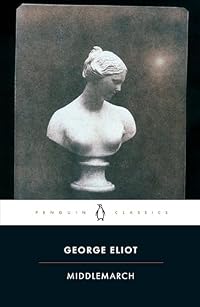
Middlemarch
by George Eliot
On This Page
Description
Middlemarch: A Study of Provincial Life is exactly what it claims. Its multiple plots center around the inhabitants of a fictitious Midlands town and their evolving relationships to each other. It is critical of social class, ambition and marriage, and religion. It is commonly considered one of the masterpieces of English writing, and Virginia Woolf described it as "the magnificent book that, with all its imperfections, is one of the few English novels written for grown-up people".Tags
Recommendations





Member Recommendations
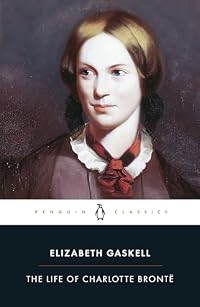
Cecrow One reader's relationship with this novel; also some biography of Eliot and a literary criticism.
30
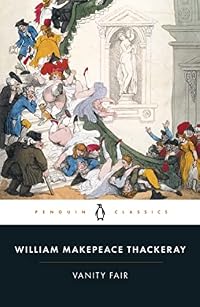
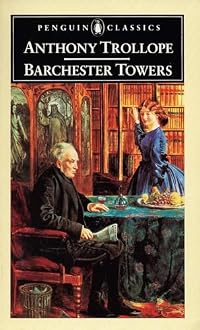
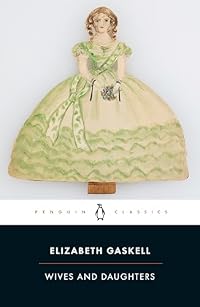
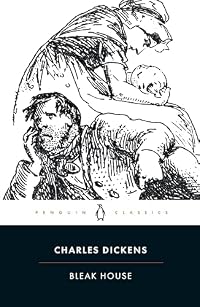
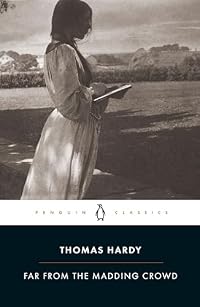
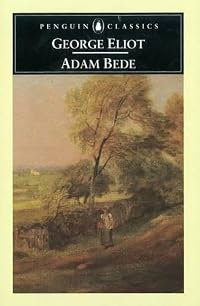
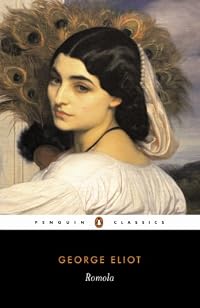
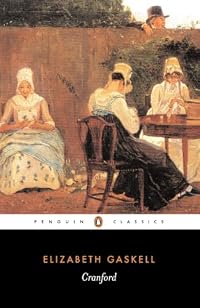
BookshelfMonstrosity These 19th-century classics portray complex romantic relationships with vivid descriptions and a strong sense of place. With intricate, twisting plots, both offer their protagonists bleak outlooks that end in satisfying resolutions.
41

thesmellofbooks The Getting of Wisdom is the rare sort of book that provokes deep self-reflection and a nudge in the direction of peace-making with self and life, and in this way brings to mind [[George Eliot]]'s [Middlemarch].
I am gobsmacked. The novel begins as an entertaining tale of a headstrong young Australian girl going to meet the world at boarding school. It gradually evolves into a subtle, simple, and stunningly real observation of the pressures of conformity and the intolerance of naïveté, which, when paired with a strong desire to be accepted, can lead to many and often rending responses in an imaginative young person.
Yet it is not a tragedy. I am left moved, affectionate, a little worried about the future, and yet joyful at the intactness of the protagonist's resilient soul.
Bravo, Ms Richardson.
10

kara.shamy Similar -- almost unique really -- in their tremendous breadth and depth...
17
Member Reviews
This was supposed to be one of my last books for 2022. Then I realized it is worth reading it a bit slower, book by book, and letting it settle a bit. I've read it before although it had been awhile - I was still in high school when I met the denizens of Middlemarch for the last time and my memories had lost most of the details (and curiously enough, some of the characters).
Published in 1871-1872, the story takes place mostly in the invented town of Middlemarch (with a quick stop in Rome, Italy) and is set 40 years earlier (in 1829-1832 to be exact). Using an invented town allows Eliot to set things where she needs them instead of getting all tangled in real geography and history. And yet, in a lot of ways, Middlemarch is England in show more the early 1830s, much more than any depiction of a real town in other novels.
On the surface, the novel is very similar to the first book by Eliot - the 1858 collection "Scenes of Clerical Life" covers a lot of the same topics and you can even see some of the later novels scenes shadows in the earlier ones. And yet, Middlemarch feels a lot more mature and complete - it is a slice of life story about 4 women and the men they marry and love (not always the same ones) and about the changing England of the 1830s. This kind of novels can end up with characters who read more like types than like real people (and the early stories did have a bit of that happening). But here, all of the characters are fully realized - even the ones we see for a few minutes only - they all are real people with both good and bad mixed into their characters.
I call it slice of life but that does not really do justice to the scope of the novel. It is a romance (or 3). It is a coming of age story. It is a chronicle of a time and place. And it is neither of those things and all of those things mixed into one glorious novel. And it is worth the reread and the time required to actually work through it - because it slows you down and makes you read slower than usual - there is such abundance of details and people that you need time to catalog and acknowledge them in your head - usually without realizing that you are doing it. That verbosity may sound unappealing but every word and detail is necessary and required. And my only problem when I closed the last page was that I had to part from the good (and not so good people) of Middlemarch. show less
Published in 1871-1872, the story takes place mostly in the invented town of Middlemarch (with a quick stop in Rome, Italy) and is set 40 years earlier (in 1829-1832 to be exact). Using an invented town allows Eliot to set things where she needs them instead of getting all tangled in real geography and history. And yet, in a lot of ways, Middlemarch is England in show more the early 1830s, much more than any depiction of a real town in other novels.
On the surface, the novel is very similar to the first book by Eliot - the 1858 collection "Scenes of Clerical Life" covers a lot of the same topics and you can even see some of the later novels scenes shadows in the earlier ones. And yet, Middlemarch feels a lot more mature and complete - it is a slice of life story about 4 women and the men they marry and love (not always the same ones) and about the changing England of the 1830s. This kind of novels can end up with characters who read more like types than like real people (and the early stories did have a bit of that happening). But here, all of the characters are fully realized - even the ones we see for a few minutes only - they all are real people with both good and bad mixed into their characters.
I call it slice of life but that does not really do justice to the scope of the novel. It is a romance (or 3). It is a coming of age story. It is a chronicle of a time and place. And it is neither of those things and all of those things mixed into one glorious novel. And it is worth the reread and the time required to actually work through it - because it slows you down and makes you read slower than usual - there is such abundance of details and people that you need time to catalog and acknowledge them in your head - usually without realizing that you are doing it. That verbosity may sound unappealing but every word and detail is necessary and required. And my only problem when I closed the last page was that I had to part from the good (and not so good people) of Middlemarch. show less
A disinterested narrator dissects and defends the interconnected lives of an 1830s English town.
This book peeled apart my brain like an orange. I can't remember any comparable reading experience to the opening chapters of Middlemarch; on every page, it acknowledged my preconceptions -- and then upended them.
My favorite character is the omniscient narrator, who is quick to solicit sympathy for the villains and question the motives of the heroes (although Will Ladislaw gets a free ride and occasionally threatens to transform into the Prettiest Princess Ever). If you wanted, you could probably write a decent freshman English paper identifying the narrator as God -- a tender but powerless God.
This book peeled apart my brain like an orange. I can't remember any comparable reading experience to the opening chapters of Middlemarch; on every page, it acknowledged my preconceptions -- and then upended them.
My favorite character is the omniscient narrator, who is quick to solicit sympathy for the villains and question the motives of the heroes (although Will Ladislaw gets a free ride and occasionally threatens to transform into the Prettiest Princess Ever). If you wanted, you could probably write a decent freshman English paper identifying the narrator as God -- a tender but powerless God.
5++
"If youth is the season of hope, it is often so only in the sense that our elders are hopeful about us; for no age is so apt as youth to think its emotions, partings and, resolves are the last of their kind. Each crisis seems final, simply because it is new. We are told that the oldest inhabitants in Peru do not cease to be agitated by earthquakes, but they probably see beyond each shock and reflect that there are plenty more to come."
A recent BBC poll of literary critics designated Middlemarch, George Eliot's magnum opus, as the best British Victorian novel. Virginia Woolf described it as "one of the few written for grown-ups." Frightened by its length, I allowed the book to languish on my shelves for many years. Then, a little show more over two weeks ago, I tore the meniscus in my left knee, and faced with the open time immobility provides, I decided to tackle Middlemarch. I loved it!
The story takes place in the 1830s, at the beginning of industrialization in the fictional English village of Middlemarch. It is a time of change. The novel examines relationships, the institution of marriage, women's roles, social class, and the impact of social norms on the interconnected lives of the village inhabitants.
For me, what stood out was the vivid characterization. George Eliot (pseudonym for Marian Evans) provides a subtle and nuanced portrait of human motivation and interaction. In his New Criterion essay, critic Myron Magnet captures the essence of skill when he states what he believes Eliot does best:
In this 1871 novel, George Eliot shows how our
inner feelings and wishes interact with our outer
circumstances, with the social-cultural climate that
surrounds us and with our personal relationships
to shape our identity and fate.
While I don't want to attempt a plot summary of a close-to 900-page novel, I must add that I felt a sense of sadness when I finished the book, as if I was saying goodbye to people I knew and had come to understand. I decided to watch the BBC adaptation of the book. It is interesting to see how others understand and portray a book I so enjoyed. show less
"If youth is the season of hope, it is often so only in the sense that our elders are hopeful about us; for no age is so apt as youth to think its emotions, partings and, resolves are the last of their kind. Each crisis seems final, simply because it is new. We are told that the oldest inhabitants in Peru do not cease to be agitated by earthquakes, but they probably see beyond each shock and reflect that there are plenty more to come."
A recent BBC poll of literary critics designated Middlemarch, George Eliot's magnum opus, as the best British Victorian novel. Virginia Woolf described it as "one of the few written for grown-ups." Frightened by its length, I allowed the book to languish on my shelves for many years. Then, a little show more over two weeks ago, I tore the meniscus in my left knee, and faced with the open time immobility provides, I decided to tackle Middlemarch. I loved it!
The story takes place in the 1830s, at the beginning of industrialization in the fictional English village of Middlemarch. It is a time of change. The novel examines relationships, the institution of marriage, women's roles, social class, and the impact of social norms on the interconnected lives of the village inhabitants.
For me, what stood out was the vivid characterization. George Eliot (pseudonym for Marian Evans) provides a subtle and nuanced portrait of human motivation and interaction. In his New Criterion essay, critic Myron Magnet captures the essence of skill when he states what he believes Eliot does best:
In this 1871 novel, George Eliot shows how our
inner feelings and wishes interact with our outer
circumstances, with the social-cultural climate that
surrounds us and with our personal relationships
to shape our identity and fate.
While I don't want to attempt a plot summary of a close-to 900-page novel, I must add that I felt a sense of sadness when I finished the book, as if I was saying goodbye to people I knew and had come to understand. I decided to watch the BBC adaptation of the book. It is interesting to see how others understand and portray a book I so enjoyed. show less
I'm not sure Middlemarch is actually the George Eliot book I was supposed to read in college. Eight hundred pages seems overly long for an undergraduate Brit Lit survey class. Regardless, I didn't expect to enjoy reading it any more than I would have had I identified the novel from that long-ago syllabus.
Then I started reading.
And kept reading.
And ripped through this tale of a bucolic English village in less than a week, sandwiching reading between my fulltime job and binge-watching two episodes of Better Call Saul every night.
Middlemarch is the story of Dorothea Brooke, a young woman who marries a much older man under the mistaken impression he will enlarge her world by including her in his intellectual pursuits. It is also the story show more of Tertius Lydgate, an ambitious young doctor who marries an attractive, self-centered woman whose refusal to face financial realities threatens to heap emotional misery on top of their financial difficulties. Woven around these two tumultuous relationships are a host of Middlemarchers searching for happiness in the midst of everyday life. Eliot narrates an entertaining tale that teeters on the brink of disaster yet manages to provide a happy ending for most of those deserving of one. Among the timeless themes she explores are sons disappointing their fathers, pious men hiding scandalous past behavior, jealousy, innocent husbands and wives harmed by their spouses' actions, ignorant strangers believing the worst about an innocent man, and acts seemingly harmful to a character turning out to be best for him after all.
My only criticisms of Middlemarch are that Eliot sometimes intrudes into the story where she would be better off letting her characters lead us to the wisdom she seeks to impart, and that several tedious scenes could be cut out of the novel and leave it none the worse. These are small complaints which shouldn't influence your decision to read this grand story, which Virginia Woolf accurately referred to as an "English novel written for grown-up people". show less
Then I started reading.
And kept reading.
And ripped through this tale of a bucolic English village in less than a week, sandwiching reading between my fulltime job and binge-watching two episodes of Better Call Saul every night.
Middlemarch is the story of Dorothea Brooke, a young woman who marries a much older man under the mistaken impression he will enlarge her world by including her in his intellectual pursuits. It is also the story show more of Tertius Lydgate, an ambitious young doctor who marries an attractive, self-centered woman whose refusal to face financial realities threatens to heap emotional misery on top of their financial difficulties. Woven around these two tumultuous relationships are a host of Middlemarchers searching for happiness in the midst of everyday life. Eliot narrates an entertaining tale that teeters on the brink of disaster yet manages to provide a happy ending for most of those deserving of one. Among the timeless themes she explores are sons disappointing their fathers, pious men hiding scandalous past behavior, jealousy, innocent husbands and wives harmed by their spouses' actions, ignorant strangers believing the worst about an innocent man, and acts seemingly harmful to a character turning out to be best for him after all.
My only criticisms of Middlemarch are that Eliot sometimes intrudes into the story where she would be better off letting her characters lead us to the wisdom she seeks to impart, and that several tedious scenes could be cut out of the novel and leave it none the worse. These are small complaints which shouldn't influence your decision to read this grand story, which Virginia Woolf accurately referred to as an "English novel written for grown-up people". show less
We all have to exert ourselves a little to keep sane. (Mrs Cadwallader to Dorothea p.391)
My particular 1956 edition started falling apart just as I began to read it. By page 40 there were pages everywhere so I switched to an audio book masterfully (if I can use such a gendered word) read by Juliet Stevenson. Here I should quote George Eliot (Anna Evans),
I am not sure that the greatest man of his age, if ever that solitary superlative existed...
This wry moment of confidence between writer and reader characterizes what I love about Eliot's wonderful writing. First, the understated distance between the author and her characters. Second, the precision of her sentences. Third, the gentle and sympathetic humour which leads to gleeful show more chuckling on my side of the page.
Before I opened Middlemarch I was concerned that I'd be overwhelmed by another 'bonnet novel' of dubious interest, but almost immediately I found that I was in a different space altogether. Something timeless about the insights into character and situation.
This is a wonderful book in which the story is merely incidental to the beautifully articulated and extraordinary perceptions of the author. I chuckled my way through this narrative with a mixture of joy and awe
Unwonted circumstances may make us all rather unlike ourselves: there are circumstances under which the most majestic person is obliged to sneeze, and our emotions are liable to be acted on in the same incongruous manner. (p.459)
show less
"It would have been better if I had called him out and shot him a year ago," said Sir James, not from bloody mindedness. but because he needed something strong to say.
"Really, James, that would have been very disagreeable," said Celia. (p.597)
What a perfect book to read at this time in my life, when all the castles in the sky of my youth are settling into quaint little cottages on the ground with creaky floors and plumbing problems. It's about starting adulthood and coming to terms with The Way Things Are: some characters adapt and find happinesses they didn't anticipate, and others remain tied to the misguided ideals of their childhood, only to be greeted with endless disappointment as they age.
Except Dorothea. She ends up getting exactly what she wants. Ms. Eliot loves her some independent woman.
Except Dorothea. She ends up getting exactly what she wants. Ms. Eliot loves her some independent woman.
On a quest to read all the classics that my woefully inadequate public school education failed to provide for, I recently finished, in the words of Virginia Woolf, "one of the few English novels written for grown-up people.” George Eliot’s Middlemarch did not disappoint. WOW!
Described as a novel of provincial life in early 1830s England, Middlemarch is a rich, character-laden, sprawling, epic novel that explores the themes of education, class, self-delusion, and the imperfection of marriage and, most importantly, I think, the changing role of women. At the heart of the novel: marriage, in all its various forms. Because its scope is so grand, Middlemarch presents a real challenge to review. At 800 pages, divided into 8 Books and 87 show more chapters it almost calls for each Book to be reviewed individually, an impossibility.
Miss Brooke, Dorothea, has her own opinions on the subjects of both marriage and the role of women in society. She is a strong, independent young woman born in the wrong century. She is not interested in a vapid young man, wealthy though he is. She chooses, instead, to marry Mr. Casaubon, many years older than she but with an intellectual capacity that she believes will allow her to grow as well. She realizes, too late, that he is more caught up in his own narrow view of things than in sharing this life with Dorothea, whom he really considers to be a secretary. She, on the other hand, is an idealist who wants to enrich her world:
“By desiring what is perfectly good, even when we don’t quite know what it is and cannot do what we would, we are part of the divine power against evil---widening the skirts of light and making the struggle with darkness narrower.” (Page 374)
Eliot exposes the powerful class struggle at this time in England’s history and the early beginnings of the middle class. Certainly the proper English young lady preferred to marry a member of the landed gentry, but we also see Miss Rosamond Vincy marry the newly arrived young doctor, and her undisciplined but kind-hearted brother Fred accept a reduction in class in order to marry the woman he loved, who insisted he become a responsible wage-earner.
It’s Eliot’s rich character development that allows her to expound on her complex themes. She exposes the English upper crust to be dreadfully greedy and ambitious through these delightfully full characters. Even the names she gives them tells us a lot about them: Rev. Farebrother, Mrs. Cadwallader, Mr. Featherstone, Mr. Raffles are all so descriptive. Not a one-dimensional character within the 800 pages. And these characters think. Brilliant!
Eliot makes use of the literary device known as authorial intervention and it can take you by surprise because it’s not something modern writers make much use of. But, quite regularly, Eliot would insert her own thought and opinions into the story making you stop and think, “What was that?” However, after a few of these you instead say to yourself, “Oh, she’s so right about that.”
Wonderful prose, intelligent ideas, an excellent view of 19th century English society, years ahead of her time, I will be seeking out more George Eliot. Very highly recommended. show less
Described as a novel of provincial life in early 1830s England, Middlemarch is a rich, character-laden, sprawling, epic novel that explores the themes of education, class, self-delusion, and the imperfection of marriage and, most importantly, I think, the changing role of women. At the heart of the novel: marriage, in all its various forms. Because its scope is so grand, Middlemarch presents a real challenge to review. At 800 pages, divided into 8 Books and 87 show more chapters it almost calls for each Book to be reviewed individually, an impossibility.
Miss Brooke, Dorothea, has her own opinions on the subjects of both marriage and the role of women in society. She is a strong, independent young woman born in the wrong century. She is not interested in a vapid young man, wealthy though he is. She chooses, instead, to marry Mr. Casaubon, many years older than she but with an intellectual capacity that she believes will allow her to grow as well. She realizes, too late, that he is more caught up in his own narrow view of things than in sharing this life with Dorothea, whom he really considers to be a secretary. She, on the other hand, is an idealist who wants to enrich her world:
“By desiring what is perfectly good, even when we don’t quite know what it is and cannot do what we would, we are part of the divine power against evil---widening the skirts of light and making the struggle with darkness narrower.” (Page 374)
Eliot exposes the powerful class struggle at this time in England’s history and the early beginnings of the middle class. Certainly the proper English young lady preferred to marry a member of the landed gentry, but we also see Miss Rosamond Vincy marry the newly arrived young doctor, and her undisciplined but kind-hearted brother Fred accept a reduction in class in order to marry the woman he loved, who insisted he become a responsible wage-earner.
It’s Eliot’s rich character development that allows her to expound on her complex themes. She exposes the English upper crust to be dreadfully greedy and ambitious through these delightfully full characters. Even the names she gives them tells us a lot about them: Rev. Farebrother, Mrs. Cadwallader, Mr. Featherstone, Mr. Raffles are all so descriptive. Not a one-dimensional character within the 800 pages. And these characters think. Brilliant!
Eliot makes use of the literary device known as authorial intervention and it can take you by surprise because it’s not something modern writers make much use of. But, quite regularly, Eliot would insert her own thought and opinions into the story making you stop and think, “What was that?” However, after a few of these you instead say to yourself, “Oh, she’s so right about that.”
Wonderful prose, intelligent ideas, an excellent view of 19th century English society, years ahead of her time, I will be seeking out more George Eliot. Very highly recommended. show less
Members
- Recently Added By
Lists

The Guardian's 1000 Novels Everyone Must Read
1,005 works; 549 members

1001 Books You Must Read Before You Die
1,448 works; 1,132 members

Classics you know you should have read but probably haven't
421 works; 406 members

Recommend the 20 best books you've read in the last five years
2,167 works; 601 members
BBC Big Read
191 works; 45 members

Favourite 19th century fiction
257 works; 62 members
501 Must-Read Books
508 works; 71 members

Top-Rated Books on LibraryThing
272 works; 117 members
Favourite Books
1,817 works; 316 members

Favorite Long Books
330 works; 41 members
Newsweek's Top 100 Books: The Meta-List
100 works; 18 members

Top Five Books of 2013
1,564 works; 716 members

The Top Ten: Writers Pick Their Favorite Books
240 works; 31 members
Best of British Literature
226 works; 41 members

The Telegraph's 110 Best Books: The Perfect Library
101 works; 17 members
The 100 Best Books of All Time by Norwegian Book Club (World Library)
104 works; 23 members
Female Author
1,235 works; 67 members
Philip Ward's Lifetime Reading Plan
592 works; 22 members

Unread books
1,063 works; 87 members
Literature About Social Class
134 works; 19 members
Best Political Fiction
92 works; 12 members
Female Protagonist
1,056 works; 56 members
Folio Society
831 works; 48 members
BBC's 100 Novels That Shaped Our World
100 works; 22 members

Pleasant Surprises: Books That Exceeded Our Expectations
418 works; 143 members
Best Books With Sisters
130 works; 30 members

Best Feminist Literature
188 works; 26 members
Harold Bloom - The Western Canon: C. The Democratic Age
336 works; 15 members

19th Century
190 works; 16 members
Favorite Literary Love Stories
182 works; 101 members

Top Five Books of 2020
982 works; 348 members
Five star books
1,755 works; 108 members
LibraryThingers' 1001 Books You Must Read Before You Die
442 works; 30 members
Out of Copyright
244 works; 14 members
BBC Big Read
100 works; 10 members

Western World's Greatest Books - Project Gutenberg
295 works; 15 members
Books I've Read More Than Once
602 works; 49 members
500 Great Books by Women
507 works; 60 members
Women's reading list
50 works; 7 members

Top Five Books of 2018
802 works; 265 members
Blue Pyramid 1,276 Best Books of All Time
1,248 works; 32 members

40 Books to Read Before You’re 40
40 works; 4 members
150 Best Novels Selected by Brander Matthews (1883)
150 works; 7 members
Books tagged favorites
390 works; 30 members

One Book, Many Authors
441 works; 40 members
How to Read a Book's Recommended Reading List
309 works; 10 members

A Novel Cure
742 works; 23 members

Global Reads: Books Set in the United Kingdom and Ireland
109 works; 5 members
Didactic Fiction
29 works; 3 members
The Greatest Books
99 works; 5 members

1,001 BYMRBYD Concensus
723 works; 27 members
Readable Classics
110 works; 15 members

The Guardian's 100 Best Novels Written in English
105 works; 13 members

Top Five Books of 2019
387 works; 107 members
Literature About Women and Girls
391 works; 39 members
Best First Lines
133 works; 8 members
Victorian Period
113 works; 10 members
Newark Public Library's 1904 List of a Thousand of the Best Novels
95 works; 5 members

Fake Top 100 Fiction
81 works; 4 members
College Reads (Lit Edition)
75 works; 5 members
Love Triangles in Literature
108 works; 15 members
Ten Books That Have Stayed With Me
160 works; 30 members
Elegant Prose
80 works; 4 members
My list of 100 books to read next
100 works; 4 members

Favorites
3 works; 1 member
Shaking a Leg
111 works; 3 members

Best books made into television
66 works; 4 members
Books Featured on Readers' Review of the Diane Rehm Show
161 works; 8 members

BBC Top Books
78 works; 3 members
Good, Smart, Clean Fiction
46 works; 4 members

Books Read in 2020
4,379 works; 124 members

Books on my Kindle
162 works; 3 members
Books Set in Small Towns and Villages
278 works; 16 members

A's favorite novels
100 works; 3 members
All Things Great Britain
66 works; 1 member
United Kingdom
82 works; 5 members
F. B. Perkins' List of 100 Best Fiction
100 works; 5 members

CCE 1000 Good Books List
1,033 works; 12 members

What are your favourite books?
121 works; 11 members

SHOULD Read Books!
354 works; 9 members
Overdue Podcast
803 works; 9 members
Books Read in 2015
3,298 works; 129 members

Books I've read
87 works; 2 members

Books Read in 2023
5,547 works; 145 members

University literature
145 works; 5 members
1870s
15 works; 2 members
Trinity College Booklist (1951): Class Ten, English Literature
358 works; 5 members

100
56 works; 1 member

Blackwell's Five Foot Bookshelf
72 works; 4 members

Plan to Read Books
75 works; 1 member

Books Read in 2022
5,164 works; 113 members
http://thegreatestbooks.org's Greatest Fiction Books
59 works; 1 member

Fiction: Historical
288 works; 3 members

Books Set in Rome
98 works; 2 members
W. S. Maugham's Reading Suggestions for Spiritual Enrichment: British
24 works; 3 members

Books Read in 2021
5,361 works; 113 members
'Books You Can't Live Without: The Top 100', The Guardian, 2007
156 works; 7 members

Recommended Reading : 600 Classics Reviewed, Editors of Salem Press, 2015
634 works; 6 members

The 150 Greatest Novels of All Time
150 works; 6 members

Books Read in 2024
4,623 works; 126 members

Top Five Books of 2024
795 works; 264 members
2024-2025 Ezra Klein Guest Recommendations
213 works; 5 members
Books I Read Before The Invention Of The Internet.
144 works; 1 member

DigitalDreamDoor top 300
300 works; 4 members
Book Worlds We'd Like To Visit
322 works; 158 members

Watched the Movie, Probably Won't Read the Book
185 works; 34 members
sotiris' favourites circa january 2023
43 works; 2 members

.
194 works; 2 members
Reading LIst
648 works; 1 member

Books talked about in Pamela Dean's Tam Lin
74 works; 1 member
Top Five Books of 2025
950 works; 302 members
.
396 works; 1 member
el
1,139 works; 1 member

Classics
31 works; 1 member
In Our Time books
4,934 works; 2 members
Read 2026 Ranked
17 works; 1 member

100 knjiga
100 works; 1 member
Books We Love to Reread
688 works; 296 members
Fières de lettres
85 works; 1 member

Top Five Books of 2023
767 works; 317 members
Books You Read For University
184 works; 3 members

Books Read in 2018
4,360 works; 110 members
Books referenced in A Very Great Profession: The Woman's Novel 1914-39
199 works; 6 members
Books Referenced by Said's Orientalism
21 works; 1 member

KayStJ's to-read list
1,616 works; 11 members

Tagged 19th Century
104 works; 7 members
Read These Too
458 works; 9 members
What Makes This Book So Great
102 works; 16 members

Books You Couldn't Finish
202 works; 29 members

Books Read in 2014
2,341 works; 86 members
Most Popular Penguins
70 works; 5 members

Books Read in 2019
4,052 works; 110 members

Greatest Books, allegedly
484 works; 9 members

My TBR
371 works; 3 members

AP Lit
363 works; 6 members

Mustich's 1000 Books to Read Before You Die: A Life Changing List
1,001 works; 18 members

Literary Classics To Read (pre 1900)
19 works; 2 members
New Lifetime Reading Plan by Fadiman and Major
225 works; 5 members
Trapped in a Jane Austen/Virgina Woolf novel.
1 work; 1 member
Realism
9 works; 1 member

Books We Resisted Reading
175 works; 104 members
Best family sagas
244 works; 33 members

EU Fiction: 1950-2022
223 works; 68 members
You Couldn't Pay Me to Read That (Take 2)
203 works; 86 members
Talk Discussions
Past Discussions
Victorian Readalong Q4: Middlemarch by George Eliot in Club Read 2022 (December 2022)
Group Read: Middlemarch, Second Thread in 75 Books Challenge for 2010 (October 2018)
Middlemarch: The Chatty Bits (Spoilers Go Here) in The Green Dragon (March 2015)
Middlemarch Group Read 2014 in 75 Books Challenge for 2014 (August 2014)
Middlemarch group read in 2014 Category Challenge (April 2014)
Group Read: Middlemarch, Third Thread in 75 Books Challenge for 2010 (February 2011)
Group Read: Middlemarch in 75 Books Challenge for 2010 (November 2010)
***Group Read: Middlemarch Books 7-8 in 1001 Books to read before you die (September 2010)
***Group Read: Middlemarch Books 5-6 in 1001 Books to read before you die (August 2010)
***Group Read: Middlemarch Books 3-4 in 1001 Books to read before you die (August 2010)
***Group Read: Middlemarch Prelude & Books 1-2 in 1001 Books to read before you die (August 2010)
Middlemarch in Victoriana (December 2009)
Middlemarch: Book I in Group Reads - Literature (May 2008)
Middlemarch (Spoilers Here) in Connecticut Nutmeggers (March 2008)
Middlemarch (SPOILER FREE) in Connecticut Nutmeggers (August 2007)
Author Information

381+ Works 61,708 Members
George Eliot was born Mary Ann Evans on a Warwickshire farm in England, where she spent almost all of her early life. She received a modest local education and was particularly influenced by one of her teachers, an extremely religious woman whom the novelist would later use as a model for various characters. Eliot read extensively, and was show more particularly drawn to the romantic poets and German literature. In 1849, after the death of her father, she went to London and became assistant editor of the Westminster Review, a radical magazine. She soon began publishing sketches of country life in London magazines. At about his time Eliot began her lifelong relationship with George Henry Lewes. A married man, Lewes could not marry Eliot, but they lived together until Lewes's death. Eliot's sketches were well received, and soon after she followed with her first novel, Adam Bede (1859). She took the pen name "George Eliot" because she believed the public would take a male author more seriously. Like all of Eliot's best work, The Mill on the Floss (1860), is based in large part on her own life and her relationship with her brother. In it she begins to explore male-female relations and the way people's personalities determine their relationships with others. She returns to this theme in Silas Mariner (1861), in which she examines the changes brought about in life and personality of a miser through the love of a little girl. In 1863, Eliot published Romola. Set against the political intrigue of Florence, Italy, of the 1490's, the book chronicles the spiritual journey of a passionate young woman. Eliot's greatest achievement is almost certainly Middlemarch (1871). Here she paints her most detailed picture of English country life, and explores most deeply the frustrations of an intelligent woman with no outlet for her aspirations. This novel is now regarded as one of the major works of the Victorian era and one of the greatest works of fiction in English. Eliot's last work was Daniel Deronda. In that work, Daniel, the adopted son of an aristocratic Englishman, gradually becomes interested in Jewish culture and then discovers his own Jewish heritage. He eventually goes to live in Palestine. Because of the way in which she explored character and extended the range of subject matter to include simple country life, Eliot is now considered to be a major figure in the development of the novel. She is buried in Highgate Cemetery, North London, England, next to her common-law husband, George Henry Lewes. (Bowker Author Biography) show less
Some Editions
Awards and Honors
Series
Belongs to Publisher Series
Gouden Reeks (6)
Modern Library Giant (isbn)
Penguin Clothbound Classics (2011)
Oneworld Classics (125)
Penguin English Library, 2012 series (2012-09)
Perpetua reeks (72)
Everyman's Library (854-855)
Work Relationships
Is contained in
The Works of George Eliot: Vol. I - Adam Bede, The Mill on the Floss, Romola; Vol. II -- Middlemarch: A Study of Provincial life, Daniel Deronda; Vol. III -- Felix Holt, The Radical, Silas Marner, The Lifted Veil, Brother Jacob,Scenes from Clerical Life by George Eliot (indirect)
90 Masterpieces You Must Read (Vol.1): Novels, Poetry, Plays, Short Stories, Essays, Psychology & Philosophy by Various
Classic British Fiction: Six novels by George Eliot, in a single file, improved 8/23/2010 by George Eliot
George Eliot Six Pack - Middlemarch, Daniel Deronda, Silas Marner, The Lifted Veil, The Mill on the Floss and Adam Bede (Illustrated with links to free ... all six books) (Six Pack Classics Book 8) by George Eliot
Works of George Eliot. The Mill on the Floss, Daniel Deronda, Adam Bede, Middlemarch, The Lifted Veil & more. (mobi) by George Eliot
George Eliot's Works: Adam Bede/Daniel Deronda/Felix Holt and Clerical Life/Middlemarch/Mill on the Floss/Romola (6 vols) by George Eliot
Novels of George Eliot in Five Volumes with Illustrations: Adam Bede; The Mill in the Floss; Silas Marner; Clerical Life; Felix Holt; Middlemarch by George Eliot
George Elliot Works: 7 books - Middlemarch, Adam Bede, Daniel Deronda, Romola, Impressions of Theophrastus Such..., Silas Marner, Felix Holt, the Radical (George Elliot Works, 7 of ? in set) by George Elliot
George Eliot Collection: The Complete Novels, Short Stories, Poems and Essays (Middlemarch, Daniel Deronda, Scenes of Clerical Life, Adam Bede, The Lifted Veil...) by George Eliot
George Eliot's Works (Six Volumes): Adam Bede, Scenes of Clerical Life, Middlemarch, The Mill On the Floss, Daniel Deronda, Felix Holt (The Radical), The Spanish Gypsy, Jubal and Other Poems, Romola, Theophrastus Such by George Eliot
The Complete Novels of George Eliot - All 9 Novels in One Edition: Adam Bede, The Lifted Veil, The Mill on the Floss, Silas Marner, Romola, Brother Jacob, ... the Radical, Middlemarch & Daniel Deronda by George Eliot
George Eliot's Works 5 Volumes Romola,The Mill On The Floss,Middlemarch,Daniel Deronda,Felix Holt by George Eliot
Contains
Has the adaptation
Is abridged in
Has as a reference guide/companion
Has as a study
The Things That Matter: What Seven Classic Novels Have to Say About the Stages of Life by Edward Mendelson
George Eliot: Adam Bede, Mill on the Floss, Middlemarch (Icon Reader's Guides to Essential Criticism) by Lucie Armitt
Philosophy and the Novel: Philosophical Aspects of "Middlemarch", "Anna Karenina", "The Brothers Karamazov", "A la Recherche du Temps Perdu" by Peter Jones
The Business of the Novel: Economics, Aesthetics and the Case of Middlemarch (Literary Texts and the Popular Marketplace) by Simon R. Frost
Sisters in Literature: Female Sexuality in "Antigone", "Middlemarch", Howards End" and "Women in Love" by Masako Hirai
Has as a supplement
Has as a commentary on the text
Has as a student's study guide
Has as a teacher's guide
Common Knowledge
- Canonical title
- Middlemarch
- Original title
- Middlemarch, A Study of Provincial Life
- Original publication date
- 1872
- People/Characters
- Dorothea Brooke; Doctor Tertius Lydgate; Edward Casaubon; Mary Garth; Rosamond Vincy; Sir James Chettam (show all 17); Will Ladislaw; Fred Vincy; Mr Farebrother; Caleb Garth; Nicholas Bulstrode; John Raffles; Celia Brooke; Peter Featherstone; Mrs. Cadwallader; Mr. Brooke; Susan Garth
- Important places
- Middlemarch, Midlands, England, UK (fictional)
- Important events
- Death of King Georg IV; 19th century; 1820s; 1830s
- Related movies
- Middlemarch (1994 | IMDb); Middlemarch (1968 | IMDb); Middlemarch (2011 | IMDb)
- First words
- Who that cares much to know the history of man, and how the mysterious mixture behaves under the varying experiments of Time, has not dwelt, at least briefly, on the life of Saint Theresa, has not smiled with some gentleness ... (show all)at the thought of the little girl waling forth one morning hand-in-hand with her still smaller brother, to go and seek martyrdom in the country of the Moors? (Prelude)
Miss Brooke had that kind of beauty which seems to be thrown into relief by poor dress. - Quotations
- Miss Brooke had that kind of beauty which seems to be thrown into relief by poor dress.
Sane people did what their neighbors did, so that if any lunatics were at large, one might know and avoid them.
What we call our despair is often only the painful eagerness of unfed hope.
Riding was an indulgence which she allowed herself in spite of conscientious qualms; she felt that she enjoyed it in a pagan sensuous way, and always looked forward to renouncing it.
Some discouragement, some faintness of the heart at the new real future which replaces the imaginary, is not unusual, and we do not expect people to be deeply moved by what is not unusual. That element of tragedy which lies i... (show all)n the very fact of frequency, has not yet wrought itself into the coarse emotions of mankind.
At that time the opinion existed that it was beneath a gentleman to write legibly, or with a hand in the least suitable to a clerk. Fred wrote the letters demanded in a hand as gentlemanly as that of any viscount or bishop of... (show all) the day; the vowels were all alike and the consonants only distinguishable as turning up or down, the strokes had a blotted solidity and the letters disdained to keep the line -- in short, it was a manuscript of that venerable kind easy to interpret when you know beforehand what the writer means.
Even while we are talking and meditating about the earth's orbit and the solar system, what we feel and adjust our movements to is the stable earth and the changing day. - Last words
- (Click to show. Warning: May contain spoilers.)But the effect of her being on those around her was incalculably diffusive: for the growing good of the world is partly dependent on unhistoric acts; and that things are not so ill with you and me as they might have been is half owing to the number who lived faithfully a hidden life, and rest in unvisited tombs.
(Click to show. Warning: May contain spoilers.)Here and there is born a Saint Theresa, foundress of nothing, whose loving heart-beats nod sobs after an unattained goodness tremble off and are dispersed among hindrances, instead of centring in some long-recognizable deed. (Prelude) - Original language
- English
- Canonical LCC
- PR4662.A2 A83 1994
Classifications
Statistics
- Members
- 20,669
- Popularity
- 274
- Reviews
- 367
- Rating
- (4.20)
- Languages
- 19 — Catalan, Czech, Danish, Dutch, English, French, German, Greek, Hebrew, Hungarian, Italian, Norwegian (Bokmål), Norwegian, Polish, Portuguese, Russian, Spanish, Swedish, Turkish
- Media
- Paper, Audiobook, Ebook
- ISBNs
- 449
- UPCs
- 4
- ASINs
- 289