
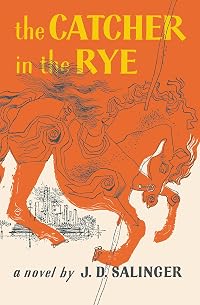
The Catcher in the Rye
by J. D. Salinger
There is 1 current discussion about this work.
On This Page
Description
Story of Holden Caufield with his idiosyncrasies, penetrating insight, confusion, sensitivity and negativism. Holden, knowing he is to be expelled from school, decides to leave early. He spends three days in New York City and tells the story of what he did and suffered there.Tags
Recommendations

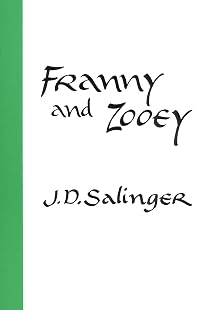
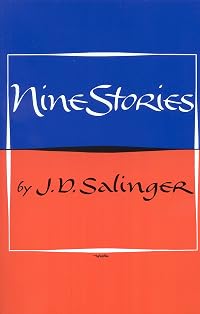
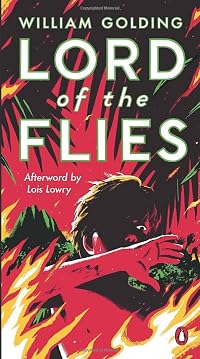

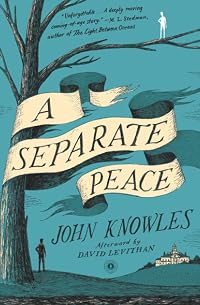
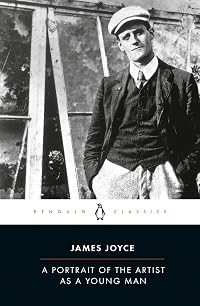
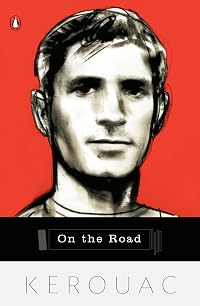
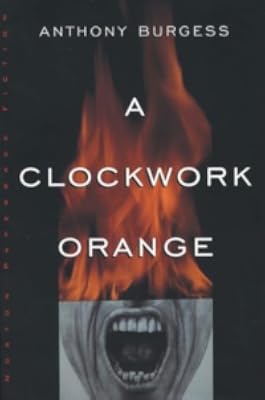

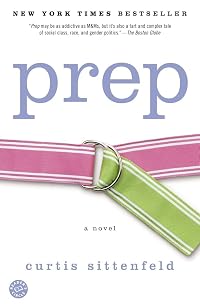
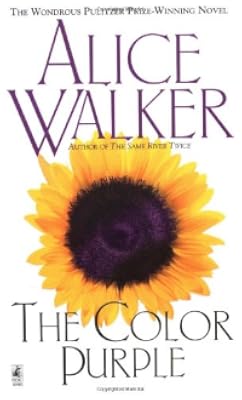
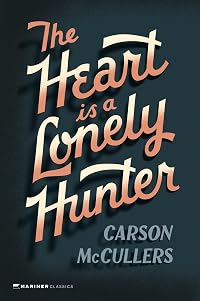
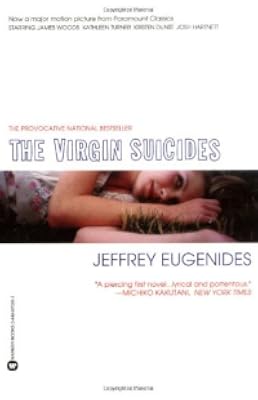
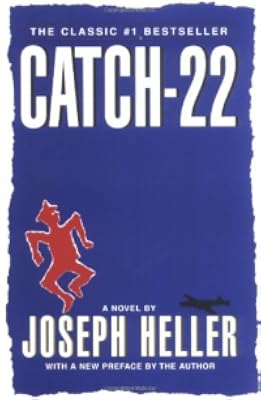
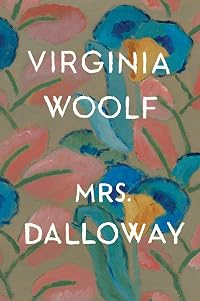
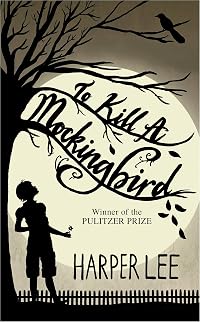
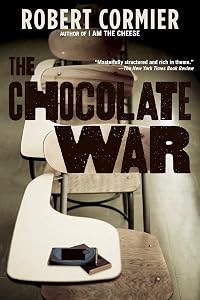

Member Recommendations
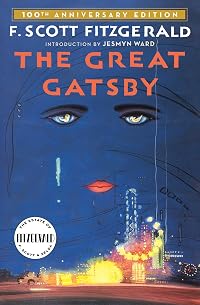
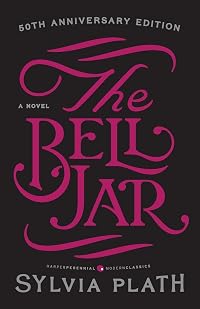
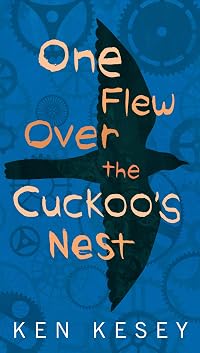
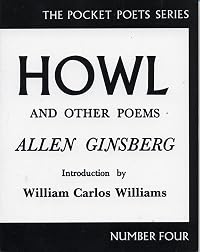
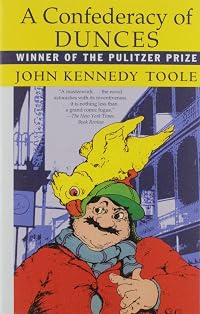
mcenroeucsb Books with Delusional/Enlightened Outcast protagonists
40
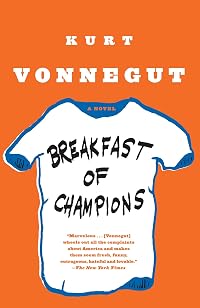
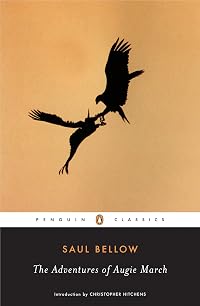
UrliMancati It has been said that Barney is Holden at the end of his life. While the twos do not have so much in common, the reader will definitively love both characters.
40


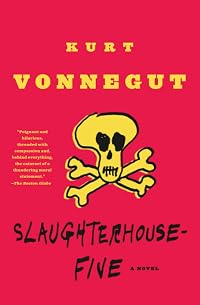
mcenroeucsb Books with Delusional/Enlightened Outcast protagonists
75


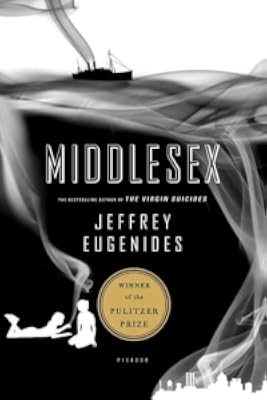
mcenroeucsb Books with Delusional/Enlightened Outcast protagonists
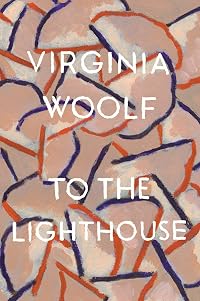
mcenroeucsb Books with Delusional/Enlightened Outcast protagonists
by anonymous user
by anonymous user

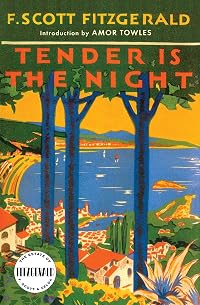
CGlanovsky Disillusioned youth takes off. A liar himself, he despises frauds.
Also recommended by caflores
812
by rfb

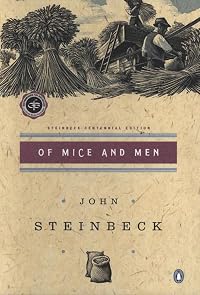
Sylak In both books the protagonist is trying to make sense of the world he lives in against the angst of growing up in a world where nobody understands them.
Also recommended by Wraith_Ravenscroft
48
Member Reviews
I first read this as an assignment for English sophomore lit. I was fifteen and hated it. I blamed my teacher for assigning it, and sniped at him the whole time we were working on it. We had an unusual relationship, so sniping at him was not weird or entitled, was my reasoning at the time. Now--I don't necessarily regret sniping. The book maintains its original poor rating and poor opinion. As an adult, I understand this book to be about a whiny, insufferable, boring, aggravating entitled teenager who hates women since they won't sleep with him. And a prostitute doesn't interest him. And he has a weird relationship to his kid sister. By page forty, I desperately wanted to stop reading. I took a break for a bit. It was--I just--why was show more this book written? Why is it considered a classic? It's about an incel, and actual literary critics have compared him to a sociopath. My sour opinion of this book extends such that when I meet someone who likes this book, I am actually suspicious of them until I get more comfortable. Save time and don't read this. show less
The Short of It:
Read back in high school and re-read today for book club, and it’s just as wonderful as I remembered.
The Rest of It:
The Catcher in the Rye is of course, a classic. Everyone’s heard of it but I’ll tell ya, not everyone will love it. Why? Because Holden Caulfield is a piece of work! Tossed from private school for failing nearly all of his classes, Holden goes on a three day sabbatical from life. Delaying the inevitable, when he has to return home to his family for the holidays and clue them in to the fact that he has once again been kicked out of school.
Holden packs up his belongings, smokes a lot of cigarettes and ponders life as he hits bar after bar, considering his options. He’s underage but wise beyond his show more years so he goes from place to place making observations and hoping, longingly for people to spend time with him. He makes a few calls. Meets a few friends. Feels a bit homesick for his baby sister Phoebe, but mostly just flits from one interaction to the next, lost.
Holden is ALL of us. That’s what makes this such a good read. His insecurities are balanced by his overblown opinion of himself. Minus the bluster, the fancy hat, the cigarettes and booze and what you have is a teenage boy desperate for love. His loneliness screams at you while turning those pages.
Funny story. When I was pregnant with my first child, the name Holden was a frontrunner. We decided to go with Evan, instead. But after reading this classic again, my son really IS Holden in real life. I highlighted many passages because they could have actually come right out of my son’s mouth. I shared this observation with him and he wasn’t impressed or compelled to read the book. See? He is Holden.
What stays with me after reading this book is Holden’s voice. Salinger creates this living, breathing, sometimes seething Holden. He’s not the most well-liked guy but he can be charming, and often is, when not overcome with loneliness and doubt.
If you haven’t read this classic, or you read it long ago. I mean, I was 16 the last time I read it, I highly recommend you pick up a copy. show less
Read back in high school and re-read today for book club, and it’s just as wonderful as I remembered.
The Rest of It:
The Catcher in the Rye is of course, a classic. Everyone’s heard of it but I’ll tell ya, not everyone will love it. Why? Because Holden Caulfield is a piece of work! Tossed from private school for failing nearly all of his classes, Holden goes on a three day sabbatical from life. Delaying the inevitable, when he has to return home to his family for the holidays and clue them in to the fact that he has once again been kicked out of school.
Holden packs up his belongings, smokes a lot of cigarettes and ponders life as he hits bar after bar, considering his options. He’s underage but wise beyond his show more years so he goes from place to place making observations and hoping, longingly for people to spend time with him. He makes a few calls. Meets a few friends. Feels a bit homesick for his baby sister Phoebe, but mostly just flits from one interaction to the next, lost.
Holden is ALL of us. That’s what makes this such a good read. His insecurities are balanced by his overblown opinion of himself. Minus the bluster, the fancy hat, the cigarettes and booze and what you have is a teenage boy desperate for love. His loneliness screams at you while turning those pages.
Funny story. When I was pregnant with my first child, the name Holden was a frontrunner. We decided to go with Evan, instead. But after reading this classic again, my son really IS Holden in real life. I highlighted many passages because they could have actually come right out of my son’s mouth. I shared this observation with him and he wasn’t impressed or compelled to read the book. See? He is Holden.
What stays with me after reading this book is Holden’s voice. Salinger creates this living, breathing, sometimes seething Holden. He’s not the most well-liked guy but he can be charming, and often is, when not overcome with loneliness and doubt.
If you haven’t read this classic, or you read it long ago. I mean, I was 16 the last time I read it, I highly recommend you pick up a copy. show less
BETWEEN TWO WORLDS
The Catcher in the Rye And Teenager’s Fear of Growing Up
[Spoiler alert!]
Often called the ‘forbidden fruit in the garden of literature,’ The Catcher in the Rye by J. D. Salinger made a tremendous impact when it was first released. Tangled and confusing, like adolescence itself, the book follows Holden Caufield’s journey and the inner turmoil of a teenager’s growth. Contrasting to the saying “Art is the moonlight deception,” the novel may appear crude on the surface. However, its deeper layers reveal the struggle of holding on to innocence while facing the harsh realities of adulthood.
The story takes place around the 1950s and is narrated by a teenage boy named Holden Caulfield who is undergoing therapy in show more a mental hospital. Holden’s narrative begins a few days before Christmas when he is expelled from his school – Pencey Prep. Carrying disappointment from the people around him, Holden leaves the school and starts to wander in the New York Center. However, because of his immaturity and detachment, his meetings with strangers and old acquaintances all ended awkwardly. Clouded by the memories from the past, Holden becomes obsessed with preserving childhood innocence. Nevertheless, he learns to let go when he accepts the nature of growing up.
The first thing the reader notices in the novel is likely the cynical, pessimistic tone Holden uses throughout his storytelling. By repetitively addressing people around him as “phony”, Holden immediately expresses his belief that society is full of insincerity and hypocrisy. His judgmental and rebellious attitude is particularly evident in his harsh description of the headmaster, calling him a “phony slob”. Or as seen in his conversation with his schoolmate Ackley, where he constantly reminds the audience of Ackley’s poor hygiene and awkward communication skills. Holden builds a barrier between himself and the people around him. By viewing others through a negative lens, Holden feels out of place and leaves the Pencey Prep to seek for life’s true meaning.
Behind Holden’s cynical behaviors is a fragile soul struggling with universal teenage questions: Who am I? Where do I belong? What face should I put on? At the age of 16, Holden starts to realize that this world is not sterilized like his first years of life anymore. Adulthood is filled with disappointment and is synonymous with the collapse of childhood fantasy and peace. Like many other teenagers, he reacts to the changes by rebellion and recklessness. Holden’s focus on other people’s flaws is an attempt to hide his insecurity about his own imperfection. He resists society, always stands outside and criticizes while he cannot find his own place among others. Holden’s alienation represents the loneliness of youth, when people feel overwhelmed and futile while attempting to seek self-values. Moreover, Holden’s inability to adapt reflects the sense of imprisonment and loss that one might experience during adolescence. Teenagers feel hung between being a child and being an adult. They feel like nobody can understand them, yet they don’t even know themselves or the surrounding world.
Adding to Holden’s vulnerability is his brother Allie’s death and the reoccurring goodbyes as he transfers from school to school. His struggle to confront the loss while resisting giving up the good memories from the past showcases his sense of detachment and uncertainty. He is afraid and feels powerless towards significant shifts in his life and perhaps feels himself unworthy of meaningful relationships. If we look deeper, despite his frustration and cynicism, Holden desires to connect to himself and other people. During his wandering, he talks with different people, like Mr. Spencer, his roommates, the nuns, Sunny, etc. Each conversation influences him differently, but the impacts remain unrevealed, just like the unclear period of adolescence, when one slowly grows while not noticing the changes.
Besides Holden’s struggle to find his identity, the age also ignites Holden’s desire to experience intimacy, forcing him to face the difference between his previous perception of romantic relationships and the reality he is about to confront. While Holden longs to experience romantic relationships with other women, he soon becomes trapped between his spiritual and physical demands. For instance, feeling disappointed after his encounter with three women in the bar, Holden ordered a prostitute to seek physical comfort and emotional support. He then grew discomfort and refusal to conduct the act, highlighting both his desire to experience intimacy and his fear of the consequences. By describing Holden’s mental vulnerability, the novel sheds light on the universal teenage struggle when dealing with sexuality and romantic relationships, as their immaturity and lack of experience often leave them in a state of confusion.
On the other hand, Holden’s relationship with his childhood playmate Jane reveals another layer of teenage struggles. As Holden recalls his memories with Jane, he tends to over-idealize their relationship, viewing it as one with authenticity and genuine love. While Sunny can offer physical companionship, she is still another inventory of the adult world, shaped by superficiality, unable to fulfill Holden’s desire for a genuine relationship. On the other hand, although Holden’s early interactions with Jane reveal some degree of authenticity and love, they are eventually isolated from reality. Teenagers often over-romanticizing love, leaving them torn between reality and fantasy — like Holden falling into the gap between his pursuit of genuine relationships and his fear of emotional corruption in adulthood.
Despite Holden’s growing sense of detachment and disillusionment, he sticks to his goal of protecting childhood innocence. Like many other youths around his age, Holden refuses to conform to social expectations and resents the loss of innocence in the harsh realities of adulthood. Despite the frequent usage of crude language in his narrative, Holden exhibits a profound treasure for childhood purity. While commenting on lawyers, Holden points out the fact that lawyers don’t save innocent people’s lives, but rather make money for pastime. His judgmental attitude provides insight into the superficiality of adult professions and the falsehood associated with adulthood.
Holden experiences an emotional downturn, especially the time when Holden is wandering alone in the park at night and the time when he crosses the street. His repeated question about where the “ducks” would go in a harsh winter – a childlike wonderment, and mention of his little brother Allie symbolizes his inability to let go of the past and his desire to preserve the purity of childhood. During his conversation with Phoebe – his sister, Holden entitled himself as a “catcher in the rye” whose job is to protect children from falling down the cliff between childhood and adult world. Through Holden’s actions, readers come to realize that deep inside Holden lies a kind-hearted teenage spirit which believes in the purity of childhood and wants to protect it from society. Approaching the end of the story, Holden’s perspective shifts dramatically as he decides not to intervene in Phoebe’s decision to reach for the gold ring on the carousel despite the risk of falling off the horse, metaphorize that growing up means taking risks and giving up some elements that belong to the past. His change in attitude highlights his final realization of his inability to stop the changes and learn to let go.
The novel addresses sensitive and undisguised themes, mostly circles around adolescence and adulthood. It portrays the chaotic inner world of a lonely teenager. Holden’s cynical attitude and bad language serve as his shield against the change in his world, showing his reluctance to take the cost of growing up – giving up innocence. The frank and perhaps vulgar language might leave readers feeling frustrated with Holden’s sarcasm yet create moments of empathy. Readers might see a part of their own teenage struggles, from the wanting to be ‘cool’ to the yearning for maturity while fearing its cost.
The Catcher in the Rye was groundbreaking in the early 1950s, during the post-World War II era, for its exploration of brand new themes and a rebellious approach that differed from the classical literature styles. The book leaves very controversial ideas. Is it a realistic picture of young people’s struggle and an encouragement of further understanding and tolerance towards teenagers? Or is it an overly offensive piece of story with poor characters and plot development? It is for the readers to decide.
———————————
|A book review written by Yangxi Li (Cissy) & Nam Phuong Vo (Jenny)| show less
The Catcher in the Rye And Teenager’s Fear of Growing Up
[Spoiler alert!]
Often called the ‘forbidden fruit in the garden of literature,’ The Catcher in the Rye by J. D. Salinger made a tremendous impact when it was first released. Tangled and confusing, like adolescence itself, the book follows Holden Caufield’s journey and the inner turmoil of a teenager’s growth. Contrasting to the saying “Art is the moonlight deception,” the novel may appear crude on the surface. However, its deeper layers reveal the struggle of holding on to innocence while facing the harsh realities of adulthood.
The story takes place around the 1950s and is narrated by a teenage boy named Holden Caulfield who is undergoing therapy in show more a mental hospital. Holden’s narrative begins a few days before Christmas when he is expelled from his school – Pencey Prep. Carrying disappointment from the people around him, Holden leaves the school and starts to wander in the New York Center. However, because of his immaturity and detachment, his meetings with strangers and old acquaintances all ended awkwardly. Clouded by the memories from the past, Holden becomes obsessed with preserving childhood innocence. Nevertheless, he learns to let go when he accepts the nature of growing up.
The first thing the reader notices in the novel is likely the cynical, pessimistic tone Holden uses throughout his storytelling. By repetitively addressing people around him as “phony”, Holden immediately expresses his belief that society is full of insincerity and hypocrisy. His judgmental and rebellious attitude is particularly evident in his harsh description of the headmaster, calling him a “phony slob”. Or as seen in his conversation with his schoolmate Ackley, where he constantly reminds the audience of Ackley’s poor hygiene and awkward communication skills. Holden builds a barrier between himself and the people around him. By viewing others through a negative lens, Holden feels out of place and leaves the Pencey Prep to seek for life’s true meaning.
Behind Holden’s cynical behaviors is a fragile soul struggling with universal teenage questions: Who am I? Where do I belong? What face should I put on? At the age of 16, Holden starts to realize that this world is not sterilized like his first years of life anymore. Adulthood is filled with disappointment and is synonymous with the collapse of childhood fantasy and peace. Like many other teenagers, he reacts to the changes by rebellion and recklessness. Holden’s focus on other people’s flaws is an attempt to hide his insecurity about his own imperfection. He resists society, always stands outside and criticizes while he cannot find his own place among others. Holden’s alienation represents the loneliness of youth, when people feel overwhelmed and futile while attempting to seek self-values. Moreover, Holden’s inability to adapt reflects the sense of imprisonment and loss that one might experience during adolescence. Teenagers feel hung between being a child and being an adult. They feel like nobody can understand them, yet they don’t even know themselves or the surrounding world.
Adding to Holden’s vulnerability is his brother Allie’s death and the reoccurring goodbyes as he transfers from school to school. His struggle to confront the loss while resisting giving up the good memories from the past showcases his sense of detachment and uncertainty. He is afraid and feels powerless towards significant shifts in his life and perhaps feels himself unworthy of meaningful relationships. If we look deeper, despite his frustration and cynicism, Holden desires to connect to himself and other people. During his wandering, he talks with different people, like Mr. Spencer, his roommates, the nuns, Sunny, etc. Each conversation influences him differently, but the impacts remain unrevealed, just like the unclear period of adolescence, when one slowly grows while not noticing the changes.
Besides Holden’s struggle to find his identity, the age also ignites Holden’s desire to experience intimacy, forcing him to face the difference between his previous perception of romantic relationships and the reality he is about to confront. While Holden longs to experience romantic relationships with other women, he soon becomes trapped between his spiritual and physical demands. For instance, feeling disappointed after his encounter with three women in the bar, Holden ordered a prostitute to seek physical comfort and emotional support. He then grew discomfort and refusal to conduct the act, highlighting both his desire to experience intimacy and his fear of the consequences. By describing Holden’s mental vulnerability, the novel sheds light on the universal teenage struggle when dealing with sexuality and romantic relationships, as their immaturity and lack of experience often leave them in a state of confusion.
On the other hand, Holden’s relationship with his childhood playmate Jane reveals another layer of teenage struggles. As Holden recalls his memories with Jane, he tends to over-idealize their relationship, viewing it as one with authenticity and genuine love. While Sunny can offer physical companionship, she is still another inventory of the adult world, shaped by superficiality, unable to fulfill Holden’s desire for a genuine relationship. On the other hand, although Holden’s early interactions with Jane reveal some degree of authenticity and love, they are eventually isolated from reality. Teenagers often over-romanticizing love, leaving them torn between reality and fantasy — like Holden falling into the gap between his pursuit of genuine relationships and his fear of emotional corruption in adulthood.
Despite Holden’s growing sense of detachment and disillusionment, he sticks to his goal of protecting childhood innocence. Like many other youths around his age, Holden refuses to conform to social expectations and resents the loss of innocence in the harsh realities of adulthood. Despite the frequent usage of crude language in his narrative, Holden exhibits a profound treasure for childhood purity. While commenting on lawyers, Holden points out the fact that lawyers don’t save innocent people’s lives, but rather make money for pastime. His judgmental attitude provides insight into the superficiality of adult professions and the falsehood associated with adulthood.
Holden experiences an emotional downturn, especially the time when Holden is wandering alone in the park at night and the time when he crosses the street. His repeated question about where the “ducks” would go in a harsh winter – a childlike wonderment, and mention of his little brother Allie symbolizes his inability to let go of the past and his desire to preserve the purity of childhood. During his conversation with Phoebe – his sister, Holden entitled himself as a “catcher in the rye” whose job is to protect children from falling down the cliff between childhood and adult world. Through Holden’s actions, readers come to realize that deep inside Holden lies a kind-hearted teenage spirit which believes in the purity of childhood and wants to protect it from society. Approaching the end of the story, Holden’s perspective shifts dramatically as he decides not to intervene in Phoebe’s decision to reach for the gold ring on the carousel despite the risk of falling off the horse, metaphorize that growing up means taking risks and giving up some elements that belong to the past. His change in attitude highlights his final realization of his inability to stop the changes and learn to let go.
The novel addresses sensitive and undisguised themes, mostly circles around adolescence and adulthood. It portrays the chaotic inner world of a lonely teenager. Holden’s cynical attitude and bad language serve as his shield against the change in his world, showing his reluctance to take the cost of growing up – giving up innocence. The frank and perhaps vulgar language might leave readers feeling frustrated with Holden’s sarcasm yet create moments of empathy. Readers might see a part of their own teenage struggles, from the wanting to be ‘cool’ to the yearning for maturity while fearing its cost.
The Catcher in the Rye was groundbreaking in the early 1950s, during the post-World War II era, for its exploration of brand new themes and a rebellious approach that differed from the classical literature styles. The book leaves very controversial ideas. Is it a realistic picture of young people’s struggle and an encouragement of further understanding and tolerance towards teenagers? Or is it an overly offensive piece of story with poor characters and plot development? It is for the readers to decide.
———————————
|A book review written by Yangxi Li (Cissy) & Nam Phuong Vo (Jenny)| show less
Looking through the reviews, this seems to be either a love-it or hate-it book. Or possibly a love-it-at-some-points-in-your-life, hate-it-at-others book. Or maybe it just depends on your mood.
Anyway, I had no idea what to expect, but figured it's another one of the books I really should read. And it wasn't what I expected. Me, I loved it. But I can see why people hate it. I would have hated it if I'd been given it to read at school. I maybe would have hated it 10 years ago. I might hate it in 10 years' time. It's one of those books.
But I'll probably keep it and I'll probably still like it. It has an ambulatory, nature that picks out characters like portraits. At the same time it's mocking, depressing, beautiful, and yet cleverly show more self-parodying, all at the same time. I think a lot of people read what they to read into it, and yet there's often much more to it than meets the eye.
I kind of don't want to say much more about it than that. I could sum it up in a sentence, but I figure it's more than just a simple description. It speaks to many of us, and is still very relevant in the malaise that seems to blight whole generations today. show less
Anyway, I had no idea what to expect, but figured it's another one of the books I really should read. And it wasn't what I expected. Me, I loved it. But I can see why people hate it. I would have hated it if I'd been given it to read at school. I maybe would have hated it 10 years ago. I might hate it in 10 years' time. It's one of those books.
But I'll probably keep it and I'll probably still like it. It has an ambulatory, nature that picks out characters like portraits. At the same time it's mocking, depressing, beautiful, and yet cleverly show more self-parodying, all at the same time. I think a lot of people read what they to read into it, and yet there's often much more to it than meets the eye.
I kind of don't want to say much more about it than that. I could sum it up in a sentence, but I figure it's more than just a simple description. It speaks to many of us, and is still very relevant in the malaise that seems to blight whole generations today. show less
Holden Caulfield is a very troubled young man running away from the tragedy of his younger brother's death and the percieved 'phoneyness' of everyone. Once again he finds himself expelled from another exclusive high school for not applying himself (he only managed to pass English) but he does not want to return home until the school's Christmas vacation which is yet 3 days away. If he shows up at his parents' apartment before that time they will know he is a failure once again and he is not ready to face them. Instead Holden packs his bags, takes the train into New York City and tries to lose himself in liquor, nightclubs and clumsy sexual encounters. Unfortunately nothing fills the void Holden carries deep in his soul and the reader show more watches as he falls deeper and deeper into depression.
Holden's explanation of the catcher in the rye touched me deeply. He said that he saw children close to the edge of a precipice and he was below them in a waving field of rye. It was his job to catch them as they fell so they would be safe. It was so obvious that he had longed for someone to catch him as he fell into despair after his brother's death but his mother was too wrapped up in her own grief and his father kept himself overly occupied with his buisness. What a cry for help that was missed.
I want to hug this young man. I really like his character and his emotions that are ready to burst out of him at any minute. I don't always like the things he says but neither does Holden as he is frequently taken aback by his own lies. This is the first book I have read by Salinger and I enjoyed his writing style very much. show less
Holden's explanation of the catcher in the rye touched me deeply. He said that he saw children close to the edge of a precipice and he was below them in a waving field of rye. It was his job to catch them as they fell so they would be safe. It was so obvious that he had longed for someone to catch him as he fell into despair after his brother's death but his mother was too wrapped up in her own grief and his father kept himself overly occupied with his buisness. What a cry for help that was missed.
I want to hug this young man. I really like his character and his emotions that are ready to burst out of him at any minute. I don't always like the things he says but neither does Holden as he is frequently taken aback by his own lies. This is the first book I have read by Salinger and I enjoyed his writing style very much. show less
Catcher In The Rye is on the surface a simple story of a teenage boy, kicked out of his fourth school in three years, who decides to skip out early and live it up in NYC for a few days. That's it in a nutshell. Digging deeper though, it's a story of teenage angst, of depression, and a social commentary.
Reading this book for the first time as an adult, I'd have to say that it's not the type of book you get right away. It takes some thinking over before it really clicks. While I was reading it and just after I finished, I didn't get it. Now, with some space and time to think it over, it's clicked. But ask me to describe what it's about, what the message is, and I'm not sure I can. Maybe I need a little more timebefore I can get to that show more point.
However, I thought Salinger wrote the character of Holden Caulfield brilliantly. It takes a special talent to make people feel as strongly about a character as Salinger has done. I don't think I'd be far off the mark to say that Holden Caulfield may be one of the most hated characters of all time and that's for me is what makes the book brilliant and along with a dead-on accurate portrayal of teenage angst explains exactly why it is considered a true classic, earning it a place on most high school cirriculums and on lists such as The 1001 Books You Must Read Before You Die.
Funny thing is, despite how much most people hate Holden, I rather liked him. He was a smart-ass, very amusing, and many of his observations of people were spot-on. I have to say that I agree with him in many cases. There are a lot of goddam lousy phoneys in this world. Most of us just have the sense to not call them out on it. Call it a self-preservation instinct or common sense. Whatever you call it though, Holden Caulfield was definitely lacking it.
After his little escapade, Holden Caulfield finds him self in a mental ward, and I'm just not sure what earned him that. Is being difficult and running off to find yourself really that looney? I think Holden did something a lot of people his age would love to do but won't, because of the aforementioned self-preservation instinct. Hell, even as an adult I'd love to do it.
Whatever the case, this was a well-written peace on teenage angst, self-discovery and a brilliant character study. You may not like Holden Caulfield, but I think there is a lot to learn from him and is definitely worth the read. show less
Reading this book for the first time as an adult, I'd have to say that it's not the type of book you get right away. It takes some thinking over before it really clicks. While I was reading it and just after I finished, I didn't get it. Now, with some space and time to think it over, it's clicked. But ask me to describe what it's about, what the message is, and I'm not sure I can. Maybe I need a little more timebefore I can get to that show more point.
However, I thought Salinger wrote the character of Holden Caulfield brilliantly. It takes a special talent to make people feel as strongly about a character as Salinger has done. I don't think I'd be far off the mark to say that Holden Caulfield may be one of the most hated characters of all time and that's for me is what makes the book brilliant and along with a dead-on accurate portrayal of teenage angst explains exactly why it is considered a true classic, earning it a place on most high school cirriculums and on lists such as The 1001 Books You Must Read Before You Die.
Funny thing is, despite how much most people hate Holden, I rather liked him. He was a smart-ass, very amusing, and many of his observations of people were spot-on. I have to say that I agree with him in many cases. There are a lot of goddam lousy phoneys in this world. Most of us just have the sense to not call them out on it. Call it a self-preservation instinct or common sense. Whatever you call it though, Holden Caulfield was definitely lacking it.
After his little escapade, Holden Caulfield finds him self in a mental ward, and I'm just not sure what earned him that. Is being difficult and running off to find yourself really that looney? I think Holden did something a lot of people his age would love to do but won't, because of the aforementioned self-preservation instinct. Hell, even as an adult I'd love to do it.
Whatever the case, this was a well-written peace on teenage angst, self-discovery and a brilliant character study. You may not like Holden Caulfield, but I think there is a lot to learn from him and is definitely worth the read. show less
***NO SPOILERS***
When I think of a love-it or hate-it book, The Catcher in the Rye comes to mind immediately. I read this book in my early twenties and what impressed me about it was how well Salinger captured the indifferent, lackadaisical teenage mentality in his protagonist Holden Caulfield. Holden is just a teenager trying to make sense of himself and his life.
Loving this book seems to depend on how much the reader enjoys cynical narrators. I adore them, so it made sense that I'd instantly love this slim classic. Those who hate cynical narrators will describe Holden as "whiny" and will likely hate the book. Nonfans may also be haters of teenagers—but then, I've never loved teenagers, even when I myself was one, yet I was a fan of show more every word of The Catcher in the Rye. In my eyes, it's a masterpiece and deserving of its place as a classic and as Salinger's strongest work.
The bottom line is, "Your mileage may vary" couldn't apply more to this book. Holden's voice and point of view is so strong from the first page, and holds so steadily throughout, that readers don't need to read beyond that to know whether they'll like the whole thing.
NOTE: This review is cross-posted on The Story Graph and Goodreads. show less
When I think of a love-it or hate-it book, The Catcher in the Rye comes to mind immediately. I read this book in my early twenties and what impressed me about it was how well Salinger captured the indifferent, lackadaisical teenage mentality in his protagonist Holden Caulfield. Holden is just a teenager trying to make sense of himself and his life.
Loving this book seems to depend on how much the reader enjoys cynical narrators. I adore them, so it made sense that I'd instantly love this slim classic. Those who hate cynical narrators will describe Holden as "whiny" and will likely hate the book. Nonfans may also be haters of teenagers—but then, I've never loved teenagers, even when I myself was one, yet I was a fan of show more every word of The Catcher in the Rye. In my eyes, it's a masterpiece and deserving of its place as a classic and as Salinger's strongest work.
The bottom line is, "Your mileage may vary" couldn't apply more to this book. Holden's voice and point of view is so strong from the first page, and holds so steadily throughout, that readers don't need to read beyond that to know whether they'll like the whole thing.
NOTE: This review is cross-posted on The Story Graph and Goodreads. show less
Members
- Recently Added By
Lists

1001 Books You Must Read Before You Die
1,448 works; 1,133 members

The Guardian's 1000 Novels Everyone Must Read
1,005 works; 550 members

Classics you know you should have read but probably haven't
421 works; 408 members
501 Must-Read Books
529 works; 72 members
BBC Big Read
191 works; 46 members

Radcliffe's 100 Best Novel of the 20th Century
100 works; 32 members
20th Century Literature
1,161 works; 55 members

Favourite Books
1,817 works; 316 members
Le Monde - Les 100 livres du siècle
121 works; 25 members
New York Public Library's Books of the Century
120 works; 20 members
Newsweek's Top 100 Books: The Meta-List
100 works; 18 members

The Top Ten: Writers Pick Their Favorite Books
240 works; 31 members

100 books to read in a lifetime
102 works; 37 members
Banned Books Week 2014
268 works; 63 members

New York Public Library's Books of the Century - All
170 works; 14 members
PBS The Great American Read
100 works; 21 members

Best Psychological Fiction
81 works; 16 members
Favorite Coming of Age Novels.
164 works; 51 members
1950s
340 works; 22 members

The Guardian's 100 greatest novels of all time
100 works; 16 members
Stream of Consciousness
87 works; 8 members
Harold Bloom - The Western Canon: D. The Chaotic Age
833 works; 24 members

Best high-school English books reread later in life
30 works; 21 members
Time Magazine's "All-Time 100"
113 works; 15 members

Best Books about Readers
23 works; 14 members
Unreliable Narrators
170 works; 43 members

Books Featured on Gilmore Girls
307 works; 21 members
National Book Award Finalists - Fiction
377 works; 12 members
Books Set in New York City
127 works; 21 members

Books I've Read More Than Once
602 works; 49 members
Larry McCaffery's 20th Century Greatest Hits: 100 English-Language Books
103 works; 12 members

NPRs your favorites: 100 Best Ever Teen Novels
237 works; 49 members
Canon de la narrativa universal del siglo XX
254 works; 6 members
Banned or Challenged Books
400 works; 41 members
LibraryThingers' 1001 Books You Must Read Before You Die
442 works; 30 members

Books You Read During High School (For School)
301 works; 52 members

child hero ~ adult novel
60 works; 12 members
BBC Big Read
100 works; 10 members
The American Experience
173 works; 18 members
Books Set in New York State
65 works; 11 members
Time's All-Time 100 Novels
100 works; 27 members

1964 College Preparatory Reading List
202 works; 8 members
1,001 BYMRBYD Concensus
723 works; 27 members

Dishonourable Mentions of 2013
189 works; 63 members
100 Most Recommended Works
100 works; 11 members

Anthony Burgess 99 Post War Novels
99 works; 7 members

A Novel Cure
742 works; 23 members

Mensa for Kids Excellence in Reading Award Program (Grades 9-12)
116 works; 5 members
Fiction For Men
142 works; 11 members
Best Satire
188 works; 29 members

1001 Children's Books You Must Read Before You Grow Up
774 works; 101 members

Top Five Books of 2020
982 works; 350 members
Best of American Literature
146 works; 9 members
Books read by Pat in "The Silver Linings Playbook"
7 works; 2 members
Best First Lines
133 works; 8 members

Best Antiheroes and Antiheroines
119 works; 7 members
Top 100 to Read before you Die
109 works; 7 members

Books tagged favorites
390 works; 30 members
TML 200 Best Books 1950-1999
202 works; 10 members
Books read by Charlie in "The Perks of Being a Wallflower"
12 works; 2 members
The Greatest Books
99 works; 5 members

Short and Sweet
245 works; 23 members

Rory Gilmore Book Club
193 works; 5 members
Blue Pyramid 1,276 Best Books of All Time
1,248 works; 32 members

Modernism
140 works; 8 members

The Guardian's 100 Best Novels Written in English
105 works; 13 members

Most Disturbing Books
124 works; 27 members
Mind Expanding Books by hackerkid
581 works; 8 members
Ten Books That Have Stayed With Me
160 works; 30 members
The Modern Library's 100 Best Novels: The Board's List
85 works; 6 members

Shaykh Hamza's Book Recommendations
439 works; 3 members

BBC Top Books
78 works; 3 members

Amanda's Guaranteed Books
110 works; 5 members

Novels that you shouldn't waste your time on
94 works; 52 members
Mensa for Kids Excellence in Reading Award Program (Grades 9-12)
116 works; 3 members
Books I've Read
40 works; 2 members
The College Board: 101 Great Books Recommended for College-Bound Readers
111 works; 7 members

I Can't Finish This Book
189 works; 22 members

Existentialism
90 works; 11 members

Books Read in 2015
3,299 works; 126 members

NPRs audience picks: 100 best beach reads
105 works; 12 members

Urban Fiction
74 works; 7 members
First Novels
373 works; 17 members

Most Popular Young Adult Lit on LT
100 works; 4 members
Main Character is aged 10-19
361 works; 6 members

Books Read in 2005
174 works; 7 members

Pageturners
40 works; 6 members

Nifty Fifties
129 works; 14 members

100
56 works; 1 member

Favorite Books from the 1950s
33 works; 2 members

Books I've read
87 works; 2 members
Books Read in 2016
4,666 works; 197 members

Cooper
79 works; 1 member
DELETE
48 works; 2 members

Books Read in 2008
335 works; 8 members

Plan to Read Books
75 works; 1 member
http://thegreatestbooks.org's Greatest Fiction Books
59 works; 1 member
American Lit for Eng 11 Research Project
368 works; 6 members
Books to Reread Someday
53 works; 7 members

Tammen Keltainen kirjasto
81 works; 1 member
Canon de la narrativa universal del s. XX (cicutadry)
499 works; 3 members

storage
51 works; 1 member
bound
100 works; 1 member

The Modern Library (The Two Hundred Best Novels....
202 works; 1 member

The 150 Greatest Novels of All Time
150 works; 6 members

Books We Love to Reread
688 works; 296 members

Books We Resisted Reading
177 works; 110 members
Michael Dirda's 100 Best Comic Novels
100 works; 1 member

BBC World Book Club
265 works; 5 members
recommended
8 works; 1 member

Recommended Reading : 600 Classics Reviewed, Editors of Salem Press, 2015
634 works; 6 members
'Books You Can't Live Without: The Top 100', The Guardian, 2007
156 works; 7 members

BitLife
212 works; 4 members

Classroom Library
22 works; 1 member

Reading Glasses Podcast
410 works; 3 members
naturalism / realism
5 works; 1 member
Our Favorite Banned Books
138 works; 122 members

The Five Books That Represent Us
391 works; 148 members

Books Read in 2024
4,623 works; 126 members
School Made Us Read It
380 works; 196 members

Books Read in 2011
684 works; 20 members

.
194 works; 2 members
Widely acclaimed, one book per year
105 works; 3 members
The Complete Rory Gilmore Reading List
506 works; 5 members

Read in 2011
81 works; 1 member
Vlogbrothers Book Recommendations
307 works; 4 members

DigitalDreamDoor top 300
300 works; 4 members

𓐩hought Daughter ♱♰✟✞✝︎☨†˚₊‧꒰ა ♱ ໒꒱ ‧
38 works; 1 member

Deranged Lit
12 works; 1 member
NPR Books You Love: Books That Shaped You in High School
26 works; 1 member

Gen X Library
245 works; 4 members
Books I Read Before The Invention Of The Internet.
144 works; 1 member
Read For Your Life
157 works; 1 member
Works referenced in Welcome to the Hyunam-Dong Bookshop
19 works; 1 member

Books That Changed Our Perspective
423 works; 168 members

Coming of Age
33 works; 1 member
.
396 works; 1 member
el
1,139 works; 1 member
Modern Library's 100 Best Novels
100 works; 2 members
Books With Trees and Plants in the Title
27 works; 2 members
Books in Riverdale
123 works; 3 members
Books recommended by Calgary Public Library staff
1,588 works; 4 members
Gilmore Girls Complete Reading List
30 works; 1 member
Banned Books
40 works; 2 members

Books Featuring Teens
25 works; 4 members

Hachette Book Group
152 works; 6 members

Books whose title names an object usually found in the kitchen
171 works; 14 members
Read
28 works; 1 member
mediocre books by authors i otherwise adore
10 works; 1 member

Read
293 works; 4 members
Very Very Bad
22 works; 7 members
Puffin Books 70th anniversary handbook recommendations
537 works; 10 members

Books You Couldn't Finish
202 works; 32 members
Salinger Reading List
13 works; 1 member

Tonikat reading completed on Librarything journals
329 works; 2 members

Delete This List
18 works; 2 members
Best books I read in 2013
152 works; 3 members
Tagged Runaways
13 works; 2 members

Books About Boys
175 works; 15 members

Childhood Favorites
427 works; 24 members

Biggest Disappointments
606 works; 168 members
The Atlantic's The Great American Novel
136 works; 12 members
The Joe Rogan Experience Library
254 works; 3 members

Bibliografia essenziale
86 works; 2 members
Books and authors mentioned by Le Clézio in his Nobel Prize speech
87 works; 3 members

Classics Book Club 2024
9 works; 1 member
Five Star Novels
20 works; 2 members

Jim's Bookshelf
16 works; 1 member

scav
54 works; 2 members

Mustich's 1000 Books to Read Before You Die: A Life Changing List
1,001 works; 19 members
Before Austen Comes Aesop
318 works; 9 members

AP Lit
363 works; 6 members

Books Read in 2019
4,052 works; 110 members

sad girl books
51 works; 3 members

Greatest Books, allegedly
484 works; 9 members
the preppy handbook
36 works; 1 member
Books Read in 2016
110 works; 1 member
Phoebe Bridgers
29 works; 1 member
Novels/Poems/Short Stories/Anything Storytelling Related
112 works; 2 members
Fave Books
27 works; 1 member
Books I read in high school
52 works; 1 member

Tagged by Tim or Meh!
91 works; 9 members
Five star books
1,755 works; 108 members
Best Books Set in Boarding Schools
160 works; 57 members
Readable Classics
110 works; 15 members

New England Books
101 works; 10 members

Unread books
1,063 works; 87 members
Talk Discussions
Current Discussions
The Catcher In The Rye (general discussion) in J.D. Salinger: Author In The Rye (December 2025)
Past Discussions
Catcher in the Rye in Someone explain it to me... (August 2021)
Looking ahead to Salinger in Author Theme Reads (December 2013)
Salinger: Catcher in the Rye in Author Theme Reads (December 2013)
Author Information

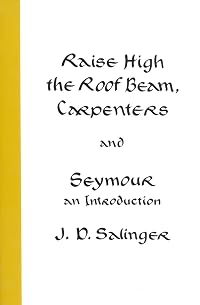
J. D. Salinger was born in New York City on January 1, 1919. He attended Manhattan public schools, Valley Forge Military Academy in Pennsylvania, and three colleges, but received no degrees. He was from an upper class Jewish family and they lived on the upper west side of Manhattan on Park Avenue. Salinger joined the U. S. Army in 1942 and fought show more in the D-Day invasion at Normandy as well as the Battle of the Bulge, but suffered a nervous breakdown due to all he had seen and experienced in the war and checked himself into an Army hospital in Germany in 1945. In December 1945, his short story I'm Crazy was published in Collier's. In 1947, his short story A Perfect Day for Bananafish was published in The New Yorker. Throughout his lifetime, he wrote more than 30 short stories and a handful of novellas, which were published in magazines and later collected in works such as Nine Stories, Franny and Zooey, and Raise High the Roof Beam, Carpenters and Seymour: An Introduction. The Catcher in the Rye, published in 1951, was his only novel. His last published story, Hapworth 16, 1924, appeared in 1965. He spent the remainder of his years in seclusion and silence in a home in Cornish, New Hampshire. He died of natural causes on January 27, 2010 at the age of 91. Salinger always wanted to write the great American novel; when he succeeded in this with Catcher in the Rye, he was unprepared for the onslaught on privacy issues that this popularity brought on. He never wanted to be in the spotlight and retreated from all contacts he had in New York City. (Bowker Author Biography) show less
Some Editions
Awards and Honors
Awards
Distinctions
Notable Lists
BBC's Big Read (15)
Whitcoulls Top 100 Books (60 – 2008)
Whitcoulls Top 100 Books (59 – 2010)
The Great American Novels (1951)
Daniel S. Burt's Novel 100 (094 – 94)
Bulgarian Big Read (35)
Hungarian Big Read (42)
Series
Belongs to Publisher Series
Work Relationships
Is contained in
Has the (non-series) sequel
Has the adaptation
Has as a reference guide/companion
Has as a study
Has as a commentary on the text
Has as a student's study guide
Has as a teacher's guide
Common Knowledge
- Canonical title*
- De vanger in het graan
- Original title
- The Catcher in the Rye
- Alternate titles*
- Eenzame zwerftocht; Puber; De vanger in het koren : roman; De kinderredder van New York
- Original publication date
- 1951
- People/Characters
- Holden Caulfield; Phoebe Caulfield; Allie Caulfield; D. B. Caulfield; Mr. Antolini; Ward Stradlater (show all 9); Robert Ackley; Sally Hayes; Jane Gallagher
- Important places
- Central Park Zoo, New York, New York, USA; Central Park, New York, New York, USA; Edmont Hotel; New York, New York, USA; Pencey Preparatory School for Boys (Pennsylvania, USA); Pennsylvania, USA (show all 7); Metropolitan Museum of Art, New York, New York, USA
- Dedication
- To my mother
- First words
- "If you really want to hear about it, the first thing you'll probably want to know is where I was born, and what my lousy childhood was like, and how my parents were occupied and all before they had me, and all that David Cop... (show all)perfield kind of crap, but I don't feel like going into it, if you want the truth."
- Quotations
- I'm quite illiterate but I read a lot.
You don’t have to think too hard when you talk to teachers.
I do not even like ... cars... I’d rather have a goddamn horse. A horse is at least human, for God’s sake.”
I always pick a gorgeous time to fall over a suitcase or something.
The best thing, though, in that museum was that everything always stayed right where it was. Nobody'd move.... Nobody'd be different. The only thing that would be different would be you.
What really knocks me out is a book that, when you're all done reading it, you wish the author that wrote it was a terrific friend of yours and you could call him up on the phone whenever you felt like it. That doesn't happen... (show all) much, though.
What I have to do, I have to catch everybody if they start to go over the cliff — I mean if they're running and they don't look where they're going I have to come out from somewhere and catch them. That's all I'd do all day... (show all). I'd just be the catcher in the rye and all. I know it's crazy, but that's the only thing I'd really like to be. I know it's crazy.
"Hey, listen," I said. "You know those ducks in that lagoon right near Central Park South? That little lake? By any chance, do you happen to know where they go, the ducks, when it gets all frozen over? ... (show all);Do you happen to know, by any chance?" I realized it was only one chance in a million.
Among other things, you'll find that you're not the first person who was ever confused and frightened and even sickened by human behavior. You're by no means alone on that score, you'll be excited and stimulated to know. Many... (show all), many men have been just as troubled morally and spiritually as you are right now. Happily, some of them kept records of their troubles. You'll learn from them—if you want to. Just as someday, if you have something to offer, someone will learn something from you. It's a beautiful reciprocal arrangement. And it isn't education. It's history. It's poetry.
Certain things they should stay as they are. You ought to be able to stick them in one of those big glass cases and just leave them alone.
Something else an academic education will do for you. If you go along with it any considerable distance, it'll begin to give you an idea what size mind you have. What it'll fit and, maybe, what it won't. After a while, you'll... (show all) have an idea what kind of thoughts your particular size mind should be wearing. For one thing, it may save you an extraordinary amount of time trying on ideas that don't suit you, that aren't becoming to you. You'll begin to understand your measurements and dress your mind accordingly. - Last words
- (Click to show. Warning: May contain spoilers.)"If you do, you start missing everybody."
- Original language*
- Engels
- Disambiguation notice
- First published in serial form in the USA 1945-6
*Some information comes from Common Knowledge in other languages. Click "Edit" for more information.
Classifications
Statistics
- Members
- 77,136
- Popularity
- 13
- Reviews
- 1,197
- Rating
- (3.78)
- Languages
- 38 — Arabic, Basque, Bulgarian, Catalan, Czech, Danish, Dutch, English, Estonian, Finnish, French, German, Galician, Greek, Hebrew, Hungarian, Icelandic, Italian, Japanese, Korean, Latvian, Lithuanian, Norwegian (Bokmål), Farsi/Persian, Polish, Romanian, Russian, Serbian, Croatian, Slovak, Slovenian, Spanish, Swedish, Turkish, Ukrainian, Vietnamese, Portuguese (Brazil), Chinese, traditional
- Media
- Paper, Audiobook, Ebook
- ISBNs
- 316
- UPCs
- 4
- ASINs
- 249