There is 1 current discussion about this work.
On This Page
Description
The explosion of racial hate in an Alabama town is viewed by a little girl whose father defends a black man accused of rape.Tags
Recommendations
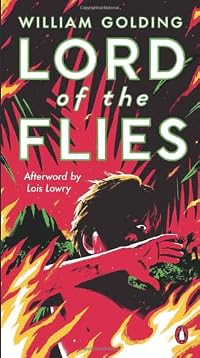
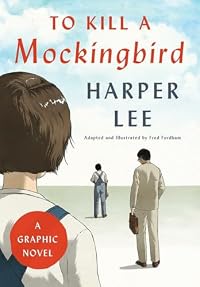
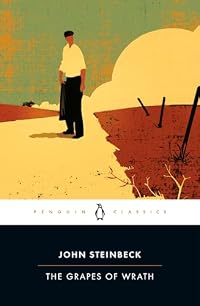
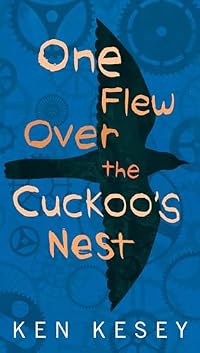
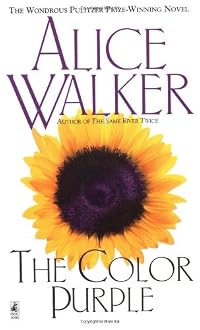
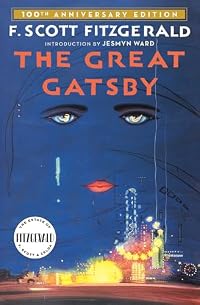
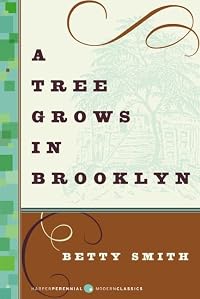
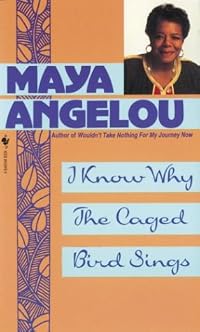
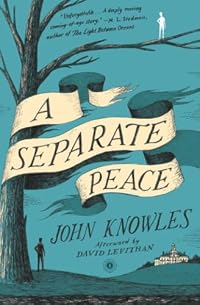
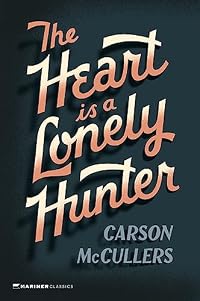
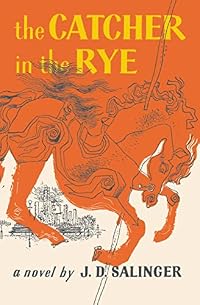
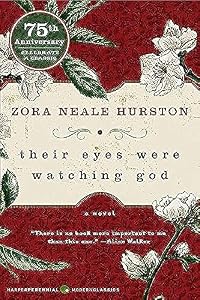

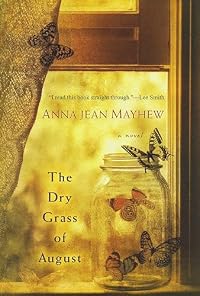
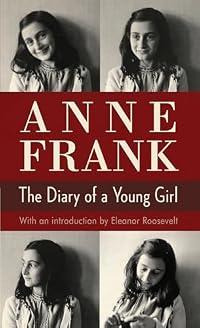
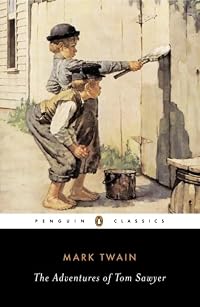
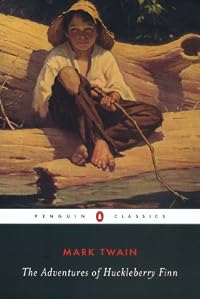
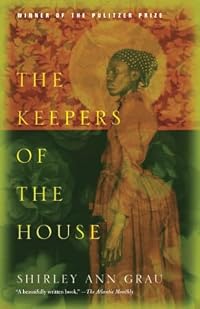
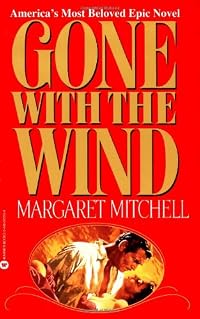
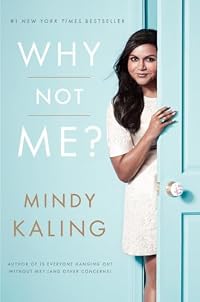
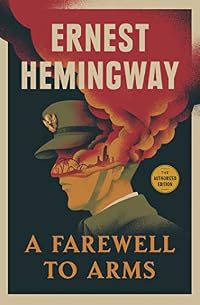
Member Recommendations
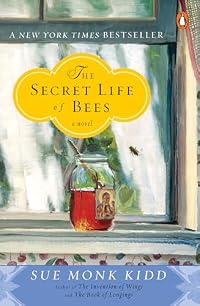
Caramellunacy Both stories are about a young girl in the South coming to terms with racism. Secret Life of Bees features an teenaged protagonist whereas To Kill a Mockingbird's Scout is quite a bit younger, but I thought there were themes that resonated between the two.
Also recommended by rosylibrarian
3115
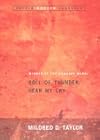
Caramellunacy Both stories about a young girl coming of age in the South and racial intolerance. Also both beautiful reads! To Kill a Mockingbird is told by Scout Finch - the daughter of the town lawyer called upon to defend an African-American man accused of rape. Roll of Thunder is told from the point of view of the daughter of a cotton-picking family who only slowly grows to realize the extent of prejudice her family faces.
Also recommended by anonymous user, anonymous user
184
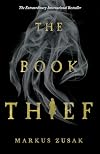
paulkid There are many similarities between these books. For example, a strong father-daughter relationship, where the father teaches by example by taking the moral high ground in protecting a persecuted minority - also kids that break down the barriers between secluded and socially awkward neighbors through books and sundry shenanigans.
2710
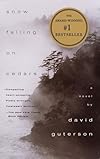
EerierIdyllMeme Very different novels exploring similar themes
163
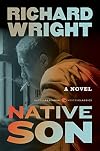
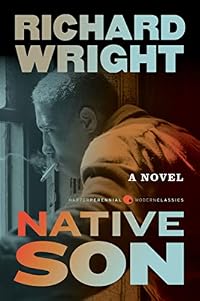
DanLovesAlice An African-American facing an uphill battle against a highly prejudiced jury and public. Wright, like Lee, explores the dangers of the stereotypes created by insular and ignorant societies.
110
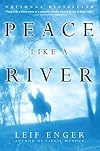
atimco These books share a precocious narrator, vital family relationships, and themes that are funny and sad and thought provoking all at the same time. Extremely well written and engaging.
101
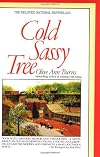
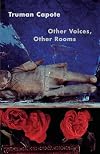
Othemts These books are two sides of the same coin of life in a small Alabama town. Where there's dignity and hope in Mockingbird, Other Voices is decadence and demoralization
80
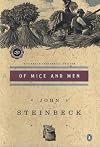
eclt83 Goodnight, Mr Tom is as touching as To kill a mockingbird. Problems in society causes pain for the weaker.
71
DLSmithies The settings and atmospheres of both books are very similar.
Also recommended by anonymous user
73

mysterymax This book also explores mob/vigilante thinking and is a classic in its own way.
51

lilithcat For the real story of race relations in Alabama in the thirties, read this autobiography of Haywood Patterson, one of several young black men judicially railroaded for the rape of two young white women, and sentenced to death. A national and international campaign ultimately resulted in their exonerations, but their lives had already been destroyed.
51
Sadie-rae_Kieran Similar setting, 1960's in the south. Deals with some similar issues as well,including racism/discrimination. Though sad at times, a beautiful and touching story.
40
drichpi Both beautifully told stories of middle school aged girls dealing with an emotionally trying time.
31
morryb Gives the country side of the same time period
Morryman84 Both are Southern Literature and both question the attitude toward race of the time. To Kill a Mockingbird would be the city version and "Run with the Horsemen would be the country version.
21
by anonymous user
JenniferRobb Lee's book is referenced within Gimenez's with parallels drawn between the cases that Finch tried and Fenney tried. Atticus Finch is a role model of Fenney's.
JuliaMaria Harper Lee hat nur zwei Bücher veröffentlicht. Das zweite - "Gehe hin, stelle einen Wächter" - erst mit 90 Jahren - auch wenn es schon früher geschrieben wurde. Es war die literarische Sensation des Jahres 2015.
44

vwinsloe Corruption, bigotry and injustice are not confined to a single country.

LMSKOMAL Written in classic storytelling style and from the point of view of children, Third Willow, like Harper Lee's popular novel, deals with the subtleties of societal problems, as relevant today as they were back in 1954. This novel transports the reader to a time long ago, to embrace, laugh, anguish and romp with children faced with problems that are common to most of us. What they lack in skills that only maturation can bring, they make up with in intrinsic wisdom and whimsy.
13

Member Reviews
A true American classic, Harper Lee's TO KILL A MOCKINGBIRD continues to be read and discussed by thoughtful readers of all ages nearly sixty years after she wrote it. Recently I began reading a related book called SCOUT, ATTICUS & BOO, a collection of reflections on both the book and the (equally classic) film. The pieces in that book were so filled with praise and comments about the book and its characters that I put that book down and went back to Lee's original text. I found that, given today's highly charged political atmosphere, TKaM, with its intense and dramatic treatment of racial hatred and references to the KKK, is just as relevant right now as it was when it was first published. I have seen the film version perhaps a half show more dozen times over the last fifty years, but I had not read the book since the 60s. It still works. I know it's a cliché, but this book will make you laugh and cry. Lee's subtle sense of humor shines through this very serious work repeatedly, and the deeply affecting relationships in the Finch family - Atticus, Scout and Jem - will make you weep. This is a beautiful book. A classic? Absolutely. My very highest recommendation.
- Tim Bazzett, author of the memoir, BOOKLOVER show less
- Tim Bazzett, author of the memoir, BOOKLOVER show less
This was fairly light-hearted, and surprisingly so. I knew practically nothing about this book going in, though pop-cultural osmosis had led me to believe that this was a moody and sombre book in the line of The catcher in the rye or Lord of the flies, only with more moralizing. I was wrong: To kill a mockingbird turned out to be much cuter than either of those.
I really liked it: it dealt with heavy issues calmly and accessibly, and between reading sessions I was especially looking forward to returning to the narrator’s voice -- she’s adorable! The goody-goody characters were suitably muted, the bad guys were suitably humanized; and all were contextualized and portrayed, not as characters in a moralizing tale (the tomboy with show more something to prove, the uneducated hick, the saintly bedrock of moral certainty), but real people. It also featured some tropes I like -- the mysterious and unseen neighbour, a courtroom trial, the contrast between a child’s perspective and adult reality.
The more I think about it, the more I realize that there isn’t really anything that I’d say is wrong with this book -- I can’t think of a single thing I’d want to be different. I wouldn’t go so far as saying that this is one of my favourite books, but it’s definitely one of those books that does everything right. To kill a mockingbird is simply perfect the way it is! show less
I really liked it: it dealt with heavy issues calmly and accessibly, and between reading sessions I was especially looking forward to returning to the narrator’s voice -- she’s adorable! The goody-goody characters were suitably muted, the bad guys were suitably humanized; and all were contextualized and portrayed, not as characters in a moralizing tale (the tomboy with show more something to prove, the uneducated hick, the saintly bedrock of moral certainty), but real people. It also featured some tropes I like -- the mysterious and unseen neighbour, a courtroom trial, the contrast between a child’s perspective and adult reality.
The more I think about it, the more I realize that there isn’t really anything that I’d say is wrong with this book -- I can’t think of a single thing I’d want to be different. I wouldn’t go so far as saying that this is one of my favourite books, but it’s definitely one of those books that does everything right. To kill a mockingbird is simply perfect the way it is! show less
Audio book narrated by Sissy Spacek
5***** and a ❤
Is this the quintessential American Novel? Will it stand the test of time as Mark Twain’s The Adventures of Huckleberry Finn has done? Time will tell.
I do know this, however. This is a singularly powerful novel that had a great impact on me when I first read it at age 13 (shortly after it was first published) and has never failed to move and inspire me as I’ve re-read it over the years (at least 20 times by now). It has touched generations of readers in the 50-something years since it was first released and remains high on many “must be read” lists.
There are many reasons for this. It’s a well-paced novel, a fast read with elements of suspense, family drama, humor and moral show more lessons. Scout is a wonderful narrator, both as a child and as an adult looking back on her childhood; and the fact that Lee was able to seamlessly move between these two viewpoints is a testament to her skill as a writer.
Many people feel this is a book about racism. I don’t think that is the core theme of the book, though it is the central plot device Lee uses. I think the major theme of the novel is personal integrity and courage – doing what you know is right when all about you seemingly disagree and even when it may be dangerous to do so, being true to your own moral compass, and instilling those values in your children by example not just words.
In this respect Atticus Finch shines as the protagonist of this work. He is a man of strong moral fiber, a man who is “the same in his house as he is on the public street,” a man “who was born to do our unpleasant jobs for us.” He embodies the lessons he tries to impart to his children: that courage is not a man with a gun in his hands but rather, “It’s when you know you’re licked before you begin but you begin anyway and you see it through no matter what.”
The novel aims a spotlight on a particular time and place in America’s history. Lee writes with clarity and colors this world for the reader with descriptions that put us squarely in Maycomb, Alabama circa 1935: Somehow it was hotter then: a black dog suffered on a summer’s day; bony mules hitched to Hoover carts flicked flies in the sweltering shade of the live oaks on the square. Men’s stiff collars wilted by nine in the morning. Ladies bathed before noon, after their three-o’clock naps, and by nightfall were like soft teacakes with frostings of sweat and sweet talcum.”
The minor characters, especially the women, are as richly drawn as the major players. I was struck by what a wide range of personalities, strengths, weaknesses and ethics Lee was able to express using characters such as Calpurnia, Aunt Alexandra, Helen Robinson, Mrs Grace Merriweather, Lula, Miss Maudie, Mrs Dubose, Miss Caroline and Mayella Ewell. Some of them appear for only a page or two, but they come alive on the page and remain in the reader’s memories.
The audio book is performed by Academy-Award-winning actress Sissy Spacek. She does an admirable job, though her accent is wrong. She is a Texan, and the Southern Alabama accent is softer than her twang. Still, by the second disc I had stopped noticing this, and allowed myself to be carried into the story by her expert reading.
*******
NOTE: The above is a fresh re-write in July 2015; compiled from notes I’ve taken over several re-reads: May 1998, July 2004, 14Aug2010, 22Oct2011, 07July 2013, 13July 2015.
Most recent re-read: 12 July 2024. show less
5***** and a ❤
Is this the quintessential American Novel? Will it stand the test of time as Mark Twain’s The Adventures of Huckleberry Finn has done? Time will tell.
I do know this, however. This is a singularly powerful novel that had a great impact on me when I first read it at age 13 (shortly after it was first published) and has never failed to move and inspire me as I’ve re-read it over the years (at least 20 times by now). It has touched generations of readers in the 50-something years since it was first released and remains high on many “must be read” lists.
There are many reasons for this. It’s a well-paced novel, a fast read with elements of suspense, family drama, humor and moral show more lessons. Scout is a wonderful narrator, both as a child and as an adult looking back on her childhood; and the fact that Lee was able to seamlessly move between these two viewpoints is a testament to her skill as a writer.
Many people feel this is a book about racism. I don’t think that is the core theme of the book, though it is the central plot device Lee uses. I think the major theme of the novel is personal integrity and courage – doing what you know is right when all about you seemingly disagree and even when it may be dangerous to do so, being true to your own moral compass, and instilling those values in your children by example not just words.
In this respect Atticus Finch shines as the protagonist of this work. He is a man of strong moral fiber, a man who is “the same in his house as he is on the public street,” a man “who was born to do our unpleasant jobs for us.” He embodies the lessons he tries to impart to his children: that courage is not a man with a gun in his hands but rather, “It’s when you know you’re licked before you begin but you begin anyway and you see it through no matter what.”
The novel aims a spotlight on a particular time and place in America’s history. Lee writes with clarity and colors this world for the reader with descriptions that put us squarely in Maycomb, Alabama circa 1935: Somehow it was hotter then: a black dog suffered on a summer’s day; bony mules hitched to Hoover carts flicked flies in the sweltering shade of the live oaks on the square. Men’s stiff collars wilted by nine in the morning. Ladies bathed before noon, after their three-o’clock naps, and by nightfall were like soft teacakes with frostings of sweat and sweet talcum.”
The minor characters, especially the women, are as richly drawn as the major players. I was struck by what a wide range of personalities, strengths, weaknesses and ethics Lee was able to express using characters such as Calpurnia, Aunt Alexandra, Helen Robinson, Mrs Grace Merriweather, Lula, Miss Maudie, Mrs Dubose, Miss Caroline and Mayella Ewell. Some of them appear for only a page or two, but they come alive on the page and remain in the reader’s memories.
The audio book is performed by Academy-Award-winning actress Sissy Spacek. She does an admirable job, though her accent is wrong. She is a Texan, and the Southern Alabama accent is softer than her twang. Still, by the second disc I had stopped noticing this, and allowed myself to be carried into the story by her expert reading.
*******
NOTE: The above is a fresh re-write in July 2015; compiled from notes I’ve taken over several re-reads: May 1998, July 2004, 14Aug2010, 22Oct2011, 07July 2013, 13July 2015.
Most recent re-read: 12 July 2024. show less
This is something like the third time I have read this classic, and is still lively and moving from Atticus's wit and wisdom to Scout's tomboy determination and the lurking threats of Boo Radley (revealed to be not a threat) and ingrained racism (revealed to be a real corruption). Full of vivid characters and a taut story, this will never be out of print. I recommend reading with or for it I am Scout: The Biography of Harper Lee.
Non ho un amore particolare nei confronti della letteratura americana, se si escludono i romanzi di genere, preferendo di gran lunga quella inglese e canadese, ma sono felice che Il buio oltre la siepe costituisca eccezione alla regola.
La penna di Harper Lee è limpida ed evocativa nel richiamare atmosfere che senza dubbio assumono valore di archetipo e che sono riconducibili bene o male all'infanzia di tutti noi. Tra queste ovviamente il passaggio tra l'infanzia e l'adolescenza e la scoperta di un mondo adulto ipocrita e meschino che nel romanzo assume la forma di un processo contro un uomo innocente. Nell'America che ancora soffre dei postumi della depressione, nel profondo sud dove la Guerra di Secessione è tutt'altro che un show more ricordo e dove i Ku Klux Klan incomincia appena a perdere il suo potere, un uomo innocente, se di colore, è per definizione colpevole, come dimostrerà l'ingiusto processo. Eppure il padre della narratrice accetta di assumerne la difesa, non perché convinto di vincere (sa che perderà), ma semplicemente perché è giusto. Così Jem e Scout, i suoi figli che sono i veri protagonisti della vicenda, non solo capiranno l'ipocrisia di una società dai valori morali dubbi, ma impareranno una lezione di gran lunga più importante attraverso le azioni del padre Atticus.
Ma oltre a essere un bildungsroman e una critica al razzismo il romanzo della Lee contiene un'altra tematica portante: ciò che più temiamo può essere la fonte della nostra salvezza. Non potendo essere più specifico per non rovinare l'unico colpo di scena della storia, posso solo invitare alla lettura.
Non ho timore nell'asserire che Il buio oltre la siepe sia un classico moderno che supererà la prova del tempo e forse il migliore prodotto della letteratura americana moderna. show less
La penna di Harper Lee è limpida ed evocativa nel richiamare atmosfere che senza dubbio assumono valore di archetipo e che sono riconducibili bene o male all'infanzia di tutti noi. Tra queste ovviamente il passaggio tra l'infanzia e l'adolescenza e la scoperta di un mondo adulto ipocrita e meschino che nel romanzo assume la forma di un processo contro un uomo innocente. Nell'America che ancora soffre dei postumi della depressione, nel profondo sud dove la Guerra di Secessione è tutt'altro che un show more ricordo e dove i Ku Klux Klan incomincia appena a perdere il suo potere, un uomo innocente, se di colore, è per definizione colpevole, come dimostrerà l'ingiusto processo. Eppure il padre della narratrice accetta di assumerne la difesa, non perché convinto di vincere (sa che perderà), ma semplicemente perché è giusto. Così Jem e Scout, i suoi figli che sono i veri protagonisti della vicenda, non solo capiranno l'ipocrisia di una società dai valori morali dubbi, ma impareranno una lezione di gran lunga più importante attraverso le azioni del padre Atticus.
Ma oltre a essere un bildungsroman e una critica al razzismo il romanzo della Lee contiene un'altra tematica portante: ciò che più temiamo può essere la fonte della nostra salvezza. Non potendo essere più specifico per non rovinare l'unico colpo di scena della storia, posso solo invitare alla lettura.
Non ho timore nell'asserire che Il buio oltre la siepe sia un classico moderno che supererà la prova del tempo e forse il migliore prodotto della letteratura americana moderna. show less
II had never read this book before, or seen the film with Gregory Peck, and all I knew about it was that there was a little girl whose lawyer father defended a black man who had been charged with raping a white woman, so the Boo Radley sub-plot came as a surprise to me. But once Scout and Jem found the presents he had been leaving for them in the tree, I somehow knew that he was going to end up saving the children from danger at some point in the story. I hadn't realised before reading it that the book was set as early as the mid 1930s, I had assumed it was set in the 1950s or thereabouts, nearer to the time of the civil rights movement.
It is so well written, capturing the thought processes of a child who sees everything that is going show more on, without really understanding the subtleties of adult behaviour and the hypocrisy of the townsfolk. Towards the end, when her teacher is praising the Jewish people and condemning Hitler for his prejudice without seeming to connect that with her own prejudice against the local black population, Scout's confusion is obvious even though she can't articulate it properly yet.
One thing that was really struck me was Atticus Finch telling his children that the worst thing you can do is to attack, con or steal from someone black (I've taken the book back to the library and can't remember exactly how he put it). When I thought about it I realised that he said this because in Alabama in the 1930s there was no way that a black person could retaliate in any way against a white person, without risking extreme and disproportionate consequences, so it was unfair of white people to take advantage of that.
I wonder why Harper Lee never wrote another novel. Maybe To Kill a Mockingbird was such a personal story that nothing could ever come up to its standard in her mind. show less
It is so well written, capturing the thought processes of a child who sees everything that is going show more on, without really understanding the subtleties of adult behaviour and the hypocrisy of the townsfolk. Towards the end, when her teacher is praising the Jewish people and condemning Hitler for his prejudice without seeming to connect that with her own prejudice against the local black population, Scout's confusion is obvious even though she can't articulate it properly yet.
One thing that was really struck me was Atticus Finch telling his children that the worst thing you can do is to attack, con or steal from someone black (I've taken the book back to the library and can't remember exactly how he put it). When I thought about it I realised that he said this because in Alabama in the 1930s there was no way that a black person could retaliate in any way against a white person, without risking extreme and disproportionate consequences, so it was unfair of white people to take advantage of that.
I wonder why Harper Lee never wrote another novel. Maybe To Kill a Mockingbird was such a personal story that nothing could ever come up to its standard in her mind. show less
The first time I read To Kill a Mockingbird was in high school in the 1980s. I was pleasantly surprised. Most of the literature we were required to read I never would have read on my own for enjoyment. The Great Gatsby. Moby Dick. The Old Man and the Sea. Red Badge of Courage. All great books...but I didn't identify with any of the characters. I read each one because I had to....not because I cared about the story in any way. To Kill a Mockingbird was different. I felt a connection with the characters and enjoyed the book so much I have re-read it many, many times since then.
Scout and Jem Finch live with their father, Atticus, in the south. Atticus is an attorney and state congressman. When Atticus defends a black man accused of raping show more a white woman, the court case causes division in the small town where they live. Scout, Jem and their friend Dill learn hard lessons about racism. There are also lighter coming-of-age moments -- like trying to make the recluse next door come out of his house. The kids are totally obsessed with Boo Radley.....a man who hasn't been seen outside his family's home in years and years.
I felt a connection with the kids in this story because I had many of the same questions that they express in the book. I never understood racism. I wasn't raised that way. My father would have worn me out with a paddle if I had ever used a racial slur or behaved less than kind to anyone for ignorant reasons like the color of their skin, religion, etc. And in the small midwest town where I grew up, racism was never out in the open, but an undercurrent that was hidden and not mentioned, but always there. Like the local men's civic club that didn't accept black members. Like the phone calls my father got when I went out in a group of friends that included black classmates. The teacher who handed a racist note to a white female student who was attending prom with a black classmate. I never understood all the hypocrisy. Especially when the racist nonsense was coming from people who were in church every Sunday. I didn't understand it then.....and I don't understand it now. I think that's why I love this book. It all comes down to one thing....one important life lesson that Atticus Finch's children learn: Do what is right. In life, some things are beyond our control. Things will not always go the way they should. And people will not always behave as they should. In all things, the only thing we can do, is make sure that we do what is right. It might not change the outcome in every situation, but at least at the end of the day, we have the knowledge that we faced the situation and did what was right. A person deserving of respect is someone who goes into a situation knowing that they have already lost the fight, but they endeavor to do right anyway. Atticus Finch was that sort of person and he raised his children that way as well. It makes for a powerful coming-of-age story.
I listened to the audiobook version of this novel. Narrated by Sissy Spacek, the audio is just over 12 hours long. Spacek reads at a nice pace and is easily understandable. I have partial hearing loss, but was easily able to hear and understand this entire book. I enjoyed Spacek's performance. She did a great job with Scout's voice and the various other characters.
To Kill a Mockingbird is the first book I've read/re-read from the 100 books featured in The Great American Read. Check out the list here: http://www.pbs.org/the-great-american-read/books/#/ show less
Scout and Jem Finch live with their father, Atticus, in the south. Atticus is an attorney and state congressman. When Atticus defends a black man accused of raping show more a white woman, the court case causes division in the small town where they live. Scout, Jem and their friend Dill learn hard lessons about racism. There are also lighter coming-of-age moments -- like trying to make the recluse next door come out of his house. The kids are totally obsessed with Boo Radley.....a man who hasn't been seen outside his family's home in years and years.
I felt a connection with the kids in this story because I had many of the same questions that they express in the book. I never understood racism. I wasn't raised that way. My father would have worn me out with a paddle if I had ever used a racial slur or behaved less than kind to anyone for ignorant reasons like the color of their skin, religion, etc. And in the small midwest town where I grew up, racism was never out in the open, but an undercurrent that was hidden and not mentioned, but always there. Like the local men's civic club that didn't accept black members. Like the phone calls my father got when I went out in a group of friends that included black classmates. The teacher who handed a racist note to a white female student who was attending prom with a black classmate. I never understood all the hypocrisy. Especially when the racist nonsense was coming from people who were in church every Sunday. I didn't understand it then.....and I don't understand it now. I think that's why I love this book. It all comes down to one thing....one important life lesson that Atticus Finch's children learn: Do what is right. In life, some things are beyond our control. Things will not always go the way they should. And people will not always behave as they should. In all things, the only thing we can do, is make sure that we do what is right. It might not change the outcome in every situation, but at least at the end of the day, we have the knowledge that we faced the situation and did what was right. A person deserving of respect is someone who goes into a situation knowing that they have already lost the fight, but they endeavor to do right anyway. Atticus Finch was that sort of person and he raised his children that way as well. It makes for a powerful coming-of-age story.
I listened to the audiobook version of this novel. Narrated by Sissy Spacek, the audio is just over 12 hours long. Spacek reads at a nice pace and is easily understandable. I have partial hearing loss, but was easily able to hear and understand this entire book. I enjoyed Spacek's performance. She did a great job with Scout's voice and the various other characters.
To Kill a Mockingbird is the first book I've read/re-read from the 100 books featured in The Great American Read. Check out the list here: http://www.pbs.org/the-great-american-read/books/#/ show less
Members
- Recently Added By
Lists

The Guardian's 1000 Novels Everyone Must Read
1,005 works; 546 members

1001 Books You Must Read Before You Die
1,448 works; 1,131 members

Classics you know you should have read but probably haven't
421 works; 407 members

Recommend the 20 best books you've read in the last five years
2,167 works; 601 members

Top-Rated Books on LibraryThing
272 works; 116 members
Pulitzer Prize Winners for Fiction
102 works; 54 members
BBC Big Read
191 works; 45 members
501 Must-Read Books
508 works; 71 members
Favourite Books
1,817 works; 316 members

Radcliffe's 100 Best Novel of the 20th Century
100 works; 32 members

Top Five Books of 2013
1,564 works; 722 members
Southern Fiction
212 works; 51 members

Great American Novels
158 works; 40 members
Historical Fiction
889 works; 89 members
Newsweek's Top 100 Books: The Meta-List
100 works; 18 members
Favorite Coming of Age Novels.
164 works; 51 members

Female Author
1,235 works; 66 members

The Top Ten: Writers Pick Their Favorite Books
240 works; 31 members

Best Young Adult
399 works; 101 members
20th Century Literature
1,161 works; 55 members
Literature About Social Class
134 works; 19 members
Banned Books Week 2014
268 works; 63 members
New York Public Library's Books of the Century
120 works; 20 members

Best Historical Fiction
620 works; 257 members
Female Protagonist
1,056 works; 56 members
Best Family Stories
241 works; 22 members
PBS The Great American Read
100 works; 21 members
Folio Society
831 works; 53 members
BBC's 100 Novels That Shaped Our World
100 works; 22 members

100 books to read in a lifetime
102 works; 37 members

child hero ~ adult novel
60 works; 12 members

Best high-school English books reread later in life
30 works; 21 members

Books I've Read More Than Once
602 works; 49 members
Time Magazine's "All-Time 100"
113 works; 15 members

NPRs your favorites: 100 Best Ever Teen Novels
237 works; 49 members

Best Crime Fiction
262 works; 39 members

The Guardian's 100 greatest novels of all time
100 works; 16 members
1960s, Best books published therein
254 works; 22 members
LibraryThingers' 1001 Books You Must Read Before You Die
442 works; 30 members

New York Public Library's Books of the Century - All
170 works; 14 members
Books That Changed Me
156 works; 47 members
Legal Stories
84 works; 12 members

Books That Made Me Cry
199 works; 105 members
Books Featured on Gilmore Girls
307 works; 21 members
BBC Big Read
100 works; 10 members

1001 Children's Books You Must Read Before You Grow Up
774 works; 101 members

Sense of place
156 works; 13 members

Best family sagas
244 works; 33 members
Readable Classics
110 works; 15 members
Banned or Challenged Books
400 works; 41 members
National Book Award Finalists - Fiction
377 works; 11 members
500 Great Books by Women
507 works; 60 members
Books tagged favorites
390 works; 30 members
Top 100 Mystery Novels of All Time
98 works; 9 members
Five star books
1,755 works; 107 members
Small Town Fiction
66 works; 13 members

Books You Read During High School (For School)
301 works; 53 members
The American Experience
173 works; 18 members
Time's All-Time 100 Novels
100 works; 27 members
NPRs Ultimate Backseat Bookshelf: 100 Must-Reads for kids 9-14
222 works; 30 members

1964 College Preparatory Reading List
202 works; 8 members
Blue Pyramid 1,276 Best Books of All Time
1,248 works; 32 members

Twentieth Century Greatest Hits
27 works; 11 members
Year 9 Reading List
29 works; 3 members
Literature About Women and Girls
391 works; 39 members
Mensa for Kids Excellence in Reading Award Program (Grades 9-12)
116 works; 5 members

Best Book Club Selections
26 works; 8 members
Fiction For Men
142 works; 11 members

Top Five Books of 2014
1,064 works; 397 members
Great Books Favorites
71 works; 6 members
Page Turners
185 works; 11 members
The Guardian's 100 Best Novels Written in English
105 works; 13 members
1,001 BYMRBYD Concensus
723 works; 27 members
Top Five Books of 2016
795 works; 229 members

Top Five Books of 2019
387 works; 107 members

A Novel Cure
742 works; 23 members
Ten Books That Have Stayed With Me
160 works; 30 members
Best of American Literature
146 works; 9 members

Pleasant Surprises: Books That Exceeded Our Expectations
418 works; 143 members

Books about characters you'd like to know
34 works; 15 members

NPRs audience picks: 100 best beach reads
105 works; 12 members
Banned and Challenged Books List
14 works; 3 members

Books Read in 2015
3,298 works; 129 members
TML 200 Best Books 1950-1999
202 works; 10 members
The Greatest Books
99 works; 5 members
Animals in the Title
498 works; 11 members
Books read by Charlie in "The Perks of Being a Wallflower"
12 works; 2 members
Jordan B. Peterson's Recommended Books
104 works; 5 members

Summer Reads 2014
207 works; 70 members
Top 100 to Read before you Die
109 works; 7 members
My list of 100 books to read next
100 works; 4 members

Best books read in 2011
200 works; 50 members

Carole's List
445 works; 13 members

1960s
281 works; 16 members

Publishing Triangle 100 Best Lesbian and Gay Novels
97 works; 6 members

Fake Top 100 Fiction
81 works; 4 members

Movie Adaptations
111 works; 4 members
Books Read in 2016
4,666 works; 199 members

Rory Gilmore Book Club
193 works; 5 members
Shannon's Read-Alikes List
71 works; 8 members
Best Domestic Fiction
77 works; 6 members

Top Five Books of 2015
811 works; 240 members
Best middle grade books
130 works; 23 members
the law is an ass
20 works; 5 members
Mensa for Kids Excellence in Reading Award Program (Grades 9-12)
116 works; 3 members
Books Set in Alabama
10 works; 5 members
The College Board: 101 Great Books Recommended for College-Bound Readers
111 works; 7 members
Good, Smart, Clean Fiction
46 works; 4 members
Best Books of the 20th Century
193 works; 5 members
USA Road Trip
50 works; 3 members

BBC Top Books
78 works; 3 members

100 books that changed the world
31 works; 2 members

SLJ's 100 Must-Have YA books
36 works; 2 members
Novels featuring Fathers
56 works; 7 members

Favorite books I've read
7 works; 4 members
CCE 1000 Good Books List
1,033 works; 12 members
Books Featured on Readers' Review of the Diane Rehm Show
161 works; 8 members
Books I've Read
40 works; 2 members

Huxley's reading log 2016
84 works; 3 members
Classics To read
2 works; 1 member
First Novels
373 works; 17 members
Overdue Podcast
803 works; 9 members

Publisher's Weekly Bestsellers - Part II - 1940 - 1979
355 works; 5 members

Books Read in 2020
4,379 works; 124 members
Literary Travelogue of the United States Challenge
133 works; 6 members
discontinued
24 works; 4 members
Books Set in Small Towns and Villages
278 works; 16 members

Elevenses
316 works; 87 members

Generation Joshua
115 works; 3 members
Racism and Race Relations in Literature
48 works; 9 members

My 100 Favorite Books of All Time
57 works; 2 members

Books Read in 2016
6 works; 1 member

Books I've read
87 works; 2 members
Books on my Kindle
162 works; 3 members

Accessible Classics
8 works; 1 member

Summer Books
82 works; 9 members

99 Bücher, die man gelesen haben muss
37 works; 1 member

Favorite Books from the 1960s
34 works; 3 members

Pageturners
40 works; 6 members

Books I Read in Middle School
18 works; 1 member

Romans
49 works; 1 member

Most Frequently Tagged "Read in 2015"
70 works; 1 member
American Lit for Eng 11 Research Project
368 works; 6 members
http://thegreatestbooks.org's Greatest Fiction Books
59 works; 1 member

Books Read in 2003
255 works; 7 members
Books Mentioned in The Wedding Planner's Daughter series
107 works; 2 members

Shelf 101
60 works; 1 member
Books to Reread Someday
53 works; 7 members
Want to Read — open list
55 works; 2 members

Race and Racism in America
23 works; 1 member
Read These Too
458 works; 9 members

Books Read in 2024
4,623 works; 126 members

Coming of Age
33 works; 1 member

Retrospective of 20th- and 21st-century literature
154 works; 1 member

Top Five Books of 2024
795 works; 264 members

Gen X Library
245 works; 4 members

Recommended Reading : 600 Classics Reviewed, Editors of Salem Press, 2015
634 works; 6 members
'Books You Can't Live Without: The Top 100', The Guardian, 2007
156 works; 7 members

Have read
18 works; 1 member
Our Favorite Banned Books
138 works; 122 members

Banned Books I have read
16 works; 2 members
Stephen King's 'On Writing' reading list
95 works; 4 members
Books We Love to Reread
688 works; 296 members
Best Audiobooks
240 works; 114 members
BitLife
212 works; 4 members
Banned Books
40 works; 2 members

Books That Changed Our Perspective
423 works; 166 members
DigitalDreamDoor top 300
300 works; 4 members
Five Star Novels
20 works; 2 members

Elaina's
183 works; 1 member

The Modern Library (The Two Hundred Best Novels....
202 works; 1 member
The Five Books That Represent Us
390 works; 147 members

GREAT 1960s BOOKS
37 works; 1 member
Top Five Books of 2025
950 works; 302 members
.
396 works; 1 member

A wishlist of books I will read in 2026
49 works; 1 member
NPR Books You Love: Books That Shaped You in High School
26 works; 1 member
School Made Us Read It
380 works; 196 members
Best literature ever!
39 works; 1 member
Books We Want To Read Again For The First Time
384 works; 160 members

Cancelled Books
78 works; 2 members
Books We Couldn't Put Down
443 works; 197 members
Wishlist
99 works; 1 member
.
194 works; 2 members
Widely acclaimed, one book per year
105 works; 3 members
The Complete Rory Gilmore Reading List
506 works; 5 members

Books mentioned in Vandermeer's Wonderbook
34 works; 2 members

Beautiful Feet Books
304 works; 7 members

100 knjiga
100 works; 1 member

Delete This List
18 works; 2 members

Hulk's Essential Reading List
38 works; 1 member
Novels/Poems/Short Stories/Anything Storytelling Related
112 works; 2 members
Books I Wish I’d Read as a Kid
32 works; 4 members

Books Read in 2013
1,629 works; 51 members
Best Book and Movie Combos
70 works; 11 members
Best books I read in 2013
152 works; 3 members
Books Tagged Small Town
58 works; 1 member
Put a Bird On It
75 works; 12 members
Tagged 20th Century
33 works; 4 members

Sonlight Books
1,487 works; 25 members
Talk Discussions
Current Discussions
To Kill a Mockingbird Group Read in 75 Books Challenge for 2013 (September 2025)
Past Discussions
TO KILL A MOCKINGBIRD BY HARPER LEE in 75 Books Challenge for 2013 (April 2017)
Author Information

56+ Works 103,540 Members
Nelle Harper Lee was born in Monroeville, Alabama on April 28, 1926. She studied law at the University of Alabama from 1945 to 1949, and spent a year as an exchange student in Oxford University, Wellington Square. She moved to New York where she worked as an airlines reservations clerk while pursuing a literary career. In 1959, she accompanied show more Truman Capote to Holcombe, Kansas, as a research assistant for Capote's novel In Cold Blood. Her first book, To Kill a Mockingbird, was published in 1960 and won the Pulitzer Prize for Fiction in 1961. The book was adapted as a feature film in 1962 and a London stage play in 1987. Her second book, Go Set a Watchman, was published in 2015. She died on February 19, 2016 at the age of 89. (Bowker Author Biography) show less
Some Editions
Awards and Honors
Awards
Distinctions
Notable Lists
BBC's Big Read (6)
Whitcoulls Top 100 Books (12 – 2008)
Whitcoulls Top 100 Books (9 – 2010)
Bulgarian Big Read (86)
Series
Belongs to Publisher Series
Miljoenenreeks (1)
New Windmill Series (96)
Work Relationships
Is contained in
Has the adaptation
Is abridged in
Reader's Digest Best Sellers 1963: To Kill a Mockingbird | Shoes of the Fisherman | Seven Days in May | To Catch an Angel by Reader's Digest
Reader's Digest Condensed Books 1960 v03: The Lovely Ambition / Trustee from the Toolroom / The Leopard / Village of Stars / To Kill a Mockingbird by Mary Ellen Chase
Reader's Digest Best Sellers 1961: To Kill a Mockingbird | Agony and the Ecstasy | Winter of our Discontent | Fate is the Hunter by John T. Beaudouin
Inspired
Has as a reference guide/companion
Has as a study
Has as a commentary on the text
Has as a student's study guide
Has as a teacher's guide
Common Knowledge
- Canonical title*
- Ne tirez pas sur l'oiseau moqueur
- Original title
- To Kill a Mockingbird
- Alternate titles*
- Spaar de spotvogel
- Original publication date
- 1960
- People/Characters
- Atticus Finch; Jeremy Atticus "Jem" Finch; Arthur "Boo" Radley; Charles Barker "Dill" Harris; Tom Robinson; Mayella Violet Ewell (show all 37); Bob Ewell (Robert E. Lee Ewell); Jean Louise "Scout" Finch; Nathan Radley; Caroline Fisher; Walter Cunningham; Burris Ewell; Maudie Atkinson; Stephanie Crawford; Zeebo; Eula May; Cecil Jacobs; Jack Finch; Alexandra Hancock (née Finch); Mrs. Henry Lafayette Dubose; Judge John Taylor; Heck Tate; Horace Gilmer; Doctor Reynolds; Dolphus Raymond; Link Deas; Reverend Skyes; Rachel Haverford; Braxton Bragg Underwood; Francis Hancock; Helen Robinson; Lula; Mrs. Merriweather; Jessie; Calpurnia [in To Kill a Mockingbird]; Chuck Little; Agnes Boone
- Important places
- Alabama, USA; Monroeville, Alabama, USA; Maycomb, Alabama, USA
- Important events
- Great Depression
- Related movies
- To Kill a Mockingbird (1962 | IMDb); To Kill a Mockingbird (1997 | IMDb)
- Epigraph
- Lawyers, I suppose, were children once.
~ Charles Lamb - Dedication
- For Mr. Lee and Alice
in consideration of Love & Affection - First words
- When he was nearly thirteen, my brother Jem got his arm badly broken at the elbow.
Please spare Mockingbird an Introduction. (From the Foreword by Harper Lee) - Quotations
- Shoot all the bluejays you want, if you can hit 'em, but remember it's a sin to kill a mockingbird.
People generally see what they look for, and hear what they listen for.
They're certainly entitled to think that, and they're entitled to full respect for their opinions, but before I can live with other folks I've got to live with myself. The one thing that doesn't abide by majority rule is a pe... (show all)rson's conscience.
Not from, but about To Kill a Mockingbird, with apologies:
Monroeville, Alabama
January, 1966
Editor, The News Leader:
Recently I have received echoes down this way of the Hanover County ... (show all)School Board’s activities, and what I’ve heard makes me wonder if any of its members can read.
Surely it is plain to the simplest intelligence that “To Kill a Mockingbird” spells out in words of seldom more than two syllables a code of honor and conduct, Christian in its ethic, that is the heritage of all Southerners. To hear that the novel is “immoral” has made me count the years between now and 1984, for I have yet to come across a better example of doublethink.
I feel, however, that the problem is one of illiteracy, not Marxism. Therefore I enclose a small contribution to the Beadle Bumble Fund that I hope will be used to enroll the Hanover County School Board in any first grade of its choice.
Harper Lee - Last words
- (Click to show. Warning: May contain spoilers.)He would be there all night, and he would be there when Jem waked up in the morning.
- Original language
- English
- Canonical DDC/MDS
- 813.54
- Canonical LCC
- PS3562.E353
- Disambiguation notice
- To Kill a Mockingbird, Reader's Digest, World's Best Reading, contains the complete text of the book, first published in 1960.
*Some information comes from Common Knowledge in other languages. Click "Edit" for more information.
Classifications
Statistics
- Members
- 89,653
- Popularity
- 11
- Reviews
- 1,556
- Rating
- (4.37)
- Languages
- 30 — Arabic, Bulgarian, Catalan, Chinese, Czech, Danish, Dutch, English, Estonian, Finnish, French, German, Greek, Hebrew, Hungarian, Indonesian, Italian, Japanese, Korean, Lithuanian, Norwegian (Bokmål), Polish, Romanian, Russian, Serbian, Croatian, Spanish, Swedish, Turkish, Portuguese (Brazil)
- Media
- Paper, Audiobook, Ebook
- ISBNs
- 357
- UPCs
- 5
- ASINs
- 352