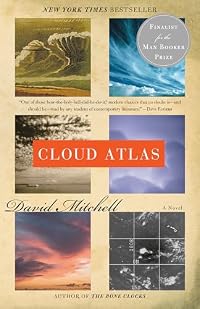
Cloud Atlas
by David Mitchell
On This Page
Description
Recounts the connected stories of people from the past and the distant future, from a nineteenth-century notary and an investigative journalist in the 1970s to a young man who searches for meaning in a post-apocalyptic world.Tags
Recommendations
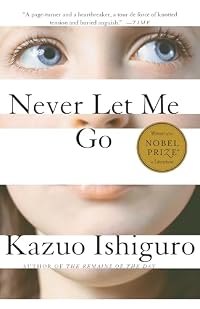
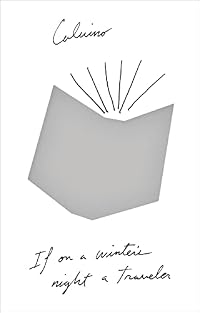
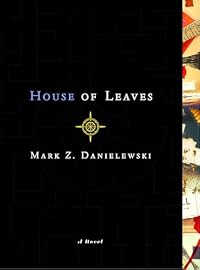
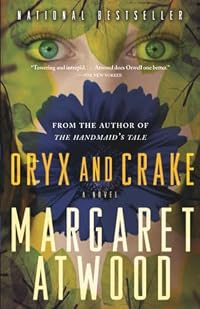

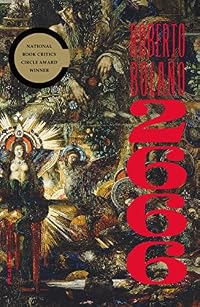
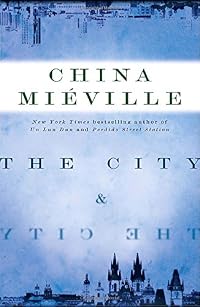
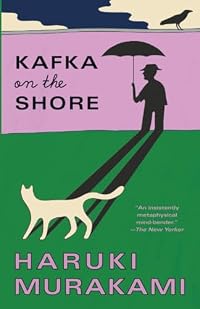
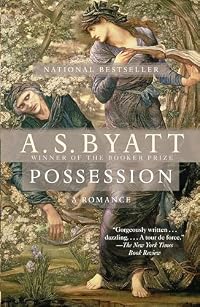
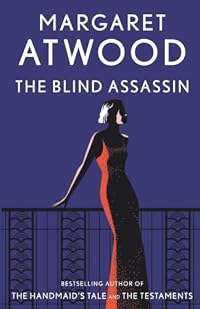
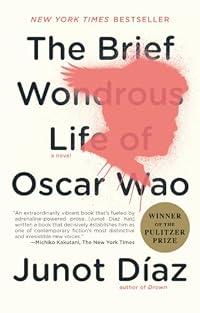
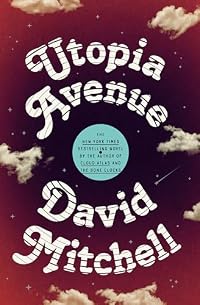
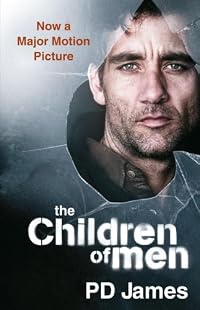
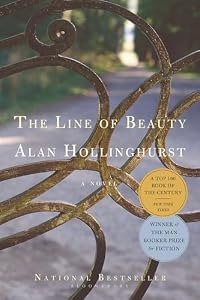
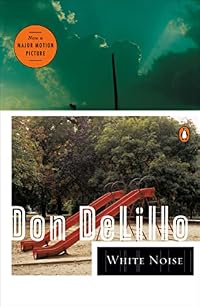
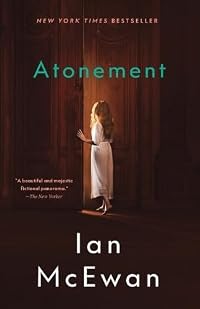
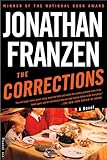
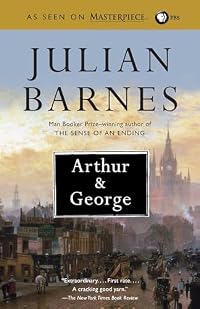
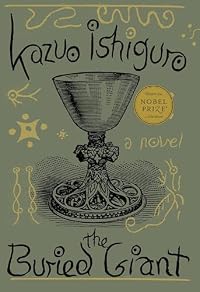
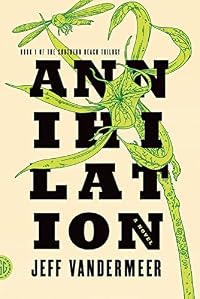
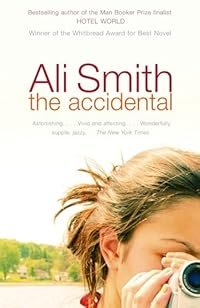
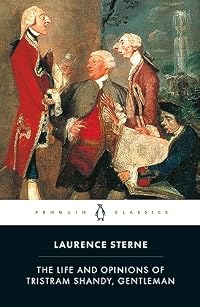
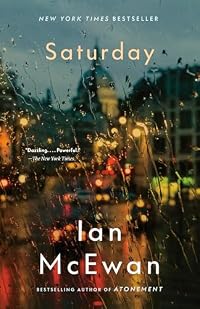
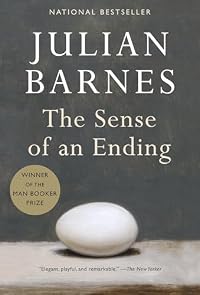
Member Recommendations
pgmcc Really enjoyable set of related stories with the author's well deomonstrated skill
152
Ludi_Ling Different yet both well-written approaches to meta-fiction.
132
PghDragonMan A theme of reincarnation used to balance Karma flows through the story.
Also recommended by TomWaitsTables
81
browner56 Highly imaginative works, particularly the phonetic recreations of the English language
51
jbvm Without giving anything away, after you've read both you'll understand my recommendation.
souloftherose Both novels are occasionally experimental in style with interconnected short stories. They are also both very good.
94
sturlington Both have unusual narrative structures and explore the theme of reincarnation.
Also recommended by JenMDB
42
nicole_a_davis Both have stories that span multiple time periods and are seemingly unconnected until the end.
rarm Girl Reading isn't as intricately constructed as Cloud Atlas, but both books use linked stories to carry a theme through the centuries and into the future.
10
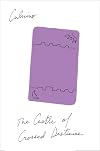
Ludi_Ling For those interested in disparate yet intertwining narratives of a somewhat fantastical nature.
10
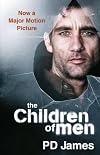
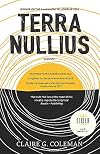
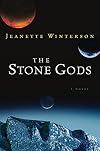
doryfish Both novels have a theme of eternal recurrence.
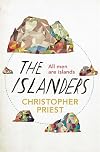
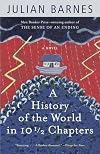
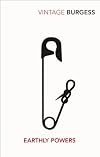
ZenonRobledo I have the feeling Earthly Powers by Anthony Burgess inspired David Mitchell when writing Cloud Atlas. Anyone else have thoughts on the matter?
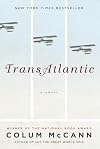
luciente Similar structure of nested stories
by alzo
bluepiano A more complex and more entertaining not to mention better novel using more subtly different styles drawn from genre stuff, witth disparate characters who've something in common.
jbvm Similar time-jumping format. You will like it. (Also, beautifully written.)
Member Reviews
Read the book – don’t see the movie. For those of you who saw The Wachowski’s film treatment of David Mitchell’s novel [Cloud Atlas], there is so much more waiting for you in its pages. Don’t misunderstand, the film was a grand gesture, taking a book that many people deemed unfilmable and giving it a visual treatment. It was epic, visually stunning, and challenging. But in the attempt to give Mitchell’s voice to the film, the Wachowski’s opted to slide in and out of the six nested stories rather than tell them in the order that Mitchell does. The result is herky-jerky at best, making it difficult to sink into any of the characters or stories, like the reader does
For the uninitiated, Mitchell’s novel offers six stories show more set in wildly different times and locales. Each account is told in a distinct voice that is consistent with the time and place of the story. He links each of the stories through some slight connection: a character that recurs or a manuscript from one character finds its way into the hands of a character from a different story. But the connections are deeper for Mitchell than these surface links. One person from each story bears an unusual birthmark in the shape of a comet. The suggestion is that these are reincarnated souls, living successive lives in different times, vaguely aware of their previous lives and connected to them in some way. Each of their stories is interrupted mid-stream for another, in one case, in the middle of a sentence.
Mitchell starts with Adam Ewing, a San Francisan sailing the Pacific in the mid-nineteenth century, who is the unwitting victim of a deceitful doctor. The doctor falsely diagnoses Ewing with a parasite so that he can slowly poison the man and rob him. Ewing journals the journey. Robert Frobisher, a young, down-on-his-luck musician and composer from the 1930’s, interrupts Ewing’s account. Frobisher seeks out a reclusive master composer and auditions as his amanuensis. He soon learns that their partnership is not at all equal, and begins composing his own work alone, the Clous Atlas Sextet. During his time in the composer’s home, Frobisher finds Ewing’s journal and reads it. He then sends his sextet, along with Ewing’s journal, to his friend, Sixsmith, to whom Frobisher’s story is told in the form of letters. Sixsmith reappears in the next story, a noirish mystery featuring Luisa Rey, a slightly radical journalist for a kiss-and-tell rag. In 1975, Rey meets Sixsmith, now an engineer, in an elevator, and he sets her onto a conspiracy surrounding the opening of a nuclear reactor. After Sixsmith is murdered, Rey collects Frobisher’s letters to him from Sixsmith’s motel room, and reads them, learning that she and Frobisher share the comet-like birthmark. Rey’s story makes its way to Timothy Cavendish, a publisher of no particular account. Cavendish reads Rey’s story as a submission for publication while he is on the run from the hoodlum brothers of another seedy author who believes that Cavendish owes him money. Mistakenly imprisoned in a Nurse Ratched-run nursing home, Cavendish must lead his cohorts on a daring and comical escape, one that he decides to chronicle in his own memoir. Somni-451, a fabricated clone in a dystopian world, recounts watching a film version of Cavendish’s story, while she is interrogated. Somni reveals her awakening at the hands of rebels who seek to abolish a corporate government that has enslaved the world in a forced consumer state. Further into the future, Zachary describes the world that resulted from Somni’s revolution, a world stripped of most civilization. Somni’s interrogation features prominently in Zachary’s world, as she has become a deity of sorts, and her interrogation a morality tale, encapsulating the principles of righteousness.
Zachary’s tale is the only one that isn’t interrupted, serving as a fulcrum to push the narrative back through the others, back to the beginning. In the conclusion of Ewing’s journal, as he describes his attacker’s confession, Mitchell’s theme is the most clear. The doctor tells Ewing, “The weak are meat, the strong do eat.” The victimization of each of the comet-marked souls in Mithchell’s novel is never more clear than with Ewing. It is a much more direct and intimate feast for the doctor. The constant predation of the human world was Mitchell’s point all along. While each of these characters are fed upon though, they also survive, each chipping away at the chains and offering the next incarnation a chance at survival.
Bottom Line: A story that transcends time and place, yet is firmly rooted in several times and places.
5 bones!!!!!
A favorite for the year. show less
For the uninitiated, Mitchell’s novel offers six stories show more set in wildly different times and locales. Each account is told in a distinct voice that is consistent with the time and place of the story. He links each of the stories through some slight connection: a character that recurs or a manuscript from one character finds its way into the hands of a character from a different story. But the connections are deeper for Mitchell than these surface links. One person from each story bears an unusual birthmark in the shape of a comet. The suggestion is that these are reincarnated souls, living successive lives in different times, vaguely aware of their previous lives and connected to them in some way. Each of their stories is interrupted mid-stream for another, in one case, in the middle of a sentence.
Mitchell starts with Adam Ewing, a San Francisan sailing the Pacific in the mid-nineteenth century, who is the unwitting victim of a deceitful doctor. The doctor falsely diagnoses Ewing with a parasite so that he can slowly poison the man and rob him. Ewing journals the journey. Robert Frobisher, a young, down-on-his-luck musician and composer from the 1930’s, interrupts Ewing’s account. Frobisher seeks out a reclusive master composer and auditions as his amanuensis. He soon learns that their partnership is not at all equal, and begins composing his own work alone, the Clous Atlas Sextet. During his time in the composer’s home, Frobisher finds Ewing’s journal and reads it. He then sends his sextet, along with Ewing’s journal, to his friend, Sixsmith, to whom Frobisher’s story is told in the form of letters. Sixsmith reappears in the next story, a noirish mystery featuring Luisa Rey, a slightly radical journalist for a kiss-and-tell rag. In 1975, Rey meets Sixsmith, now an engineer, in an elevator, and he sets her onto a conspiracy surrounding the opening of a nuclear reactor. After Sixsmith is murdered, Rey collects Frobisher’s letters to him from Sixsmith’s motel room, and reads them, learning that she and Frobisher share the comet-like birthmark. Rey’s story makes its way to Timothy Cavendish, a publisher of no particular account. Cavendish reads Rey’s story as a submission for publication while he is on the run from the hoodlum brothers of another seedy author who believes that Cavendish owes him money. Mistakenly imprisoned in a Nurse Ratched-run nursing home, Cavendish must lead his cohorts on a daring and comical escape, one that he decides to chronicle in his own memoir. Somni-451, a fabricated clone in a dystopian world, recounts watching a film version of Cavendish’s story, while she is interrogated. Somni reveals her awakening at the hands of rebels who seek to abolish a corporate government that has enslaved the world in a forced consumer state. Further into the future, Zachary describes the world that resulted from Somni’s revolution, a world stripped of most civilization. Somni’s interrogation features prominently in Zachary’s world, as she has become a deity of sorts, and her interrogation a morality tale, encapsulating the principles of righteousness.
Zachary’s tale is the only one that isn’t interrupted, serving as a fulcrum to push the narrative back through the others, back to the beginning. In the conclusion of Ewing’s journal, as he describes his attacker’s confession, Mitchell’s theme is the most clear. The doctor tells Ewing, “The weak are meat, the strong do eat.” The victimization of each of the comet-marked souls in Mithchell’s novel is never more clear than with Ewing. It is a much more direct and intimate feast for the doctor. The constant predation of the human world was Mitchell’s point all along. While each of these characters are fed upon though, they also survive, each chipping away at the chains and offering the next incarnation a chance at survival.
Bottom Line: A story that transcends time and place, yet is firmly rooted in several times and places.
5 bones!!!!!
A favorite for the year. show less
Reading Cloud Atlas is like doing a jigsaw puzzle: bits and pieces, fragments, clues coming together to create a surprising whole when completed. The trick is to scrutinize each puzzle piece and yet not lose track of the big picture. So I felt with David Mitchell's "nesting dolls" book, a collection of six stories that interlock one within the other. I had to analyze the text for clues and at the same time hang on for the ride that was the plot. Not a book you polish off in a single sitting, but a satisfying and thought-provoking read that you can't leave behind when you close the book on the last page.
The structure of Mitchell's book is unusual. In the first half of the book you climb a mesa a step at a time as you read the first half show more of each story. The middle chapter is the only one to not be divided. The second half of the book you descend back to ground level, reading the second half of each story in reverse order. Thus the analogy of matroyshka's or nesting dolls.
The book also seems to be divided in terms of the author’s focus. In the first half, the question is one of "ascension", the name given to the process of becoming civilized through the acquisition of increasingly complex language. The first story is a diary excerpt, a written form intended for oneself. The second is a series of letters: correspondence being the written communication between two people. Each story increases its scope to include an increasingly wider audience until we reach the recording of history itself. In addition, each chapter uses successively more difficult language, until we read a projection of what language might look like in the future. This section was of the most interest for me because of the questions it raised, questions about the linkages between both language and intelligence, and language and civilization. The second half of the book is about the effect of power on microcosms and on civilization as a whole. I found the passages about truth in history to be interesting, but found the message about absolute power corrupting societies absolutely to be a bit heavy handed, especially at the very end of the book.
The interlocking plots of the six stories are by turns interesting, humorous, and depressing. Although I enjoyed the stories, it is the ideas and the language that will remain with me. Some of the images invoked in the first half are perfect, and I found myself reading them again just to enjoy the language.
The stationmaster's whistle blew on time, the locomotive strained like a gouty proctor on the pot before heaving itself into motion.
Sometimes the fluffy bunny of incredulity zooms round the bend so rapidly that the greyhound of language is left, agog, in the starting cage.
Overall, I enjoyed Cloud Atlas for the clever structure, interesting plot line(s), and above all for the questions it raised about language, power, and civilization. show less
The structure of Mitchell's book is unusual. In the first half of the book you climb a mesa a step at a time as you read the first half show more of each story. The middle chapter is the only one to not be divided. The second half of the book you descend back to ground level, reading the second half of each story in reverse order. Thus the analogy of matroyshka's or nesting dolls.
The book also seems to be divided in terms of the author’s focus. In the first half, the question is one of "ascension", the name given to the process of becoming civilized through the acquisition of increasingly complex language. The first story is a diary excerpt, a written form intended for oneself. The second is a series of letters: correspondence being the written communication between two people. Each story increases its scope to include an increasingly wider audience until we reach the recording of history itself. In addition, each chapter uses successively more difficult language, until we read a projection of what language might look like in the future. This section was of the most interest for me because of the questions it raised, questions about the linkages between both language and intelligence, and language and civilization. The second half of the book is about the effect of power on microcosms and on civilization as a whole. I found the passages about truth in history to be interesting, but found the message about absolute power corrupting societies absolutely to be a bit heavy handed, especially at the very end of the book.
The interlocking plots of the six stories are by turns interesting, humorous, and depressing. Although I enjoyed the stories, it is the ideas and the language that will remain with me. Some of the images invoked in the first half are perfect, and I found myself reading them again just to enjoy the language.
The stationmaster's whistle blew on time, the locomotive strained like a gouty proctor on the pot before heaving itself into motion.
Sometimes the fluffy bunny of incredulity zooms round the bend so rapidly that the greyhound of language is left, agog, in the starting cage.
Overall, I enjoyed Cloud Atlas for the clever structure, interesting plot line(s), and above all for the questions it raised about language, power, and civilization. show less
Here is a clockwork puzzle of a novel, presenting five stories in sequence that each end prematurely until I was half expecting Italo Calvino to appear and begin addressing me in 2nd person. Not to worry, though - the endings come eventually. Stories are arranged chronologically, from historical fiction to science fiction, and gradually the linkages between them begin to appear. Much of the fun was in predicting what that linkage was going to be and how it would play out. For extra spice, each tale has been written in a different style: journal, letters, manuscript, film, interview, and oral history.
It's a technically virtuoso performance, intricate in its construction. Happily it is also nearly always straightforward and entertaining show more in its narrative. The novel concludes with some theory on civilization's cyclical development and collapse that Henry David Thoreau might have agreed with, after coming lightly laced with some eastern philosophy concerning reincarnation. It was a fun structure to encounter (once). Looking forward to the movie now that I have the novel under my belt. show less
It's a technically virtuoso performance, intricate in its construction. Happily it is also nearly always straightforward and entertaining show more in its narrative. The novel concludes with some theory on civilization's cyclical development and collapse that Henry David Thoreau might have agreed with, after coming lightly laced with some eastern philosophy concerning reincarnation. It was a fun structure to encounter (once). Looking forward to the movie now that I have the novel under my belt. show less
There was a big hoopla about this novel when it came out and, as I often do when that happens, I put it aside to read when things had quieted down. Sometimes those volumes fall through the cracks but, I'm quite happy to say, this one didn't. This may not be the best book I read this year, but it has a good chance of making the Final Four (as it were). Not only is it entertaining, it's captivating; it's the type of book you don't want to put down. Sure, part of this is that there are chapter cliffhangers, but most of it is simply good writing portraying characters you care about with themes that engage your attention.
There has been a lot of talk about the matryoshka doll structure of the book: six novellas nested inside each other, the show more first five split in half to contain the succeeding ones. This was interesting but, evidently, less so to me than to many other readers.
What I found much more thought-provoking was the structure's fractal nature. Each novella could stand in its own right as a story about greed and lust for power. Then, each novella referenced the chronologically preceding one as a side plot to tie them together into a larger novel that enriched those themes by adding a dimension of time and recurrence. Finally, there was a meta-story that Mitchell told, not in the plot lines themselves, but in the patterns drawn by those plots, that drove home Santayana's maxim about the fate of those who do not learn from history.
By speaking to us on so many levels simultaneously...by having each protagonist's tale echoed in the larger whole...Mitchell's message hums in the background of our minds even as we move between characters, stories and eras. It's very intelligently done.
If I have any quibbles about the book, it's that Mitchell got a little heavy-handed by the end. He seemed to lack confidence that the reader would catch what he was trying to say and resorted to having his first/last protagonist speechify to us. I felt a little let down and a little put off by this. I would rather he had just trusted his own, considerable powers of writing and a measure of intelligence on the part of his reader. What he wanted to say came through loud and clear long before that point.
Absolutely recommended. show less
There has been a lot of talk about the matryoshka doll structure of the book: six novellas nested inside each other, the show more first five split in half to contain the succeeding ones. This was interesting but, evidently, less so to me than to many other readers.
What I found much more thought-provoking was the structure's fractal nature. Each novella could stand in its own right as a story about greed and lust for power. Then, each novella referenced the chronologically preceding one as a side plot to tie them together into a larger novel that enriched those themes by adding a dimension of time and recurrence. Finally, there was a meta-story that Mitchell told, not in the plot lines themselves, but in the patterns drawn by those plots, that drove home Santayana's maxim about the fate of those who do not learn from history.
By speaking to us on so many levels simultaneously...by having each protagonist's tale echoed in the larger whole...Mitchell's message hums in the background of our minds even as we move between characters, stories and eras. It's very intelligently done.
If I have any quibbles about the book, it's that Mitchell got a little heavy-handed by the end. He seemed to lack confidence that the reader would catch what he was trying to say and resorted to having his first/last protagonist speechify to us. I felt a little let down and a little put off by this. I would rather he had just trusted his own, considerable powers of writing and a measure of intelligence on the part of his reader. What he wanted to say came through loud and clear long before that point.
Absolutely recommended. show less
“Spent the fortnight gone in the music room reworking my
year's fragments into a 'sextet for overlapping soloists': piano,
clarinet, 'cello, flute, oboe, and violin, each in its own language
of key, scale, and color. In the first set, each solo is interrupted
by its successor; in the second, each interruption is
recontinued, in order. Revolutionary or gimmicky? Shan't
know until it's finished, and by then it'll be too late.” (445)
This was a clever and enjoyable meditation on the nature of identity and subjecthood (cultural, economic, physical, emotional, political). One could even get really "meta" and discuss narrative's role in formulating subjects across the page for the reader. The characters in this novel are all rooted, not in show more reality, but on the foundations of past narrative. One of the opinions the novel has (working against Nietzsche's "eternal recurrence") is that we might retell our own stories, and thus, reappropriate power over our very own subjecthood:
"If we believe that humanity may transcend tooth & claw, if we believe divers races & creeds can share this world as peaceably as the orphans share their candlenut tree, if we believe leaders must be just, violence muzzled, power accountable & the riches of the Earth & its Oceans shared equitably, such a world will come to pass." (508)
Were moments a little schmaltzy? A few, but overall the novel pulls off it's uniqueness and surpasses mere gimmick. I recommend the book. I imagine a lot of the philosophical themes and emotional effects will not translate well to the film version, though I'm hopeful. show less
year's fragments into a 'sextet for overlapping soloists': piano,
clarinet, 'cello, flute, oboe, and violin, each in its own language
of key, scale, and color. In the first set, each solo is interrupted
by its successor; in the second, each interruption is
recontinued, in order. Revolutionary or gimmicky? Shan't
know until it's finished, and by then it'll be too late.” (445)
This was a clever and enjoyable meditation on the nature of identity and subjecthood (cultural, economic, physical, emotional, political). One could even get really "meta" and discuss narrative's role in formulating subjects across the page for the reader. The characters in this novel are all rooted, not in show more reality, but on the foundations of past narrative. One of the opinions the novel has (working against Nietzsche's "eternal recurrence") is that we might retell our own stories, and thus, reappropriate power over our very own subjecthood:
"If we believe that humanity may transcend tooth & claw, if we believe divers races & creeds can share this world as peaceably as the orphans share their candlenut tree, if we believe leaders must be just, violence muzzled, power accountable & the riches of the Earth & its Oceans shared equitably, such a world will come to pass." (508)
Were moments a little schmaltzy? A few, but overall the novel pulls off it's uniqueness and surpasses mere gimmick. I recommend the book. I imagine a lot of the philosophical themes and emotional effects will not translate well to the film version, though I'm hopeful. show less
"Souls cross ages like clouds cross skies."
What an ending to a fantastic story, told through separate narratives, written by different (fictional) authors, in a wild array of styles and dialects. From the 19th century colonial pacific, to early 20th century Belgium, to 1980s California, to futuristic capitalist South-Korean dystopia, to post-apocalyptic Hawaii, and back through time, all the while unveiling old mysteries and revealing new ones.
This book puts forth an argument, constantly, against greed, corruption, racism, and generally, human nature gone wrong. Individuals fight their little fights, their actions at times seeming futile; yet in the end, change starts within oneself. On the final pages of Cloud Atlas, Adam Ewing show more realizes this.
As the book ends where it begins, Ewing decides to become an abolitionist. He knows that he will be discouraged by his friends and family, who will call him a naive idealist:
"Only as you gasp your dying breath shall you understand, your life amounted to no more than one drop in a limitless ocean!"
Yet Adam has seen far too much, and he's discovered a poignant truth:
"Yet what is any ocean but a multitude of drops?" show less
What an ending to a fantastic story, told through separate narratives, written by different (fictional) authors, in a wild array of styles and dialects. From the 19th century colonial pacific, to early 20th century Belgium, to 1980s California, to futuristic capitalist South-Korean dystopia, to post-apocalyptic Hawaii, and back through time, all the while unveiling old mysteries and revealing new ones.
This book puts forth an argument, constantly, against greed, corruption, racism, and generally, human nature gone wrong. Individuals fight their little fights, their actions at times seeming futile; yet in the end, change starts within oneself. On the final pages of Cloud Atlas, Adam Ewing show more realizes this.
As the book ends where it begins, Ewing decides to become an abolitionist. He knows that he will be discouraged by his friends and family, who will call him a naive idealist:
"Only as you gasp your dying breath shall you understand, your life amounted to no more than one drop in a limitless ocean!"
Yet Adam has seen far too much, and he's discovered a poignant truth:
"Yet what is any ocean but a multitude of drops?" show less
It's a hugely ambitious book: Mitchell takes multiple short tales that span centuries and genres, then packs them together like Russian dolls and on top of all that, tenuously links them. It is almost like watching a man juggling 7 flaming chainsaws whilst blind-folded and standing on one leg, it looks great but you are pretty sure it's all going to end horribly. But no Mitchell astoundingly and seamlessly pulls this off: there are no bad stories, no hiccups in flow, no irritating transition between stories. It is an extremely satisfying book.
So how to actual summarise the story? well.. (warning contains minior spoilers).
The book opens as diary, written in 17th century in a Caribbean back water, by an American traveller stranded and show more waiting for ship repairs. We read of his prudish horror at the godlessness of sailors, his is musing on natives, his awfully polite Victorian dinner conversation and follow his adventurous misguided wanderings. All slightly tongue in cheek and much fun and I was thoroughly enjoying his naive adventures until the tale stop abruptly. In mid sentence no less and we realise this is just a referenced text in a series of 19th century letters from a poverty stricken composer to his old lover, which is enjoyable decadent romp until it stops and we realise these letters are being read by an investigative journalist involved in a deadly conspiracy in the 60s which in turn stops and we realise .... and on and on marching into further and further into the future.
It is a giddy, dizzying novel and one that makes you actually feel time stretching out all around you, which for me was the highlight of the book. In addition because of the nature of the structure a mirror effect is created as the stories are reflected and reframed in each other and later on themselves, enhancing and renewing the story. If you also consider the beautiful unreality gained by each tale being solely a story found in the next and the book becomes something special. A surreal house of cards that could almost be true but isn't.. a musing on possibilities and legacies. Of course post-modern techniques and philosophical ponderings aside this book works from a pure piece of great storytelling and because of that I highly recommend this book to well absolutely everyone. show less
So how to actual summarise the story? well.. (warning contains minior spoilers).
The book opens as diary, written in 17th century in a Caribbean back water, by an American traveller stranded and show more waiting for ship repairs. We read of his prudish horror at the godlessness of sailors, his is musing on natives, his awfully polite Victorian dinner conversation and follow his adventurous misguided wanderings. All slightly tongue in cheek and much fun and I was thoroughly enjoying his naive adventures until the tale stop abruptly. In mid sentence no less and we realise this is just a referenced text in a series of 19th century letters from a poverty stricken composer to his old lover, which is enjoyable decadent romp until it stops and we realise these letters are being read by an investigative journalist involved in a deadly conspiracy in the 60s which in turn stops and we realise .... and on and on marching into further and further into the future.
It is a giddy, dizzying novel and one that makes you actually feel time stretching out all around you, which for me was the highlight of the book. In addition because of the nature of the structure a mirror effect is created as the stories are reflected and reframed in each other and later on themselves, enhancing and renewing the story. If you also consider the beautiful unreality gained by each tale being solely a story found in the next and the book becomes something special. A surreal house of cards that could almost be true but isn't.. a musing on possibilities and legacies. Of course post-modern techniques and philosophical ponderings aside this book works from a pure piece of great storytelling and because of that I highly recommend this book to well absolutely everyone. show less
Members
- Recently Added By
Published Reviews
ThingScore 100
It felt like reading multiple stories from six different authors all on a common theme, yet all these disparate characters connect, their fates intertwine, and their souls drift across time like clouds across a globe.
added by gsc55 — edited by passion4reading
Cloud Atlas is powerful and elegant because of Mitchell's understanding of the way we respond to those fundamental and primitive stories we tell about good and evil, love and destruction, beginnings and ends. He isn't afraid to jerk tears or ratchet up suspense - he understands that's what we make stories for.
added by souloftherose
Lists

1001 Books You Must Read Before You Die
1,448 works; 1,131 members

The Guardian's 1000 Novels Everyone Must Read
1,005 works; 549 members

Best Contemporary Literary Fiction (Around the Last 30 Years)
388 works; 123 members

Best Historical Fiction
620 works; 261 members

Recommend the 20 best books you've read in the last five years
2,167 works; 599 members

Top Five Books of 2013
1,564 works; 716 members
Best Dystopias
280 works; 277 members

Best 21st Century Books (So Far)
670 works; 85 members

Best Science Fiction Novels
816 works; 429 members

Best Post-Apocalyptic Stories
143 works; 88 members

Favourite Books
1,817 works; 308 members

Best Fantasy Novels
821 works; 361 members
Favourite Booker Prize contenders
73 works; 21 members

Read the book and saw the movie
1,170 works; 192 members

Recommended Apocalyptic Novels
53 works; 24 members
Booker Prize
491 works; 61 members

The Guardian's 100 best books of the 21st century
100 works; 21 members
Favorite Long Books
330 works; 42 members
Historical Fiction
889 works; 91 members

Slipstream or Interstitial Fiction
160 works; 19 members

Best Books About Journeys and Quests
117 works; 30 members

Best books about books
209 works; 104 members

Metafiction
84 works; 20 members
Best of British Literature
226 works; 41 members

Dystopian and Apocalyptic Literature
350 works; 74 members
Booker Prize Shortlist: Titles Read
103 works; 10 members

Five star books
1,755 works; 107 members
Amazon's 100 Science Fiction & Fantasy Books to Read in a Lifetime
87 works; 23 members

Story Within a Story
65 works; 17 members

Top Five Books of 2014
1,064 works; 398 members
BBC Big Read
100 works; 10 members
One Book, Many Authors
441 works; 40 members

A Novel Cure
742 works; 23 members

100 New Classics
101 works; 13 members

40 Books to Read Before You’re 40
40 works; 4 members
Arthur C. Clarke Award Winners and Shortlisted Books
219 works; 14 members
Ten Books That Have Stayed With Me
160 works; 29 members

Books tagged favorites
390 works; 30 members

Experimental Literature
141 works; 18 members

BBC Radio 4 Bookclub
300 works; 13 members

Speculative Fiction: Slipstream Literature
166 works; 16 members

1,001 BYMRBYD Concensus
723 works; 27 members

Stories of Immortality and Reincarnation
17 works; 5 members

Books Read in 2017
4,248 works; 129 members

2000s decade
85 works; 7 members

Books Read in 2005
173 works; 7 members

What are your favourite books?
121 works; 11 members

SomethingAwful TBB BOTM
66 works; 2 members

Man Booker Prize Longlist 2004
22 works; 2 members

Top 50 Favourite Books
50 works; 2 members

An End of the World Reading List
63 works; 4 members

A's favorite novels
100 works; 3 members

Favourite Discoveries Through LT
12 works; 2 members

Books Read in 2016
4,666 works; 197 members

Evan's Reading List 2020
12 works; 1 member

Books Read in 2020
4,379 works; 124 members

Reading Group 2012 Fall
8 works; 1 member
Overdue Podcast
800 works; 9 members

SHOULD Read Books!
354 works; 9 members
Books Read in 2015
3,298 works; 126 members
Speculative Fiction to Read
706 works; 32 members

NYT Readers best of 21st C
100 works; 8 members
'Books You Can't Live Without: The Top 100', The Guardian, 2007
156 works; 7 members

.
184 works; 1 member
Top Book of the Year - 2000s
10 works; 1 member

Retrospective of 20th- and 21st-century literature
154 works; 1 member
The Complete Rory Gilmore Reading List
506 works; 5 members
Widely acclaimed, one book per year
105 works; 3 members
Books We Couldn't Put Down
443 works; 197 members
Books We Love to Reread
688 works; 296 members
Books We Want To Read Again For The First Time
384 works; 160 members

Books We Discovered On LibraryThing
530 works; 130 members

In-Yun: Historias de Amores Escritos en las Estrellas
11 works; 1 member
Favorite Science Fiction
448 works; 214 members

04
34 works; 1 member
NYT 100 best books of 21st C
100 works; 31 members

Books discovered on LibraryThing
256 works; 35 members

living room bookshelf
150 works; 1 member

Same Title
115 works; 3 members

Books Read in 2012
815 works; 34 members

2000s (the decade, not the century)
184 works; 9 members
Fate vs. Free Will
63 works; 8 members
BingoDOG - Genre Benders
74 works; 14 members

KayStJ's to-read list
1,616 works; 11 members

Biggest Disappointments
606 works; 164 members
BBC World Book Club
261 works; 5 members

Significant works of postmodern fiction
86 works; 25 members

History in the long view
55 works; 3 members

PASTE magazine The 50 Best Fantasy Books of the 21st Century (So Far)
15 works; 1 member

10 books Bill Gates wants you to read 2020
12 works; 1 member

Books Read in 2021
5,361 works; 113 members

Books With Water Words in the Title
186 works; 12 members

Books We Resisted Reading
173 works; 102 members

Unread books
1,063 works; 82 members
Talk Discussions
Past Discussions
Cloud Atlas Group Read: Spoiler Thread Week Two in 75 Books Challenge for 2011 (October 2020)
Chat about... Cloud Atlas by David Mitchell in The SF&F Book Chat (March 2013)
Cloud Atlas Group Read: Spoiler Thread Week One in 75 Books Challenge for 2011 (January 2011)
Cloud Atlas Group Read: General Discussion Thread in 75 Books Challenge for 2011 (January 2011)
Author Information

Some Editions
Awards and Honors
Awards
Distinctions
Notable Lists
Series
Belongs to Publisher Series
Work Relationships
Is contained in
Contains
Has the adaptation
Common Knowledge
- Canonical title
- Cloud Atlas
- Original title
- Cloud Atlas
- Original publication date
- 2004-03
- People/Characters
- Adam Ewing; Robert Frobisher; Luisa Rey; Timothy Cavendish; Sonmi~451; Zach'ry (show all 12); Eva van Crommelynck; Roses; Adam; Meronym; Old Georgie; Elijah D'Arnoq
- Important places
- Chatham Islands, New Zealand; Zedelghem, West Flanders, Belgium; Buenas Yerbas, California, USA; England, UK; Nea So Copros; Hawai'i, USA (show all 12); New Zealand; United Kingdom; Pacific Ocean; Korea; Mauna Kea Iki; Sceptre
- Related movies
- Cloud Atlas (2012 | IMDb)
- Dedication
- For Hana and her grandparents.
- First words
- Beyond the Indian hamlet, upon a forlorn strand, I happened on a trail of recent footprints.
- Quotations
- Oh, once you've been initiated into the Elderly, the world doesn't want you back.
Sometimes the fluffy bunny of incredulity zooms around the bend so rapidly that the greyhound of language is left, agog, in the starting cage.
The stationmaster's whistle blew on time, the locomotive strained like a gouty proctor on the pot before heaving itself into motion.
"Are you mad?"
Always a trickier question than it looks. "I doubt it."
Souls cross ages like clouds cross skies.
Old Uns' tripped their own Fall... Yay, Old Uns' Smart mastered sicks, miles, seeds an' made miracles ord'nary, but it din't master one thing, nay, a hunger in the hearts o' humans, yay, a hunger for more. (p. 272) (show all 8)
In an individual, selfishness uglifies the soul; for the human species, selfishness is extinction. (p. 508)
... your life amounted to no more than one drop in a limitless ocean! Yet what is any ocean but a multitude of drops? (p. 509) - Last words
- (Click to show. Warning: May contain spoilers.)Yet what is any ocean but a multitude of drops?
- Blurbers
- Chabon, Michael; Byatt, A. S.; Hensher, Philip; Jordan, Justine; Ratcliffe, Sophie; Leith, Sam (show all 11); Maunsell, Jerome Boyd; Mukherjee, Neel; Thorne, Mat; Norfolk, Lawrence; Eggers, Dave
- Original language
- English UK
- Canonical DDC/MDS
- 823.92
- Canonical LCC
- PR6063.I785
Classifications
Statistics
- Members
- 19,552
- Popularity
- 301
- Reviews
- 717
- Rating
- (4.10)
- Languages
- 20 — Bosnian, Czech, Danish, Dutch, English, Estonian, Finnish, French, German, Hungarian, Italian, Lithuanian, Norwegian (Bokmål), Polish, Romanian, Russian, Spanish, Turkish, Portuguese (Portugal), Chinese, traditional
- Media
- Paper, Audiobook, Ebook
- ISBNs
- 106
- UPCs
- 1
- ASINs
- 44