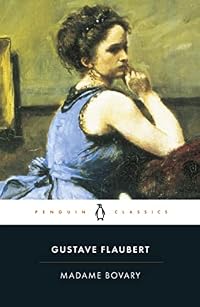
Madame Bovary
by Gustave Flaubert 
On This Page
Description
Madame Bovary became notorious and a bestseller after Gustave Flaubert was acquitted from charges of obscenity in 1856. It details the many adulterous affairs and extravagances of Emma Bovary, a provincial doctor's wife. Her behaviour explores the banality and emptiness of rural life.Flaubert considered himself a perfectionist, which is mirrored in the immaculate style of his writing. Madame Bovary is still considered one of the greatest literary texts of all time.
.
Tags
Recommendations


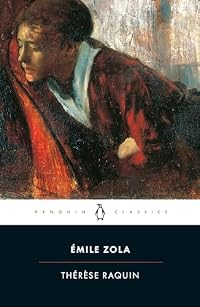
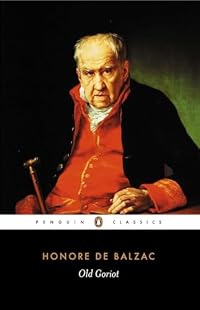
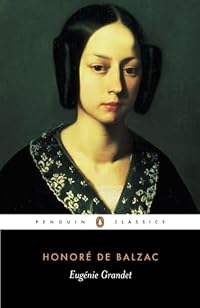
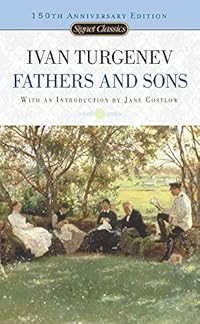



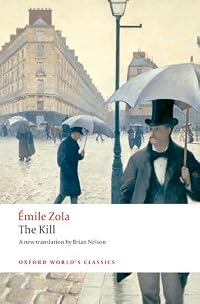
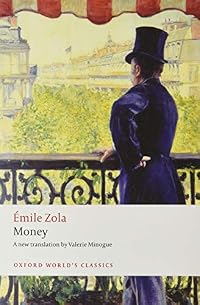
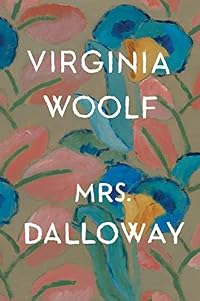
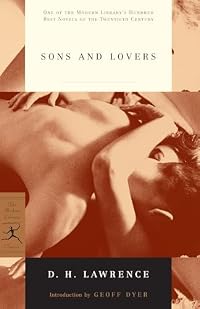
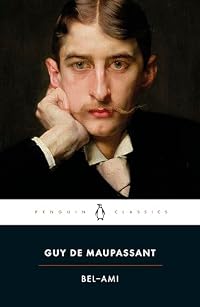


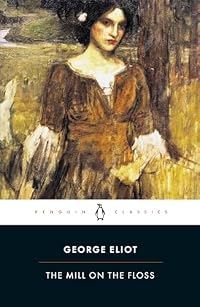


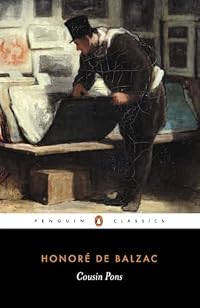
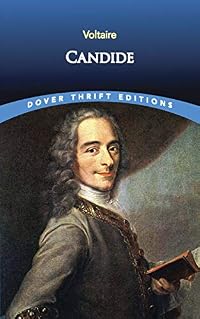



Member Recommendations
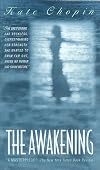
StarryNightElf This is the American version of Madame Bovary - set in turn of the century Louisiana.
120

DLSmithies Don Quixote was Flaubert's favourite book, and I've read somewhere that the idea of Madame Bovary is to re-tell the story of Don Quixote in a different context. Don Quixote is obsessed with chivalric literature, and immerses himself in it to the extent that he loses his grip on reality. Emma Bovary is bewitched by Romantic literature in the same way. There are lots of parallels between the two novels, and I think putting them side by side can lead to a better understanding of both.
122
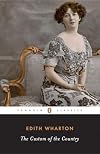
Limelite Essentially the same greedy, social climbing woman who gets herself into money troubles and manipulates men to get out of them -- but with more success. Similar commentary on society, but instead of the bourgeoisie of village France it's the upper crust of NYC of nearly the same time but without the trenchant humor of Flaubert.
90
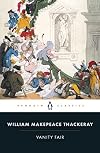
HollyMS Both works are about women who would do anything to gain a life of luxury.
90
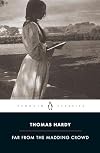



browner56 The stories of two women, separated by 150 years, who search desperately for something they never find. Flaubert's legendary protaganist is the role model for Vargas Llosa's "bad girl".
21



soylentgreen23 'Mrs Craddock' evidently shares a lot in common with Flaubert's masterpiece, especially in terms of its representation of a woman married to a dull man, who wishes to have a renewed taste of passion, despite the likely terrible consequences.
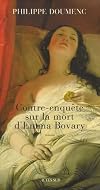

Victorian Murderesses: A True History of Thirteen Respectable French and English Women Accused of Unspeakable Crimes by Mary S. Hartman
susanbooks Flaubert based Emma, in part, on one of the women profiled in this really great book.
01


potenza Man Booker Intl finalist. Woman on the edge. Brutally feminist.
01

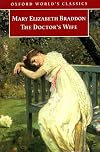
Lapsus_Linguae Both heroines love novels and wish to lead an adventurous life but instead, they both get married to down-to-earth medical men who, despite a sincere affection, never understand them.
Member Reviews
Flaubert’s Madame Bovary sits askew between fading religious conscience and exacerbating moral corruption. Initially deluded by the fairytale idea of marriage, together with the assumed social status that accompanies it, Emma Bovary soon learns of the reality made worse by her husband’s glaring flaws of extreme meekness and dullness. With this infuriating reality, Madame Bovary—imprisoned and choked—can’t make room for compromise and so she turns and looks for doors to leave. Once, she mourns having a daughter due to the financial and social restrictions of the fairer sex. On others, she creates the doors which lead to temporary respite and pleasures that doubly delude her for their potential promises. Adultery and show more extravagance delight in their volatility. And as debts and heartbreaks accumulate in this almost soap opera, Flaubert never forgets the suspense of being caught nor the complexity of his characters’ emotions. He surprises chapter by chapter. The desperation and motivation sharpen the narrative; the marriage is obscurely dysfunctional, the social status crumbles before it has a chance to raise itself. Yet no one is entirely blameworthy and villainous here. No secret can be hidden forever here. These are the cost of lies; their inevitable repercussions. Madame Bovary revolves around the multifaceted intentions of selfishness. The sadness that clings upon its edges falls down the stairwell of poisonous regrets. Both a religiously predisposed and lethally tragic classic. show less
This was a highly scandalous novel when it first came out 150 years ago - so much so that Flaubert even had to answer in court for writing an "obscene" novel. If you look merely at content, that seems ridiculous today and should even have seemed ridiculous then; the sex scenes are so tame that it's hard to imagine anyone taking offense even in 19th-century France. But the scandalous - the bit that still puzzles slightly today, though many others have followed suit - isn't in what happens but in how it's presented. Madame Bovary looks like a morality tale; a woman cheats on her husband, loses his money, and pays the price of sin. I suppose it can still be read like that if one absolutely wants to, but the novel itself doesn't insist upon show more it. Flaubert doesn't pick sides, he doesn't editorialise (much), he merely narrates, and when the end comes Emma doesn't repent. There's no punishment in hell, no reward in heaven, just people messing up.
He made a post-mortem and found nothing.
In fact, I'd say that the only thing approaching a moral in this story comes in the epilogue, where the fool (well, everyone's a fool in this...) Homais gets the only happy ending, having done absolutely nothing to deserve it.
There's another way to read this: while it would indeed be difficult to argue that Madame Bovary is a feminist work, it's interesting to ask: just what is expected of Emma, anyway? Almost every single woman in the novel is stuck in one (or both) of two roles: as a loyal wife, or as a lowly servant. Again, let's remember the old woman getting a medal at the agricultural show:
Then there came forward on the platform a little old woman with timid bearing, who seemed to shrink within her poor clothes. On her feet she wore heavy wooden clogs, and from her hips hung a large blue apron. Her pale face framed in a borderless cap was more wrinkled than a withered russet apple. And from the sleeves of her red jacket looked out two large hands with knotty joints, the dust of barns, the potash of washing the grease of wools had so encrusted, roughened, hardened these that they seemed dirty, although they had been rinsed in clear water; and by dint of long service they remained half open, as if to bear humble witness for themselves of so much suffering endured. Something of monastic rigidity dignified her face. Nothing of sadness or of emotion weakened that pale look. In her constant living with animals she had caught their dumbness and their calm. It was the first time that she found herself in the midst of so large a company, and inwardly scared by the flags, the drums, the gentlemen in frock-coats, and the order of the councillor, she stood motionless, not knowing whether to advance or run away, nor why the crowd was pushing her and the jury were smiling at her.
Thus stood before these radiant bourgeois this half-century of servitude.
That's an ideal to be rewarded, apparently. And while that's the extreme end of the scale - Emma is pretty privileged, after all, especially for a farmer's daughter - it's not really a world that lends itself to dreaming of something better. Flaubert makes quite a lot of little wry asides about the roles of both gender (like when he describes Rodolphe's treatment of Emma as a "consequence of that natural cowardice that characterises the stronger sex") and class, and all of it points to one thing: Emma is a hopeless romantic trapped in a realistic world, and has no clue how to get out of it. Her ideals are simply too lofty, too unrealistic for someone in her position - she doesn't fit in anywhere. She keeps chasing one thing after another - love, religion, material wealth, sex - and not one of them turns out to make her happy.
[Léon] was bored now when Emma suddenly began to sob on his breast, and his heart, like the people who can only stand a certain amount of music, dozed to the sound of a love whose delicacies he no longer noted.
They knew one another too well for any of those surprises of possession that increase its joys a hundred-fold. She was as sick of him as he was weary of her. Emma found again in adultery all the platitudes of marriage.
Which ties into the complaint that a lot of people have with the novel: that it's hard to make yourself care about any of the characters. Basically, there's not really one single character here to root for; Charles is an incompetent but well-meaning fool, Emma is a reckless dreamer, Homais is a clueless know-it-all, etc. They're all excellently drawn, with just enough exaggeration to occasionally make for great satire, but they're far from likable. Which shouldn't be a prerequisite, of course, but... Now, I really love Flaubert's writing style, even if he occasionally gets bogged down in detail, and there are passages here that absolutely burn on the page (the coach ride, for instance - there's a reason that's a classic) and others which make me laugh out loud; ol' Gustave had a way with dry irony, and there's a lot of humour to be found in the ridiculous but all-too-normal situations everyone finds themselves in. But at the same time, when we know how it's going to end and we don't really sympathize with the characters enough to want to know exactly how they get there, it tends to drag a bit, especially in Part II. We're still conditioned to expect some sort of dramatic pay-off in fiction, and when it all just slowly falls apart with no great twists or turns we tend to call it "boring" rather than "realistic."
At the end, Charles blames fate for everything. It's described as "the only fine phrase he ever made", and then immediately undercut by Rodolphe who correctly observes that he is partly responsible, not fate. At best, Madame Bovary is a rather brilliant character drama which leaves it up to the reader to decide who was right or wrong. Nobody's a hero, nobody really manages to change anything, people just go about their business... and when they run into each other, they tend to stumble and fall. As another great writer put it - "You are right from your side, and I am right from mine." show less
He made a post-mortem and found nothing.
In fact, I'd say that the only thing approaching a moral in this story comes in the epilogue, where the fool (well, everyone's a fool in this...) Homais gets the only happy ending, having done absolutely nothing to deserve it.
There's another way to read this: while it would indeed be difficult to argue that Madame Bovary is a feminist work, it's interesting to ask: just what is expected of Emma, anyway? Almost every single woman in the novel is stuck in one (or both) of two roles: as a loyal wife, or as a lowly servant. Again, let's remember the old woman getting a medal at the agricultural show:
Then there came forward on the platform a little old woman with timid bearing, who seemed to shrink within her poor clothes. On her feet she wore heavy wooden clogs, and from her hips hung a large blue apron. Her pale face framed in a borderless cap was more wrinkled than a withered russet apple. And from the sleeves of her red jacket looked out two large hands with knotty joints, the dust of barns, the potash of washing the grease of wools had so encrusted, roughened, hardened these that they seemed dirty, although they had been rinsed in clear water; and by dint of long service they remained half open, as if to bear humble witness for themselves of so much suffering endured. Something of monastic rigidity dignified her face. Nothing of sadness or of emotion weakened that pale look. In her constant living with animals she had caught their dumbness and their calm. It was the first time that she found herself in the midst of so large a company, and inwardly scared by the flags, the drums, the gentlemen in frock-coats, and the order of the councillor, she stood motionless, not knowing whether to advance or run away, nor why the crowd was pushing her and the jury were smiling at her.
Thus stood before these radiant bourgeois this half-century of servitude.
That's an ideal to be rewarded, apparently. And while that's the extreme end of the scale - Emma is pretty privileged, after all, especially for a farmer's daughter - it's not really a world that lends itself to dreaming of something better. Flaubert makes quite a lot of little wry asides about the roles of both gender (like when he describes Rodolphe's treatment of Emma as a "consequence of that natural cowardice that characterises the stronger sex") and class, and all of it points to one thing: Emma is a hopeless romantic trapped in a realistic world, and has no clue how to get out of it. Her ideals are simply too lofty, too unrealistic for someone in her position - she doesn't fit in anywhere. She keeps chasing one thing after another - love, religion, material wealth, sex - and not one of them turns out to make her happy.
[Léon] was bored now when Emma suddenly began to sob on his breast, and his heart, like the people who can only stand a certain amount of music, dozed to the sound of a love whose delicacies he no longer noted.
They knew one another too well for any of those surprises of possession that increase its joys a hundred-fold. She was as sick of him as he was weary of her. Emma found again in adultery all the platitudes of marriage.
Which ties into the complaint that a lot of people have with the novel: that it's hard to make yourself care about any of the characters. Basically, there's not really one single character here to root for; Charles is an incompetent but well-meaning fool, Emma is a reckless dreamer, Homais is a clueless know-it-all, etc. They're all excellently drawn, with just enough exaggeration to occasionally make for great satire, but they're far from likable. Which shouldn't be a prerequisite, of course, but... Now, I really love Flaubert's writing style, even if he occasionally gets bogged down in detail, and there are passages here that absolutely burn on the page (the coach ride, for instance - there's a reason that's a classic) and others which make me laugh out loud; ol' Gustave had a way with dry irony, and there's a lot of humour to be found in the ridiculous but all-too-normal situations everyone finds themselves in. But at the same time, when we know how it's going to end and we don't really sympathize with the characters enough to want to know exactly how they get there, it tends to drag a bit, especially in Part II. We're still conditioned to expect some sort of dramatic pay-off in fiction, and when it all just slowly falls apart with no great twists or turns we tend to call it "boring" rather than "realistic."
At the end, Charles blames fate for everything. It's described as "the only fine phrase he ever made", and then immediately undercut by Rodolphe who correctly observes that he is partly responsible, not fate. At best, Madame Bovary is a rather brilliant character drama which leaves it up to the reader to decide who was right or wrong. Nobody's a hero, nobody really manages to change anything, people just go about their business... and when they run into each other, they tend to stumble and fall. As another great writer put it - "You are right from your side, and I am right from mine." show less
Juliet Stevenson is one of my favorite narrators, and she does not disappoint here in bringing this story to life. I loved the writing, and I wish I could find out who did the translation, but even in the PDF materials, that is not provided. The characters are not really likable, and yet one cannot help feeling sympathetic to them. Emma, the lady named in this famous title is a desperate housewife - she is bored and unhappy and unfulfilled. In her quest to find happiness, she covets the wrong things and is easily mislead. She and her husband Charles are too distracted by other things to truly pay attention to one another or to their mounting bills. This allows others to take advantage of them, and we can do nothing but watch as a clever show more web is woven around them by the manipulative merchant Lheureux and the pharmacist Homais, each acting separately and in their own interests. The author does an excellent job of slowly building the tension until the reader knows that disaster has to be just around the corner - I was amazed at how caught up in the story I got even though I did not particularly like Emma or Charles. I still wanted to know what happened and how it played out. It is hard to believe that this is a debut novel - my only quibble is that the ending feels slightly rushed. show less
It really isn’t often that I read a book in translation. Many years ago I went through a phase of reading quite a lot of French and Russian classics – but since then have really read very few books translated from other languages. I think that the fear I have now in reading a work in translation, maybe especially a work of classic literature that has been loved and revered for generations, is that in reading it in a language other than that of the original author I am losing something of the original. My concern that the text I read has been sieved or filtered and that what remains although retaining something of the original intent loses some intangible essence through that filtering process, like those tiny pieces left behind in show more the bottom of the sieve. I tried therefore not to worry too much about which translation of Madam Bovary I was reading – I felt I had no way of knowing which would be the best, and I already had an old black spine Penguin Classic from reading Madam Bovary twenty years ago. There is something about those old black spine Penguin Classics that I trust, I decided surely this translation would be one of the best. This translation by Alan Russell –who also wrote the introduction to this edition, was first published in 1950.
Madam Bovary was Flaubert’s debut novel, a so called “realistic novel” that had started to become popular in the previous twenty or thirty years in France. In Emma Bovary we see something of Gustave Flaubert himself, as he is famously supposed to have said “Madame Bovary, c’est moi!” Like his famous literary creation, Flaubert was disgusted by what he saw as the gross vulgarity of French bourgeois life. It is this world, that he so hated, that Flaubert decided to write about, and in doing so, brilliantly re-creates the life of a small Normandy market town and its residents. It is this wonderfully evocative sense of place that I particularly loved.
“At the bottom of her heart, however, she was waiting for something to happen. Like shipwrecked sailors, she turned despairing eyes upon the solitude of her life, seeking afar off some white sail in the mists of the horizon. She did not know what this chance would be, what wind would bring it her, towards what shore it would drive her, if it would be a shallop or a three-decker, laden with anguish or full of bliss to the portholes. But each morning, as she awoke, she hoped it would come that day; she listened to every sound, sprang up with a start, wondered that it did not come; then at sunset, always more saddened, she longed for the morrow.”
The plot of this novel is essentially fairly simple, the wife of a provincial doctor seeking release from her dull provincial life in two ultimately unsatisfactory adulterous relationships, is later manipulated into terrible debt by a local tradesman.
We first meet Charles Bovary, as a misfit schoolboy, who later goes to study medicine, he applies himself diligently, but alas Bovary is not a gifted medical practitioner and right away we know Charles to be a nice, dull man and a bit of a bumbling plodder. Married off to an older widow by his mother, Charles Bovary meets Emma when he goes to tend to her father’s broken leg. Emma is a beautiful young woman, bored by her life on her father’s farm, she longs for town life. When Charles’ wife dies suddenly he wastes little time in becoming a regular fixture at Rouault’s farm. Emma agrees to marry Charles, hoping that her new life in Tostes will provide with the sort of life she thinks she wants. Following a glittering ball that gives Emma a glimpse of a world she longs to have more of – she begins to slide into a state of greater and greater dissatisfaction, yearning for a world that remains forever out of reach. Desperate to do anything to help his beloved Emma, Charles moves them to the larger market town of Yonville-l'Abbaye. It is the way in which Flaubert re-creates the life of this small French town that gives it its realistic quality, the small everyday concerns of doctor, chemist, tradesmen and their wives, the agricultural show and the daily arrival of the stage coach.
“Love, she thought, must come suddenly, with great outbursts and lightnings,--a hurricane of the skies, which falls upon life, revolutionises it, roots up the will like a leaf, and sweeps the whole heart into the abyss.”
It is here in Yonville-l'Abbaye that Emma’s life slowly spirals out of control, a life fuelled by lies, self-deception, and mad impulse constantly aspiring to a better sphere of life. Emma is a fascinating character, despite everything she is not unlikeable, but then I rather like flawed, tragic characters. I rather liked Charles Bovary too – though he is really rather pitiful, I suspect Flaubert didn’t much like him, but he thoroughly knew and understood his type. Just as he did the self-serving chemist Monsieur Homais, and the slightly malevolent tradesman Lheureux – who is Emma’s final undoing. These characters are so brilliantly portrayed that I couldn’t help but feel they had been taken from life.
I absolutely loved re-reading this novel, which I am certain I got far more out of this time around. I am so glad that I joined in with ebookclassics reading of this novel. show less
Madam Bovary was Flaubert’s debut novel, a so called “realistic novel” that had started to become popular in the previous twenty or thirty years in France. In Emma Bovary we see something of Gustave Flaubert himself, as he is famously supposed to have said “Madame Bovary, c’est moi!” Like his famous literary creation, Flaubert was disgusted by what he saw as the gross vulgarity of French bourgeois life. It is this world, that he so hated, that Flaubert decided to write about, and in doing so, brilliantly re-creates the life of a small Normandy market town and its residents. It is this wonderfully evocative sense of place that I particularly loved.
“At the bottom of her heart, however, she was waiting for something to happen. Like shipwrecked sailors, she turned despairing eyes upon the solitude of her life, seeking afar off some white sail in the mists of the horizon. She did not know what this chance would be, what wind would bring it her, towards what shore it would drive her, if it would be a shallop or a three-decker, laden with anguish or full of bliss to the portholes. But each morning, as she awoke, she hoped it would come that day; she listened to every sound, sprang up with a start, wondered that it did not come; then at sunset, always more saddened, she longed for the morrow.”
The plot of this novel is essentially fairly simple, the wife of a provincial doctor seeking release from her dull provincial life in two ultimately unsatisfactory adulterous relationships, is later manipulated into terrible debt by a local tradesman.
We first meet Charles Bovary, as a misfit schoolboy, who later goes to study medicine, he applies himself diligently, but alas Bovary is not a gifted medical practitioner and right away we know Charles to be a nice, dull man and a bit of a bumbling plodder. Married off to an older widow by his mother, Charles Bovary meets Emma when he goes to tend to her father’s broken leg. Emma is a beautiful young woman, bored by her life on her father’s farm, she longs for town life. When Charles’ wife dies suddenly he wastes little time in becoming a regular fixture at Rouault’s farm. Emma agrees to marry Charles, hoping that her new life in Tostes will provide with the sort of life she thinks she wants. Following a glittering ball that gives Emma a glimpse of a world she longs to have more of – she begins to slide into a state of greater and greater dissatisfaction, yearning for a world that remains forever out of reach. Desperate to do anything to help his beloved Emma, Charles moves them to the larger market town of Yonville-l'Abbaye. It is the way in which Flaubert re-creates the life of this small French town that gives it its realistic quality, the small everyday concerns of doctor, chemist, tradesmen and their wives, the agricultural show and the daily arrival of the stage coach.
“Love, she thought, must come suddenly, with great outbursts and lightnings,--a hurricane of the skies, which falls upon life, revolutionises it, roots up the will like a leaf, and sweeps the whole heart into the abyss.”
It is here in Yonville-l'Abbaye that Emma’s life slowly spirals out of control, a life fuelled by lies, self-deception, and mad impulse constantly aspiring to a better sphere of life. Emma is a fascinating character, despite everything she is not unlikeable, but then I rather like flawed, tragic characters. I rather liked Charles Bovary too – though he is really rather pitiful, I suspect Flaubert didn’t much like him, but he thoroughly knew and understood his type. Just as he did the self-serving chemist Monsieur Homais, and the slightly malevolent tradesman Lheureux – who is Emma’s final undoing. These characters are so brilliantly portrayed that I couldn’t help but feel they had been taken from life.
I absolutely loved re-reading this novel, which I am certain I got far more out of this time around. I am so glad that I joined in with ebookclassics reading of this novel. show less
A doctor's wife, Emma Bovary, has adulterous affairs and lives beyond her means in order to escape the banalities and emptiness of provincial life.
Recently, I read a review of the new translation of Madame Bovary in the New York Times Book Review that suggested that no one could possibly sympathize with, or even like, Emma Bovary, probably one of the most famous characters in literature. The introduction to my copy of the novel intimates the same. But having recently read Madame Bovary, I am completely sympathetic with Emma, even if I don’t condone her actions.
All of us, especially those of us who are heavy readers, probably go through a phase of life in which we fantasize an exciting, adventurous future for ourselves, when we are show more swept up by great passion and every moment trembles with meaning. But then we grow up and discover that life is largely mundane, and most of us make our peace with that and find other means of contentment. However, Emma Bovary couldn’t bring herself to do that. Her relentless attempts to live a storybook fantasy lead her first to the Church, then to adulterous love affairs, then to bankruptcy and, ultimately, self destruction.
In many ways, Emma is a feminist figure. In 19th century France, the only choices for a woman of her class were the nunnery or marriage. Emma chose marriage, but when she became bored, she didn’t have the options that her male lovers did: to go to Paris or travel abroad or take another mistress. Perhaps if she had had more choices, she wouldn’t have destroyed herself and her family.
It’s not men who seduce Emma, but the novels she reads that lead her to believe that her life could be a passionate one rather than the dreary, day-to-day routine of the small village where her husband is a doctor. If we condemn her for refusing to be satisfied with a mundane life over which she really has no ownership, how are we any different from anyone who has ever insisted that women stay in their place? Certainly, Emma makes terrible choices in her almost hysterical pursuit of something — anything — that can fulfill her. But we can’t fault her for pursuing that. show less
Recently, I read a review of the new translation of Madame Bovary in the New York Times Book Review that suggested that no one could possibly sympathize with, or even like, Emma Bovary, probably one of the most famous characters in literature. The introduction to my copy of the novel intimates the same. But having recently read Madame Bovary, I am completely sympathetic with Emma, even if I don’t condone her actions.
All of us, especially those of us who are heavy readers, probably go through a phase of life in which we fantasize an exciting, adventurous future for ourselves, when we are show more swept up by great passion and every moment trembles with meaning. But then we grow up and discover that life is largely mundane, and most of us make our peace with that and find other means of contentment. However, Emma Bovary couldn’t bring herself to do that. Her relentless attempts to live a storybook fantasy lead her first to the Church, then to adulterous love affairs, then to bankruptcy and, ultimately, self destruction.
In many ways, Emma is a feminist figure. In 19th century France, the only choices for a woman of her class were the nunnery or marriage. Emma chose marriage, but when she became bored, she didn’t have the options that her male lovers did: to go to Paris or travel abroad or take another mistress. Perhaps if she had had more choices, she wouldn’t have destroyed herself and her family.
It’s not men who seduce Emma, but the novels she reads that lead her to believe that her life could be a passionate one rather than the dreary, day-to-day routine of the small village where her husband is a doctor. If we condemn her for refusing to be satisfied with a mundane life over which she really has no ownership, how are we any different from anyone who has ever insisted that women stay in their place? Certainly, Emma makes terrible choices in her almost hysterical pursuit of something — anything — that can fulfill her. But we can’t fault her for pursuing that. show less
***NO SPOILERS***
Gustave Flaubert’s beautiful way with words can’t compensate for Madame Bovary’s lackluster tale of Emma Bovary trapped in an unhappy marriage to boring Charles. It sounds like a soap opera--this premise that has been explored before--but unlike a soap opera, Madame Bovary lacks what makes soap operas so watchable for so many: drama and tension. Here the marriage is the focus, yet strangely, Flaubert never honed that focus nor did he keep the focus on the marriage for much of the book. Madame Bovary wanders off on numerous tangents--even opening on a tangent--that have no bearing on the plot. This makes for an uneven reading experience. Just when the main story involving Emma and Charles heats up, it switches show more gears to focus on an agricultural fair or soporific discussion of club feet.
The story’s biggest offense is its direct telling. The union between Emma and Charles is an unhappy one because Flaubert says it is. Emma falls in love with her lovers and they her just because; the actual falling in love is never shown. Similarly, Emma is unhappy with Charles simply because, according to Flaubert, Charles is dull. This is a story long on exposition and short on showing. Dialogue is scarce. Action is languid, with no urgency. There’s no hook.
At no point does Madame Bovary pull readers into the heart of the story and hold them right there. This is what happens when the couple at the center of the story isn’t well drawn. Flaubert sat down to write a story about a woman in crisis, whose marriage is a failure, whose husband she finds inadequate. This premise has so much potential for drama--but not if the two main characters are mere outlines. Flaubert shined the spotlight on Charles so infrequently that it’s hard to get a sense of him outside of what he does for a living; he interacts little with Emma except to fawn over her. Emma is insipid, self-absorbed, unsatisfied, and depressed, but this is all there is to her. These aren’t characters with life. Put them together, and they simply stand beside each other limply. There’s no being gripped by the mounting tension and drama as husband and wife slowly realize their marriage is disintegrating.
Nevertheless, the story is, at least, a good portrait of depression and despair. This focus may exasperate some readers, but Flaubert depicted the depth and emptiness of loss deftly--and he did so many times throughout. Some may complain this lends a sulky tone to Madame Bovary, and it's true that there are long, angsty (maybe melodramatic) passages; however, because of the care Flaubert took with authenticity, here Madame Bovary is shot through with realism.
The novel is most impressive for its writing, which is straightforward and accessible while also beautiful at times:
On the flip side, excessive description loses readers while once again taking the story down an annoyingly tangential path. In particular, Flaubert lovingly described his characters’ clothing and appearance, and landscapes received only slightly less attention. This could be chalked up to scene-setting, but it’s hard to argue how the number of flounces on a dress is relevant (or is even interesting). With the large cast of characters being mostly bland and extraneous, it looks like Flaubert hoped vivid descriptions of appearance could stand in for vivid characterization. In short, Madame Bovary’s artistic writing is what takes the breath away, not the story, which sounds more scandalous than it actually is. show less
Gustave Flaubert’s beautiful way with words can’t compensate for Madame Bovary’s lackluster tale of Emma Bovary trapped in an unhappy marriage to boring Charles. It sounds like a soap opera--this premise that has been explored before--but unlike a soap opera, Madame Bovary lacks what makes soap operas so watchable for so many: drama and tension. Here the marriage is the focus, yet strangely, Flaubert never honed that focus nor did he keep the focus on the marriage for much of the book. Madame Bovary wanders off on numerous tangents--even opening on a tangent--that have no bearing on the plot. This makes for an uneven reading experience. Just when the main story involving Emma and Charles heats up, it switches show more gears to focus on an agricultural fair or soporific discussion of club feet.
The story’s biggest offense is its direct telling. The union between Emma and Charles is an unhappy one because Flaubert says it is. Emma falls in love with her lovers and they her just because; the actual falling in love is never shown. Similarly, Emma is unhappy with Charles simply because, according to Flaubert, Charles is dull. This is a story long on exposition and short on showing. Dialogue is scarce. Action is languid, with no urgency. There’s no hook.
At no point does Madame Bovary pull readers into the heart of the story and hold them right there. This is what happens when the couple at the center of the story isn’t well drawn. Flaubert sat down to write a story about a woman in crisis, whose marriage is a failure, whose husband she finds inadequate. This premise has so much potential for drama--but not if the two main characters are mere outlines. Flaubert shined the spotlight on Charles so infrequently that it’s hard to get a sense of him outside of what he does for a living; he interacts little with Emma except to fawn over her. Emma is insipid, self-absorbed, unsatisfied, and depressed, but this is all there is to her. These aren’t characters with life. Put them together, and they simply stand beside each other limply. There’s no being gripped by the mounting tension and drama as husband and wife slowly realize their marriage is disintegrating.
Nevertheless, the story is, at least, a good portrait of depression and despair. This focus may exasperate some readers, but Flaubert depicted the depth and emptiness of loss deftly--and he did so many times throughout. Some may complain this lends a sulky tone to Madame Bovary, and it's true that there are long, angsty (maybe melodramatic) passages; however, because of the care Flaubert took with authenticity, here Madame Bovary is shot through with realism.
The novel is most impressive for its writing, which is straightforward and accessible while also beautiful at times:
. . . the fiery glow that had reddened her pale sky grew gray and gradually vanished. In this growing inner twilight she even mistook her recoil from her husband for an aspiration toward her lover, the searing waves of hatred for a rekindling of love. But the storm kept raging, her passion burned itself to ashes, no help was forthcoming, no new sun rose on the horizon. Night closed completely around her, and she was left alone in a horrible void of piercing cold.(See also the saved quotation below this review.) This is a review of the Francis Steegmuller translation, an excellent translation (save “innocent of stockings” for “barefoot”) that preserved Flaubert’s mastery of words. This is where Madame Bovary’s verve lies--in the words, not the story.
On the flip side, excessive description loses readers while once again taking the story down an annoyingly tangential path. In particular, Flaubert lovingly described his characters’ clothing and appearance, and landscapes received only slightly less attention. This could be chalked up to scene-setting, but it’s hard to argue how the number of flounces on a dress is relevant (or is even interesting). With the large cast of characters being mostly bland and extraneous, it looks like Flaubert hoped vivid descriptions of appearance could stand in for vivid characterization. In short, Madame Bovary’s artistic writing is what takes the breath away, not the story, which sounds more scandalous than it actually is. show less
I'm giving this a 5 star review and it may well be the finest book I've ever read, in spite of (or maybe because of) how difficult I found it as an actual experience emotionally. It can be extremely difficult to interact with a work of art where one character seems to capture so much of yourself, in both the positive and the negative sense, what you are and what you aspire to be in a more ideal form; even more so when it's a tale as tragic as this one, where it feels like watching a version of yourself be destroyed (and if this doesn't make it obvious; Madame Bovary, c'est moi). The first part of this book filled me with interest and wonderment at Flaubert's fluid prose, surprisingly minimal by 19th century standards but also so sublime show more and beautiful in its more fantastic passages, words composed with such wonder and precision that they feel at turns like they were carrying me away; the second part with anxiety knowing the ruin to which Emma's love affairs were leading her while understanding completely; and the third part knocked me sick to my stomach with sadness, the debts mounting, her life collapsing around her and all her dreams defiled one by one until her death and the demise of all those around her (an extra bitter pill when taken with the fact that the most detestable characters, i.e. Homais, Lheureux etc. are the ones who prosper in the end - but such is a social order where such mediocrities flourish). Fully understanding that Emma is a deeply flawed character in so many ways, to me this is a Romanticist tragedy where her fate was practically preordained - one can only hope that in her choice of death over final humiliation and escape from the cruelties of the temporal world she found the transcendence denied her in life, the "azure land" of her fantasies*. A soul-scalding ordeal I can't get out of my head (in the best possible way) and a marvel of literature - would that I could write with a tenth the human empathy, scorn, humour, understanding and eloquence that Flaubert did.
*I understand the common interpretation seems to be of this novel as a critique of romanticism but I feel like this is a somewhat superficial reading by itself which misses so much of how entwined Flaubert's own personality is with this, despite his protestations to the contrary; I agree with Baudelaire/Sartre on Emma as a heroic figure to a good degree, though not entirely with their reasoning as to why. May elaborate further in a future re-review but I'm still trying to process everything I went through in reading this and all the impressions and thoughts it left with me. show less
*I understand the common interpretation seems to be of this novel as a critique of romanticism but I feel like this is a somewhat superficial reading by itself which misses so much of how entwined Flaubert's own personality is with this, despite his protestations to the contrary; I agree with Baudelaire/Sartre on Emma as a heroic figure to a good degree, though not entirely with their reasoning as to why. May elaborate further in a future re-review but I'm still trying to process everything I went through in reading this and all the impressions and thoughts it left with me. show less
Members
- Recently Added By
Lists

The Guardian's 1000 Novels Everyone Must Read
1,005 works; 549 members

1001 Books You Must Read Before You Die
1,448 works; 1,132 members

Classics you know you should have read but probably haven't
421 works; 407 members
501 Must-Read Books
508 works; 71 members

Favourite 19th century fiction
257 works; 62 members

The 100 Best Books of All Time by Norwegian Book Club (World Library)
104 works; 23 members

Best of French Literature
138 works; 27 members

David Bowie's Top 100
97 works; 23 members

Newsweek's Top 100 Books: The Meta-List
100 works; 18 members
The Top Ten: Writers Pick Their Favorite Books
240 works; 31 members

The Telegraph's 110 Best Books: The Perfect Library
101 works; 17 members
Favourite Books
1,817 works; 310 members
Literature About Social Class
134 works; 19 members

Best Feminist Literature
188 works; 26 members

Recommend the 20 best books you've read in the last five years
2,167 works; 606 members
Female Protagonist
1,056 works; 56 members
Philip Ward's Lifetime Reading Plan
592 works; 22 members

Best Books about Readers
23 works; 14 members
Banned Books Week 2014
268 works; 63 members

Best Love Stories
107 works; 14 members

French Books
102 works; 15 members

The Guardian's 100 greatest novels of all time
100 works; 16 members

Unread books
1,063 works; 82 members

Women's Stories
88 works; 13 members
Books I've Read More Than Once
602 works; 49 members

Books Featured on Gilmore Girls
307 works; 21 members
Favorite Literary Love Stories
182 works; 101 members
LibraryThingers' 1001 Books You Must Read Before You Die
442 works; 30 members
Harold Bloom - The Western Canon: C. The Democratic Age
336 works; 15 members
Love and Marriage
93 works; 10 members
Folio Society
831 works; 53 members

Western World's Greatest Books - Project Gutenberg
295 works; 15 members

19th Century
190 works; 16 members
150 Best Novels Selected by Brander Matthews (1883)
150 works; 7 members
Banned or Challenged Books
400 works; 37 members
Blue Pyramid 1,276 Best Books of All Time
1,248 works; 32 members
Readable Classics
110 works; 15 members

Read the Book, Hated the Movie
30 works; 24 members
Books tagged favorites
390 works; 30 members
1,001 BYMRBYD Concensus
723 works; 27 members
The Well-Educated Mind Reading Challenge
75 works; 7 members

Top Five Books of 2021
604 works; 180 members

A Novel Cure
742 works; 23 members

Publisher's Weekly Bestsellers Prior to 1895 in Chronological Order
95 works; 6 members

1964 College Preparatory Reading List
202 works; 8 members

100 Most Recommended Works
100 works; 11 members
Literature About Women and Girls
391 works; 39 members

Best Antiheroes and Antiheroines
119 works; 7 members
Five star books
1,755 works; 108 members

W. S. Maugham's Reading Suggestions for Spiritual Enrichment: Continental
19 works; 3 members
Love Triangles in Literature
108 works; 15 members

Books You Read During High School (For School)
301 works; 53 members
The Greatest Books
99 works; 5 members
College Reads (Lit Edition)
75 works; 5 members
Mensa for Kids Excellence in Reading Award Program (Grades 9-12)
116 works; 5 members
Daria Morgendorffer's Bookshelf
70 works; 5 members

Rory Gilmore Book Club
193 works; 5 members

Fake Top 100 Fiction
81 works; 4 members
How to Read a Book's Recommended Reading List
309 works; 10 members
100 World Classics
99 works; 15 members
Out of Copyright
244 works; 14 members

Books that changed the world
67 works; 64 members
BBC Big Read
100 works; 10 members

One Book, Many Authors
441 works; 39 members
Anti-heroines in fiction
59 works; 9 members
Elegant Prose
80 works; 4 members
Lamont's Hundred Best Novels (1947)
100 works; 4 members

Amanda's Guaranteed Books
110 works; 5 members
The College Board: 101 Great Books Recommended for College-Bound Readers
111 works; 7 members

Books Featured on Readers' Review of the Diane Rehm Show
161 works; 8 members

My 100 Favorite Books of All Time
57 works; 2 members
Realism
9 works; 1 member

Mind Expanding Books by hackerkid
581 works; 8 members
W. Somerset Maugham's "Ten Best Novels of the World"
10 works; 4 members

Most Depressing Books
69 works; 16 members
Bibliography for How to be a Heroine
148 works; 12 members
Mensa for Kids Excellence in Reading Award Program (Grades 9-12)
116 works; 3 members

Well-Educated Mind
150 works; 3 members

I Can't Finish This Book
189 works; 22 members
Books on my Kindle
162 works; 3 members
Read This Next
120 works; 3 members

Europe
205 works; 6 members

Books I've read
87 works; 2 members

recalling favorites...
105 works; 2 members

BBC Top Books
78 works; 3 members

501 Must-Read Books
10 works; 1 member
Overdue Podcast
803 works; 9 members

SHOULD Read Books!
354 works; 9 members
Books with a Character's Name as the Title
129 works; 9 members

1850s
17 works; 2 members
First Novels
373 works; 17 members

100
56 works; 1 member

Top 10 Dodgy Lawyers in Literature
10 works; 2 members

Romans
49 works; 1 member
Literature About Adultery
69 works; 10 members
http://thegreatestbooks.org's Greatest Fiction Books
59 works; 1 member

Literature in Translation
113 works; 5 members

Books Read in 2016
4,666 works; 197 members

Plan to Read Books
75 works; 1 member

Books Read in 2022
5,164 works; 113 members
The Well-Educated Mind, Susan Wise Bauer, 2016
179 works; 3 members
'Books You Can't Live Without: The Top 100', The Guardian, 2007
156 works; 7 members

Books Read in 2010
631 works; 11 members

Banned Books I have read
16 works; 2 members

current
52 works; 1 member

important
24 works; 1 member

naturalism / realism
5 works; 1 member
BitLife
212 works; 4 members

Books Read in 2006
417 works; 8 members

Recommended Reading : 600 Classics Reviewed, Editors of Salem Press, 2015
634 works; 6 members
Favorite Books in Translation
320 works; 133 members

The 150 Greatest Novels of All Time
150 works; 6 members
Books in The Club Dumas
72 works; 1 member

Book Titles Mentioned In Newberry Medal And Honor Books
884 works; 3 members

DigitalDreamDoor top 300
300 works; 4 members

Read in 2006
140 works; 1 member
The Complete Rory Gilmore Reading List
506 works; 5 members
.
194 works; 2 members
David Bowie’s Top 100 Favourite Reads
100 works; 3 members
School Made Us Read It
380 works; 196 members
Reading LIst
648 works; 1 member
.
396 works; 1 member
el
1,139 works; 1 member

Französische Romantik
16 works; 1 member
In Our Time books
4,934 works; 2 members
bound
100 works; 1 member

living room bookshelf
150 works; 1 member
AP Lit
363 works; 6 members

Florida
366 works; 3 members

Mitski!
25 works; 1 member
Protagonists - Women
29 works; 2 members
Bibliografia essenziale
86 works; 2 members

Books Read in 2019
4,052 works; 110 members

Alphabetical Books
211 works; 3 members

Rebel Women Reading List
25 works; 2 members
Read
28 works; 1 member

French Fiction of the 18th and 19th Centuries in English Translation
169 works; 3 members
Trinity College Booklist (1951): Class Nine, Foreign Literatures
161 works; 3 members
David Bowie's List of Top 100 Books
94 works; 6 members

Books translated from Romance Languages into English
102 works; 7 members

100 knjiga
100 works; 1 member
Western Canon
24 works; 1 member

Literary Works Read in College
316 works; 15 members
Books referenced in A Very Great Profession: The Woman's Novel 1914-39
199 works; 6 members
the preppy handbook
36 works; 1 member
Literature About Suicide
24 works; 4 members

Tagged 19th Century
104 works; 7 members
Great Books Favorites
71 works; 6 members
Most Popular Penguins
70 works; 5 members

Greatest Books, allegedly
484 works; 9 members

Mustich's 1000 Books to Read Before You Die: A Life Changing List
1,001 works; 18 members
New Lifetime Reading Plan by Fadiman and Major
225 works; 5 members

Tagged by Tim or Meh!
91 works; 8 members
Best family sagas
244 works; 33 members
Favorite Long Books
330 works; 42 members
Talk Discussions
Past Discussions
New LE: Madame Bovary in Folio Society Devotees (March 2024)
Madame Bovary in Someone explain it to me... (January 2023)
Madame Bovary LE - help me decide in Folio Society Devotees (September 2021)
Madame Bovary- Bowie's top 100 Group Read in 75 Books Challenge for 2016 (October 2016)
Madame Bovary: Part 3 in Group Reads - Literature (April 2011)
Madame Bovary: Part 2 in Group Reads - Literature (March 2011)
Author Information

Born in the town of Rouen, in northern France, in 1821, Gustave Flaubert was sent to study law in Paris at the age of 18. After only three years, his career was interrupted and he retired to live with his widowed mother in their family home at Croisset, on the banks of the Seine River. Supported by a private income, he devoted himself to his show more writing. Flaubert traveled with writer Maxime du Camp from November 1849 to April 1851 to North Africa, Syria, Turkey, Greece, and Italy. When he returned he began Madame Bovary, which appeared first in the Revue in 1856 and in book form the next year. The realistic depiction of adultery was condemned as immoral and Flaubert was prosecuted, but escaped conviction. Other major works include Salammbo (1862), Sentimental Education (1869), and The Temptation of Saint Antony (1874). His long novel Bouvard et Pecuchet was unfinished at his death in 1880. After his death, Flaubert's fame and reputation grew steadily, strengthened by the publication of his unfinished novel in 1881 and the many volumes of his correspondence. (Bowker Author Biography) show less
Gustave Flaubert has a Legacy Library. Legacy libraries are the personal libraries of famous readers, entered by LibraryThing members from the Legacy Libraries group.
Some Editions
Awards and Honors
Notable Lists
Torchlight List (#138)
Series
Belongs to Publisher Series
Work Relationships
Is contained in
Is retold in
Has the adaptation
Is abridged in
Inspired
Has as a reference guide/companion
Has as a study
Has as a supplement
Has as a commentary on the text
Has as a student's study guide
Common Knowledge
- Canonical title
- Madame Bovary
- Original title
- Madame Bovary
- Alternate titles
- Madame Bovary: Provincial Lives
- Original publication date
- 1857
- People/Characters
- Emma Bovary; Charles Bovary; Rodolphe Boulanger; Léon Dupuis; Monsieur Homais, pharmacist; Le père Rouault, Emma's father (show all 13); Madame Bovary mère; Dr. Charles Bovary père; L'abbé Bournisien; Monsieur Lheureux; Berthe Bovary; Félicité; Justin
- Important places
- Tostes, Normandy, France; Yonville-l'Abbaye, Normandy, France; Rouen, Seine-Maritime, Normandy, France; France
- Important events*
- Restauration (1815-1830); Monarchie de Juillet (1830-1848); Deuxième République (1848-1851); Second Empire (1851-1870)
- Related movies
- Madame Bovary (1991 | IMDb); Madame Bovary (1949 | IMDb); Madame Bovary (2000 | IMDb); Madame Bovary (1975 | IMDb); Madame Bovary (1933 | IMDb); Madame Bovary (1937 | IMDb) (show all 15); Madame Bovary (1947 | IMDb); Madame Bovary (1968 | IMDb); Madame Bovary (1974 | IMDb); Spasi i sokhrani (1989 | IMDb); Die nackte Bovary (1969 | IMDb); Pani Bovary to ja (1977 | IMDb); Madame Bovary (1964 | IMDb); Madame Bovary (1978 | IMDb); Ryan's Daughter (1970/I | IMDb)
- Dedication
- To
Marie-Antoine-Jules Sénard
Member of the Paris Bar
Ex-President of the National Assemly
Former Minister of the Interior
To Louis Bouilhet - First words
- We were in study hall when the headmaster walked in, followed by a new boy not wearing a school uniform, and by a janitor carrying a large desk.
We were at prep, when the Head came in, followed by a new boy not in uniform and a school-servant carrying a big desk.
We were at prep when the Headmaster came in, followed by a 'new boy' not wearing school uniform, and by a school servant carrying a large desk.
We were in class when the head master came in, followed by a "new fellow," not wearing the school uniform, and a school servant carrying a large desk.
We were in the prep.-room when the Head came in, followed by a new boy if "mufti" and a beadle carrying a big desk. - Quotations
- What would they be doing now? ... the sort of life that opens the heart and the senses like flowers in bloom. Whereas for her, life was cold as an attic facing north, and the silent spider boredom wove its web in all the shad... (show all)owed corners of her heart.
Surprised by the strange sweetness of it, they never though to describe or to explain what they felt. Coming delights, like tropical beaches, send out their native enchantment over the vast spaces that precede them – a perf... (show all)umed breeze that lulls and drugs you out of all anxiety as to what may yet await you below the horizon.
'Have you got your pistols?'
'What for?'
'Why, to defend yourself,' Emma replied.
'From your husband? Ha! Poor little man!'
Gone were those tender words that had moved her to tears, those tempestuous embraces that had sent her frantic. The grand passion into which she had plunged seemed to be dwindling around her like a river sinking into its bed;... (show all) she saw the slime at the bottom.
She repented her past virtue as though it were a crime; what still remained of it collapsed beneath the savage onslaught of her pride.
But a disparagement of the ones we love erodes a bit of the affection. One must not touch idols; the gilt rubs off on one’s hands. - Last words
- (Click to show. Warning: May contain spoilers.)He has just been awarded the cross of the Legion of Honor.
(Click to show. Warning: May contain spoilers.)He has just received the Legion of Honour.
(Click to show. Warning: May contain spoilers.)He has just been awarded the Legion of Honour. - Publisher's editor*
- Mondadori
- Blurbers
- Nabokov, Vladimir
- Original language
- French
- Canonical DDC/MDS
- 843.8
- Canonical LCC
- PQ2246.M2
*Some information comes from Common Knowledge in other languages. Click "Edit" for more information.
Classifications
- Genres
- Fiction and Literature, General Fiction, Romance
- DDC/MDS
- 843.8 — Literature & rhetoric French & related literatures French fiction Later 19th century 1848–1900
- LCC
- PQ2246 .M2 — Language and Literature French, Italian, Spanish and Portuguese literatures French literature Modern literature 19th century
- BISAC
Statistics
- Members
- 29,701
- Popularity
- 120
- Reviews
- 426
- Rating
- (3.74)
- Languages
- 38 — Albanian, Basque, Bosnian, Catalan, Chinese, Czech, Danish, Dutch, English, Estonian, Finnish, French, German, Greek, Hebrew, Hungarian, Icelandic, Indonesian, Italian, Japanese, Korean, Latvian, Lithuanian, Malayalam, Norwegian (Bokmål), Norwegian, Panjabi, Farsi/Persian, Polish, Romanian, Russian, Serbian, Slovak, Slovenian, Spanish, Swedish, Turkish, Portuguese (Portugal)
- Media
- Paper, Audiobook, Ebook
- ISBNs
- 1,230
- UPCs
- 9
- ASINs
- 590