
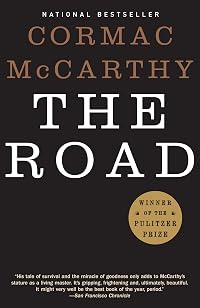
The Road
by Cormac McCarthy
On This Page
Description
In this postapocalyptic novel, a father and his son walk alone through burned America. Nothing moves in the ravaged landscape save the ash on the wind. It is cold enough to crack stones, and when the snow falls it is gray. They sky is dark. Their destination is the coast, although they don't know what, if anything, awaits them there. They have nothing; just a pistol to defend themselves against the lawless bands that stalk the road, the clothes they are wearing, a cart of scavenged food--and show more each other. This book boldly imagines a future in which no hope remains, but in which the father and his son, "each the other's world entire," are sustained by love. It is an unflinching meditation on the worst and the best that we are capable of: ultimate destructiveness, desperate tenacity, and the tenderness that keeps two people alive in the face of total devastation.--From publisher description. show lessTags
Recommendations


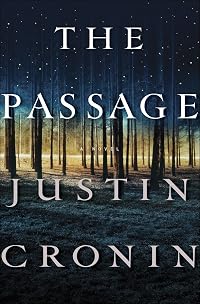
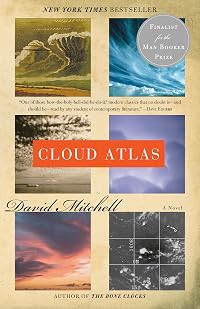
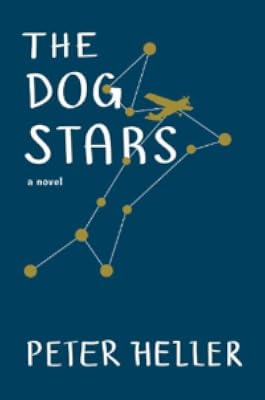
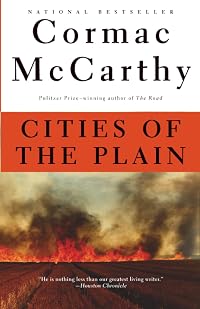
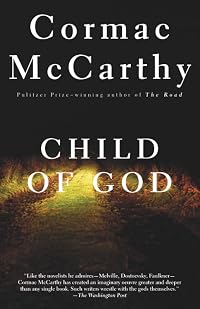
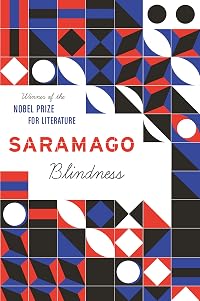
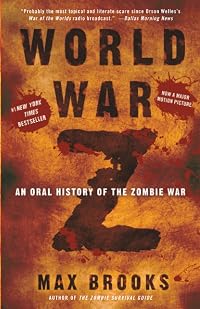
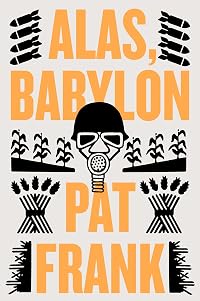
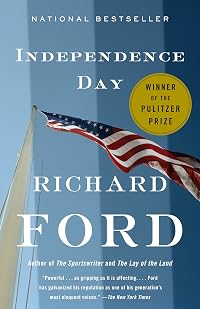
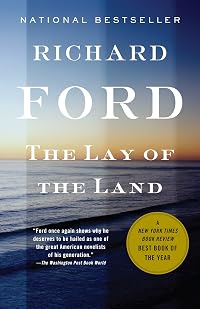
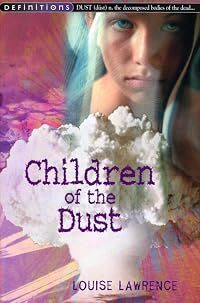
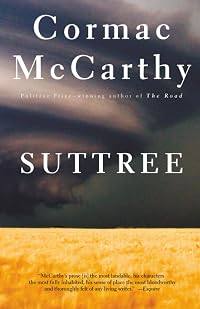
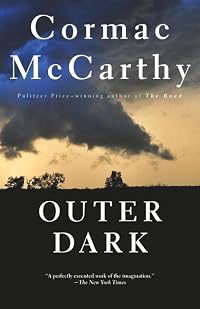
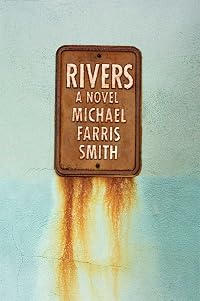
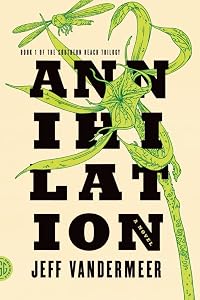
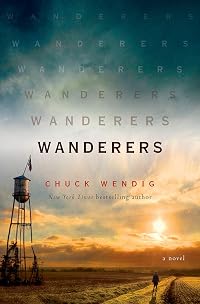
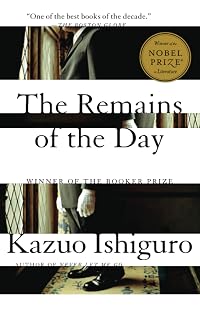
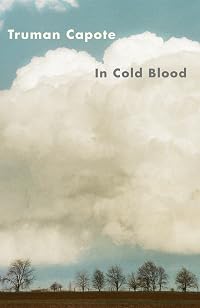
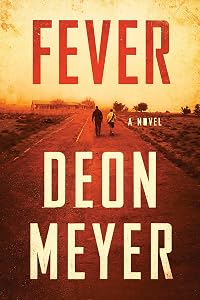
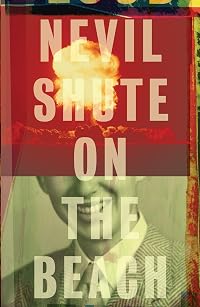
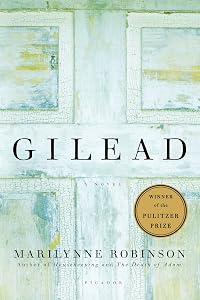
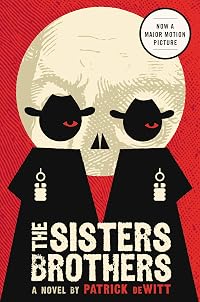
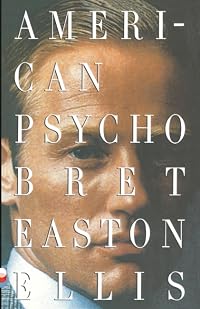

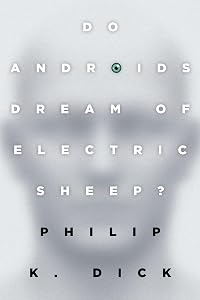
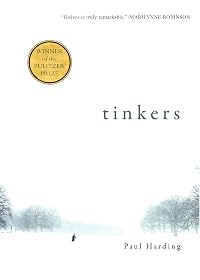
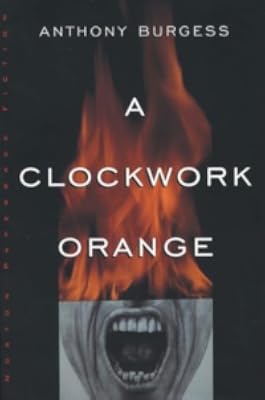
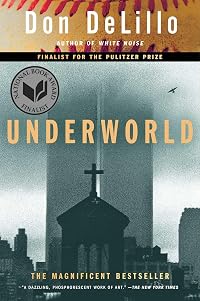


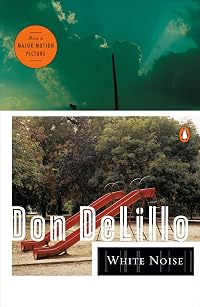
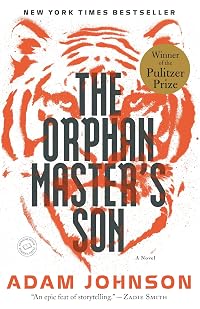
Member Recommendations
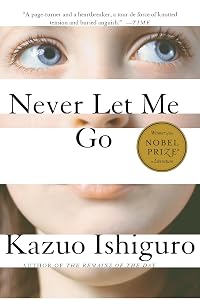
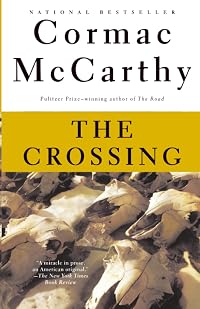
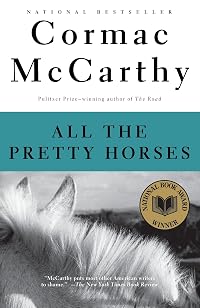
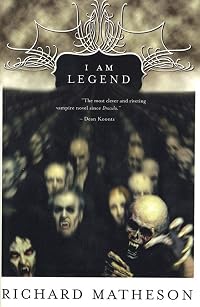
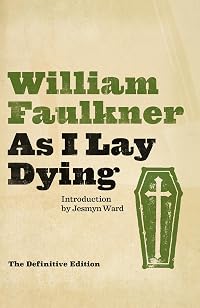
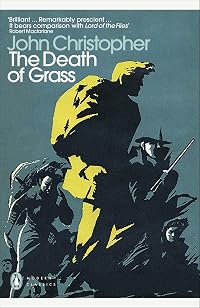
browner56 Two harrowing, well-written looks at what we can expect when society breaks down
241
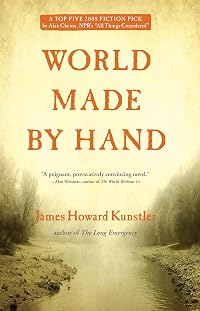
dmitriyk Written simply, with a very similar style and attitude.
113

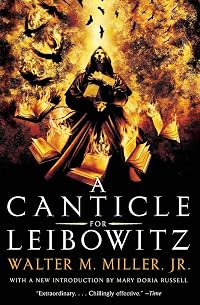
psybre Earth Abides, a classic post-apocalyptic novel published in 1949, is a bit less dark, and as an ecological fable, contains more science than The Road. When pondering to read The Road again, read this book instead.
93
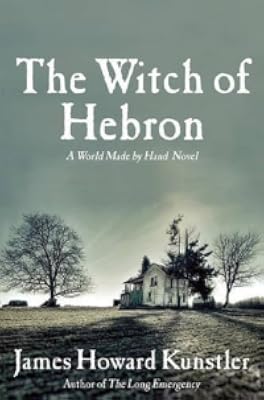
hazzabamboo Two post-apocalyptic masterpieces, with much of their power coming from their focus on a couple of characters and the exotic horrors that threaten them.
63
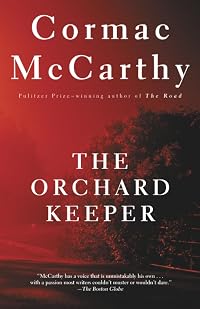
tottman Both are dystopian novels with engaging and driven main characters. They are bleak but extraordinarily moving and compelling.
Also recommended by Tanglewood
20
Stbalbach Kosinski & McCarthy were born 5 weeks apart in 1933 and were ages 6-12 during WWII. Both books are dark violent fables told from a child's view.
31

klarusu Far North is less harrowing than The Road but equally thought provoking
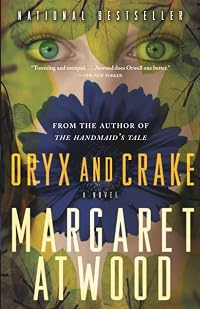
Boohradley There are a lot of similarities between the plot of this book and The Road. In Parable of the Sower an adolescent girl, who suffers from hyper-empathy, makes a long journey in hope of survival in a hostile, post-apocalyptic world.
32

LamontCranston A dystopia with hope.
kjuliff Both set in the future in the USA. Breakdown of society. Natural environment as setting. No spaceships or extraterrestrials
11

dhoyt A much better father and son story in a post-apocalyptic world.
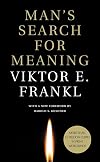
SCPeterson "...everything can be taken from a man but one thing: the last of the human freedoms-to choose one's attitude in any given set of circumstances, to choose one's own way."
01
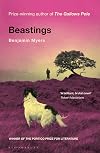
Rosenort Similar style, similar feel, both pretty dark.
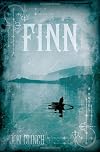
Finn by Jon Clinch
sungene Different era, different springboard, yet a similar exploration of how evil resides in men, and the brutality and violence man is capable of.
01
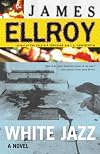
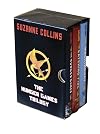
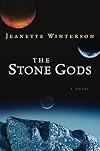
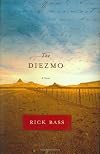
absurdeist Another fantastic border blood bath (action taking place in the Alamo's aftermath) by a lesser known writer who, like McCarthy, extensively researched his topic & spent lots of time in the land he writes of.
22
Member Reviews
Diario fanta-apocalittico con tonalità horror, il romanzo può essere immediatamente inquadrato come un racconto di lotta per la sopravvivenza, con annesse riflessioni sulla follia dell'uomo, sull'importanza di non spezzare il legame con la Natura, ecc. ecc. Non a caso tutti i personaggi adulti (buoni compresi) presentano qualche deformità fisica, riflesso di un più grave (e gravoso) malanno morale.
Personalmente preferisco leggerlo però come una descrizione coraggiosa e lucida dell'attuale condizione morale della società occidentale. Essere padre oggi significa muoversi in un contesto privo di punti di riferimento e dover condurre il proprio figlio nel freddo e nella sporcizia (morale) che alligna ovunque, lungo la retta via (la show more strada) che porta ad una verità piú grande (il mare). Verità ahimè ridotta oramai ad una poltiglia grigia e morta poiché anche le vecchie sicurezze sono state svuotate del loro piú intimo significato in questa società malata e disfunzionale.
Il passato oltretutto è un'eredità ancipite. L'immagine dell'uomo che al tramonto legge un vecchio giornale mentre il bambino sta dormendo esprime eloquentemente l'assoluta inanità della conoscenza pre-catastrofe: la scienza di un tempo ora è favola, buona solo per tirar sera. Viceversa nulla di quanto prodotto nel post-catastrofe è utile alla sopravvivenza, ciò che aiuta a tirare avanti sono invece i pochi resti del tempo andato, ciò che i previdenti hanno pensato bene di conservare (cibi, bevande, suppellettili, ecc.).
Il sole dietro la coltre di polvere si è liquefatto in una lattiginosa luminescenza incolore non più localizzabile. Le mappe del vecchio mondo, consultabili con grande difficoltà, sono decomposte in un puzzle di quadretti che consentono a malapena di procedere a vista.
Esiste solo l'oggi e il qui. L'altrove, temporale, spaziale e perfino onirico è bandito. Forse per sempre.
I viveri per affrontare il viaggio sono scarsi e sovente scadenti: non c'è nutrimento per lo spirito.
Perfino l'identità si è dissolta: tutti i personaggi sono senza nome, tranne Ely, un vecchio mezzo cieco che parla in modo sconnesso e si dice profeta di un Dio che non esiste.
Eppure la spinta ad andare avanti è forte. Fortissima. E del tutto immotivata.
Il protagonista, nel breve tempo che gli rimane, prova con tutte le sue forze ad adempiere al disperato compito di indicare al figlio la strada e le regole per una nuova vita.
Evitare gli altri prima di tutto.
Perché gli uomini, ben che vada, vogliono derubarti o peggio divorarti, spolparti il midollo. Fino a lucidarti le ossa.
E rimanere sempre uniti.
Rileggendo il precetto evangelico "Ama il prossimo tuo come te stesso", l'autore lega padre e figlio in modo così stretto da escludere qualsiasi altra presenza. Perfino la figura della madre è lasciata nell'ombra di un ricordo dolorosamente ambiguo. A dire il vero la componente femminile è assente in tutto il libro ed è richiamata archetipicamente solo nella forma delle cavità naturali e dei rifugi di fortuna in cui i due protagonisti trascorrono i momenti migliori (le imboccature delle grotte, il rifugio antiatomico, ecc.). E non può essere diversamente perché il paradiso è non essere mai nati: l'uscita al mondo è sofferenza e disperazione e una madre, qualsiasi madre, non porta che a questo.
Ciò che conta è tenere sempre acceso il fuoco interiore (unica nota di colore in tutto il libro!), che non si sa di dove venga e in che cosa consista, ma c'è e guai a lasciarlo spegnere. In antitesi al "fuoco mobilissimo" di Eraclito, legato a doppio filo alla parola-ragione (logos), il fuoco di McCarthy è confinato nel non-detto, non voce ma respiro, non gesto ma vicinanza e si alimenta della quotidianità di un rapporto fatto di piccole attenzioni, di rispetto, di cura reciproca e di fedeltà al difficile compito di rimanere uomini.
Ma forse l'insegnamento più grande sta nelle ultime, semplici parole del padre al figlio prima di morire: "Fa' tutto come lo facevamo insieme".
Perché l'esempio e la condivisione sono la lezione più efficace e sincera.
Perché la vita si sviluppa per cicli e ripetizioni. E ciò che non si ripete muore.
"Fa' tutto come lo facevamo insieme".
Di impianto più semplice dei romanzi precedenti, La strada si dipana per accostamenti di immagini e sequenze racchiuse in paragrafi di lunghezza variabile, da poche righe a qualche pagina, frantumate testimonianze di un'esistenza che ha cessato di accrescersi e che si ripiega su sé stessa rantolante. A una narrazione tanto frammentaria giova come non mai l'impeccabile stile dell'autore, asciuttissimo e quasi refrattario, non scalfibile.
In tanta devastazione l'unico flebilissimo segno positivo si intravede nel divario che piano piano si va creando tra padre e figlio e, per quanto cupo, il finale è aperto alla speranza. Morto il padre, il bambino, piú ingenuo e indifeso ma anche più aperto verso gli altri, ripone la sua fiducia nell'uomo col fucile: la società nasce dalla reciproca collaborazione anche se si è circondati dai cannibali e questo atto di fiducia può essere compiuto solo dai giovani perché le vecchie generazioni, responsabili della catastrofe, sono incapaci di costituire nuovi solidi rapporti. E' dunque tempo che muoiano e che altri procedano più avanti lungo la strada.
Già me lo vedo McCarthy che al mattino presto si alza, va alla porta di casa col bicchierone di caffé americano in mano e nel deserto del New Mexico che si spalanca oltre la soglia legge la desolazione della società attuale. Rientra, dà un'occhiata nella camera del suo figlioletto, lo ascolta respirare, magari gli sistema le coperte. Lui è vecchio e sa che non lo vedrà crescere. E che non potrà accompagnarlo molto piú in là lungo la strada che attraversa il niente.
E poi scrive.
Scrive di questo fuoco che è dentro ciascuno di noi, consapevole che forse non avrà il tempo di comunicare al suo piccolo l'importanza di tenerlo vivo quel fuoco.
E spera che dopo di lui ci sia qualcuno che nonostante tutto se ne prenda cura.
Chissà, forse il finale è aperto alla speranza proprio perché McCarthy stesso ha bisogno di quella speranza.
E noi con lui.
---
Precedente: [b:Blade Runner|9853690|Blade Runner|Philip K. Dick|https://i.gr-assets.com/images/S/compressed.photo.goodreads.com/books/1312794538l/9853690._SY75_.jpg|830939]
Successivo: [b:Ehi, prof!|3972405|Ehi, prof!|Frank McCourt|https://i.gr-assets.com/images/S/compressed.photo.goodreads.com/books/1413288428l/3972405._SY75_.jpg|3060322]
Seconda lettura
Precedente: [b:Ehi, prof!|3972405|Ehi, prof!|Frank McCourt|https://i.gr-assets.com/images/S/compressed.photo.goodreads.com/books/1413288428l/3972405._SY75_.jpg|3060322]
Successivo: [b:Un albero cresce a Brooklyn|3927372|Un albero cresce a Brooklyn|Betty Smith|https://i.gr-assets.com/images/S/compressed.photo.goodreads.com/books/1424087119l/3927372._SY75_.jpg|833257] show less
Personalmente preferisco leggerlo però come una descrizione coraggiosa e lucida dell'attuale condizione morale della società occidentale. Essere padre oggi significa muoversi in un contesto privo di punti di riferimento e dover condurre il proprio figlio nel freddo e nella sporcizia (morale) che alligna ovunque, lungo la retta via (la show more strada) che porta ad una verità piú grande (il mare). Verità ahimè ridotta oramai ad una poltiglia grigia e morta poiché anche le vecchie sicurezze sono state svuotate del loro piú intimo significato in questa società malata e disfunzionale.
Il passato oltretutto è un'eredità ancipite. L'immagine dell'uomo che al tramonto legge un vecchio giornale mentre il bambino sta dormendo esprime eloquentemente l'assoluta inanità della conoscenza pre-catastrofe: la scienza di un tempo ora è favola, buona solo per tirar sera. Viceversa nulla di quanto prodotto nel post-catastrofe è utile alla sopravvivenza, ciò che aiuta a tirare avanti sono invece i pochi resti del tempo andato, ciò che i previdenti hanno pensato bene di conservare (cibi, bevande, suppellettili, ecc.).
Il sole dietro la coltre di polvere si è liquefatto in una lattiginosa luminescenza incolore non più localizzabile. Le mappe del vecchio mondo, consultabili con grande difficoltà, sono decomposte in un puzzle di quadretti che consentono a malapena di procedere a vista.
Esiste solo l'oggi e il qui. L'altrove, temporale, spaziale e perfino onirico è bandito. Forse per sempre.
I viveri per affrontare il viaggio sono scarsi e sovente scadenti: non c'è nutrimento per lo spirito.
Perfino l'identità si è dissolta: tutti i personaggi sono senza nome, tranne Ely, un vecchio mezzo cieco che parla in modo sconnesso e si dice profeta di un Dio che non esiste.
Eppure la spinta ad andare avanti è forte. Fortissima. E del tutto immotivata.
Il protagonista, nel breve tempo che gli rimane, prova con tutte le sue forze ad adempiere al disperato compito di indicare al figlio la strada e le regole per una nuova vita.
Evitare gli altri prima di tutto.
Perché gli uomini, ben che vada, vogliono derubarti o peggio divorarti, spolparti il midollo. Fino a lucidarti le ossa.
E rimanere sempre uniti.
Rileggendo il precetto evangelico "Ama il prossimo tuo come te stesso", l'autore lega padre e figlio in modo così stretto da escludere qualsiasi altra presenza. Perfino la figura della madre è lasciata nell'ombra di un ricordo dolorosamente ambiguo. A dire il vero la componente femminile è assente in tutto il libro ed è richiamata archetipicamente solo nella forma delle cavità naturali e dei rifugi di fortuna in cui i due protagonisti trascorrono i momenti migliori (le imboccature delle grotte, il rifugio antiatomico, ecc.). E non può essere diversamente perché il paradiso è non essere mai nati: l'uscita al mondo è sofferenza e disperazione e una madre, qualsiasi madre, non porta che a questo.
Ciò che conta è tenere sempre acceso il fuoco interiore (unica nota di colore in tutto il libro!), che non si sa di dove venga e in che cosa consista, ma c'è e guai a lasciarlo spegnere. In antitesi al "fuoco mobilissimo" di Eraclito, legato a doppio filo alla parola-ragione (logos), il fuoco di McCarthy è confinato nel non-detto, non voce ma respiro, non gesto ma vicinanza e si alimenta della quotidianità di un rapporto fatto di piccole attenzioni, di rispetto, di cura reciproca e di fedeltà al difficile compito di rimanere uomini.
Ma forse l'insegnamento più grande sta nelle ultime, semplici parole del padre al figlio prima di morire: "Fa' tutto come lo facevamo insieme".
Perché l'esempio e la condivisione sono la lezione più efficace e sincera.
Perché la vita si sviluppa per cicli e ripetizioni. E ciò che non si ripete muore.
"Fa' tutto come lo facevamo insieme".
Di impianto più semplice dei romanzi precedenti, La strada si dipana per accostamenti di immagini e sequenze racchiuse in paragrafi di lunghezza variabile, da poche righe a qualche pagina, frantumate testimonianze di un'esistenza che ha cessato di accrescersi e che si ripiega su sé stessa rantolante. A una narrazione tanto frammentaria giova come non mai l'impeccabile stile dell'autore, asciuttissimo e quasi refrattario, non scalfibile.
In tanta devastazione l'unico flebilissimo segno positivo si intravede nel divario che piano piano si va creando tra padre e figlio e, per quanto cupo, il finale è aperto alla speranza. Morto il padre, il bambino, piú ingenuo e indifeso ma anche più aperto verso gli altri, ripone la sua fiducia nell'uomo col fucile: la società nasce dalla reciproca collaborazione anche se si è circondati dai cannibali e questo atto di fiducia può essere compiuto solo dai giovani perché le vecchie generazioni, responsabili della catastrofe, sono incapaci di costituire nuovi solidi rapporti. E' dunque tempo che muoiano e che altri procedano più avanti lungo la strada.
Già me lo vedo McCarthy che al mattino presto si alza, va alla porta di casa col bicchierone di caffé americano in mano e nel deserto del New Mexico che si spalanca oltre la soglia legge la desolazione della società attuale. Rientra, dà un'occhiata nella camera del suo figlioletto, lo ascolta respirare, magari gli sistema le coperte. Lui è vecchio e sa che non lo vedrà crescere. E che non potrà accompagnarlo molto piú in là lungo la strada che attraversa il niente.
E poi scrive.
Scrive di questo fuoco che è dentro ciascuno di noi, consapevole che forse non avrà il tempo di comunicare al suo piccolo l'importanza di tenerlo vivo quel fuoco.
E spera che dopo di lui ci sia qualcuno che nonostante tutto se ne prenda cura.
Chissà, forse il finale è aperto alla speranza proprio perché McCarthy stesso ha bisogno di quella speranza.
E noi con lui.
---
Precedente: [b:Blade Runner|9853690|Blade Runner|Philip K. Dick|https://i.gr-assets.com/images/S/compressed.photo.goodreads.com/books/1312794538l/9853690._SY75_.jpg|830939]
Successivo: [b:Ehi, prof!|3972405|Ehi, prof!|Frank McCourt|https://i.gr-assets.com/images/S/compressed.photo.goodreads.com/books/1413288428l/3972405._SY75_.jpg|3060322]
Seconda lettura
Precedente: [b:Ehi, prof!|3972405|Ehi, prof!|Frank McCourt|https://i.gr-assets.com/images/S/compressed.photo.goodreads.com/books/1413288428l/3972405._SY75_.jpg|3060322]
Successivo: [b:Un albero cresce a Brooklyn|3927372|Un albero cresce a Brooklyn|Betty Smith|https://i.gr-assets.com/images/S/compressed.photo.goodreads.com/books/1424087119l/3927372._SY75_.jpg|833257] show less
The Road, the man, the boy. A cold, burnt, godforsaken landscape that stretches forever. This post-apocalyptic story takes us on a lonesome and horrific journey. What catastrophe has happened we don't know, but all animal life seems to have died together with plant life.
The fathers reason for existence is his boy - this love drives him on - yet he has lost almost all hope - he knows what it takes to survive but how can he survive and at the same time remain human? What future is there for this boy? The boy in his innocence still reaches out to people he meet, while the father has to teach him to stay away from people who are all potential cannibals. Can they trust anyone - and what is life reduced to without human interaction, love, show more trust?
Also the idea about God comes and goes. The presence of God and the absence of God.
Are you there? he whispered. Will I see you at the last? Have you a neck by which to throttle you? Have you a heart? Damn you eternally have you a soul? Oh God, he whispered. Oh God.
The writing is sparse, yet powerful. It's not a pleasant read, but thought-provoking. It certainly has made an impact on me. show less
The fathers reason for existence is his boy - this love drives him on - yet he has lost almost all hope - he knows what it takes to survive but how can he survive and at the same time remain human? What future is there for this boy? The boy in his innocence still reaches out to people he meet, while the father has to teach him to stay away from people who are all potential cannibals. Can they trust anyone - and what is life reduced to without human interaction, love, show more trust?
Also the idea about God comes and goes. The presence of God and the absence of God.
Are you there? he whispered. Will I see you at the last? Have you a neck by which to throttle you? Have you a heart? Damn you eternally have you a soul? Oh God, he whispered. Oh God.
The writing is sparse, yet powerful. It's not a pleasant read, but thought-provoking. It certainly has made an impact on me. show less
In a way, this book is responsible for my aversion to post-apocalyptic lit. I saw the movie adaptation of this when it came out, and of course knew that it came from McCarthy’s novel. The movie is bleak, to say the least, and I’ve thought back to it literally every time I’ve even considered watching or reading another piece of dystopian fiction.
So having decided to give the novel a shot, I’m surprised at how much I enjoyed it. “Enjoyed” might not be quite the right word, but it’s pretty close. The writing, obviously, is powerful & well executed. The characterizations are also suprisingly robust. I found myself really absorbed and, despite all reason & evidence, hopeful. The tenacity and strength inherent in this man and show more his son are impossible to deny, and hard to avoid catching.
I can’t deny that the novel earns its reputation for desolation & bleakness. But as a whole, that was not the effect that I found it had on me. I actually did enjoy it. show less
So having decided to give the novel a shot, I’m surprised at how much I enjoyed it. “Enjoyed” might not be quite the right word, but it’s pretty close. The writing, obviously, is powerful & well executed. The characterizations are also suprisingly robust. I found myself really absorbed and, despite all reason & evidence, hopeful. The tenacity and strength inherent in this man and show more his son are impossible to deny, and hard to avoid catching.
I can’t deny that the novel earns its reputation for desolation & bleakness. But as a whole, that was not the effect that I found it had on me. I actually did enjoy it. show less
A fun and quick read. This is a bit too pretentious for my taste but once you get past the Woe-is-the-Human-Race navel gazing McCarthy puts on a good show. He has a nice eye for occupationally specific nomenclatures and the lack of chapter headings push you on to read one more page past where you had planned to call it a night. This post apocalypse futuristic novel of Americans returning to Thomas Hobbes' dreaded state of nature was an Oprah Book Club selection although I can't imagine Oprah reading it and enjoying it other than her watching white Americans having turned cannibal on other whites.
The author's moralizing was quaint, and I love quaint. McCarthy's omniscient narrator revels in the slow disappearance of all vestiges of any show more religious framework leaving human consciousness as they struggle to live in a world where God doesn't exist and can't exist. McCarthy leaves the reader with a sense of hope that a new pantheism or at least an animism (Native American spirituality perhaps) will take hold in a more practical usefulness than prior organized religions had. As The Man and Boy pass each day with fewer and fewer words to communicate with, God has no way to be addressed except through rituals improvised on the spot without reference to how symbols work. Symbols are community based and transmitted actions which carry meaning beyond words over human generations. The world described in The Road is hopeless but the ending intends to frustrate that suffocating circumstance with a forming of a new community of youth and caring by a single family adding new members. McCarty's No Country For Old Men film adaptation was violent but well done. I have not yet read No Country for Old Men but I hope to now. The Road, as a novel, is also well done although it carries, not violence, but menace and release from societal morality to make its points of argument. The Man shields the boy and the reader from all that he experiences and suffers and in doing so The Man shields us as well. The readers form a close bond with The Man and Boy but the world they flee as fugitives we readers are already well acquainted with. Plato's Thrasymachus and Machiavelli's Cesar Borgia are always interesting characters defending the claims of the strong or mob leaders. It's an interesting thing to see a man and boy do what they can to avoid perishing from the natural elements as well as eluding humans who have given themselves over to satiating their basest needs. show less
The author's moralizing was quaint, and I love quaint. McCarthy's omniscient narrator revels in the slow disappearance of all vestiges of any show more religious framework leaving human consciousness as they struggle to live in a world where God doesn't exist and can't exist. McCarthy leaves the reader with a sense of hope that a new pantheism or at least an animism (Native American spirituality perhaps) will take hold in a more practical usefulness than prior organized religions had. As The Man and Boy pass each day with fewer and fewer words to communicate with, God has no way to be addressed except through rituals improvised on the spot without reference to how symbols work. Symbols are community based and transmitted actions which carry meaning beyond words over human generations. The world described in The Road is hopeless but the ending intends to frustrate that suffocating circumstance with a forming of a new community of youth and caring by a single family adding new members. McCarty's No Country For Old Men film adaptation was violent but well done. I have not yet read No Country for Old Men but I hope to now. The Road, as a novel, is also well done although it carries, not violence, but menace and release from societal morality to make its points of argument. The Man shields the boy and the reader from all that he experiences and suffers and in doing so The Man shields us as well. The readers form a close bond with The Man and Boy but the world they flee as fugitives we readers are already well acquainted with. Plato's Thrasymachus and Machiavelli's Cesar Borgia are always interesting characters defending the claims of the strong or mob leaders. It's an interesting thing to see a man and boy do what they can to avoid perishing from the natural elements as well as eluding humans who have given themselves over to satiating their basest needs. show less
“Nobody wants to be here and nobody wants to leave.”—P. 169.
Having finished this shortly after the suicides of Kate Spade and Anthony Bourdain, I couldn’t help reading the world of The Road as McCarthy’s landscape of depression. For the depressed person, the everyday life we take for granted is seen as a dystopia. “In reality” thinks the depressed person, nobody wants to be here, they just don’t know it, but I see the gray ashen truth and the struggle is to somehow remain in this barren place and not put a bullet in my head (and maybe “liberate” my loved ones) in order to become one with this lifeless world. Perversely, moments of happiness can be an inducement to suicide and must be resisted, because they promise show more future hope if we could only resist the instinct to survive and go on to the unreal dream of a future life. Remaining grounded in the dead world by caring for our loved ones is the only thing that holds us back from moving on to the imaginary other world – think of the dialog about life on Mars late in the book --while at the same time the underlying desire is to become lifeless ash. Some of the extreme negative responses to the book might have something to do with the way the story sucks you into the suicidal world-view of the depressed mind. show less
Having finished this shortly after the suicides of Kate Spade and Anthony Bourdain, I couldn’t help reading the world of The Road as McCarthy’s landscape of depression. For the depressed person, the everyday life we take for granted is seen as a dystopia. “In reality” thinks the depressed person, nobody wants to be here, they just don’t know it, but I see the gray ashen truth and the struggle is to somehow remain in this barren place and not put a bullet in my head (and maybe “liberate” my loved ones) in order to become one with this lifeless world. Perversely, moments of happiness can be an inducement to suicide and must be resisted, because they promise show more future hope if we could only resist the instinct to survive and go on to the unreal dream of a future life. Remaining grounded in the dead world by caring for our loved ones is the only thing that holds us back from moving on to the imaginary other world – think of the dialog about life on Mars late in the book --while at the same time the underlying desire is to become lifeless ash. Some of the extreme negative responses to the book might have something to do with the way the story sucks you into the suicidal world-view of the depressed mind. show less
Cormac McCarthy’s The Road is devastatingly well written, restrained, and deliberate. It is not a loud novel. It does not beg to impress. Instead, it strips language down to its bare bones and lets meaning accumulate through repetition, silence, and omission.
The prose is spare to the point of austerity—short paragraphs, simple vocabulary, almost no punctuation—yet within that minimalism McCarthy tucks sentences of startling beauty and philosophical weight. The effect is a relentless forward pull: the book reads quickly, but it does not give you space to breathe. That tension between ease of reading and emotional heaviness is part of its power.
What struck me most is how carefully McCarthy resists sentimentality. The novel is about show more transmission: of moral instinct, of responsibility, of what it means to “carry the fire” when the world itself appears spiritually exhausted.
There is a brief passage where McCarthy allows his older, mythic voice to surface—dense, prophetic, almost Biblical in tone. It reads like a reminder: this is what I can do if I choose. The restraint elsewhere is not a limitation, but a discipline.
I rated The Road a 4.5 rather than a full 5 not because it fails at what it attempts—it succeeds almost perfectly—but because Blood Meridian exists. The Road is masterful, moving, and deeply humane. Blood Meridian is wilder, more ambitious, more ferocious in its language and metaphysical reach. This novel is quieter, narrower in scope, and intentionally so.
That is not a flaw. It is a choice.
The Road lingers not because of shock or spectacle, but because it understands that in the end, survival alone is meaningless. What matters is what kind of human being walks forward when there is no one left to tell them how. show less
The prose is spare to the point of austerity—short paragraphs, simple vocabulary, almost no punctuation—yet within that minimalism McCarthy tucks sentences of startling beauty and philosophical weight. The effect is a relentless forward pull: the book reads quickly, but it does not give you space to breathe. That tension between ease of reading and emotional heaviness is part of its power.
What struck me most is how carefully McCarthy resists sentimentality. The novel is about show more transmission: of moral instinct, of responsibility, of what it means to “carry the fire” when the world itself appears spiritually exhausted.
There is a brief passage where McCarthy allows his older, mythic voice to surface—dense, prophetic, almost Biblical in tone. It reads like a reminder: this is what I can do if I choose. The restraint elsewhere is not a limitation, but a discipline.
I rated The Road a 4.5 rather than a full 5 not because it fails at what it attempts—it succeeds almost perfectly—but because Blood Meridian exists. The Road is masterful, moving, and deeply humane. Blood Meridian is wilder, more ambitious, more ferocious in its language and metaphysical reach. This novel is quieter, narrower in scope, and intentionally so.
That is not a flaw. It is a choice.
The Road lingers not because of shock or spectacle, but because it understands that in the end, survival alone is meaningless. What matters is what kind of human being walks forward when there is no one left to tell them how. show less
I read the The Road for the first time, in printed form in 2009. I have just finished reading it in audio form in November 2025.
When I first read the The Road, I found it engaging, frightening, and beautifully written. I was glued to the pages, and when I finished the book I marveled at Cormac McCarthy’s words and vision.
The Road is a post-apocalyptic story about a man and his son traveling on a road at a time when the world has been damaged by war and the destruction of the environment. It’s a grueling journey in a hostile world, a journey that can have no easy ending.
The man and the boy are the main characters, the center of the book, and their love for each other throughout setback after setback pulls you into the novel and you show more hope though you know it is in vain, that they will succeed in finding a place of safety.
On my second reading, I found The Road to be quite distressing. I actually started crying about two thirds through, and by the end, I was in an emotional mess.
Why the difference between the two reads? Well, it’s complicated. I’ve put it down to three main reasons which combined made for an unpleasant though still engrossing read.
The first is the boy in the story. When I read it back in 2009, my grandson was not yet born. Now he is around the age of the boy in the book. He even talks a little like him with his “OK” answers to complex questions. He’s pre-pubertal, still with a child’s innocence.
The second reason is that I’m twenty years older now, and unwell. The description of the man becoming increasingly frail mirrored my own life in the last few months. Yes I can see the end of the road.
But perhaps the third reason is the most important in how I came to be so affected by The Road. Back in 2009 it was a different world. Europe had no all-out wars on its own territory for over 50 years. The Israel Palestine problem was its infancy (not that we realized that at the time), and no one could have imagined the Gaza of today. Though America was involved in wars overseas. It was nothing like the situation now. In any case, I was younger and intending leave America to return home to Australia back then.
We didn’t really know about Epstein, Looking back George Bush, was a chap you could imagine having a beer with despite his politics. AI was called artificial intelligence, not being given the prestige of having its own acronym. Global warming, well we knew about it, but we hadn’t yet seen its effects.
Movies like Mad Max were seen over-the-top fantasies. Free speech in Western democracies was a given.
The end of the world as we know, it was not taken seriously. Or if taken seriously, it was seen as a long way off. Now it seems, if not in our lifetimes possible in our children’s.
McCarthy does a brilliant job in describing the decay of society together with and because of the decay of nature, both being brought about by man’s actions.
The Road is an exceptional book and I’m giving this book 4.5 stars but I cannot now recommend it to empaths.
November 2015
https://www.librarything.com/topic/372420#9009563 show less
When I first read the The Road, I found it engaging, frightening, and beautifully written. I was glued to the pages, and when I finished the book I marveled at Cormac McCarthy’s words and vision.
The Road is a post-apocalyptic story about a man and his son traveling on a road at a time when the world has been damaged by war and the destruction of the environment. It’s a grueling journey in a hostile world, a journey that can have no easy ending.
The man and the boy are the main characters, the center of the book, and their love for each other throughout setback after setback pulls you into the novel and you show more hope though you know it is in vain, that they will succeed in finding a place of safety.
On my second reading, I found The Road to be quite distressing. I actually started crying about two thirds through, and by the end, I was in an emotional mess.
Why the difference between the two reads? Well, it’s complicated. I’ve put it down to three main reasons which combined made for an unpleasant though still engrossing read.
The first is the boy in the story. When I read it back in 2009, my grandson was not yet born. Now he is around the age of the boy in the book. He even talks a little like him with his “OK” answers to complex questions. He’s pre-pubertal, still with a child’s innocence.
The second reason is that I’m twenty years older now, and unwell. The description of the man becoming increasingly frail mirrored my own life in the last few months. Yes I can see the end of the road.
But perhaps the third reason is the most important in how I came to be so affected by The Road. Back in 2009 it was a different world. Europe had no all-out wars on its own territory for over 50 years. The Israel Palestine problem was its infancy (not that we realized that at the time), and no one could have imagined the Gaza of today. Though America was involved in wars overseas. It was nothing like the situation now. In any case, I was younger and intending leave America to return home to Australia back then.
We didn’t really know about Epstein, Looking back George Bush, was a chap you could imagine having a beer with despite his politics. AI was called artificial intelligence, not being given the prestige of having its own acronym. Global warming, well we knew about it, but we hadn’t yet seen its effects.
Movies like Mad Max were seen over-the-top fantasies. Free speech in Western democracies was a given.
The end of the world as we know, it was not taken seriously. Or if taken seriously, it was seen as a long way off. Now it seems, if not in our lifetimes possible in our children’s.
McCarthy does a brilliant job in describing the decay of society together with and because of the decay of nature, both being brought about by man’s actions.
The Road is an exceptional book and I’m giving this book 4.5 stars but I cannot now recommend it to empaths.
November 2015
https://www.librarything.com/topic/372420#9009563 show less
Members
- Recently Added By
Published Reviews
ThingScore 100
My favorite aspect of the Road as audiobook was the emotional aspect. You know the father feels like he needs to protect his son at all costs, and this little boy who still has an adorable amount of hope and innocence in him that is not stifled by the brutality of the world they now face. This narrator was able to portray the two characters' unmitigated hope and fear in a way that was heart show more breaking and profoundly deeply personal. And reflective.............. show less
added by Almatar
Lists

The Guardian's 1000 Novels Everyone Must Read
1,005 works; 550 members

1001 Books You Must Read Before You Die
1,448 works; 1,132 members
Best Dystopias
280 works; 276 members

Best Science Fiction Novels
816 works; 430 members

Pulitzer Prize Winners for Fiction
102 works; 54 members

Best Post-Apocalyptic Stories
143 works; 88 members

Best Contemporary Literary Fiction (Around the Last 30 Years)
388 works; 124 members

Read the book and saw the movie
1,170 works; 195 members

Best 21st Century Books (So Far)
670 works; 86 members

Recommend the 20 best books you've read in the last five years
2,168 works; 606 members

Oprah's Book Club (original and 2.0)
91 works; 21 members

Best Horror Books
281 works; 85 members
Favourite Books
1,817 works; 316 members
NPRs your picks: top 100 Sci-Fi/Fantasy books
297 works; 80 members

100 books to read in a lifetime
102 works; 37 members

The Guardian's 100 best books of the 21st century
100 works; 21 members
BBC's 100 Novels That Shaped Our World
100 works; 22 members

Dystopian and Apocalyptic Literature
350 works; 74 members

Slipstream or Interstitial Fiction
160 works; 19 members

Pulitzer Prize-Winning Books
42 works; 10 members

Recommended Apocalyptic Novels
53 works; 24 members

Top Five Books of 2019
387 works; 111 members

Unread books
1,063 works; 87 members

Best Books About Journeys and Quests
117 works; 30 members
Amazon's 100 Science Fiction & Fantasy Books to Read in a Lifetime
87 works; 23 members

Novels from The Guardian's Great American Novelist Tournament
148 works; 24 members

You Couldn't Pay Me to Read That (Take 2)
203 works; 82 members

100 New Classics
101 works; 13 members

Top Five Books of 2020
982 works; 350 members

Fiction For Men
142 works; 11 members

Vulture's 100 Best Books of the 21st Century (So Far)
98 works; 9 members
Survey of Science Fiction and Fantasy
101 works; 13 members
Best of American Literature
146 works; 9 members

Best books read in 2011
200 works; 51 members

50 Books from the Past 50 Years
50 works; 8 members

Most Disturbing Books
124 works; 27 members

Speculative Fiction: Slipstream Literature
166 works; 16 members

It's the end of the world as we know it!
90 works; 23 members

Books Read in 2014
2,343 works; 89 members

Top Five Books of 2016
795 works; 229 members

2000s (the decade, not the century)
184 works; 11 members

Broderick and Di Filippo's Science Fiction: The 101 Best Novels 1985-2010
103 works; 7 members

A Novel Cure
742 works; 23 members

2000s decade
85 works; 7 members

Five star books
1,755 works; 108 members

An End of the World Reading List
63 works; 4 members

Most Depressing Books
69 works; 16 members

Books Read in 2015
3,299 works; 129 members

Books Read in 2017
4,249 works; 130 members

Speculative Fiction to Read
706 works; 32 members
Best Survival Stories
97 works; 15 members

Tracks of my tears ~ novels that I sobbed through
15 works; 2 members
Novels featuring Fathers
56 works; 7 members
Independent Reading Suggestions
69 works; 3 members

A's favorite novels
100 works; 3 members

Best Horror Mega-List
342 works; 6 members

Llibres que he llegit el 2012
28 works; 1 member

Books Read in 2022
5,166 works; 114 members
Books Read in 2007
326 works; 8 members
Books Read in 2016
4,666 works; 199 members

Books Read in 2009
464 works; 11 members

Llibres que he llegit el 2007
24 works; 1 member

Character-driven SF
59 works; 1 member
Reedsydiscovery 100 Best Horror Books of All Time
100 works; 5 members
American Lit for Eng 11 Research Project
368 works; 6 members

Top Five Books of 2024
795 works; 264 members
The Well-Educated Mind, Susan Wise Bauer, 2016
179 works; 3 members

Post-Apocalyptic Fiction
57 works; 3 members

NYT Readers best of 21st C
100 works; 8 members

Reading Glasses Podcast
410 works; 3 members
NYT 100 best books of 21st C
100 works; 31 members
Books We Love to Reread
688 works; 296 members
Top Book of the Year - 2000s
10 works; 1 member

.
184 works; 1 member

Retrospective of 20th- and 21st-century literature
154 works; 1 member
DigitalDreamDoor top 300
300 works; 4 members
Widely acclaimed, one book per year
105 works; 3 members

Novels without quotation marks
25 works; 1 member
Books We Couldn't Put Down
443 works; 197 members

el
1,139 works; 1 member
TDCD BOOK LIST
62 works; 1 member

.
396 works; 1 member
Post Apocalyptic Novels
41 works; 1 member

Cormac McCarthy books
13 works; 1 member

Books Read in 2024
4,623 works; 126 members

The Art of Manliness' 100+ Books Every Man Should Read
108 works; 2 members

Favorite Books
6 works; 1 member

Biggest Disappointments
606 works; 168 members
BingoDOG - Genre Benders
74 works; 14 members

Novels that you shouldn't waste your time on
94 works; 52 members
Authors from the United States
245 works; 3 members

Unshelved Book Clubs
579 works; 5 members

Books Read in 2018
4,360 works; 110 members
XB-1: Osobnosti zanru doporucuji
67 works; 1 member
Books With Our Favorite First Lines
168 works; 104 members

Books Read in 2019
4,052 works; 110 members
Ten+ Books About Being Stranded!
14 works; 5 members

Tonikat reading completed on Librarything journals
329 works; 2 members
My Favourite Books
86 works; 5 members

KayStJ's to-read list
1,616 works; 11 members

Recommended Literary Books
111 works; 1 member
AP Lit
363 works; 6 members

Mustich's 1000 Books to Read Before You Die: A Life Changing List
1,001 works; 19 members
Favorite Science Fiction
454 works; 217 members
NPRs audience picks: 100 best beach reads
105 works; 12 members

Favorite books I've read
7 works; 4 members

Books tagged favorites
390 works; 30 members
Great American Novels
158 works; 42 members
Talk Discussions
Past Discussions
Let's Discuss The Road by Cormac McCarthy in What Are You Reading Now? (March 2019)
Author Information

36+ Works 104,620 Members
Some Editions
Awards and Honors
Awards
Distinctions
Notable Lists
Series
Belongs to Publisher Series
Work Relationships
Is contained in
Has the adaptation
Has as a study
Has as a commentary on the text
Common Knowledge
- Canonical title*
- Die Straße
- Original title
- The passenger; The Road
- Alternate titles*
- Droga
- Original publication date
- 2006
- People/Characters
- The Man [The Road]; The Boy [The Road]; Wells; Loretta; Ely; The Thief
- Important places
- USA; Southeastern North America
- Related movies
- The Road (2009 | IMDb)
- Dedication
- This book is dedicated to
John Francis McCarthy - First words
- When he woke in the woods in the dark and the cold of the night he'd reach out to touch the child sleeping beside him.
- Quotations
- He'd not have thought the value of the smallest thing predicated on a world to come. It surprised him. That the space which these things occupied was itself an expectation (149).
From daydreams on the road there was no waking. He plodded on. He could remember everything of her save her scent. Seated in a theatre with her beside him leaning forward listening to the music. Gold scrollwork and sconces an... (show all)d the tall columnar folds of the drapes at either side of the stage. She held his hand in her lap and he could feel the tops of her stockings through the thin stuff of her summer dress. Freeze this frame. Now call down your dark and your cold and be damned.
He pulled the boy closer. Just remember that the things you put into your head are there forever, he said. You might want to think about that.
You forget some things, don't you?
Yes. You forget what you want to ... (show all)remember and you remember what you want to forget.
It took two days to cross that ashen scabland. The road beyond fell away on every side. It's snowing, the boy said. He looked at the sky. A single gray flake sifting down. He caught it in his hand and watched it expire there ... (show all)like the last host of christendom.
He thought if he lived long enough the world at last would be lost. Like the dying world the newly blind inhabit, all of it slowly fading from memory.
On this road there are no godspoke men. They are gone and I am left and they have taken with them the world. Query: how does the never to be differ from what never was?
All things of grace and beauty such that one holds them to one's heart have a common provenance in pain. Their birth in grief and ashes.
There is no God and we are his prophets. - Last words
- (Click to show. Warning: May contain spoilers.)In the deep glens where they lived all things were older than man and they hummed of mystery.
- Blurbers
- Shepard, Sam; O'Hagan, Andrew; Cleave, Chris; Wark, Kristy; Gatti, Tom; Warner, Alan
- Original language
- English
*Some information comes from Common Knowledge in other languages. Click "Edit" for more information.
Classifications
- Genres
- Science Fiction, Fiction and Literature, General Fiction, Horror
- DDC/MDS
- 813.54 — Literature & rhetoric American literature in English American fiction in English 1900-1999 1945-1999
- LCC
- PS3563 .C337 .R63 — Language and Literature American literature American literature Individual authors 1961-
- BISAC
Statistics
- Members
- 38,917
- Popularity
- 78
- Reviews
- 1,512
- Rating
- (4.05)
- Languages
- 28 — Catalan, Chinese, Czech, Danish, Dutch, English, Estonian, Finnish, French, German, Galician, Greek, Hungarian, Icelandic, Italian, Japanese, Korean, Lithuanian, Norwegian (Bokmål), Polish, Portuguese, Romanian, Russian, Croatian, Slovenian, Spanish, Swedish, Turkish
- Media
- Paper, Audiobook, Ebook
- ISBNs
- 176
- UPCs
- 1
- ASINs
- 86