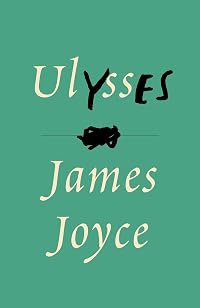
Ulysses
by James Joyce 
There is 1 current discussion about this work.
On This Page
Description
James Joyce pays homage to Homer's Odyssey, drawing on many of the Greek poet's themes with this eighteen-part novel. Set in 1922 Ireland, when the city of Dublin was rife with social unrest and radical nationalism, Ulysses chronicles a day in the life of Leopold Bloom as he navigates the city on his usual routine. However, his disdain for violence, indifference for Irish independence, and his embitterment for his adulterous wife leave Bloom in a series of predicaments.Tags
Recommendations


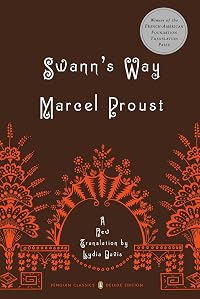
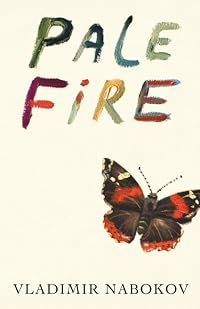
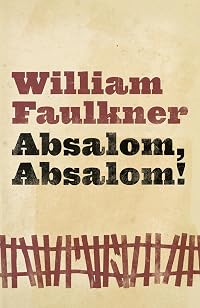
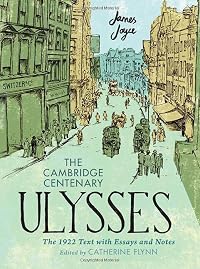
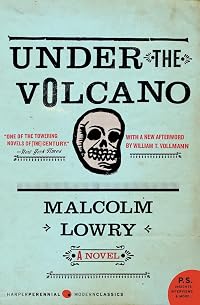
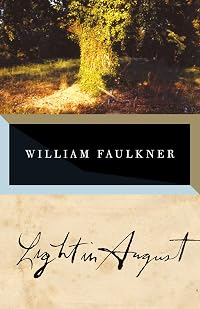
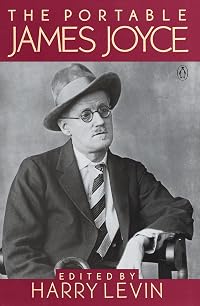
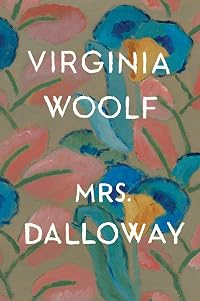
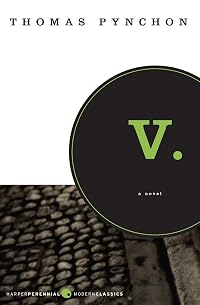
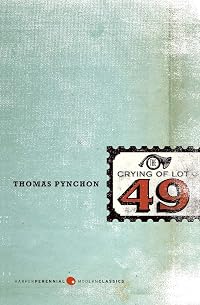
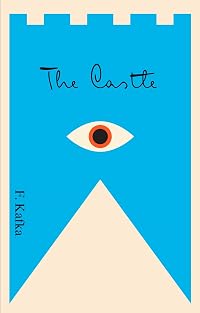
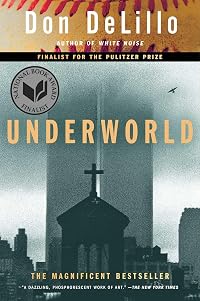
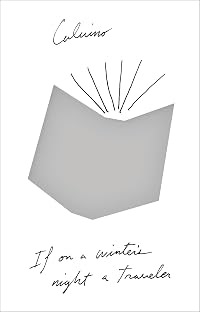


Member Recommendations
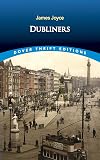
The Odyssey by Homer
_eskarina Joyce himself recommended Homer's epos to get better insight and understanding of Ulysses.
Also recommended by chrisharpe
331
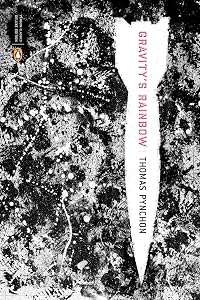
browner56 You will either love them both or hate them both, but you will probably need a reader's guide to get through either one--I know I did.
91
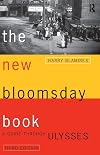
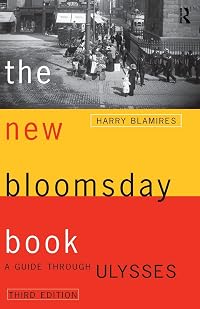
bokai The Bloomsday Book is a book length summary of James Joyce's Ulysses. It informs the reader of the general plot, of particular references in Ulysses to events in other books (most usually Dubliners)and includes a minimum of commentary, usually focusing on the religious aspects of the novel. For someone reading Ulysses with a limited knowledge of Joyce, Ireland, or Catholicism, this book may be the deciding factor in their enjoyment of the novel itself.
40
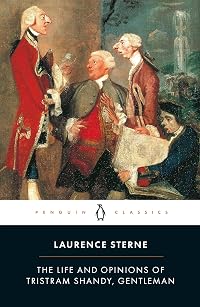
rrmmff2000 Both books of a man in a city, celebrating human life in all its variety, and revelling in language.
51
andejons For those who want to read about how the book was published (and other details about Joyce's life in Paris)
41
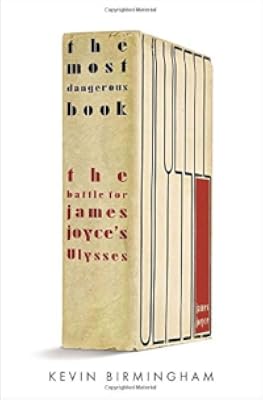
Cecrow The (Non-fiction) story behind the novel's publication and its struggles with censorship.
20
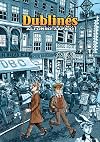
drasvola This book is a graphic narration of Joyce's life. It's in Spanish. Very well done and informative about Joyce's troubled relation with society, his work and family relationships.
by chrisharpe
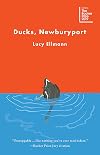
aprille Ellmann is the daughter of Joyce scholar Richard Ellmann and Ducks, Newburyport (shortlisted for the Booker) is 21st-century American housewife's stream of consciousness with more contemporary cultural allusions
11
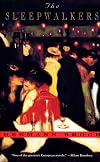
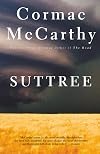
by eereed
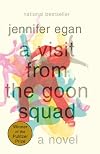
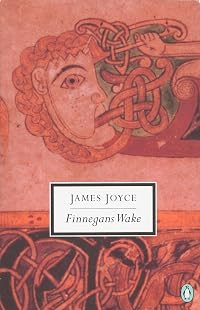
kara.shamy Similar -- almost unique really -- in their tremendous breadth and depth...
04
fuguette Place's work is a free-form experiment tracking the depraved, obsessive, unfiltered thoughts of her characters.
11

absurdeist Similar kind of disjointed interiority with multiple pov's.
Member Reviews
A novel that takes place during a single day, but takes several months to read.
I finally opened Ulysses after a trip to Dublin in summer 2023. References to Joyce seemed to be everywhere: the Martello Tower still standing, video of a Fontaines D.C. performance at Kilmainham Gaol, the Museum of Literature Ireland on St. Stephen’s Green, Sweny’s pharmacy, the death mask replica at the Little Museum—all indications that the book yet resonates across time. Having read Dubliners and A Portrait of the Artist as a Young Man before and finally seeing the city firsthand made Ulysses less mysterious. I read the 1992 Modern Library Edition of the corrected and reset 1961 edition, based on the first American printing from 1934. (Next time show more around, I think I’ll give the Gabler edition a go).
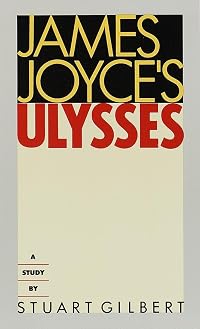
I wanted to experience reading Ulysses with a fresh, open mind, without an intermediary, so I read each of the 18 episodes through before consulting secondary sources. (Alas, my curiosity and my ignorance got the best of me). I then listened to each episode of the Raidió Teilifís Éireann (Irish public media) performance recorded in 1982—Ulysses as a radio play, with over 30 actors, sound effects and street sounds, special effects for interior monologues, a beautiful, invigorating production. Hearing Ulysses read by Dubliners revealed more atmospheric and linguistic nuance than I could have picked up on my own. After each chapter, I also read the pertinent episodic analysis in Stuart Gilbert’s James Joyce’s Ulysses, which tracks the influence of Homer’s Odyssey and draws attention to phrases and symbols that recur across episodes.
The first thing that I noticed was that Ulysses is very funny. Many of the allusions and symbology went over my head, but there are passages of great beauty and deep feeling and dazzling intellect. Ulysses is a demanding read, but I think it rewards the work a reader puts into it. There are plenty of ways to appreciate Joyce’s astonishing achievement, what he was able to make words do and say. He left us a marvelous gift. Do with it as you will. show less
I finally opened Ulysses after a trip to Dublin in summer 2023. References to Joyce seemed to be everywhere: the Martello Tower still standing, video of a Fontaines D.C. performance at Kilmainham Gaol, the Museum of Literature Ireland on St. Stephen’s Green, Sweny’s pharmacy, the death mask replica at the Little Museum—all indications that the book yet resonates across time. Having read Dubliners and A Portrait of the Artist as a Young Man before and finally seeing the city firsthand made Ulysses less mysterious. I read the 1992 Modern Library Edition of the corrected and reset 1961 edition, based on the first American printing from 1934. (Next time show more around, I think I’ll give the Gabler edition a go).
I wanted to experience reading Ulysses with a fresh, open mind, without an intermediary, so I read each of the 18 episodes through before consulting secondary sources. (Alas, my curiosity and my ignorance got the best of me). I then listened to each episode of the Raidió Teilifís Éireann (Irish public media) performance recorded in 1982—Ulysses as a radio play, with over 30 actors, sound effects and street sounds, special effects for interior monologues, a beautiful, invigorating production. Hearing Ulysses read by Dubliners revealed more atmospheric and linguistic nuance than I could have picked up on my own. After each chapter, I also read the pertinent episodic analysis in Stuart Gilbert’s James Joyce’s Ulysses, which tracks the influence of Homer’s Odyssey and draws attention to phrases and symbols that recur across episodes.
The first thing that I noticed was that Ulysses is very funny. Many of the allusions and symbology went over my head, but there are passages of great beauty and deep feeling and dazzling intellect. Ulysses is a demanding read, but I think it rewards the work a reader puts into it. There are plenty of ways to appreciate Joyce’s astonishing achievement, what he was able to make words do and say. He left us a marvelous gift. Do with it as you will. show less
In fall 2012 I took a seminar class on James Joyce, and of course no class on Joyce would be complete without reading Ulysses. We spent the last half of the semester on Ulysses, and now that I've reviewed both Dubliners and Portrait of the Artist, I think it's finally time for me to talk about my experiences with Joyce's most famous/infamous novel.
Ulysses picks up approximately one year after Portrait of the Artist as a Young Man ends, and begins with our old friend Stephen Dedalus, who is navigating the world of Dublin, working as a teacher, and still trying to be an artist in a place that continuously leaves him feeling isolated, alone, and without a home. While the first three chapters focus on Stephen, the rest of the book focuses show more on a new character, the famous Leopold Bloom, a Dublin Jew who, after eating a breakfast of mutton kidney, leaves the house to go about his daily business, all-the-while knowing that his wife, Molly, is planning an affair later that afternoon. That knowledge, the isolation he feels from his fellow Dubliners, the death of his young son ten years ago, and many other things weigh on his mind as we follow him about the affairs of his day. His path crosses and recrosses that of Stephen, and eventually the two outcasts finally meet and have a real conversation. Taking place in slightly less than 24 hours, Ulysses is an epic of the ordinary, a single day that contains every conceivable high and low.
Now, if you've ever heard anything about Ulysses, I'm sure you've heard that it's nearly impossible to read. It has gained a nearly mythic status in the bookish world as an impenetrable wall of stylistic experimentation and dense allusion. The only hope for the intrepid reader is to consult many guides and source-books that will lead them through the labyrinth. To be honest with you, this is partially true. There were plenty of times when I didn't know what was happening, and I assure you that I missed most of the allusions and references to historical events. And yes, I did use a guide when I read it, which was a big help. More importantly, I also had a class full of people to discuss each chapter with and to keep me on schedule. (I do recommend reading this book with a friend. It's more fun that way.) But I want to make one thing very clear:
The myth is only partially true.
Because while I did not catch many of the allusions and references, I mostly understood what was happening in terms of plot and location. While I may not have understood the meaning of every sentence, I did understand the meaning of most paragraphs. And while I didn't always see exactly how each stylistic invention connected thematically to Bloom's journey, I could certainly appreciate the beauty and craft of Joyce's writing. Reading Ulysses is like being at the ocean; you have to let the waves of text wash over you without trying to analyze every single piece of sand. Understanding every single allusion is not necessary to enjoy the novel as a whole. You might miss a few of the jokes, but I promise you will be ok. The guide I used and which I would highly recommend, James Joyce A to Z, had brief summaries of each chapter in terms of plot and any major thematic elements, and that is all I needed in order to thoroughly enjoy myself. I think that oftentimes we as readers get too caught-up in "getting" the book that we forget to really read it. Ulysses is, first and foremost, an experience. If you get too caught up in trying to "understand" it, you'll miss all the fun.
Fun? Yes, fun, because Ulysses is a deeply funny, witty, engaging, and beautiful book. First of all, Joyce is a phenomenal writer, and it would be a challenge to find a novel with more beautiful or more varied writing than this one. Some passages are just heart-stopping in their elegance. I literally stopped and reread some passages just so I could hear them again; they were that beautiful. Others were incredibly technically impressive, showing Joyce's amazing command of the English language (and others). Joyce's amazing skills as a writer mean that he is capable of making the wittiest puns and the funniest satires I have ever read. No, really. From the pub to the graveyard, from political arguments to prostitution, from the romantic novel to the epic catalog, there is nothing that Joyce can't laugh at. I never thought I would say this, but Ulysses literally made me laugh out loud. But of course this novel isn't all fun and games. There are tender, honest moments here more touching than nearly anything else put into print. There is heartbreak here, not of the cheesy faux-tragic kind that you find in a Nicholas Sparks novel, but honest emotion felt by ordinary people in situations that are all too real. Though Ulysses very often made me laugh, on a number of occasions it also made me cry. It touched me, because it spoke to that part of me (and, I think, of many of us) that knows what it's like to feel alone, regretful, and lost. That realism, that honesty of emotion and situation, is what sets Ulysses apart. The strange style, the encyclopedic allusions, the weird diversions, all of these serve to represent reality in all of its complexity, beauty, and sadness. Ulysses is funny, crafty, beautiful, and heartbreaking, but it is all of those things because it is real.
If you've ever read my reviews before, you'll notice that this one is rather different. This time I haven't talked very much about technique or writing style, though really this would be the perfect novel to do that. And part of me does want to pull out my analytical brain and tell you all about Joyce's tricks and techniques and themes. I would feel accomplished for breaking down such a complex novel, and you would maybe feel like you learned something. But I don't think I'm going to do that this time. This time I think I'm going to focus on other things.
Because despite all the intellectual enjoyment I got from untangling and discussing the themes and techniques, and despite the aesthetic enjoyment I found in Joyce's language, what struck me the most about Ulysses was its emotional honesty, especially in the characterization. For the first three chapters I felt nothing but empathy and pity for Stephen. I wanted to be his big sister, to comfort him, to let him know that he wasn't alone and that he could make it. And then I met Leopold Bloom, and slowly, cautiously, not without reservation, I fell for him, completely and utterly. Not in a romantic way, but as a human being, an all-too-real human being who had emotions and quirks that I could see and understand like those of an old friend. I fell in love with the way that he always tries to figure things out, to calculate, explain, and reason, even if his explanations are often incorrect, more pseudoscience than real science. I fell in love with his desire to please everyone, to make everyone happy, to avoid conflict wherever possible. I love that he maintains his optimism despite everything that happens to him. I love the way he always walks on the sunny side of the street, is conscientious about his money, and loves to eat good food. I wanted nothing more in the world than for him to actually meet Stephen, because I needed to see what would happen when these two characters whom I cared so much about finally met. And yes, sometimes Bloom creeped me out a little with his thoughts about sex or bodily functions. Sometimes I got annoyed with him for being so passive, and I yelled at him to stop being such a pushover already. But when he had the chance to finally show some courage, I cheered him on with all of my heart, and when he stood up for Stephen my heart nearly burst I was so proud of him. Leopold Bloom was so lonely, so hopeful, and so real, and in the end it was the force of his character (and, to a lesser extent, Stephen's) that really made Ulysses shine.
Ulysses is a novel that takes place in a single day, and yet somehow seems to encompass the whole world. It's strange and difficult and sometimes frustrating, and to be honest I wouldn't recommend it to those who don't like their books to be a puzzle or who get frustrated when they don't understand what is going on. But if you do like a challenge, then I think you'll find that every frustration in Ulysses is paid back a thousand times over in beauty and enjoyment. I promise that you won't catch everything on your first read-through; I know I didn't. But that did not take away from my enjoyment of the novel in the slightest. I know I'll come back to it some day, maybe a chapter at a time here or there, and that no matter when or how often I return it will always have something new to offer me.
Rating: 5+
Recommendations: Don't get too weighed down with guides. Just read it and enjoy it, and check chapter summaries or historical events if you get lost. Ulysses is an experience, so just dive in. show less
Ulysses picks up approximately one year after Portrait of the Artist as a Young Man ends, and begins with our old friend Stephen Dedalus, who is navigating the world of Dublin, working as a teacher, and still trying to be an artist in a place that continuously leaves him feeling isolated, alone, and without a home. While the first three chapters focus on Stephen, the rest of the book focuses show more on a new character, the famous Leopold Bloom, a Dublin Jew who, after eating a breakfast of mutton kidney, leaves the house to go about his daily business, all-the-while knowing that his wife, Molly, is planning an affair later that afternoon. That knowledge, the isolation he feels from his fellow Dubliners, the death of his young son ten years ago, and many other things weigh on his mind as we follow him about the affairs of his day. His path crosses and recrosses that of Stephen, and eventually the two outcasts finally meet and have a real conversation. Taking place in slightly less than 24 hours, Ulysses is an epic of the ordinary, a single day that contains every conceivable high and low.
Now, if you've ever heard anything about Ulysses, I'm sure you've heard that it's nearly impossible to read. It has gained a nearly mythic status in the bookish world as an impenetrable wall of stylistic experimentation and dense allusion. The only hope for the intrepid reader is to consult many guides and source-books that will lead them through the labyrinth. To be honest with you, this is partially true. There were plenty of times when I didn't know what was happening, and I assure you that I missed most of the allusions and references to historical events. And yes, I did use a guide when I read it, which was a big help. More importantly, I also had a class full of people to discuss each chapter with and to keep me on schedule. (I do recommend reading this book with a friend. It's more fun that way.) But I want to make one thing very clear:
The myth is only partially true.
Because while I did not catch many of the allusions and references, I mostly understood what was happening in terms of plot and location. While I may not have understood the meaning of every sentence, I did understand the meaning of most paragraphs. And while I didn't always see exactly how each stylistic invention connected thematically to Bloom's journey, I could certainly appreciate the beauty and craft of Joyce's writing. Reading Ulysses is like being at the ocean; you have to let the waves of text wash over you without trying to analyze every single piece of sand. Understanding every single allusion is not necessary to enjoy the novel as a whole. You might miss a few of the jokes, but I promise you will be ok. The guide I used and which I would highly recommend, James Joyce A to Z, had brief summaries of each chapter in terms of plot and any major thematic elements, and that is all I needed in order to thoroughly enjoy myself. I think that oftentimes we as readers get too caught-up in "getting" the book that we forget to really read it. Ulysses is, first and foremost, an experience. If you get too caught up in trying to "understand" it, you'll miss all the fun.
Fun? Yes, fun, because Ulysses is a deeply funny, witty, engaging, and beautiful book. First of all, Joyce is a phenomenal writer, and it would be a challenge to find a novel with more beautiful or more varied writing than this one. Some passages are just heart-stopping in their elegance. I literally stopped and reread some passages just so I could hear them again; they were that beautiful. Others were incredibly technically impressive, showing Joyce's amazing command of the English language (and others). Joyce's amazing skills as a writer mean that he is capable of making the wittiest puns and the funniest satires I have ever read. No, really. From the pub to the graveyard, from political arguments to prostitution, from the romantic novel to the epic catalog, there is nothing that Joyce can't laugh at. I never thought I would say this, but Ulysses literally made me laugh out loud. But of course this novel isn't all fun and games. There are tender, honest moments here more touching than nearly anything else put into print. There is heartbreak here, not of the cheesy faux-tragic kind that you find in a Nicholas Sparks novel, but honest emotion felt by ordinary people in situations that are all too real. Though Ulysses very often made me laugh, on a number of occasions it also made me cry. It touched me, because it spoke to that part of me (and, I think, of many of us) that knows what it's like to feel alone, regretful, and lost. That realism, that honesty of emotion and situation, is what sets Ulysses apart. The strange style, the encyclopedic allusions, the weird diversions, all of these serve to represent reality in all of its complexity, beauty, and sadness. Ulysses is funny, crafty, beautiful, and heartbreaking, but it is all of those things because it is real.
If you've ever read my reviews before, you'll notice that this one is rather different. This time I haven't talked very much about technique or writing style, though really this would be the perfect novel to do that. And part of me does want to pull out my analytical brain and tell you all about Joyce's tricks and techniques and themes. I would feel accomplished for breaking down such a complex novel, and you would maybe feel like you learned something. But I don't think I'm going to do that this time. This time I think I'm going to focus on other things.
Because despite all the intellectual enjoyment I got from untangling and discussing the themes and techniques, and despite the aesthetic enjoyment I found in Joyce's language, what struck me the most about Ulysses was its emotional honesty, especially in the characterization. For the first three chapters I felt nothing but empathy and pity for Stephen. I wanted to be his big sister, to comfort him, to let him know that he wasn't alone and that he could make it. And then I met Leopold Bloom, and slowly, cautiously, not without reservation, I fell for him, completely and utterly. Not in a romantic way, but as a human being, an all-too-real human being who had emotions and quirks that I could see and understand like those of an old friend. I fell in love with the way that he always tries to figure things out, to calculate, explain, and reason, even if his explanations are often incorrect, more pseudoscience than real science. I fell in love with his desire to please everyone, to make everyone happy, to avoid conflict wherever possible. I love that he maintains his optimism despite everything that happens to him. I love the way he always walks on the sunny side of the street, is conscientious about his money, and loves to eat good food. I wanted nothing more in the world than for him to actually meet Stephen, because I needed to see what would happen when these two characters whom I cared so much about finally met. And yes, sometimes Bloom creeped me out a little with his thoughts about sex or bodily functions. Sometimes I got annoyed with him for being so passive, and I yelled at him to stop being such a pushover already. But when he had the chance to finally show some courage, I cheered him on with all of my heart, and when he stood up for Stephen my heart nearly burst I was so proud of him. Leopold Bloom was so lonely, so hopeful, and so real, and in the end it was the force of his character (and, to a lesser extent, Stephen's) that really made Ulysses shine.
Ulysses is a novel that takes place in a single day, and yet somehow seems to encompass the whole world. It's strange and difficult and sometimes frustrating, and to be honest I wouldn't recommend it to those who don't like their books to be a puzzle or who get frustrated when they don't understand what is going on. But if you do like a challenge, then I think you'll find that every frustration in Ulysses is paid back a thousand times over in beauty and enjoyment. I promise that you won't catch everything on your first read-through; I know I didn't. But that did not take away from my enjoyment of the novel in the slightest. I know I'll come back to it some day, maybe a chapter at a time here or there, and that no matter when or how often I return it will always have something new to offer me.
Rating: 5+
Recommendations: Don't get too weighed down with guides. Just read it and enjoy it, and check chapter summaries or historical events if you get lost. Ulysses is an experience, so just dive in. show less
Did I like Ulysses? I tagged it "brilliant" and "amazing", so yes I liked it. At times it felt like slow torture until I slowly found myself becoming immersed in Joyce's mind, and I began to love it. I'm not sure where to begin about what it was about this novel that made it so wonderful. Was it the many layers of Stephen as Telemachus and Leopold as Odysseus while Stephen is also Hamlet and Leopold is almost a Hungarian-Irish-Jewish Christ. Was it the witty puns such as, "Where man hath a will, Anne hath-a-way," when Stephen explains his theory on Shakespeare? Was it the brilliance of the writing when the narrator gives birth to the English language at the same time as Mrs. Purefoy gives birth to her child? In the end, what I will take show more away from this novel is how Joyce made me love Leopold, laugh at Stephen, and even pity Molly a bit. The underlying novel and characterization beneath all of the brilliant writing is what will stick with me long after finishing the novel. I just finished it five minutes ago and can already say that I love this novel. show less
I loathe Ulysses the way that most sensible folks loathe the very existence of Bernie Madoff. It's an all encompassing and consuming loathing leaving no room for mercy. In fact, if I were The Blob or a Killer Tomato on the attack, I'd consume every volume of Ulysses extant (and Bernie Madoff) with my acidic, dissolving loathing. I wish the book were still banned and my access to it summarily and arbitrarily denied me by Big Brother, so that I wouldn't have wantonly wasted my precious, irreplaceable time and energy reading it, is how deep my Ulysses loathing goes.
Yes, it's true, reading Ulysses (even just half of this poo poo) feels like being disemboweled (or at least like having bad, painful gas; and that's bad, painful gas when show more you're stuck inside somewhere with other people and it would be too impolite and embarassing - even as painful as it is holding it in - to let it rip.) Oh yeah?! You think that's tacky and tasteless? Well, if the "genius," Joyce, can make fart jokes in Ulysses left and right, why can't anybody else do the same in describing his flatulent, nauseating tome?
Worse, reading Ulysses leaves one feeling like they've been had, scammed, rused, abused, conned, pawned, Ponzi'd, cheated, excreted, duped, nuked, swindled, swizzled, diddled, belittled, hustled, hoaxed, stiffed, tricked, taken to the cleaners or taken for a ride, ripped off royally of everything you've worked hard for your whole life and hold dear. Just like Madoff! How you like that list, Joyce, you MOTHERF%$#!R?
Less painful indeed, having your wisdom teeth extracted with pliers by an orang-utang...and without novocaine, than trying to read Ulysses first page to last.
I hated it. show less
Yes, it's true, reading Ulysses (even just half of this poo poo) feels like being disemboweled (or at least like having bad, painful gas; and that's bad, painful gas when show more you're stuck inside somewhere with other people and it would be too impolite and embarassing - even as painful as it is holding it in - to let it rip.) Oh yeah?! You think that's tacky and tasteless? Well, if the "genius," Joyce, can make fart jokes in Ulysses left and right, why can't anybody else do the same in describing his flatulent, nauseating tome?
Worse, reading Ulysses leaves one feeling like they've been had, scammed, rused, abused, conned, pawned, Ponzi'd, cheated, excreted, duped, nuked, swindled, swizzled, diddled, belittled, hustled, hoaxed, stiffed, tricked, taken to the cleaners or taken for a ride, ripped off royally of everything you've worked hard for your whole life and hold dear. Just like Madoff! How you like that list, Joyce, you MOTHERF%$#!R?
Less painful indeed, having your wisdom teeth extracted with pliers by an orang-utang...and without novocaine, than trying to read Ulysses first page to last.
I hated it. show less
I've been trying to read this book since I was 14. It is by turns tedious and delightfully absorbing. Some parts really are just silly. It manages to be simultaneously pretentious and down-to-earth. It is definitely vulgar in parts. It's re-readable and readable over and over in many ways, and the culture of readership, interpretation, and biography that has accrued around it is part of the fun. If you are in Dublin it's a great way to explore Dublin. I enjoy it and I might come back to it. I have now made it all the way to episode 15, Circe, and this time I know I will finish it. I recommend following along with a good audiobook, reading aloud, attending a Joycean/Bloomsday event. It's actually fun.
Thoughts made narrative; Odyssey-reflecting themes, coupled with a different narrative style for every episode and a boatload of rhetorical devices (did Joyce leave out any?); reversions to historical literary styles; obscure references to Catholic and Irish and Jewish tradition, Irish politics and history, and a wide scattering of other things ... 700 pages of this, and still we cover no more than eighteen hours of a rather ordinary day in Dublin: June 16th, 1904. An absolutely brilliant novel, but I needed help to understand it. I relied on the Wikipedia outline and Sparknotes chapter summaries, two among many references available.
Much of this novel is written in the language of the daydreamer, not restricted to interior thoughts show more that move a plot forward but open to capturing every thought that might pass through the consciousness of these characters as they go about their day. The sheer volume and range of this delivery turns a nothing-special morning and afternoon into an epic. Joyce is lambasted for writing over most people's heads, but he isn't doing it in a bullying or non-inclusive way - else why are there enough body function references to entertain a toddler? Some of his characters' thoughts, particularly Stephen's, can be learned in the extreme but are interspersed with the most casual, mundane passing fancies. Everything and nothing is important. All people are capable of every kind of thought up and down the scale of decorum, and all of us are riding that scale on a daily basis. These are the most realistic characters ever put to paper, and I'm ready to believe nobody will ever do it better.
What I don't believe is that Ulysses is worthwhile reading for anyone who doesn't come to it of their own volition. Forget the critics, it's only good reading if you think it is. Approach Joyce via Dubliners and Portrait first to see if you can enjoy him at all, and catch up on Homer's epics. If those are a hassle or boring (and whether you understand them is beside the point), don't trouble yourself any further because all you're going to miss here is an exercise in frustration with his madness (exactly why I'm not going to read the Wake). But if you liked all of that and what Joyce can do, his prior work pales next to the technical feats he pulled off with Ulysses. show less
Much of this novel is written in the language of the daydreamer, not restricted to interior thoughts show more that move a plot forward but open to capturing every thought that might pass through the consciousness of these characters as they go about their day. The sheer volume and range of this delivery turns a nothing-special morning and afternoon into an epic. Joyce is lambasted for writing over most people's heads, but he isn't doing it in a bullying or non-inclusive way - else why are there enough body function references to entertain a toddler? Some of his characters' thoughts, particularly Stephen's, can be learned in the extreme but are interspersed with the most casual, mundane passing fancies. Everything and nothing is important. All people are capable of every kind of thought up and down the scale of decorum, and all of us are riding that scale on a daily basis. These are the most realistic characters ever put to paper, and I'm ready to believe nobody will ever do it better.
What I don't believe is that Ulysses is worthwhile reading for anyone who doesn't come to it of their own volition. Forget the critics, it's only good reading if you think it is. Approach Joyce via Dubliners and Portrait first to see if you can enjoy him at all, and catch up on Homer's epics. If those are a hassle or boring (and whether you understand them is beside the point), don't trouble yourself any further because all you're going to miss here is an exercise in frustration with his madness (exactly why I'm not going to read the Wake). But if you liked all of that and what Joyce can do, his prior work pales next to the technical feats he pulled off with Ulysses. show less
Begad!, what a novel to have to write a review for!
Robert Anton Wilson got me interested in James Joyce.
Throughout "Ulysses" I had little notion as to the linear sequence of events, though as I progressed, I did become somewhat acclimated to the setting, characters, and their stories.
I was more fascinated by the seemingly subjective soliloquies; the potently magical meter; Joyce's amaranthine repertoire of words.
Like hallucinogens, truffles, and moon bathing, the experience of "Ulysses" is quite hard to put into words.
I argue that the story of Bloomsday—that so many annotations, critiques, study guides, etcetera, elaborate on—is not the most important thing to understand. It is the way in which the story is told that is show more important to experience, and that in itself is widely varied and extremely 'novel'.
During much of the novel I experienced a great number of synchronicities in waking life. This is likely, in part, due to the immense number of subjects divulged upon in "Ulysses".
"Ulysses" could easily be a novel in which one could study... quite a very long time. If you are one of such mind, I suggest picking up several foreign language dictionaries to aide you in your reading of "Ulysses". As I mentioned, there is a plethora of books to go along with "Ulysses". I own a few and may even read one one day, should I get bored.
In the end, I feel a bit saddened. Leopold Bloom and Stephen Dedalus, consumed by their intellects, plagued by their desires. Molly, consumed by her desires and too stupid to be plagued by anything but hemorrhoids and old age...
Life is tragic. James Joyce died of a perforated ulcer, lapsing into a coma after surgery, to wake, and die at 2 a.m. on 13 January 1941. Why are we here? To evolve intellectually, sexually, spiritually? Yes.
Read this novel and be affected greatly in a mysterious way and an obvious way. show less
Robert Anton Wilson got me interested in James Joyce.
Throughout "Ulysses" I had little notion as to the linear sequence of events, though as I progressed, I did become somewhat acclimated to the setting, characters, and their stories.
I was more fascinated by the seemingly subjective soliloquies; the potently magical meter; Joyce's amaranthine repertoire of words.
Like hallucinogens, truffles, and moon bathing, the experience of "Ulysses" is quite hard to put into words.
I argue that the story of Bloomsday—that so many annotations, critiques, study guides, etcetera, elaborate on—is not the most important thing to understand. It is the way in which the story is told that is show more important to experience, and that in itself is widely varied and extremely 'novel'.
During much of the novel I experienced a great number of synchronicities in waking life. This is likely, in part, due to the immense number of subjects divulged upon in "Ulysses".
"Ulysses" could easily be a novel in which one could study... quite a very long time. If you are one of such mind, I suggest picking up several foreign language dictionaries to aide you in your reading of "Ulysses". As I mentioned, there is a plethora of books to go along with "Ulysses". I own a few and may even read one one day, should I get bored.
In the end, I feel a bit saddened. Leopold Bloom and Stephen Dedalus, consumed by their intellects, plagued by their desires. Molly, consumed by her desires and too stupid to be plagued by anything but hemorrhoids and old age...
Life is tragic. James Joyce died of a perforated ulcer, lapsing into a coma after surgery, to wake, and die at 2 a.m. on 13 January 1941. Why are we here? To evolve intellectually, sexually, spiritually? Yes.
Read this novel and be affected greatly in a mysterious way and an obvious way. show less
Members
- Recently Added By
Published Reviews
Yet, for all its appalling longueurs, Ulysses is a work of high genius. Its importance seems to me to lie, not so much in its opening new doors to knowledge—unless in setting an example to Anglo-Saxon writers of putting down everything without compunction—or in inventing new literary forms—Joyce’s formula is really, as I have indicated, nearly seventy-five years old—as in its once show more more setting the standard of the novel so high that it need not be ashamed to take its place beside poetry and drama.”
–Edmund Wilson, The New Republic, July 5, 1922 show less
–Edmund Wilson, The New Republic, July 5, 1922 show less
added by litbruh25
Lists

1001 Books You Must Read Before You Die
1,448 works; 1,134 members

The Guardian's 1000 Novels Everyone Must Read
1,005 works; 550 members

Classics you know you should have read but probably haven't
421 works; 408 members
BBC Big Read
191 works; 46 members
501 Must-Read Books
529 works; 72 members

Radcliffe's 100 Best Novel of the 20th Century
100 works; 32 members
Le Monde - Les 100 livres du siècle
121 works; 25 members

Favorite Long Books
330 works; 41 members
20th Century Literature
1,161 works; 54 members

The Telegraph's 110 Best Books: The Perfect Library
101 works; 18 members

Newsweek's Top 100 Books: The Meta-List
100 works; 18 members

The 100 Best Books of All Time by Norwegian Book Club (World Library)
104 works; 21 members
The Top Ten: Writers Pick Their Favorite Books
240 works; 31 members
New York Public Library's Books of the Century
120 works; 20 members

Best Psychological Fiction
81 works; 16 members
Favourite Books
1,819 works; 316 members
Stream of Consciousness
87 works; 8 members
Philip Ward's Lifetime Reading Plan
592 works; 22 members
Larry McCaffery's 20th Century Greatest Hits: 100 English-Language Books
103 works; 12 members

Read the book and saw the movie
1,170 works; 192 members
Canon de la narrativa universal del siglo XX
254 works; 6 members
Banned Books Week 2014
268 works; 63 members

The Guardian's 100 greatest novels of all time
100 works; 16 members

Irish writers
87 works; 17 members
Most difficult novels
68 works; 27 members

Recommend the 20 best books you've read in the last five years
2,168 works; 602 members

New York Public Library's Books of the Century - All
170 works; 14 members

Books Featured on Gilmore Girls
307 works; 21 members

Western World's Greatest Books - Project Gutenberg
295 works; 15 members

Experimental Literature
141 works; 18 members
Harold Bloom - The Western Canon: D. The Chaotic Age
833 works; 24 members

Best of Irish Literature
37 works; 7 members
LibraryThingers' 1001 Books You Must Read Before You Die
442 works; 30 members
Blue Pyramid 1,276 Best Books of All Time
1,248 works; 32 members
Folio Society
831 works; 48 members

Speculative Fiction: Slipstream Literature
166 works; 16 members
Banned or Challenged Books
400 works; 41 members

40 Books to Read Before You’re 40
40 works; 4 members

Five star books
1,755 works; 107 members
Epic Fiction
42 works; 12 members

Modernism
140 works; 8 members

The Greatest Books
99 works; 5 members
BBC Big Read
100 works; 10 members
Fake Top 100 Fiction
81 works; 4 members

Tour of Ireland
40 works; 11 members

Unread books
1,063 works; 84 members

A Novel Cure
742 works; 23 members
Left Bank Lit - Paris in the Interwar Decades
20 works; 2 members
Love Triangles in Literature
108 works; 15 members
1920s
141 works; 6 members

Novels set over the course of a single day (or less)
72 works; 8 members

Books Read in 2023
5,547 works; 145 members
1,001 BYMRBYD Concensus
723 works; 27 members

METAfiction
21 works; 4 members
Best First Lines
133 works; 8 members

It Just Wasn't Worth the Effort
21 works; 8 members

Worst books read in 2011
36 works; 20 members

Top Five Books of 2016
795 works; 228 members

Rory Gilmore Book Club
193 works; 5 members

Tagged by Tim or Meh!
91 works; 8 members
How to Read a Book's Recommended Reading List
309 works; 10 members

Parallel Novels
37 works; 6 members
Books tagged favorites
390 works; 30 members
Shaking a Leg
111 works; 3 members
Best Domestic Fiction
77 works; 6 members

Stories Inspired by Other Fiction
127 works; 24 members
E's Reader
30 works; 1 member

Books I've read
87 works; 2 members

BBC Top Books
78 works; 3 members

The Guardian's 100 Best Novels Written in English
105 works; 13 members

Greatest Books
40 works; 3 members

SHOULD Read Books!
354 works; 9 members

Books as Objects & Metatextual Works
32 works; 3 members

100
56 works; 1 member

Will Durant's 100 Books: An Update
46 works; 4 members
Trinity College Booklist (1951): Class Ten, English Literature
358 works; 5 members
http://thegreatestbooks.org's Greatest Fiction Books
59 works; 1 member
Books on my Kindle
162 works; 3 members

Literature which inspired Pop songs
85 works; 9 members

University literature
145 works; 5 members

Plan to Read Books
75 works; 1 member
My Favourite Books
86 works; 5 members

Blackwell's Five Foot Bookshelf
72 works; 4 members

Tammen Keltainen kirjasto
81 works; 1 member
Literature About Adultery
69 works; 10 members
Lamont's Hundred Best Novels (1947)
100 works; 4 members
.
396 works; 1 member
Banned Books
40 works; 2 members

Retrospective of 20th- and 21st-century literature
154 works; 1 member

Books in The Club Dumas
72 works; 1 member
Canon de la narrativa universal del s. XX (cicutadry)
499 works; 3 members

The 150 Greatest Novels of All Time
150 works; 6 members
'Books You Can't Live Without: The Top 100', The Guardian, 2007
156 works; 7 members
Our Favorite Banned Books
138 works; 122 members
Books We Love to Reread
688 works; 296 members

Recommended Reading : 600 Classics Reviewed, Editors of Salem Press, 2015
634 works; 6 members

Books We Resisted Reading
178 works; 110 members
Books I Read Before The Invention Of The Internet.
144 works; 1 member

.
194 works; 2 members
Reading LIst
648 works; 1 member

In Our Time books
4,934 works; 2 members
School Made Us Read It
380 works; 196 members
Authors mentioned in The World of Yesterday
68 works; 1 member
Vlogbrothers Book Recommendations
307 works; 4 members
Wishlist
99 works; 1 member
Widely acclaimed, one book per year
105 works; 3 members
DigitalDreamDoor top 300
300 works; 4 members
Modern Library's 100 Best Novels
100 works; 2 members

Take Four Books
130 works; 1 member
Books talked about in Pamela Dean's Tam Lin
74 works; 1 member
The Modern Library's 100 Best Novels: The Board's List
85 works; 6 members

One Day
27 works; 2 members
The Complete Rory Gilmore Reading List
506 works; 5 members
sotiris' favourites circa january 2023
43 works; 2 members
You Couldn't Pay Me to Read That
25 works; 8 members

Yet another list
67 works; 1 member
Books available on Open Library
171 works; 4 members
The wanderings of Odysseus
61 works; 6 members

Novels that you shouldn't waste your time on
94 works; 50 members

Tablet Magazine's List of 101 Great Jewish Books
103 works; 9 members

Literary Works Read in College
316 works; 15 members

Global Reads: Books Set in Western Europe
186 works; 10 members

Biggest Disappointments
606 works; 164 members

Art of Reading
188 works; 5 members

Alphabetical Books
211 works; 3 members

Books Read in 2018
4,360 works; 110 members

Books
85 works; 1 member

Juggernauts (fiction)
21 works; 3 members

Books Read in 2019
4,052 works; 108 members

Books Read in 2021
5,361 works; 114 members
Hulk's Essential Reading List
38 works; 1 member
The Art of Manliness' 100+ Books Every Man Should Read
108 works; 2 members

Greatest Books, allegedly
484 works; 9 members

Books Referenced by Izetbegovic's Islam Between East and West
233 works; 2 members

The Most Overrated
2 works; 1 member

Recommended Literary Books
111 works; 1 member

Mustich's 1000 Books to Read Before You Die: A Life Changing List
1,001 works; 19 members
New Lifetime Reading Plan by Fadiman and Major
225 works; 5 members
Books We'd Want on a Desert Island
203 works; 131 members
Books You Read For University
184 works; 3 members

Novels without quotation marks
25 works; 1 member

Michael Dirda's 100 Best Comic Novels
100 works; 1 member
Out of Copyright
244 works; 14 members
One Book, Many Authors
441 works; 39 members
You Couldn't Pay Me to Read That (Take 2)
203 works; 82 members
Talk Discussions
Current Discussions
Thornwillow's Ulysses in Fine Press Forum (June 16)
Past Discussions
New LE: Ulysses by James Joyce in Folio Society Devotees (November 2024)
#80 Days of Ulysses in 2023 Category Challenge (July 2023)
New LE Ulysses - James Joyce- Limitation 500 - £495 in Folio Society Devotees (January 2022)
Ulysses - latest edition. in Folio Society Devotees (January 2022)
James Joyce in Geeks who love the Classics (December 2021)
The challenge that is Ulysses in Literary Snobs (February 2012)
Happy Bloomsday, everybody! in Le Salon Littéraire du Peuple pour le Peuple (June 2011)
Allusions to Ulysses in Le Salon Littéraire du Peuple pour le Peuple (May 2009)
Author Information

498+ Works 92,872 Members
James Joyce was born on February 2, 1882, in Dublin, Ireland, into a large Catholic family. Joyce was a very good pupil, studying poetics, languages, and philosophy at Clongowes Wood College, Belvedere College, and the Royal University in Dublin. Joyce taught school in Dalkey, Ireland, before marrying in 1904. Joyce lived in Zurich and Triest, show more teaching languages at Berlitz schools, and then settled in Paris in 1920 where he figured prominently in the Parisian literary scene, as witnessed by Ernest Hemingway's A Moveable Feast. Joyce's collection of fine short stories, Dubliners, was published in 1914, to critical acclaim. Joyce's major works include A Portrait of the Artist as a Young Man, Ulysses, Finnegans Wake, and Stephen Hero. Ulysses, published in 1922, is considered one of the greatest English novels of the 20th century. The book simply chronicles one day in the fictional life of Leopold Bloom, but it introduces stream of consciousness as a literary method and broaches many subjects controversial to its day. As avant-garde as Ulysses was, Finnegans Wake is even more challenging to the reader as an important modernist work. Joyce died just two years after its publication, in 1941. (Bowker Author Biography) show less
James Joyce has a Legacy Library. Legacy libraries are the personal libraries of famous readers, entered by LibraryThing members from the Legacy Libraries group.
Some Editions
Awards and Honors
Series
Belongs to Publisher Series
Neue Folge (Bd. 100)
Arion Press (27)
Modern Library Giant (G52)
Perpetua reeks (55)
Keltainen kirjasto (60)
edition suhrkamp (1100)
A tot vent (414)
Penguin Books (3000)
suhrkamp taschenbuch (2551)
Penguin Modern Classics (3000)
Gallimard, Folio (5641)
Work Relationships
Is contained in
Has the (non-series) sequel
Has the adaptation
Is abridged in
Was inspired by
The Odyssey by Homer
Inspired
Has as a reference guide/companion
Has as a study
Has as a commentary on the text
Has as a concordance
Has as a student's study guide
Has as a teacher's guide
Common Knowledge
- Canonical title
- Ulysses
- Original title
- Ulysses
- Alternate titles*
- Ulysses
- Original publication date
- 1922; 1918-1920
- People/Characters
- Stephen Dedalus; Malachi Mulligan; Blazes Boylan; Molly Bloom; Leopold Bloom; Aeolus (show all 7); Simon Dedalus
- Important places
- Dublin, Ireland; Ireland
- Important events
- Bloomsday; 1900s; 1904
- Related movies
- Ulysses (1967 | IMDb); Bloom (2003 | IMDb)
- First words
- Stately, plump Buck Mulligan came from the stairhead, bearing a bowl of lather on which a mirror and a razor lay crossed.
- Quotations
- History, Stephen said, is a nightmare from which I am trying to awake.
Think you're escaping and run into yourself. Longest way round is the shortest way home.
The bard's noserag! A new art colour for our Irish
poets: snotgreen. You can almost taste it, can't you?
With?
Sinbad the Sailor and Tinbad the Tailor and Jinbad the
Jailer and Whinbad the Whaler and Ninbad the Nailer and
Finbad the Failer and Binbad the Bailer and Pinbad the
Pailer and Minbad the Mailer and Hinb... (show all)ad the Hailer and
Rinbad the Railer and Dinbad the Kailer and Vinbad the
Quailer and Linbad the Yailer and Xinbad the Phthailer.
As we, or mother Dana, weave and unweave our bodies, Stephen said, from day to day, their molecules shuttled to and fro, so does the artist weave and unweave his image.... In the intense instant of imagination, when the mind,... (show all) Shelley says, is a fading coal, that which I was is that which I am and that which in possibility I may come to be. So in the future, the sister of the past, I may see myself as I sit here now but by reflection from that which I then shall be.
The famous diagram ... charts the 18 episodes, allocating to each its appropriate art, colour, symbol, technique and organ of the body. - Last words
- (Click to show. Warning: May contain spoilers.)and then I asked him with my eyes to
ask again yes and then he asked me would I yes to say yes
my mountain flower and first I put my arms around him
yes and drew him down to me so he could feel my breasts
all perfume yes and his heart was going like mad and yes I
said yes I will Yes. - Publisher's editor*
- La Nave di Teseo
- Original language
- English
- Canonical DDC/MDS
- 823.912
- Canonical LCC
- PR6019.O9
*Some information comes from Common Knowledge in other languages. Click "Edit" for more information.
Classifications
Statistics
- Members
- 27,466
- Popularity
- 146
- Reviews
- 377
- Rating
- (4.00)
- Languages
- 32 — Armenian, Basque, Bulgarian, Catalan, Chinese, Czech, Danish, Dutch, English, Estonian, Finnish, French, German, Galician, Greek, Hebrew, Hungarian, Italian, Latvian, Lithuanian, Norwegian (Bokmål), Norwegian, Polish, Romanian, Russian, Serbian, Croatian, Spanish, Swedish, Turkish, Ukrainian, Portuguese (Portugal)
- Media
- Paper, Audiobook, Ebook
- ISBNs
- 604
- UPCs
- 8
- ASINs
- 400