On This Page
Description
Rescued from the outrageous neglect of his aunt and uncle, a young boy with a great destiny proves his worth while attending Hogwarts School for Wizards and Witches.Tags
Recommendations


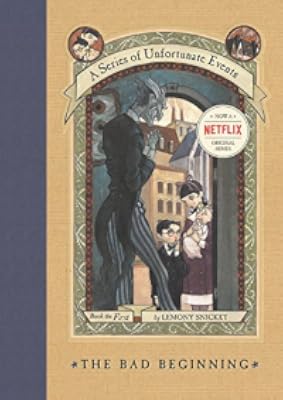
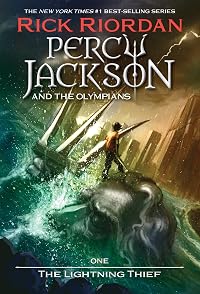
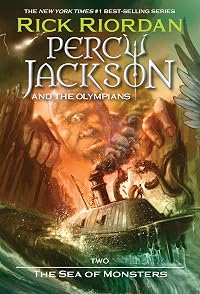
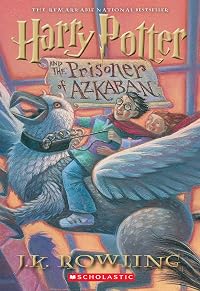
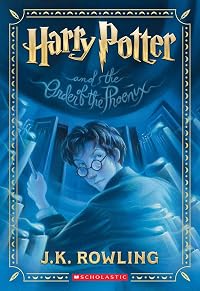
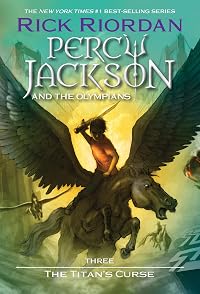
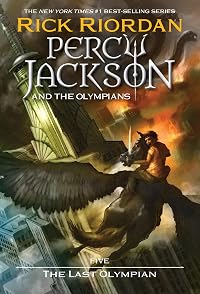
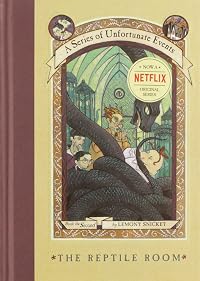
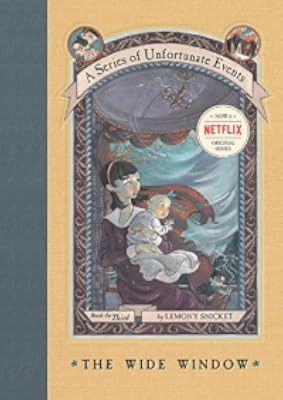
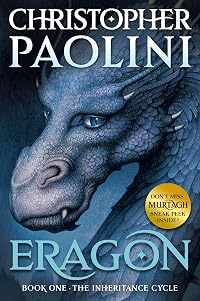
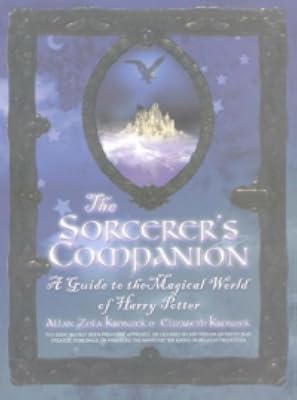
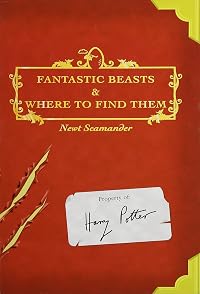
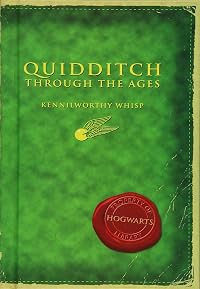
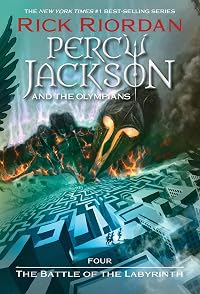
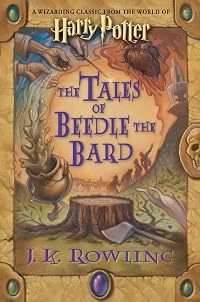
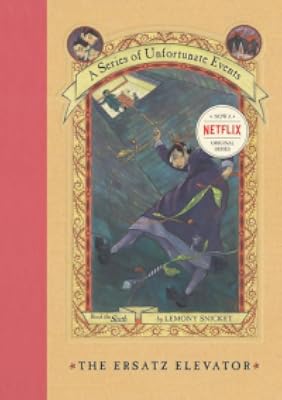
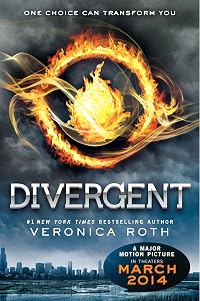
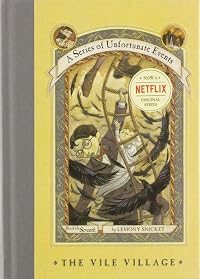

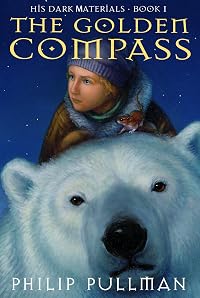
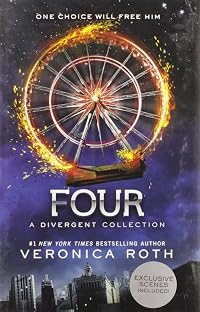
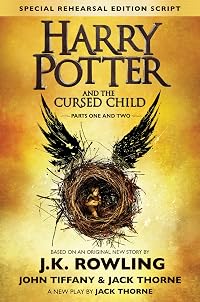
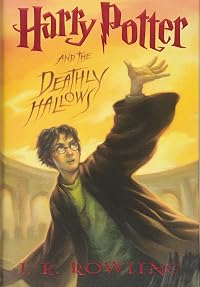

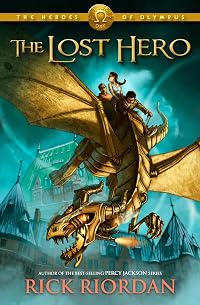
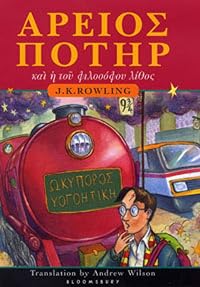
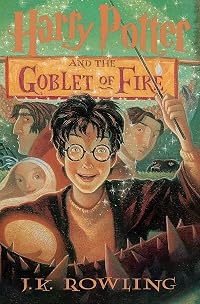
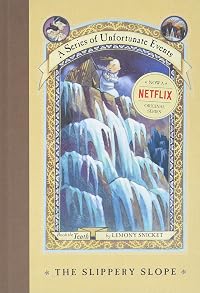
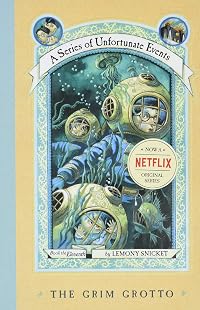
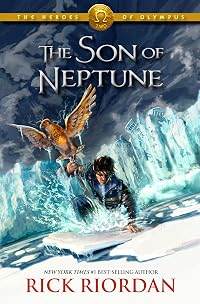
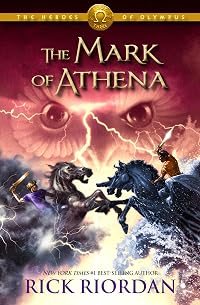
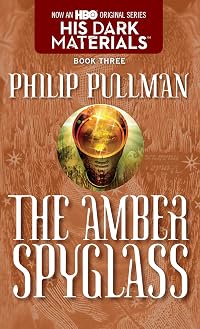
Member Recommendations

Unionhawk Both good fantasy series. Lord of the Rings is a slightly more difficult read though...
3116
cransell The first in an enjoyable series of stories about a young witch at boarding school.
Also recommended by Wraith_Ravenscroft
91

kerravonsen Children's fantasy, check. Protagonist who doesn't know he's a magician/wizard, check. Schooling in magic, check.
122
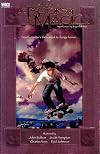
TomWaitsTables You want an explanation? Read The Books of Magic; if you loved Sorcerer's Stone, which is about an ordinary boy discovering a whole new world where he finds a future larger than he had ever imagined, you will love Neil Gaiman's The Books of Magic. If you ever find yourself thinking that after an awful lot of sequels and years of a multi-billion dollar franchise being squeezed for every Knut, that the world of Harry Potter has lost its magic, I urge you to rediscover it again in The Books of Magic. There is nothing else to say; there is only awe and wonders.
80
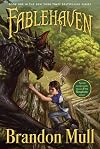
jfoster_sf This is a great fantasy series about a brother and sister who are sent to live with their grandparents for the summer. When they arrive they are amazed at how much land their grandparents own-a vast forest, expansive grounds, and a beautiful garden. When Seth goes to explore the forest (although his Grandfather has clearly forbidden it), he meets Muriel, a cunning witch who tries to capture him. This meeting soon unlocks a great secret that their grandparents have been guarding for many years. This is an exciting, funny, and mysterious fantasy that I highly recommend reading!
92
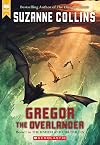
jfoster_sf Although this series isn't at all about magic, it's about an ordinary boy (11) who finds himself in a strange land and must go on a dangerous quest to save an underground civilization. This is the first book in an exciting series by the author of The Hunger Games.
82
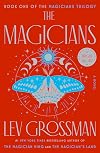
kaledrina Older YAs and above. Really for late teens and adults. Potter meets Narnia meet sex drugs and rock n roll.
116

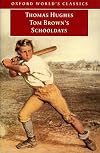
Inky_Fingers Even without magic in it, Tom Brown's School Days is an exciting read, and a book that was a major inspiration for the HP series.
20

andejons Both are excellent adventure stories about mistreated orphan boys who suddenly find themselves in a magical world that they have to defend from an unspeakable evil, with the aid of new friends and invisibility cloaks.
31
by anonymous user

bookmomo What if harry Potter had been older when he found out what he was... Koch's book is enjoyable for Potter fans
21

readafew Another excellent Young adult series. More Sci-Fi than fantasy but a great read.
21

Alliebadger Both fun and exciting YA fantasy stories that are written very well!
10
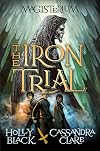
LongDogMom Very similar
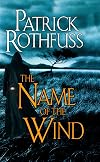
Vonini Both accounts of a boy growing up and studying magic. And both excellent books.

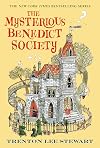
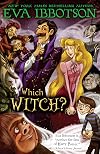
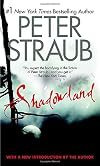
paradoxosalpha Grady Hendrix remarked: "Peter Straub already wrote a literary fiction version of Harry Potter when he wrote Shadowland ... way back when JK Rowling was only 15 years old."
11
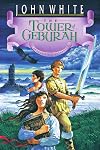

carlym Both Rowling and Fforde create magical worlds that intertwine with the real world.
99



anonymous user This book just may be America's answer to the Potter series. November in Salem features November Atwood, a teenage girl who travels back to 1701 Salem Village, Massachusetts to bring to an end a bargain between the village church elders and a diabolical entity hungry for souls.
01

by anonymous user

mene Harry Potter gaat over een middelbare school voor tovenaars, verborgen voor mensen die niet kunnen toveren.
Het levende labyrint (en de andere boeken in die serie) gaat over een universiteit voor tovenaars, verborgen voor mensen die niet kunnen toveren.
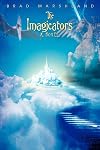
ckm63 The Imagicators takes the idea of magic to a new level. It's based on the power of your own imagination, and the whole world where the book takes place was itself imagined by someone else!
02
andyray for those youths today, the missouri of 1860-70 is magic through twain's pen.
516
Member Reviews
I was a bit hesitant when I heard that they were releasing an official illustrated edition of Harry Potter, but my fears were all for naught. The entire unabridged novel was contained between the covers (thankfully complete, as they should never leave out a word of HP!) accompanied by wonderfully wrought illustrations by artist Jim Kay. He channels the films just enough to keep with the established and popularized visual canon, but his style is also very reminiscent of the cover designs from the book’s original publication, which I thought was a nice nod to original fans of the series. The majority of the images are obviously watercolour- or ink-based, and therefore have a wonderfully vibrant tonal quality which treads a careful line show more between the stylings of children’s books and material that will be a viewing pleasure for the original HP-generation (all grown now). Successfully navigating this line (especially considering the depths that the story, and therefore the illustrations, must grow to encompass in the later books) was a definite concern of mine, but it looks like Kay is going to well meet my expectations with his hints of darkness and careful balance as evidenced here. I can’t wait to see what he does with the next installation (and the rest of the series) - they can’t come soon enough! show less
A living legend learns his story.
Vernon Dursley, an aggressively ordinary man, sets out for work. But the world has become a strange place. Wizards walk openly, and owls fly, carrying the most wondrous of news. A great evil has been vanquished, and before the night is through Vernon and his family will be forced to take in the baby who changed it all, Harry Potter. Neither welcomed nor loved, he will wait, unaware, for the day when the magical world comes to reclaim their hero, the Boy Who Lived.
What follows is both familiar and refreshing, as Harry learns his story alongside the audience. His fame only serves to enhance the awkward search for identity, as everyone Harry meets already “knows” his story. Harry is forced to wade show more through assumptions and expectations as he struggles to find his place in a new school. The story once again elevates a common experience with a unique complication, the school is magical. Whimsical adventures establish new characters in artful ways. Much of the story will be familiar to any veterans of fantasy, but this author manages it with a master’s flair.
+Strong Characterization
+Strong Setting
+Strong Narrative Voice, with touches of Humor
*Young Read
*Predictable but enjoyable plot & ideas
4/5 show less
Vernon Dursley, an aggressively ordinary man, sets out for work. But the world has become a strange place. Wizards walk openly, and owls fly, carrying the most wondrous of news. A great evil has been vanquished, and before the night is through Vernon and his family will be forced to take in the baby who changed it all, Harry Potter. Neither welcomed nor loved, he will wait, unaware, for the day when the magical world comes to reclaim their hero, the Boy Who Lived.
What follows is both familiar and refreshing, as Harry learns his story alongside the audience. His fame only serves to enhance the awkward search for identity, as everyone Harry meets already “knows” his story. Harry is forced to wade show more through assumptions and expectations as he struggles to find his place in a new school. The story once again elevates a common experience with a unique complication, the school is magical. Whimsical adventures establish new characters in artful ways. Much of the story will be familiar to any veterans of fantasy, but this author manages it with a master’s flair.
+Strong Characterization
+Strong Setting
+Strong Narrative Voice, with touches of Humor
*Young Read
*Predictable but enjoyable plot & ideas
4/5 show less
The boy who lived, and the door he opened for me.
I read this book when I was in class 10. I had seen other students carrying it around, the cover worn from multiple readings. I dismissed it as children's fluff. I was fifteen, and I thought I had outgrown fantasy. Then, one afternoon with nothing else to do, I picked up my younger cousin's copy. I opened it to the first line: "Mr. and Mrs. Dursley, of number four, Privet Drive, were proud to say that they were perfectly normal, thank you very much." I did not look up again until I had finished the book the next day. Then I read it again.
I did not know, then, that this book would become a door. Not the most sophisticated door, not the most literary door, but a door nonetheless. Behind it show more lay a world where a lonely boy could find friends, where the despised could become powerful, where a game of chess could save a life, and where the worst fear was not a monster but a man without a nose who could not love. I am twenty nine now. I have read thousands of books since. But I have never forgotten the feeling of walking through that door for the first time.
What it is:
Harry Potter is an orphan, raised by his aunt and uncle in a cupboard under the stairs, treated as a servant, told that his parents died in a car crash. On his eleventh birthday, he discovers that he is a wizard, that his parents were murdered by a dark lord named Voldemort, and that he is famous in a world he never knew existed. He is whisked away to Hogwarts School of Witchcraft and Wizardry, where he makes his first true friends (Ron Weasley, Hermione Granger), his first true enemies (Draco Malfoy, Professor Snape), and discovers that the magical world is not immune to the same prejudices, cruelties, and injustices as the muggle one. The plot is a mystery: who is trying to steal the Sorcerer's Stone, an alchemical artifact that grants immortality? The answer, when it comes, involves a troll, a chess board, a mirror that shows the heart's desire, and a villain who has been hiding in plain sight the whole time.
Why it stayed with me (from class 10 to now):
1. The worldbuilding is a masterclass in invitation. Rowling does not explain everything at once. She drops hints: owl post, platform nine and three-quarters, Diagon Alley hidden behind a pub wall. You discover the world alongside Harry, and every discovery feels like a gift. The magic is whimsical (chocolate frogs that hop, portraits that talk, staircases that move) but also grounded in rules (you cannot conjure food out of nothing, love is a form of magic that Voldemort cannot understand). This balance of wonder and logic is why the series has endured.
2. The characters are archetypes made flesh. Harry is the orphan hero, but he is also angry, impulsive, and occasionally foolish. Ron is the loyal sidekick, but he is also insecure, jealous, and hungry for recognition. Hermione is the brainy one, but she is also bossy, anxious, and willing to break rules for the right cause. Hagrid is the gentle giant, but he is also reckless and emotionally vulnerable. These are not complex characters by literary standards. But they are real in the way that childhood friends are real. You do not analyze them. You love them.
3. The theme of chosen family hits differently at fifteen. I read this book at an age when I was trying to figure out who I was outside my family. Harry's discovery that he belongs somewhere, that he has a place, a purpose, people who care about him, spoke directly to that longing. The scene at the end, where Harry looks at the mirror of Erised and sees his parents standing behind him, is not just sad. It is also hopeful. Because he walks away from the mirror. He chooses the living over the dead. I did not fully understand that at fifteen. I understand it now.
4. The mystery is well-constructed for a first novel. Rowling plants clues (Fluffy the three-headed dog, the trapdoor, the harp, the troll, Snape's leg injury) and pays them off in a way that feels satisfying without being obvious. The final reveal, that Quirinus Quirrell, the stuttering Defense Against the Dark Arts professor, is the villain, with Voldemort's face on the back of his head—is genuinely shocking. The twist works because Rowling hid it in plain sight: the character everyone suspected (Snape) was actually trying to save Harry.
5. The prose is functional but effective. Rowling is not a stylist. Her sentences are clear, her dialogue is natural, and her pacing is excellent. She knows when to speed up (the final obstacle course) and when to slow down (the quiet moments in the common room by the fire). This is not a book you read for beautiful sentences. It is a book you read because you cannot put it down.
Where a class 10 reader might notice flaws (and that's okay):
1. The plot is linear. Harry arrives at Hogwarts, learns about the stone, investigates, and confronts the villain. There are no subplots about house elves, no deep dives into wizarding history, no political commentary. Later books would add complexity. This one is a clean, simple adventure.
2. The villains are cartoonish at times. Draco Malfoy is a sneering bully. Snape is a red herring who exists to be suspicious. Voldemort, in his first appearance, is a face on the back of a head. The moral complexity that makes later books great (Snape's redemption, Malfoy's reluctant humanity) is not present here. That is not a flaw. It is a first book.
3. The prose is aimed at younger readers. The vocabulary is limited. The sentences are short. The emotions are stated directly rather than implied. For a class 10 reader who has already read adult literature, this can feel simplistic. I felt that, even at fifteen. But I also felt that simplicity was exactly what I needed. It was a door, not a labyrinth.
Who should read this:
Anyone who has somehow avoided the Harry Potter phenomenon and wants to see what the fuss is about.
Young readers (9–12) who are ready for a longer chapter book.
Adults who want a comforting, nostalgic read that does not ask too much.
Teachers and parents who want to understand why this series matters to so many.
Who might skip it:
If you require literary prose or moral ambiguity.
If you have already seen the movies and feel no need to revisit (but the book is richer).
If you have objections to the author's later public statements (many readers struggle with this).
Final verdict:
Harry Potter and the Sorcerer's Stone is not the best book I have ever read. It is not the most sophisticated, the most beautiful, or the most profound. But it is the book that reminded me, at fifteen, that reading could be a door instead of a chore. I had been assigned so many books that felt like medicine. This one felt like a feast.
Five stars. For the cupboard under the stairs. For the sorting hat. For the first time I read the words "Yer a wizard, Harry" and believed them. And for the boy who lived, who taught me that reading is not about escaping life. It is about finding the life you want to live. show less
I read this book when I was in class 10. I had seen other students carrying it around, the cover worn from multiple readings. I dismissed it as children's fluff. I was fifteen, and I thought I had outgrown fantasy. Then, one afternoon with nothing else to do, I picked up my younger cousin's copy. I opened it to the first line: "Mr. and Mrs. Dursley, of number four, Privet Drive, were proud to say that they were perfectly normal, thank you very much." I did not look up again until I had finished the book the next day. Then I read it again.
I did not know, then, that this book would become a door. Not the most sophisticated door, not the most literary door, but a door nonetheless. Behind it show more lay a world where a lonely boy could find friends, where the despised could become powerful, where a game of chess could save a life, and where the worst fear was not a monster but a man without a nose who could not love. I am twenty nine now. I have read thousands of books since. But I have never forgotten the feeling of walking through that door for the first time.
What it is:
Harry Potter is an orphan, raised by his aunt and uncle in a cupboard under the stairs, treated as a servant, told that his parents died in a car crash. On his eleventh birthday, he discovers that he is a wizard, that his parents were murdered by a dark lord named Voldemort, and that he is famous in a world he never knew existed. He is whisked away to Hogwarts School of Witchcraft and Wizardry, where he makes his first true friends (Ron Weasley, Hermione Granger), his first true enemies (Draco Malfoy, Professor Snape), and discovers that the magical world is not immune to the same prejudices, cruelties, and injustices as the muggle one. The plot is a mystery: who is trying to steal the Sorcerer's Stone, an alchemical artifact that grants immortality? The answer, when it comes, involves a troll, a chess board, a mirror that shows the heart's desire, and a villain who has been hiding in plain sight the whole time.
Why it stayed with me (from class 10 to now):
1. The worldbuilding is a masterclass in invitation. Rowling does not explain everything at once. She drops hints: owl post, platform nine and three-quarters, Diagon Alley hidden behind a pub wall. You discover the world alongside Harry, and every discovery feels like a gift. The magic is whimsical (chocolate frogs that hop, portraits that talk, staircases that move) but also grounded in rules (you cannot conjure food out of nothing, love is a form of magic that Voldemort cannot understand). This balance of wonder and logic is why the series has endured.
2. The characters are archetypes made flesh. Harry is the orphan hero, but he is also angry, impulsive, and occasionally foolish. Ron is the loyal sidekick, but he is also insecure, jealous, and hungry for recognition. Hermione is the brainy one, but she is also bossy, anxious, and willing to break rules for the right cause. Hagrid is the gentle giant, but he is also reckless and emotionally vulnerable. These are not complex characters by literary standards. But they are real in the way that childhood friends are real. You do not analyze them. You love them.
3. The theme of chosen family hits differently at fifteen. I read this book at an age when I was trying to figure out who I was outside my family. Harry's discovery that he belongs somewhere, that he has a place, a purpose, people who care about him, spoke directly to that longing. The scene at the end, where Harry looks at the mirror of Erised and sees his parents standing behind him, is not just sad. It is also hopeful. Because he walks away from the mirror. He chooses the living over the dead. I did not fully understand that at fifteen. I understand it now.
4. The mystery is well-constructed for a first novel. Rowling plants clues (Fluffy the three-headed dog, the trapdoor, the harp, the troll, Snape's leg injury) and pays them off in a way that feels satisfying without being obvious. The final reveal, that Quirinus Quirrell, the stuttering Defense Against the Dark Arts professor, is the villain, with Voldemort's face on the back of his head—is genuinely shocking. The twist works because Rowling hid it in plain sight: the character everyone suspected (Snape) was actually trying to save Harry.
5. The prose is functional but effective. Rowling is not a stylist. Her sentences are clear, her dialogue is natural, and her pacing is excellent. She knows when to speed up (the final obstacle course) and when to slow down (the quiet moments in the common room by the fire). This is not a book you read for beautiful sentences. It is a book you read because you cannot put it down.
Where a class 10 reader might notice flaws (and that's okay):
1. The plot is linear. Harry arrives at Hogwarts, learns about the stone, investigates, and confronts the villain. There are no subplots about house elves, no deep dives into wizarding history, no political commentary. Later books would add complexity. This one is a clean, simple adventure.
2. The villains are cartoonish at times. Draco Malfoy is a sneering bully. Snape is a red herring who exists to be suspicious. Voldemort, in his first appearance, is a face on the back of a head. The moral complexity that makes later books great (Snape's redemption, Malfoy's reluctant humanity) is not present here. That is not a flaw. It is a first book.
3. The prose is aimed at younger readers. The vocabulary is limited. The sentences are short. The emotions are stated directly rather than implied. For a class 10 reader who has already read adult literature, this can feel simplistic. I felt that, even at fifteen. But I also felt that simplicity was exactly what I needed. It was a door, not a labyrinth.
Who should read this:
Anyone who has somehow avoided the Harry Potter phenomenon and wants to see what the fuss is about.
Young readers (9–12) who are ready for a longer chapter book.
Adults who want a comforting, nostalgic read that does not ask too much.
Teachers and parents who want to understand why this series matters to so many.
Who might skip it:
If you require literary prose or moral ambiguity.
If you have already seen the movies and feel no need to revisit (but the book is richer).
If you have objections to the author's later public statements (many readers struggle with this).
Final verdict:
Harry Potter and the Sorcerer's Stone is not the best book I have ever read. It is not the most sophisticated, the most beautiful, or the most profound. But it is the book that reminded me, at fifteen, that reading could be a door instead of a chore. I had been assigned so many books that felt like medicine. This one felt like a feast.
Five stars. For the cupboard under the stairs. For the sorting hat. For the first time I read the words "Yer a wizard, Harry" and believed them. And for the boy who lived, who taught me that reading is not about escaping life. It is about finding the life you want to live. show less
Not in the mood for a long review so short version. I wanted to hate it but its actually pretty solid. Takes a lot of inspiration from Tolkien, Dahl and Dickens but is its own thing. Can feel a little episodic at times and author isn't able to come up with enough reasons why the kids don't talk to an adult instead of doing things themselves. But overall its a fairly good and easy read. End of review, now on to the interesting part :) .
I was shocked when i realised what this is. The premise is actually an allegory reimagining white, old money privilege as magic. Its kind of amazing in a horrifying sort of way. Essentially the word muggle is this worlds version of the word pleb and the author uses it with gusto to abuse the non-privileged show more class even when there are characters from that class around like Hermione. I don't know if Rowling comes from money but it certainly seems like she wants to.
You'll notice there are never any references to what wizards do for a living or what use a Hogwarts education is, because the people who go to these sorts of schools don't actually need to work for a living.
The only reason given for why magic is covered up is that the commoners will all want handouts from the privileged class if they learn how privileged they are.
“Well, their main job is to keep it from the Muggles that there’s still witches an’ wizards up an’ down the country.”
“Why?”
“Why? Blimey, Harry, everyone’d be wantin’ magic solutions to their problems.
It doesn't help that this book is whiter than the private schools its imitating, and in this case that feels like a feature not a bug. Lets not even get into the goblin bankers, i'm surprised she didn't cut out the pretense entirely and call one of them Fagan.
Anyway i am now more interested in reading 'Atlas Shrugged' as i seriously want to compare the two :) .
show less
I was shocked when i realised what this is. The premise is actually an allegory reimagining white, old money privilege as magic. Its kind of amazing in a horrifying sort of way. Essentially the word muggle is this worlds version of the word pleb and the author uses it with gusto to abuse the non-privileged show more class even when there are characters from that class around like Hermione. I don't know if Rowling comes from money but it certainly seems like she wants to.
You'll notice there are never any references to what wizards do for a living or what use a Hogwarts education is, because the people who go to these sorts of schools don't actually need to work for a living.
The only reason given for why magic is covered up is that the commoners will all want handouts from the privileged class if they learn how privileged they are.
“Well, their main job is to keep it from the Muggles that there’s still witches an’ wizards up an’ down the country.”
“Why?”
“Why? Blimey, Harry, everyone’d be wantin’ magic solutions to their problems.
It doesn't help that this book is whiter than the private schools its imitating, and in this case that feels like a feature not a bug. Lets not even get into the goblin bankers, i'm surprised she didn't cut out the pretense entirely and call one of them Fagan.
Anyway i am now more interested in reading 'Atlas Shrugged' as i seriously want to compare the two :) .
show less
It's amazing how much of this first Potter novel is devoted to world-building up front--the principal plot of the book doesn't arrive in explicit form until the back third, or quarter. The courage to do this allows for an immersive and interesting world to unfold, much like it does for Harry, to the reader. All the essential elements are here--Ron and Hermione, Snape and McGonagall, Dumbledore and Hagrid--and of course Quidditch and Hogwarts, and the Dursleys. It is easy to see how this initial offering hooked successive generations of readers from the start and spawned a behemoth still going strong nearly three decades later. The heartrending explanation for Harry's survival in the final moments of this novel is an unexpectedly show more endearing and deep testament to the particular bond mothers have with their children. As an old soul and a relatively new parent myself, I was a bit touched by it. show less
My friend Padric is sophisticated, witty, and urbane, a career bookseller and one of the most well-read people I know. He's equally at home with Oscar Wilde or James Ellroy, Elizabeth George or Jared Diamond. He reads in a wide range of genres and categories, and I defy you to come away from a seller-customer experience with him without an armful of books or, at the very least, a long to-be-read list.
And yet, twice a year, right around February and then again in July, one of us will contact the other, by email or by phone, and the message will be: it's time for Harry. What brings us, readers and booksellers both, back to this children's series, twice a year, every year?
Harry Potter and the Sorcerer's Stone is the first of the seven show more Harry Potter books. In it, Harry Potter--an orphan, known in one world as "The Boy Who Lived," known in another as "you" or "boy"--is taken out of his classically awful existence and transported to a magical world. Pretty standard stuff, the basic plot, give or take, of story upon story, year after year, of kid lit. But, something sets these books apart, even in this first installment which--let's face it--is not particularly well-written or even that original. And yet...
We enter the world of Harry Potter with a little prologue, in which we learn that there has been a cataclysmic event: someone terrible and evil is gone and the world is celebrating. But a boy has been left orphaned, and the prologue ends with him being left to grow up in what will almost certainly be unpleasant circumstances.
Ten years later we meet the boy, Harry Potter, skinny and undernourished but still plucky and resilient. He's been made to sleep in the (now iconic) cupboard under the stairs, his birthday is never remembered, and Christmas presents usually consist of a pair of his uncle's used socks. But he remembers things sometimes, and even if he doesn't know if they're dreams or real, he knows there's something more.
His hero's journey (and make no mistake about it, over the seven volumes it becomes a classic Campbellian journey) begins when he is plucked from the constrained, antiseptic world of suburbia and taken to be trained up as a wizard at Hogwarts School of Witchcraft and Wizardry. There, he will face tasks and trials, sometimes alone and sometimes with his friends Ron and Hermione beside him.
J.K. Rowling draws from classic British novels of life in public school, such as Tom Brown's Schooldays, and from classic fairy tales (Cinderella, Jack & the Beanstalk spring immediately to mind), and her own reading or instinctive understanding of Joseph Campbell's monomyth of the hero's journey. What makes the Harry Potter series special is not the world that Rowling creates, although that world is certainly wondrous, but rather, her treatment of her characters. What matters to J.K. Rowling is knowledge, bravery, loyalty, friendship, and--most of all--love.
Oscar Wilde once quipped (and I apologize for my awkward paraphrasing) that one would have to have a heart of stone not to laugh at the death of Little Nell. I love Dickens and I love that thought, because there must be something absurd and over the top about any scene capable of such tear-jerking pathos. And this is how I feel about Harry Potter and the Sorcerer's Stone. It's funny and sweet and deeply heartfelt, and if some of the sentiments might seem like well-worn platitudes when taken on their surface, dig a little deeper and the truth is there.
And if you can get past Neville's being awarded 10 points for Gryffindor because, "It takes a great deal of bravery to stand up to our enemies, but just as much to stand up to our friends" without both crying and laughing, then you do have a heart of stone. show less
And yet, twice a year, right around February and then again in July, one of us will contact the other, by email or by phone, and the message will be: it's time for Harry. What brings us, readers and booksellers both, back to this children's series, twice a year, every year?
Harry Potter and the Sorcerer's Stone is the first of the seven show more Harry Potter books. In it, Harry Potter--an orphan, known in one world as "The Boy Who Lived," known in another as "you" or "boy"--is taken out of his classically awful existence and transported to a magical world. Pretty standard stuff, the basic plot, give or take, of story upon story, year after year, of kid lit. But, something sets these books apart, even in this first installment which--let's face it--is not particularly well-written or even that original. And yet...
We enter the world of Harry Potter with a little prologue, in which we learn that there has been a cataclysmic event: someone terrible and evil is gone and the world is celebrating. But a boy has been left orphaned, and the prologue ends with him being left to grow up in what will almost certainly be unpleasant circumstances.
Ten years later we meet the boy, Harry Potter, skinny and undernourished but still plucky and resilient. He's been made to sleep in the (now iconic) cupboard under the stairs, his birthday is never remembered, and Christmas presents usually consist of a pair of his uncle's used socks. But he remembers things sometimes, and even if he doesn't know if they're dreams or real, he knows there's something more.
His hero's journey (and make no mistake about it, over the seven volumes it becomes a classic Campbellian journey) begins when he is plucked from the constrained, antiseptic world of suburbia and taken to be trained up as a wizard at Hogwarts School of Witchcraft and Wizardry. There, he will face tasks and trials, sometimes alone and sometimes with his friends Ron and Hermione beside him.
J.K. Rowling draws from classic British novels of life in public school, such as Tom Brown's Schooldays, and from classic fairy tales (Cinderella, Jack & the Beanstalk spring immediately to mind), and her own reading or instinctive understanding of Joseph Campbell's monomyth of the hero's journey. What makes the Harry Potter series special is not the world that Rowling creates, although that world is certainly wondrous, but rather, her treatment of her characters. What matters to J.K. Rowling is knowledge, bravery, loyalty, friendship, and--most of all--love.
Oscar Wilde once quipped (and I apologize for my awkward paraphrasing) that one would have to have a heart of stone not to laugh at the death of Little Nell. I love Dickens and I love that thought, because there must be something absurd and over the top about any scene capable of such tear-jerking pathos. And this is how I feel about Harry Potter and the Sorcerer's Stone. It's funny and sweet and deeply heartfelt, and if some of the sentiments might seem like well-worn platitudes when taken on their surface, dig a little deeper and the truth is there.
And if you can get past Neville's being awarded 10 points for Gryffindor because, "It takes a great deal of bravery to stand up to our enemies, but just as much to stand up to our friends" without both crying and laughing, then you do have a heart of stone. show less
A first time read for me. (Technically not a read but a listen: the audiobook narrated by Stephen Fry). No, I haven't been living under a rock. It's just that after years of telling my Harry Potter fan son, thanks all the same, I really don't want to read any Harry Potter books, I finally succumbed thanks to a GR group. Is it possible that I am the last person in the world to read this book who was over the age of ten when it was first published? Maybe.
My resistance to reading Harry Potter wasn't particularly to do with the hype surrounding it at the beginning or with each successive instalment. It's just that I persuaded myself when I was about ten that I don't like fantasy. That's how old I was when [b:The Lion, the Witch, and the show more Wardrobe|100915|The Lion, the Witch, and the Wardrobe (Chronicles of Narnia, #2)|C.S. Lewis|http://photo.goodreads.com/books/1308957077s/100915.jpg|4790821] scared me silly. I never fully recovered. Although I sort of did, really, because I went on to read the Narnia Chronicles as an adult and found them perfectly delightful. And it's hard to dislike [b:Alice in Wonderland|13023|Alice in Wonderland|Lewis Carroll|http://photo.goodreads.com/books/1166512952s/13023.jpg|2933712]. However, I still haven't read Tolkien.
Anyway, I'm glad that I finally decided to go along for the ride. I enjoyed this book immensely. I particularly liked the humour. (A giant three-headed dog named Fluffy!!) I liked the satire. I got hooked into the story. I loved Stephen Fry's voices. Now I understand why this book appealed so much to my son.
It is certainly derivative. There's Cinderella, old fashioned boarding school stories, a dose of Star Wars (itself extremely derivative), a touch of Alice in Wonderland - and lots of other influences besides. But the influences work well together. I found the ending slightly unsatisfactory - there appeared to be quite a lot of exposition all done in a bit of a rush - but I wasn't unduly troubled.
All in all, a good read. And my son is saying "I told you so". show less
My resistance to reading Harry Potter wasn't particularly to do with the hype surrounding it at the beginning or with each successive instalment. It's just that I persuaded myself when I was about ten that I don't like fantasy. That's how old I was when [b:The Lion, the Witch, and the show more Wardrobe|100915|The Lion, the Witch, and the Wardrobe (Chronicles of Narnia, #2)|C.S. Lewis|http://photo.goodreads.com/books/1308957077s/100915.jpg|4790821] scared me silly. I never fully recovered. Although I sort of did, really, because I went on to read the Narnia Chronicles as an adult and found them perfectly delightful. And it's hard to dislike [b:Alice in Wonderland|13023|Alice in Wonderland|Lewis Carroll|http://photo.goodreads.com/books/1166512952s/13023.jpg|2933712]. However, I still haven't read Tolkien.
Anyway, I'm glad that I finally decided to go along for the ride. I enjoyed this book immensely. I particularly liked the humour. (A giant three-headed dog named Fluffy!!) I liked the satire. I got hooked into the story. I loved Stephen Fry's voices. Now I understand why this book appealed so much to my son.
It is certainly derivative. There's Cinderella, old fashioned boarding school stories, a dose of Star Wars (itself extremely derivative), a touch of Alice in Wonderland - and lots of other influences besides. But the influences work well together. I found the ending slightly unsatisfactory - there appeared to be quite a lot of exposition all done in a bit of a rush - but I wasn't unduly troubled.
All in all, a good read. And my son is saying "I told you so". show less
Members
- Recently Added By
Lists

The Guardian's 1000 Novels Everyone Must Read
1,005 works; 547 members

1001 Books You Must Read Before You Die
1,448 works; 1,134 members

Read the book and saw the movie
1,170 works; 195 members

Best Fantasy Novels
821 works; 361 members
BBC Big Read
191 works; 46 members

Best Young Adult
399 works; 101 members
501 Must-Read Books
529 works; 72 members

1001 Children's Books You Must Read Before You Grow Up
774 works; 101 members
Favorite Childhood Books
1,646 works; 518 members

Children's Fantasy
73 works; 10 members

Banned Books Week 2014
268 works; 63 members

Best middle grade books
130 works; 24 members

Books with "Living Chess"
17 works; 12 members

Classics you know you should have read but probably haven't
421 works; 408 members

PBS The Great American Read
100 works; 21 members

Farm Boy Fantasy
51 works; 21 members

Female Author
1,235 works; 67 members
Five books to read aloud to your kids
35 works; 17 members
Best of British Literature
226 works; 41 members
Best Books Set in Boarding Schools
160 works; 57 members
20th Century Literature
1,161 works; 54 members

BBC Big Read
100 works; 10 members
Favourite Books
1,819 works; 316 members
The Telegraph's 110 Best Books: The Perfect Library
101 works; 18 members

Nineties
43 works; 10 members

Carnegie Medal books I've read (shortlist and winners)
86 works; 17 members

Elevenses
316 works; 87 members

Bookriot's 100 Must-Read Sci-Fi Fantasy Novels By Female Authors
100 works; 9 members

Books Featured on Gilmore Girls
307 works; 21 members

1990s
309 works; 17 members
Best School Stories
219 works; 22 members

Books Read in 2023
5,547 works; 145 members

Magic schools
51 works; 8 members
my children books reading list-from 100 great books
101 works; 7 members

Magic Realism
371 works; 52 members

Top 100 to Read before you Die
109 works; 7 members
Speculative Fiction to Read
706 works; 32 members
Mind Expanding Books by hackerkid
581 works; 8 members

Childhood Favorites
427 works; 24 members
LibraryThingers' 1001 Books You Must Read Before You Die
442 works; 30 members
Vote - Bookmarque's Teetering TBR Tower
33 works; 8 members
Formative books
20 works; 4 members

Books with Twins
175 works; 12 members
Books with a Character's Name as the Title
129 works; 9 members
Page Turners
185 works; 11 members

FAB 2020
15 works; 1 member

Most Popular Young Adult Lit on LT
100 works; 4 members

Literature for Children and Teens
41 works; 2 members
Travel from real to fantasy world -- children's/young adult fiction
125 works; 11 members

Recommend the 20 best books you've read in the last five years
2,168 works; 606 members
Movie Adaptations
111 works; 4 members

Best 21st Century Books (So Far)
670 works; 86 members

Top Five Books of 2016
795 works; 229 members

Books With a Twist
69 works; 46 members

Books Read in 2000
115 works; 4 members
Science Fiction and Fantasy
63 works; 4 members

Books recommended by Calgary Public Library staff
1,588 works; 4 members

Biggest Disappointments
606 works; 163 members

Books Read in 1998
14 works; 1 member

Harry Potter Books Ranked
8 works; 1 member
Witchy Fiction
253 works; 126 members
Gilmore Girls Complete Reading List
30 works; 1 member
Five star books
1,757 works; 108 members

Top Five Books of 2023
767 works; 317 members
Before Austen Comes Aesop
318 works; 9 members
Lucy's Long List
69 works; 1 member

Great Films Based on Books
319 works; 140 members
The Five Books That Represent Us
391 works; 148 members
Read in 1999–2000
24 works; 1 member
BitLife
212 works; 4 members

100 books that changed the world
31 works; 2 members

DigitalDreamDoor top 300
300 works; 4 members
The Complete Rory Gilmore Reading List
506 works; 5 members
Our Favorite Comfort Reads
334 works; 200 members
.
194 works; 2 members

Contemporary Fantasy to Read
63 works; 5 members
Books We Want To Read Again For The First Time
384 works; 160 members

Have read
18 works; 1 member

Elaina's
183 works; 1 member
el
1,139 works; 1 member

Read
27 works; 1 member

H
177 works; 2 members
Best Audiobooks
240 works; 114 members
New one
1 work; 1 member

Books Read in 2002
197 works; 8 members

AR Level 5 in cloudLibrary
170 works; 1 member
'Books You Can't Live Without: The Top 100', The Guardian, 2007
156 works; 7 members

Audible Books
5 works; 1 member

.
396 works; 1 member
Our Favorite Banned Books
138 works; 122 members
Banned Books I have read
16 works; 2 members
Book Worlds We'd Like To Visit
322 works; 158 members
Stephen King's 'On Writing' reading list
95 works; 4 members
Books We Love to Reread
688 works; 296 members

Rory Gilmore Book Club
193 works; 5 members

Books Read in 2017
4,249 works; 129 members

Books Read in 2021
5,361 works; 114 members

Works with inappropriate subject headings on LibraryThing
35 works; 5 members

Books Read in 2015
3,299 works; 126 members

Crime and Mysteries to Read
746 works; 31 members

A Novel Cure
742 works; 23 members

Best books I read in 2013
152 works; 3 members
Witches and Wizards Oh My
135 works; 12 members
Novels featuring Orphans
76 works; 10 members

Books About Boys
175 works; 15 members

You Couldn't Pay Me to Read That
25 works; 7 members
First Novels
373 works; 17 members
You Couldn't Pay Me to Read That (Take 2)
203 works; 86 members
Recommended books
6 works; 4 members

Watched the Movie, Probably Won't Read the Book
185 works; 34 members
Banned or Challenged Books
400 works; 37 members
Books That Changed Me
158 works; 47 members

Tagged by Tim or Meh!
91 works; 9 members

Secret Histories
28 works; 8 members

Unread books
1,063 works; 87 members
Phoebe Bridgers
29 works; 1 member
Books Read in 2016
4,666 works; 197 members

Scholastic 100 Best Read-Aloud Books
100 works; 8 members

Books I Wanna Read Before 2016 is Over
7 works; 1 member

Movies/Shows
617 works; 7 members

Movies/Shows with Halloween Scenes
28 works; 1 member

READ IN 2020
172 works; 1 member

Secrets Books
94 works; 3 members

al.vick-series
381 works; 2 members
Hazel & Katniss & Harry & Starr Podcast
195 works; 1 member

Works Referenced in The League of Extraordinary Gentlemen
122 works; 6 members

Books Read in 2019
4,052 works; 110 members
GCS 6th grade summer reading list
171 works; 4 members

Books Tagged Abuse
152 works; 4 members

Books Read in 2018
4,360 works; 110 members
Overdue Podcast
806 works; 9 members
Scholastic
15 works; 1 member

Fiction with Men's Given Names in the Title
302 works; 11 members

Books on my Kindle
162 works; 3 members
Houses and Buildings as Characters in Fiction
182 works; 28 members

Other Wizard Fiction
45 works; 1 member
Ghosts
278 works; 18 members
Books tagged favorites
390 works; 30 members
Favorite Long Books
330 works; 42 members

Weird and Weirder Fiction
270 works; 34 members
Talk Discussions
Past Discussions
Harry Potter and the Philosopher's Stone Discussion, Chapters 1-8 in Hogwarts Express (June 2025)
Harry Potter and the Re/Read of The Sorcerer's/Philosopher's Stone in 75 Books Challenge for 2014 (March 2014)
Harry Potter and the Philosopher's Stone Discussion, Chapters 9-17 in Hogwarts Express (June 2010)
next four chapters in Hogwarts Express (April 2008)
harry potter and the SS/PS chapters 5,6,7,8, in Hogwarts Express (March 2008)
harry potter and the Sorceror's /Philosopher's stone, discussion thread in Hogwarts Express (March 2008)
HP & the PS/SS Chapters 9-12 in Hogwarts Express (September 2007)
Author Information

J. K. (Joanne Kathleen) Rowling was born in Gloucestershire, U. K. on July 31, 1965. She also writes fiction novels under the name of Robert Galbraith. Rowling attended Tutshill Primary and then went on to Wyedean Comprehensive where she was made Head Girl in her final year. She received a degree in French from Exeter University. She later took show more some teaching classes at Moray House Teacher Training College and a teacher-training course in Manchester, England. This extensive education created a perfect foundation to spark the Harry Potter series that Rowling is renowned for. After college, Rowling moved to London to work for Amnesty International, where she researched human rights abuses in Francophone Africa, and worked as a bilingual secretary. In 1992, Rowling quit office work to move to Portugal and teach English as a Second Language. There she met and married her husband, a Portuguese TV journalist. But the marriage dissolved soon after the birth of their daughter. It was after her stint teaching in Portugal that Rowling began to write the premise for Harry Potter. She returned to Britain and settled in Edinburgh to be near her sister, and attempted to at least finish her book, before looking for another teaching job. Rowling was working as a French teacher when her book, Harry Potter and the Philosopher's Stone was published in June of 1997 and was an overnight sensation. Harry Potter and the Philosopher's Stone won the British Book Awards Children's Book of the Year, was shortlisted for the Guardian Fiction Award, and received a Commended citation in the Carnegie Medal awards. She also received 8,000 pounds from the Scottish Arts Council, which contributed to the finishing touches on The Chamber of Secrets. Rowling continued on to win the Smarties Book Prize three years in a row, the only author ever to do so. At the Bologna Book Fair, Arthur Levine from Scholastic Books, bought the American rights to Harry Potter and the Philosopher's Stone for the unprecedented amount of $105,000.00. The book was retitled Harry Potter and the Sorcerer's Stone for it's American release, and proceeded to top the Best Seller's lists for children's and adult books. The American edition won Best of the Year in the School Library Journal, Publishers Weekly, Parenting Magazine and the Cooperative Children's Book Center. It was also noted as an ALA Notable Children's Book as well as Number One on the Top Ten of ALA's Best Books for Young Adults. The Harry Potter Series consists of seven books, one for each year of the main character's attendance at the Hogwarts School of Witchcraft and Wizardry. All of the books in the series have been made into successful movies. She is number 1 on the Hollywood Reporter's '25 Most Powerful Authors' 2016 list. She has also written Fantastic Beasts and Where to Find Them, Quidditch Through the Ages, and The Tales of Beedle the Bard. She won the 2016 PEN/Allen Foundation Literary Service Award. In 2016 she, along with Jack Thorne and John Tiffany, published the script of the play Harry Potter and the cursed child. It became an instant bestseller. Rowling's first novel for an adult audience,The Casual Vacancy, was published by Little Brown in September 2012. She made The New York Times Best Seller List with her title Very Good Lives: The Fringe Benefits of Failure and the Importance of Imagination. She published two bestselling fiction novels under the name of Robert Galbraith: The Cuckoo's Calling and The Silkworm. (Bowker Author Biography) show less
Some Editions
Awards and Honors
Awards
Distinctions
Notable Lists
BBC's Big Read (22)
Greatest Books algorithm (304)
Whitcoulls Top 100 Books (30 – 2008)
Whitcoulls Top 100 Books (46 – 2010)
Bulgarian Big Read (28)
Schecks Bücher (76)
Series

Belongs to Publisher Series
Work Relationships
Is contained in
Contains
Has the adaptation
Is parodied in
Inspired
Has as a reference guide/companion
Has as a study
Has as a student's study guide
Common Knowledge
- Canonical title*
- Harry Potter und der Stein der Weisen
- Original title
- Harry Potter and the Philosopher's Stone
- Alternate titles
- Harry Potter and the Sorcerer's Stone (US) (US)
- Original publication date
- 1997-06-26
- People/Characters
- Harry James Potter; Hermione Jean Granger; Ronald Bilius "Ron" Weasley; Albus Percival Wulfric Brian Dumbledore; Severus Snape; Lord Voldemort (show all 31); Quirinus Quirrell; Rubeus Hagrid; Minerva McGonagall; Neville Longbottom; Vernon Dursley; Petunia Dursley; Dudley Dursley; Fred Weasley; George Weasley; Percy Ignatius Weasley; Draco Malfoy; Vincent Crabbe; Gregory Goyle; Mr. Ollivander; Dean Thomas; Filius Flitwick; Firenze; Ginevra Molly "Ginny" Weasley; Lavender Brown; Lucius Malfoy; Molly Weasley; Oliver Wood; Parvati Patil; Peter Pettigrew; Nicholas Flamel
- Important places
- Hogwarts School of Witchcraft and Wizardry, Scotland, UK; Number 4 Privet Drive, Little Whinging, Surrey, England, UK; Forbidden Forest, Scotland, UK; London, England, UK; Diagon Alley, London, England, UK; Gringotts Bank, London, England, UK (show all 8); King's Cross Station, London, England, UK; Platform 9 3/4, King's Cross Station, London, England, UK
- Related movies
- Harry Potter and the Philosopher's Stone (2001 | IMDb | Chris Columbus); Harry Potter and the Sorcerer's Stone (2001 | IMDb)
- Dedication
- for Jessica, who loves stories,
for Anne, who loved them too,
and for Di, who heard this one first. - First words
- Mr. and Mrs. Dursley, of number four, Privet Drive, were proud to say that they were perfectly normal, thank you very much.
- Quotations
- The wand chooses the wizard, remember…I think we must expect great things from you, Mr. Potter…After all, He-Who-Must-Not-Be-Named did great things - terrible, yes, but great.
- Last words
- (Click to show. Warning: May contain spoilers.)"They don't know we're not allowed to use magic at home. I'm going to have a lot of fun with Dudley this summer. . . ."
- Publisher's editor
- Little, Christopher
- Original language
- English UK
- Canonical DDC/MDS
- 823.92
- Canonical LCC
- PJ5124
- Disambiguation notice
- Harry Potter and the Philosopher's Stone is the original title in the UK.
The change to 'Sorcerer' is in the US title.
Please do not use the canonical title field to force one title over the other. Pleas... (show all)e do not use CK to engage in edit wars. Please visit the Common Knowledge, WikiThing, HelpThing
group for discussions.
*Some information comes from Common Knowledge in other languages. Click "Edit" for more information.
Classifications
Statistics
- Members
- 153,998
- Popularity
- 1
- Reviews
- 2,218
- Rating
- (4.29)
- Languages
- 80 — Afrikaans, Albanian, Arabic, Armenian, Bable, Basque, Belarusian, Bengali, Bosnian, Breton, Bulgarian, Catalan, Czech, Danish, Dutch, English, Estonian, Faroese, Finnish, French, Frisian, Georgian, German, Irish, Galician, Greek, Gujarati, Hebrew, Hindi, Hungarian, Icelandic, Indonesian, Italian, Japanese, Kalaallisut, Khmer, Korean, Latin, Latvian, Lithuanian, Letzeburgesch, Macedonian, Malayalam, Maori, Marathi, Malay, Mongolian, Low German, Nepali, Norwegian (Bokmål), Norwegian, Occitan (post-1500), Farsi/Persian, Polish, Romance (Other), Romanian, Russian, Serbian, Scots, Croatian, Sinhalese, Slovak, Slovenian, Spanish, Swedish, Tamil, Telugu, Tagalog, Thai, Tibetan, Turkish, Ukrainian, Urdu, Vietnamese, Welsh, Yiddish, Portuguese (Portugal), Portuguese (Brazil), Chinese, traditional, Chinese, simplified
- Media
- Paper, Audiobook, Ebook
- ISBNs
- 680
- UPCs
- 15
- ASINs
- 282