On This Page
Description
This look at the near future presents the story of Offred, a Handmaid in the Republic of Gilead, once the United States, an oppressive world where women are no longer allowed to read and are valued only as long as they are viable for reproduction.Tags
Recommendations
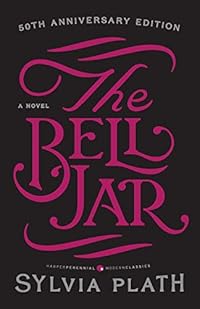
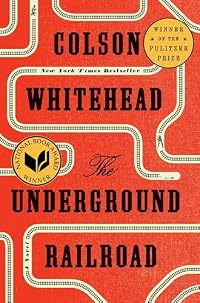
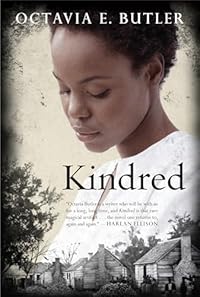
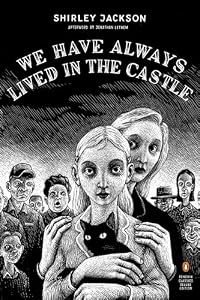
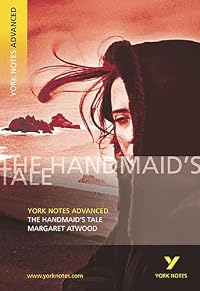
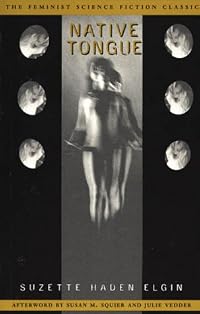
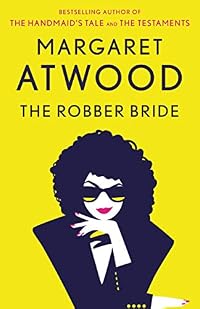
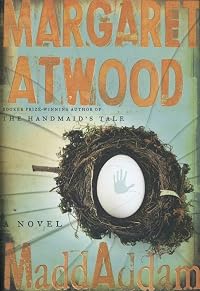
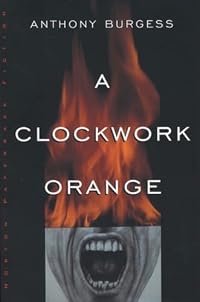
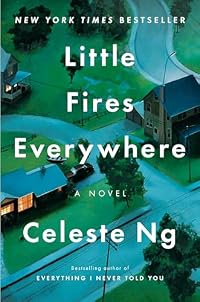
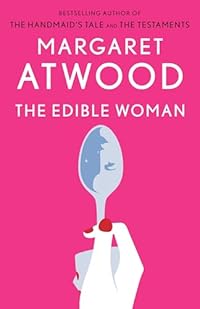
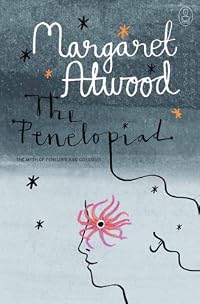
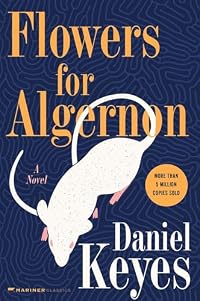
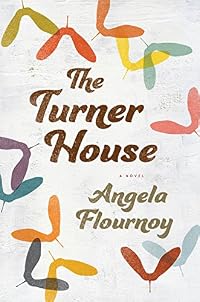
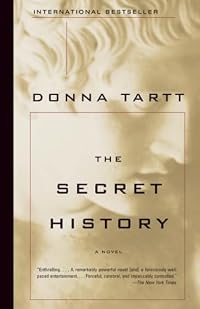
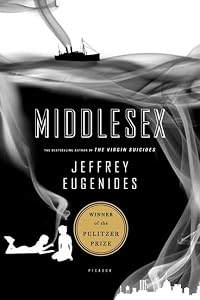
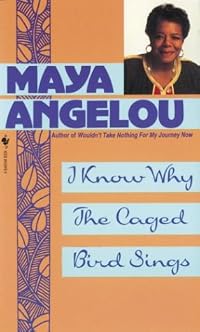
Member Recommendations
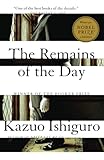
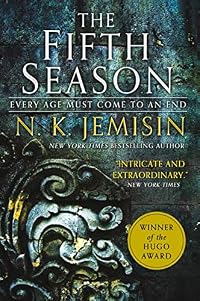
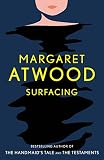
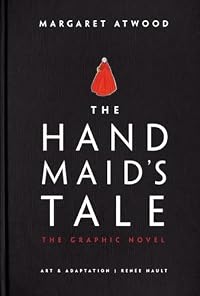
browner56 Two chilling, though extremely well written, reminders that liberty, freedom, and self-determination are not idle concepts.
443
krazy4katz An upside down recommendation, as this is an "all-women" utopia rather than a dystopia, but a fun read.
150
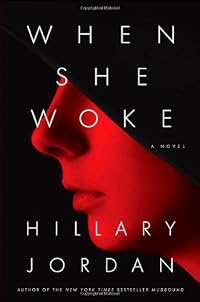
sparemethecensor The Handmaid's Tale is the classic forerunner to dystopic fiction of sexist futures. When She Woke picks up the mantel with a more modern version of a misogynistic theocracy taking over government. Both show terrifying futures for the state of women in society.
110
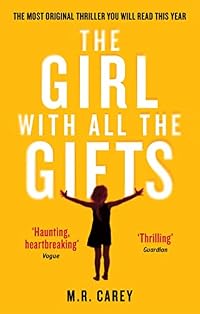
Kaelkivial Both stories of strong women who resist (in one form or another) the system that holds them down. Both books fairly fast paced and gripping; acts of violence and loss scattered throughout.
Also recommended by wosret
115


AlanPoulter Two novels on repressive near futures in a decayed North America.
31


EerierIdyllMeme Comparable explorations of post-apocalyptic societies, with the gender-roles reversed.
10
by anonymous user
Cuilly Similar to "The Handmaid's Tale", but scarily non-fiction.
21
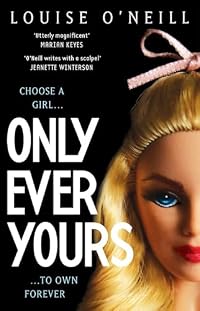
konallis YA dystopia with some shared themes. Girls are genetically engineered to be 'ideal' sexual partners to men, and are schooled to be beautiful, thin and illiterate.
11

anonymous user Dystopian North America with a strong female protagonist
33
4leschats Similar themes of infertility, gender roles, breeding, and women's oppression as well as a divided U.S.

by anonymous user

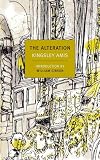
Ludi_Ling Both present present or future worlds that are technologically backward compared to our own, and deal with the oppression of certain social groups.
01
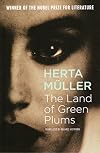
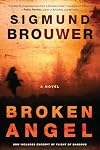
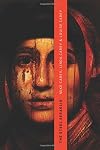
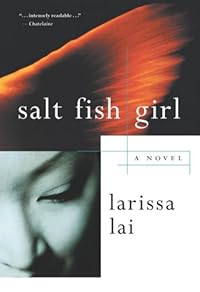
susanbooks Nayeri's novel takes place in an Iran that is remarkably like Gilead.
02
FFortuna The Handmaid's Tale is more adult, but really not by much. They're very similar dystopias and both feature excellent, deep-first-person narratives.
517
by smiteme
spiphany Features a cloister-like home for surrogate mothers which is, however, motivated more by economic than religious considerations.

JenniferRobb Both books explore an alternate reality where women have a role and resistance movements arise to work against that role.
by susanbooks
Member Reviews
My grandparents left Uganda in the 1970s, forced out by mounting racial tension and changes in the law making it impossible for Indians to own businesses and property. They just missed the violence, but I've heard stories of other family members, who lingered. One member, watched as her husband was brutally beaten and murdered. I didn't ask what happened to her, and I don't really want to know. I recite this with horror, but with a sort of cool detachment. It happened in a far off place; it's ancient history.
I feel that this story (The Handmaid's Tale) is not quite fiction. It could have happened to me if I were Jewish in 1930s Europe; it could be happening to me now if I were born a few thousand miles to the east; it could happen to show more me in the future under some Donald Trump-esque regime. It's a story that history writes, forgets, and re-writes in an endless cycle. show less
I feel that this story (The Handmaid's Tale) is not quite fiction. It could have happened to me if I were Jewish in 1930s Europe; it could be happening to me now if I were born a few thousand miles to the east; it could happen to show more me in the future under some Donald Trump-esque regime. It's a story that history writes, forgets, and re-writes in an endless cycle. show less
I try not to hold this against the books, but the main reason I have such an aversion to dystopian fiction is the gaggle of morons who pounce on their keyboards every time something mildly unfortunate happens in the world, slam the caps lock button, and type, "TIME TO MOVE 1984 INTO THE NON-FICTION SECTION, AMERICA!"
I enjoyed The Handmaid's Tale, but after I set it down, I immediately said to myself, "Reading the comments is going to ruin this for you." Sure enough, I look on goodreads at the top reviews, and they've all been edited within the last few months to start off, "Now that we live in a country run by Donald Trump..." How do people live their lives like this? I'll never understand it.
Here's the thing. There's nothing wrong with show more trying to understand a novel's context, because no book is 100% independent from contemporary politics and culture, but analyzing the context of a novel has absolutely nothing to do with whether the author got it right or not. The strength of The Handmaid's Tale or 1984 or Brave New World or any like them cannot be entirely based on the author guessing the future correctly. Where's the literary merit in that? A man that I love but do not respect once said, "Plausible scenarios do not make for good literature." He then demanded that I repeat it after him, and I did, but I would now revise it to something more like, "Accurately representing reality or prophesying events to come is a quality that's completely unrelated to good writing."
So, independent of all that, is The Handmaid's Tale a good book? Yeah, I think so. Atwood makes it easy to sympathize with Offred's plight, and even though the men are all kind of blandly stupid, I found myself invested in their stories. The background to the formation of the state doesn't really hold up under much scrutiny, but the novel is a success on an emotional level if not a logical one.
Now, as far as the ending goes, it can go eat its own shit for all eternity. I'm not talking about the end to Offred's story, which was fine by me. I mean this found footage dogshit that people have been pulling for centuries for inexplicable reasons. Why do authors say to themselves, "I know what will make this story better: one extra layer of distance between the narrator and the reader! Why wouldn't that improve things?" They do this over and over and over again and I have never in any book I've ever read seen it do anything other than detract from the story.
If you're into dystopian fiction, go ahead and read this, and if you're into getting really angry, read the reviews. show less
I enjoyed The Handmaid's Tale, but after I set it down, I immediately said to myself, "Reading the comments is going to ruin this for you." Sure enough, I look on goodreads at the top reviews, and they've all been edited within the last few months to start off, "Now that we live in a country run by Donald Trump..." How do people live their lives like this? I'll never understand it.
Here's the thing. There's nothing wrong with show more trying to understand a novel's context, because no book is 100% independent from contemporary politics and culture, but analyzing the context of a novel has absolutely nothing to do with whether the author got it right or not. The strength of The Handmaid's Tale or 1984 or Brave New World or any like them cannot be entirely based on the author guessing the future correctly. Where's the literary merit in that? A man that I love but do not respect once said, "Plausible scenarios do not make for good literature." He then demanded that I repeat it after him, and I did, but I would now revise it to something more like, "Accurately representing reality or prophesying events to come is a quality that's completely unrelated to good writing."
So, independent of all that, is The Handmaid's Tale a good book? Yeah, I think so. Atwood makes it easy to sympathize with Offred's plight, and even though the men are all kind of blandly stupid, I found myself invested in their stories. The background to the formation of the state doesn't really hold up under much scrutiny, but the novel is a success on an emotional level if not a logical one.
Now, as far as the ending goes, it can go eat its own shit for all eternity. I'm not talking about the end to Offred's story, which was fine by me. I mean this found footage dogshit that people have been pulling for centuries for inexplicable reasons. Why do authors say to themselves, "I know what will make this story better: one extra layer of distance between the narrator and the reader! Why wouldn't that improve things?" They do this over and over and over again and I have never in any book I've ever read seen it do anything other than detract from the story.
If you're into dystopian fiction, go ahead and read this, and if you're into getting really angry, read the reviews. show less
Offred is a handmaid's whose story unfolds in Atwood's famous dystopian novel. She lives in a world run by men, where women are powerless. They've lost their right to make decision, to learn how to read and even to have a job. The rulers claim they have "freed" the women from the painful tasks of having to find a husband or take care of themselves. Any women who are fertile are turned into handmaids and assigned to a home where they are forced to bear children for a married couple.
When I began the book I assumed this was a dystopian set decades in the future, where the women had no memory of life as we know it. I quickly learned that Offred used to have a job, money of her own, a husband and child, etc. The decline into her current show more policed state was swift and terrifying.
I loved Atwood's bleak prose. Offred's resignation and despair were palpable. The tense relationships between the characters were thrilling. Offred was forced to walk a tight rope of suspicion in every conversation, never knowing who she could trust.
In one scene Offred is using butter she hid and saved from a meal as lotion on her skin. It's been so long since she's been anything but the potential carrier of a child that the concept of being loved is almost obsolete to her now. She says...
"As long as we do this, butter our skin to keep it soft, we can believe that we will some day get out, that we will be touched again, in love or desire."
It was the small acts of rebellion like this, breed from a spark of hope, that made Offred such a heartbreaking character. After Offred loses her ability to support herself she struggles in her relationship with her husband. That shift of dependance in their relationship changed everything...
"We are not each other's, anymore. Instead, I am his."
I can't recommend this book highly enough. Though it's 25 years old, it's more relevant than ever. Atwood's writing reveals the story bit by bit, allowing the horror of the changed society to creep up slowly. The story is masterfully told, creating a chilling world that's a far too easy to imagine. show less
When I began the book I assumed this was a dystopian set decades in the future, where the women had no memory of life as we know it. I quickly learned that Offred used to have a job, money of her own, a husband and child, etc. The decline into her current show more policed state was swift and terrifying.
I loved Atwood's bleak prose. Offred's resignation and despair were palpable. The tense relationships between the characters were thrilling. Offred was forced to walk a tight rope of suspicion in every conversation, never knowing who she could trust.
In one scene Offred is using butter she hid and saved from a meal as lotion on her skin. It's been so long since she's been anything but the potential carrier of a child that the concept of being loved is almost obsolete to her now. She says...
"As long as we do this, butter our skin to keep it soft, we can believe that we will some day get out, that we will be touched again, in love or desire."
It was the small acts of rebellion like this, breed from a spark of hope, that made Offred such a heartbreaking character. After Offred loses her ability to support herself she struggles in her relationship with her husband. That shift of dependance in their relationship changed everything...
"We are not each other's, anymore. Instead, I am his."
I can't recommend this book highly enough. Though it's 25 years old, it's more relevant than ever. Atwood's writing reveals the story bit by bit, allowing the horror of the changed society to creep up slowly. The story is masterfully told, creating a chilling world that's a far too easy to imagine. show less
''But I suffer not a woman to teach, nor to usurp authority over the man, but to be in silence. For Adam was first formed, then Eve.''
Imagine: You are a woman, and you have no name. Your name has been taken from you. All identity and individuality vanquished. Your name has been replaced by the word Of and the first name of your Master. You are Offred, Ofglen, Ofcharles, you are a nobody, you belong to a man who's not your husband, but someone who uses your body as a vessel for procreation. If you do not provide a child, you are banished to the Colonies, to clear away the toxic mud and die.
This is the harrowing world of Margaret Atwood's The Handmaid's Tale. Strongly echoing George Orwell's 1984, we are witnessing the USA after a coup show more which established a totalitarian government. Who are the ones in power now? The Army? The Church? The two combined? Whoever they are, one of their aims is to turn women into creatures that are no longer considered human beings, but something a little superior to animals.
One of the most dramatic and poignant sequences of the book is a flashback to the day the coup took place.Offred describes the invasion in the Congress, the massacre of its Members and the President's, the day she discovers that her personal bank account has been handed over to her husband, naturally, without notice or explanation. It becomes known that the same has happened to every bank account that belongs to a woman. They have no right to have money, to work or to read.Furthermore, our narrator loses her job because the library is closed down under the threat of the army of the new State. The Constitution of the Unites States of America exists no more. The way in which Atwood describes the aftermath of the coup sent chills down my spine. The raw, but poetic language conveys the new, nightmarish, brutal reality clearly.
The relationship between Offred and her ''owner'', the Commander is a complicated one. It is chilling in the sense that you feel something is about to happen, to change. There is great tension whenever the two characters are together as we share her suspicions and fear.Offred's relationship with Nick, the chauffer, is a dead-ringer for Winston's affair with Julia in 1984 and an additional reason for the reader to feel uncomfortable over Offred's future.
Her only way to escape her reality lies with her mind. Her thoughts and memories of an era of freedom. She isn't brainwashed, just as Winston wasn't brainwashed. The new States with their pious doctrines and the Ministry of Truth have failed to contaminate every single soul. There are some who remember and wish for the civilized world of the past -however problematic-, where women had identity and independence, where love wasn't a crime punished by death.
Offred takes heart only at the thought of her daughter for whom she hasn't lost hope that she is alive.It is the only way to keep her sanity, amidst the violence of her society. There is violence towards the women who are himiliated, punished for transgression and executed, there is violence towards the men who are believed to be members of the Opposition. They are vicioucly killed under false pretenses, in a way that turns the repressed women into beasts.
The Handmaid's Tale is a classic of our times. Is it original? No. After 1984 no dystopian novel can be called ''original'', but unlike Orwell's bleak universe, Atwood allows a brief glimpse of hope, makes us think that all is not lost, that there are some -however few- who can fight against Hell and retain their sanity. show less
Imagine: You are a woman, and you have no name. Your name has been taken from you. All identity and individuality vanquished. Your name has been replaced by the word Of and the first name of your Master. You are Offred, Ofglen, Ofcharles, you are a nobody, you belong to a man who's not your husband, but someone who uses your body as a vessel for procreation. If you do not provide a child, you are banished to the Colonies, to clear away the toxic mud and die.
This is the harrowing world of Margaret Atwood's The Handmaid's Tale. Strongly echoing George Orwell's 1984, we are witnessing the USA after a coup show more which established a totalitarian government. Who are the ones in power now? The Army? The Church? The two combined? Whoever they are, one of their aims is to turn women into creatures that are no longer considered human beings, but something a little superior to animals.
One of the most dramatic and poignant sequences of the book is a flashback to the day the coup took place.
The relationship between Offred and her ''owner'', the Commander is a complicated one. It is chilling in the sense that you feel something is about to happen, to change. There is great tension whenever the two characters are together as we share her suspicions and fear.
Her only way to escape her reality lies with her mind. Her thoughts and memories of an era of freedom. She isn't brainwashed, just as Winston wasn't brainwashed. The new States with their pious doctrines and the Ministry of Truth have failed to contaminate every single soul. There are some who remember and wish for the civilized world of the past -however problematic-, where women had identity and independence, where love wasn't a crime punished by death.
Offred takes heart only at the thought of her daughter for whom she hasn't lost hope that she is alive.It is the only way to keep her sanity, amidst the violence of her society. There is violence towards the women who are himiliated, punished for transgression and executed, there is violence towards the men who are believed to be members of the Opposition. They are vicioucly killed under false pretenses, in a way that turns the repressed women into beasts.
The Handmaid's Tale is a classic of our times. Is it original? No. After 1984 no dystopian novel can be called ''original'', but unlike Orwell's bleak universe, Atwood allows a brief glimpse of hope, makes us think that all is not lost, that there are some -however few- who can fight against Hell and retain their sanity. show less
The way this is talked about is very different from what the novel is. Thankfully the afterword and the following lecture touch on this in part. It's precisely not a feminist dystopian warning about the future, but a more complicated story using feminist themes. There's no gender war - instead a lot of complicity in the new world, which is clearly a dystopia, but not a didactic lesson about them. It reminded me a lot about Kindred in that the most effective and uncomfortable parts of the narrative is the narrator becoming numb to, or even participating in what should be transgressions. We also get very passive narratives where the protagonist isn't out to topple the system, undo wrongs or even remotely the center of what's happening. show more While this is certainly more realistic, it's also breaking the conventions of storytelling and that might be the least talked about part I enjoyed the most. There's a Hobbit-esque frame narrative where the Handmaid's Tale itself is an object in its own world which helps justify the sometimes baffling side tracks and hypotheticals posed in the story. show less
I've been resisting the hubub over the Hulu series, but this article pushed me into re-reading the book: https://www.bitchmedia.org/article/anti-blackness-handmaids-tale
First, re-reading it 20 years later was satisfying. Many of the books I loved in high school and college have lost their allure on re-reading (eg, 1984, The Great Gatsby). The Handmaid's Tale holds up. Atwood is not just a polemicist (though she is that); she is also an artist. While she's smacking you in the face with her social commentary, she's also bathing your aching head in her soothing, skillful prose.
Second, re the Bitch magazine writer's assertion that African-American women's experience is applied wholesale to white women while African-American women show more themselves are erased, yes and no. Or rather no and yes. It seems clear to me that Atwood was interested in exploring the logical extension of conservative Christian theocracy's attitudes toward women, based on real theocratic states of the past and present, which is quite different than the supposed biblical justifications for slavery as it was practiced in the United States.
Was Atwood negligent in failing to consider African-American women's experience? You betcha. That's a significant failing of the book. Is she guilty of wholesale appropriation of African-American women's experience for the sake of drumming up sympathy for white women that they don't deserve? No, I don't think so. show less
First, re-reading it 20 years later was satisfying. Many of the books I loved in high school and college have lost their allure on re-reading (eg, 1984, The Great Gatsby). The Handmaid's Tale holds up. Atwood is not just a polemicist (though she is that); she is also an artist. While she's smacking you in the face with her social commentary, she's also bathing your aching head in her soothing, skillful prose.
Second, re the Bitch magazine writer's assertion that African-American women's experience is applied wholesale to white women while African-American women show more themselves are erased, yes and no. Or rather no and yes. It seems clear to me that Atwood was interested in exploring the logical extension of conservative Christian theocracy's attitudes toward women, based on real theocratic states of the past and present, which is quite different than the supposed biblical justifications for slavery as it was practiced in the United States.
Was Atwood negligent in failing to consider African-American women's experience? You betcha. That's a significant failing of the book. Is she guilty of wholesale appropriation of African-American women's experience for the sake of drumming up sympathy for white women that they don't deserve? No, I don't think so. show less
A swift, hard slap of a book, shocking both both for its content and it's unrelenting bleakness. Atwood's dystopian fantasy of an totalitarian Christian America deserves some credit for consistency. The fictional world she has created here is completely imagined and none of its characters escape its horror, or even get much of a reprieve from it. This novel's emotional palate is dominated by isolation and constant fear. Reading it is, in some ways, a discomfiting experience, but it's tightly plotted and well paced. Even after I'd decided I didn't much like it, I stayed up well past my bedtime to see how its unnamed narrator ended up. She, by the way, is one of the best features of the book, a courageous, honest, and human voice fighting show more to survive in an almost comically brutal and inhuman social environment. She's not a particularly likely narrator, having no discernible interest in literature and having led a rather unexceptional life before becoming enslaved by the Sons of Jacob, but Atwood's decision to make her the focus of her novel pays off. Her tale-telling becomes both an act of rebellion and a desperate, inspiring bid for survival, and I can't remember the last time I rooted so hard for a character to make it out of a book alive.
Still, I've got to confess that I'm confounded by this book's popularity and by the numerous raves it gets here. It's so unrelentingly depressing that it sometimes seems like a pure product of the Republic of Gilead instead of a rallying cry against it. It's also hard for me to think of Atwood's novel as anything but a product of its time, that time being the mid-eighties when liberals and counterculture types watched, aghast, as the Reagan revolution and the Moral Majority made "traditional values" their rallying cry in a bid to undo the social shifts of the nineteen sixties and seventies. As might be expected, Atwood exposes the hypocritical lusts of her future society´s totalitarian moralists, but she completely misses some of its larger ironies, such as American Christianity's general acceptance of free-market capitalism and the consumer society. "The Handmaid's Tale" was also written before the rise to prominence of sex-positive "third wave" feminism and its subsequent assimilation into mainstream culture, and this robs it of some of its relevance. In fact, most of this novel's ideas about gender seem rooted in a rather unimaginative reading of seventies-era second wave feminism, and unlike the works of, say, Angela Carter or Katherine Dunn, "The Handmaid's Tale" doesn't seem very interested in redefining, or even playing along the edges of, already established gender roles. There are few grey areas here, even in the most private thoughts of Atwood's narrator. I like to think that really great literature expands the boundaries of human possibility, but I can't say that that happens here. While there's nothing wrong with writer's having ideologies or political opinions, Atwood's seem to constrain her here. The imaginative boundaries of this novel seem to have been set before the author even put pen to paper. As seventies-era feminism recedes into the past and readers are less familiar with the political debates that inform this book, I can't help but think that "The Handmaid's Tale" will be robbed of much of its context and, with it, most of its meaning.
Of course, you could argue that the narrator of "The Handmaid's Tale" isn't the center of the book at all. According to this argument, what really keeps readers turning the pages are the Sons of Jacob themselves, or, better said, the totalitarian impulse that motivates them. While I'm neither a Christian or a conservative, I have a suspicion that "The Handmaid's Tale" is one of those books that tells us less about the motives of its villains, in this case, America's cultural and religious reactionaries, than what the author imagines those motives to be. To say that her portrayal of them lacks subtlety is an understatement. I was far too young to vote when Atwood's book was published, but I get the impression that the events described in it would have seemed laughably implausible even in an America where Pat Robertson, of all people, could win Iowa's Republican caucus. Of course, I must admit that some of this book's appeal lies in its funhouse mirror portrayal of American life; every facet of American society seems turned grotesquely inside-out here. The familiar has become horrific in "The Handmaid's Tale," and to those who struggle to survive in Gilead, even the most prosaic elements of modern America seem to belong to a long-lost paradise. Iran, which is, as of this writing, a real live repressive misogynistic theocracy, is mentioned in the book's final pages, and I'd be interested to know how an Iranian reader would react to "The Handmaid's Tale." As for myself, I can't say I was terribly impressed or irrevocably changed by it. show less
Still, I've got to confess that I'm confounded by this book's popularity and by the numerous raves it gets here. It's so unrelentingly depressing that it sometimes seems like a pure product of the Republic of Gilead instead of a rallying cry against it. It's also hard for me to think of Atwood's novel as anything but a product of its time, that time being the mid-eighties when liberals and counterculture types watched, aghast, as the Reagan revolution and the Moral Majority made "traditional values" their rallying cry in a bid to undo the social shifts of the nineteen sixties and seventies. As might be expected, Atwood exposes the hypocritical lusts of her future society´s totalitarian moralists, but she completely misses some of its larger ironies, such as American Christianity's general acceptance of free-market capitalism and the consumer society. "The Handmaid's Tale" was also written before the rise to prominence of sex-positive "third wave" feminism and its subsequent assimilation into mainstream culture, and this robs it of some of its relevance. In fact, most of this novel's ideas about gender seem rooted in a rather unimaginative reading of seventies-era second wave feminism, and unlike the works of, say, Angela Carter or Katherine Dunn, "The Handmaid's Tale" doesn't seem very interested in redefining, or even playing along the edges of, already established gender roles. There are few grey areas here, even in the most private thoughts of Atwood's narrator. I like to think that really great literature expands the boundaries of human possibility, but I can't say that that happens here. While there's nothing wrong with writer's having ideologies or political opinions, Atwood's seem to constrain her here. The imaginative boundaries of this novel seem to have been set before the author even put pen to paper. As seventies-era feminism recedes into the past and readers are less familiar with the political debates that inform this book, I can't help but think that "The Handmaid's Tale" will be robbed of much of its context and, with it, most of its meaning.
Of course, you could argue that the narrator of "The Handmaid's Tale" isn't the center of the book at all. According to this argument, what really keeps readers turning the pages are the Sons of Jacob themselves, or, better said, the totalitarian impulse that motivates them. While I'm neither a Christian or a conservative, I have a suspicion that "The Handmaid's Tale" is one of those books that tells us less about the motives of its villains, in this case, America's cultural and religious reactionaries, than what the author imagines those motives to be. To say that her portrayal of them lacks subtlety is an understatement. I was far too young to vote when Atwood's book was published, but I get the impression that the events described in it would have seemed laughably implausible even in an America where Pat Robertson, of all people, could win Iowa's Republican caucus. Of course, I must admit that some of this book's appeal lies in its funhouse mirror portrayal of American life; every facet of American society seems turned grotesquely inside-out here. The familiar has become horrific in "The Handmaid's Tale," and to those who struggle to survive in Gilead, even the most prosaic elements of modern America seem to belong to a long-lost paradise. Iran, which is, as of this writing, a real live repressive misogynistic theocracy, is mentioned in the book's final pages, and I'd be interested to know how an Iranian reader would react to "The Handmaid's Tale." As for myself, I can't say I was terribly impressed or irrevocably changed by it. show less
Members
- Recently Added By
Lists

The Guardian's 1000 Novels Everyone Must Read
1,005 works; 546 members

1001 Books You Must Read Before You Die
1,448 works; 1,132 members
Best Dystopias
280 works; 272 members

Best Science Fiction Novels
816 works; 426 members

Recommend the 20 best books you've read in the last five years
2,167 works; 605 members

Classics you know you should have read but probably haven't
421 works; 407 members

Best Contemporary Literary Fiction (Around the Last 30 Years)
388 works; 124 members

Favorite Science Fiction by Women Authors
737 works; 202 members
BBC Big Read
191 works; 45 members
501 Must-Read Books
508 works; 71 members

Read the book and saw the movie
1,170 works; 192 members
Best Feminist Science Fiction
188 works; 34 members
The Best of Canadian Literature
235 works; 31 members

Favourite Books
1,817 works; 308 members
Science fiction novels with a female protagonist
105 works; 30 members
Booker Prize
491 works; 61 members
20th Century Literature
1,161 works; 55 members
Favourite Booker Prize contenders
73 works; 21 members
Survey of Classic Science Fiction
171 works; 48 members

Female Author
1,235 works; 67 members
NPRs your picks: top 100 Sci-Fi/Fantasy books
297 works; 78 members

Best Feminist Literature
188 works; 26 members
Female Protagonist
1,056 works; 56 members

New York Public Library's Books of the Century
120 works; 20 members
Banned Books Week 2014
268 works; 62 members
CBC Books - Canada's 100 (+ bonus 10): Which have you read?
110 works; 23 members

100 books to read in a lifetime
102 works; 37 members
PBS The Great American Read
100 works; 21 members

Top Five Books of 2013
1,564 works; 722 members
Best Political Fiction
92 works; 11 members

Metafiction
84 works; 21 members
Folio Society
831 works; 49 members

Books I've Read More Than Once
602 works; 49 members

NPR Reader Poll: 100 Best Horror Novels and Stories
100 works; 20 members
Books That Changed Me
156 works; 47 members

Slipstream or Interstitial Fiction
160 works; 19 members

New York Public Library's Books of the Century - All
170 works; 14 members
1980s
356 works; 23 members

Women's Stories
88 works; 13 members
Dystopian and Apocalyptic Literature
350 works; 74 members
Amazon's 100 Science Fiction & Fantasy Books to Read in a Lifetime
87 works; 23 members
Booker Prize Shortlist: Titles Read
103 works; 10 members

Stream of Consciousness
87 works; 7 members
New England Books
101 works; 10 members

Survey of Science Fiction and Fantasy
101 works; 13 members

Scary Stories for the Season
160 works; 94 members

100 New Classics
101 works; 13 members

Speculative Fiction: Slipstream Literature
166 works; 16 members
LibraryThingers' 1001 Books You Must Read Before You Die
442 works; 29 members
Banned or Challenged Books
400 works; 39 members
Canon de la narrativa universal del siglo XX
254 works; 6 members
BBC Big Read
100 works; 10 members
One Book, Many Authors
441 works; 39 members

Broderick and Di Filippo's Science Fiction: The 101 Best Novels 1985-2010
103 works; 7 members
Women's reading list
50 works; 7 members

Works with inappropriate subject headings on LibraryThing
35 works; 5 members

Survey of Classic Dystopias
29 works; 4 members
Literature About Women and Girls
391 works; 39 members

Big Jubilee List
70 works; 3 members

Top Five Books of 2021
604 works; 180 members
Canada Reads Winners and Nominees
129 works; 9 members
Futurism Works
25 works; 6 members
Books Set in Massachusetts
41 works; 8 members

Top Five Books of 2018
802 works; 265 members
Books tagged favorites
390 works; 30 members

Unread books
1,063 works; 83 members

Blue Pyramid 1,276 Best Books of All Time
1,248 works; 32 members
Bookriot's 100 Must-Read Sci-Fi Fantasy Novels By Female Authors
100 works; 9 members
Recommended Speculative Fiction by Women and People of Color
298 works; 45 members

Religious Fiction
58 works; 12 members
Five star books
1,755 works; 108 members

Books Read in 2017
4,248 works; 130 members

BBC Radio 4 Bookclub
300 works; 13 members

Nobel non-laureates, non-male
30 works; 10 members
1,001 BYMRBYD Concensus
723 works; 27 members

Top Five Books of 2014
1,064 works; 397 members
Top 100 to Read before you Die
109 works; 7 members

Top Five Books of 2019
387 works; 111 members
Top Five Books of 2017
757 works; 231 members
College Reads (Lit Edition)
75 works; 5 members

CBC's Great Canadian Reading List
149 works; 5 members
Arthur C. Clarke Award Winners and Shortlisted Books
219 works; 14 members

Top Five Books of 2015
811 works; 240 members
Favourite books by Female Authors
43 works; 4 members
Unbound Worlds 100 Best SF Books
100 works; 8 members

Religious Science Fiction
70 works; 20 members
Man Booker Prize Longlist 1986
6 works; 2 members
Ten Books That Have Stayed With Me
160 works; 29 members

Most Disturbing Books
124 works; 27 members
SantaThing 2014 Gifts
299 works; 17 members

Governor General of Canada's English Fiction Awards
89 works; 3 members

Allie's Favourite 150 Books
145 works; 3 members

An End of the World Reading List
63 works; 4 members

Books Featured on Readers' Review of the Diane Rehm Show
161 works; 8 members

Top 50 Favourite Books
50 works; 2 members

2017 Goal
18 works; 2 members
Shannon's Read-Alikes List
71 works; 8 members

Books Read in 2020
4,379 works; 124 members
Overdue Podcast
800 works; 9 members
Elegant Prose
80 works; 4 members

Speculative Fiction to Read
706 works; 32 members

Most Depressing Books
69 works; 16 members

Exploration of alternative economical systems
40 works; 3 members

Dystopian Novels you should read
25 works; 2 members

Books on my Kindle
162 works; 3 members

My Favourite Books
86 works; 5 members

Globe and Mail | Canadian Fiction: September 17, 2022
10 works; 1 member
The Guardian's best novels in English: Readers' alternative list
15 works; 2 members

Globe and Mail | Canadian Fiction: October 29, 2022
10 works; 1 member

2016 Book Club Choices
52 works; 7 members

Globe and Mail | Canadian Fiction: October 22, 2022
10 works; 1 member

Tech Services Personal Library
6 works; 1 member

Books Read in 2015
3,298 works; 126 members

Globe and Mail | Canadian Fiction: October 8, 2022
10 works; 1 member

Globe and Mail | Canadian Fiction: August 6, 2022
10 works; 1 member
Globe and Mail | Canadian Fiction: August 27, 2022
10 works; 1 member
Novels Published in 1985
14 works; 2 members
Globe and Mail | Canadian Fiction: October 15, 2022
10 works; 1 member
Globe and Mail | Canadian Fiction: August 20, 2022
10 works; 1 member
Globe and Mail | Canadian Fiction: July 30, 2022
10 works; 1 member

To Read Shortlist
20 works; 1 member

Best Horror Mega-List
342 works; 6 members
LGBTQ+ Speculative Fiction
817 works; 51 members

Lit Lattes Ep 005
12 works; 1 member

Authors from Canada
18 works; 1 member
Best Books of the 20th Century
193 works; 5 members

recalling favorites...
105 works; 2 members
Books Read in 2007
323 works; 8 members
5 Best 5 Years
71 works; 4 members

Blackwell's Five Foot Bookshelf
72 works; 4 members

Most Popular Books Tagged Canada
34 works; 1 member

Books Read in 2022
5,164 works; 113 members

Fiction: Classics, Literary, Short Stories
85 works; 1 member

Llibres que he llegit el 2021
54 works; 1 member

My favourite books
96 works; 3 members

Review 1
30 works; 1 member

Read the Book, Hated the Movie
30 works; 24 members

Favourite Books
50 works; 1 member

Huxley's Reading Log 2018
37 works; 1 member
Books to Reread Someday
53 works; 7 members

Read in 2018
18 works; 1 member

BF: 31 Books You Won't Be Able To Stop Thinking About
8 works; 2 members

What are your favourite books?
121 works; 11 members

Globe and Mail | Canadian Fiction: July 19, 2025
10 works; 1 member
Globe and Mail | Canadian Fiction: July 12, 2025
10 works; 1 member
Globe and Mail | Canadian Fiction: July 5, 2025
10 works; 1 member
Globe and Mail | Canadian Fiction: July 26, 2025
10 works; 1 member

Globe and Mail | Canadian Fiction: February 15, 2025
10 works; 1 member
Books We Want To Read Again For The First Time
384 works; 160 members
Globe and Mail | Canadian Fiction: June 28, 2025
10 works; 1 member
Globe and Mail | Canadian Fiction: June 21, 2025
10 works; 1 member
Classic Sci-Fi
27 works; 1 member
Globe and Mail | Canadian Fiction: June 14, 2025
10 works; 1 member

Globe and Mail | Canadian Fiction: April 12, 2025
10 works; 1 member

Globe and Mail | Canadian Fiction: March 1, 2025
10 works; 1 member

Globe and Mail | Canadian Fiction: March 8, 2025
10 works; 1 member

Globe and Mail | Canadian Fiction: March 15, 2025
10 works; 1 member
Globe and Mail | Canadian Fiction: March 22, 2025
10 works; 1 member

DigitalDreamDoor top 300
300 works; 4 members

Globe and Mail | Canadian Fiction: March 29, 2025
10 works; 1 member
Globe and Mail | Canadian Fiction: April 5, 2025
10 works; 1 member

Globe and Mail | Canadian Fiction: April 19, 2025
10 works; 1 member
Globe and Mail | Canadian Fiction: June 7, 2025
10 works; 1 member
Globe and Mail | Canadian Fiction: April 26, 2025
10 works; 1 member

Globe and Mail | Canadian Fiction: May 3, 2025
10 works; 1 member

Globe and Mail | Canadian Fiction: May 10, 2025
10 works; 1 member
Globe and Mail | Canadian Fiction: February 22, 2025
10 works; 1 member
Widely acclaimed, one book per year
105 works; 3 members

.
194 works; 2 members
Globe and Mail | Canadian Fiction: May 31, 2025
10 works; 1 member
Books We Couldn't Put Down
443 works; 197 members

Globe and Mail | Canadian Fiction: September 20, 2025
10 works; 1 member
Globe and Mail | Canadian Fiction: August 2, 2025
10 works; 1 member

Globe and Mail | Canadian Fiction: December 6, 2025
10 works; 1 member

storage
51 works; 1 member
Literary SF/F
19 works; 1 member
Favorite Science Fiction
448 works; 214 members

Globe and Mail | Canadian Fiction: February 28, 2026
10 works; 1 member
Globe and Mail | Canadian Fiction: February 21, 2026
10 works; 1 member
Globe and Mail | Canadian Fiction: Year End, 2025
10 works; 1 member

The Five Books That Represent Us
389 works; 146 members

Post Apocalyptic Novels
41 works; 1 member
Totalitarianism and Democratic Erosion: Essential Readings
45 works; 1 member
.
396 works; 1 member
TDCD BOOK LIST
62 works; 1 member
el
1,139 works; 1 member

Top Five Books of 2025
950 works; 302 members
Globe and Mail | Canadian Fiction: November 29, 2025
10 works; 1 member

Globe and Mail | Canadian Fiction: August 16, 2025
10 works; 1 member
Globe and Mail | Canadian Fiction: November 22, 2025
10 works; 1 member
Globe and Mail | Canadian Fiction: November 15, 2025
10 works; 1 member

Globe and Mail | Canadian Fiction: November 1, 2025
10 works; 1 member
NPR Books You Love: Books That Shaped You in High School
26 works; 1 member
Globe and Mail | Canadian Fiction: October 18, 2025
10 works; 1 member

Globe and Mail | Canadian Fiction: October 11, 2025
10 works; 1 member

Globe and Mail | Canadian Fiction: October 4, 2025
10 works; 1 member
Globe and Mail | Canadian Fiction: September 27, 2025
10 works; 1 member

Globe and Mail | Canadian Fiction: February 8, 2025
10 works; 1 member
Globe and Mail | Canadian Fiction: September 13, 2025
10 works; 1 member

Globe and Mail | Canadian Fiction: September 6, 2025
10 works; 1 member
Talk Discussions
Past Discussions
Found: Girls in red dresses, nuns (?) taking care of them in Name that Book (January 2023)
Author Information

282+ Works 198,481 Members
Margaret Atwood was born on November 18, 1939 in Ottawa, Canada. She received a B.A. from Victoria College, University of Toronto in 1961 and an M.A. from Radcliff College in 1962. Her first book of verse, Double Persephone, was published in 1961 and was awarded the E. J. Pratt Medal. She has published numerous books of poetry, novels, story show more collections, critical work, juvenile work, and radio and teleplays. Her works include The Journals of Susanna Moodie, Power Politics, Cat's Eye, The Robber Bride, Morning in the Buried House, the MaddAdam trilogy, and The Heart Goes Last. She has won numerous awards including the Prince of Asturias Award for Literature, the Booker Prize in 2000 for The Blind Assassin, the Giller Prize and the Premio Mondello for Alias Grace, and the Governor General's Award in 1966 for The Circle Game and in 1986 for The Handmaid's Tale, which also won the very first Arthur C. Clarke Award in 1987. She won the PEN Pinter prize in 2016 for her political activism. She was awarded the 2016 PEN Pinter Prize for the outstanding literary merit of her body of work. (Bowker Author Biography) show less
Some Editions
Awards and Honors
Awards
Distinctions
Notable Lists
Series
Belongs to Publisher Series
Work Relationships
Is contained in
Wilderness Tips / Lady Oracle / Bluebeard's Egg and Other Stories / The Handmaid's Tale by Margaret Atwood
The Margaret Atwood 4-Book Bundle: The Handmaid's Tale; The Blind Assassin; Alias Grace; The Robber Bride by Margaret Atwood
Has the adaptation
Is abridged in
Is expanded in
Inspired
Has as a reference guide/companion
Has as a study
Has as a commentary on the text
Has as a student's study guide
Common Knowledge
- Canonical title
- The Handmaid's Tale
- Original title
- The Handmaid's Tale
- Original publication date
- 1985
- People/Characters
- Offred; The Commander (Fred); Serena Joy; Nick; Moira; Luke (show all 15); Ofglen; Janine/Ofwarren; Offred's mother; Aunt Lydia; Cora; Rita; Dolores; Alma; Aunt Elizabeth
- Important places
- Cambridge, Massachusetts, USA; Republic of Gilead; The Wall; Rachel & Leah Centre (Red Centre); The Colonies; Bangor, Maine, USA (show all 9); Boston, Massachusetts, USA; Massachusetts, USA; Maine, USA
- Related movies
- The Handmaid’s Tale (1990 | IMDb); The Handmaid’s Tale (2017 | IMDb)
- Epigraph
- And when Rachel saw that she bare Jacob no children, Rachel envied her sister, and said unto Jacob, Give me children, or else I die.
And Jacob's anger was kindled against Rachel; and he said, Am I in God's stead, who h... (show all)ath withheld from thee the fruit of the womb?
And she said, Behold my maid Bilhah, go in unto her; and she shall bear upon my knees, that I may also have children by her.
— Genesis 30:1–3
But as to myself, having been wearied out for many years with offering vain, idle, visionary thoughts, and at length utterly despairing of success, I fortunately fell upon this proposal . . .
— Jonathan Swift, A ... (show all)Modest Proposal
In the desert there is no sign that says, Thou shalt not eat stones.
— Sufi proverb - Dedication
- For
Mary Webster and Perry Miller - First words
- We slept in what had once been the gymnasium.
- Quotations
- As all historians know, the past is a great darkness, and filled with echoes. Voices may reach us from it; but what they say to us is imbued with the obscurity of the matrix out of which they come; and, try as we may, we cann... (show all)ot always decipher them precisely in the clearer light of our own day.
Time has not stood still. It has washed over me, washed me away, as if I’m nothing more than a woman of sand, left by a careless child too near the water.
The shell of the egg is smooth but also grained; small pebbles of calcium are defined by the sunlight, like craters on the moon. It’s a barren landscape, yet perfect; it’s the sort of desert the saints went into, so their... (show all) minds would not be distracted by profusions. I think that this is what God must look like: an egg. The life of the moon may not be on the surface, but inside.
But remember that forgiveness too is a power. To beg for it is a power, and to withhold or bestow it is a power, perhaps the greatest. Maybe none of this is about control ... Maybe it’s about who can do what to whom and be ... (show all)forgiven for it. Never tell me it amounts to the same thing.
There is more than one kind of freedom, said Aunt Lydia, freedom to and freedom from. In the days of anarchy, it was freedom to. Now you are being given freedom from. Don’t underrate it.
I have a fork and a spoon, but never a knife. When there’s meat they cut it up for me ahead of time, as if I’m lacking manual skills or teeth. I have both, however. That’s why I’m not allowed a knife.
To go through all that [childbirth] and give birth to a shredder: it wasn’t a fine thought. We didn’t know exactly what would happen to the babies that didn’t get passed, that were declared Unbabies. But we knew they we... (show all)re put somewhere, quickly, away.
Since the paper famine there have been no newspapers ... At the corner is the store know as Soul Scrolls .... Behind the shatter-proof window are print-out machines ... they are known as Holy Rollers. They print prayers, rol... (show all)l upon roll, prayers going out endlessly. ... There are five different prayers ...You pick the one you want, punch in the number, then punch in your own number so your account will be debited, and punch in the number of times you want the prayer repeated. The machines talk as they print out the prayers ... Once the prayers have been printed out and said, the paper rolls back through another slot and is recycled into fresh paper again.
Whenever there is butter or even margarine, I save some ... There’s no longer any hand lotion or face cream ... [Our] outside can become hard and wrinkled, like the shell of a nut .... The butter is a trick ... we all do it... (show all) .... butter our skin to keep it soft.
I try not to think too much. Like other things now, thought must be rationed. - Last words
- (Click to show. Warning: May contain spoilers.)And so I step up, into the darkness within; or else the light.
(Click to show. Warning: May contain spoilers.)Are there any questions?
[Historical Notes] - Publisher's editor*
- Salamandra
- Blurbers
- O'Brien, Conor Cruise; Carter, Angela; Gould, Lois; Doctorow, E. L.; Rossner, Judith; Piercy, Marge
- Original language
- English UK
- Canonical DDC/MDS
- 813.54
- Canonical LCC
- PR9199.3.A8
- Disambiguation notice
- The Reading Guide Edition is the substantial equivalent the main Handmaid's Tale work, with a few additional pages of questions for groups to consider at the back. Please therefore leave these works combined together. Thank ... (show all)you
*Some information comes from Common Knowledge in other languages. Click "Edit" for more information.
Classifications
Statistics
- Members
- 48,159
- Popularity
- 43
- Reviews
- 1,232
- Rating
- (4.11)
- Languages
- 28 — Arabic, Basque, Bosnian, Catalan, Czech, Danish, Dutch, English, Estonian, Finnish, French, German, Greek, Hungarian, Italian, Lithuanian, Norwegian (Bokmål), Norwegian, Farsi/Persian, Polish, Romanian, Russian, Slovenian, Spanish, Swedish, Turkish, Portuguese (Portugal), Chinese, traditional
- Media
- Paper, Audiobook, Ebook
- ISBNs
- 245
- UPCs
- 3
- ASINs
- 104