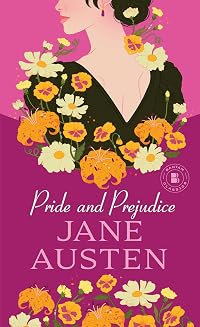
Pride and Prejudice
by Jane Austen
On This Page
Description
In early nineteenth-century England, a spirited young woman copes with the courtship of a snobbish gentleman as well as the romantic entanglements of her four sisters.Tags
Recommendations


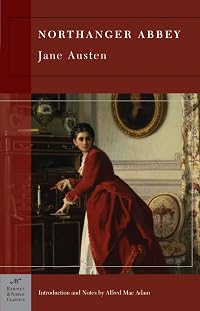
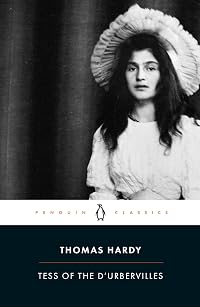
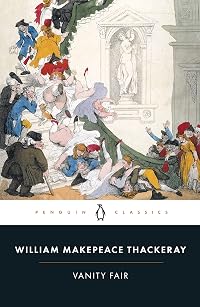
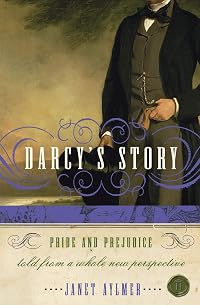
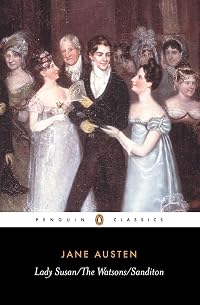

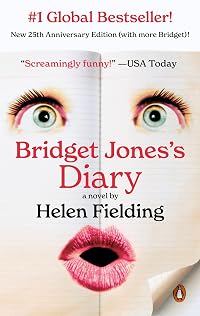
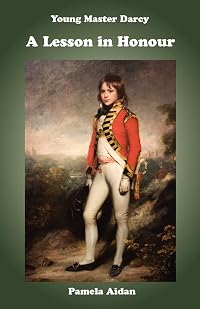
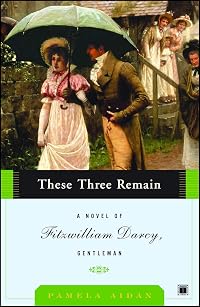
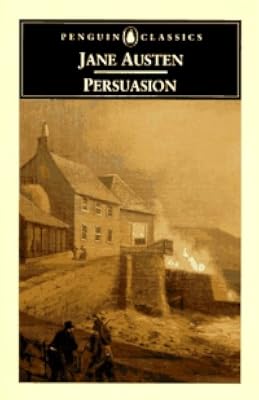
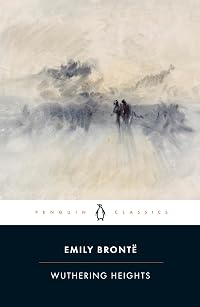
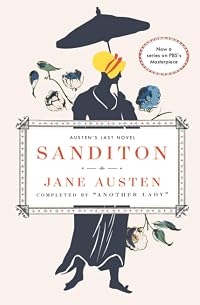
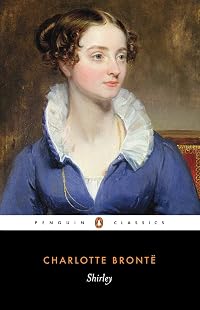
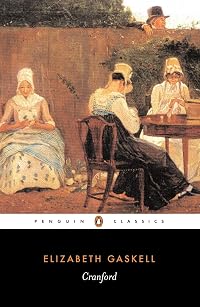
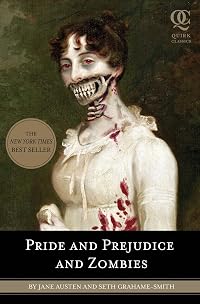
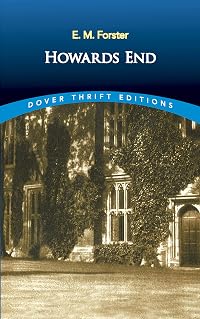
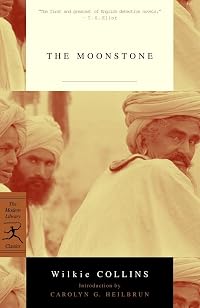
Member Recommendations
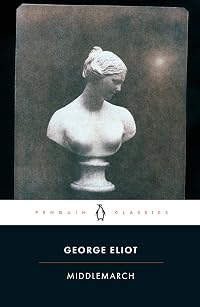
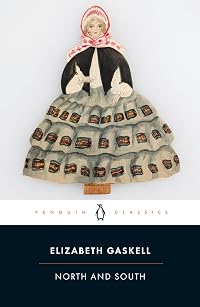
Shuffy2 Mr. Darcy and Mr. Thornton are both of the same cloth, a love story you can really sink into!
Also recommended by BookishRuth
344
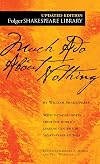
Shuffy2 Beatrice and Benedick & Lizzie and Darcy- there are some similarties! This is my favorite of Shakespeare's comedies! Two characters who love to spar with words, 2 couples who love each other, and a bad guy! Perfect mix...
389
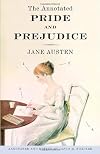
humouress For those who love Pride and Prejudice, and want to know more about the context it was written in, the annotated version adds depth to Jane Austen's work.
302
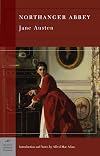
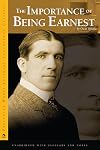
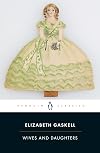
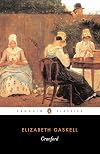
chrisharpe Both novels offer a similar sort of wry look at the foibles of the English classes in the 18th / 19th centuries. Both are so carefully observed and deliciously written that they remain classics.
277
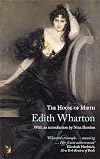
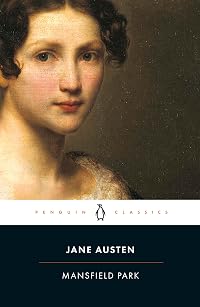
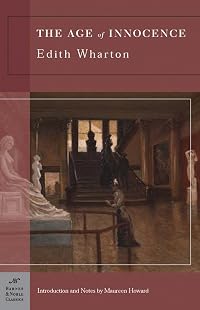
SandSing7 Wharton is as American as Austen is British. Read both works for a comparitive "across the pond" view on the novel of manners.
225
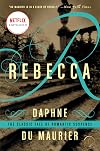
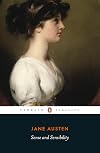
spiralsheep I can't believe there isn't already a rec for this, the closest possible read-a-like.
110
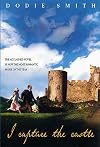
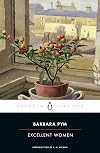
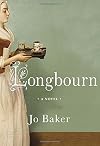
Cecrow Longbourn takes place among the servants of the Bennett family.
Also recommended by julienne_preacher
63
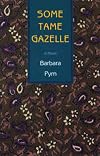
lilithcat Some Tame Gazelle was Barbara Pym's first book, but I would really recommend any of her works to admirers of Jane Austen. She has the same sensibility, the same grasp of the English social order and the English village, and populates her books with very similar people. But, more important, she has the same sense of humor, and the same marvelous touch with comedies of manners.
72

potenza Any fan of Jane Austen should appreciate this real-life feminist heroine.
30
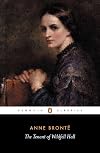
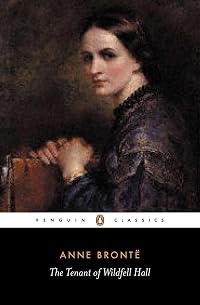
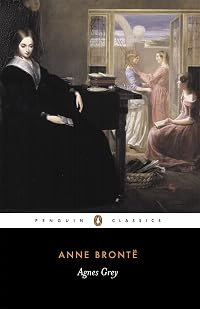
Lapsus_Linguae Both novels start with the arrival of a new person in small rural community... Anne Bronte's style is often compared to Austen's.
30
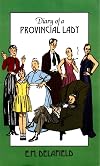
lydiabarr Austen and Delafield are often compared...both have shrewdly observational sense of humor and an elaborately deadpan style. I love them both.
63
Jen7waters Although one is fantasy and the other isn't, Meliara has with Vidanric, the same problem Lizzy has with Darcy: prejudice. She keeps wanting to bite his head off when all he does is help her. Love them all!
53
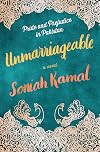

atimco Trollope has an Austenesque eye for his characters' motivations and inconsistencies, and his Mary Thorne and Austen's Elizabeth Bennett have much in common. Both are persecuted on the basis of low birth and lack of wealth by an older female relative of their love interest. Both novels are thoroughly enjoyable!
43

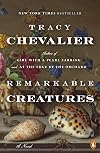
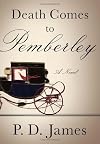
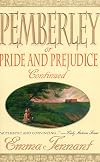
by anonymous user

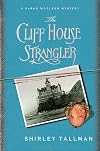
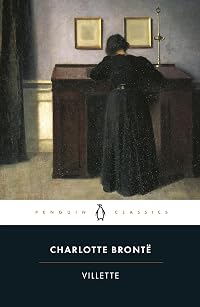
missmaddie Poignantly depicts the ridiculousness of male-dominated societies
26
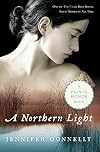
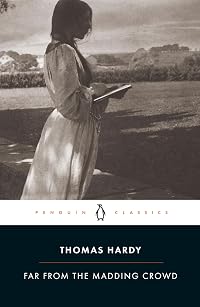
missmaddie Similar topic - young women from the countryside trying to find romance and their identity.
26
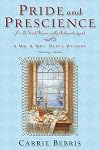

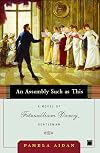
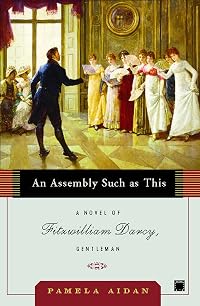
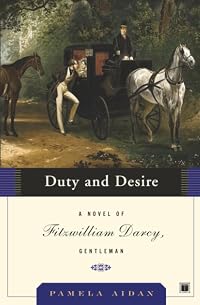
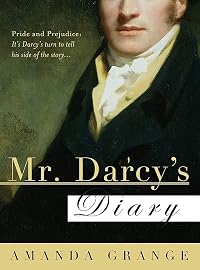
Iralell This is the first in a trilogy that reveals Darcy's mind and actions over the time period covered by Pride and Prejudice. Starts out a little rough, drags a bit in the middle, but the last book makes the whole series deeply valuable to P&P lovers.
511
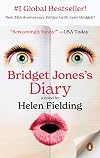

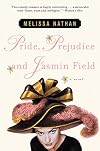
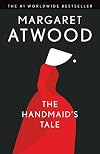
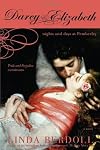
octothorp A key relationship in 'A Close Run Thing' by Allan Mallinson turns upon a shared reading of Austen's 'Pride and Prejudice.'
Member Reviews
What else is there to say about this novel, or what can I add to the numerous reviews that have been written already?
Only my own reactions: That I loved rereading this so much, even more than I had expected. It is so lively and witty, so emotional and heartfelt, yet never cheesy or shallow. It is funny and comical, but never unjust in its authenticity. While the story is firmly rooted in its time, the features of the characters are timeless and still true to life. And I do think that Elizabeth Bennet must be one of the best female characters ever written!
Only my own reactions: That I loved rereading this so much, even more than I had expected. It is so lively and witty, so emotional and heartfelt, yet never cheesy or shallow. It is funny and comical, but never unjust in its authenticity. While the story is firmly rooted in its time, the features of the characters are timeless and still true to life. And I do think that Elizabeth Bennet must be one of the best female characters ever written!
I wasn't sure how much I'd enjoy this going in, but I was instantly charmed by how *funny* it is. Mr Collins, Mrs Bennet, Lady Catherine are all very funny characters - the scene with Mr Collins attempting to propose to Elizabeth is incredibly good. It loses something in personal appeal when the romance is focused on, but I was constantly impressed and compelled by how well crafted the whole story is. I was put off by the romance feeling unlikely given class differences and all the other issues the two face, but it seems unfair of me to hold that against the book when so many other novels are built on the impossible and I allow it. What carried me through is how *good* her writing consistently is, even when she's didactically expounding show more the morals or fully explaining the withheld emotions at earlier points. There's a lightness at almost all points, even the most dramatic events being cut through with particular characters being laughably daft, and yet still it makes you take the events seriously and believe them.
The character writing is really good - I hesitate to say "realistic", although you can recognise the types - in terms of creating someone who feels fully fleshed out with a multitude of quirks and showing it clearly through small bits of dialogue. Everyone seems very different in their reactions to events, in how they think, in how they talk, such that even the most minor characters are easily recognisable and feel a full part of the world. You look forward to seeing how they react, and even the most persistent hobby horses of the characters never felt tired to me - I always loved seeing Mrs Bennet yet again fail to understand the concept of an entailment, something I assume many readers share.
I regularly referred to a comprehensive annotated version in case I was missing something, but it was only rarely actually helpful - there are obviously major differences in how romance and society work but so much is illustrated very clearly while avoiding too much "this is bad", "this is good" type stuff. Almost everything is transmitted in dialogue with absolutely minimal description of anything - the effect is very different to most modern writing but I found it delightful, owing to her great skill at dialogue writing.
So yeah I was really impressed and enjoyed it even more than I thought I would. I would rather the whole book was pure comedy instead of having the romance intrude but I bow to Austen's great skill at both, and the combination is really lovely and a charming read, both as a work of entertainment and an education on writing both of the time and timelessly. Great book. show less
The character writing is really good - I hesitate to say "realistic", although you can recognise the types - in terms of creating someone who feels fully fleshed out with a multitude of quirks and showing it clearly through small bits of dialogue. Everyone seems very different in their reactions to events, in how they think, in how they talk, such that even the most minor characters are easily recognisable and feel a full part of the world. You look forward to seeing how they react, and even the most persistent hobby horses of the characters never felt tired to me - I always loved seeing Mrs Bennet yet again fail to understand the concept of an entailment, something I assume many readers share.
I regularly referred to a comprehensive annotated version in case I was missing something, but it was only rarely actually helpful - there are obviously major differences in how romance and society work but so much is illustrated very clearly while avoiding too much "this is bad", "this is good" type stuff. Almost everything is transmitted in dialogue with absolutely minimal description of anything - the effect is very different to most modern writing but I found it delightful, owing to her great skill at dialogue writing.
So yeah I was really impressed and enjoyed it even more than I thought I would. I would rather the whole book was pure comedy instead of having the romance intrude but I bow to Austen's great skill at both, and the combination is really lovely and a charming read, both as a work of entertainment and an education on writing both of the time and timelessly. Great book. show less
This had been in my TBR pile for years, and after having finished it I have to ask myself why the god damn fuck did I not read this sooner.
There's pretty much nothing I can say about this book that hasn't already been said. This is my second Austen book, after Northanger Abbey, and I enjoyed this book. Austen has a writing style I enjoy, and many of her lines and observations are brilliant, it's not hard to see why she is so well-regarded as an author and I say that as someone who is pretty picky about classic literature - I find many works cited as 'classic' to be woefully over-rated (The Great Gatsby, Lord of the Flies, Wuthering Heights, etc)
The one thing I can and will say, is that as much as I enjoyed this book and have come to show more enjoy Jane Austen as a whole (I have a couple more of her books in my TBR pile that I am now very eager to read) I am certainly glad that I did not live in Austen's time, where a woman did not have a lot of options, but a lot of societal/legal constraints!
M.M. Strawberry Library & Reviews show less
There's pretty much nothing I can say about this book that hasn't already been said. This is my second Austen book, after Northanger Abbey, and I enjoyed this book. Austen has a writing style I enjoy, and many of her lines and observations are brilliant, it's not hard to see why she is so well-regarded as an author and I say that as someone who is pretty picky about classic literature - I find many works cited as 'classic' to be woefully over-rated (The Great Gatsby, Lord of the Flies, Wuthering Heights, etc)
The one thing I can and will say, is that as much as I enjoyed this book and have come to show more enjoy Jane Austen as a whole (I have a couple more of her books in my TBR pile that I am now very eager to read) I am certainly glad that I did not live in Austen's time, where a woman did not have a lot of options, but a lot of societal/legal constraints!
M.M. Strawberry Library & Reviews show less
530 reviews on LT alone. What in the world can I add that hasn’t already been said about this classic? Probably not a lot. First I will admit sheepishly that I lived to be (ahem) a certain age without ever experiencing any desire to read Jane Austen. My woeful public education, obviously, never presented the opportunity and, as an adult, I never felt the urge to pick up one of her books. But here on LT I find myself reading books I would have never considered in the past, wonderful books, not to be missed books, ‘why did I wait so long?’ books. So one day while in Barnes and Noble, I found myself standing in line with “Pride and Prejudice” in my hand.
So I finally opened it and settled in to see what all the fuss was about. Oh show more my, it didn’t take long to see that this was going to be one book that lived up to the hype. The one thing that surprised me greatly was the humor in this book about the landed gentry in the 18th century English countryside. I never expected to be laughing out loud at biting humor, shared in the proper style of English manners:
“Sir William Lucas had been formerly in trade in Meryton where he had made a tolerable fortune, and risen to the honour of knighthood by an address to the king during his mayoralty. The distinction has, perhaps, been felt too strongly. It had given him a disgust to his business and to his residence in a small market town; and, quitting them both, he had removed with his family to a house about a mile from Meryton, denominated from that period Lucas Lodge; where he could think with pleasure of his own importance, and, unshackled by business, occupy himself solely in being civil to all the world.” (Page 19)
Austen ridicules this class struggle at every turn, but does so in the most proper manner. Her development of the main characters, the fiercely independent Elizabeth Bennett and the aloof but kind hearted Mr. Darcy, is brilliant. But for me, it was the development of some of the more minor characters that flawlessly revealed her opinion of the classes: Mrs. Bennet, trying desperately to claw her way to the upper class to assure her daughters of a proper marriage; the pompous Mr. Collins, so overwhelmed by those of wealth that he can hardly contain himself; and his benefactor, Lady Catherine, so full of herself and her position that she actually believes she can forcibly convince Elizabeth not to marry Darcy, since she is so below him, that had me laughing out loud again and again.
There’s nothing more I can say except, “Will someone please point me to the next Jane Austen book?” Very higly recommended. show less
So I finally opened it and settled in to see what all the fuss was about. Oh show more my, it didn’t take long to see that this was going to be one book that lived up to the hype. The one thing that surprised me greatly was the humor in this book about the landed gentry in the 18th century English countryside. I never expected to be laughing out loud at biting humor, shared in the proper style of English manners:
“Sir William Lucas had been formerly in trade in Meryton where he had made a tolerable fortune, and risen to the honour of knighthood by an address to the king during his mayoralty. The distinction has, perhaps, been felt too strongly. It had given him a disgust to his business and to his residence in a small market town; and, quitting them both, he had removed with his family to a house about a mile from Meryton, denominated from that period Lucas Lodge; where he could think with pleasure of his own importance, and, unshackled by business, occupy himself solely in being civil to all the world.” (Page 19)
Austen ridicules this class struggle at every turn, but does so in the most proper manner. Her development of the main characters, the fiercely independent Elizabeth Bennett and the aloof but kind hearted Mr. Darcy, is brilliant. But for me, it was the development of some of the more minor characters that flawlessly revealed her opinion of the classes: Mrs. Bennet, trying desperately to claw her way to the upper class to assure her daughters of a proper marriage; the pompous Mr. Collins, so overwhelmed by those of wealth that he can hardly contain himself; and his benefactor, Lady Catherine, so full of herself and her position that she actually believes she can forcibly convince Elizabeth not to marry Darcy, since she is so below him, that had me laughing out loud again and again.
There’s nothing more I can say except, “Will someone please point me to the next Jane Austen book?” Very higly recommended. show less
Perfection.
This is either my 10th or my 12th reread. I haven’t logged them all, and I never reviewed! What can I say now except, “it’s good to be home” and “you can’t do Jane Austen justice”? If it’s all right with you, I’ll fangirl, think a bit, have an emotion or two, all in bullet points.
✨ How beautifully constructed this book is! There isn’t a scene, a chapter, a plot twist out of place. The timing is flawless.
✨ It struck me how well Austen writes families (characters go without saying). You immediately know what the atmosphere is like in this particular house, what it would feel like to be there.
✨ I want to write down every sentence! And hug it - hello, it’s nice to see you again. Yes, you too: show more ”Kitty has no discretion in her coughs,” said her father; ”she times them ill.”
✨ ”She is tolerable, but not handsome enough to tempt me…” Oh, Mr Darcy, you entitled introvert, you have no idea what’s in store for you. Mwahaha.
✨ What were my favourite parts, again? Is it Jane and Elizabeth staying at Netherfield? The ball at Netherfield aka “my family is so embarrassing”? Elizabeth/Darcy banter aka “the mother of all romcom banters? Elizabeth visiting Pemberly? I give up, every chapter is my favourite.
✨ The ”accomplished woman” conversation is great on so many levels: as a satire and societal critique; as a way to for the characters to be more themselves.
✨ Hurray for Elizabeth! ”Do not consider me now as an elegant female, intending to plague you, but as a rational creature, speaking the truth from her heart.” ”My courage always rises at every attempt to intimidate me.” I should try saying the latter to people more often. It will make my life better, I am sure.
✨ Once again, I watched The Proposal crash and burn in slow motion. Oooooh….
✨ Captain Wentworth did it better; but Darcy also knows how to write a letter. ”You must, therefore, pardon the freedom with which I demand your attention; your feelings, I know, will bestow it unwillingly, but I demand it of your justice.”
✨ The foundation of any good relationship is getting out of the swamp of me, myself and I, and taking a step towards the other person. ”By you, I was properly humbled,” said Darcy to Elizabeth.
You were humbled by each other, and I love you for it. show less
This is either my 10th or my 12th reread. I haven’t logged them all, and I never reviewed! What can I say now except, “it’s good to be home” and “you can’t do Jane Austen justice”? If it’s all right with you, I’ll fangirl, think a bit, have an emotion or two, all in bullet points.
✨ How beautifully constructed this book is! There isn’t a scene, a chapter, a plot twist out of place. The timing is flawless.
✨ It struck me how well Austen writes families (characters go without saying). You immediately know what the atmosphere is like in this particular house, what it would feel like to be there.
✨ I want to write down every sentence! And hug it - hello, it’s nice to see you again. Yes, you too: show more ”Kitty has no discretion in her coughs,” said her father; ”she times them ill.”
✨ ”She is tolerable, but not handsome enough to tempt me…” Oh, Mr Darcy, you entitled introvert, you have no idea what’s in store for you. Mwahaha.
✨ What were my favourite parts, again? Is it Jane and Elizabeth staying at Netherfield? The ball at Netherfield aka “my family is so embarrassing”? Elizabeth/Darcy banter aka “the mother of all romcom banters? Elizabeth visiting Pemberly? I give up, every chapter is my favourite.
✨ The ”accomplished woman” conversation is great on so many levels: as a satire and societal critique; as a way to for the characters to be more themselves.
✨ Hurray for Elizabeth! ”Do not consider me now as an elegant female, intending to plague you, but as a rational creature, speaking the truth from her heart.” ”My courage always rises at every attempt to intimidate me.” I should try saying the latter to people more often. It will make my life better, I am sure.
✨ Once again, I watched The Proposal crash and burn in slow motion. Oooooh….
✨ Captain Wentworth did it better; but Darcy also knows how to write a letter. ”You must, therefore, pardon the freedom with which I demand your attention; your feelings, I know, will bestow it unwillingly, but I demand it of your justice.”
✨ The foundation of any good relationship is getting out of the swamp of me, myself and I, and taking a step towards the other person. ”By you, I was properly humbled,” said Darcy to Elizabeth.
You were humbled by each other, and I love you for it. show less
Perception is everything, but rational analysis and self-reflection can correct that.
Second reading of this book, after 20 years, and I still find it one of the most accomplished, most ingenious, and most interesting novels ever written. And to think that it was published as early as 1813, when the classical European novel was still in its infancy.
Before I continue my praise, I should mention a few weaknesses I noticed during my second reading, which—in my opinion—are primarily related to that early date. First, there's the style and language used. These feel archaic and formalistic, especially in the dialogues, which often feel very contrived. Perhaps this is logical, as this dates from the early nineteenth century and reflects the show more language of that time. Austen and her family also belonged to the upper middle class, where "refined language" was a hallmark of status. When I started my second reading, I did need some time to adjust (I fear future generations will find this language and style increasingly difficult to cope with). This may also be because this novel is particularly "verboos": not the action, but the dialogues and conversations, and the internal deliberations that accompany them, drive the story forward. And so they receive considerable emphasis; they are very "present". That, too, requires adjustment, and my initial reaction was: "Whoa, this seems like endless talking and talking, and internal processing, ad nauseam."
Finally, the "spirit" of the milieu in which this novel is set, the pre-Victorian upper class in England, also is a bit of a hard nut to crack. All characters belong to wealthy families, live in households with a large number of servants, and enjoy a prosperous standard of living. The values they cherish also reflect this: outward reputation is the most important asset, status is measured by annual income and relationships with "major" figures in society, land ownership is far superior to commercial and artisanal activity (there's no trace of industry in this novel), and so on. Naturally, there's also a patriarchal aspect to this: men determine (at least outwardly) the course families take, while women are secondary and are expected to behave as passive, subordinate subjects. As a 21st-century person, you can be thoroughly irritated by numerous aspects of the society Austen portrays.
But the wonderful thing is that Austen uses all these (supposed) weaknesses to transform them into strengths. First of all, the very formalistic language. This is cleverly used to underscore underlying, often sarcastic, messages. Many of the dialogues between the characters shine precisely because of the carefully considered choice of words, highlighting both the positive and—especially—the negative aspects. Often, it's also the underlying messages that people consciously want to convey to each other that are important. Especially in the opening chapters, all the characters comment extensively on the behavior of others, including what they say, the way they say it, their body language, or lack thereof. Judgments are made primarily based on external characteristics and according to very conservative, bourgeois principles. The motto "perception is everything," which was only explicitly formulated in the 20th century as an important principle of how people relate to each other, is implicitly elevated here (already a century earlier) to a central point of interaction. The misperception that main character Lizzie has of the wealthy and seemingly haughty Darcy is the foundation that will drive the entire evolution of the central characters in this novel.
There's an additional aspect to this. Austen not only describes how characters perceive and communicate with each other, she also pays considerable attention to the internal processing of those impressions, especially in Lizzie's case, but also in Darcy's. She constantly draws us into their minds, allowing us to follow the intense rational and emotional processes of these protagonists. Both Lizzie and Darcy incorporate formal and informal, external and internal, personal and social aspects into their reflections. At one point, Lizzie even applies a form of historical criticism to determine whether the claims of and about a particular character (the perfidious Mr. Wickham) hold water.
Sometimes these analyses (a prefiguration of the later stream of consciousness) are so detailed and extensive that they demand some perseverance from the reader. But they certainly testify to Austen's enormous psychological insight. And in that respect, there's also a typically 19th-century message attached to them, which she seems to consciously convey: seemingly perception is everything, but perception can be deceptive, because we rarely know all the elements of a situation or another person; but through careful rational and emotional analysis, this can be adjusted, and a quasi-complete judgment certainly is possible. So many years later, that message seems too naively optimistic, but it does, at least, yield a beautiful story.
Another additional aspect: Lizzie and Darcy actually employ a form of self-reflection that feels very modern. Lizzie, in particular, meticulously considers, analyzes and reconsiders her own behavior and judgment, in a way that—especially towards the end—is very hard on herself and sometimes even borderline painful. This is a level that, in my opinion, was only reached decades later, with Dostoevsky, Joyce, and Woolf.
Oh, I could go on and on with my praise. Because I haven't even mentioned the humor Austen injected into this novel, the wit in the observations, the sarcasm in the dialogues; just think of characters like Mr. Collins and the domineering Lady Catherine de Bourgh. This is simply delightful. And I haven't even mentioned the romantic story, the improbable turnaround in the personal relationship between Lizzie and Darcy. In that context, a final observation. Some literary experts measure the value and success of a novel by the extent to which the characters undergo development throughout the story. Well, in this respect, Pride and Prejudice can absolutely be called a very successful example. So much so that, after my second reading, I'm adjusting my (already very high) rating from a 4 to a 4.5 star. That speaks volumes, I guess. show less
Second reading of this book, after 20 years, and I still find it one of the most accomplished, most ingenious, and most interesting novels ever written. And to think that it was published as early as 1813, when the classical European novel was still in its infancy.
Before I continue my praise, I should mention a few weaknesses I noticed during my second reading, which—in my opinion—are primarily related to that early date. First, there's the style and language used. These feel archaic and formalistic, especially in the dialogues, which often feel very contrived. Perhaps this is logical, as this dates from the early nineteenth century and reflects the show more language of that time. Austen and her family also belonged to the upper middle class, where "refined language" was a hallmark of status. When I started my second reading, I did need some time to adjust (I fear future generations will find this language and style increasingly difficult to cope with). This may also be because this novel is particularly "verboos": not the action, but the dialogues and conversations, and the internal deliberations that accompany them, drive the story forward. And so they receive considerable emphasis; they are very "present". That, too, requires adjustment, and my initial reaction was: "Whoa, this seems like endless talking and talking, and internal processing, ad nauseam."
Finally, the "spirit" of the milieu in which this novel is set, the pre-Victorian upper class in England, also is a bit of a hard nut to crack. All characters belong to wealthy families, live in households with a large number of servants, and enjoy a prosperous standard of living. The values they cherish also reflect this: outward reputation is the most important asset, status is measured by annual income and relationships with "major" figures in society, land ownership is far superior to commercial and artisanal activity (there's no trace of industry in this novel), and so on. Naturally, there's also a patriarchal aspect to this: men determine (at least outwardly) the course families take, while women are secondary and are expected to behave as passive, subordinate subjects. As a 21st-century person, you can be thoroughly irritated by numerous aspects of the society Austen portrays.
But the wonderful thing is that Austen uses all these (supposed) weaknesses to transform them into strengths. First of all, the very formalistic language. This is cleverly used to underscore underlying, often sarcastic, messages. Many of the dialogues between the characters shine precisely because of the carefully considered choice of words, highlighting both the positive and—especially—the negative aspects. Often, it's also the underlying messages that people consciously want to convey to each other that are important. Especially in the opening chapters, all the characters comment extensively on the behavior of others, including what they say, the way they say it, their body language, or lack thereof. Judgments are made primarily based on external characteristics and according to very conservative, bourgeois principles. The motto "perception is everything," which was only explicitly formulated in the 20th century as an important principle of how people relate to each other, is implicitly elevated here (already a century earlier) to a central point of interaction. The misperception that main character Lizzie has of the wealthy and seemingly haughty Darcy is the foundation that will drive the entire evolution of the central characters in this novel.
There's an additional aspect to this. Austen not only describes how characters perceive and communicate with each other, she also pays considerable attention to the internal processing of those impressions, especially in Lizzie's case, but also in Darcy's. She constantly draws us into their minds, allowing us to follow the intense rational and emotional processes of these protagonists. Both Lizzie and Darcy incorporate formal and informal, external and internal, personal and social aspects into their reflections. At one point, Lizzie even applies a form of historical criticism to determine whether the claims of and about a particular character (the perfidious Mr. Wickham) hold water.
Sometimes these analyses (a prefiguration of the later stream of consciousness) are so detailed and extensive that they demand some perseverance from the reader. But they certainly testify to Austen's enormous psychological insight. And in that respect, there's also a typically 19th-century message attached to them, which she seems to consciously convey: seemingly perception is everything, but perception can be deceptive, because we rarely know all the elements of a situation or another person; but through careful rational and emotional analysis, this can be adjusted, and a quasi-complete judgment certainly is possible. So many years later, that message seems too naively optimistic, but it does, at least, yield a beautiful story.
Another additional aspect: Lizzie and Darcy actually employ a form of self-reflection that feels very modern. Lizzie, in particular, meticulously considers, analyzes and reconsiders her own behavior and judgment, in a way that—especially towards the end—is very hard on herself and sometimes even borderline painful. This is a level that, in my opinion, was only reached decades later, with Dostoevsky, Joyce, and Woolf.
Oh, I could go on and on with my praise. Because I haven't even mentioned the humor Austen injected into this novel, the wit in the observations, the sarcasm in the dialogues; just think of characters like Mr. Collins and the domineering Lady Catherine de Bourgh. This is simply delightful. And I haven't even mentioned the romantic story, the improbable turnaround in the personal relationship between Lizzie and Darcy. In that context, a final observation. Some literary experts measure the value and success of a novel by the extent to which the characters undergo development throughout the story. Well, in this respect, Pride and Prejudice can absolutely be called a very successful example. So much so that, after my second reading, I'm adjusting my (already very high) rating from a 4 to a 4.5 star. That speaks volumes, I guess. show less
Jane Austen is boring, insipid, cliche, blah blah blah. Spare me. This novel charmed my socks off. The prose is witty and complex, turning itself inside out and stealthily ensnaring the reader's consciousness so that pages rush by the more your appetite increases for the next page, and the next, and the next. I loved reading this book and was genuinely sad to see it come to an end.
Members
- Recently Added By
Published Reviews
ThingScore 80
"Orgullo y prejuicio" de Jane Austen, publicada en 1813, es una novela clásica que explora temas como el amor, la clase social y las expectativas de la sociedad en la Inglaterra de principios del siglo XIX. La historia gira en torno a Elizabeth Bennet, la segunda hija mayor de la familia Bennet. Los Bennet, una familia respetable pero con problemas económicos, están ansiosos por casar a sus show more cinco hijas.
La trama se pone en marcha cuando el rico y codiciado soltero Charles Bingley alquila el cercano Netherfield Park. Bingley viene acompañado de su amigo, el orgulloso y adinerado Sr. Fitzwilliam Darcy. El comportamiento reservado y aparentemente arrogante de Darcy provoca tensiones iniciales, sobre todo con Elizabeth. Sin embargo, a medida que se desarrolla la historia, los lectores descubren el verdadero carácter y las motivaciones de Darcy.
El tema central de la novela es la evolución de la relación entre Elizabeth Bennet y el Sr. Darcy. Al principio, ambos personajes tienen prejuicios el uno contra el otro, pero a medida que sortean las expectativas sociales, los malentendidos y el crecimiento personal, llegan a comprenderse y apreciarse mutuamente. La novela es célebre por sus ingeniosos diálogos, sus comentarios sociales y las agudas observaciones de Austen sobre la sociedad de su época.
"Orgullo y prejuicio" es una obra atemporal que ha sido adaptada a numerosas películas, series de televisión y obras de teatro. Sigue siendo apreciada por su exploración del amor, el crecimiento personal y los entresijos de las relaciones sociales a principios del siglo XIX. show less
La trama se pone en marcha cuando el rico y codiciado soltero Charles Bingley alquila el cercano Netherfield Park. Bingley viene acompañado de su amigo, el orgulloso y adinerado Sr. Fitzwilliam Darcy. El comportamiento reservado y aparentemente arrogante de Darcy provoca tensiones iniciales, sobre todo con Elizabeth. Sin embargo, a medida que se desarrolla la historia, los lectores descubren el verdadero carácter y las motivaciones de Darcy.
El tema central de la novela es la evolución de la relación entre Elizabeth Bennet y el Sr. Darcy. Al principio, ambos personajes tienen prejuicios el uno contra el otro, pero a medida que sortean las expectativas sociales, los malentendidos y el crecimiento personal, llegan a comprenderse y apreciarse mutuamente. La novela es célebre por sus ingeniosos diálogos, sus comentarios sociales y las agudas observaciones de Austen sobre la sociedad de su época.
"Orgullo y prejuicio" es una obra atemporal que ha sido adaptada a numerosas películas, series de televisión y obras de teatro. Sigue siendo apreciada por su exploración del amor, el crecimiento personal y los entresijos de las relaciones sociales a principios del siglo XIX. show less
added by Peter_MacTroy
[Recensionen gäller en nyöversättning gjord av Gun-Britt Sundström]
...men ”Stolthet och fördom” är en glad roman, tack vare Elizabeth Bennets frejdiga humör och relativa frispråkighet. I Gun-Britt Sundströms nyöversättning ges gott om utrymme för tvetydigheten i hennes repliker, för skrattet som bubblar under ytan.
...men ”Stolthet och fördom” är en glad roman, tack vare Elizabeth Bennets frejdiga humör och relativa frispråkighet. I Gun-Britt Sundströms nyöversättning ges gott om utrymme för tvetydigheten i hennes repliker, för skrattet som bubblar under ytan.
added by Jannes
[Recensionen gäller en nyöversättning gjord av Gun-Britt Sundström]
När jag läser Sundströms översättning blir det för första gången tydligt för mig hur skickligt Austen tryfferar romanen med små överdrifter, sarkasmer, nålstick av spydighet, utan att läsaren för den skull tappar engagemanget i intrigen. Humorn gäller särskilt gestaltningen av bokens karikatyrer, Elizabeths show more ytliga och giriga mamma mrs Bennet och den fjäskige och inbilske mr Collins, den släkting som aspirerar på att överta familjegodset. show less
När jag läser Sundströms översättning blir det för första gången tydligt för mig hur skickligt Austen tryfferar romanen med små överdrifter, sarkasmer, nålstick av spydighet, utan att läsaren för den skull tappar engagemanget i intrigen. Humorn gäller särskilt gestaltningen av bokens karikatyrer, Elizabeths show more ytliga och giriga mamma mrs Bennet och den fjäskige och inbilske mr Collins, den släkting som aspirerar på att överta familjegodset. show less
added by Jannes
Lists

1001 Books You Must Read Before You Die
1,448 works; 1,132 members

The Guardian's 1000 Novels Everyone Must Read
1,005 works; 547 members

Classics you know you should have read but probably haven't
421 works; 408 members

Top-Rated Books on LibraryThing
272 works; 117 members

Read the book and saw the movie
1,170 works; 195 members

Recommend the 20 best books you've read in the last five years
2,168 works; 606 members
BBC Big Read
191 works; 46 members
Favourite Books
1,819 works; 316 members

Favourite 19th century fiction
257 works; 61 members

1898 C.K. Shorter List of Best 100 Novels
100 works; 34 members
Best of British Literature
226 works; 41 members
Female Author
1,235 works; 67 members
Books I've Read More Than Once
602 works; 49 members

100 Books to Read in a Lifetime (That Are Older Than 200 Years)
415 works; 175 members
Newsweek's Top 100 Books: The Meta-List
100 works; 18 members
Favorite Literary Love Stories
182 works; 101 members
Philip Ward's Lifetime Reading Plan
592 works; 22 members

The 100 Best Books of All Time by Norwegian Book Club (World Library)
104 works; 23 members
The Top Ten: Writers Pick Their Favorite Books
240 works; 31 members
The Telegraph's 110 Best Books: The Perfect Library
101 works; 18 members
Female Protagonist
1,056 works; 57 members
Best Books With Sisters
130 works; 30 members
Literature About Social Class
134 works; 19 members

Top Five Books of 2013
1,562 works; 715 members
Best Family Stories
241 works; 22 members

100 books to read in a lifetime
102 works; 37 members
BBC's 100 Novels That Shaped Our World
100 works; 22 members

Fiction Featuring Cranky, Eccentric Old Folks
80 works; 35 members

PBS The Great American Read
100 works; 21 members
Comfort Reads
221 works; 41 members

Favourite Virago Modern Classics
183 works; 38 members
Love and Marriage
93 works; 10 members
Folio Society
831 works; 49 members

Women's Stories
88 works; 13 members

Books Set in Great Britain
191 works; 13 members
Harold Bloom - The Western Canon: C. The Democratic Age
336 works; 15 members
Books That Changed Me
158 works; 46 members
BBC Big Read
100 works; 10 members

Best Feminist Literature
188 works; 26 members
Readable Classics
110 works; 15 members

19th Century
190 works; 16 members

Books Featured on Gilmore Girls
307 works; 21 members

Best high-school English books reread later in life
30 works; 21 members

Best Love Stories
107 works; 14 members
Five star books
1,755 works; 108 members

One Book, Many Authors
441 works; 40 members
LibraryThingers' 1001 Books You Must Read Before You Die
442 works; 30 members
150 Best Novels Selected by Brander Matthews (1883)
150 works; 7 members

Western World's Greatest Books - Project Gutenberg
295 works; 15 members

Works with inappropriate subject headings on LibraryThing
35 works; 5 members
Blue Pyramid 1,276 Best Books of All Time
1,248 works; 32 members

1964 College Preparatory Reading List
202 works; 8 members
100 Most Recommended Works
100 works; 11 members
Women's reading list
50 works; 7 members
Best First Lines
133 works; 8 members
The Well-Educated Mind Reading Challenge
75 works; 7 members

Novels featuring siblings
133 works; 8 members
Historical Fiction
889 works; 89 members
Great Books Favorites
71 works; 6 members

Books You Read During High School (For School)
301 works; 53 members
Literature About Women and Girls
394 works; 39 members
How to Read a Book's Recommended Reading List
309 works; 10 members
1,001 BYMRBYD Concensus
723 works; 27 members

A Novel Cure
742 works; 23 members

NPR Readers Poll: 100 Favorite Funny Books
100 works; 5 members
Favourite books by Female Authors
43 works; 4 members

Global Reads: Books Set in the United Kingdom and Ireland
109 works; 5 members
100 World Classics
99 works; 15 members

Books Read in 2017
4,249 works; 130 members

Top Five Books of 2017
757 works; 230 members
Mensa for Kids Excellence in Reading Award Program (Grades 9-12)
116 works; 5 members
Ten Books That Have Stayed With Me
160 works; 30 members

Mind Expanding Books by hackerkid
581 works; 8 members
Top 100 to Read before you Die
109 works; 7 members
Best Domestic Fiction
77 works; 6 members
Lamont's Hundred Best Novels (1947)
100 works; 4 members
College Reads (Lit Edition)
75 works; 5 members

Movie Adaptations
111 works; 4 members
Phi Beta Kappa reading list
260 works; 8 members

Fake Top 100 Fiction
81 works; 4 members
The Greatest Books
99 works; 5 members

CCE 100 Great Books List
145 works; 8 members
Books Read in 2015
3,299 works; 127 members
Mensa for Kids Excellence in Reading Award Program (Grades 9-12)
116 works; 3 members

NPRs audience picks: 100 best beach reads
105 works; 12 members

Best books made into television
66 works; 4 members
Elegant Prose
80 works; 4 members
Carole's List
445 works; 13 members

Allie's Favourite 150 Books
145 works; 3 members

Rory Gilmore Book Club
193 works; 5 members
CCE 1000 Good Books List
1,033 works; 12 members
Books Read in 2016
4,666 works; 199 members

Books Read in 2014
2,343 works; 86 members

BBC Top Books
78 works; 3 members
Good, Smart, Clean Fiction
46 works; 4 members
United Kingdom
82 works; 5 members

Quirky Characters
24 works; 7 members
The College Board: 101 Great Books Recommended for College-Bound Readers
111 works; 7 members
Bibliography for How to be a Heroine
148 works; 12 members

Books Read in 2023
5,547 works; 145 members

Testing Limits of Added Books
3 works; 1 member

Shaykh Hamza's Book Recommendations
439 works; 3 members

Books Featured on Readers' Review of the Diane Rehm Show
161 works; 8 members

Books about characters you'd like to know
34 works; 13 members

Well-Educated Mind
150 works; 3 members

Greatest Books
40 works; 3 members

Books on my Kindle
162 works; 3 members

Books Read in 2020
4,379 works; 124 members
F. B. Perkins' List of 100 Best Fiction
100 works; 5 members
Books Read in 2007
326 works; 8 members
W. Somerset Maugham's "Ten Best Novels of the World"
10 works; 4 members

Books I've read
87 works; 2 members
Overdue Podcast
806 works; 9 members

A's favorite novels
100 works; 3 members

My 100 Favorite Books of All Time
57 works; 2 members

Tagged by Tim or Meh!
91 works; 8 members
Shannon's Read-Alikes List
71 works; 8 members

Favorite Novels of All Time
4 works; 1 member

Pageturners
40 works; 6 members

100
56 works; 1 member

Accessible Classics
8 works; 1 member

Books you should read before you die
12 works; 1 member

99 Bücher, die man gelesen haben muss
37 works; 1 member
Trinity College Booklist (1951): Class Ten, English Literature
358 works; 5 members

What are your favourite books?
121 works; 11 members

1810s
11 works; 2 members

Books Read in 2022
5,166 works; 114 members
Favourite Love Stories
53 works; 1 member

Generation Joshua
115 works; 3 members

Pleasant Surprises
18 works; 1 member

Books Read in 2009
464 works; 11 members

Secrets Books
94 works; 3 members

My favourite books
96 works; 3 members
http://thegreatestbooks.org's Greatest Fiction Books
59 works; 1 member

Books Read in 2004
200 works; 7 members

Comedy of Manners
73 works; 1 member

Favourite Books
50 works; 1 member

Shelf 101
60 works; 1 member
Books available on Open Library
171 works; 4 members

Books Read in 2024
4,623 works; 126 members
On the pile
20 works; 1 member
The 150 Greatest Novels of All Time
150 works; 6 members

Recommended Reading : 600 Classics Reviewed, Editors of Salem Press, 2015
634 works; 6 members
The Well-Educated Mind, Susan Wise Bauer, 2016
179 works; 3 members
Best Audiobooks
240 works; 114 members
'Books You Can't Live Without: The Top 100', The Guardian, 2007
156 works; 7 members
Reading Glasses Podcast
410 works; 3 members
Books We Love to Reread
688 works; 296 members

BBC World Book Club
265 works; 5 members
BitLife
212 works; 4 members
Junky Paperbacks
15 works; 1 member

Books I recommend to everyone
29 works; 1 member
Evan's Wish List
86 works; 2 members
Books You Read For University
184 works; 3 members
Queen Camilla's Reading Room
65 works; 6 members
New Lifetime Reading Plan by Fadiman and Major
225 works; 5 members
Books With the Most Memorable Titles
478 works; 158 members

Jim's Bookshelf
16 works; 1 member

2025 Reading List
51 works; 2 members

Books Read in 2025
4,091 works; 97 members
Our Favorite Comfort Reads
334 works; 200 members

Read with Jenna
91 works; 2 members

Books We Resisted Reading
178 works; 110 members
bound
100 works; 1 member

Books referenced in the Astral Library
60 works; 1 member

The Five Books That Represent Us
391 works; 148 members

Read Aloud Revival
108 works; 4 members

el
1,139 works; 1 member
.
396 works; 1 member

The Best Of
8 works; 1 member
Reading LIst
648 works; 1 member

DigitalDreamDoor top 300
300 works; 4 members
Books Featured in Jane Austen's Bookshelf
37 works; 7 members
School Made Us Read It
380 works; 196 members
Books We Want To Read Again For The First Time
384 works; 160 members

𓐩hought Daughter ♱♰✟✞✝︎☨†˚₊‧꒰ა ♱ ໒꒱ ‧
38 works; 1 member
.
194 works; 2 members
Books We Couldn't Put Down
443 works; 197 members
The Complete Rory Gilmore Reading List
506 works; 5 members
Book Worlds We'd Like To Visit
322 works; 158 members
My Novel Collection (Publication Order)
2 works; 1 member
Gilmore Girls Complete Reading List
30 works; 1 member
Classical Conversations Challenge II Exposition
18 works; 1 member

The Books I Read in 2016
54 works; 1 member
the preppy handbook
36 works; 1 member
Best Book and Movie Combos
70 works; 11 members

The Art of Manliness' 100+ Books Every Man Should Read
108 works; 2 members
Books I've Read
5 works; 1 member

thinking of reading in 2016
99 works; 1 member

Art of Reading
188 works; 5 members
Novels/Poems/Short Stories/Anything Storytelling Related
112 works; 2 members
sad girl books
41 works; 2 members
Fave Books
27 works; 1 member
Books With Our Favorite First Lines
168 works; 104 members

READ IN 2021
239 works; 4 members

Wayland Preaching Class
31 works; 2 members

The Books I Read in 2017
96 works; 1 member

Books Read in 2021
5,361 works; 113 members
Alphabetical Books
211 works; 3 members

Books Read in 2018
4,360 works; 110 members
Talk Discussions
Past Discussions
Folio Archives 431: Pride and Prejudice by Jane Austen 2013 in Folio Society Devotees (June 2025)
Interested to swap replacement titles in Canada in Folio Society Devotees (October 2022)
Pride And Prejudice by Jane Austen - lyzard tutoring Smiler69 in 75 Books Challenge for 2014 (December 2015)
Discussion Thread: Pride and Prejudice in 2015 Category Challenge (September 2015)
In Charlotte Lucas’s situation, would you marry Mr. Collins? in I Love Jane Austen (March 2014)
P&P: Can we possibly read it again? in I Love Jane Austen (November 2013)
For Austen fans in Almack's (February 2013)
Pride and Prejudice book cover in two inches of ivory (March 2012)
Austenathon 2011: Pride and Prejudice (Non-Spoiler Thread) in 75 Books Challenge for 2011 (November 2011)
Austenathon 2011: Pride and Prejudice (Spoiler Thread) in 75 Books Challenge for 2011 (October 2011)
How well do YOU think Elizabeth Bennet played piano? in I Love Jane Austen (June 2010)
Quiz - Which Pride and Prejudice Character Are You? in I Love Jane Austen (May 2010)
Pride and Prejudice in Someone explain it to me... (March 2010)
For fans of both Pride and Prejudice and Facebook in I Love Jane Austen (April 2009)
NYTimes uses Mr.Darcy as a comparison in I Love Jane Austen (August 2008)
Need ideas for Pride & Prejudice costume... in I Love Jane Austen (October 2007)
Pride & Prejudice is only a two dimensional novel in Book talk (July 2007)
Author Information

Jane Austen's life is striking for the contrast between the great works she wrote in secret and the outward appearance of being quite dull and ordinary. Austen was born in the small English town of Steventon in Hampshire, and educated at home by her clergyman father. She was deeply devoted to her family. For a short time, the Austens lived in the show more resort city of Bath, but when her father died, they returned to Steventon, where Austen lived until her death at the age of 41. Austen was drawn to literature early, she began writing novels that satirized both the writers and the manners of the 1790's. Her sharp sense of humor and keen eye for the ridiculous in human behavior gave her works lasting appeal. She is at her best in such books as Pride and Prejudice (1813), Mansfield Park (1814), and Emma (1816), in which she examines and often ridicules the behavior of small groups of middle-class characters. Austen relies heavily on conversations among her characters to reveal their personalities, and at times her novels read almost like plays. Several of them have, in fact, been made into films. She is considered to be one of the most beloved British authors. (Bowker Author Biography) show less
Some Editions
Awards and Honors
Awards
Distinctions
Notable Lists
BBC's Big Read (2)
Whitcoulls Top 100 Books (3 – 2008)
Whitcoulls Top 100 Books (7 – 2010)
Daniel S. Burt's Novel 100 (041 – 41)
Bulgarian Big Read (13)
Hungarian Big Read (54)
Schecks Bücher (15)
Series
Belongs to Publisher Series
Novelas eternas (1)
Airmont Classics (1)
Blackbirds (1992.1)
Austral singular (2)
Campus Classics (TK400)
Penguin Clothbound Classics (2008)
The Novel Library (26)
The Pocket Library (PL-9)
Zephyr Books (11)
Letras Universales (81)
Perpetua reeks (25)
Everyman's Library (22)
Dean's Classics (26)
Flipback (Classics 5)
Prisma Klassieken (34)
Collins Classics (103)
Oxford English Novels (1813)
Harper Perennial Olive Editions (2018 Olive)
Reader's Enrichment Series (RE 315)
Pocket Books (63)
Amstelboeken (108-109)
Doubleday Dolphin (C74)
Penguin English Library, 2012 series (2012-12)
Fischer Taschenbuch (2205)
A tot vent (237)
Virago Modern Classics (342)
dtv (12350)
insel taschenbuch (787)
Work Relationships
Is contained in
Sense and Sensibility / Pride and Prejudice / Mansfield Park / Emma / Northanger Abbey / Persuasion / Lady Susan by Jane Austen
Sense and Sensibility / Pride and Prejudice / Mansfield Park / Emma / Northanger Abbey / Persuasion by Jane Austen
Emma / Mansfield Park / Northanger Abbey / Persuasion / Pride and Prejudice / Sense and Sensibility / Shorter Works by Jane Austen
90 Masterpieces You Must Read (Vol.1): Novels, Poetry, Plays, Short Stories, Essays, Psychology & Philosophy by Various
Jane Eyre/ Wuthering Heights/ Little Women/ Adam Bede/ Emma/ Pride and Prejudice by Trident Press International
Jane Austen Collection: 18 Works, Pride and Prejudice, Emma, Love and Friendship, Northanger Abbey, Persuasion, Lady Susan, Mansfield Park & more! by Jane Austen
Is retold in
Has the (non-series) sequel
Has the (non-series) prequel
Has the adaptation
Is abridged in
Is parodied in
Inspired
Has as a study
Has as a supplement
Has as a commentary on the text
Has as a student's study guide
Has as a teacher's guide
Common Knowledge
- Canonical title*
- Trots en vooroordeel
- Original title
- Pride and Prejudice
- Alternate titles*
- Waan en eigenwaan
- Original publication date
- 1813
- People/Characters
- Elizabeth Bennet; Fitzwilliam Darcy; Jane Bennet; Charles Bingley; Lydia Bennet; Mr. Bennet (show all 37); Mrs. Bennet; Charlotte Lucas; Caroline Bingley; William Collins; Lady Catherine de Bourgh; Colonel Fitzwilliam; Mary Bennet; Catherine "Kitty" Bennet; Sir William Lucas; George Wickham; Georgiana Darcy; Anne de Bourgh; Mrs. Phillips; Edward Gardiner; Mrs. M. Gardiner; Mrs. Hill; Maria Lucas; Captain Carter; Lieutenant Denny; Colonel Forster; Louisa Hurst; Harriet Forster; Mr. Phillips; Mr. Hurst; Lady Lucas; Mrs. Jenkinson; Miss King; Mrs. Younge; Mrs. Reynolds; Mrs. Annesley; Mrs. Long
- Important places
- Longbourn, Hertfordshire, England, UK; England, UK; Derbyshire, England, UK; London, England, UK; Hunsford, Kent, England, UK; Pemberley, Derbyshire, England, UK (show all 8); Rosings, Kent, England, UK; Netherfield Park, Hertfordshire, England, UK
- Important events
- 19th century; Regency Era; Georgian Era
- Related movies
- Pride and Prejudice (1938 | IMDb); Pride and Prejudice (1940 | Robert Z. Leonard | IMDb); The Philco Television Playhouse: Pride and Prejudice (1949 | s1e17 | IMDb); Pride and Prejudice (1952 | TV mini-series | IMDb); Matinee Theatre: Pride and Prejudice (1956 | s2e21 | IMDb); Orgoglio e pregiudizio (1957 | IMDb) (show all 21); Pride and Prejudice (1958 | TV | IMDb); General Motors Presents: Pride and Prejudice (1958 | IMDb); De vier dochters Bennet (1961 | IMDb); Novela: Orgullo y prejuicio (1966 | IMDb); Pride and Prejudice (1967 | TV mini-series | IMDb); Pride and Prejudice (1980 | Cyril Coke | IMDb); Pride and Prejudice (1995 | BBC TV mini-series | Simon Langton | IMDb); Wishbone: Furst Impressions (1995 | s1e25 | IMDb); Bridget Jones's Diary (2001 | Sharon Maguire | IMDb); Pride and Prejudice (2003 | Andrew Black | IMDb); Bride & Prejudice (2004 | Gurinder Chadha | IMDb); Pride and Prejudice (2005 | Joe Wright | IMDb); Lost in Austen (2008 | IMDb); The Lizzie Bennet Diaries (2012 - 2013 | IMDb); Death Comes to Pemberley (2013 | IMDb)
- First words
- It is a truth universally acknowledged, that a single man in possession of a good fortune, must be in want of a wife.
- Quotations
- The power of doing anything with quickness is always prized much by the possessor, and often without any attention to the imperfection of the performance.
Do not be afraid of my running into any excess, of my encroaching on your privilege of universal good will. You need not. There are few people whom I really love, and still fewer of whom I think well. The more I see of the wo... (show all)rld, the more am I dissatisfied with it; and every day confirms my belief of the inconsistency of all human characters, and of the little dependence that can be placed on the appearance of either merit or sense.
"In vain have I struggled. It will not do. My feelings will not be repressed. You must allow me to tell you how ardently I admire and love you."
"I wonder who first discovered the efficacy of poetry in driving away love!"
Though Lydia's short letter to Mrs. F. gave them to understand that they were going to Gretna Green, something was dropped by Denny expressing his belief that W. never intended to go there, or to marry Lydia at all, which was... (show all) repeated to Colonel F., who, instantly taking the alarm, set off from B. intending to trace their route. He did trace them easily to Clapham, but no farther; for on entering that place they removed into a hackney-coach and dismissed the chaise that brought them from Epsom. All that is known after this is that they were seen to continue the London road. I know not what to think. After making every possible enquiry on that side London, Colonel F. came on into Hertfordshire, anxiously renewing them at all the turnpikes, and at the inns in Barnet and Hatfield, but without any success; no such people had been seen to pass through. With the kindest concern he came on to Longbourn, and broke his apprehensions to us in a manner most creditable to his heart.
"You want to tell me, and I have no objection to hearing it."
(Mr. Bennet to Mrs. Bennet, Chap. 1) - Last words
- (Click to show. Warning: May contain spoilers.)Darcy, as well as Elizabeth, really loved them; and they were both ever sensible of the warmest gratitude towards the persons who, by bringing her into Derbyshire, had been the means of uniting them.
- Publisher's editor*
- Martim Claret
- Original language
- British English
- Canonical DDC/MDS
- 823.7
- Canonical LCC
- PR4034.P73
- Disambiguation notice
- The Winchester Austen Series edition contains the following introductory essays:
"Pride and Prejudice: Modern Interpretations," by John Wiltshire
"Pride and Prejudice: Regency Life," by Maggie L... (show all)ane
"Pride and Prejudice: Geographical Settings," by Caroline Sanderson
"Pride and Prejudice: A Modern Perspective," Josephine Ross
*Some information comes from Common Knowledge in other languages. Click "Edit" for more information.
Classifications
Statistics
- Members
- 94,076
- Popularity
- 10
- Reviews
- 1,512
- Rating
- (4.39)
- Languages
- 40 — Albanian, Arabic, Basque, Bulgarian, Catalan, Chinese, Czech, Danish, Dutch, English, Estonian, Finnish, French, German, Greek, Hebrew, Hindi, Hungarian, Icelandic, Indonesian, Italian, Korean, Latvian, Lithuanian, Malay, Norwegian (Bokmål), Norwegian, Farsi/Persian, Polish, Romanian, Russian, Croatian, Slovenian, Spanish, Swedish, Tamil, Thai, Turkish, Vietnamese, Portuguese (Portugal)
- Media
- Paper, Audiobook, Ebook
- ISBNs
- 2,266
- UPCs
- 27
- ASINs
- 953