On This Page
Description
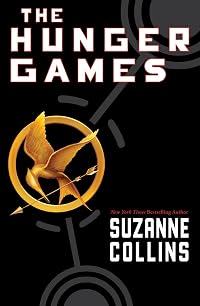
In a future North America, where the rulers of Panem maintain control through an annual televised survival competition pitting young people from each of the twelve districts against one another, sixteen-year-old Katniss's skills are put to the test when she voluntarily takes her younger sister's place.Tags
Recommendations
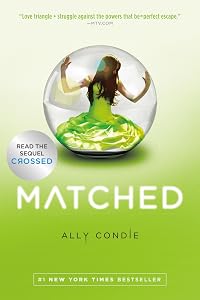
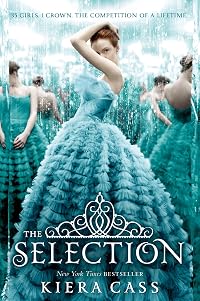
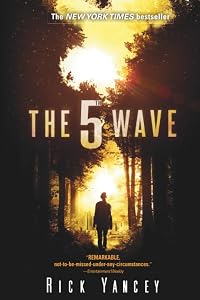
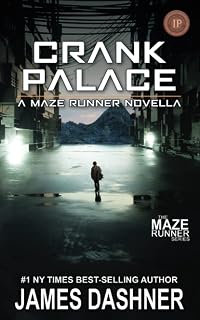
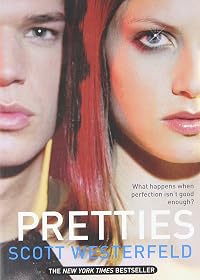
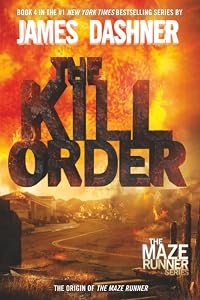
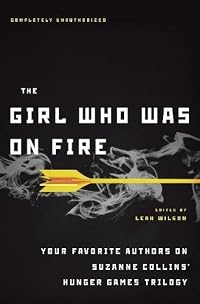
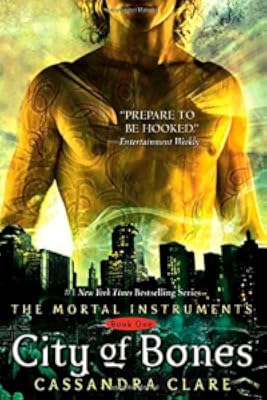
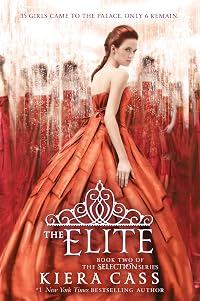

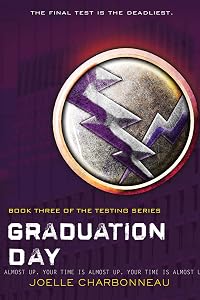
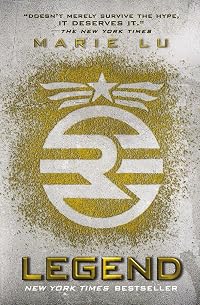

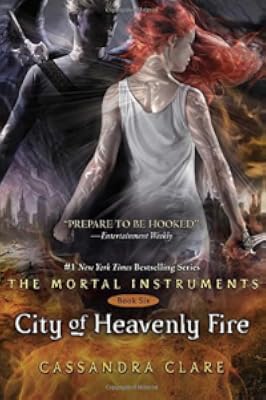
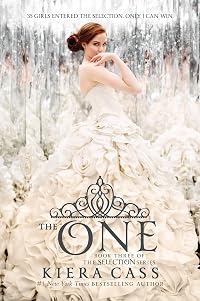
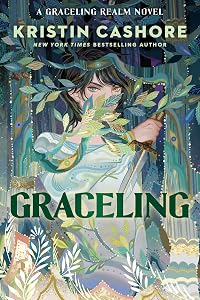
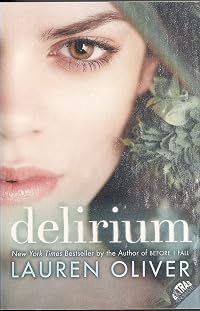
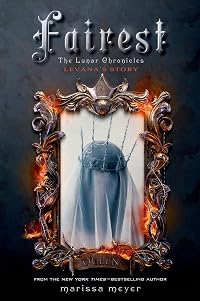

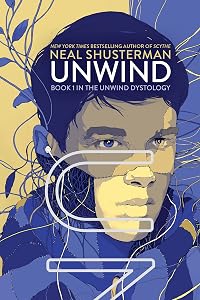
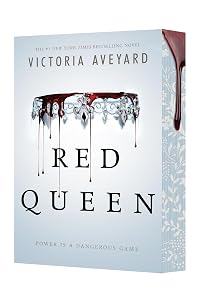
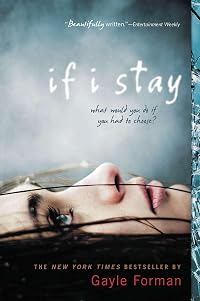
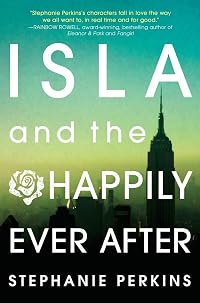
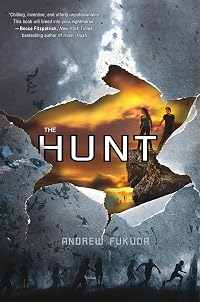
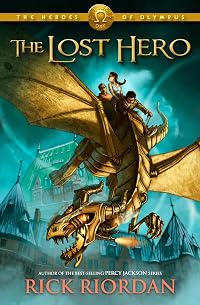
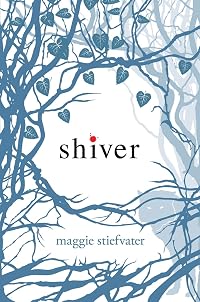
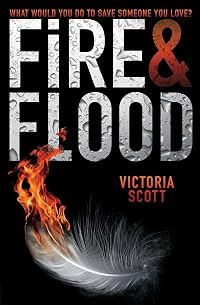
Member Recommendations
elephantshoe futuristic world again, but the teens have to compete and fight to the death in a televised reality show.
notemily A similar oppressive government, with a mysterious place "outside" the dystopia that may or may not exist.
Also recommended by TheDivineOomba, electronicmemory
5312
552
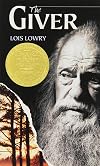
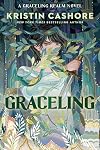
saltypepper The heroines' voices are very similar, maybe due to their similar response to the awful circumstances they find themselves in.
Also recommended by librarymeg, FantasyGirl2
353
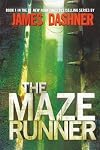
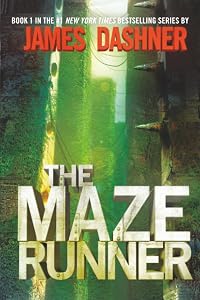
christmas6391 "Teenagers thrown into a hostile environment with no way out because of their corrupt societies," can be used to describe both of these books. The difference? In The Maze Runner, none of them remember anything before waking up in the maze.
311
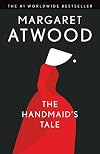
redpersephone For adult or late teen fans, this has a female protagonist living in a dystopia where everyone has his or her own motives and secrets. Less gore, more sex.
FFortuna The Handmaid's Tale is more adult, but really not by much. They're very similar dystopias and both feature excellent, deep-first-person narratives.
4714
BookLizard The Hunger Games and Tomorrow, When the War Began have the same kind of feel - technically they're Science Fiction novels, but they feel more like survival stories with a bit of romance mixed in. I highly recommend both series.
291
LadyHazy (not for young adult readers though, it's a lot more violent)
273
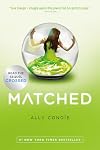
Aerrin99 Both books feature central heroines living in dystopian worlds that aren't quite what they seem. They each have an engaging romance and a story that digs behind the curtain of the society their characters live in.
242
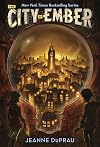
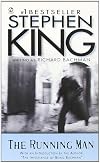
levasssp similar plot. The Running Man is a TV gameshow that pits one man against hunters in an arena. If he makes it to the end alive, he wins.
Also recommended by MyriadBooks
182
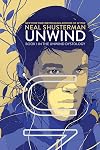
Caramellunacy Both stories are young adult reality TV dystopias, but in very different ways. In Surviving Antarctica, the reality show is the last chance the protagonists have to earn money for an education - and despite initial hopes that they will be looked after, they soon realize that their lives matter only as much as their ratings.
Also recommended by theretiredlibrarian
101
PamFamilyLibrary Intelligent, quickly paced YA dystopia.
kathleen.morrow Both have strong heroines in a dystopian society. Additionally, both have an interesting, but not overpowering romantic subplot.
110
92
stephxsu Similarly intelligent, courageous, and resourceful heroines struggling against a fully realized world. Excellent stuff!
Also recommended by MyriadBooks
60

AFHeart Dystopian with a more poetic writing style, a bit more intellectual.
70
caroljeanr survival skills,thinking your way out of a problem
3730

paigemartin A female character develops into a warrior to save her friends and family in world created by man. War and death are inevitable for her to escape the nightmare as magic and monsters litter the realms.
60

Emidawg Society tests it's youth by requiring them to survive for 30 days on their own on whatever planet happens to be handy at the time of the trials. Similar survival themes and question of fairness between social classes. In particular the classes the children take before their trial reminds me of the ones the pledges attend before the games.
71
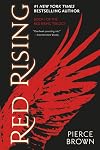
wifilibrarian Both feature themes of oppression, caste systems, large divides between have-nots and the haves. Televised young adults fighting.
bluenotebookonline Another variant on the teenagers killing one another theme. (Fair warning: Red Rising is more violent and also has less romance.)
51

readaholic12 Post apocalyptic, coming of age, strong characters, fast pacing, this time with zombies.
Also recommended by Scottneumann
30
30
The Astonishing Life of Octavian Nothing, Traitor to the Nation, Volume I: The Pox Party by M. T. Anderson
zhejw Both books explore the oppression and resistance of a teenage protagonist, although Octavian's character is based in history.
30

Kathleen_E The first of a YA trilogy set in a futuristic world; where Panem in The Hunger Games is what is left of America, this world is what is left of Australia. Both these series bring up questions about government power, authority and exploitation. Like The Hunger Games, The Books of the Change aren’t just restricted to a younger audience and for those who want more this trilogy is embedded in an adult quadrilogy, so seven books all up and he’s still adding to it with another series! Sean Williams is a fantastic Aussie author and a must read.
20
charlie68 Both stories are about humans hunting each other.
53
BarnesBookshelf Both The Sunbearer Trials and The Hunger Games feature a competition of children between the ages of 13 and 18 to see who will survive and be crowned the winner and who will die. The competition is highly publicized and followed by everyone in the country.
20
wosret Chosen teens forced to battle to the death in a post-apocalyptic society? Yes.
20
anonymous user Dystopian society, protagonist outside the privileged class takes risks to help loved ones.
20
sarazalloum yes in deed,
you may also like the harry potter series
31
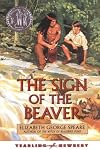
cargocontainer The Hunger Games reminded me a bit of Sign of the Beaver in the hunting and survival elements, though it lacks the kill-or-be-killed aspect.
32
weener You'll laugh. You'll cry. You'll get hungry for chicken. These books take a very similar type of plot and play it in totally different ways.
10
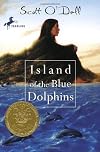

ennedroC Both The Conferacy of Heaven by Margaret Taylor and The Hunger Games by Suzanne Collins carry a similiar plot and main character.
10
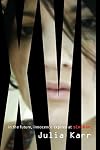
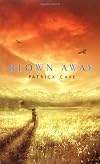
anonymous user The sequel to Sharp North, it has a similar premise to the Hunger Games but taken at a different angle
10
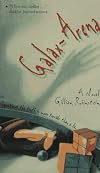
by _Zoe_
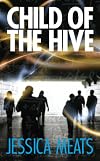
EllieM If you like Hunger games try Child of the Hive By Jessica Meats. This is also an Adventure-sci/Fi fantasy novel suitable for teens upwards. I would actually rate Child of the Hive higher than Hunger Games. The Plot is much more intriguing. Read it and see if you agree!
21
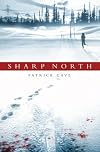
by anonymous user
by anonymous user
by anonymous user
evymac Strong female character set in a world that is much harsher than our own fights to survive.
11
Justin.T.Robinson Both The Hunger Games and The Good Fight feature strong female leads fighting back against a dystopia they'd previously just got along and lived in.
11
sturlington The tributes of the bull dancers are similar to the tributes to the Hunger Games and Collins has said she was inspired by the Theseus myth.

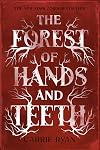
ldelprete this book has the suspense factor times 10 and is post-apocalypse. I loved both of these stories.
97
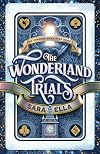
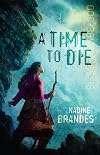
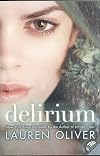
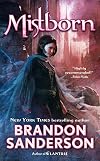
Katya0133 The tone of these two books is very different, but they way Katniss looked at the world, specifically the way she couldn't understand kindness as a motivation, reminded me of Vin in the first Mistborn book.
14
cargocontainer A story about men in Vietnam. I read it probably half a dozen times in middle and high school. It too is a story about people out in the wild being hunted by their enemies, and who want to get home alive.
08
whymaggiemay Though written for YA readers, these books have the same feeling of urgency while reading.
229
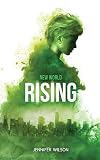
by anonymous user

rachelda The strong young female narrator/protagonist and the political ideas of oppression and rebellion in Frost give it a similar feel to The Hunger Games. It is also the first novel of a series.
00


charlie68 Both divide children into socio-economic groups.
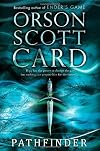
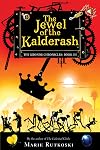
keeneam This trilogy is somewhat like the hunger games, (and the book fits the level of 10-12 year olds) as three young teens fight for their lives and family members.
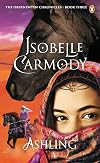
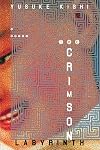
brianjungwi Very similar story by a Japanese author
stephxsu Similar independent and versatile female protagonist.
Member Reviews
This YA series makes some of the others (like Divergent and Maze Runner) look like they were written by children. It doesn't feel amateurishly planned and written, and it has a sense of maturity that most other YA novels don't have. The story feels... tangible. The themes are realistic, and the characters are complex. Suzanne Collins makes the reader truly understand them and what they stand for. They aren't just plot devices meant to propagate the story. They feel like living, breathing people trying to survive in a horrible world.[return][return]The plot itself is amazing. It's a very simply concept (having a bunch of teenagers fight to the death in an arena for the whole world to watch), yet Suzanne Collins makes it seem like it show more could genuinely happen in our world. The political themes of control and class discrepancy make the story all the more believable. In addition, not everything is about surviving until the next day (unlike the Maze Runner franchise). Katniss Everdeen's never-ending concerns about her loved ones' safety and about standing up to the Capitol contribute to making her story one hell of a read. Even after the tributes are dead, the Games aren't. Katniss has to continue to playing the Capitol in order to ensure nothing happens to the people she loves. The "political thriller" aspect of this franchise made it SO MUCH better than if it were an simply an action novel about a fight to the death in a massive arena.[return][return]The Games themselves are extremely well-paced and entertaining. Famine, thirst, violence, and even fireballs of death all contribute to making this a brutal survival story. Danger is at every corner, making the suspense of the reader shoot through the roof. I dare anyone to read this story for the first time and not get nervous at what's going to happen next. [return][return]I do still have a few problems with this book, though. While the section of the book involving the Games themselves is well-paced, the sections before and after do drag sometimes. There is a lot of preparation before the Games begin, including a ton of food, fashion, and interviews, and I do wish Suzanne Collins paced these sections a little better. Obviously, it isn't all useless as there are lots of games to be played in order to gain sponsors and keep the Capitol pacified, but it still feels quite slow at times. Also, the book is quite monotonous in terms of its writing style the whole way through. It honestly seems like the narrator is bored telling it at times, but I'm not too pressed about it; it doesn't mean the story itself is boring. show less
The Ballad of Songbirds and Snakes is a prequel to The Hunger Games that follows a young Coriolanus Snow long before he becomes the president of Panem. The story is set during the Tenth Hunger Games, a time when the Capitol is still recovering from war and the Games themselves are far less polished and grand than they are in the original trilogy. Instead of a spectacle of wealth and power, the early Games are harsh, awkward, and unstable, with the Capitol trying to figure out how to turn a brutal punishment into a controlled public event. The novel shows how Coriolanus, who comes from a once-powerful but now struggling Capitol family, is desperate to restore his family’s status, survive socially, and earn a future for himself. His show more ambition is strong, but so is his fear of failure, and that mix drives much of his behavior.
Coriolanus is assigned as a mentor for one of the tribute participants, Lucy Gray Baird, a girl from District 12. At first, Lucy Gray seems like an unlikely tribute to inspire confidence. She is slender, unconventional, and clearly underdog material in a system built to favor the powerful. But she is also clever, charismatic, and captivating in ways Coriolanus does not expect. When she performs at the reaping and later in the arena, she immediately shows that she understands how to command attention. Her talent for singing and her ability to charm a crowd make her stand out in a Games environment where survival is not only about strength, but also about performance and image. Coriolanus quickly becomes fascinated by her, and the relationship between them grows increasingly complicated as he tries to balance his genuine attraction to her with his own ambition.
The novel is not simply about romance or survival. It is about the formation of power, morality, and cruelty. Coriolanus begins the story still capable of warmth, compassion, and even idealism, but he is also deeply shaped by fear, pride, and the belief that the world is a competition where winners get to define the rules. His family’s poverty makes him resentful and insecure, and he constantly worries about being exposed as less than the polished Capitol boy he pretends to be. He is deeply concerned with appearances and deeply invested in the idea of restoring his family’s name. These pressures influence his decisions throughout the novel, especially when he starts to believe that helping Lucy Gray could bring him personal gain. What begins as a strategic connection slowly becomes something more emotionally real, but even then, Coriolanus never fully stops thinking about what the relationship means for him.
Read full book summary at Booksdata.org show less
Coriolanus is assigned as a mentor for one of the tribute participants, Lucy Gray Baird, a girl from District 12. At first, Lucy Gray seems like an unlikely tribute to inspire confidence. She is slender, unconventional, and clearly underdog material in a system built to favor the powerful. But she is also clever, charismatic, and captivating in ways Coriolanus does not expect. When she performs at the reaping and later in the arena, she immediately shows that she understands how to command attention. Her talent for singing and her ability to charm a crowd make her stand out in a Games environment where survival is not only about strength, but also about performance and image. Coriolanus quickly becomes fascinated by her, and the relationship between them grows increasingly complicated as he tries to balance his genuine attraction to her with his own ambition.
The novel is not simply about romance or survival. It is about the formation of power, morality, and cruelty. Coriolanus begins the story still capable of warmth, compassion, and even idealism, but he is also deeply shaped by fear, pride, and the belief that the world is a competition where winners get to define the rules. His family’s poverty makes him resentful and insecure, and he constantly worries about being exposed as less than the polished Capitol boy he pretends to be. He is deeply concerned with appearances and deeply invested in the idea of restoring his family’s name. These pressures influence his decisions throughout the novel, especially when he starts to believe that helping Lucy Gray could bring him personal gain. What begins as a strategic connection slowly becomes something more emotionally real, but even then, Coriolanus never fully stops thinking about what the relationship means for him.
Read full book summary at Booksdata.org show less
Great dystopian book (and series). Unlike a lot of YA dystopian fiction (which this book unfortunately got lumped into), it feels very realistic and compelling. The motivation of the characters, depiction of a revolution, and character decision-making was realistic and well-portrayed. The subject matter is never treated disrespectfully but with a sort of horrific tone at the normalcy of the games. The way the games are run feels like a dark twist on a lot of today’s reality tv, which adds to the realism. And even though the main character running the revolution was a teenager, it never felt like she an unexplainable amount of power for her age (a problem which a lot of YA runs into).
This is the best book I read this year. Two thumbs up! Highly recommended. Why? Combine "Battle Royale" with teen dramas on the WB (with a little "The Running Man" thrown in) and watch the awesome. I've never seen a novel with a stronger beginning - the environment and backstory is established immediately, there's tension from page one, and the story has started before the end of the chapter. You've got a doomsday clock going, high stakes, and not much thinking. And the whole story is totally relatable to high school - I'd almost call it allegorical.
The story's composed in three parts. The first part is where we see our main character, a teen called Katniss living life in the slummy District 13, where starvation and poverty is standard show more fare. Part two occurs after she's chosen to participate in the District Games, which is essentially Battle Royale minus the backpack & collars and plus the rivalry, because whoever wins gets set for life (although evidence suggests you never live down the scars). This part is where my "The Running Man" reference comes from, because we see the pre-interviews, the training, and the media circus surrounding this young girl. It's where the high school allegory shines brightest.
First people judge you on your appearance. Then you're judged on your chance for survival and given a score, but not told the criteria on which they judge you (may this be like the elite clique giving you your place in the world?). Then you give an interview, but it's Hollywood hype - it's giving people a personality they want to see. Some play the psycho tough, others play the cunning fox. You see, the purpose of this media circus is to get people to like you. If they like you, they might buy you something during the games - food or weapons or medicine. So you've got to get yourself a personality, an image, and suck up to those fans. And it tears Katniss up because it's the opposite of what she is, a hard-working, bitter hunter from the coal-mining district. Now she has to be a dizzy damsel in unrequited love with her district partner. You can never be yourself in this game.
But here the initial inertia fades as the anticipation of the battle seeps through every word. Flashbacks to her life in District 13 try to build her character and romantic tension between her friend and her District partner (who she may have to kill at some point). There's a great deal of her thinking on this, on the consequences of her actions, and what this means to her survival and future relationships. It's not really a problem, because you always want to see what happens next, but it feels like padding.
Then we get to part three - the battle. Here it gets really introspective, because Katniss is on her own, clinging to the trees and looking for food, as she tries to play both the battle game and the media game (the audience is watching her every move, and could decide whether she lives or dies). It unfolds realistically, which is sort of the trapping of this story. Katniss does a lot of wandering, a lot of thinking, a lot of worrying. That's what you'd expect, but it doesn't move the plot much. You find yourself hoping to get to the end of the chapter, where you know something interesting is going to happen. But something interesting always happens. And you watch her alliances and enemies and actions have dire consequences as the plot moves along, and all Katniss wants to do is get out alive, compromising her values and hurting people as she does it.
Then some mutant dogs made out of dead competitors attack them.
Ahem.
All in all, this is a definite must-read. I'm sure someday we'll recognize Suzanne Collins and Scott Westerfeld as the mother and father of modern YA science-fiction. show less
The story's composed in three parts. The first part is where we see our main character, a teen called Katniss living life in the slummy District 13, where starvation and poverty is standard show more fare. Part two occurs after she's chosen to participate in the District Games, which is essentially Battle Royale minus the backpack & collars and plus the rivalry, because whoever wins gets set for life (although evidence suggests you never live down the scars). This part is where my "The Running Man" reference comes from, because we see the pre-interviews, the training, and the media circus surrounding this young girl. It's where the high school allegory shines brightest.
First people judge you on your appearance. Then you're judged on your chance for survival and given a score, but not told the criteria on which they judge you (may this be like the elite clique giving you your place in the world?). Then you give an interview, but it's Hollywood hype - it's giving people a personality they want to see. Some play the psycho tough, others play the cunning fox. You see, the purpose of this media circus is to get people to like you. If they like you, they might buy you something during the games - food or weapons or medicine. So you've got to get yourself a personality, an image, and suck up to those fans. And it tears Katniss up because it's the opposite of what she is, a hard-working, bitter hunter from the coal-mining district. Now she has to be a dizzy damsel in unrequited love with her district partner. You can never be yourself in this game.
But here the initial inertia fades as the anticipation of the battle seeps through every word. Flashbacks to her life in District 13 try to build her character and romantic tension between her friend and her District partner (who she may have to kill at some point). There's a great deal of her thinking on this, on the consequences of her actions, and what this means to her survival and future relationships. It's not really a problem, because you always want to see what happens next, but it feels like padding.
Then we get to part three - the battle. Here it gets really introspective, because Katniss is on her own, clinging to the trees and looking for food, as she tries to play both the battle game and the media game (the audience is watching her every move, and could decide whether she lives or dies). It unfolds realistically, which is sort of the trapping of this story. Katniss does a lot of wandering, a lot of thinking, a lot of worrying. That's what you'd expect, but it doesn't move the plot much. You find yourself hoping to get to the end of the chapter, where you know something interesting is going to happen. But something interesting always happens. And you watch her alliances and enemies and actions have dire consequences as the plot moves along, and all Katniss wants to do is get out alive, compromising her values and hurting people as she does it.
Then some mutant dogs made out of dead competitors attack them.
Ahem.
All in all, this is a definite must-read. I'm sure someday we'll recognize Suzanne Collins and Scott Westerfeld as the mother and father of modern YA science-fiction. show less
The genius of Suzanne Collins to put together this political and social commentary work of fiction AND still make it entertaining as fuck for teens
I hate a lot of things: I hate spiders. I hate how weak I am when it comes to chocolate. I hate my dog's flatulence issue. I hate how people call James' "Jimmy" and Richards "Dick". I hate it when people tell me "what a beautiful day!" it is. I hate boys who wear flip-flops and girls who wear short skirts in the middle of winter. I hate cabbage.
Really, my list is probably as long as the word pneumonoultramicroscopicsilicovolcanoconiosis....Or longer. But that's not the point. The point is, out of all those things, which is the thing I hate the most? Spiders, easy. I will scream like a girly-girl, cover myself in seaweed, eat cabbage, and tell someone "what a beautiful day!" it is before ever touching a spider. I'd also hide in the show more frozen depths of Antarctica after doing all that. However, there is something I hate just as much as spiders. What's that, you ask? Well, it's just got to be reviewing books I love.
You see, despite my love for all things apocalyptic and kick-ass, I'm pretty much a newbie when it comes to dystopia. So you'll forgive me when I tell you that at the beginning of this year I was saying, "The Hunger wha?" I'd seen the title pop up in forum discussions. I'd seen the covers plastered all over blog posts. I'd heard the cyber squeals all the way down under as girls declared to be "Team Gale!" or "Team Peeta!" Reader friends started screaming at me that this is a must-read series. So of course I wanted my slice of the Hungry Game pie. Sorry, sorry - the Hunger Games!
What did I do? Bought all three books without knowing what they were even about. Yeah, that's right. I took a big, fat bite of my slice...and then ate the whole pie.
The book became a permanent fixture in my hands; my fingers hovered just-so above each page, ready to flick in a nanosecond as not to miss a single moment. I skipped mealtimes so I didn't have to sit it down for an extended period of time. I ignored my friends. I started speaking in makeshift sign language to my family. I looked up, shocked, as 2 PM became 2 AM. What has become of me?! Nothing. I am the hermit; the Hunger Games is my shell. Watch my tired eyes twitch, look at my malnourished veins, and there, right there! Did you see it fly past? Yes, that was my social life.
Collins is one of the most persuasive writers on the market, so persuasive that I sold my soul to her in the opening pages. She can make you believe anything. This dystopian future of meaningless massacres deemed useful by the screwed-up political system? Doesn't make sense. Buuu-ut...throw in a twinkly-eyed, kind-hearted baker’s son who can ice cakes better than your grandma, add some tremendous amount of graphic violence inflicted and suffered by minors, and then a little clichéd love triangle and readers worldwide are eating out of your palm!
To be honest, there wasn't much I didn't like or wasn't entirely impressed with. Collins has created a literary tidal wave and I'm just one of millions who have my face buried in her palm, scouring for crumbs. And that's all that matters - what you think. Nobody else, just you. Discover what it means to you, form your own opinions, and fast, because this franchise is expanding and scheduled to EXPLODE next year.
In the end, maybe I fell into the tidal wave or maybe the tidal wave hit me, either way, this is something I'm happy to be drowning in. show less
Really, my list is probably as long as the word pneumonoultramicroscopicsilicovolcanoconiosis....Or longer. But that's not the point. The point is, out of all those things, which is the thing I hate the most? Spiders, easy. I will scream like a girly-girl, cover myself in seaweed, eat cabbage, and tell someone "what a beautiful day!" it is before ever touching a spider. I'd also hide in the show more frozen depths of Antarctica after doing all that. However, there is something I hate just as much as spiders. What's that, you ask? Well, it's just got to be reviewing books I love.
You see, despite my love for all things apocalyptic and kick-ass, I'm pretty much a newbie when it comes to dystopia. So you'll forgive me when I tell you that at the beginning of this year I was saying, "The Hunger wha?" I'd seen the title pop up in forum discussions. I'd seen the covers plastered all over blog posts. I'd heard the cyber squeals all the way down under as girls declared to be "Team Gale!" or "Team Peeta!" Reader friends started screaming at me that this is a must-read series. So of course I wanted my slice of the Hungry Game pie. Sorry, sorry - the Hunger Games!
What did I do? Bought all three books without knowing what they were even about. Yeah, that's right. I took a big, fat bite of my slice...and then ate the whole pie.
The book became a permanent fixture in my hands; my fingers hovered just-so above each page, ready to flick in a nanosecond as not to miss a single moment. I skipped mealtimes so I didn't have to sit it down for an extended period of time. I ignored my friends. I started speaking in makeshift sign language to my family. I looked up, shocked, as 2 PM became 2 AM. What has become of me?! Nothing. I am the hermit; the Hunger Games is my shell. Watch my tired eyes twitch, look at my malnourished veins, and there, right there! Did you see it fly past? Yes, that was my social life.
Collins is one of the most persuasive writers on the market, so persuasive that I sold my soul to her in the opening pages. She can make you believe anything. This dystopian future of meaningless massacres deemed useful by the screwed-up political system? Doesn't make sense. Buuu-ut...throw in a twinkly-eyed, kind-hearted baker’s son who can ice cakes better than your grandma, add some tremendous amount of graphic violence inflicted and suffered by minors, and then a little clichéd love triangle and readers worldwide are eating out of your palm!
To be honest, there wasn't much I didn't like or wasn't entirely impressed with. Collins has created a literary tidal wave and I'm just one of millions who have my face buried in her palm, scouring for crumbs. And that's all that matters - what you think. Nobody else, just you. Discover what it means to you, form your own opinions, and fast, because this franchise is expanding and scheduled to EXPLODE next year.
In the end, maybe I fell into the tidal wave or maybe the tidal wave hit me, either way, this is something I'm happy to be drowning in. show less
Imagine a place where the vast majority of resources - energy, agricultural, technological - are reserved for the use of a privileged group. A place where those who labor to create or harvest those resources - the miners who extract the coal, the field laborers who harvest the food, the factory workers who build the computers - live in abject poverty, unable to benefit from what they produce. Imagine that past rebellion against this state of affairs has been crushed by those privileged few, with their superior weapons, and military might. Imagine that these are a people who enjoy watching horrifically dehumanizing games, televised into their comfortable homes. Finally, imagine that this is a society in which children - always so show more vulnerable to the adults around them - are brutalized, given weapons and set loose in a hostile world - forced to fight and to kill, in order to stay alive.
I don't know about you, but I don't have to work very hard to imagine it. And while this place can be found within the pages of Suzanne Collins' brilliant dystopian young-adult fantasy novel, The Hunger Games, where it is called Panem - a nation that rose from the ashes of a future North America - it can also be found in the pages of the annual Human Rights Watch World Report. It can be found around the corner, and around the globe, right here and now, in this "real" world in which we live. And that, of course, is the brilliance of Collins' work, and of this genre.
Dystopian fiction - the best of it, anyway - doesn't just offer us a cautionary tale, a portrait of what could be. No, it also offers us a mirror, a glimpse of ourselves, as we are now. It may be that this mirror distorts, and that we see but darkly. But for every distortion, for every detail of the real world that is occluded or transformed, some deeper truth is revealed. In the real world, there isn't one wealthy Capitol, and twelve impoverished Districts. But there are areas of vast affluence and influence, whose inhabitants experience a plenty unimaginable to many of their fellow human beings. In the real world, we don't hold gladitorial games in which children (known as "tributes"), ranging in age from twelve to eighteen, are forced to battle one another to the death, as a form of demoralizing punishment for their elders. But we do use hundreds of thousands of children as soldiers, arming and often drugging them, using them as tools - both practical and psychological - in adult conflicts. (See the website of Child Soldiers International, formerly The Coalition to Stop the Use of Child Soldiers, for more information on this most pernicious form of child abuse).
So when my fellow readers and reviewers describe the premise of The Hunger Games - that the twelve Districts of Panem, subjugated by the impregnable Capitol (located in the Rocky Mountains), must each supply two tributes, one boy and one girl, to compete in the eponymous (and deadly) Hunger Games - as "implausible" or "uncivilized," I wonder what book they've been reading, and what world they're living in. Don't mistake me: I too found the premise barbaric, but I was struck, again and again, in the course of my reading, by a powerful sense of recognition.
I was also, in the course of my reading, so intensely involved that I was all but lost to the world. Collins' story isn't just a powerful, thought-provoking allegory, after all, but an intensely exciting adventure story! The heroine, Katniss Everdeen, is admirably complex: smart enough to find a way to feed her starving family (through illegal hunting), but completely clueless as to her fellow tribute, Peeta Mellark's feelings for her; strong enough to volunteer, in order to spare her beloved younger sister, Prim, but vulnerable enough to weep for one of her fellow tributes, in full view of the cameras; practical, and determined to use the rules of the game to her advantage, but also, in her own way, willing to risk everything to do what is right.
I loved everything about this book! I loved the fact that Collins made me think: about issues of exploitation, choice, and survival; and the possibilities of maintaining identity, under the most horrific of circumstances. I loved the story itself, which just grabbed hold of me, and never let go; I loved the heroine, with her many contradictions; and I loved the supporting cast, from the faithful Peeta, to the quietly compassionate Cinna. Finally, and perhaps most of all, I loved that in the midst of this dark tale, Collins did not exclude hope entirely, that she demonstrated that the best of the human spirit - its nobility, compassion, love of right, defiance of injustice - survives even in the most trying times. As Katniss reflects to herself, in a tragic scene in which one of her fellow tributes (victims) has been killed, and she is faced with the decision of how to arrange the body:
"I want to do something, right here, right now, to shame them, to make them accountable, to show the Capitol that whatever they do or force us to do there is a part of every tribute they can't own. That (...) was more than a piece in their Games. And so am I."
Bravo, Suzanne Collins! A brilliant first entry in an exciting new series! I cannot WAIT to read installment two! show less
I don't know about you, but I don't have to work very hard to imagine it. And while this place can be found within the pages of Suzanne Collins' brilliant dystopian young-adult fantasy novel, The Hunger Games, where it is called Panem - a nation that rose from the ashes of a future North America - it can also be found in the pages of the annual Human Rights Watch World Report. It can be found around the corner, and around the globe, right here and now, in this "real" world in which we live. And that, of course, is the brilliance of Collins' work, and of this genre.
Dystopian fiction - the best of it, anyway - doesn't just offer us a cautionary tale, a portrait of what could be. No, it also offers us a mirror, a glimpse of ourselves, as we are now. It may be that this mirror distorts, and that we see but darkly. But for every distortion, for every detail of the real world that is occluded or transformed, some deeper truth is revealed. In the real world, there isn't one wealthy Capitol, and twelve impoverished Districts. But there are areas of vast affluence and influence, whose inhabitants experience a plenty unimaginable to many of their fellow human beings. In the real world, we don't hold gladitorial games in which children (known as "tributes"), ranging in age from twelve to eighteen, are forced to battle one another to the death, as a form of demoralizing punishment for their elders. But we do use hundreds of thousands of children as soldiers, arming and often drugging them, using them as tools - both practical and psychological - in adult conflicts. (See the website of Child Soldiers International, formerly The Coalition to Stop the Use of Child Soldiers, for more information on this most pernicious form of child abuse).
So when my fellow readers and reviewers describe the premise of The Hunger Games - that the twelve Districts of Panem, subjugated by the impregnable Capitol (located in the Rocky Mountains), must each supply two tributes, one boy and one girl, to compete in the eponymous (and deadly) Hunger Games - as "implausible" or "uncivilized," I wonder what book they've been reading, and what world they're living in. Don't mistake me: I too found the premise barbaric, but I was struck, again and again, in the course of my reading, by a powerful sense of recognition.
I was also, in the course of my reading, so intensely involved that I was all but lost to the world. Collins' story isn't just a powerful, thought-provoking allegory, after all, but an intensely exciting adventure story! The heroine, Katniss Everdeen, is admirably complex: smart enough to find a way to feed her starving family (through illegal hunting), but completely clueless as to her fellow tribute, Peeta Mellark's feelings for her; strong enough to volunteer, in order to spare her beloved younger sister, Prim, but vulnerable enough to weep for one of her fellow tributes, in full view of the cameras; practical, and determined to use the rules of the game to her advantage, but also, in her own way, willing to risk everything to do what is right.
I loved everything about this book! I loved the fact that Collins made me think: about issues of exploitation, choice, and survival; and the possibilities of maintaining identity, under the most horrific of circumstances. I loved the story itself, which just grabbed hold of me, and never let go; I loved the heroine, with her many contradictions; and I loved the supporting cast, from the faithful Peeta, to the quietly compassionate Cinna. Finally, and perhaps most of all, I loved that in the midst of this dark tale, Collins did not exclude hope entirely, that she demonstrated that the best of the human spirit - its nobility, compassion, love of right, defiance of injustice - survives even in the most trying times. As Katniss reflects to herself, in a tragic scene in which one of her fellow tributes (victims) has been killed, and she is faced with the decision of how to arrange the body:
"I want to do something, right here, right now, to shame them, to make them accountable, to show the Capitol that whatever they do or force us to do there is a part of every tribute they can't own. That (...) was more than a piece in their Games. And so am I."
Bravo, Suzanne Collins! A brilliant first entry in an exciting new series! I cannot WAIT to read installment two! show less
Members
- Recently Added By
Published Reviews
Het verhaal, vertaald uit het Engels, speelt zich af in de toekomst. Na een burgeroorlog is van Noord-Amerika het land Panem overgebleven, bestaande uit het welvarende Capitool met twaalf daaraan ondergeschikte districten, waarin veel armoede en onvrijheid heersen. In de jaarlijkse Hongerspelen moeten 24 kinderen, uit elk district een jongen en een meisje, strijden op leven en dood in een show more ‘Big Brother’-omgeving. Katniss Everdeen (16, ik-figuur) uit het 12e, armoedigste district springt in de bres voor haar jongere zusje Prim wanneer deze wordt uitgeloot. Na een wat aarzelend begin krijgt het verhaal vaart in het tweede en derde deel. Het thema is gedurfd: een strijd op leven en dood tussen twaalf- en achttienjarigen, als vorm van vermaak. Wie is de slimste overlever? De auteur creëert een eigen begrippenkader dat zijdelings doet denken aan Harry Potter. Ze combineert overlevingstechnieken uit de traditie van Jean Auels prehistorische romans met ultramoderne technologie. Het slot lijkt voorspelbaar, maar is dat niet. Spanning, romantiek en het open einde maken de lezer nieuwsgierig naar het volgende boek in deze serie, 'De Hongerspelen II: vlammen'*. show less
added by ARThurNOIRKE
Lists

Best Dystopias
280 works; 277 members
1001 Books You Must Read Before You Die
1,448 works; 1,136 members

Best Science Fiction Novels
816 works; 430 members

Best Young Adult
413 works; 102 members

Read the book and saw the movie
1,170 works; 195 members

Favorite Science Fiction by Women Authors
737 works; 202 members

Top-Rated Books on LibraryThing
272 works; 118 members

Best Post-Apocalyptic Stories
143 works; 88 members

Recommend the 20 best books you've read in the last five years
2,168 works; 607 members

NPRs your favorites: 100 Best Ever Teen Novels
237 works; 49 members

Best 21st Century Books (So Far)
679 works; 86 members

Books That Will Keep You on the Edge of Your Seat
73 works; 20 members

Top Five Books of 2013
1,562 works; 715 members

PBS The Great American Read
100 works; 21 members
Banned Books Week 2014
268 works; 63 members

Amazon's 100 Science Fiction & Fantasy Books to Read in a Lifetime
87 works; 23 members
Dystopian and Apocalyptic Literature
350 works; 74 members

Survey of Science Fiction and Fantasy
101 works; 13 members
Recommended books
6 works; 4 members

NPRs your picks: top 100 Killer Thrillers
100 works; 17 members
BBC's 100 Novels That Shaped Our World
100 works; 22 members

100 books to read in a lifetime
102 works; 37 members

Books for Reluctant Readers
18 works; 3 members

Bookriot's 100 Must-Read Sci-Fi Fantasy Novels By Female Authors
100 works; 9 members

Female Protagonist
1,056 works; 57 members
Female Author
1,234 works; 65 members
Dystopian Novels you should read
25 works; 2 members

SLJ's 100 Must-Have YA books
36 works; 2 members
Unbound Worlds 100 Best SF Books
100 works; 8 members
LibraryThingers' 1001 Books You Must Read Before You Die
442 works; 30 members

Books where the characters of color deserved so much better
7 works; 2 members

An End of the World Reading List
63 works; 4 members

Great Audiobooks
96 works; 10 members

Best Friendship Stories
205 works; 16 members

Most Popular Young Adult Lit on LT
100 works; 4 members

Speculative Fiction to Read
706 works; 31 members

Best Survival Stories
97 works; 15 members

Main Character is aged 10-19
363 works; 6 members
Top 10 Teen Fiction
10 works; 1 member

Top Five Books of 2016
795 works; 229 members

Most popular YA Fiction in Charles City
25 works; 1 member

Leseliste
21 works; 1 member

Movie Adaptations
111 works; 4 members

Thrillers
20 works; 3 members

Read This Twice's Best Horror Books
94 works; 2 members

The Book You Would Give To Everyone You Meet If You Could
7 works; 1 member

Books We Resisted Reading
178 works; 110 members

Books Read in 2010
631 works; 11 members
Overdue Podcast
808 works; 9 members
Banned or Challenged Books
402 works; 43 members

al.vick-series
381 works; 2 members
Favorite Science Fiction
457 works; 220 members

Recommended Science-Fiction Books
40 works; 3 members

Books Read in 2025
4,128 works; 98 members
books featured on the book struggles twt
97 works; 2 members
Our Favorite Banned Books
138 works; 122 members
Widely acclaimed, one book per year
105 works; 3 members
Books We Couldn't Put Down
443 works; 197 members

Read in 2011
81 works; 1 member

Have read
18 works; 1 member

Forest Books
15 works; 2 members

Books We Loved As Children
603 works; 253 members

Books We Want To Read Again For The First Time
384 works; 160 members

Elaina's
183 works; 1 member

H
177 works; 2 members

NYT Readers best of 21st C
100 works; 8 members

um actually
76 works; 3 members

Hazel & Katniss & Harry & Starr Podcast
195 works; 1 member
Books We Love to Reread
695 works; 298 members
BitLife
212 works; 4 members

Young Adult Books Ranked
12 works; 1 member

Top Five Books of 2023
767 works; 317 members

Favorite Books
6 works; 1 member

Mustich's 1000 Books to Read Before You Die: A Life Changing List
1,001 works; 20 members

Favorite Kids Books (chapter, middle grade)
170 works; 4 members

Books Read in 2023
5,638 works; 147 members

Guilty Pleasures
223 works; 86 members

Anti-heroines in fiction
59 works; 9 members

Allie's List of Books I Want To Read
93 works; 1 member

Novels featuring siblings
133 works; 8 members

A Novel Cure
742 works; 23 members

2000s decade
85 works; 7 members

feasting on fiction
24 works; 5 members

Books Read in 2013
1,630 works; 51 members
Shannon's Read-Alikes List
71 works; 8 members

Best books I read in 2013
152 works; 3 members

Books About Girls
219 works; 17 members
Literature About Women and Girls
409 works; 40 members

2000s (the decade, not the century)
184 works; 11 members
Best Fantasy Novels
821 works; 361 members
Books tagged favorites
390 works; 30 members

Watched the Movie, Probably Won't Read the Book
185 works; 34 members
Favourite Books
1,820 works; 316 members

Tagged by Tim or Meh!
91 works; 9 members

Books Read in 2012
816 works; 34 members
Books About Murder
313 works; 7 members

Pageturners
40 works; 6 members

Bibliography for How to be a Heroine
148 works; 12 members
Books That Go Bump in the Night
42 works; 6 members
Books Read in 2018
4,360 works; 110 members

Books Read in 2017
4,249 works; 129 members
Scholastic
15 works; 1 member
Books Read in 2011
684 works; 20 members

Authors from the United States
245 works; 3 members

Books on my Kindle
162 works; 3 members

Books Read in 2016
4,666 works; 197 members

Best books read in 2011
200 works; 51 members

PRC 2015 Years 7&8
50 works; 1 member
Books Read in 2015
3,299 works; 126 members
Five star books
1,767 works; 110 members
Best Books With Sisters
130 works; 30 members
American Lit for Eng 11 Research Project
368 works; 6 members
Best Book and Movie Combos
70 works; 11 members

Biggest Disappointments
606 works; 163 members

Goalhanger Book Club
22 works; 1 member
Great American Novels
158 works; 40 members
Best middle grade books
130 works; 24 members
You Couldn't Pay Me to Read That (Take 2)
213 works; 87 members
Talk Discussions
Past Discussions
Life in the Capitol in The Hunger Games (September 2017)
Group Read: The Hunger Games in Read YA Lit (February 2014)
Author Information

Suzanne Collins was born on August 10, 1962. She was born in Hartford, Connecticut and graduated from Indiana University with a double major in Drama and Telecommunications. Collins went on to receive an M.F.A. from New York University in dramatic writing. Since 1991, she has been a writer for children's television shows. She has worked on the show more staffs of several shows including Clarissa Explains it All, The Mystery Files of Shelby Woo, Little Bear and Oswald. She also co-wrote the Rankin/Bass Christmas special, Santa, Baby! and was the head writer for Scholastic Entertainment's Clifford's Puppy Days. Her books include When Charlie McButton Lost Power, The Underland Chronicles, and the Hunger Games Trilogy. Book one of this trilogy, The Hunger Games, became a major motion picture in 2012 with Oscar-winning actress Jennifer Lawrence portraying the main character of Katniss Everdeen. Catching Fire, book 2 of the trilogy, became a major motion picture in 2013. Mockingjay - Part One was released as a film in 2014 and Part Two in 2015. (Bowker Author Biography) show less
Some Editions
Awards and Honors
Awards
Distinctions
Notable Lists
Series

Belongs to Publisher Series
Via Láctea (78)
Work Relationships
Is contained in
Has the adaptation
Is parodied in
Inspired
Has as a reference guide/companion
Has as a study
Has as a student's study guide
Common Knowledge
- Canonical title
- The Hunger Games
- Original title
- The Hunger Games
- Original publication date
- 2008-09-14
- People/Characters
- Katniss Everdeen; Primrose Everdeen; Peeta Mellark; Effie Trinket; Gale Hawthorne; Greasy Sae (show all 30); Madge Undersee; Mayor Undersee; Haymitch Abernathy; Venia; Flavius; Octavia; Cinna; Rue; Caesar Flickerman; Thresh; Cato; Clove; Foxface; Portia; Glimmer; Coriolanus Snow; Asterid Everdeen; Mr Mellark; Atala; Seneca Crane; Claudius Templesmith; Rooba; Marvel; Lavinia
- Important places
- District 12; The Capitol; The Arena; Panem; The Seam, District 12; The Hob, District 12 (show all 9); Justice Building, District 12; Training Center, the Capitol; Appalachia, USA
- Important events
- 74th Annual Hunger Games
- Related movies
- The Hunger Games (2012 | IMDb)
- Epigraph
- Happy hunger games! And may the odds be ever in your favor.
- Dedication
- For James Proimos
- First words
- When I wake up, the other side of the bed is cold.
- Quotations
- She reaches in, digs her hand deep into the ball, and pulls out a slip of paper. The crowd draws in a collective breath and then you can hear a pin drop, and I’m feeling nauseous and so desperately hoping that it’s not me... (show all), that it’s not me, that it’s not me.
As long as you can find yourself, you'll never starve.
"Was that what was in his pack at the feast? Body armor to defend against my arrows? Well, they neglected to send a face guard." - Last words
- (Click to show. Warning: May contain spoilers.)I take his hand, holding on tightly, preparing for the cameras, and dreading the moment when I will finally have to let go.
- Blurbers
- King, Stephen; Meyer, Stephenie; Green, John; Horowitz, Anthony
- Original language
- American English
- Canonical DDC/MDS
- 813.6
- Canonical LCC
- PZ7.C6837
Classifications
- Genres
- Young Adult, Teen, Fiction and Literature, Science Fiction
- DDC/MDS
- 813.6 — Literature & rhetoric American literature in English American fiction in English 2000-
- LCC
- PZ7 .C6837 — Language and Literature Fiction and juvenile belles lettres Fiction and juvenile belles lettres Juvenile belles lettres
- BISAC
Statistics
- Members
- 77,079
- Popularity
- 14
- Reviews
- 3,648
- Rating
- (4.30)
- Languages
- 33 — Arabic, Basque, Catalan, Chinese, Czech, Danish, Dutch, English, Estonian, Finnish, French, German, Greek, Hebrew, Hungarian, Indonesian, Italian, Japanese, Korean, Latvian, Lithuanian, Malay, Norwegian (Bokmål), Polish, Portuguese, Romanian, Serbian, Slovak, Spanish, Swedish, Thai, Turkish, Ukrainian
- Media
- Paper, Audiobook, Ebook
- ISBNs
- 268
- UPCs
- 1
- ASINs
- 94
